• Global CNC market projected to reach $128B by 2028 • New EU trade regulations for precision tooling components • Aerospace deman
NYSE: CNC +1.2%LME: STEEL -0.4%

What buyers miss in CNC production equipment quotes
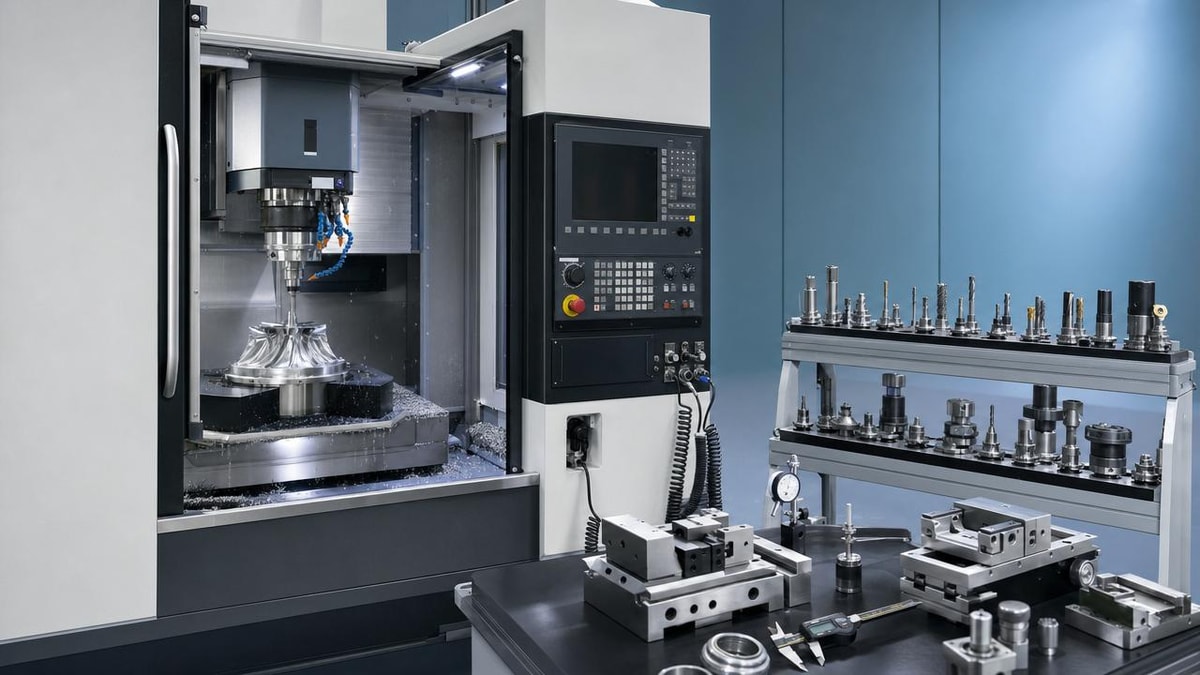
Many buyers compare CNC production equipment quotes by headline price alone, but the real differences often hide in tooling scope, automation level, accuracy standards, after-sales support, and long-term operating costs. Understanding what is included—and what is missing—helps procurement teams avoid costly mistakes and choose equipment that truly fits production goals.
Why CNC production equipment quotes often look similar but are not comparable
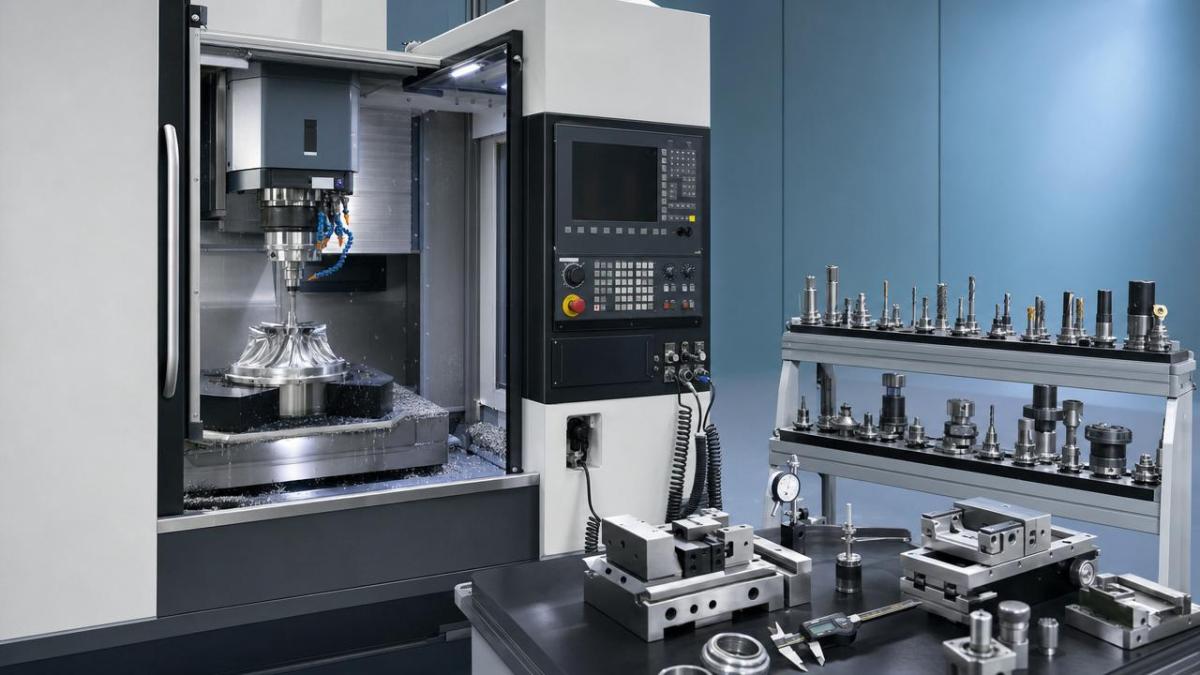
In the CNC machine tool market, two quotations can appear close in machine size, spindle power, and axis travel, yet lead to very different production outcomes. For procurement teams, this is a common risk area. A lower quote may exclude cutting tools, workholding, probing, software licenses, installation, operator training, or even mandatory commissioning support.
This matters across automotive, aerospace, energy equipment, electronics, and general industrial manufacturing, where CNC production equipment is expected to deliver repeatability, uptime, and integration with broader automation plans. In modern factories, buyers are not only purchasing a machine. They are purchasing a production capability that must match part complexity, volume targets, tolerance requirements, and labor conditions.
The challenge becomes greater when suppliers are located in different countries and use different quote structures. Some include turnkey process support. Others quote only the base machine. Some define accuracy based on recognized testing standards, while others provide broad claims without clarifying test conditions, thermal stability, or measurement method.
- Base machine configuration may not include the tooling package needed for first article production.
- Automation readiness may be absent even if future robotic loading is part of the buyer’s plan.
- Quoted cycle time can be unrealistic if it ignores fixture change, tool wear, inspection, and chip removal.
- Service response time, spare parts lead time, and software upgrade policy are often omitted.
For buyers, the right approach is to treat every CNC production equipment quote as a technical and commercial document, not just a price sheet. Once that mindset changes, quote comparison becomes clearer and negotiation becomes more effective.
What procurement teams should verify before comparing CNC production equipment prices
Before comparing offers, define a common evaluation framework. This prevents one supplier from looking cheaper simply because the quote is narrower. The table below highlights key areas that buyers should align before making any price judgment on CNC production equipment.
When procurement aligns these dimensions first, quote comparison becomes more meaningful. It also exposes where a supplier understands production reality and where a quote is built only to win on visible price.
A practical quote review checklist
- Confirm the target part family, annual volume, material type, and tolerance band.
- Request a line-by-line scope list covering hardware, software, tooling, and commissioning.
- Ask which items are optional, recommended, or mandatory for stable production.
- Check whether the proposed CNC production equipment can integrate with current MES, robot loading, or traceability requirements.
- Review warranty limits, spare parts terms, and service coverage by region.
Which hidden cost items are usually missing from CNC production equipment quotes
Buyers under schedule pressure often focus on capital expenditure and overlook operating cost. Yet in many CNC production equipment projects, the total cost difference over three to five years is driven less by machine purchase price and more by tooling consumption, downtime, scrap, maintenance, and labor intensity.
The next table summarizes common hidden costs that should be discussed during supplier evaluation, especially for multi-shift operations, precision machining cells, and automated production lines.
A strong procurement decision weighs these factors before awarding the order. This is especially important when CNC production equipment will support strategic parts, export programs, or customers with strict traceability and quality audit requirements.
Questions that reveal hidden lifecycle cost
- What is the expected tool life under the quoted cycle time and material condition?
- How many operators are required per shift with and without automation?
- What preventive maintenance actions are required monthly, quarterly, and annually?
- Which spare parts should be stocked locally to reduce recovery time?
How to judge technical fit, not just machine specifications
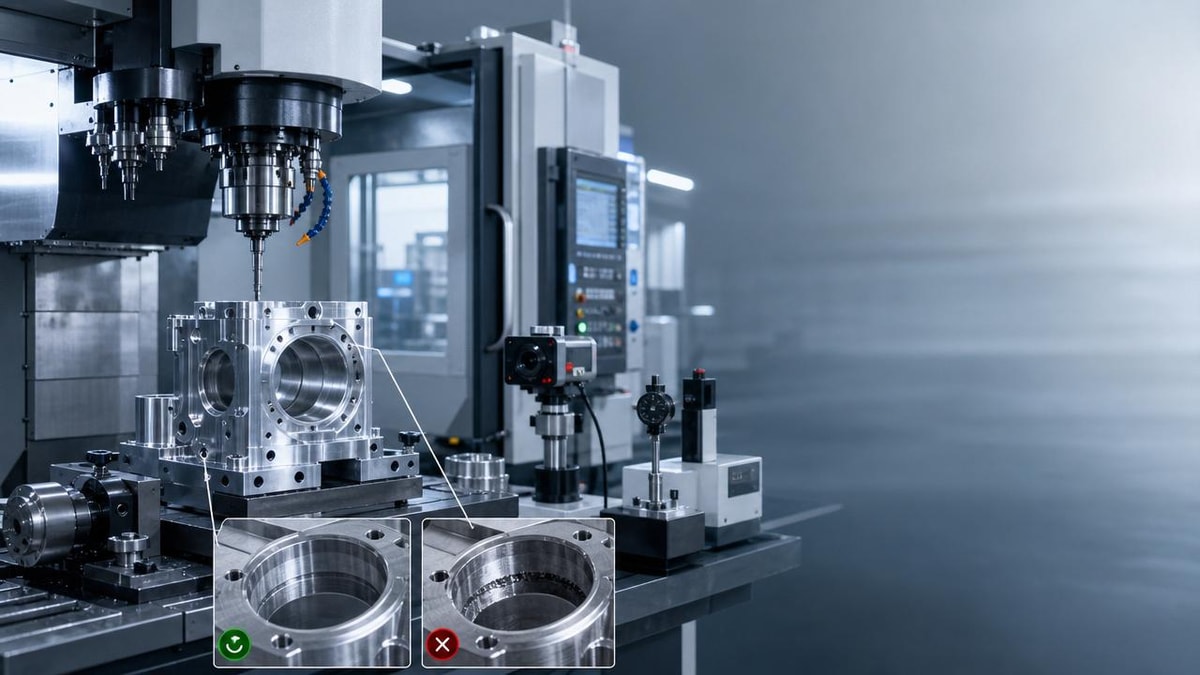
A common buying mistake is to compare only spindle speed, axis travel, and motor power. These are relevant, but they do not fully indicate whether the CNC production equipment will perform reliably in the buyer’s actual process. Technical fit should be judged against the part mix and the plant environment.
Key technical dimensions to assess
- Thermal stability: Critical for long runs and tight tolerance parts. Ask how accuracy changes over time and after warm-up.
- Rigidity and vibration control: Important for hard materials, interrupted cuts, and demanding surface finish requirements.
- Tool magazine and change strategy: A small magazine may reduce machine price but increase setup limitations for multi-part production.
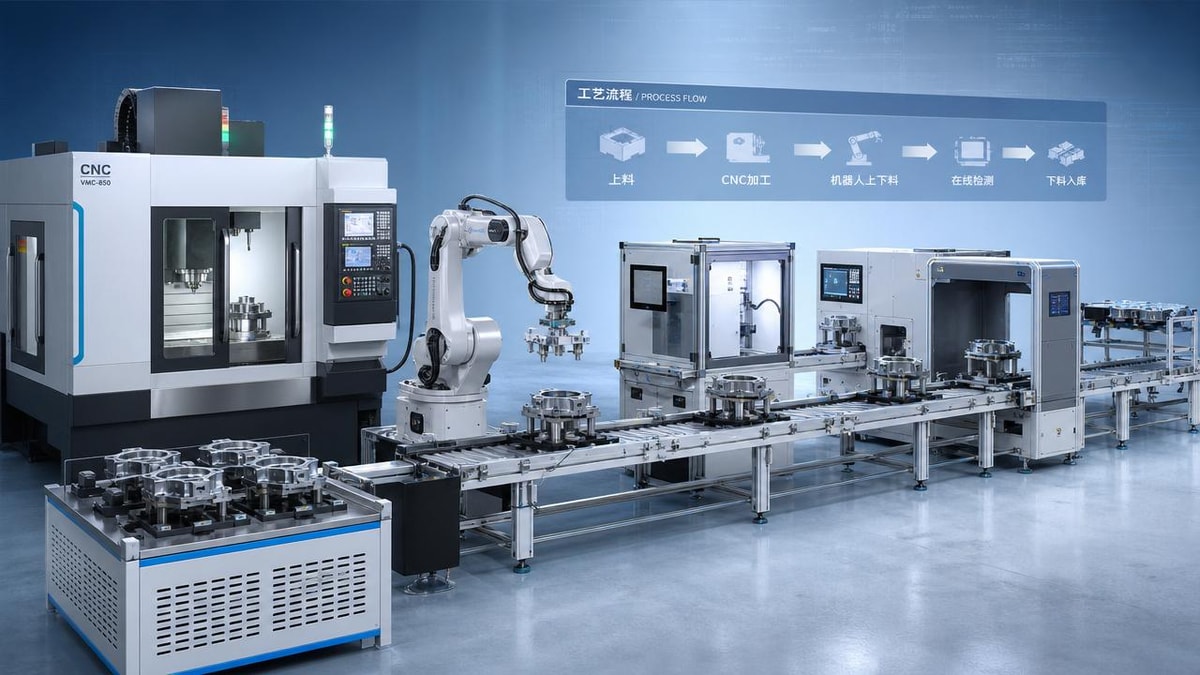
- Automation interface: If robotic loading, pallet pools, or in-line gauging are future goals, the machine should be ready for them.
- Control compatibility: Buyers should verify programming workflow, network communication, and operator familiarity.
In sectors such as aerospace and energy equipment, part value is high and scrap is expensive. In electronics and automotive, throughput and repeatability are often the priority. The best CNC production equipment quote is therefore the one that matches the plant’s actual production bottleneck, not the one that simply offers the longest feature list.
Why sample machining and process review matter
If the supplier can review drawings, material data, tolerance zones, and target takt time before final quoting, buyers gain a better picture of feasibility. Even without a full trial cut, process discussion can reveal whether the proposed solution depends on custom fixturing, special tools, or operator experience that is not reflected in the initial quote.
What standards, documentation, and service terms buyers should request
For international procurement, documentation quality often separates a reliable industrial supplier from a risky one. CNC production equipment must fit not only technical needs but also installation, compliance, and service expectations in the buyer’s region.
Documents worth requesting during evaluation
- Machine layout, utility requirements, and foundation guidance.
- Provisional acceptance criteria for accuracy, cycle time, and functional checks.
- Recommended spare parts list for the first year of operation.
- Training scope for operators, maintenance staff, and programmers.
- Warranty terms defining exclusions, consumables, response time, and remote support conditions.
Depending on destination market and plant policy, buyers may also ask about electrical conformity, safety guarding, and general alignment with commonly recognized industrial practices. The goal is not to demand unnecessary paperwork, but to ensure that the quotation can move smoothly into installation and production approval.
Common quote comparison mistakes in CNC production equipment sourcing
Even experienced procurement teams can fall into predictable traps when comparing CNC production equipment. These mistakes usually happen when sourcing deadlines are tight or when the project is treated as a standard capital purchase instead of a process-critical investment.
Frequent misconceptions
- Assuming equal axis travel means equal machining capability. Structural design, control response, and rigidity can differ significantly.
- Assuming automation can be added later without cost or layout consequences. Retrofitting is often more expensive than preparing early.
- Treating training as optional. Insufficient training often causes poor utilization, setup errors, and unstable quality.
- Ignoring regional service coverage. An attractive import quote may become risky if spare parts and technicians are not locally accessible.
- Judging accuracy only from brochure values. Production consistency depends on environment, workholding, thermal behavior, and maintenance discipline.
The safest buying process is structured comparison. Ask every supplier to respond to the same commercial and technical matrix. That creates transparency and reduces the chance that decision-makers approve a low quote that later expands through change orders and added options.
FAQ: what buyers often ask about CNC production equipment quotes
How should buyers compare two CNC production equipment quotes fairly?
Use a normalized comparison sheet. List machine scope, tooling, fixtures, software, installation, training, acceptance conditions, warranty, spare parts, and delivery terms side by side. If any line is unclear, ask for clarification before price ranking. A quote is only comparable when scope is comparable.
What is the most commonly missed item in a CNC production equipment offer?
The most commonly missed item is the full process package needed for actual startup. Buyers may receive a machine quote without fixtures, toolholders, cutting tools, probing, or commissioning support. The result is a machine on the floor that cannot reach planned output immediately.
How important is after-sales service in the buying decision?
It is critical, especially for high-utilization lines and export-oriented plants. Fast remote support, spare parts visibility, and clear escalation channels often matter more than a small initial price difference. For many buyers, uptime protection is one of the strongest arguments when selecting CNC production equipment.
When should automation be included in the quote?
If labor availability is tight, cycle consistency matters, or the project is expected to scale within one to two years, automation planning should begin at the quotation stage. Even if robot loading or pallet systems are not purchased immediately, buyers should request interface readiness and layout compatibility.
Why informed sourcing creates better long-term results
The CNC machine tool industry is evolving toward higher precision, smarter controls, and deeper integration with automated production lines. In that environment, procurement cannot rely on headline price alone. Buyers need visibility into process fit, lifecycle cost, service capability, and future expandability.
For manufacturers in automotive, aerospace, energy, electronics, and general precision engineering, the right CNC production equipment purchase supports quality targets, stable delivery, and digital manufacturing goals. The wrong purchase creates hidden cost, delayed ramps, and ongoing production friction.
Why choose us for CNC production equipment sourcing support
We focus on the global CNC machining and precision manufacturing industry, with attention to machine tools, automation trends, supplier evaluation, and international trade dynamics. That makes us a practical partner for procurement teams that need more than general product information.
You can contact us for specific support on CNC production equipment quote review, parameter confirmation, solution comparison, delivery lead time discussion, tooling and fixture scope checks, automation readiness assessment, certification-related documentation questions, and supplier communication before final negotiation.
- Need help comparing two or more quotations with different scope definitions?
- Want to verify whether a proposed machine matches your part drawings, output plan, and tolerance needs?
- Need guidance on delivery schedule, customization risk, sample support, or startup preparation?
Share your quote details, production targets, and key technical concerns, and we can help you identify missing items, clarify decision points, and move toward a more reliable procurement result.
NEXT ARTICLE
Recommended for You
 Industrial Robotics payback depends on one hidden variableManufacturing Market Research Center
 Shaft Parts machining problems linked to concentricity lossCNC Machining Technology Center
 Production Process changes that quietly raise defect ratesCNC Machining Technology Center
 Industrial Automation projects stall without process mappingCNC Machining Technology Center
 CNC metal cutting heat issues behind poor surface finishCNC Machining Technology Center
 High precision lathe claims that deserve a closer lookMachine Tool Industry Editorial Team

Aris Katos
Future of Carbide Coatings
15+ years in precision manufacturing systems. Specialized in high-speed milling and aerospace grade alloy processing.
▶
What buyers miss in CNC production equipment quotesGlobal Machine Tool Trade Research Center▶
WeChat Pay Integrates QR Codes from 5 Countries for CNC Equipment ProcurementGlobal Machine Tool Trade Research Center▶
Industrial Turning Costs That Are Easy to Miss in QuotationsGlobal Machine Tool Trade Research Center▶
2026 China Auto & Motorcycle Federation New Energy Drift Challenge in HainanGlobal Machine Tool Trade Research Center▶
WeChat Pay QR Integration in 5 Countries Boosts CNC Equipment TradeGlobal Machine Tool Trade Research Center
Mastering 5-Axis Workholding Strategies
Join our technical panel on Nov 15th to learn about reducing vibrations in thin-wall components.

Providing you with integrated sanding solutions
Before-sales and after-sales services
Comprehensive technical support