• Global CNC market projected to reach $128B by 2028 • New EU trade regulations for precision tooling components • Aerospace deman
NYSE: CNC +1.2%LME: STEEL -0.4%

Industrial Automation projects stall without process mapping
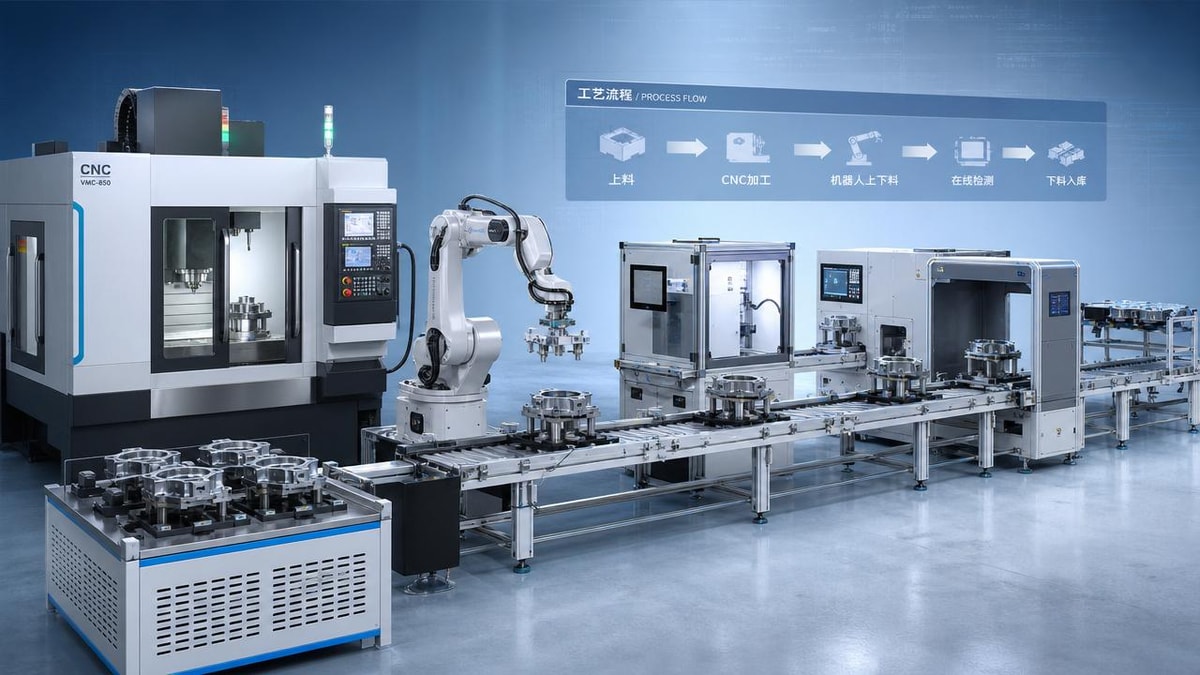
Industrial Automation projects often lose momentum not because of technology gaps, but because process mapping is skipped or treated too late. For project managers and engineering leaders, clear process visibility is the foundation for aligning machines, workflows, and production goals. Before investing in CNC systems, robots, or smart factory upgrades, mapping every critical step can prevent delays, cost overruns, and integration failures.
Why Industrial Automation projects stall before the technology even fails
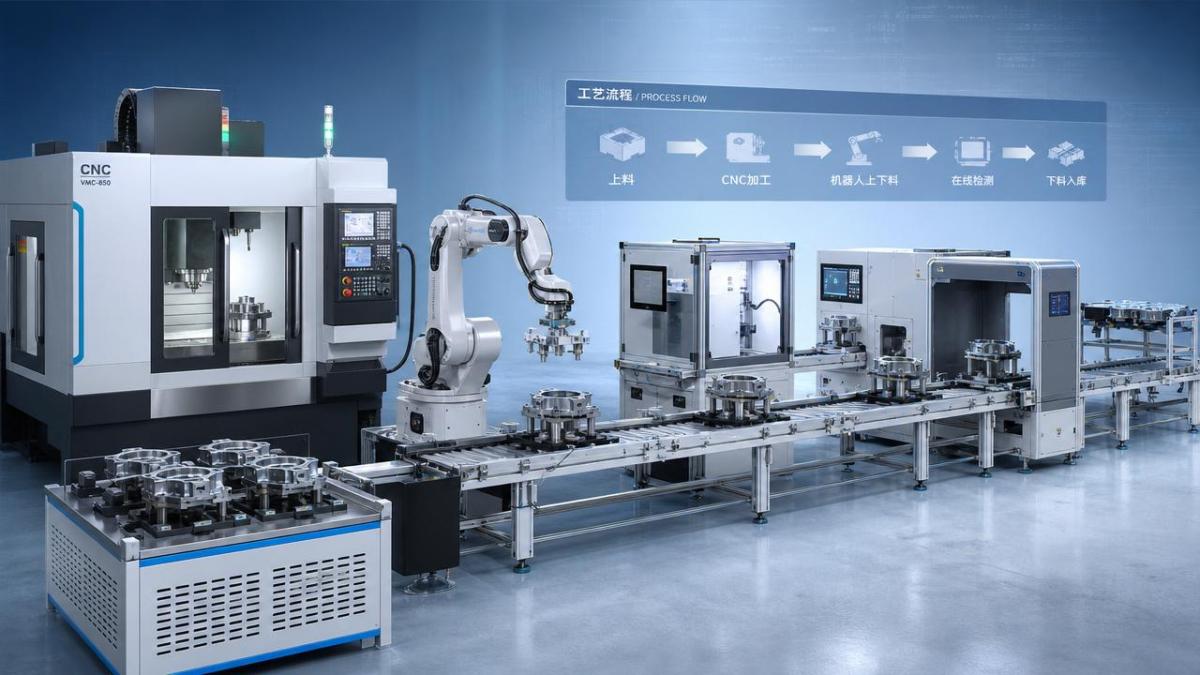
When project leaders search for answers about why Industrial Automation initiatives slow down, they are usually not looking for a theory lesson. They want to know why promising automation plans run into rework, budget pressure, poor handoffs, and implementation delays even after strong equipment and software choices have been made.
In most cases, the root cause is simple: the team tried to automate an unclear process. Machines can repeat tasks with accuracy, but they cannot correct a workflow that was never fully defined. If the current-state process is fragmented, inconsistent, or dependent on undocumented human decisions, the automation project inherits that instability from day one.
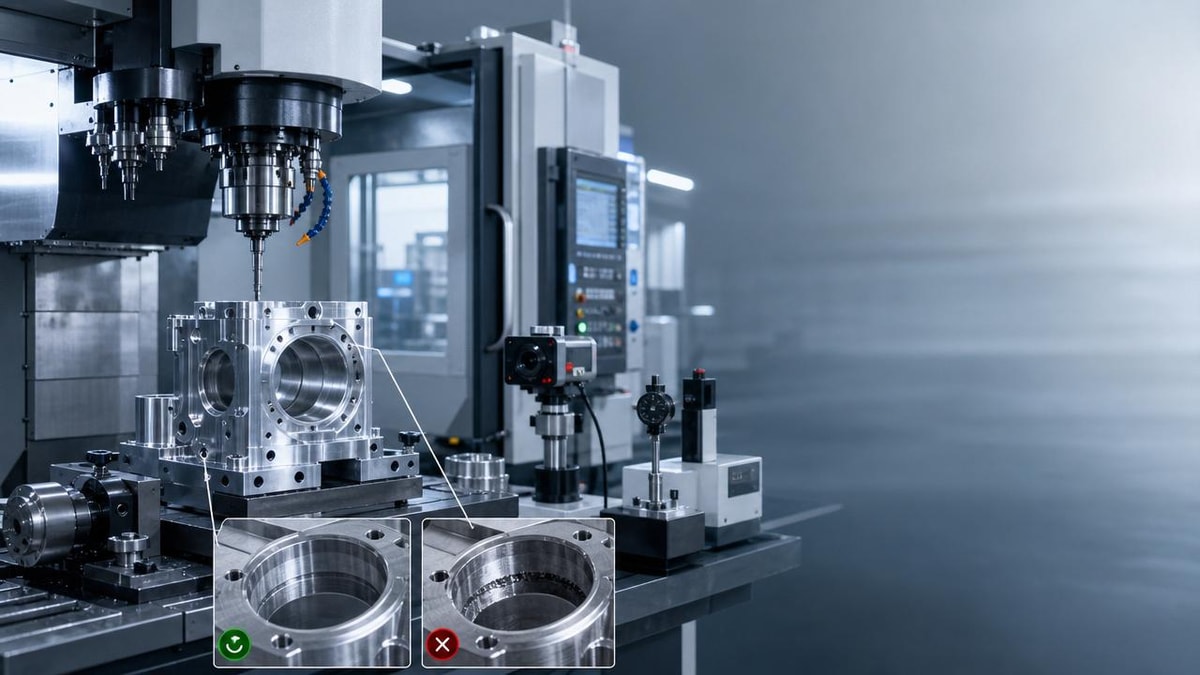
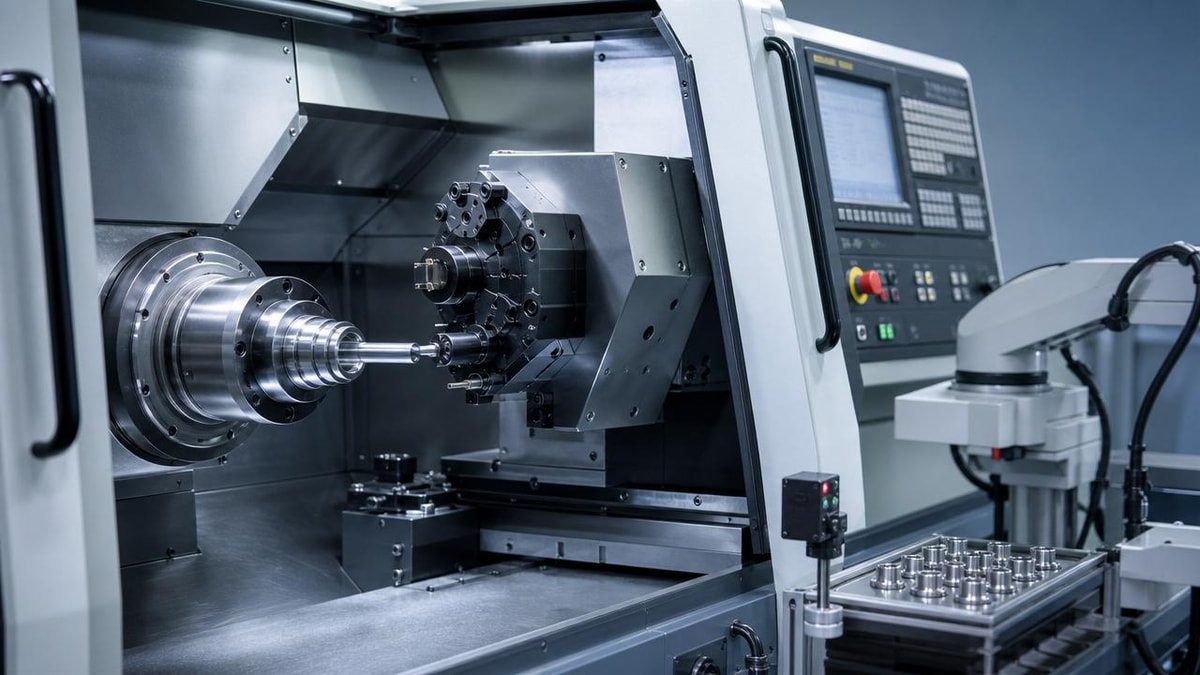
This issue is especially common in CNC machining, precision manufacturing, and automated production environments. A company may invest in machining centers, robotic loading systems, tool management, inspection stations, or MES integration, yet still fail to reach the expected output because the real production flow was not mapped in enough detail before implementation began.
For project managers and engineering leads, the practical conclusion is clear: process mapping is not administrative overhead. It is a risk-control tool. It reveals where cycle time is lost, where quality checks interrupt throughput, where materials wait, where machine utilization drops, and where data must move between systems for automation to work reliably.
What process mapping actually solves in an automation project
Many teams understand that mapping is “important,” but they do not connect it to project outcomes. In reality, process mapping solves several of the exact problems that cause Industrial Automation projects to stall.
First, it creates a shared operational picture. Production managers, automation engineers, quality teams, maintenance staff, IT specialists, and external integrators often describe the same line in different ways. A process map forces alignment on what actually happens, in what order, under what conditions, and with which dependencies.
Second, it exposes hidden variation. A CNC workpiece may follow one routing in the standard plan, but operators may use alternate setups for urgent jobs, material variation, tooling wear, or inspection failures. If those exceptions are not mapped, the future automated line will be designed around an ideal flow that does not reflect reality.
Third, it helps define automation boundaries. Not every step should be automated immediately. Some steps have stable repeatability and high labor impact, making them strong early candidates. Others involve too much exception handling, too little volume, or too much upstream variability. Process mapping makes those distinctions visible.
Fourth, it improves integration planning. Automation in modern manufacturing is rarely just about one machine. It may involve CNC equipment, robots, conveyors, sensors, vision systems, ERP, MES, SCADA, and quality systems. A process map shows where data must be captured, transferred, and acted upon, which is essential for reliable system design.
Finally, it strengthens business-case accuracy. Without a mapped baseline, ROI estimates are often optimistic because they ignore waiting time, changeovers, scrap loops, manual approvals, and scheduling constraints. A good process map supports more realistic forecasting for throughput, labor savings, OEE improvement, and payback.
The problems project managers care about most
For a project manager or engineering project owner, the concern is not simply whether process mapping is useful. The concern is whether it prevents the practical failures that affect delivery, credibility, and plant performance. The answer is yes, especially in the following areas.
Scope confusion. When workflows are not clearly mapped, teams often keep redefining what the automation project is supposed to include. That leads to late design changes, supplier misalignment, and internal debate over responsibilities. A map reduces ambiguity by showing exactly where the project starts, where it ends, and what interfaces matter.
Budget creep. Unmapped processes generate surprise requirements. Additional sensors, fixtures, guarding, buffers, software logic, operator stations, and data interfaces are added later because they were not identified in the beginning. These changes may each seem manageable, but together they erode budget discipline.
Timeline slippage. Delays often occur not because machines arrive late, but because commissioning reveals workflow gaps. Teams discover that material presentation is wrong, quality rules are incomplete, or exception handling was never defined. The equipment is ready, but the process is not.
Low adoption. Operators and supervisors may resist a new automated system if it does not match real production needs. If the process map was built with frontline participation, the project is more likely to reflect practical reality and earn support during rollout.
Weak performance after launch. Some automation projects go live on schedule but still disappoint. They run below target utilization, require excessive manual intervention, or create new bottlenecks downstream. In many cases, these are not equipment failures. They are process design failures that process mapping could have identified earlier.
How to map a manufacturing process before automation investment
Process mapping does not need to become a months-long documentation exercise. It needs to be structured, cross-functional, and tied to decision-making. For Industrial Automation planning, the most useful approach is to map both the physical workflow and the information workflow.
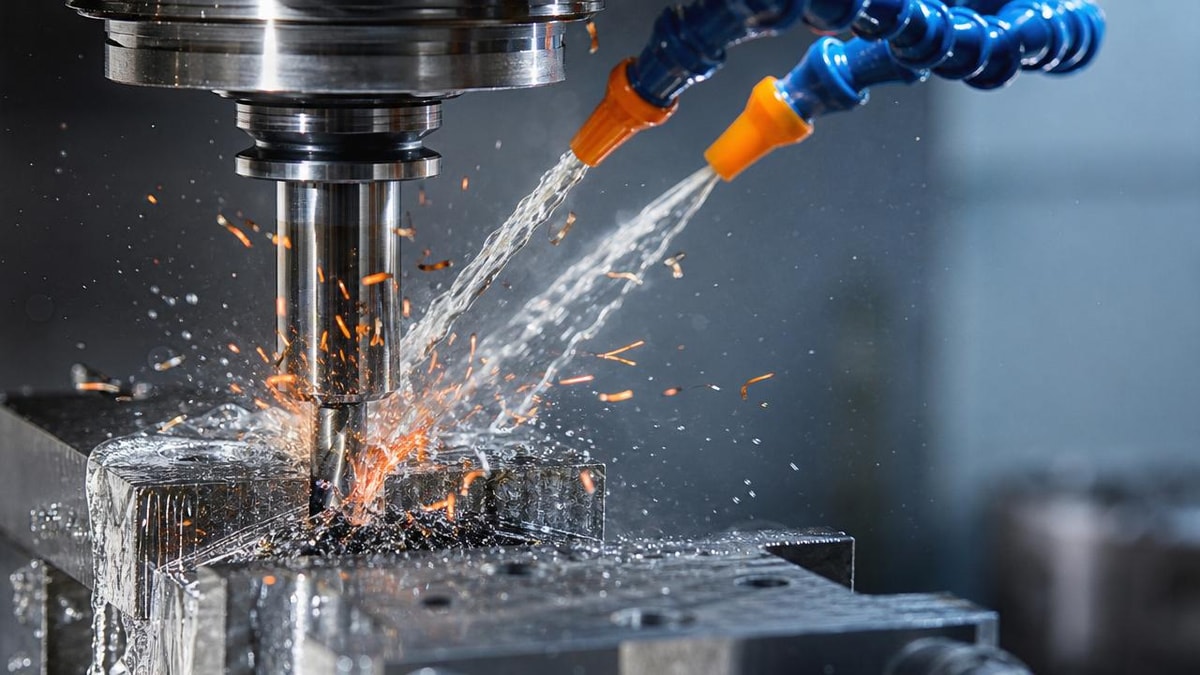
Start with the current-state process. Follow the material from order release through setup, machining, transfer, inspection, rework, assembly, packing, or storage as relevant. In a CNC environment, this may include raw material preparation, fixture loading, program verification, machining cycles, tool changes, in-process gauging, final inspection, and part movement between cells.
Record more than the official routing. Capture who makes decisions, where operators intervene, how jobs are prioritized, what causes downtime, and how nonconforming parts are handled. If two experienced operators run the same product differently, that difference matters.
Measure critical attributes. These usually include cycle time, changeover time, queue time, labor touch time, batch size, scrap points, machine utilization, WIP levels, and data entry steps. A map without measurable operational facts may look complete but still be too weak to support automation design.
Next, identify bottlenecks and instability. Ask which steps are repetitive and predictable, which steps depend on human judgment, which delays are caused by layout, and which quality checks interrupt flow. This is where the best automation opportunities usually appear.
Then create a future-state map. This should not be a wish list. It should show how the process would work if selected tasks were automated, what upstream and downstream changes are required, and what new responsibilities emerge for operators, maintenance, and digital systems.
Finally, validate the map on the shop floor. Conference-room assumptions are one of the fastest ways to derail Industrial Automation planning. Walk the process, test the logic with production personnel, and revise the flow until the map reflects reality rather than organizational preference.
What a good process map should include for CNC and precision manufacturing
In machine tool and precision manufacturing environments, a useful process map must go deeper than a general box-and-arrow diagram. It should support technical feasibility, operational planning, and financial evaluation at the same time.
At the equipment level, include machine type, capability limits, spindle time, idle time, setup requirements, fixture changes, tool management needs, and planned maintenance dependencies. For multi-axis machining or linked production cells, include inter-machine timing and part transfer conditions.
At the material-flow level, identify part orientation, loading method, buffering points, pallet or fixture movement, queue accumulation, and handling risks. Many robotic or automated loading projects underperform because material presentation was not standardized before automation was introduced.
At the quality-control level, map where inspection occurs, how tolerances are verified, what triggers rework, and whether measurement data needs to feed back into process control. In high-precision industries such as aerospace or energy equipment, automation decisions often depend on how quality gates are structured.
At the information-flow level, define where programs come from, how revisions are approved, how jobs are released, how machine status is tracked, and how production data is reported. A line can be physically automated yet still operationally weak if the digital workflow remains manual and fragmented.
At the people level, document operator interventions, setup skills, troubleshooting tasks, approval authority, and maintenance response paths. Some projects fail because they automate machine motion but ignore the human support model required to keep the line stable.
Common signs that your automation plan is moving too fast
Project leaders do not always realize process mapping is insufficient until the project is already under pressure. Several warning signs usually appear early.
If different stakeholders describe the same workflow differently, the process is not mapped well enough. If suppliers keep asking for clarifications on part flow, exception cases, or system interfaces, the scope is probably underdefined. If ROI assumptions depend on “expected improvements” without a measured baseline, the business case is fragile.
Another warning sign is when the team jumps directly into equipment selection. Choosing robots, CNC platforms, AGVs, or software architecture before clarifying process flow often locks the project into a technical path that may not fit the real production need.
You should also be cautious when a project assumes that automation will solve quality inconsistency on its own. Automation can improve repeatability, but if variation comes from unstable inputs, poor fixturing, inconsistent upstream work, or unclear standards, the line may simply reproduce the same problems faster.
A final sign is overconfidence in pilot success. A small automation cell may perform well under controlled conditions, but scaling to a full production environment introduces scheduling conflicts, maintenance realities, staffing constraints, and mixed-product complexity. Process mapping helps test whether the pilot logic holds at plant scale.
How process mapping improves ROI, not just execution
Some executives and sponsors see process mapping as a technical planning task rather than a financial one. That is a mistake. Better mapping often leads to better capital allocation because it helps organizations invest in the right sequence and at the right scale.
For example, the map may show that the biggest production loss is not machining time but setup delay between jobs. In that case, investing first in fixture standardization, tooling strategy, or scheduling discipline may produce faster returns than a larger automation package.
In another case, the map may reveal that robotic loading makes sense only if upstream material handling is redesigned. That insight prevents partial investment in a system that looks modern but cannot deliver full value because the surrounding process was left unchanged.
Process mapping also helps define phased implementation. Instead of launching a broad smart factory initiative all at once, project leaders can identify which cells, product families, or process steps are ready for automation now and which ones need stabilization first. This reduces risk while preserving momentum.
Most importantly, a mapped process gives stakeholders a credible basis for measuring results after deployment. It becomes easier to compare actual throughput, labor impact, scrap reduction, and downtime against the original baseline. That strengthens accountability and improves future automation decisions across the business.
A practical decision framework for project leaders
Before approving or expanding an Industrial Automation initiative, project leaders should ask a short set of disciplined questions. These questions often reveal whether the project is ready to proceed or still needs process definition.
Do we have a verified current-state map that reflects real shop-floor behavior, not just documented procedures? Have we measured cycle time, waiting time, intervention points, and quality loops with enough detail to support design decisions? Do all functions agree on process boundaries and handoff responsibilities?
Have we identified the highest-value automation targets based on repeatability, labor impact, and bottleneck reduction? Have we mapped exception handling, rework paths, and maintenance dependencies? Do we understand what digital integration is required for production control, traceability, and performance reporting?
Can we explain the business case using a baseline that is visible and defensible? And if the process is still unstable today, have we separated stabilization work from automation work instead of blending them into one unrealistic project plan?
If the answer to several of these questions is no, the project is not necessarily a bad idea. It is simply not mature enough yet. That distinction matters because many failed automation investments were not wrong in concept. They were just launched before the underlying process was ready.
Conclusion: map first, automate second
Industrial Automation projects rarely stall because factories lack ambition or access to technology. More often, they stall because the process was not understood well enough before automation decisions were made. In CNC machining, precision manufacturing, and smart factory upgrades, process mapping is the step that turns automation from a concept into an executable, measurable improvement plan.
For project managers and engineering leaders, this is not a documentation exercise to push down the priority list. It is the foundation for scope control, realistic budgeting, smoother integration, stronger operator adoption, and more credible ROI. A clear process map reveals what should be automated, what should be stabilized first, and where investment will create real production value.
If your next Industrial Automation project is under discussion, the smartest early move may not be selecting equipment. It may be walking the process, mapping the reality, and making sure the future system is built on facts rather than assumptions. That is often the difference between a stalled project and a scalable success.
PREVIOUS ARTICLE
NEXT ARTICLE
Recommended for You
 Industrial Robotics payback depends on one hidden variableManufacturing Market Research Center
 Shaft Parts machining problems linked to concentricity lossCNC Machining Technology Center
 Production Process changes that quietly raise defect ratesCNC Machining Technology Center
 Industrial Automation projects stall without process mappingCNC Machining Technology Center
 CNC metal cutting heat issues behind poor surface finishCNC Machining Technology Center
 High precision lathe claims that deserve a closer lookMachine Tool Industry Editorial Team

Aris Katos
Future of Carbide Coatings
15+ years in precision manufacturing systems. Specialized in high-speed milling and aerospace grade alloy processing.
▶
Industrial Automation projects stall without process mappingCNC Machining Technology Center▶
Industrial Automation Upgrades That Stall After InstallationCNC Machining Technology Center▶
What Industrial Automation Gets Wrong in Small PlantsCNC Machining Technology Center▶
When Industrial Robotics Make Sense for MachiningCNC Machining Technology Center▶
Production Line Automation Integration Problems to Fix EarlyCNC Machining Technology Center
Mastering 5-Axis Workholding Strategies
Join our technical panel on Nov 15th to learn about reducing vibrations in thin-wall components.

Providing you with integrated sanding solutions
Before-sales and after-sales services
Comprehensive technical support