• Global CNC market projected to reach $128B by 2028 • New EU trade regulations for precision tooling components • Aerospace deman
NYSE: CNC +1.2%LME: STEEL -0.4%

Production Process changes that quietly raise defect rates
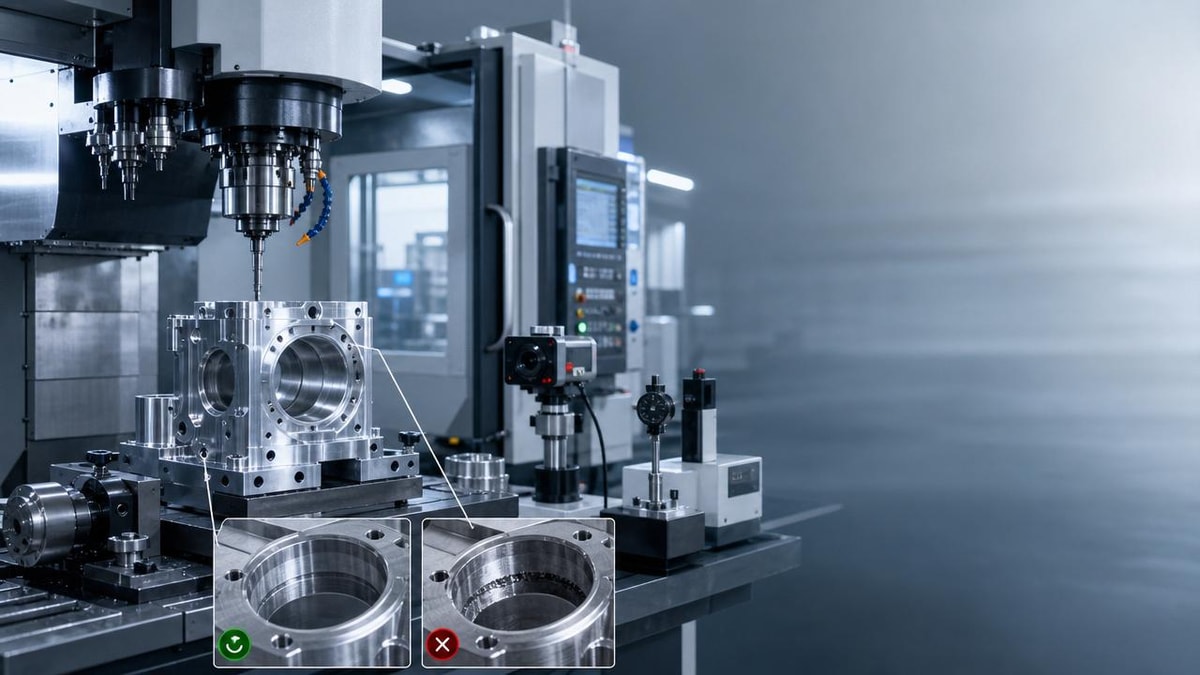
Even small Production Process adjustments can quietly increase defect rates long before alarms appear on the shop floor. For quality control and safety managers in CNC and precision manufacturing, understanding how tooling changes, parameter shifts, material variation, or workflow updates affect consistency is critical. This article examines the hidden links between process changes and product defects, helping teams reduce risk, improve traceability, and protect stable production performance.
Why subtle Production Process shifts are becoming a bigger industry signal
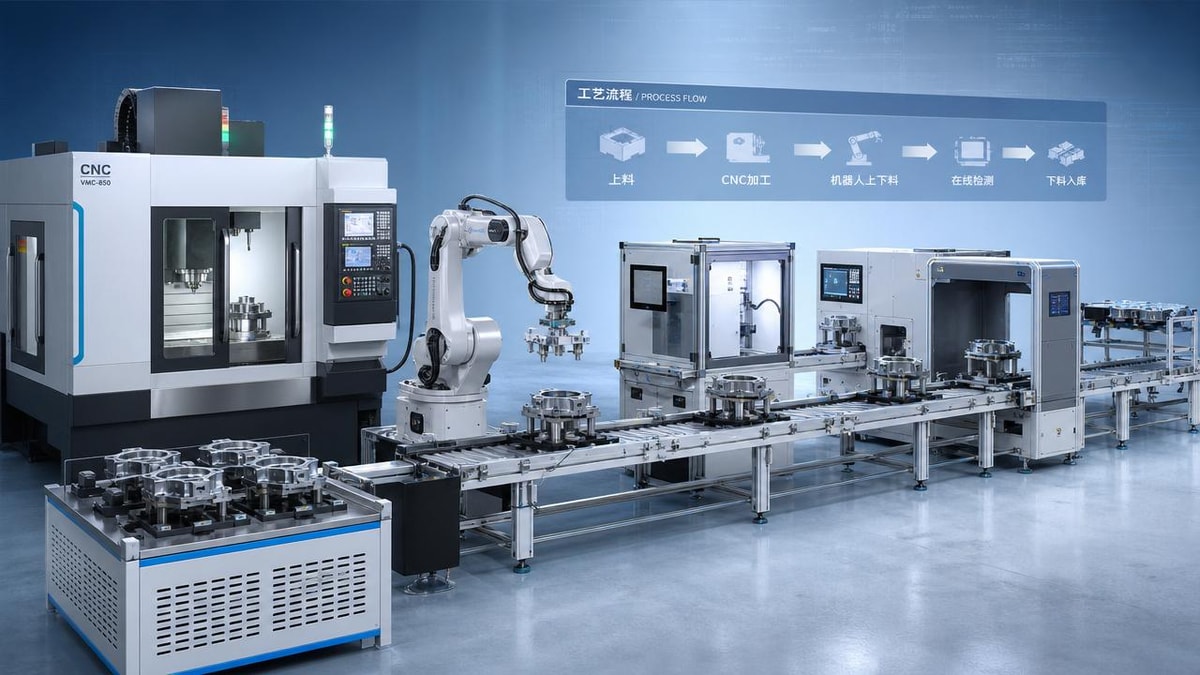
Across CNC machining, precision manufacturing, and automated production lines, the biggest quality risks are no longer limited to major breakdowns or obvious operator mistakes. A more important trend is emerging: minor Production Process changes are happening more often, moving faster through production, and reaching customers before quality systems fully adapt. This pattern matters because modern factories are under pressure to improve cycle time, increase machine utilization, manage multi-source suppliers, and respond quickly to design revisions.
In the past, a process update might have been introduced slowly, with longer pilot periods and fewer product variants. Today, shops often run smaller batches, mixed materials, tighter tolerances, and more frequent engineering adjustments. As a result, the Production Process is no longer a stable background condition. It has become a dynamic variable that quality control teams must monitor like any critical dimension or safety parameter.
For quality managers and safety leaders, this shift changes the focus from reactive inspection to early detection of weak signals. A rise in burrs, variation in surface finish, unexpected tool wear, unstable clamping, and inconsistent operator handoff may all point to a Production Process change that looked harmless on paper but behaves differently in production reality.
The trend behind higher defect risk: more change, less visible disruption
Several industry signals explain why hidden defect risk is increasing. First, automation and digital integration have raised production speed. Changes can be deployed quickly, but verification does not always move at the same pace. Second, global sourcing creates more variation in inserts, coolants, raw material batches, fixtures, sensors, and replacement parts. Third, labor transitions mean more cross-shift and cross-site variation in how procedures are understood and executed. Fourth, pressure to cut cost can encourage small parameter reductions or substitute components that appear equivalent yet shift the Production Process enough to affect consistency.
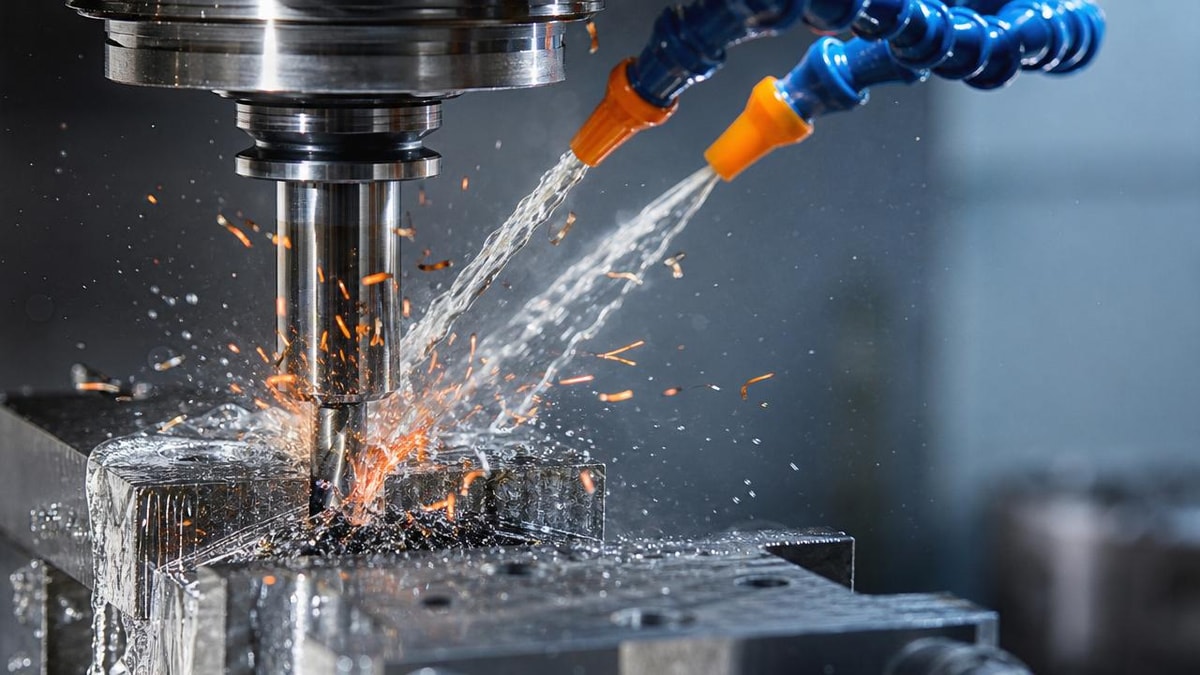
In CNC environments, these changes often do not trigger immediate alarms. Machines can remain within operating limits while the product slowly drifts toward the edge of specification. This is why defect rates may rise quietly. Scrap may increase only slightly at first, but rework time, customer complaints, and safety exposure begin to grow in parallel.
This trend is especially relevant in automotive, aerospace, electronics, and energy equipment production, where traceability expectations are rising and tolerance windows are shrinking. A Production Process that is technically functional may still be commercially risky if it introduces more instability than the inspection system can catch in time.
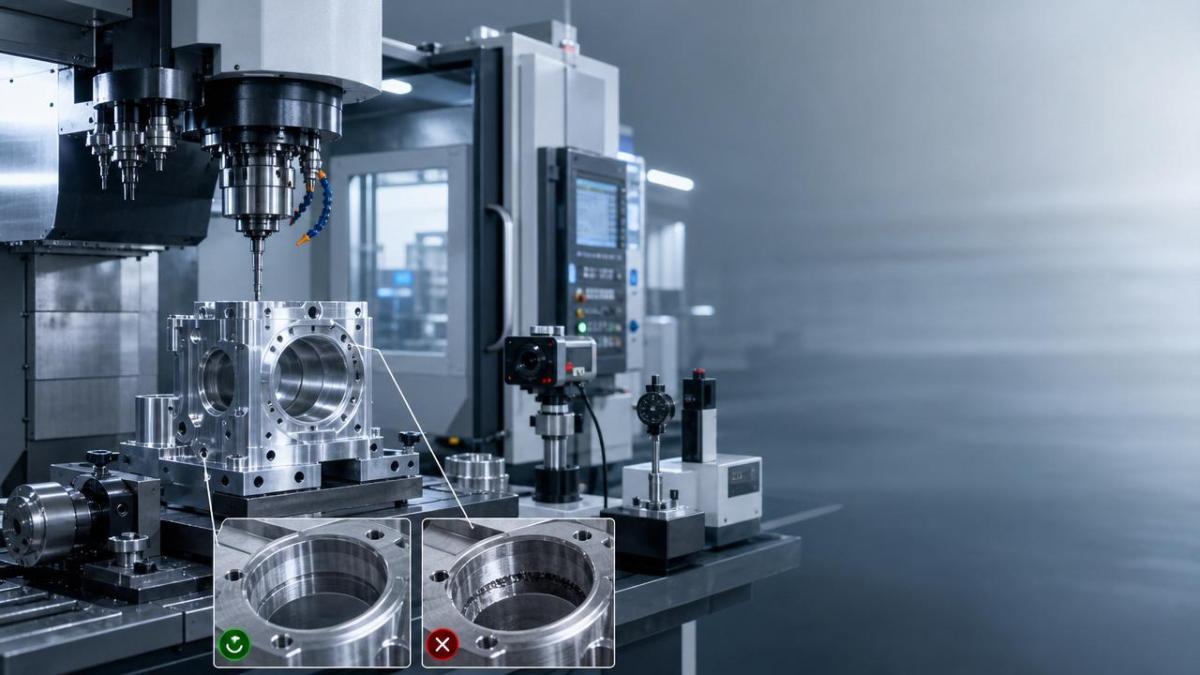
Which Production Process changes most often raise defect rates quietly
Not all changes carry the same risk. In real manufacturing settings, defect rates usually increase when changes are small enough to avoid formal escalation but large enough to alter process capability. Quality teams should pay special attention to four categories.
1. Tooling and fixture changes that appear “equivalent”
A replacement insert grade, different tool holder balance, modified jaw surface, or lower-cost fixture component can affect vibration, cutting force, heat distribution, and part repeatability. Because output may still look acceptable during the first hours of production, the Production Process seems stable until cumulative wear reveals the issue.
2. Parameter optimization focused only on efficiency
Reducing cycle time by adjusting feed, spindle speed, depth of cut, or toolpath sequencing may improve throughput while quietly reducing safety margin. The Production Process then becomes more sensitive to material hardness variation, coolant inconsistency, or thermal drift. What works in one shift may fail in the next.
3. Material and batch variation with incomplete feedback loops
Even when a raw material meets specification, its machinability, residual stress, or surface condition may differ enough to affect machining outcomes. If incoming quality data, machining results, and customer returns are not linked, the Production Process absorbs the variation until defect patterns become visible much later.
4. Workflow and staffing adjustments outside formal engineering review
Changes in job routing, setup order, inspection frequency, shift handover, preventive maintenance timing, or operator assignment can all alter the Production Process. These decisions are often made for scheduling convenience, but they can change the way a stable process behaves under real shop-floor conditions.
Why quality and safety teams feel the impact earlier than others
The effects of Production Process drift are distributed unevenly across an organization. Production may see acceptable output volume, procurement may see cost savings, and planning may see schedule recovery. Quality control and safety management, however, are usually the first to detect the downside: rising inspection escapes, more borderline measurements, unstable corrective actions, and greater pressure on containment activities.
Safety managers should not treat this only as a product quality issue. A fragile Production Process can also create unsafe conditions through higher machine load, increased manual deburring, more rushed interventions, repeated adjustment during operation, or greater dependence on operator judgment. When process stability declines, risk often shifts from equipment design to human exposure.
What signals deserve more attention in the current manufacturing environment
A key trend in modern manufacturing is that traditional lagging indicators are no longer enough. Waiting for major scrap events or customer claims means the Production Process has already drifted too far. Stronger organizations are now watching leading indicators that reveal hidden change earlier.
Useful signals include shorter tool life without a formal root cause, increased offset corrections by operators, more frequent dimensional movement near control limits, growing differences between shifts, rising dependence on final inspection instead of in-process control, and more exceptions approved under delivery pressure. None of these guarantees a defect surge, but together they show that the Production Process may be losing resilience.
Another important signal is documentation lag. When the actual shop-floor method changes faster than work instructions, control plans, PFMEA assumptions, or safety procedures, the organization is operating with a mismatch between written controls and real behavior. This is where traceability breaks down and hidden defects become difficult to explain.
How companies should respond without slowing necessary improvement
The answer is not to freeze every Production Process or block all optimization. Competitive manufacturing depends on continuous improvement. The better response is to raise the quality of change evaluation. In practice, this means classifying process changes by likely risk, not just by whether the change appears small.
For CNC and precision manufacturing operations, a practical approach includes linking change approval to process capability evidence, validating under real production conditions rather than ideal trials, and requiring cross-functional review when tooling, software, material, or sequence changes intersect. Quality and safety teams should also review whether the changed Production Process increases reliance on operator compensation, because that usually indicates lower robustness.
Digitally mature plants have an advantage here. Machine data, tool monitoring, SPC systems, and traceability platforms can help identify drift earlier. But data alone is not enough. The operational discipline to ask what changed, when it changed, who approved it, and how it affected performance remains essential.
A practical judgment framework for the next phase of Production Process control
As manufacturing continues to move toward smart factories, mixed-model lines, and tighter delivery commitments, the ability to judge Production Process risk quickly will become a competitive capability. Companies should build a repeatable review model around a few core questions.
What to prioritize now if defect prevention is the goal
For organizations trying to reduce defects without sacrificing agility, three priorities stand out. First, treat every recurring micro-adjustment as a potential Production Process signal, not just a local workaround. Second, integrate sourcing, engineering, production, quality, and safety reviews so that small operational changes are not evaluated in isolation. Third, strengthen traceability from incoming material and tooling decisions to final product performance.
These priorities matter because the manufacturing environment is moving toward faster response and greater complexity at the same time. In such conditions, hidden instability becomes expensive. A stable Production Process is no longer only a quality objective; it is also a business protection tool that supports delivery reliability, lower warranty risk, safer operations, and stronger customer confidence.
Final takeaway for quality and safety decision-makers
The most important industry shift is clear: defect risk increasingly comes from quiet change rather than dramatic failure. For quality control and safety managers in CNC machining and precision manufacturing, the task is to identify which Production Process changes are happening more frequently, which of them bypass formal review, and where controls are no longer aligned with real production behavior.
If your organization wants to judge how this trend affects its own operations, focus on a few questions: Which recent Production Process adjustments were introduced for efficiency or cost reasons? Which changes altered tool life, operator intervention, or measurement trends? Where does documentation lag behind practice? And which weak signals are appearing before defect rates rise further? The companies that answer these questions early will be better positioned to control risk, protect consistency, and keep improvement efforts from quietly undermining product quality.
PREVIOUS ARTICLE
Recommended for You
 Industrial Robotics payback depends on one hidden variableManufacturing Market Research Center
 Shaft Parts machining problems linked to concentricity lossCNC Machining Technology Center
 Production Process changes that quietly raise defect ratesCNC Machining Technology Center
 Industrial Automation projects stall without process mappingCNC Machining Technology Center
 CNC metal cutting heat issues behind poor surface finishCNC Machining Technology Center
 High precision lathe claims that deserve a closer lookMachine Tool Industry Editorial Team

Aris Katos
Future of Carbide Coatings
15+ years in precision manufacturing systems. Specialized in high-speed milling and aerospace grade alloy processing.
▶
Shaft Parts machining problems linked to concentricity lossCNC Machining Technology Center▶
Production Process changes that quietly raise defect ratesCNC Machining Technology Center▶
Metal machining bottlenecks that slow delivery timesCNC Machining Technology Center▶
NMPA Adds 74 External Experts; CNC High-Purity Tubing Standards Align with ISO 15378CNC Machining Technology Center▶
Why Shaft Parts Often Fail Tolerance Checks Late in ProductionCNC Machining Technology Center
Mastering 5-Axis Workholding Strategies
Join our technical panel on Nov 15th to learn about reducing vibrations in thin-wall components.

Providing you with integrated sanding solutions
Before-sales and after-sales services
Comprehensive technical support