• Global CNC market projected to reach $128B by 2028 • New EU trade regulations for precision tooling components • Aerospace deman
NYSE: CNC +1.2%LME: STEEL -0.4%

Compact machine tool: Can true footprint reduction coexist with rigidity for heavy cuts?
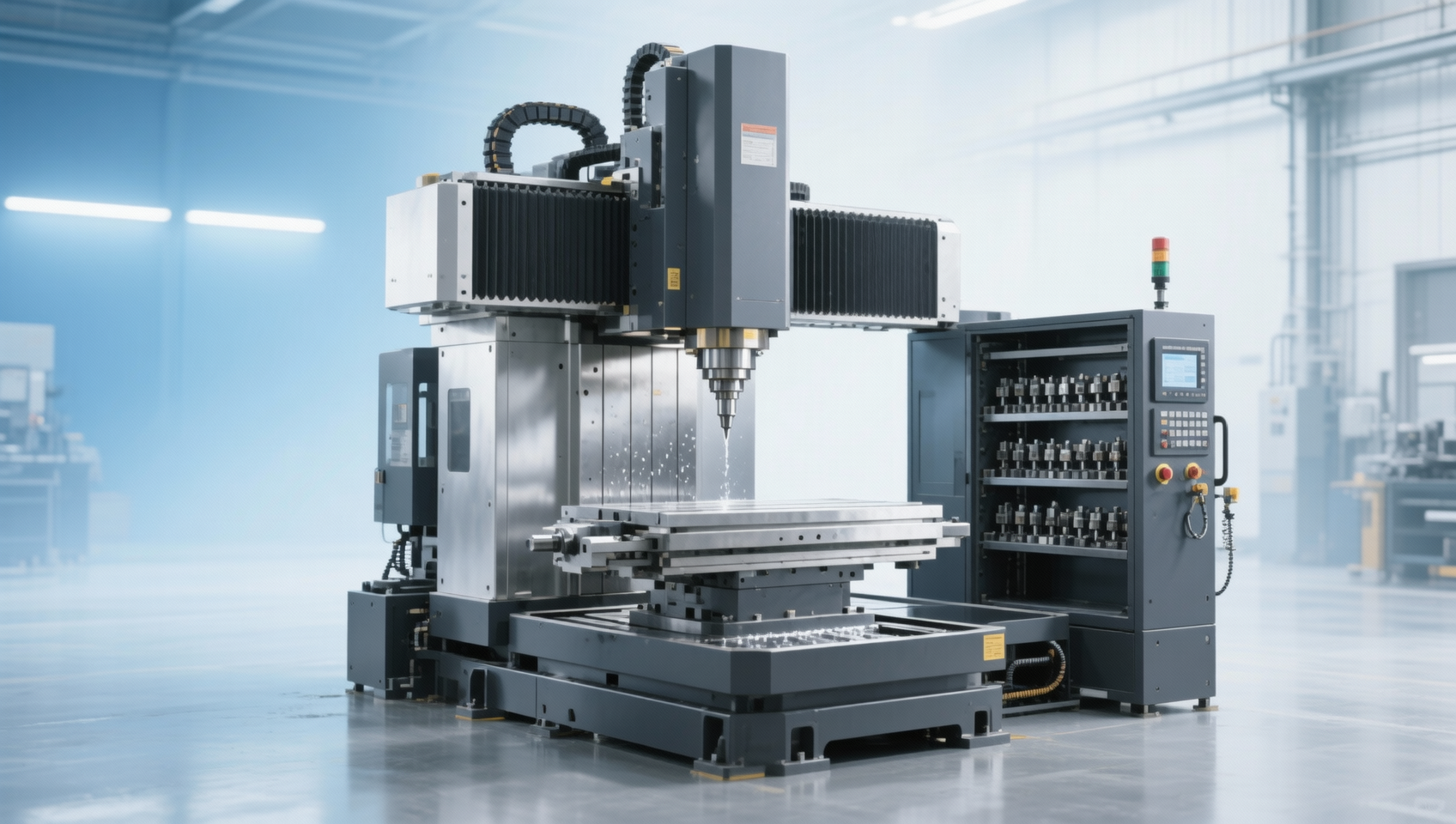
In today’s space-constrained production environments, the demand for compact machine tool solutions is surging—yet engineers and procurement professionals face a critical trade-off: can true footprint reduction coexist with rigidity for heavy cuts? This question lies at the heart of modern precision CNC manufacturing, especially for aerospace, energy equipment, and automotive applications. As CNC manufacturing wholesalers and exporters prioritize cost-effective, low-maintenance, and energy-saving machine tools, innovations in multi-axis machine tool design, modular tooling systems, and automated production line integration are redefining what ‘compact’ really means—without compromising high-precision machining or structural integrity.
What Defines a “Truly Compact” CNC Machine Tool?
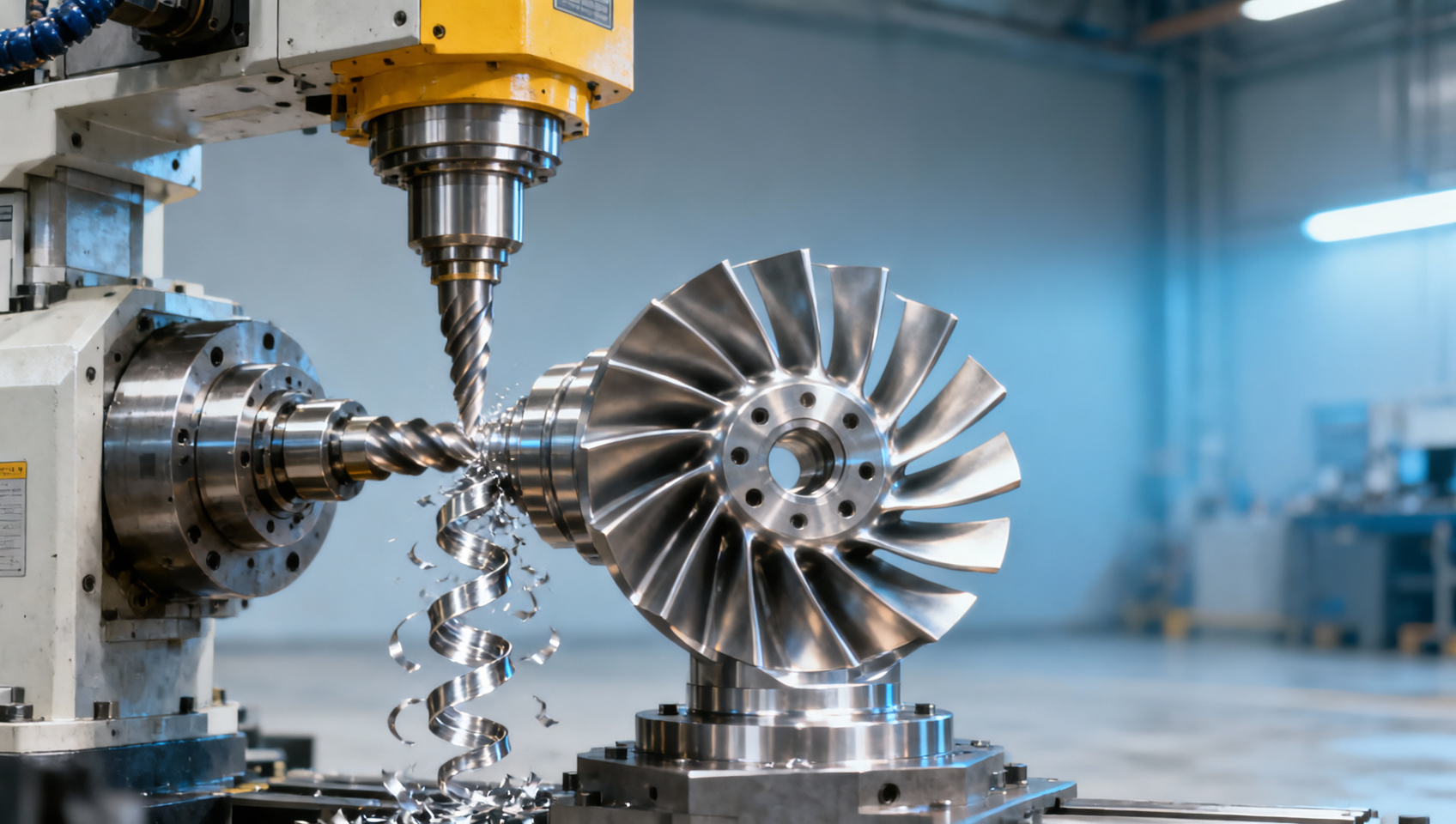
A compact machine tool isn’t merely about physical dimensions—it’s a system-level optimization balancing structural stiffness, thermal stability, dynamic response, and service accessibility. In aerospace component machining, for example, a 30% smaller footprint must still sustain ≥8,000 N cutting forces during titanium impeller roughing without resonance-induced chatter.
True compactness integrates four interdependent engineering layers: monolithic base casting design (not bolted assemblies), integrated coolant and chip management (reducing auxiliary cabinet depth by 400–600 mm), dual-function linear guides (support + damping), and embedded thermal compensation algorithms calibrated to ±0.5 µm accuracy across 10℃–35℃ ambient ranges.
Unlike legacy “space-saving” models that sacrifice Z-axis travel or spindle power, next-gen compact machines maintain ≥600 mm vertical stroke and ≥22 kW continuous spindle output—enabling full-process machining of structural aircraft brackets in one setup, not two.
Where Rigidity Meets Compactness: Key Design Innovations
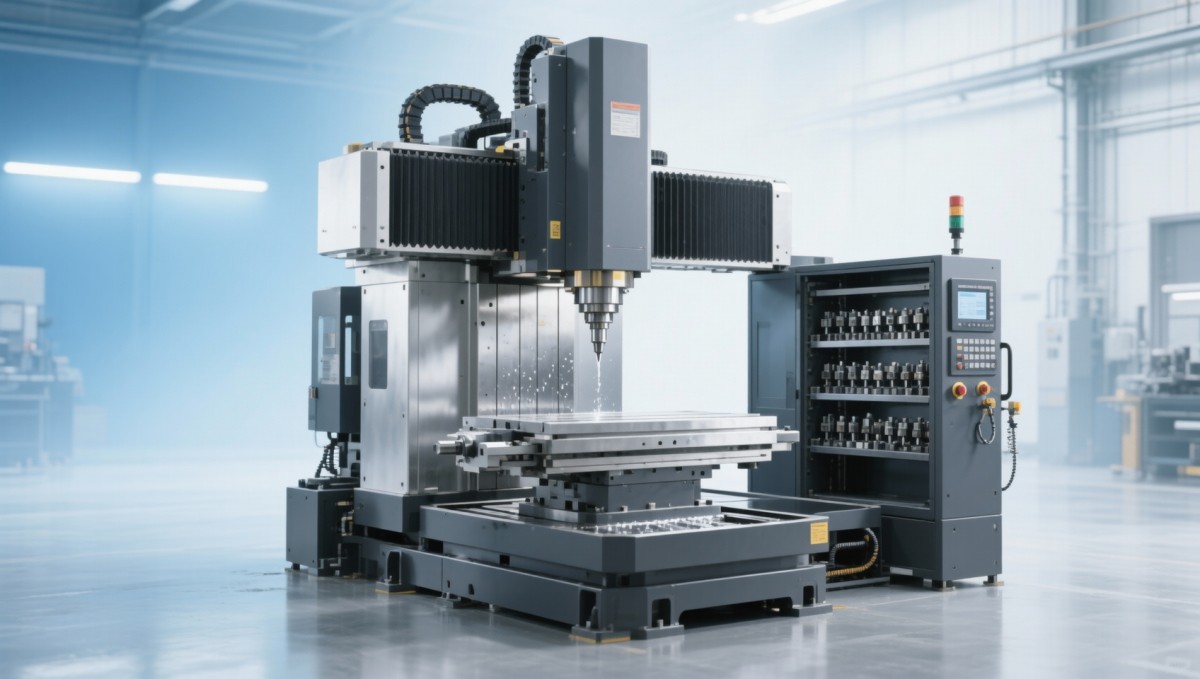
Modern compact CNC machines achieve rigidity through topology-optimized castings—not thicker walls, but strategically reinforced load paths. Finite element analysis (FEA) now guides rib placement within 0.2 mm tolerance zones, increasing static stiffness by 35% versus conventional designs while reducing mass by 18%.
Critical innovations include:
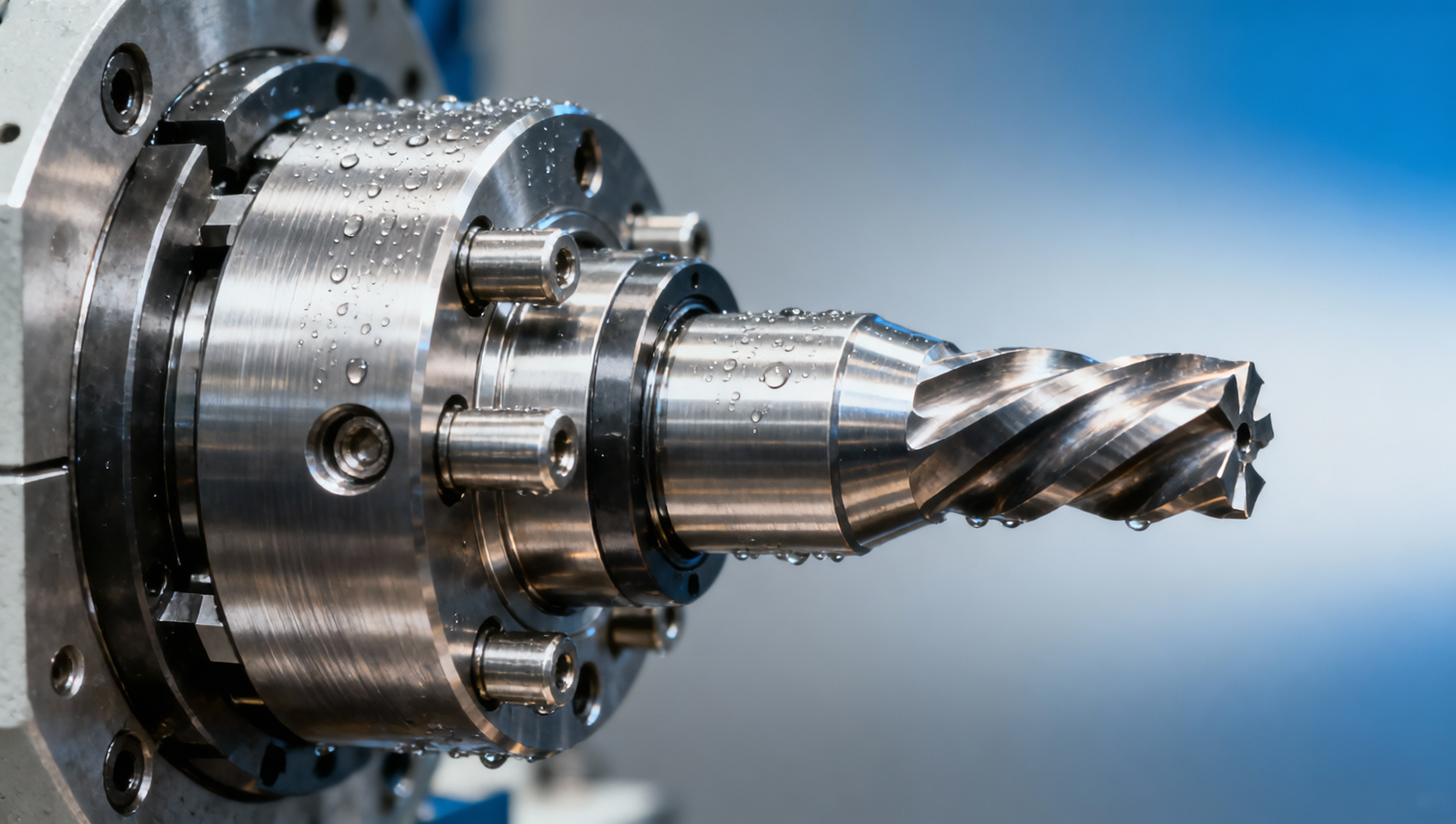
- Hybrid hydrostatic/hydrodynamic spindle bearings delivering >120 N·m torque at 4,000 rpm with ≤1.2 µm runout
- Preloaded cross-roller guideways with integrated vibration-damping elastomer inserts (tested to ISO 230-2 Class 3)
- Modular tool magazine architecture: 24-tool capacity in 720 mm width—vs. 980 mm in comparable non-compact models
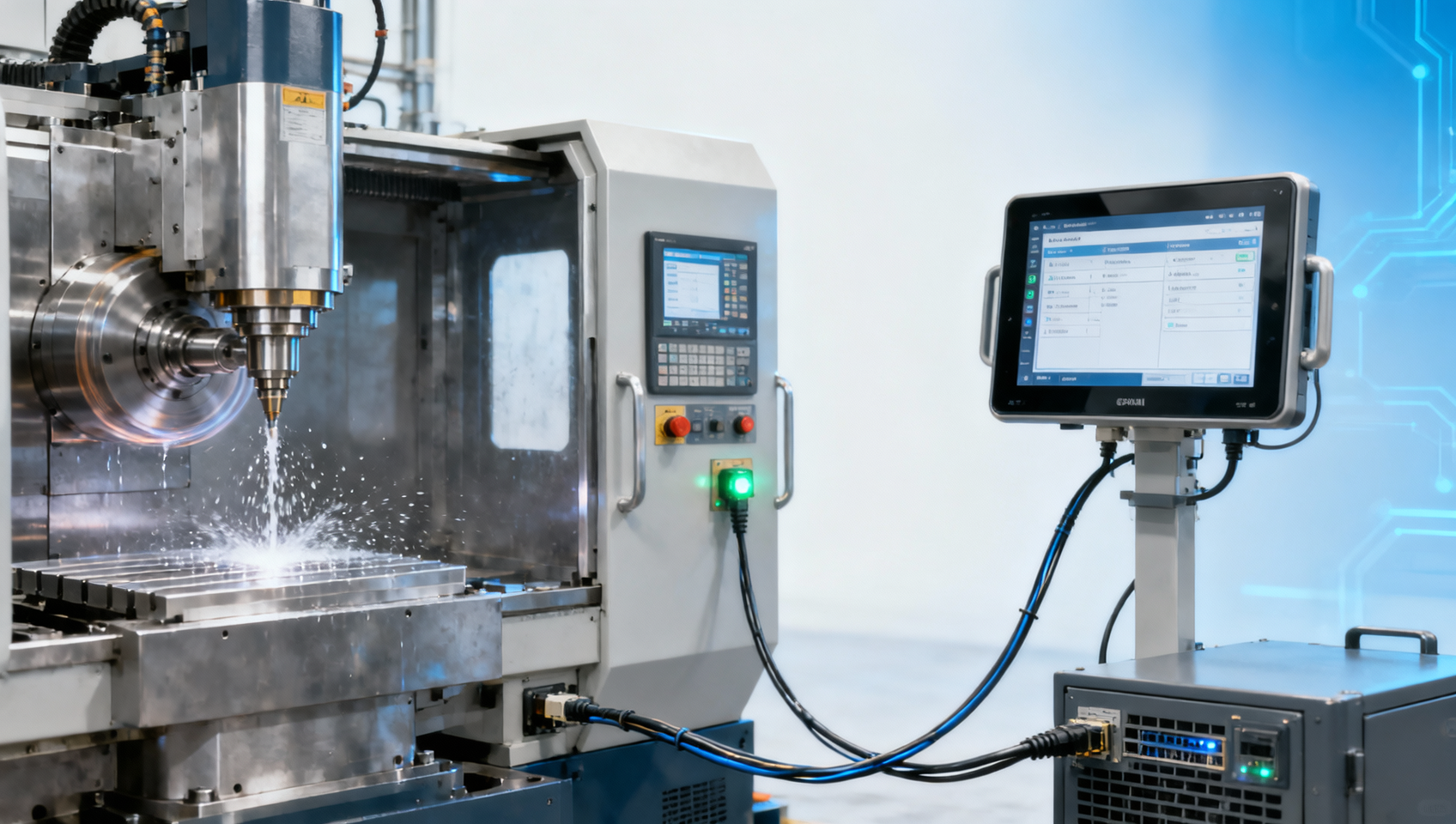
- Embedded real-time thermal drift monitoring via 11 distributed Pt100 sensors, feeding feed-forward compensation every 200 ms
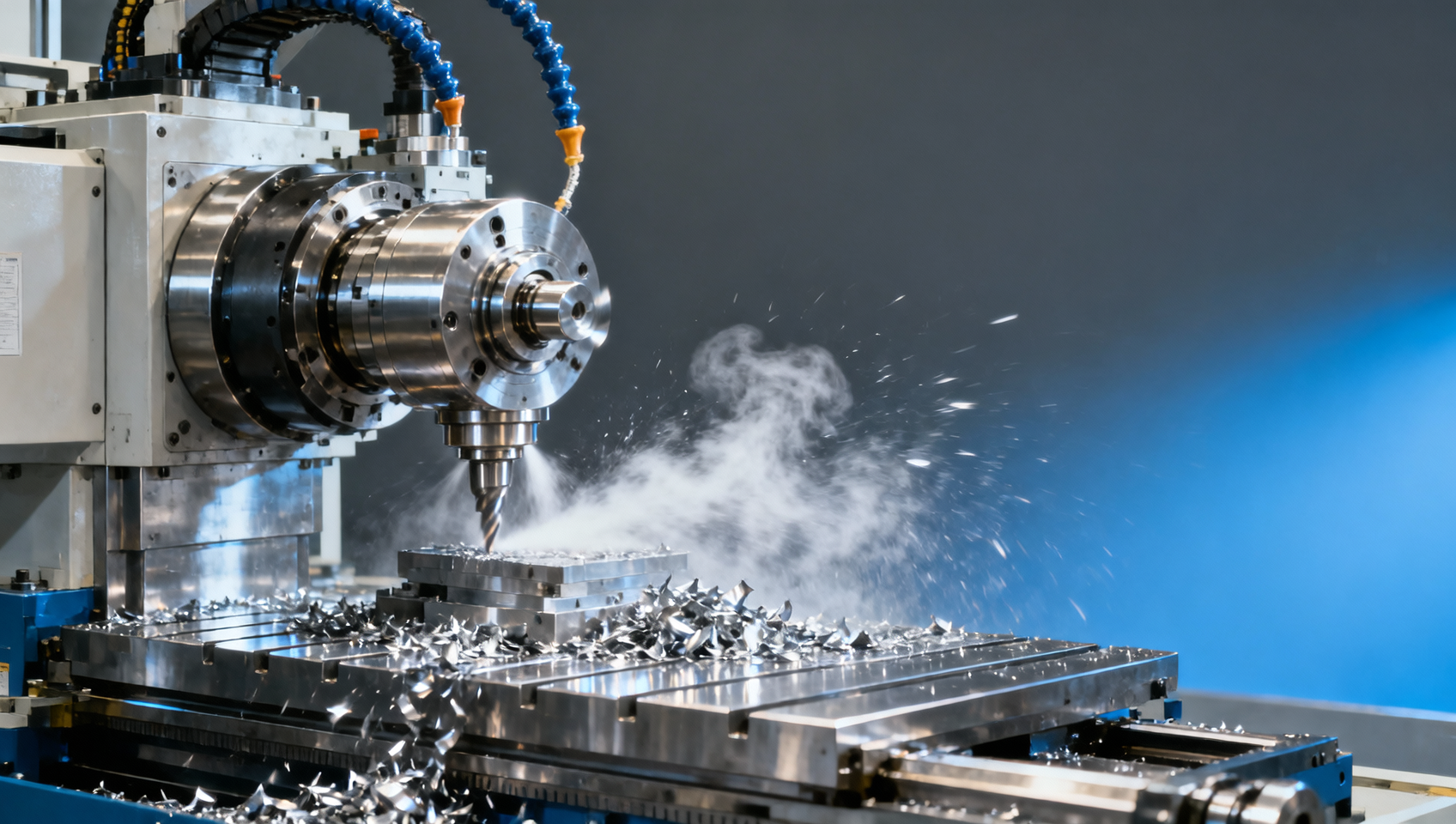
These features enable sustained heavy-cut performance: up to 12 mm depth of cut in Inconel 718 at 0.25 mm/rev feed rate—verified under ISO 10791-7 test conditions.
How to Evaluate Compact Machines for Heavy-Cut Applications
Procurement teams must move beyond brochure specs. Rigidity verification requires three objective data points: static deflection under 10 kN load (≤2.5 µm at tool tip), modal frequency of lowest bending mode (>125 Hz), and dynamic stiffness decay rate (<8% per 1,000 cycles at 75% max torque).
The table below compares evaluation criteria across three compact machine categories—ideal for decision-makers comparing supplier claims:
Note: Values reflect ISO 230-2 compliant testing at 20°C ±1°C. High-rigidity models require foundation anchoring per DIN 4017 Type B specifications—critical for energy equipment housing machining where vibration transmission affects weld seam integrity.
Why Choose Our Compact CNC Solutions for Global Manufacturing?
We support global CNC manufacturing wholesalers and exporters with factory-integrated compact machines certified to ISO 9001, ISO 14001, and CE Machinery Directive 2006/42/EC. Every unit undergoes 72-hour continuous-load validation before shipment—including 48 hours at 90% max torque and 24 hours under simulated thermal cycling (15℃→35℃ every 2 hours).
Our technical team provides on-demand support for:
- Footprint verification against your existing facility layout (CAD overlay within 3 business days)
- Customized rigidity validation reports aligned to your specific material/process requirements (e.g., aluminum airframe skins vs. steel turbine housings)
- Lead time confirmation: standard configurations ship in 12–18 weeks; expedited builds available for certified OEM partners (8–10 weeks)
- Global compliance documentation: ATEX for energy sector facilities, UL 508A for North American automation lines, KC Mark for Korean auto suppliers
Contact us today for a free compact machine feasibility assessment—including parameter alignment, delivery timeline confirmation, and regional certification mapping for your target markets.
Recommended for You
 Heavy-duty Machining Center for mold making: Why coolant filtration standards evolve faster than OEM manualsMachine Tool Industry Editorial Team
 Quick-change Fixture Design for CNC turning: Why clamping force consistency drops after 200 cyclesCNC Machining Technology Center
 5 Axis Machining for impeller manufacturing: Why toolpath smoothing affects surface fatigue lifeCNC Machining Technology Center
 Lean Production Process implementation: Where value stream mapping fails to expose hidden machine downtimeManufacturing Market Research Center
 Modular Tooling System for flexible manufacturing: Why interface repeatability degrades faster than expectedMachine Tool Industry Editorial Team
 Industrial Automation control system for CNC machines: When cybersecurity updates disrupt scheduled maintenanceMachine Tool Industry Editorial Team

Aris Katos
Future of Carbide Coatings
15+ years in precision manufacturing systems. Specialized in high-speed milling and aerospace grade alloy processing.
▶
Heavy duty machine tool: Where structural damping reveals itself only after months of operationMachine Tool Industry Editorial Team▶
Portable machine tool: Real-world limits of on-site machining accuracy vs. workshop benchmarksMachine Tool Industry Editorial Team▶
Compact machine tool: Can true footprint reduction coexist with rigidity for heavy cuts?Machine Tool Industry Editorial Team▶
CNC Production Scheduling Breaks Down With Mixed Batch SizesMachine Tool Industry Editorial Team▶
Industrial CNC uptime drops for simple reasons too oftenMachine Tool Industry Editorial Team
Mastering 5-Axis Workholding Strategies
Join our technical panel on Nov 15th to learn about reducing vibrations in thin-wall components.

Providing you with integrated sanding solutions
Before-sales and after-sales services
Comprehensive technical support