• Global CNC market projected to reach $128B by 2028 • New EU trade regulations for precision tooling components • Aerospace deman
NYSE: CNC +1.2%LME: STEEL -0.4%

What Global Manufacturing shifts mean for machine sourcing
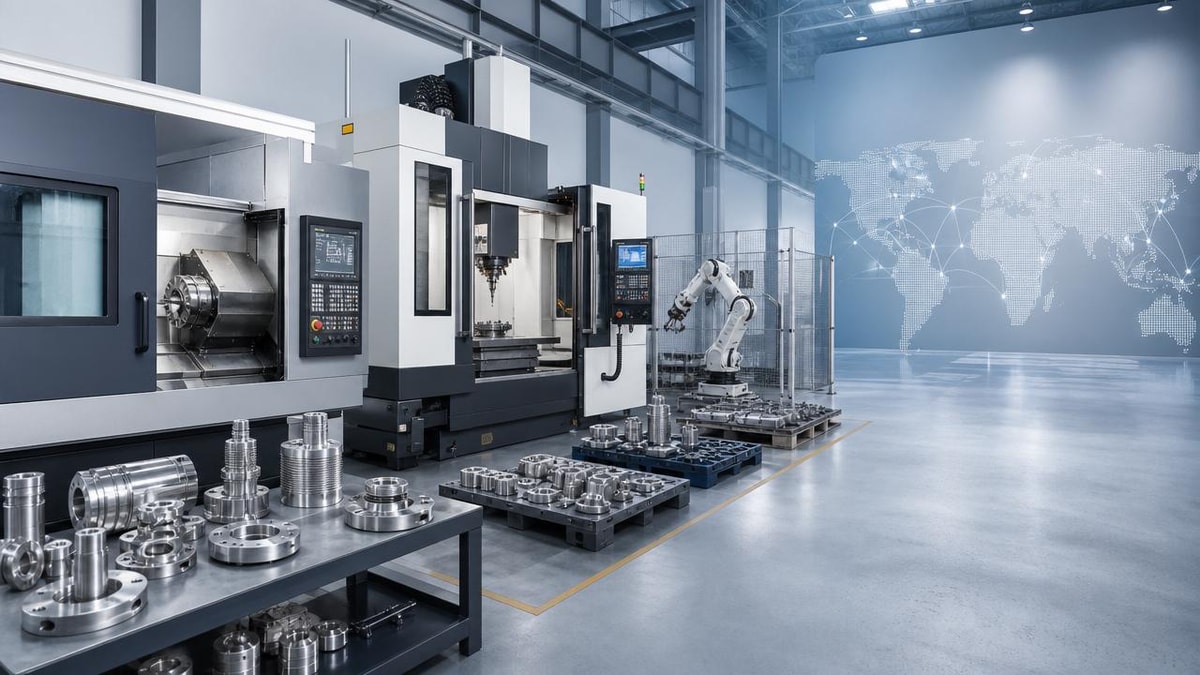
Global Manufacturing shifts are reshaping how businesses evaluate machine sourcing, from supplier diversification and cost control to quality assurance and delivery resilience. For commercial assessment professionals, understanding these changes is essential to making smarter procurement decisions in a market defined by automation, precision, and cross-border competition.
Understanding Global Manufacturing in machine sourcing
In the CNC machine tool sector, Global Manufacturing is no longer just a broad economic idea. It directly affects where machines are built, how components are sourced, how quickly orders can be delivered, and how buyers compare value across regions. For business evaluation teams, this means machine sourcing decisions now require a wider lens than simple unit price comparisons.
A modern CNC lathe, machining center, or multi-axis system is rarely the result of a single-country supply chain. Core castings may come from one region, control systems from another, spindle technology from a specialized supplier, and final assembly from a country with strong export capability. As Global Manufacturing networks become more interconnected, the sourcing decision becomes a strategic assessment of capability, resilience, compliance, and long-term support.
This is especially relevant in industries such as automotive, aerospace, electronics, and energy equipment, where production accuracy, repeatability, and uptime directly affect revenue. A machine buyer is not simply purchasing equipment; they are investing in productivity, process stability, and future operational flexibility.
Why the industry is paying closer attention
Several trends explain why Global Manufacturing has become central to machine sourcing. First, supply chains have become more sensitive to geopolitical changes, freight volatility, and raw material disruptions. Second, industrial automation is raising expectations for machine integration, software compatibility, and remote diagnostics. Third, manufacturers are under pressure to improve total equipment effectiveness while controlling capital expenditure.
In this environment, sourcing teams must evaluate not only the machine itself but also the ecosystem behind it. A supplier’s engineering depth, quality system, export experience, service network, and parts availability can matter as much as the machine specification sheet. Global Manufacturing shifts have therefore moved sourcing from a transactional task to a cross-functional business decision.
For commercial assessment professionals, the challenge is balancing short-term affordability with long-term operational confidence. Lower acquisition cost may look attractive, but poor documentation, weak after-sales support, or inconsistent component sourcing can create hidden losses over the machine lifecycle.
How regional strengths shape sourcing choices
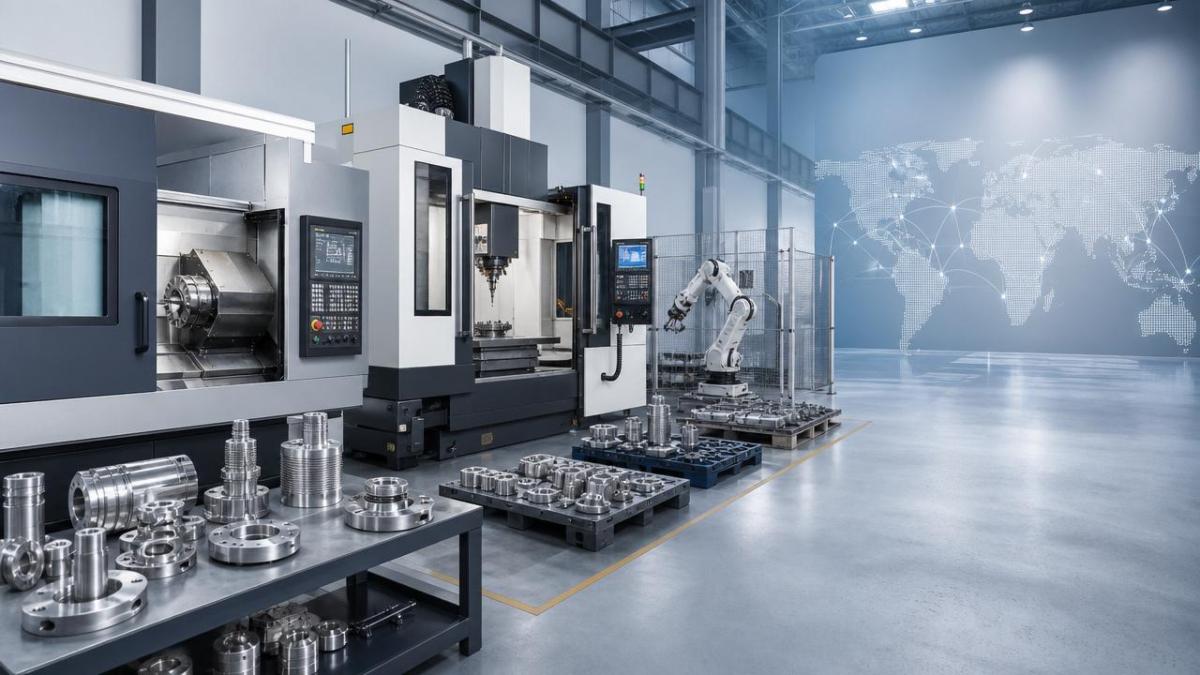
Different manufacturing regions have developed distinct strengths in machine tools and precision manufacturing. Understanding these strengths helps buyers align sourcing strategy with application needs rather than relying on assumptions or outdated market perceptions.
These regional profiles do not mean one country is always better than another. Instead, they show how Global Manufacturing creates multiple sourcing pathways. A buyer focused on high-volume standardized parts may prioritize one set of strengths, while a buyer producing complex aerospace components may value another.
Business value for commercial assessment professionals
For business evaluation teams, the main value of understanding Global Manufacturing lies in making more accurate sourcing judgments. This includes estimating total landed cost, identifying operational risk, and measuring the strategic fit between a supplier and the buyer’s production goals.
One important shift is the move from price-based evaluation to value-based evaluation. A machine with a lower purchase price may require more commissioning time, operator adaptation, or maintenance intervention. By contrast, a machine with stronger digital integration, better spindle life, and more stable service support may generate better long-term economics even at a higher initial cost.
Global Manufacturing also affects negotiation strategy. Buyers can compare suppliers across multiple markets, but they must also account for currency exposure, tariffs, transport cost, installation timing, and local technical support. A competitive quotation is only meaningful when these factors are visible and measurable.
Where sourcing priorities differ by application
Machine sourcing is not uniform across industries. The same Global Manufacturing trend can lead to different decisions depending on part complexity, tolerances, production volume, and automation level. Commercial assessors should therefore segment machine needs by application rather than using a single buying standard.
This application view makes Global Manufacturing more practical. It shows that sourcing should follow production logic. A supplier that performs well in standardized components may not be the best fit for highly customized precision work, even if both operate in the same country or price range.
The growing importance of digital and automation readiness
Another major outcome of Global Manufacturing shifts is the rising importance of digital compatibility. Machine tools are increasingly expected to connect with MES platforms, ERP systems, robotic loading units, tool monitoring, and predictive maintenance software. This means sourcing teams should assess not only hardware but also data architecture and control openness.
In many factories, the machine is now one node in a larger smart manufacturing environment. As a result, buyers should ask whether the equipment supports remote diagnostics, production data capture, alarm history analysis, and future automation upgrades. These capabilities can strongly influence return on investment, especially in labor-sensitive or quality-critical operations.
Global Manufacturing competition is pushing suppliers to improve in these areas. However, claimed digital features should be verified in real project conditions. Demonstration videos and brochures are useful, but they do not replace application testing, interface confirmation, and post-installation support planning.
Practical evaluation points before selecting suppliers
A structured evaluation approach can help commercial professionals respond to Global Manufacturing complexity with confidence. The most effective assessments usually combine technical review, financial comparison, and supply chain due diligence.
- Check whether critical components are sourced consistently across production batches.
- Review machine accuracy standards, testing methods, and quality records.
- Assess delivery reliability, not just quoted lead time.
- Confirm local or regional service coverage, spare parts strategy, and response time.
- Analyze total cost of ownership, including tooling, training, maintenance, and downtime risk.
- Verify automation and software integration capability for future production needs.
These checkpoints help translate broad Global Manufacturing trends into measurable sourcing criteria. They also improve communication between procurement, engineering, finance, and operations teams, reducing the risk of fragmented decision-making.
Common sourcing risks in a changing manufacturing landscape
Even strong suppliers can present risk if buyers overlook structural changes in Global Manufacturing. One common issue is overreliance on a single source region without backup options. Another is assuming that brand reputation guarantees consistent delivery under changing market conditions. A third is underestimating the impact of service access when machines operate across multiple shifts.
There is also a risk in focusing too narrowly on machine specifications while ignoring implementation reality. A machine may meet the required travel range, spindle speed, and positioning tolerance, yet still underperform if operator training is weak, software integration is incomplete, or fixture compatibility is not resolved early. In the current Global Manufacturing environment, sourcing success depends on execution as much as equipment design.
A balanced path forward
For commercial assessment professionals, the best response to Global Manufacturing change is not to chase the lowest-cost market or the most premium brand by default. It is to build a sourcing framework that connects machine performance, supplier reliability, lifecycle economics, and strategic flexibility. That framework should be updated regularly as industrial clusters evolve, technologies mature, and trade conditions shift.
In practical terms, that means comparing suppliers by application fit, validating quality systems, understanding supply chain depth, and planning for service continuity from the beginning. In CNC machine tools and precision manufacturing, smarter sourcing is not only about where a machine comes from. It is about how well that machine supports future production goals in an increasingly interconnected Global Manufacturing landscape.
If your team is reviewing new equipment opportunities, use Global Manufacturing as a decision lens rather than a background trend. It can help you identify stronger supplier matches, reduce hidden sourcing risk, and make investment choices that remain competitive as manufacturing continues to transform.
NEXT ARTICLE
Recommended for You
 Industrial Robotics payback depends on more than labor savingsManufacturing Market Research Center
 Shaft Parts machining problems that show up after final inspectionCNC Machining Technology Center
 Which Production Process changes bring the fastest output gains?CNC Machining Technology Center
 Industrial Automation projects fail when integration is underestimatedCNC Machining Technology Center
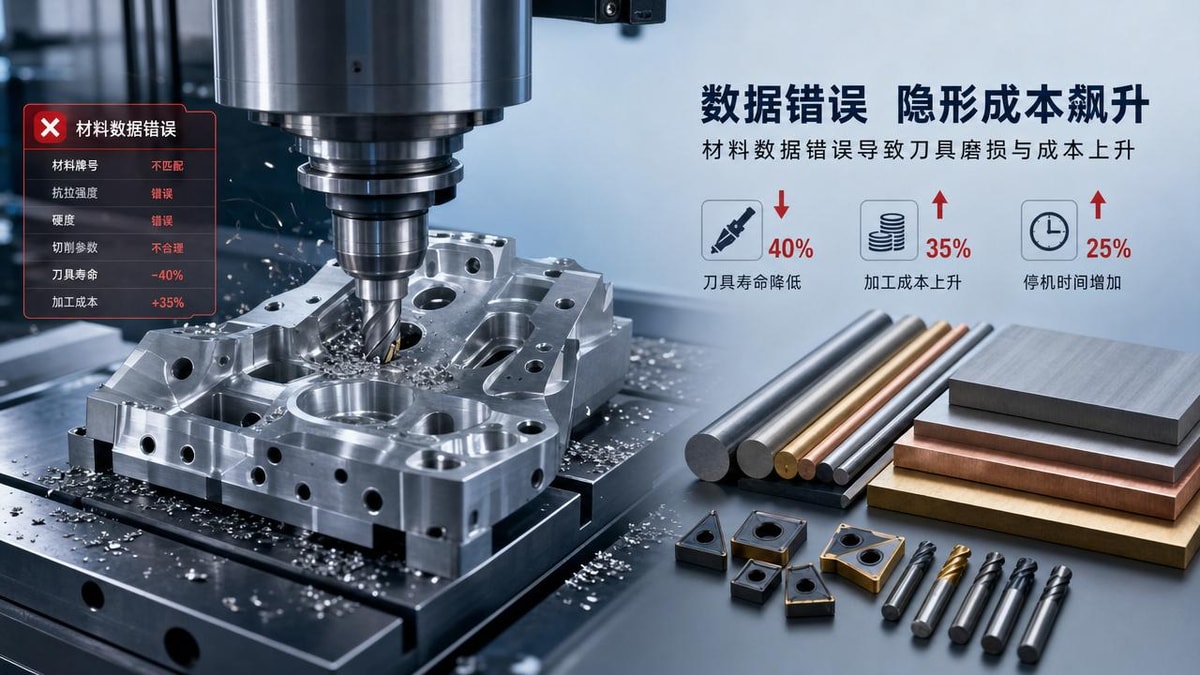
 CNC metal cutting costs rise fast when material data is wrongCNC Machining Technology Center
 High precision lathe claims to verify before accepting deliveryMachine Tool Industry Editorial Team






Aris Katos
Future of Carbide Coatings
15+ years in precision manufacturing systems. Specialized in high-speed milling and aerospace grade alloy processing.
▶
What Global Manufacturing shifts mean for machine sourcingManufacturing Market Research Center▶
2026 Global Trade & Investment Summit: AI, Manufacturing-Service IntegrationManufacturing Market Research Center▶
Global Manufacturing Shifts Are Rewriting Machine Sourcing PlansManufacturing Market Research Center▶
Where the Manufacturing Industry is adding automation fastestManufacturing Market Research Center▶
Global Manufacturing shifts that are changing machine demandManufacturing Market Research Center
Mastering 5-Axis Workholding Strategies
Join our technical panel on Nov 15th to learn about reducing vibrations in thin-wall components.

Providing you with integrated sanding solutions
Before-sales and after-sales services
Comprehensive technical support