• Global CNC market projected to reach $128B by 2028 • New EU trade regulations for precision tooling components • Aerospace deman
NYSE: CNC +1.2%LME: STEEL -0.4%

High precision lathe claims to verify before accepting delivery
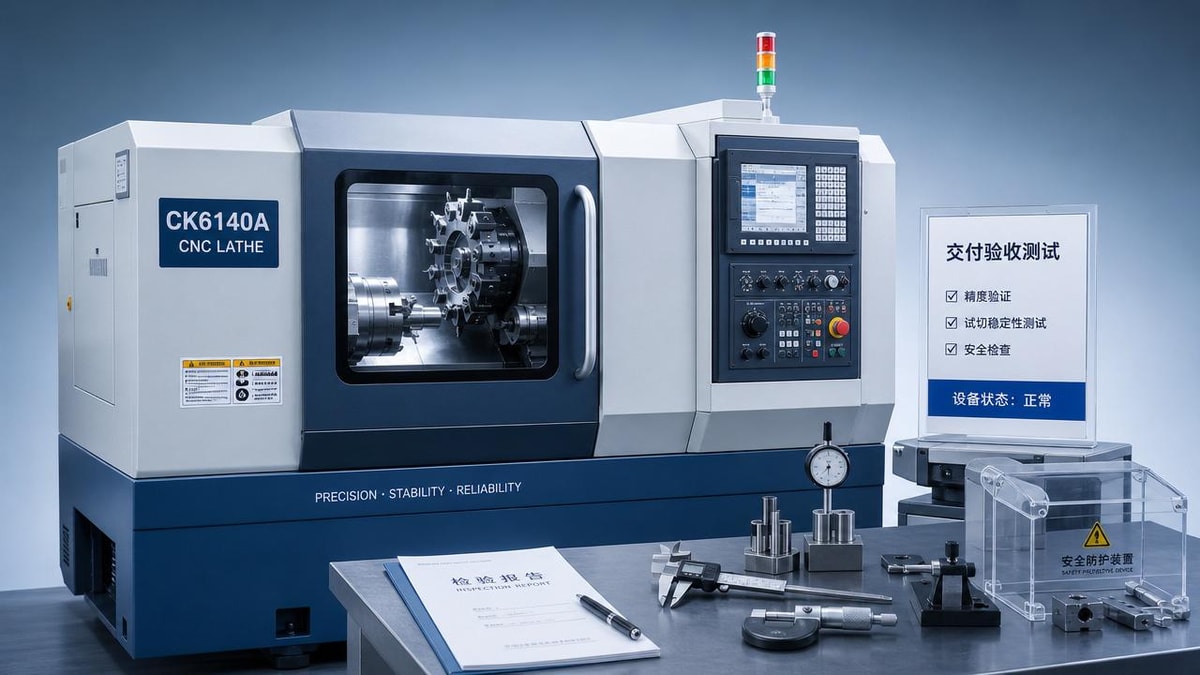
Before signing off on a high precision lathe, quality control and safety teams must verify far more than basic machine appearance. Accuracy certificates, spindle performance, geometric tolerances, guarding systems, and trial-cut stability all affect acceptance results and long-term production reliability. A structured inspection process helps prevent hidden defects, safety risks, and costly downtime after installation.
Why acceptance of a high precision lathe requires more than a visual check
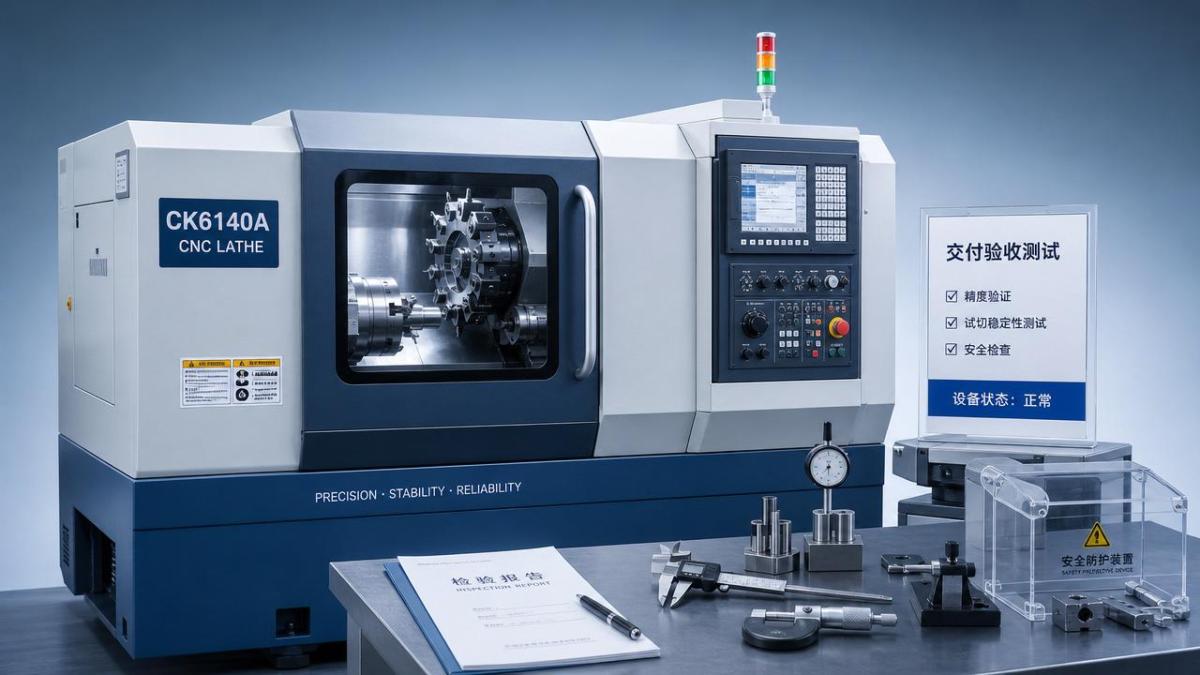
In modern manufacturing, a high precision lathe is not simply a piece of capital equipment. It is a process-critical asset that influences dimensional consistency, operator safety, cycle time, and downstream assembly quality. For quality control personnel and safety managers, acceptance is the moment when technical claims must be converted into verified evidence.
This matters even more in sectors such as automotive, aerospace, electronics, and energy equipment, where shaft parts, bearing seats, threaded features, sealing surfaces, and concentric diameters must meet tight tolerances. A machine that looks clean and runs quietly during a brief demonstration can still fail under thermal load, prolonged cutting, or repeated production cycles.
Acceptance should therefore combine documentation review, geometric inspection, dynamic testing, trial machining, and safety verification. When these steps are separated or rushed, the buyer often discovers issues only after installation, tooling setup, or the first nonconforming production batch.
- Quality teams need proof that machine accuracy is real, repeatable, and traceable to recognized test methods.
- Safety teams must confirm that guards, interlocks, emergency stops, electrical systems, and chip management work under practical operating conditions.
- Procurement and production teams need confidence that the delivered machine matches the ordered specification, not just a brochure description.
What documents should be checked before factory acceptance?
Before measuring the high precision lathe itself, start with the paperwork. Documentation gaps often reveal deeper control problems. If the supplier cannot provide clear records for configuration, test methods, and shipped accessories, later disputes become difficult to resolve.
Core document checklist
- Purchase specification and approved technical agreement, including spindle speed, chuck size, controller, axis travel, accuracy targets, and installed options.
- Machine layout, foundation requirements, utility requirements, and installation conditions such as power quality, air pressure, coolant arrangement, and ambient temperature limits.
- Inspection records for geometric accuracy, positioning accuracy, repeatability, spindle runout, and vibration if available.
- Electrical schematics, lubrication diagrams, hydraulic or pneumatic diagrams, spare parts lists, and maintenance instructions.
- Safety-related documents covering emergency stop circuits, guarding logic, warning labels, lockout points, and operating risks.
If the supplier references standards, ask how the test was performed, what instrument was used, and under what environmental conditions. A number on a certificate is useful only when the measurement context is clear. This is especially important for a high precision lathe intended for fine finishing, hard turning, or high-value components.
Which technical claims should quality control verify on a high precision lathe?
Not every performance claim carries equal production risk. For acceptance, quality control should focus first on characteristics that directly affect part accuracy, repeatability, and process stability. The table below helps teams translate supplier claims into practical inspection points.
For a high precision lathe, the key question is not whether the machine can make one good sample, but whether it can maintain accuracy during thermal growth, cycle repetition, and operator handover. That is why static inspection and cutting tests should always be combined.
Practical verification focus
- Check whether warm-up changes spindle or axis behavior. Some errors appear only after the machine reaches operating temperature.
- Confirm repeated positioning at different travel zones, not only near the machine center.
- Verify tool clamping and turret indexing multiple times, especially if the application requires frequent changeovers.
How should safety managers inspect guarding, controls, and operational risk?
A high precision lathe may deliver excellent dimensional performance and still fail acceptance if safety controls are incomplete or impractical. Safety managers should move beyond a checklist-only approach and confirm how the machine behaves during startup, machining, alarm reset, maintenance access, and chip removal.
Main safety acceptance points
- Emergency stop devices must be reachable, clearly marked, and functionally tested from different operator positions.
- Door interlocks and guarding should prevent hazardous motion when opened, except for controlled maintenance modes that are clearly defined.
- Electrical cabinets should be labeled, protected, and arranged for safe inspection without unnecessary exposure to live components.
- Coolant splash, chip evacuation, and workholding containment should match the actual speed and material range expected in production.
- Alarm messages should be understandable enough for operators and maintenance staff to respond correctly without unsafe improvisation.
Where regional regulations apply, teams should also verify that machine labeling, electrical protection, and safety logic are suitable for the destination market. Even when formal conformity assessment is handled by the supplier, the end user still carries operational responsibility after installation.
Factory acceptance vs. site acceptance: what should be checked at each stage?
Many disputes happen because expectations for factory acceptance testing and site acceptance testing are not separated. The high precision lathe may pass at the supplier site but behave differently after transport, re-leveling, and utility connection. A two-stage acceptance strategy reduces blind spots.
The comparison below shows how quality and safety teams can divide responsibilities across both stages when evaluating a high precision lathe.
For buyers serving demanding industries, the best practice is to define measurable criteria for both stages in the purchase contract. That prevents arguments over whether a problem is a transport issue, installation issue, or original machine issue.
What should a trial cut prove before accepting the machine?
A trial cut is where a high precision lathe moves from claimed capability to demonstrated process behavior. The part used for testing should reflect real production features as closely as possible, including material type, slenderness ratio, tolerance sensitivity, and surface finish expectations.
What to evaluate during trial machining
- Dimensional stability across repeated parts, not just the first piece after setup.
- Roundness, cylindricity, runout, and surface finish at different spindle speeds and feed combinations.
- Vibration or chatter risk during roughing and finishing, especially on long shafts or interrupted cuts.
- Chip control performance, because chip wrapping can create both quality defects and operator hazards.
- Controller usability, offset management, and alarm behavior during normal production adjustments.
If the supplier insists on using a soft material, a short cycle, or a very simple geometry, quality teams should ask whether that test really represents the intended production load. A convincing acceptance trial should challenge the machine enough to expose instability before the equipment ships.
Common acceptance mistakes that create later quality and safety problems
Even experienced buyers sometimes approve a high precision lathe too early because installation schedules are tight or because the machine passes a superficial demonstration. The following mistakes are common across the CNC machine tool industry.
Frequent errors to avoid
- Accepting based on cosmetic condition, paint quality, or no-load movement without checking cutting performance.
- Reviewing accuracy certificates without verifying whether test conditions match site requirements.
- Ignoring utility compatibility such as voltage stability, compressed air cleanliness, coolant compatibility, and floor vibration.
- Treating safety guards as a formality instead of evaluating access during setup, cleaning, and maintenance.
- Failing to document punch-list items, deadlines, and responsibility for corrective actions before shipment or final payment.
In practice, most expensive failures are not dramatic machine collapses. They are slow losses: unstable tolerance, repeated alarm stoppages, shortened tool life, chip-related operator intervention, and delayed process capability approval. A disciplined acceptance process protects against these quiet but costly risks.
How to build an internal acceptance checklist for quality and safety teams
A useful acceptance checklist for a high precision lathe should be role-based rather than generic. Quality, safety, maintenance, and process engineering do not inspect the machine for the same reasons. Combining all viewpoints in one structured form improves sign-off discipline and speeds issue closure.
Recommended internal checklist sections
- Configuration match: ordered accessories, controller version, spindle option, chuck or collet system, coolant setup, and automation interface.
- Metrology evidence: geometric inspection records, repeatability data, thermal behavior notes, and trial part reports.
- Safety verification: emergency stop test, guard interlock test, warning signs, safe maintenance access, and chip containment review.
- Support readiness: training status, spare parts list, lubrication schedule, and escalation contacts for after-sales service.
This structured approach is especially valuable for multinational sourcing, where machine builders, component suppliers, and end users may operate across different standards, languages, and installation environments. Clear acceptance records reduce ambiguity and support faster claims handling if problems appear later.
FAQ about accepting a high precision lathe
How much attention should be given to spindle runout during acceptance?
A great deal. Spindle runout affects surface finish, roundness, tool wear, and holding accuracy. For a high precision lathe, spindle condition should be checked both at rest and after a thermal run. If possible, combine instrument readings with a practical cutting test, because acceptable static values do not always guarantee stable finish quality under load.
Is a supplier sample part enough to approve the machine?
Usually not. A supplier sample can be useful, but quality control should know the material, tooling, offsets, cycle parameters, and measurement method behind it. A more reliable approach is to request a trial part that resembles the buyer’s own application, especially if the high precision lathe will machine difficult alloys, long shafts, or parts with tight concentricity requirements.
What safety issue is most often underestimated?
Chip and coolant behavior is frequently underestimated. A machine can meet basic safety expectations yet still encourage unsafe operator intervention if chips accumulate around the tool zone, door area, or conveyor entry. During acceptance, observe how the machine handles realistic cutting conditions rather than dry or low-load demonstration cycles.
Should final payment be tied to site acceptance?
In many projects, yes. The exact arrangement depends on contract terms, but linking part of the payment to site acceptance helps ensure support through installation, re-leveling, and initial production verification. This is particularly sensible when the high precision lathe includes automation, custom tooling interfaces, or demanding part tolerances.
Why choose us when evaluating machine tool delivery risk
For teams working across the global CNC machining and precision manufacturing industry, acceptance is not only a technical event but also a sourcing, compliance, and risk-control task. We focus on the machine tool sector and support professionals who need practical guidance before approving equipment for production use.
You can contact us for support with high precision lathe parameter confirmation, acceptance checklist design, machine comparison, delivery risk review, certification-related questions, application-specific evaluation points, and quotation communication for matching equipment solutions. If your project involves tight tolerances, urgent delivery, multi-country sourcing, or demanding safety review, we can help you clarify what to inspect before sign-off and what to lock into the technical agreement before shipment.
NEXT ARTICLE
Recommended for You
 Industrial Robotics payback depends on more than labor savingsManufacturing Market Research Center
 Shaft Parts machining problems that show up after final inspectionCNC Machining Technology Center
 Which Production Process changes bring the fastest output gains?CNC Machining Technology Center
 Industrial Automation projects fail when integration is underestimatedCNC Machining Technology Center
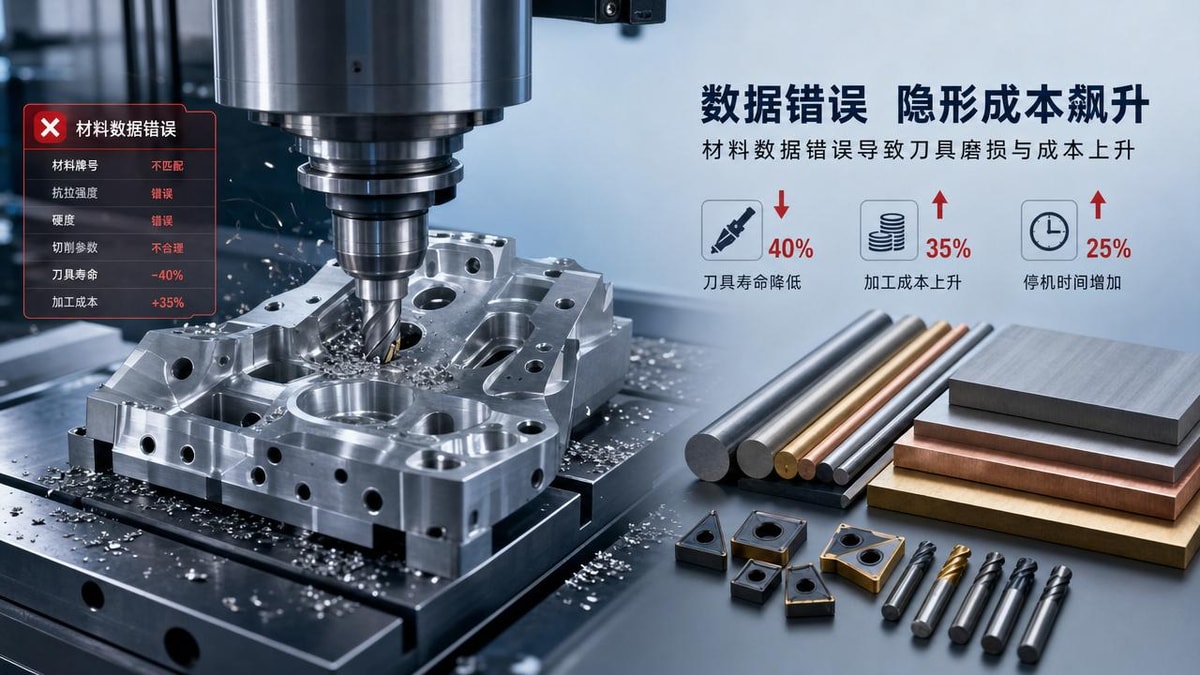
 CNC metal cutting costs rise fast when material data is wrongCNC Machining Technology Center
 High precision lathe claims to verify before accepting deliveryMachine Tool Industry Editorial Team

Aris Katos
Future of Carbide Coatings
15+ years in precision manufacturing systems. Specialized in high-speed milling and aerospace grade alloy processing.
▶
High precision lathe claims to verify before accepting deliveryMachine Tool Industry Editorial Team▶
Precision equipment calibration issues that quietly raise scrap ratesMachine Tool Industry Editorial Team▶
Industrial CNC uptime problems that often appear after installMachine Tool Industry Editorial Team▶
How Much Precision Is Too Much in a High Precision Lathe?Machine Tool Industry Editorial Team▶
Industrial CNC Upgrade Signs You Should Not Ignore in 2026Machine Tool Industry Editorial Team
Mastering 5-Axis Workholding Strategies
Join our technical panel on Nov 15th to learn about reducing vibrations in thin-wall components.

Providing you with integrated sanding solutions
Before-sales and after-sales services
Comprehensive technical support