• Global CNC market projected to reach $128B by 2028 • New EU trade regulations for precision tooling components • Aerospace deman
NYSE: CNC +1.2%LME: STEEL -0.4%

How to Audit a Machine Tool Factory Before Ordering

Auditing a machine tool factory before ordering is essential for buyers seeking a cost-effective CNC manufacturing supplier with high precision machine tool capabilities. Whether you source from a CNC machine tool manufacturer, machine tool exporter, or CNC manufacturing wholesaler, a proper audit helps verify production quality, automated CNC manufacturing capacity, delivery reliability, and compliance for aerospace, automotive, electronics, and energy equipment projects.
Why does a pre-order machine tool factory audit matter so much?

In the CNC machine tool industry, the biggest purchasing risk is not always the listed price. It is the gap between what a supplier claims and what the factory can repeatedly deliver under production pressure. A machine tool factory audit reduces that gap by checking the real condition of workshops, machining accuracy control, assembly discipline, testing capability, and shipment readiness before a contract is finalized.
For procurement teams, the audit is a decision tool. For operators and end users, it is a practical way to judge whether the equipment will be stable in daily use, whether spare parts support will be available within normal service windows such as 24–72 hours, and whether training documents, manuals, and commissioning procedures are mature enough for safe operation.
This is especially important when buying CNC lathes, machining centers, multi-axis systems, or integrated production cells for industries with tight tolerance and process consistency demands. In many projects, buyers must verify 3 core areas before ordering: manufacturing capability, quality assurance, and commercial reliability. Skipping any one of these can create delays of 2–8 weeks or costly line stoppages after installation.
A proper audit also helps business evaluators compare suppliers across China, Germany, Japan, South Korea, and other industrial clusters using the same logic. Instead of relying on brochures, buyers can review process control records, operator skill structure, and acceptance procedures. That turns supplier selection from a sales conversation into a fact-based purchasing decision.
What risks does the audit expose early?
A factory visit often reveals issues that are invisible in quotations. These may include limited in-house machining, excessive outsourcing of critical components, weak incoming material inspection, no clear traceability for ball screws or spindles, or incomplete final test reports. In high-precision machine tool sourcing, these issues directly affect long-term repeatability, vibration behavior, and maintenance intervals.
- Mismatch between advertised machine configuration and actual assembly capability, especially in multi-axis CNC manufacturing.
- Weak production planning that may stretch delivery from a promised 30–45 days to 60–90 days.
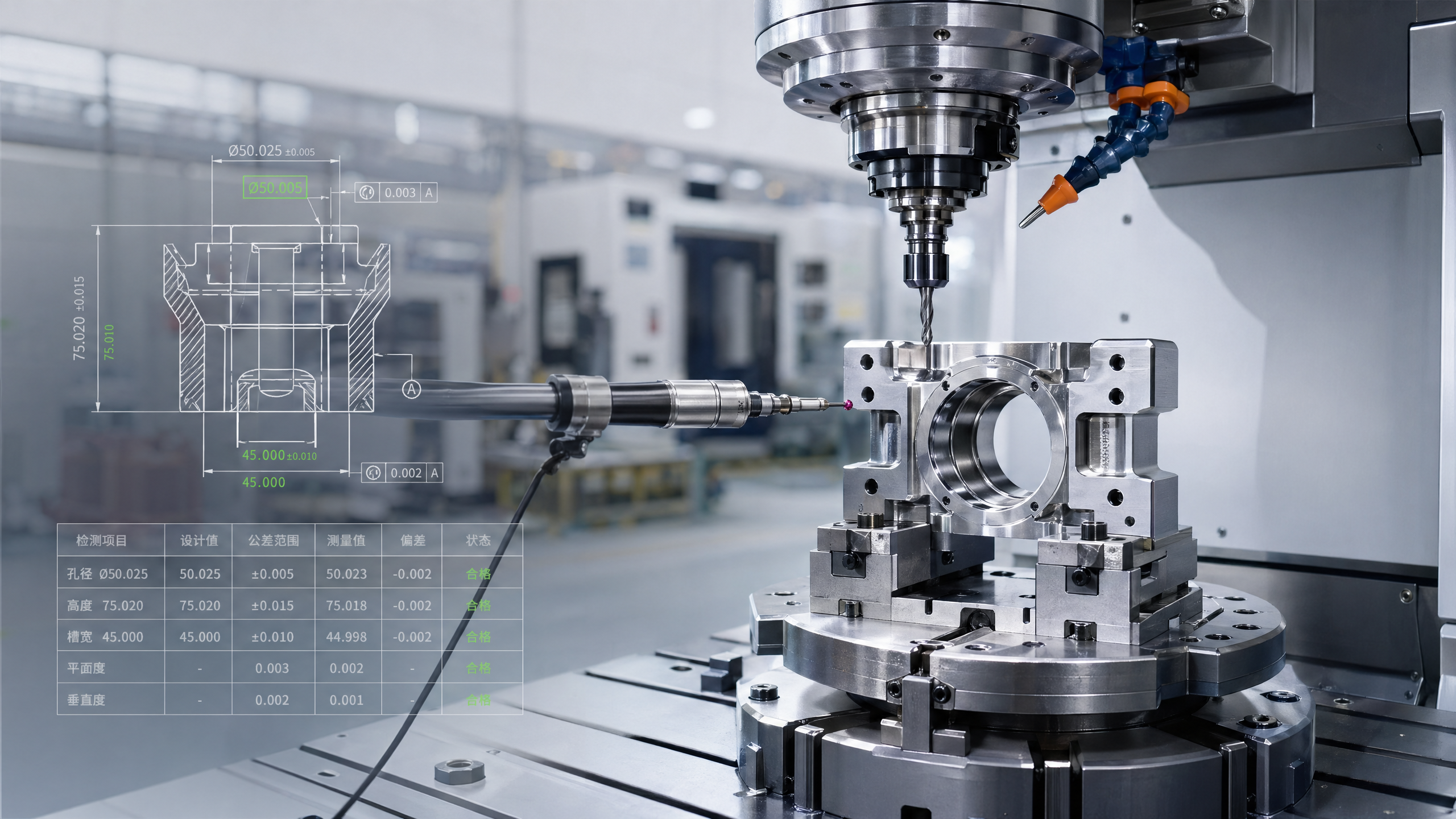
- Insufficient testing instruments for geometry, positioning, backlash, thermal stability, and spindle runout checks.
- Poor service preparation, including limited spare parts stock, no commissioning checklist, and no operator training workflow.
When these findings appear before ordering, the buyer still has room to adjust specifications, request corrective actions, or move to another supplier. When they appear after down payment or shipment, the cost of correction is much higher and often affects project launch schedules.
What should you inspect inside a CNC machine tool factory?
A useful machine tool factory audit should follow the production flow rather than only checking the showroom. Start from raw material and component receiving, then move through machining, scraping or fitting if applicable, assembly, electrical integration, software setup, no-load testing, load testing, final inspection, packaging, and shipment control. This sequence shows whether quality is built into the process or only checked at the end.
Buyers should pay close attention to process discipline. In a capable CNC manufacturing supplier, you will usually see documented work instructions, clear separation of qualified and nonconforming parts, tool management routines, calibration labels on measuring devices, and production records that can be traced by batch, serial number, or assembly date. Without these basics, stable output is difficult to maintain.
Another key area is the relationship between in-house production and outsourced work. Many factories outsource castings, heat treatment, sheet metal, or selected precision components. Outsourcing itself is not a problem. The real question is whether the supplier controls these external processes with incoming inspection, approved vendor lists, dimensional verification, and rework procedures when parts do not meet specification.
The table below can be used as a practical audit checklist for CNC machine tool manufacturers. It focuses on 5 essential evaluation dimensions that matter to procurement staff, operators, and commercial reviewers.
This checklist works best when combined with document review and direct questioning. A supplier may show a clean workshop, but if it cannot provide inspection records, testing routines, or a clear escalation process for quality issues, the audit result should remain cautious rather than positive.
A 4-step route for a factory walkthrough
- Review documents first: organization chart, process map, standard machine specifications, and lead time schedule.
- Walk the workshop in sequence: receiving, machining, assembly, testing, packing, and warehouse.
- Interview technical and quality staff: ask how they control tolerance drift, part substitution, and urgent rework.
- Close with evidence collection: sample reports, photos where allowed, open issues list, and corrective action deadlines.
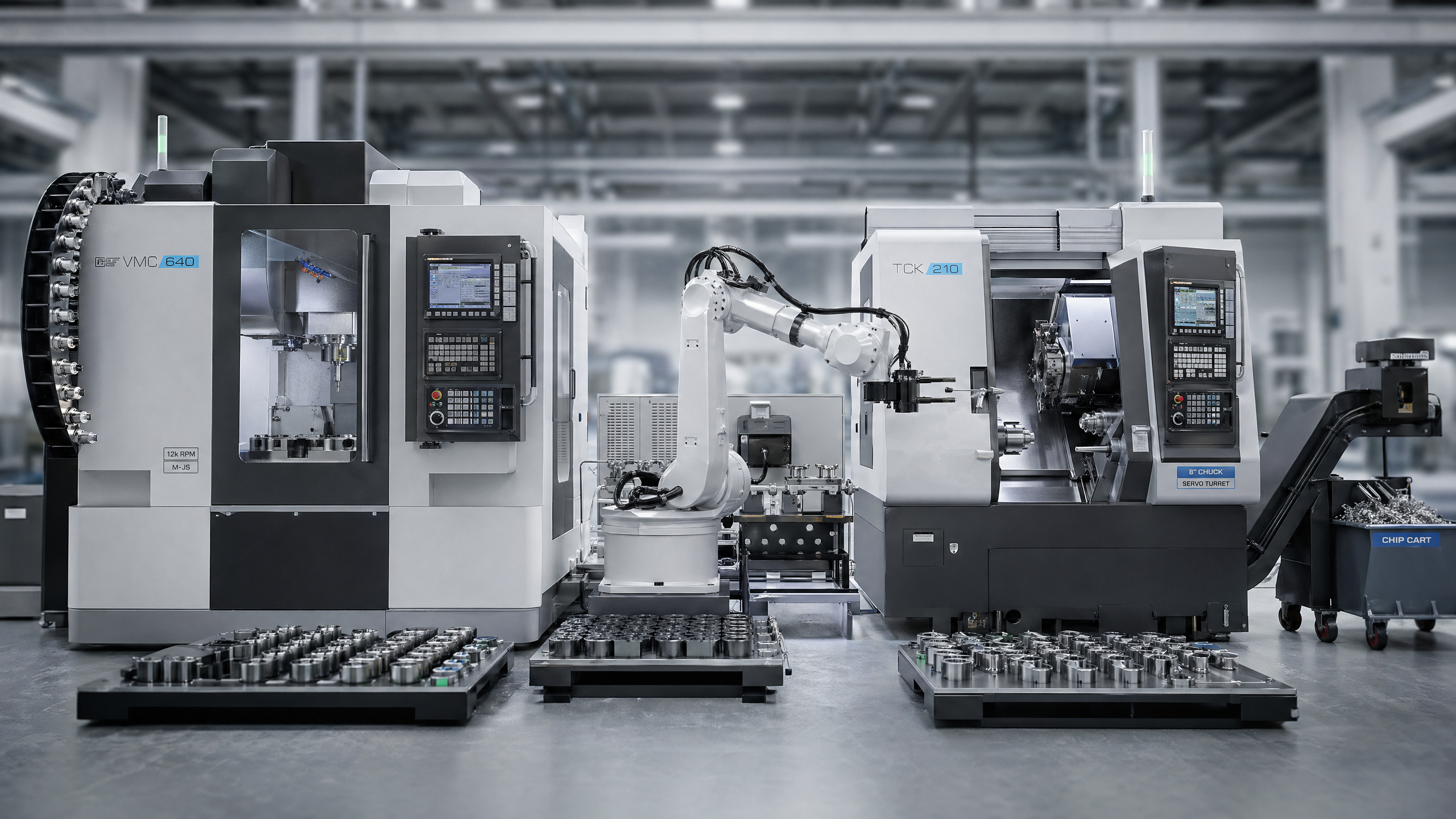
This route usually takes half a day for a single product line and a full day for a broader CNC machine tool manufacturer with multiple assemblies. If custom automation, robotic loading, or flexible production lines are included, the review often needs extra time for software logic and integration discussions.
How do you judge quality, precision, and compliance without over-relying on claims?
Machine tool buyers often hear claims such as high precision, stable structure, or smart manufacturing ready. During an audit, these terms must be translated into observable evidence. For example, ask how the factory verifies positioning accuracy, repeatability, spindle performance, lubrication behavior, and geometric alignment. If the answer remains general, the technical foundation may be weak.
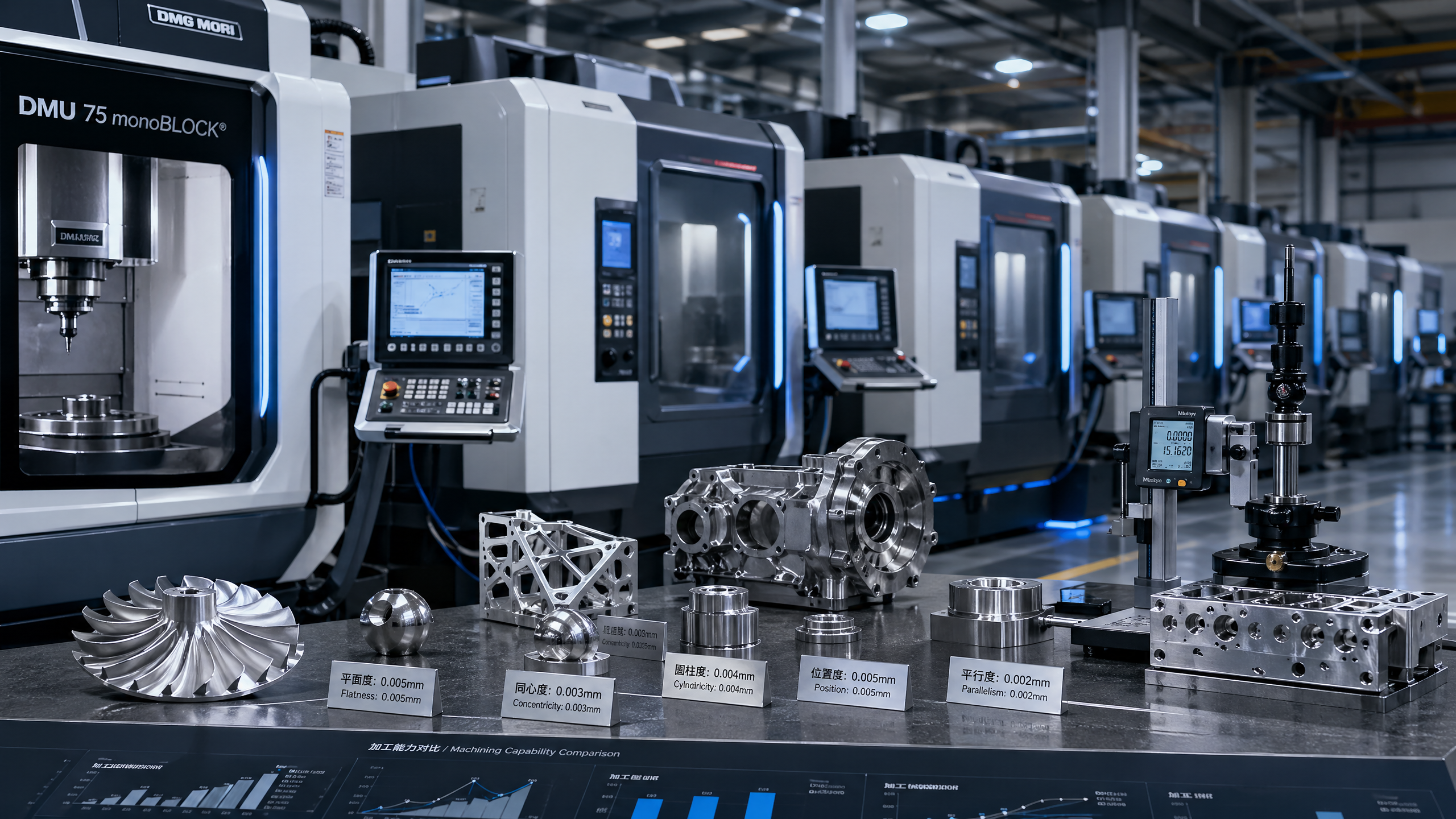
In practical sourcing, quality evaluation usually sits on 3 layers. First is component quality, including castings, linear guides, ballscrews, spindle units, CNC controls, motors, and electrical systems. Second is assembly quality, including alignment, torque control, cable routing, coolant piping, chip removal, and guarding. Third is validation quality, including test runs, load conditions, and cut sample review.
Compliance also matters, especially for export projects and regulated sectors. A supplier should be able to explain which standards or common market requirements apply to its equipment, documentation, electrical safety practice, and export packaging. Depending on destination and application, buyers may need to review items such as user manuals, electrical drawings, safety markings, and acceptance documents before shipment.
The following comparison table helps buyers distinguish a superficial audit from a deeper one that better supports procurement decisions in CNC manufacturing and precision machine tool sourcing.
For many buyers, the turning point comes when they shift from “Can this supplier build a machine?” to “Can this supplier build the same machine consistently over 6, 12, or 24 months?” That is the real value of audit-based sourcing in the machine tool industry.
Which documents are worth requesting?
A short document package can tell you more than a long presentation. Request recent final inspection sheets, standard process flow, key purchased component list, preventive maintenance guidance, packing standard, and a sample acceptance protocol. If the project includes automation or production line integration, also ask for IO lists, layout drawings, and commissioning logic checkpoints.
Useful evidence to collect during the audit
- At least 1 recent test record for a similar machine category, such as a CNC lathe or machining center.
- A current component sourcing list covering major mechanical and electrical assemblies.
- A standard lead time breakdown, for example design review, production, testing, and packing over 4 stages.
- A service response outline showing remote troubleshooting, spare parts dispatch, and field support conditions.
These materials help procurement and technical teams align on the same evidence base. They also make later quotation comparison much easier because evaluation moves from broad promises to clear deliverables.
How can procurement teams compare suppliers after the audit?
A factory audit becomes valuable only when its findings are translated into a supplier ranking model. In B2B machine tool sourcing, price should be one factor, not the only factor. A lower quotation may still produce a higher total project cost if the supplier has weak lead time control, unstable assembly quality, or limited service readiness after commissioning.
One practical method is to score each supplier across 5 categories: technical fit, quality system, production capacity, commercial terms, and after-sales support. This allows procurement staff, end users, and business evaluators to discuss trade-offs openly. For example, a supplier with a 10–15% higher initial price may still be preferable if it reduces installation risk and shortens startup time by 1–2 weeks.
It is also useful to separate must-have items from negotiable items. Must-have items may include machine structure, control compatibility, core process capability, safety documentation, and achievable delivery date. Negotiable items may include optional tooling, branding details, training hours, or spare parts package size. This keeps discussions focused on business impact rather than minor cosmetic differences.
After the audit, buyers should issue a formal gap list within 3–5 working days. The supplier should respond with clarification, evidence, or corrective action timing. If the supplier needs 2–3 weeks to close key gaps, that timeline should be reflected in the final sourcing plan rather than ignored.
Post-audit decision points for different roles
- Information researchers should confirm whether the supplier’s public profile matches actual production scope, export experience, and product depth.
- Operators should review maintainability, interface logic, coolant and chip handling, safety access, and training practicality.
- Procurement teams should compare quote structure, delivery realism, warranty boundaries, and spare parts availability.
- Business evaluators should test overall project risk, hidden cost exposure, and the supplier’s ability to support future repeat orders.
This role-based approach helps avoid a common mistake in CNC manufacturing purchases: selecting a supplier based only on sales responsiveness, while technical, operational, and lifecycle concerns remain unresolved until much later.
Common mistakes, FAQ, and final actions before placing the order
Even experienced buyers can miss important signals during a machine tool factory audit. The most common mistake is focusing heavily on one demonstration machine while ignoring production repeatability. Another is checking hardware carefully but not reviewing commissioning process, training support, or spare parts planning. For automated CNC manufacturing projects, software and integration readiness can be just as important as mechanical build quality.
A second mistake is accepting vague delivery language. Terms such as fast shipment or standard lead time are not enough. Buyers should ask for a practical schedule with 4 milestones: order confirmation, material readiness, assembly completion, and final inspection. This is especially important when machines are linked to factory expansion, energy equipment projects, or automotive line changes with fixed launch dates.
A third mistake is skipping acceptance planning. Before placing the order, define what will be checked before shipment and after installation. A typical acceptance package may include geometry inspection, dry run verification, sample cutting, alarm history review, and documentation handover. When expectations are written early, disputes become easier to prevent.
Below are several frequently asked questions that often appear during CNC machine tool procurement and supplier evaluation.
How long does a machine tool factory audit usually take?
For a standard product review, half a day may be enough. For a broader supplier evaluation covering machining, assembly, testing, export packing, and service processes, a full day is more realistic. If the order includes custom automation, robotic loading, or a multi-machine production line, 1–2 days may be necessary to review engineering and integration details properly.
What are the top items to verify before paying a deposit?
Focus on 5 points: actual manufacturing scope, key component sourcing, quality records, test capability, and delivery schedule realism. Also confirm warranty terms, documentation scope, and who is responsible for commissioning support. In practice, these items affect risk far more than minor negotiation on unit price alone.
Can a remote audit work if travel is limited?
A remote audit can support early screening, but it should be structured. Ask for a live video walkthrough of receiving, machining, assembly, and testing areas, not only the showroom. Request close views of machine nameplates, inspection reports, test setups, warehouse stock, and packaging methods. For critical projects, an in-person audit or third-party inspection before shipment remains the safer choice.
What delivery lead time is typical for CNC machine tools?
Lead times vary by machine type, configuration complexity, and parts availability. Standard models may fit into a 4–8 week range, while custom configurations, multi-axis systems, or automated cells often require 8–16 weeks or longer. During the audit, the question is not only the quoted lead time, but whether production capacity and purchased components support that promise.
Why choose us for machine tool sourcing support and what can you ask us to review?
If you are comparing CNC machine tool manufacturers, exporters, or integrated production line suppliers, we can help you move from general market research to a more practical procurement decision. Our focus is the global CNC machining and precision manufacturing industry, including machine tools, automation trends, supplier evaluation logic, and cross-border sourcing considerations for industrial buyers.
You can contact us for specific support on parameter confirmation, machine selection, lead time assessment, supplier comparison, custom solution discussion, and export-oriented compliance preparation. If you are unsure whether a CNC lathe, machining center, or multi-axis solution fits your production target, we can help you narrow the scope before you request final quotations.
We can also help organize your audit checklist around the points that matter most to your project: precision expectations, production batch size, application sector, installation timeline, training needs, spare parts planning, and acceptance method. This is useful for buyers in automotive manufacturing, aerospace support supply chains, energy equipment, electronics production, and other precision-driven sectors.
When you reach out, share the machine type, target workpiece, expected output, delivery window, and any certification or documentation concerns. That makes it easier to discuss suitable configurations, audit priorities, sample support, and quotation communication in a way that saves time and reduces sourcing risk before you place the order.
PREVIOUS ARTICLE
Recommended for You
 How to Choose a Space-Saving CNC Manufacturing SetupCNC Machining Technology Center
![]() What to Check Before Using a CNC Manufacturing WholesalerGlobal Machine Tool Trade Research Center
What to Check Before Using a CNC Manufacturing WholesalerGlobal Machine Tool Trade Research Center Why Precision CNC Manufacturing Fails Tolerance GoalsCNC Machining Technology Center
 Is CNC Manufacturing for Energy Equipment Worth the CostManufacturing Market Research Center
![]() How Low Maintenance CNC Manufacturing Cuts DowntimeMachine Tool Industry Editorial Team
How Low Maintenance CNC Manufacturing Cuts DowntimeMachine Tool Industry Editorial Team How to Compare One CNC Manufacturing Factory to AnotherManufacturing Market Research Center


Aris Katos
Future of Carbide Coatings
15+ years in precision manufacturing systems. Specialized in high-speed milling and aerospace grade alloy processing.
▶
How to Compare One CNC Manufacturing Factory to AnotherManufacturing Market Research Center▶
How to Identify a Reliable CNC Manufacturing ManufacturerManufacturing Market Research Center▶
What Makes a CNC Manufacturing Supplier Easy to Work WithManufacturing Market Research Center▶
How to Audit a Machine Tool Factory Before OrderingManufacturing Market Research Center▶
Hengli Petrochemical Subsidiary Added to U.S. SDN ListManufacturing Market Research Center
Mastering 5-Axis Workholding Strategies
Join our technical panel on Nov 15th to learn about reducing vibrations in thin-wall components.

Providing you with integrated sanding solutions
Before-sales and after-sales services
Comprehensive technical support