• Global CNC market projected to reach $128B by 2028 • New EU trade regulations for precision tooling components • Aerospace deman
NYSE: CNC +1.2%LME: STEEL -0.4%

What Makes a CNC Manufacturing Supplier Easy to Work With
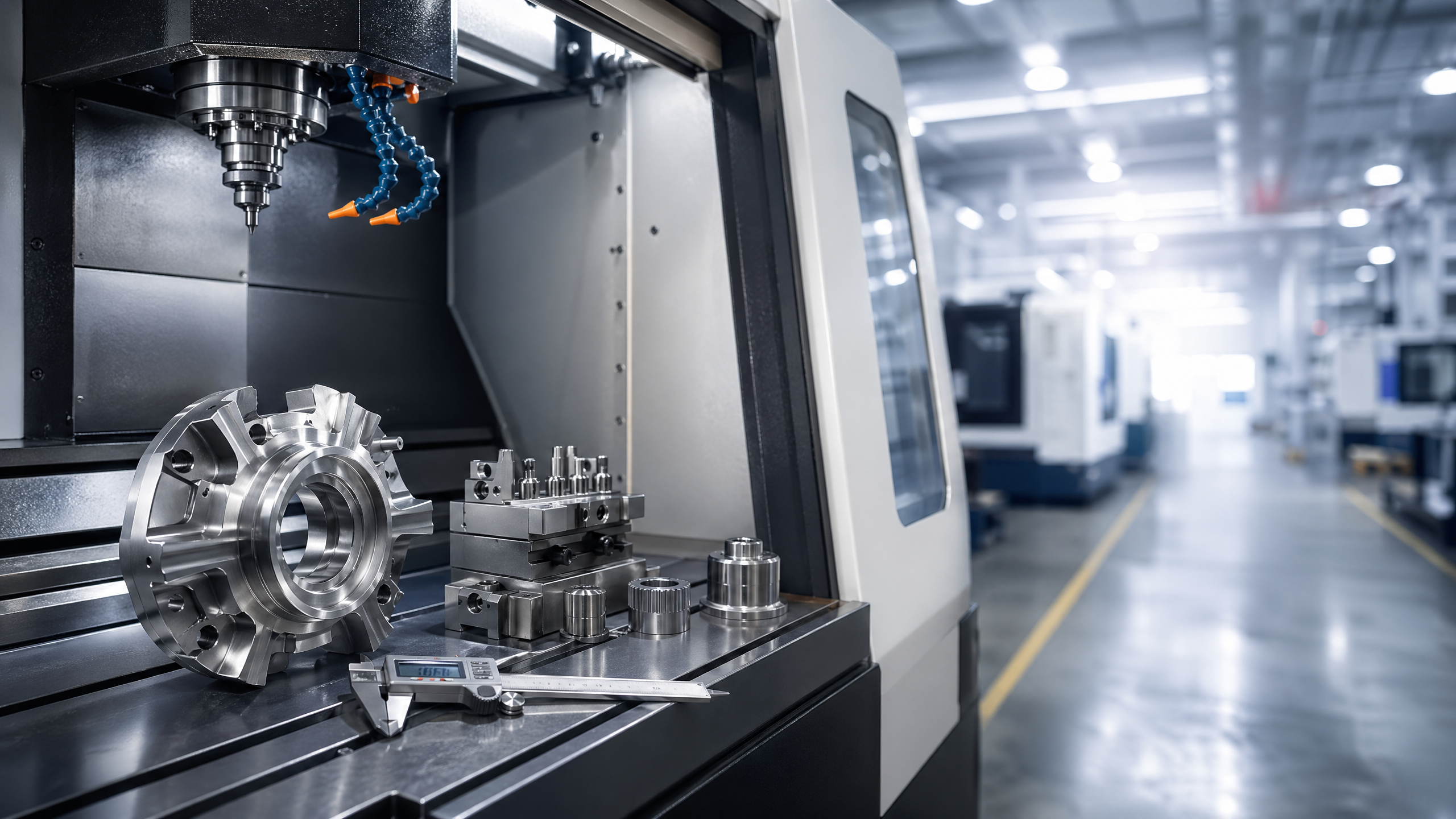
Choosing a CNC manufacturing supplier should mean more than comparing machine tool price or production capacity. The best partners combine high precision CNC manufacturing, quick setup CNC manufacturing, and responsive service, making every project easier for buyers, engineers, and operators. This article explores what sets a reliable CNC manufacturing factory apart and why a cost-effective CNC manufacturing partner can improve quality, lead time, and long-term cooperation.
For research teams, production users, procurement staff, and commercial evaluators, the real question is practical: which supplier can reduce delays, prevent avoidable quality issues, communicate clearly, and support scaling from prototype to batch production? In today’s global CNC machining market, a supplier that is easy to work with is often the one that lowers total project risk, not simply the one with the lowest quoted unit cost.
This matters across automotive, aerospace, energy equipment, electronics, and industrial machinery, where tolerances may range from ±0.01 mm to ±0.05 mm, lead times may vary between 7 days and 6 weeks, and even a small documentation mistake can interrupt assembly schedules. A dependable CNC manufacturing partner helps align engineering, purchasing, quality control, and delivery requirements from the start.
Clear Communication and Fast Technical Alignment
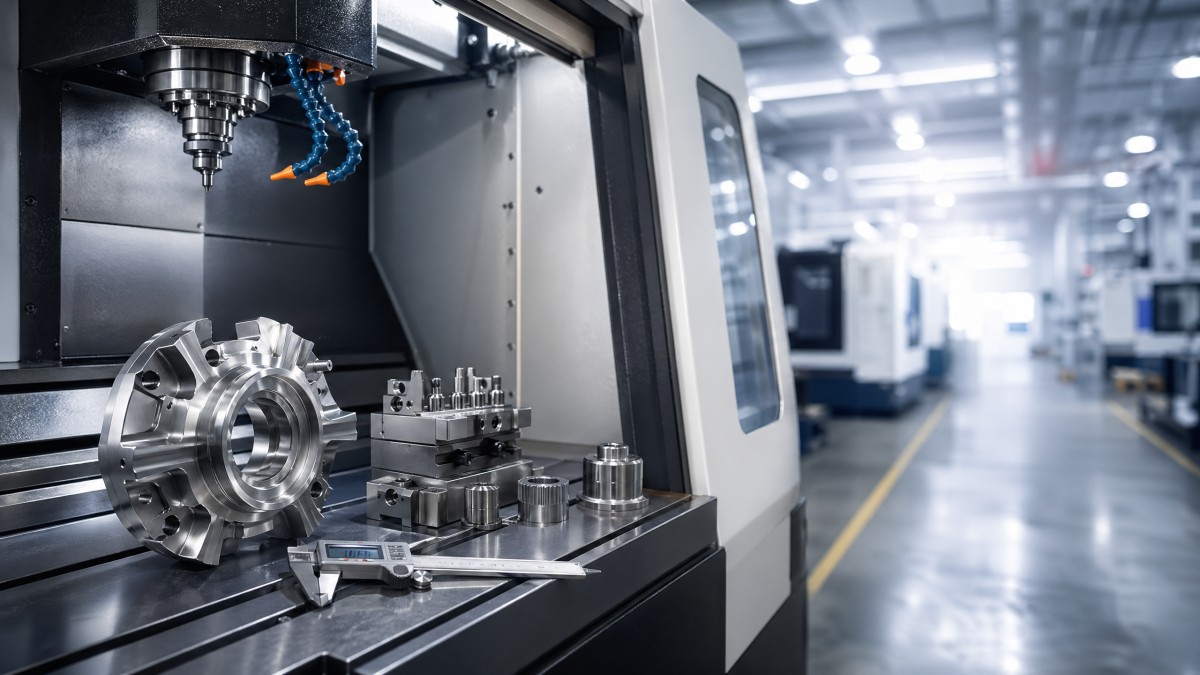
One of the strongest signs of an easy-to-work-with CNC manufacturing supplier is how quickly the team can understand drawings, material specifications, and tolerance priorities. In many projects, delays begin long before machining starts. They start when a supplier takes 3 to 5 days to clarify a basic question about surface finish, thread standard, or datum reference.
A reliable CNC manufacturing factory usually responds to quotation and engineering questions within 24 to 48 hours. That does not mean rushing without review. It means having sales engineers, process engineers, and quality personnel connected closely enough to identify risks early, such as thin-wall deformation, tool access limits, or material availability concerns.
For buyers and operators, technical alignment should also be simple to follow. Suppliers that are easy to work with generally provide marked-up drawings, manufacturability suggestions, and revision control notes. This reduces back-and-forth communication and helps prevent common production errors, especially in projects involving CNC lathes, 3-axis machining centers, or 5-axis machining systems.
What good communication looks like in practice
The best CNC manufacturing partners do more than say “drawing received.” They confirm key points before production, including material grade, tolerance-critical features, coating requirements, packaging method, and inspection expectations. In complex projects, a 15-minute technical review call can prevent 1 to 2 weeks of rework or schedule disruption.
A supplier should also communicate in a format useful for B2B decision making. Procurement teams often need clear pricing logic, while engineers need machining feasibility details. Operators may care more about repeatability, fixture stability, and burr control. Suppliers that understand these different needs are easier to collaborate with over time.
Practical communication checkpoints
- Quotation returned within 1–2 working days for standard parts and 3–5 working days for multi-process parts.
- Drawing review includes tolerance flags, special features, and suggested process notes.
- Engineering changes are tracked by revision number and confirmed before production release.
- Weekly production updates are available for orders with lead times longer than 2 weeks.
These communication habits are especially important in cross-border sourcing, where language, time zone, and document standards can easily create hidden friction. A supplier that answers clearly, documents changes well, and raises technical concerns early often saves more money than a lower-cost supplier that communicates poorly.
Stable Quality Control Matters More Than Promised Capacity
Many CNC suppliers highlight machine quantity, workshop size, or monthly output. Those points matter, but they do not automatically make the supplier easy to work with. In practical sourcing, stable quality control is usually more valuable than raw capacity because defective parts create downtime, repeated shipping, extra inspections, and internal approval delays.
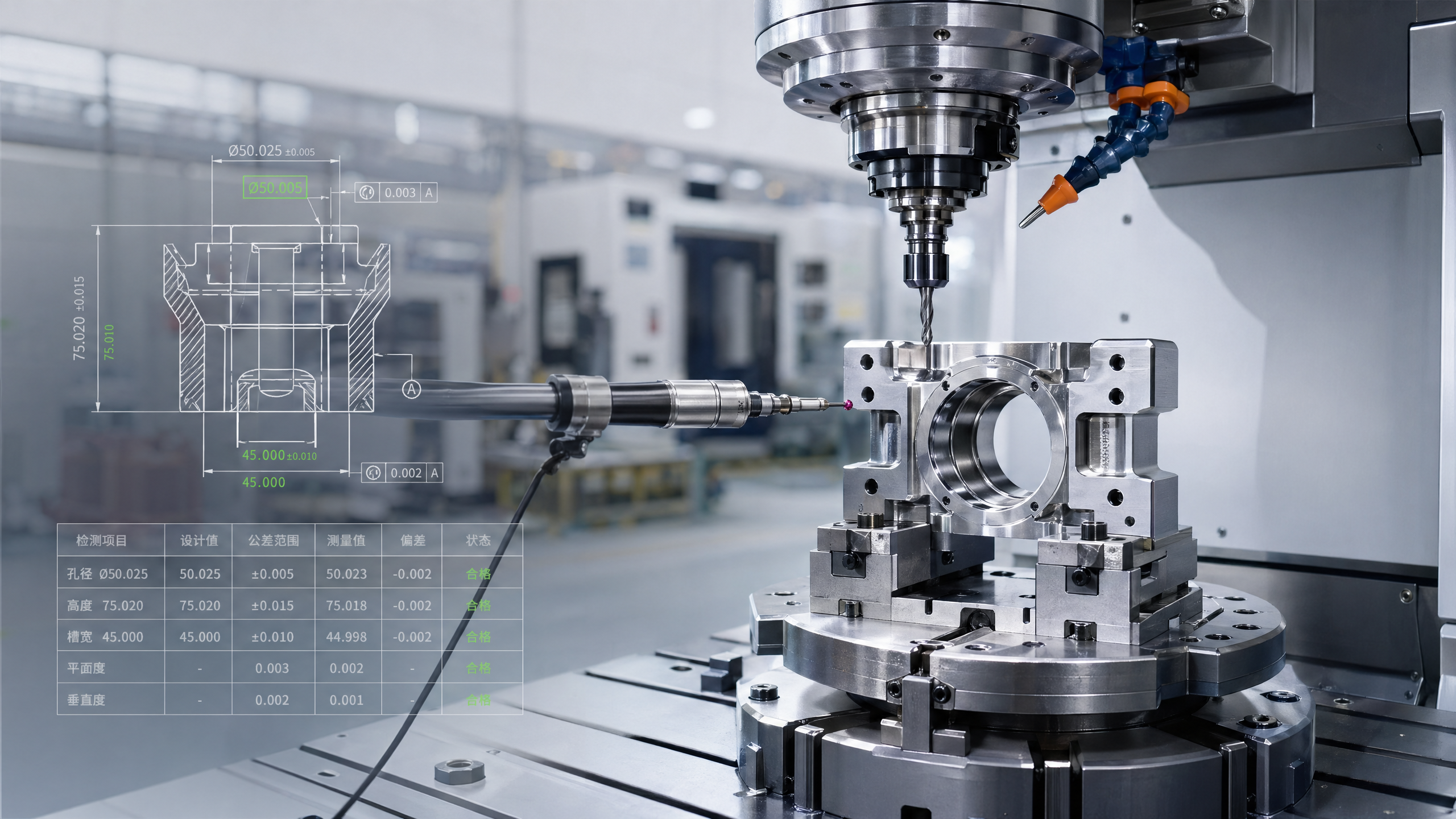
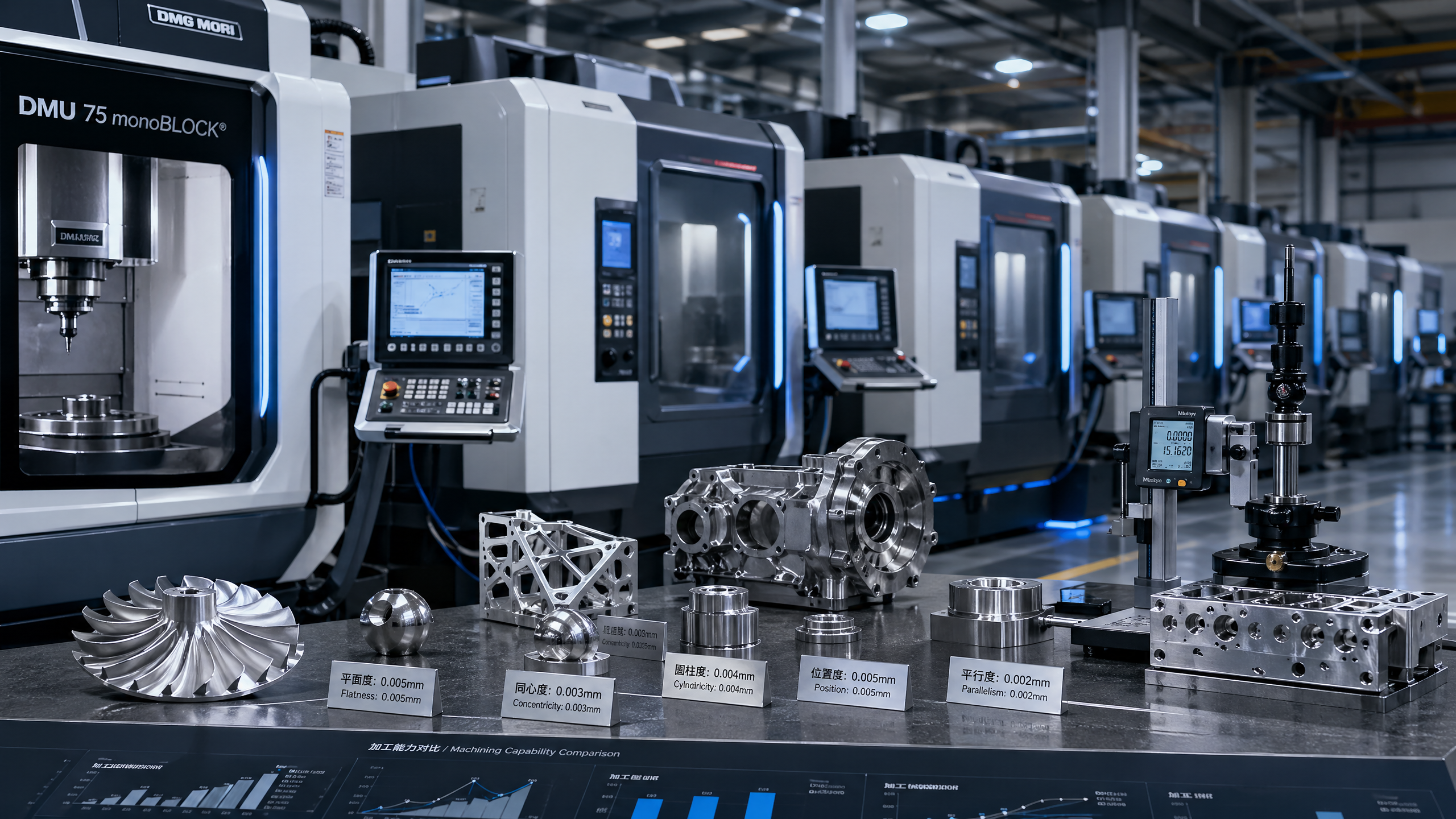
For high precision CNC manufacturing, buyers should look for process consistency across first article inspection, in-process checks, and final inspection. A workshop may operate 20 machines, but if tool wear is not monitored or fixture repeatability is weak, dimensional drift can appear after the first 30 or 50 parts. This is especially risky in long shafts, thin plates, and multi-face structural components.
A supplier that is easy to work with explains its inspection approach in practical terms. That may include sample frequency, measuring equipment, tolerance control points, and how nonconforming parts are separated. Even without citing proprietary systems, the supplier should be able to describe a repeatable quality routine suitable for low-volume and batch production.
Key quality indicators to review during supplier evaluation
The table below shows common evaluation points used by procurement and engineering teams when comparing CNC manufacturing suppliers. These indicators help determine whether the supplier can maintain process discipline, not just finish a single sample successfully.
When a supplier can explain these items with confidence and consistency, it usually indicates mature process control. That makes life easier for commercial evaluators and users alike, because quality becomes more predictable across repeat orders, not just during sample approval.
In sectors such as aerospace support equipment, automotive fixtures, and industrial electronics housings, consistency often matters more than theoretical maximum precision. A part held at ±0.02 mm repeatedly is usually more valuable than a one-time sample at ±0.005 mm that cannot be maintained in batch production.
Lead Time, Setup Flexibility, and Production Planning
A CNC manufacturing supplier becomes easy to work with when production planning is realistic, transparent, and flexible. This is where quick setup CNC manufacturing makes a visible difference. A supplier that can shift efficiently between prototype, pilot run, and medium-volume production reduces downtime between order confirmation and first cut.
Typical lead times vary by part complexity. A simple turned component may ship in 7–10 days, while a milled and surface-treated assembly part may require 2–4 weeks. The problem is not longer lead time by itself. The problem is a supplier that promises 10 days, discovers fixture or material issues on day 6, and informs the buyer only after the schedule has already slipped.
An easy-to-work-with CNC manufacturing factory breaks lead time into visible steps: drawing confirmation, material preparation, programming, first article, batch machining, finishing, inspection, and packing. That structure gives procurement and production teams a real planning basis, especially when incoming parts are tied to line installation or customer delivery windows.
Typical delivery factors buyers should compare
The following comparison helps buyers identify whether a supplier’s schedule is built on actual process planning or on optimistic quoting. It is especially useful when comparing several CNC machining vendors in different regions.
This kind of schedule transparency is valuable because it separates controllable steps from variable steps. Material shortages, outsourced treatment queues, and inspection bottlenecks can all affect delivery, but good suppliers identify those risks before production starts rather than after the due date has passed.
Useful questions for procurement teams
- How many process steps are done in-house and how many are subcontracted?
- What is the standard lead time for 10 pieces, 100 pieces, and 500 pieces?
- Can the supplier support phased delivery, such as 20% first shipment before full batch completion?
- What happens if raw material delivery shifts by 2 to 3 days?
Suppliers who answer these questions directly are usually easier to integrate into production planning. That is especially important for companies building automated lines, custom tooling, or equipment modules where one delayed CNC part can hold up a larger assembly sequence.
Commercial Transparency and Total Cost Control
A cost-effective CNC manufacturing partner is not always the one with the lowest unit price. In B2B purchasing, total cost includes scrap risk, delivery reliability, communication efficiency, packaging quality, change handling, and the amount of internal effort needed to manage the supplier. A vendor that requires constant correction often becomes expensive even if the quote looks attractive at first.
Commercial transparency means the supplier can explain how price changes with quantity, material grade, tolerance level, and secondary operations. For example, reducing a tolerance from ±0.05 mm to ±0.01 mm may increase cycle time, tooling wear, and inspection time. Similarly, adding deburring, anodizing, or laser marking may add 2–7 days and affect both cost and process sequence.
Buyers should also check whether quotations define what is included. Tooling, sampling, inspection reports, export packing, and shipping terms can all alter comparison results. A CNC manufacturing supplier that is easy to work with avoids hidden assumptions and makes commercial boundaries visible before the order is placed.
Common cost elements behind CNC machining quotes
The table below helps procurement and business evaluators compare quotes more fairly. It focuses on practical cost drivers that often influence supplier cooperation quality as much as the machining rate itself.
A transparent quote makes internal approval easier because decision makers can see where cost comes from and what level of risk is attached. This is particularly useful for international trade projects, where shipping, customs timing, and packaging standards can influence the real landing cost of CNC parts.
Commercial ease also includes payment communication, document accuracy, and order change handling. If a supplier can process revised quantities, delivery splits, or engineering updates without confusion, the relationship usually becomes more efficient after the first 2 or 3 orders.
Service Support After Quotation: From First Order to Long-Term Cooperation
The difference between a one-time vendor and a long-term CNC manufacturing partner often appears after the quote is accepted. Easy cooperation depends on how the supplier manages first article approval, production updates, packaging, after-sales response, and improvement feedback. These service factors can determine whether future projects move faster or become harder over time.
For operators and users, after-sales support means more than replacing defective parts. It may include helping analyze burr issues, fit-up problems, assembly interference, or surface damage during transport. A responsive supplier should be able to review photos, dimensions, and batch records, then give a practical response within 24 to 72 hours depending on issue severity.
For purchasing and commercial teams, long-term cooperation is built on repeatability. If the supplier can maintain process documentation, preserve fixtures where needed, and learn from previous batches, setup time in later orders may fall by 10% to 30%. That creates value beyond the first transaction and supports more predictable sourcing plans.
Signs a supplier is built for long-term cooperation
- First article feedback is documented and reflected in batch production settings.
- Packaging methods match part geometry, finish sensitivity, and shipping distance.
- Complaint response includes containment action, not only apology or replacement promise.
- The supplier can support both low-volume development orders and scaled production runs.
FAQ for buyers and evaluators
Many sourcing teams ask whether a larger CNC manufacturing factory is always easier to work with. Not necessarily. A mid-sized supplier with 10 to 30 well-managed machines and strong process control may be easier to manage than a larger workshop with slower internal coordination. Ease of cooperation comes from systems, communication, and accountability more than size alone.
Another common question is how long supplier validation should take. For standard industrial parts, an initial evaluation often takes 1 to 2 weeks, including drawing review, quotation comparison, sample discussion, and commercial checks. For high-precision or multi-process components, 3 to 4 weeks is more realistic if first article approval is required.
Buyers also ask which red flags matter most. Three common warning signs are vague answers about inspection, unexplained quote gaps between prototype and batch pricing, and repeated schedule changes without process-based reasons. These usually create more problems later in quality, documentation, and order predictability.
In the global CNC machining and precision manufacturing industry, the easiest supplier to work with is usually the one that combines technical clarity, stable quality, realistic lead times, and straightforward commercial communication. That combination supports smoother sourcing for automotive parts, aerospace support components, electronics housings, industrial equipment structures, and many other precision applications.
If you are comparing CNC manufacturing suppliers for a new project or evaluating a more dependable long-term partner, focus on total cooperation quality rather than unit price alone. A supplier that helps you reduce engineering friction, inspection risk, and delivery uncertainty will usually create stronger commercial value over time. Contact us today to discuss your project requirements, get a tailored CNC manufacturing solution, and explore practical options for precision parts, faster setup, and more reliable supply.
PREVIOUS ARTICLE
Recommended for You
 How to Choose a Space-Saving CNC Manufacturing SetupCNC Machining Technology Center
![]() What to Check Before Using a CNC Manufacturing WholesalerGlobal Machine Tool Trade Research Center
What to Check Before Using a CNC Manufacturing WholesalerGlobal Machine Tool Trade Research Center Why Precision CNC Manufacturing Fails Tolerance GoalsCNC Machining Technology Center
 Is CNC Manufacturing for Energy Equipment Worth the CostManufacturing Market Research Center
![]() How Low Maintenance CNC Manufacturing Cuts DowntimeMachine Tool Industry Editorial Team
How Low Maintenance CNC Manufacturing Cuts DowntimeMachine Tool Industry Editorial Team How to Compare One CNC Manufacturing Factory to AnotherManufacturing Market Research Center


Aris Katos
Future of Carbide Coatings
15+ years in precision manufacturing systems. Specialized in high-speed milling and aerospace grade alloy processing.
▶
How to Compare One CNC Manufacturing Factory to AnotherManufacturing Market Research Center▶
How to Identify a Reliable CNC Manufacturing ManufacturerManufacturing Market Research Center▶
What Makes a CNC Manufacturing Supplier Easy to Work WithManufacturing Market Research Center▶
How to Audit a Machine Tool Factory Before OrderingManufacturing Market Research Center▶
Hengli Petrochemical Subsidiary Added to U.S. SDN ListManufacturing Market Research Center
Mastering 5-Axis Workholding Strategies
Join our technical panel on Nov 15th to learn about reducing vibrations in thin-wall components.

Providing you with integrated sanding solutions
Before-sales and after-sales services
Comprehensive technical support