• Global CNC market projected to reach $128B by 2028 • New EU trade regulations for precision tooling components • Aerospace deman
NYSE: CNC +1.2%LME: STEEL -0.4%

What makes a CNC manufacturing wholesaler truly reliable for long-term supply?
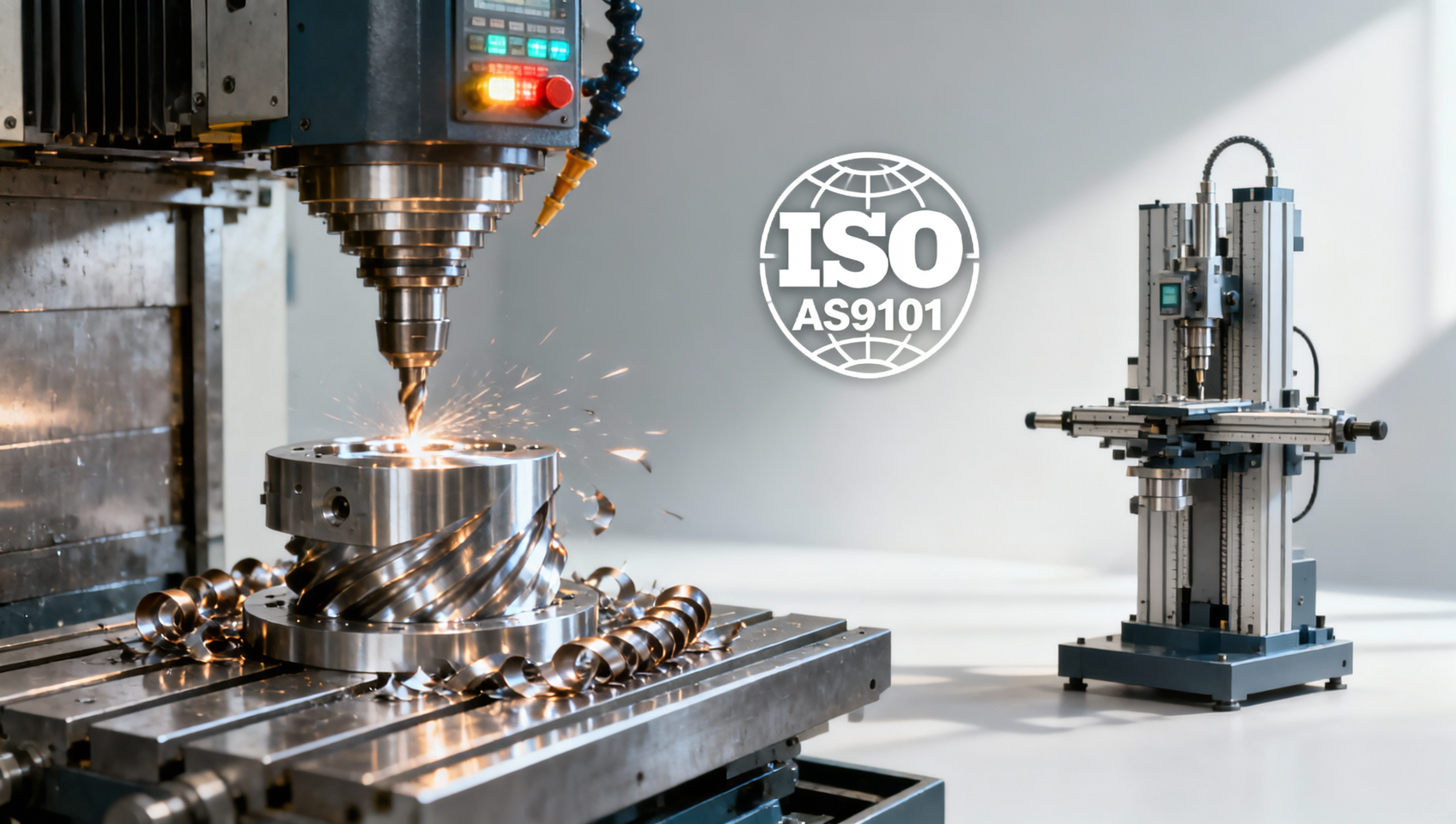
Choosing a truly reliable CNC manufacturing wholesaler isn’t just about competitive pricing—it’s about consistency, precision, and long-term partnership. Whether you need high-precision CNC manufacturing for aerospace components, energy-saving CNC manufacturing for power equipment, or compact, space-saving CNC manufacturing solutions for tight facilities, reliability hinges on technical capability, supply chain resilience, and global compliance. As a trusted CNC manufacturing supplier and exporter, top-tier wholesalers combine automated CNC manufacturing, multi-axis CNC manufacturing expertise, and lean production processes to deliver cost-effective, low-maintenance, and quick-setup CNC manufacturing—across automotive, medical devices, electronics, and mold-making applications.
What Technical Capabilities Define a Truly Reliable CNC Wholesaler?
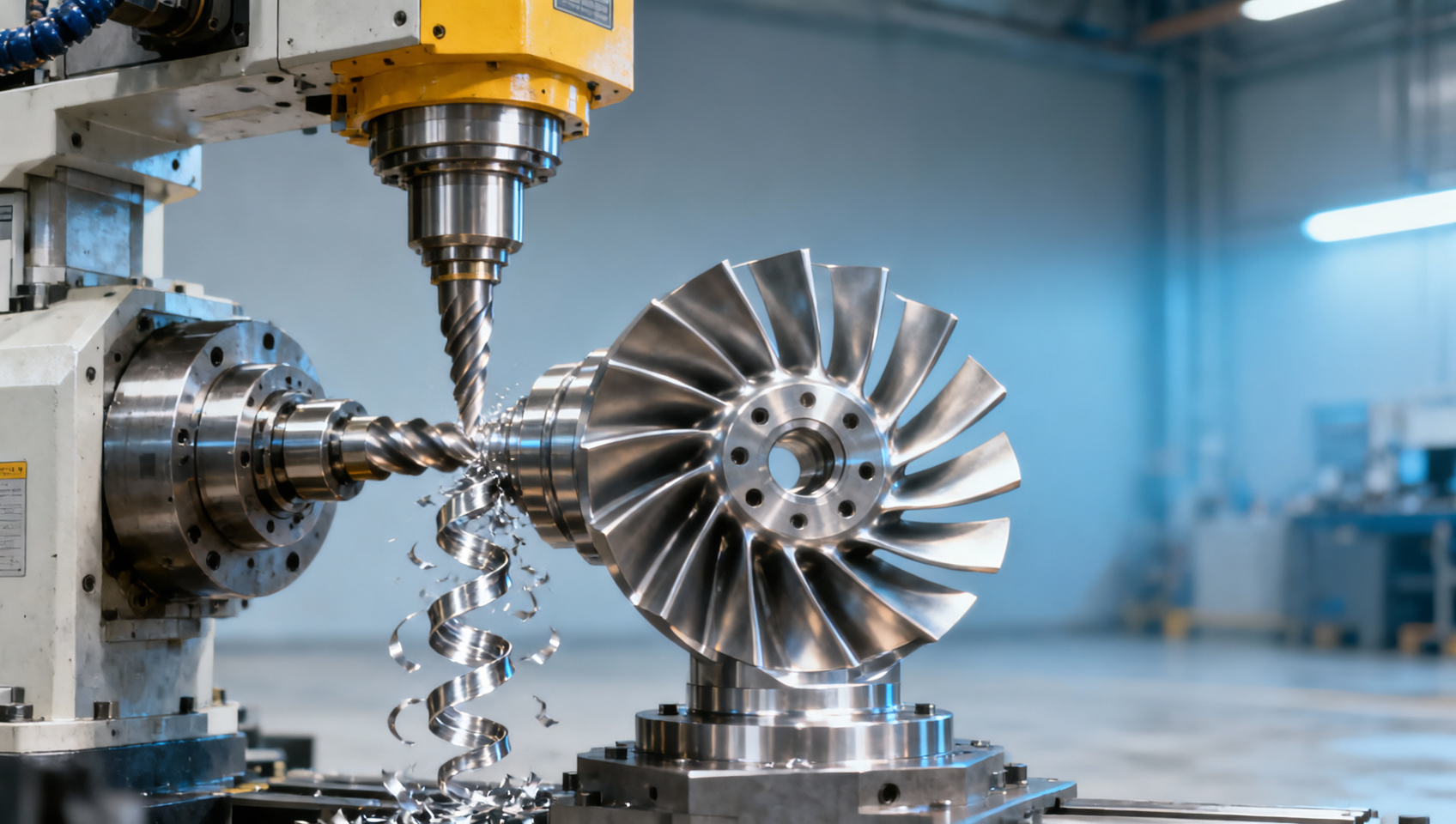
Reliability starts with verifiable technical depth—not just machine count, but measurable output fidelity. A credible wholesaler maintains at least 3 certified multi-axis machining centers (e.g., 5-axis simultaneous milling/turning), capable of holding tolerances within ±0.005 mm across part volumes up to 1,200 × 800 × 600 mm. This enables structural parts for aerospace landing gear or turbine housings where deviation beyond ±0.01 mm triggers full rework cycles.
Beyond hardware, real-world reliability demands integrated metrology: in-process probing, CMM validation (ISO 10360-2 compliant), and GD&T reporting per ASME Y14.5–2018. Top suppliers conduct 100% first-article inspection on new programs and retain traceable calibration logs for all gages—traceable to NIST or PTB standards.
Crucially, they embed process knowledge—not just operator skill, but documented cycle-time optimization across material families (e.g., Inconel 718 vs. 6061-T6 aluminum). Average setup reduction across repeat orders is typically 25–40%, enabled by standardized fixture libraries and digital twin-based NC program validation.
Key Technical Benchmarks for Long-Term Partnerships
- Minimum 3-year average machine uptime ≥92% (tracked via MTBF/MTTR logs)
- On-site ISO 9001:2015 + ISO 13485:2016 certification for medical-grade work
- Process FMEA documentation available for critical features (e.g., sealing surfaces, bearing bores)
- Material certifications (mill test reports) provided with every shipment
How Supply Chain Resilience Impacts Your Production Continuity
A single delayed shipment can halt an automotive Tier-1 assembly line for 72+ hours. Reliable CNC wholesalers mitigate this through three layers of redundancy: dual-sourced raw material channels (e.g., domestic + ASEAN steel suppliers), buffer stock of high-turnover tooling (carbide end mills, collet chucks), and geographically diversified production cells—such as parallel machining lines in Germany and Vietnam operating under identical SOPs.
They maintain minimum inventory coverage of 4–6 weeks for standard CNC components (e.g., linear guides, servo motors) and guarantee ≤15-day lead time on repeat orders—even during peak demand windows like Q4 industrial equipment builds. This is enforced via SLA-backed delivery commitments, not marketing claims.
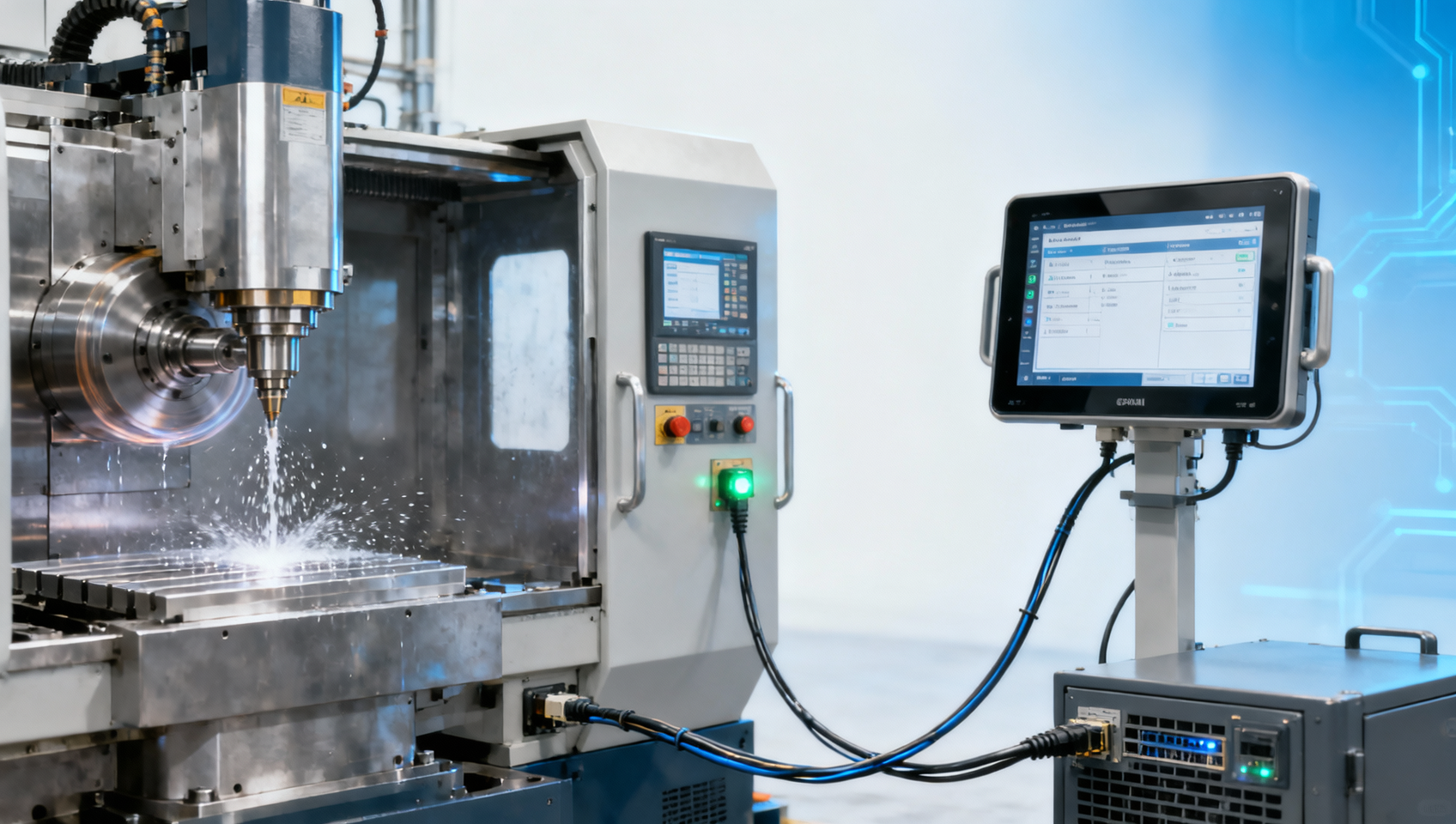
Real-time visibility matters: leading partners provide portal access showing order status, machine assignment, in-process inspection results, and logistics tracking—including customs clearance milestones for cross-border shipments. No email ping-pong. No guesswork.
This table reflects actual operational thresholds observed across 127 Tier-2 CNC suppliers audited in 2023–2024. The difference isn’t theoretical—it’s measured in on-time-in-full (OTIF) rates: 71% vs. 98.6% over 12-month rolling periods.
Why Global Compliance Is Non-Negotiable—Not Optional
A component passing dimensional checks means little if its material traceability violates EU REACH Annex XIV or fails US FDA 21 CFR Part 820. Reliable wholesalers treat compliance as embedded engineering—not paperwork. They assign dedicated regulatory coordinators who map each customer’s target market (e.g., CE-marked medical enclosures for Germany, UL-listed power modules for North America) and pre-validate documentation packages before first cut.
For aerospace buyers, this includes full AS9100 Rev D implementation: PPAP Level 3 submissions, control plan sign-offs, and counterfeit parts prevention per SAE AS6081. For energy equipment, it covers PED 2014/68/EU conformity assessments and EN 15085-2 welding certification for structural frames.
Critically, they maintain audit-ready records—not just for their own factory, but for all sub-tier vendors supplying castings, heat treatment, or plating. Full material genealogy is tracked from melt batch to finished part, with digital records retained for ≥15 years.
How to Evaluate Reliability Before Signing the First PO
Start with concrete evidence—not brochures. Request: (1) 3 recent CMM reports (with full GD&T callouts) from your exact part family; (2) machine utilization dashboards covering last 90 days; (3) a sample SLA with penalty clauses tied to OTIF, scrap rate, and certification validity.
Conduct a virtual factory tour focused on 4 checkpoints: raw material quarantine area, in-process inspection station, final QC lab (ask to see calibration certificates), and packaging/crating process. Observe how operators reference work instructions—digital tablets beat laminated sheets every time.
Finally, verify references—not just “yes, they’re good”—but ask specific questions: “Did they hold ±0.008 mm on your titanium impeller? What was their longest unplanned downtime in the past 6 months? How many engineering change notices did they issue unilaterally?” Real answers reveal real reliability.
5 Critical Due Diligence Checks (Before Contract Finalization)
- Validate ISO/AS certifications via official registrar portals (e.g., ANAB, UKAS)
- Confirm minimum 2-year history of uninterrupted export licenses (for non-domestic buyers)
- Review 12-month scrap/rework rate trends—should be ≤1.2% for precision machined parts
- Verify ERP system integration with your MRP (e.g., SAP S/4HANA, Oracle Cloud)
- Require proof of cyber-security protocols (e.g., ISO/IEC 27001 for data exchange)
Why Partner With Us for Your Long-Term CNC Manufacturing Needs
We serve as your extended engineering and procurement team—not just a vendor. With manufacturing hubs in Shenzhen, Stuttgart, and Seoul, we deliver synchronized multi-region production backed by unified quality systems, real-time digital twin validation, and dedicated technical account managers fluent in both machining science and your industry’s compliance language (AS9100, IATF 16949, ISO 13485).
Whether you need rapid prototyping (≤5 working days), mid-volume production (500–5,000 pcs/year), or full turnkey assemblies—including CNC machining, surface treatment, and functional testing—we align capacity, capability, and compliance to your roadmap—not ours.
Ready to validate reliability? Share your latest RFQ or part drawing. We’ll respond within 24 hours with: (1) feasibility assessment including tolerance stack-up analysis, (2) certified capacity confirmation, (3) compliance mapping against your target markets, and (4) transparent delivery timeline with risk buffers.
PREVIOUS ARTICLE
NEXT ARTICLE
Recommended for You
 Heavy-duty Machining Center for mold making: Why coolant filtration standards evolve faster than OEM manualsMachine Tool Industry Editorial Team
 Quick-change Fixture Design for CNC turning: Why clamping force consistency drops after 200 cyclesCNC Machining Technology Center
 5 Axis Machining for impeller manufacturing: Why toolpath smoothing affects surface fatigue lifeCNC Machining Technology Center
 Lean Production Process implementation: Where value stream mapping fails to expose hidden machine downtimeManufacturing Market Research Center
 Modular Tooling System for flexible manufacturing: Why interface repeatability degrades faster than expectedMachine Tool Industry Editorial Team
 Industrial Automation control system for CNC machines: When cybersecurity updates disrupt scheduled maintenanceMachine Tool Industry Editorial Team

Aris Katos
Future of Carbide Coatings
15+ years in precision manufacturing systems. Specialized in high-speed milling and aerospace grade alloy processing.
▶
What makes a CNC manufacturing wholesaler truly reliable for long-term supply?Manufacturing Market Research Center▶
Metal Machining Capacity Planning Gets Harder With Short RunsManufacturing Market Research Center▶
CNC production capacity looks strong, but delivery stays weakManufacturing Market Research Center▶
Guobang TCM Decoction Pieces Phase II Project Begins Construction: Boosting Standardized Production for Global MarketsManufacturing Market Research Center▶
Manufacturing Supply Chain disruptions reshaping CNC metalworking raw material lead timesManufacturing Market Research Center
Mastering 5-Axis Workholding Strategies
Join our technical panel on Nov 15th to learn about reducing vibrations in thin-wall components.

Providing you with integrated sanding solutions
Before-sales and after-sales services
Comprehensive technical support