• Global CNC market projected to reach $128B by 2028 • New EU trade regulations for precision tooling components • Aerospace deman
NYSE: CNC +1.2%LME: STEEL -0.4%

Industrial Robotics integration costs more in low mix production
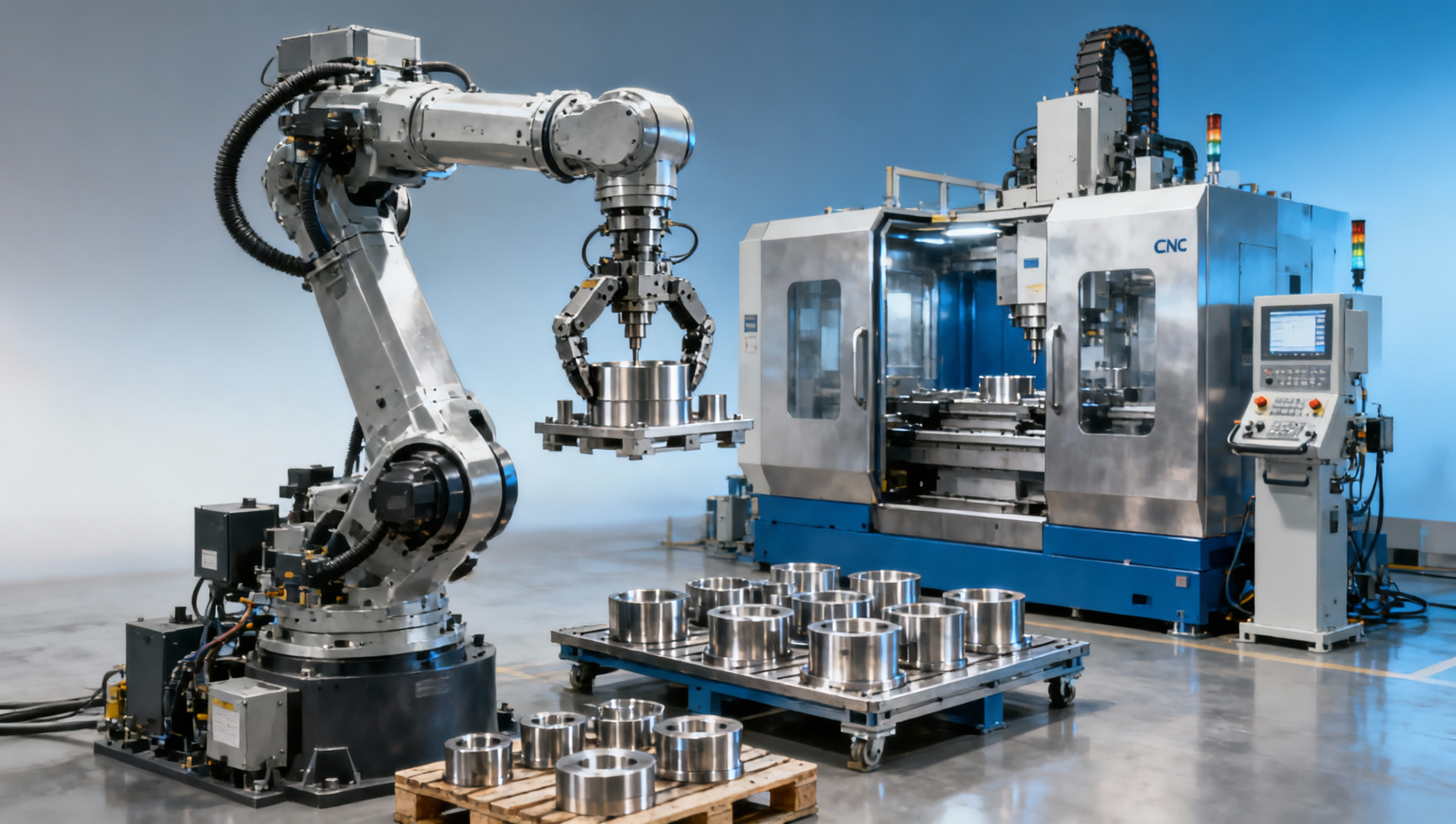
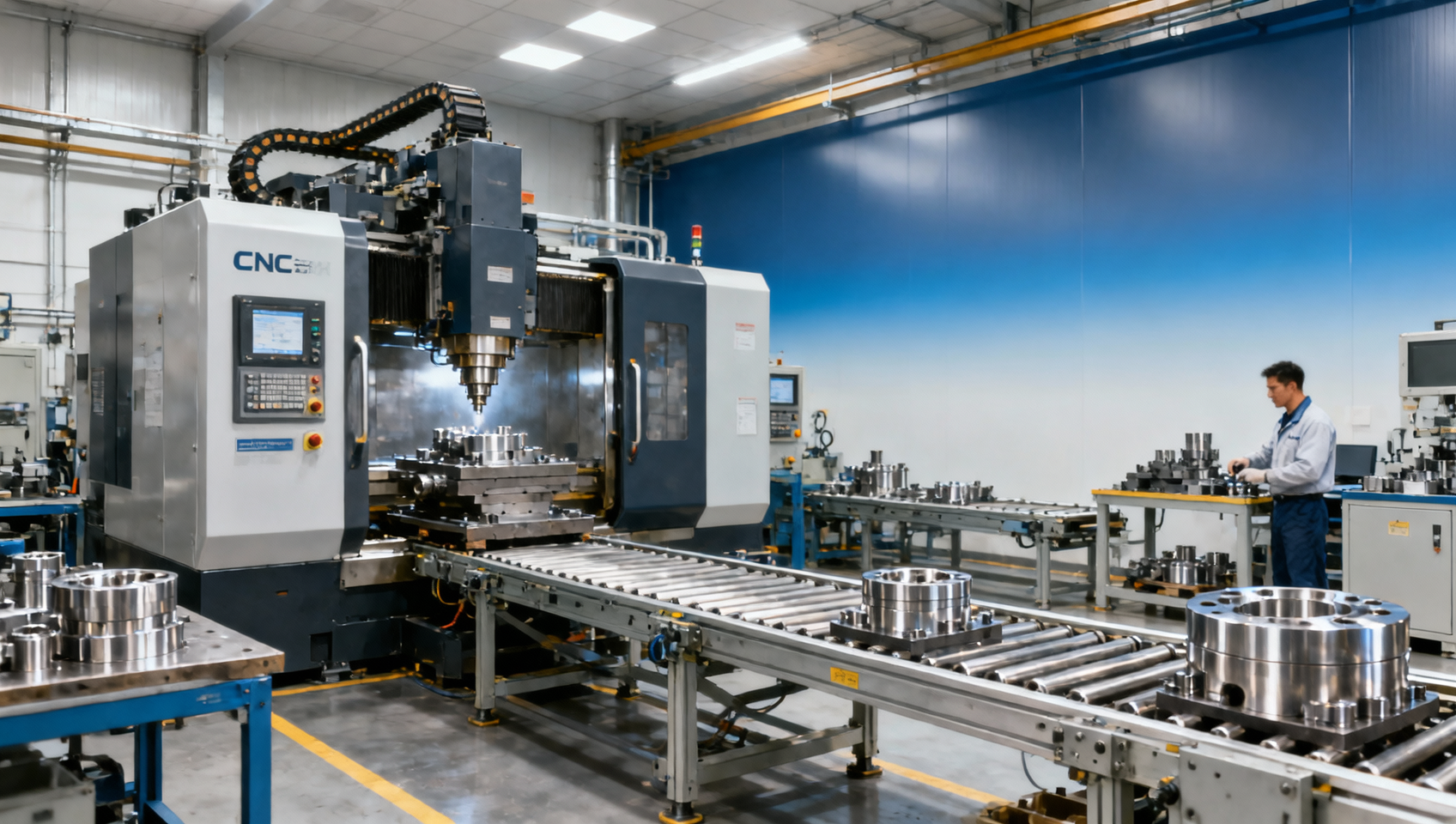
In low-mix production, Industrial Robotics can drive efficiency, but integration costs often rise faster than expected due to complex tooling, programming, and workflow changes. For companies in metal machining, industrial CNC, and automated production, understanding how robotics affects the CNC production process is essential before investing in a flexible Automated Production Line.
This issue matters most where batch sizes are small, part variation is high, and machine utilization depends on frequent changeovers. In those environments, the promise of robotic loading, unloading, deburring, inspection, or pallet handling is real, but the cost structure is different from high-volume manufacturing. A robot cell that looks economical at 2 shifts and 100,000 identical parts per year may become difficult to justify when production changes every 2 to 5 days.
For operators, buyers, engineers, and plant managers, the key question is not simply whether industrial robotics reduces labor. The better question is where integration cost accumulates inside the CNC production process, how quickly those costs can be recovered, and what technical choices make a flexible automated production line viable in low-mix production.
Why Integration Costs Rise in Low-Mix CNC Production
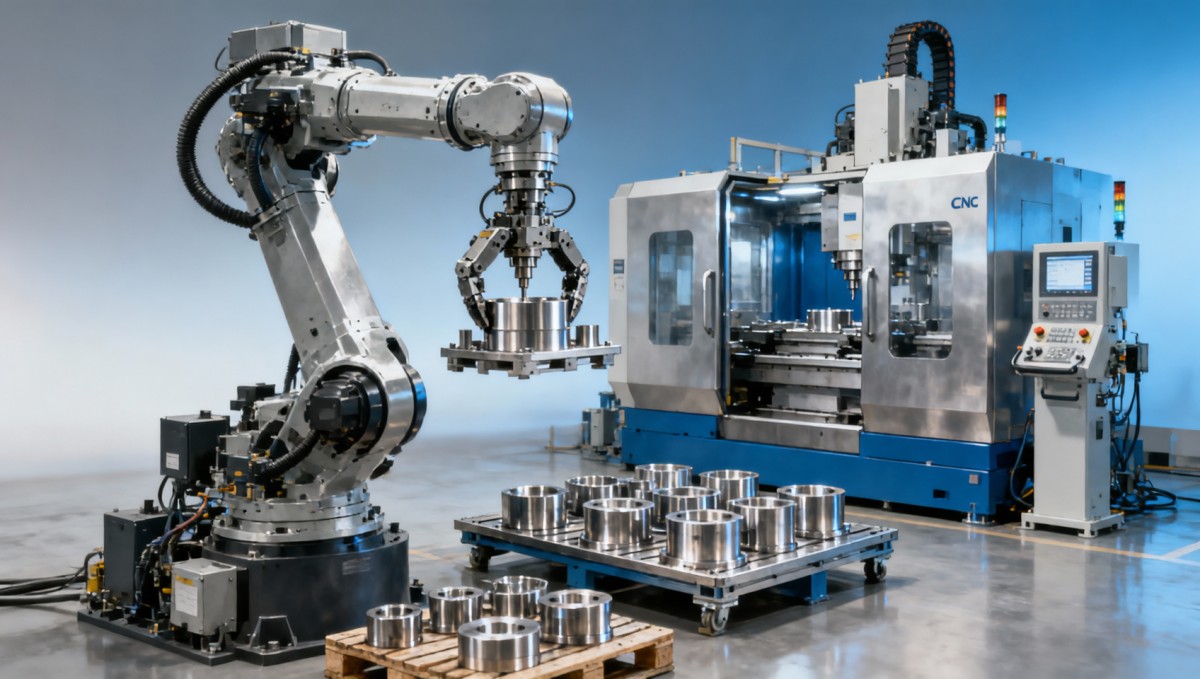
Low-mix production usually means fewer repeats per part family, more fixture changes, more operator intervention, and a higher engineering burden per job. In a CNC machine tool environment, that burden extends beyond the robot itself. It includes grippers, part orientation logic, machine communication, safety fencing, infeed and outfeed handling, probing strategy, and recovery procedures after errors or jams.
A common mistake is to compare robot cost only to direct labor cost. In practice, integration often involves 4 major cost layers: hardware, controls, process engineering, and downtime during commissioning. When part sizes range from 20 mm to 500 mm, or when raw castings and finished machined parts need different handling logic, end-of-arm tooling may need 2 to 4 interchangeable configurations instead of one standard gripper.
Programming also becomes more expensive in low-mix operations. A simple tending routine for one CNC lathe may be commissioned in a few days, but a robotic cell handling 8 to 12 part variants with orientation checks, barcode validation, and quality reject handling can require several rounds of offline simulation and floor-level tuning. Each new part may only add 30 to 90 minutes of runtime annually, yet still demand setup engineering time.
Workflow changes are another hidden driver. If upstream saw cutting, staging, inspection, or pallet identification remains manual, a robot may wait for material and fail to deliver the expected utilization increase. In many machine shops, the robot is not the bottleneck. Material presentation, fixture repeatability within ±0.1 mm to ±0.3 mm, and cycle imbalance between machines are often the real constraints.
Where the extra expense usually appears
- Custom grippers for multiple diameters, shapes, or surface-sensitive parts.
- Part location systems such as vision, sensors, or precision nests.
- Interface development between robot controller, CNC, and factory MES or traceability tools.
- Longer commissioning windows, often 2 to 6 weeks instead of a few days.
- Operator training for restart, alarm recovery, and product changeover.
The table below shows how cost pressure changes between high-volume and low-mix CNC automation projects. It helps procurement teams and decision-makers evaluate why two robot cells with similar payload and reach can have very different total installed cost.
The core takeaway is that industrial robotics in CNC machining is not automatically too expensive for low-mix production. The challenge is that the engineering cost per part family can rise much faster than the robot hardware cost itself. That is why early process analysis is more important than headline equipment pricing.
How Robotics Changes the CNC Production Process
When a robot is added to a machining center, CNC lathe, or multi-axis machine, the production process shifts from operator-centered flexibility to system-centered consistency. This can improve spindle uptime, but it also forces greater discipline in part presentation, clamping, tool life control, and exception handling. In low-mix production, those process changes are often more important than the robot specification.
For example, a manual operator can compensate for slight burrs, inconsistent raw stock, oily surfaces, or fixture wear in real time. A robot cannot do that unless the cell includes sensing, compliance, or a robust poka-yoke design. If raw blanks vary by 1 mm to 2 mm, or if forged parts arrive in mixed orientation, automation reliability may drop unless the infeed process is redesigned.
Cycle balance also matters. A robot tending a CNC machine with a 6-minute cycle can often keep pace, but if setup changes occur every 20 to 40 parts, the robot may spend too much time waiting while operators reset jaws, tools, and offsets. In that case, the real value of robotics may come from unmanned operation during one shift or overnight windows of 3 to 6 hours rather than full-time lights-out production.
Another process change is data flow. Automated production lines perform best when part numbers, fixture data, and machine status are connected. Even a simple robot cell benefits from recipe management, tool-life alarms, and traceability checkpoints. Without that, every part change becomes dependent on tribal knowledge, which increases restart time and makes ROI unstable.
Typical process changes after robot integration
- Material must be staged in a repeatable format such as trays, pallets, or indexed racks.
- Fixture and chuck condition must be monitored more closely to avoid misloads.
- Tool wear and chip evacuation become critical because no operator is standing at the door.
- Alarm recovery steps should be standardized into 3 to 5 simple operator actions.
- Part family coding and program selection must be linked to the automation recipe.
Operational impact for different stakeholders
Operators need faster, clearer changeovers. A robot cell that takes 45 minutes to reset after each product switch may erase much of the labor saving. Buyers need to compare total process readiness, not only robot brand, payload, or price. Managers need to evaluate whether the cell will run 1 shift, 2 shifts, or support weekend automation, because utilization assumptions directly change payback.
In practical terms, the best low-mix robotic applications are often those with moderate variation but predictable handling logic: shafts, discs, housings, and turned parts that fit within a defined weight range such as 1 kg to 15 kg and can share common gripping points. Highly irregular parts are possible, but they demand more engineering and stronger process control.
When a Flexible Automated Production Line Makes Economic Sense
A flexible automated production line is most effective when the production mix is low enough to keep engineering complexity manageable, but not so low that every new order behaves like a one-off prototype. Many CNC manufacturers and subcontract machine shops find a workable zone when part families can be grouped into 3 to 10 recurring variants with similar loading orientation, chucking logic, and cycle time windows.
From an investment perspective, decision-makers should evaluate annual machine hours, labor coverage gaps, and setup frequency together. A robot cell often becomes easier to justify when manual tending causes idle spindle time above 10% to 15%, or when recruitment and retention issues make second-shift staffing unreliable. In such cases, robotics may deliver value by protecting output continuity, not only by reducing headcount.
However, if product changeovers occur every hour and fixture conversion takes longer than machine cycle time savings, economics weaken quickly. The same is true when quality variation upstream requires continuous human judgment. A realistic payback model should include at least 5 cost lines: cell hardware, integration engineering, commissioning downtime, maintenance training, and future program modification.
For many low-mix CNC operations, the best starting point is a semi-flexible cell rather than a fully connected factory-wide automation project. A single robot serving 1 to 2 machines, with quick-change grippers and standardized trays, often provides a lower-risk path. This reduces initial complexity while generating real data on utilization, alarm frequency, and changeover effort over the first 3 to 6 months.
A practical evaluation framework
Before approving a project, companies should score each candidate process against part stability, cycle consistency, automation compatibility, and expansion potential. The comparison below can be used during sourcing discussions with robot integrators, CNC builders, and line automation suppliers.
This framework shows that the strongest candidates are not necessarily high-volume jobs. They are jobs with enough repetition to standardize handling, enough cycle time to justify tending, and enough scheduling stability to avoid constant reprogramming. That is the foundation of a cost-effective automated production line in a low-mix environment.
Cost Control Strategies for Buyers and Plant Managers
Controlling robotics integration cost starts with narrowing the first application. Instead of asking one cell to handle every part from day one, manufacturers should select a part family with stable demand, known fixtures, and repeatable clamping. A phased plan usually lowers risk more effectively than trying to build a universal CNC automation cell that covers 100% of production variability.
Standardization has the biggest impact on long-term cost. Common gripper interfaces, modular tray designs, repeatable datum locations, and recipe-based HMI screens reduce engineering hours every time a new job is added. Even saving 20 minutes per changeover across 3 shifts can create meaningful annual gains in spindle utilization and labor allocation.
Procurement teams should also ask integrators detailed questions about modification cost. Initial quotation values can look competitive, but future changes may be billed separately for software edits, electrical revisions, safety validation, or new end-of-arm tooling. In low-mix production, that downstream engineering exposure can materially alter total cost of ownership over 12 to 36 months.
Another practical strategy is to separate essential functions from optional features. Vision guidance, automated gauging, pallet conveyors, and MES connectivity may all be valuable, but they should be justified by a specific process need. If the first objective is reliable machine tending for one recurring part family, a simpler cell may reach stable production faster and provide cleaner ROI data.
Checklist for sourcing and integration planning
- Define 1 primary part family and 2 to 3 secondary variants before requesting quotations.
- Document blank dimensions, weight range, surface condition, and orientation tolerance.
- Confirm CNC interface compatibility, door timing, chuck signals, and alarm handshake logic.
- Estimate changeover target time, ideally under 10 to 15 minutes for recurring jobs.
- Include training scope for operators, maintenance staff, and process engineers.
Questions that improve quotation quality
Ask whether offline programming is included, how many recipes are included in the base scope, what spare parts are recommended for the first 12 months, and how alarm recovery is designed. Also ask for estimated commissioning duration and what assumptions the supplier is making about fixture readiness, electrical preparation, and operator support during FAT and SAT.
For CNC machine tool users, it is especially important to clarify chip control, coolant splash exposure, chuck confirmation, part seating verification, and acceptable raw material variation. These process details often decide whether the robot cell runs reliably for 20 hours per day or struggles with stoppages every 1 to 2 hours.
Implementation Risks, FAQ, and Practical Next Steps
Low-mix robotics projects usually fail for operational reasons rather than for lack of robot capability. The biggest risks are overestimating part commonality, underestimating changeover labor, and assuming manual workarounds can remain hidden inside an automated cell. Early pilot testing with real parts, real fixtures, and real machine timing is usually more valuable than abstract ROI spreadsheets.
A strong implementation plan should move through 4 stages: process selection, simulation and concept design, pilot commissioning, and controlled scale-up. Each stage should have measurable acceptance criteria such as cycle repeatability, alarm frequency, changeover time, and unattended runtime window. For many machine shops, reaching a stable 2 to 4 hours of unattended operation is a more realistic first milestone than full lights-out manufacturing.
Maintenance planning should also begin early. Robotic tending in metal machining environments exposes components to chips, coolant mist, vibration, and contamination. Preventive checks on gripper wear, cable dress, pneumatic seals, and sensor cleanliness may be needed weekly, while backups, software version control, and calibration review should be part of a monthly routine.
The goal is not to eliminate flexibility. It is to redesign flexibility so it becomes controlled, repeatable, and economically manageable. When that happens, industrial robotics can support low-mix CNC production without turning every product change into a new integration project.
FAQ: Is robotics worth it for small batch CNC work?
Yes, if the work can be grouped into repeatable part families and if the line solves a real utilization problem. Small batches become viable when changeovers are standardized, fixtures are repeatable, and the robot supports consistent unattended windows such as 2 to 6 hours per shift.
FAQ: What is the biggest hidden cost in low-mix automation?
Usually engineering for variation rather than the robot arm itself. This includes gripper redesign, recipe changes, fixture adaptation, recovery logic, and validation each time a new part enters the cell. Those costs can accumulate over 12 to 24 months if not addressed through standardization.
FAQ: How long does commissioning usually take?
A simple tending cell may be installed and tuned in 2 to 3 weeks, while a more flexible automated production line with multiple part recipes, inspection steps, and upstream material handling may require 4 to 8 weeks including debugging and operator training.
Final recommendation
If your business relies on CNC lathes, machining centers, or multi-axis systems and you are evaluating industrial robotics for low-mix production, start with process stability before equipment breadth. Focus on recurring part families, measurable changeover targets, and scalable automation architecture. That approach improves cost visibility, protects machine utilization, and makes future expansion more predictable.
For buyers, operators, and decision-makers looking to improve the CNC production process with a flexible automated production line, the next step is to review your part mix, handling logic, and machine interface conditions in detail. Contact us to discuss your application, get a tailored automation concept, and explore practical robotics solutions for precision manufacturing.
NEXT ARTICLE
Recommended for You
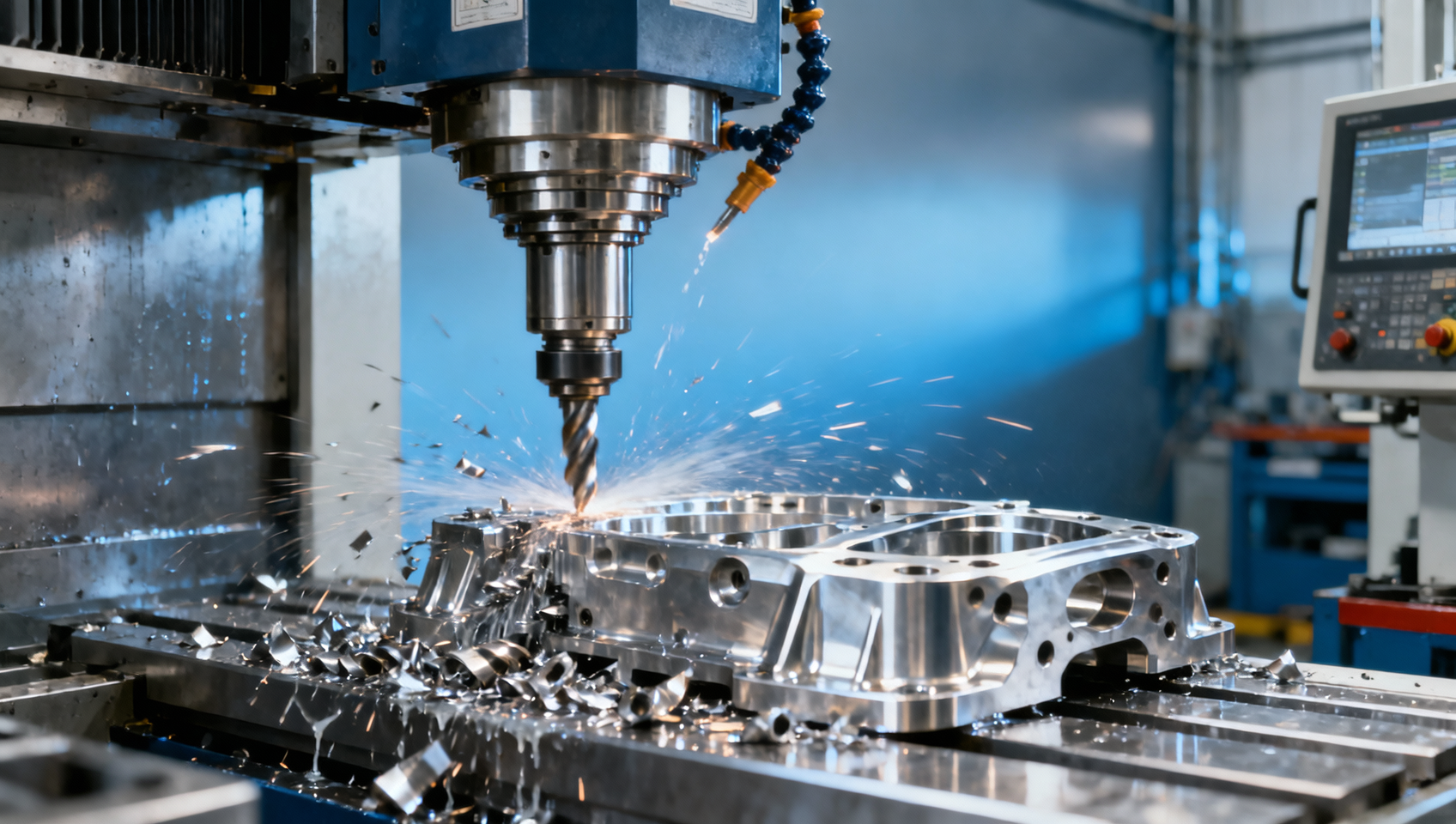
 What causes chatter in metal machining and how to stop itCNC Machining Technology Center
 Industrial CNC lead times are shifting in 2026Manufacturing Market Research Center
 When CNC industrial upgrades cut output instead of raising itMachine Tool Industry Editorial Team
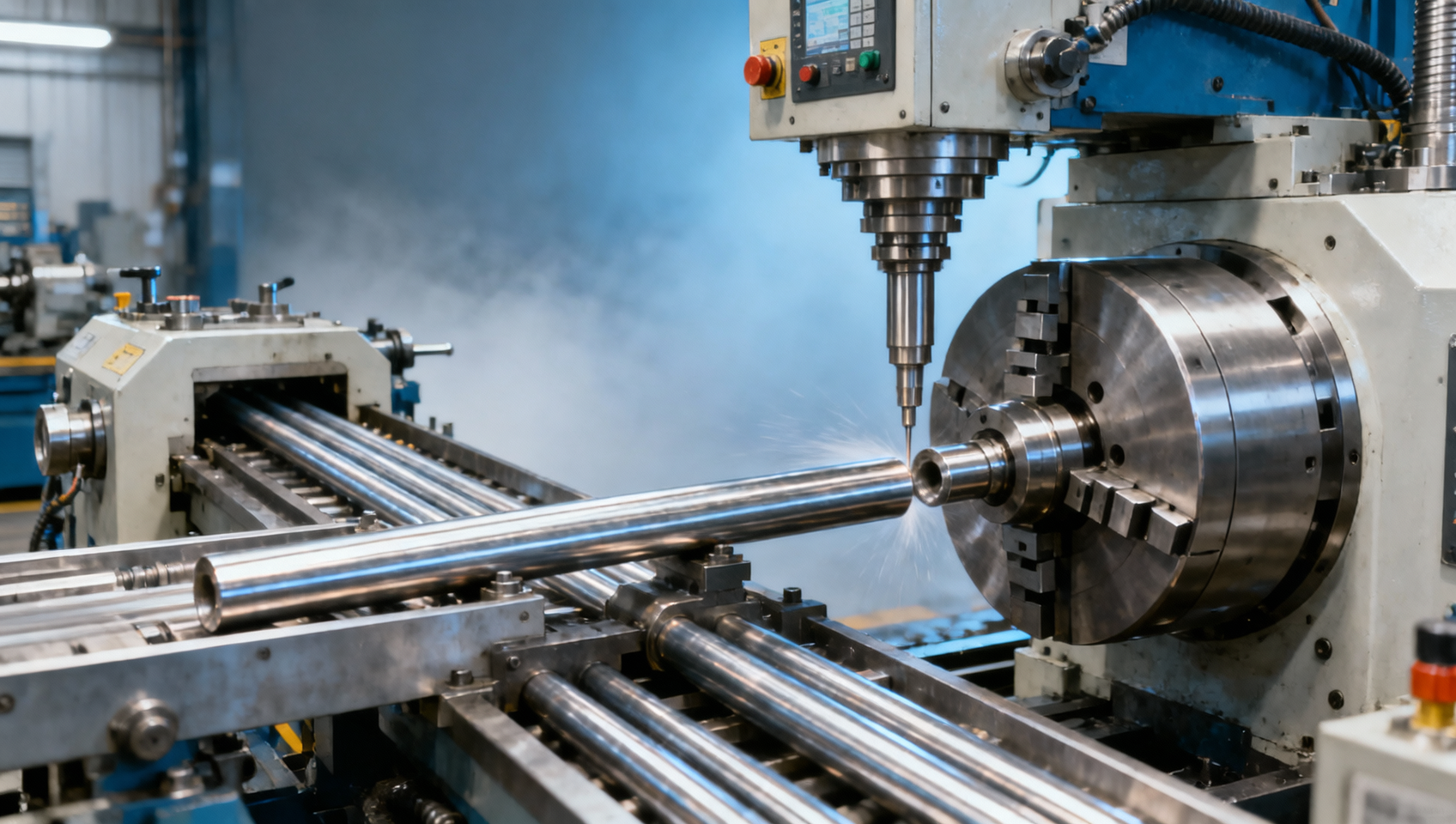
 Automated lathe errors that often start with bar feedingMachine Tool Industry Editorial Team
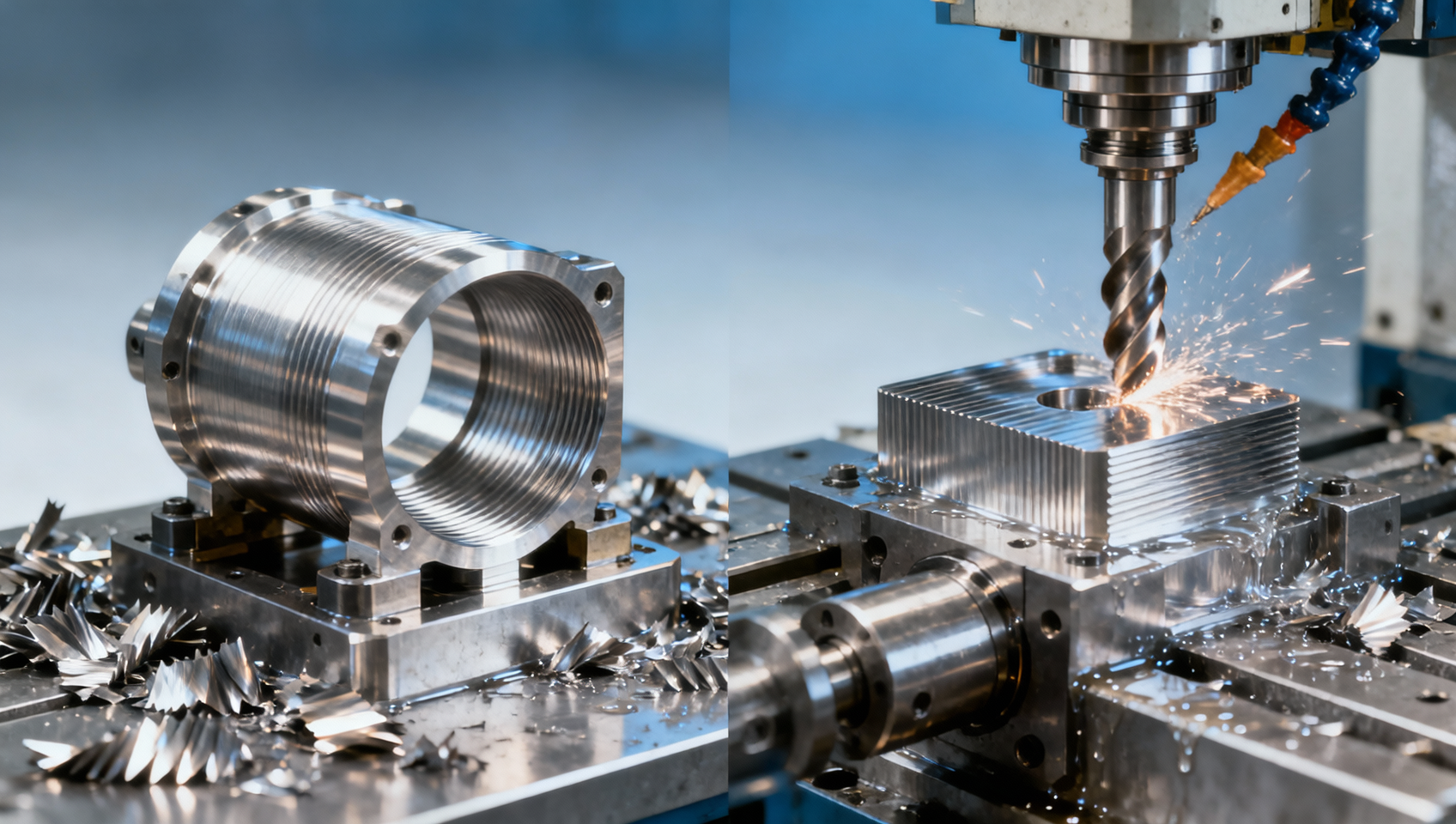
 Why CNC metalworking scrap rates rise on thin wall partsCNC Machining Technology Center
 CNC cutting speed or finish quality: where losses beginCNC Machining Technology Center

Aris Katos
Future of Carbide Coatings
15+ years in precision manufacturing systems. Specialized in high-speed milling and aerospace grade alloy processing.
▶
Industrial Robotics integration costs more in low mix productionCNC Machining Technology Center▶
Industrial robotics integration slowing down CNC lathe throughput in mixed-part batchesCNC Machining Technology Center▶
Automated production lines show diminishing returns beyond 87% utilization—new data from German automotive suppliersCNC Machining Technology Center▶
Automated production lines now trigger more downtime alerts than manual ones—due to sensor overloadCNC Machining Technology Center
Mastering 5-Axis Workholding Strategies
Join our technical panel on Nov 15th to learn about reducing vibrations in thin-wall components.

Providing you with integrated sanding solutions
Before-sales and after-sales services
Comprehensive technical support