• Global CNC market projected to reach $128B by 2028 • New EU trade regulations for precision tooling components • Aerospace deman
NYSE: CNC +1.2%LME: STEEL -0.4%

How Quick Setup CNC Manufacturing Saves Shift Time
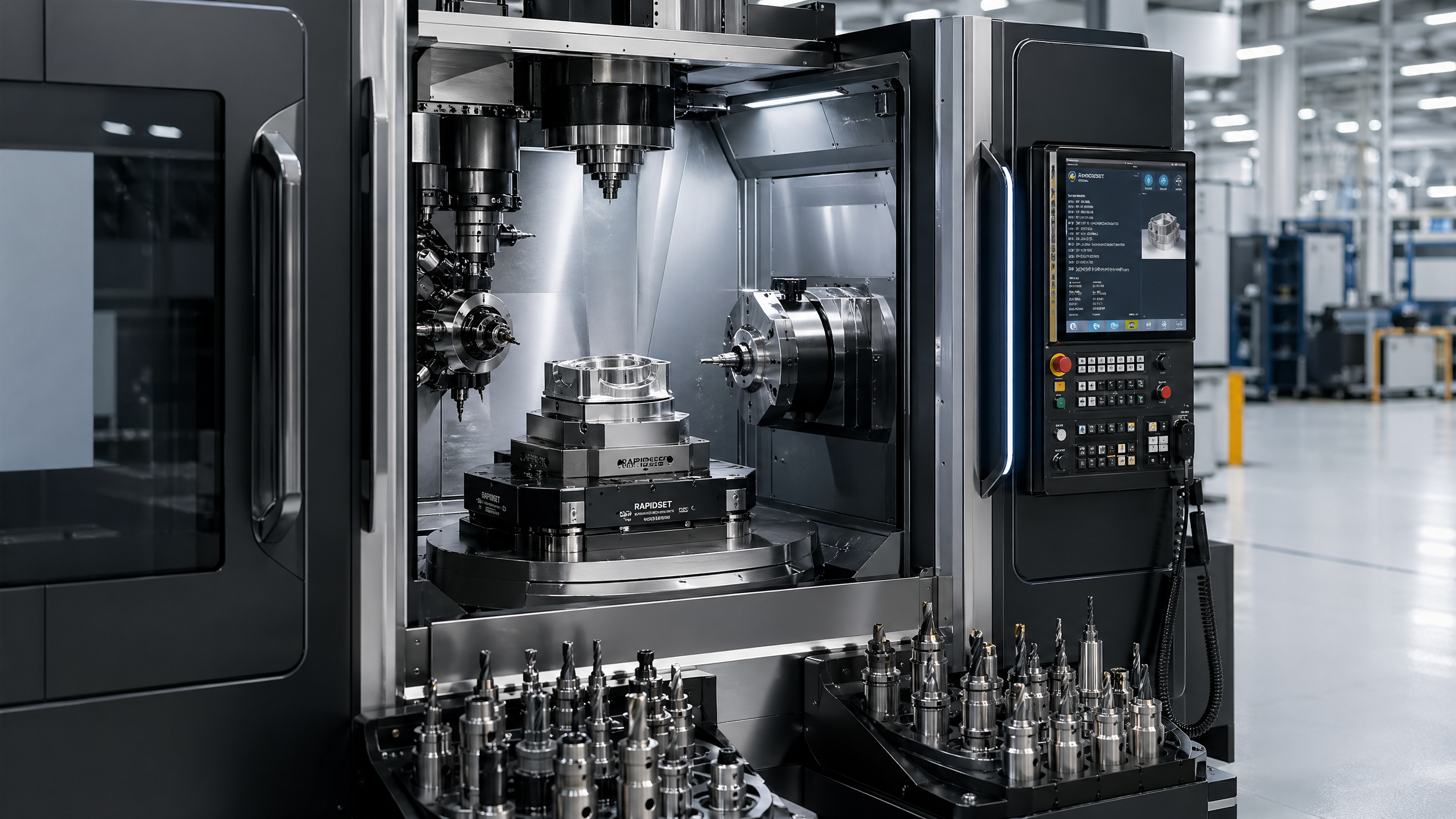
Quick setup CNC manufacturing is reshaping modern production by cutting shift change delays, improving precision CNC manufacturing efficiency, and supporting automated CNC manufacturing across demanding sectors. From aerospace and electronics to energy equipment, manufacturers using high-speed CNC manufacturing and compact machine tool solutions can boost output, reduce downtime, and stay competitive in fast-paced global markets.
For researchers, machine operators, buyers, and commercial evaluators, the topic is more than a productivity trend. It directly affects daily output, labor utilization, part consistency, machine availability, and return on equipment investment. In many CNC workshops, 10 to 30 minutes lost at each shift handover can add up to several hours of missed spindle time every week.
Quick setup CNC manufacturing addresses that gap by combining fixture standardization, digital setup records, tool presetting, program verification, and operator-friendly machine layouts. When these elements work together, manufacturers can reduce non-cutting time, improve first-part quality, and keep automated production lines running with fewer interruptions.
Why Shift Time Matters in CNC Manufacturing Performance
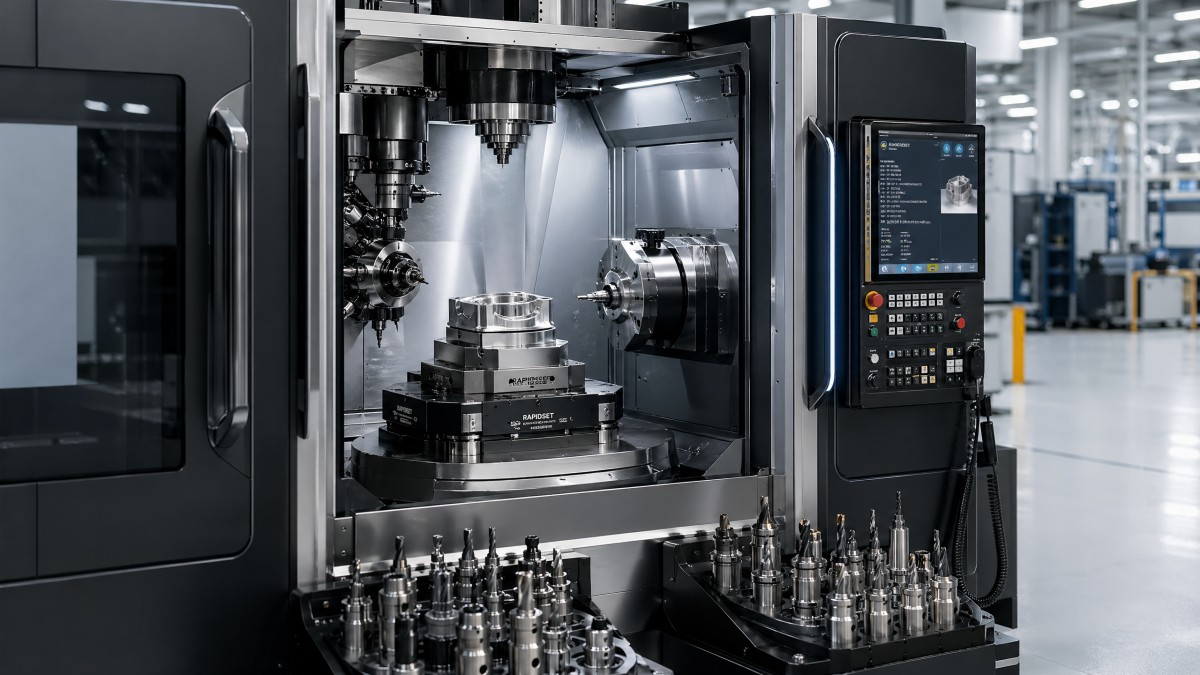
Shift time loss is often underestimated because it is spread across setup changes, tool checks, material loading, fixture replacement, and program confirmation. In a plant running 2 or 3 shifts per day, even a 15-minute delay per shift can mean 30 to 45 minutes of lost machine time daily for each CNC machine tool.
That lost time matters most in sectors with tight tolerances and mixed-part production. Aerospace parts, energy equipment components, precision discs, and shaft parts often require multiple setups, tool offsets, and inspection points. If setup procedures are inconsistent, the next shift starts slowly and the first acceptable part may be delayed by another 20 to 40 minutes.
For procurement teams and business evaluators, this affects more than output volume. Longer setup cycles can increase unit cost, delay delivery windows, and reduce the practical capacity of expensive multi-axis machining systems. A machine rated for high-speed CNC manufacturing only delivers value when spindle utilization remains high across all shifts.
Common Sources of Shift Change Downtime
Most downtime patterns are operational rather than mechanical. Poor setup documentation, manual tool offset entry, inconsistent fixture positioning, and delayed material staging are among the most common causes. In many workshops, the issue is not machine speed but setup readiness.
- Tooling not preset before the next shift begins, adding 10 to 25 minutes per job.
- Fixture alignment requiring repeated manual adjustment, especially on small-batch parts.
- Program files stored in separate systems, slowing verification and version control.
- Inspection devices not prepared at the machine, delaying first-article approval.
The following table shows how typical setup issues influence shift efficiency in CNC machining environments.
The key takeaway is clear: quick setup CNC manufacturing is not only about faster clamping. It improves handover discipline, process repeatability, and machine availability. For high-mix and high-precision production, those gains can be as valuable as adding another machine.
What Enables Quick Setup CNC Manufacturing on the Shop Floor
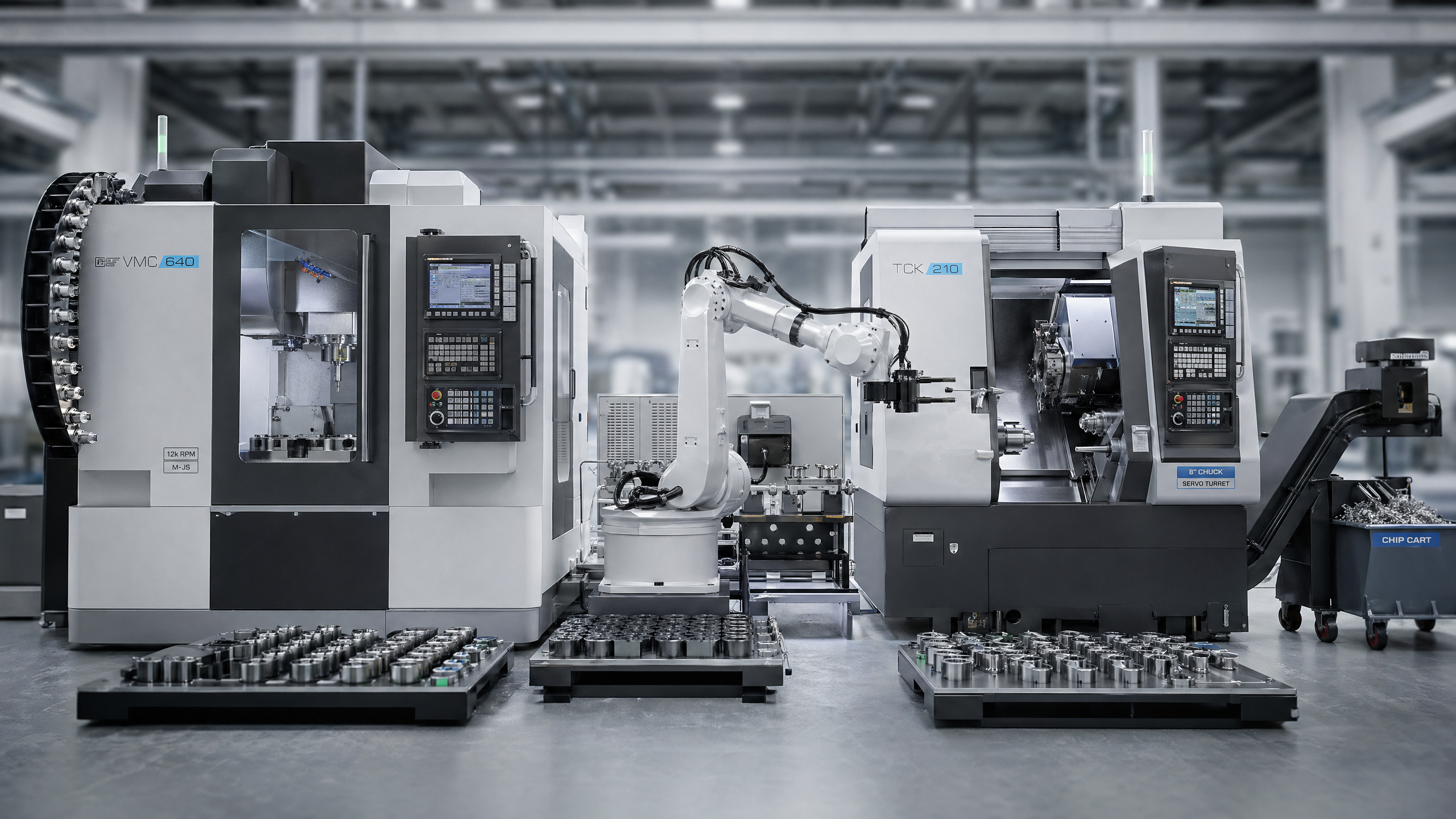
Quick setup performance depends on a coordinated system rather than one isolated product. CNC lathes, machining centers, automated tool changers, modular fixtures, and digital work instructions all contribute. In practical terms, the goal is to reduce setup variation from operator to operator and from shift to shift.
One of the most effective methods is fixture standardization. Zero-point clamping systems, modular jaws, and repeatable locator surfaces can cut workholding changeover time from 20 minutes to less than 5 minutes in many part families. This is especially valuable for compact machine tool cells producing electronics parts, automotive shafts, or medium-size structural components.
Tool presetting also plays a major role. When tools are measured offline and offset data is loaded before the next shift starts, the machine can begin cutting almost immediately after material loading. This supports automated CNC manufacturing by reducing the need for manual correction during startup.
Core Elements of a Fast CNC Setup Strategy
A reliable setup strategy usually includes several tightly managed elements. Plants that improve all of them together typically see better results than those upgrading only the machine itself.
- Standardized fixture interfaces to reduce clamp positioning errors.
- Offline tool presetting with digital offset transfer.
- Verified NC program libraries with revision control.
- Pre-staged raw material, gauges, and inspection tools before shift start.
- Operator checklists limited to 5 to 8 critical verification points.
Digital and Automation Support
Smart manufacturing systems strengthen quick setup performance by reducing information gaps. Machine connectivity, digital setup sheets, and tool life monitoring help operators understand what changed from the previous batch. In flexible production lines, this can reduce troubleshooting during startup by 15% to 25% compared with paper-based handover methods.
For buyers, the implication is practical. When evaluating CNC machine tools, it is not enough to compare spindle power or axis travel alone. Setup-related features such as probing, tool management integration, HMI usability, pallet exchange options, and fixture compatibility often determine whether the equipment truly saves shift time.
How Different Industries Benefit from Faster CNC Setup Cycles
Quick setup CNC manufacturing has broad value across the global machine tool industry, but the gains show up differently by sector. Aerospace workshops often prioritize traceability and first-part approval speed. Electronics producers focus on compact machine tool utilization and frequent product changeovers. Energy equipment manufacturers usually need stable setup repeatability for larger, lower-volume parts.
In automotive production, where takt-driven workflows are common, a 10-minute reduction in setup time can support more predictable shift output and reduce line-side inventory pressure. In aerospace or precision engineering, the same 10 minutes may matter more because it shortens the time required to confirm offsets, verify tooling, and release the first conforming part.
This variation is why selection criteria should be linked to actual production scenarios. A multi-axis machining center used for 40 part numbers per month has different setup priorities than a CNC lathe dedicated to 3 high-volume shaft variants.
Typical Industry Use Cases
The table below compares common requirements across several CNC manufacturing sectors.
Across these segments, the best results usually come from matching machine capability with production rhythm. A shop producing 5 to 20 small batches per week benefits strongly from fast fixture exchange and digital work instructions. A larger-volume operation may gain more from automated loading and palletized setup preparation.
For international buyers comparing suppliers in China, Germany, Japan, or South Korea, setup efficiency is also a sourcing consideration. Faster and more repeatable setups can improve quoted lead times, support stable delivery, and lower the risk of hidden capacity shortages at the supplier level.
Procurement and Evaluation Criteria for Quick Setup CNC Solutions
When purchasing CNC machine tools or evaluating contract manufacturing partners, setup speed should be measured through visible process capability. A vendor may promise high precision and high efficiency, but buyers should ask how setup is managed between shifts, during part changeovers, and across mixed production schedules.
A practical evaluation framework includes equipment features, process documentation, operator interface design, and service responsiveness. For example, a machining center with automatic probing and standardized fixture support may justify a higher initial price if it saves 20 to 40 minutes per daily changeover.
Key Questions for Buyers and Evaluators
- How long is the typical setup change for similar parts: under 10 minutes, 10–30 minutes, or longer?
- Can tool data be preset offline and transferred digitally to reduce manual entry risk?
- Are fixtures modular or dedicated, and what is the repeatability method for repositioning?
- Is there a documented shift handover process with operator checklists and revision control?
- What is the expected training time for a new operator: 2 days, 1 week, or longer?
The following comparison table can help procurement teams evaluate quick setup capability during equipment selection or supplier qualification.
This type of evaluation helps purchasers move beyond general claims. It also supports better ROI discussions because setup reduction is measurable. If a plant runs 6 changeovers per day and saves 12 minutes each time, that equals 72 minutes of additional productive time daily before considering scrap reduction or quality gains.
For contract manufacturing assessments, buyers should also review lead time discipline, spare parts support, and process transparency. Quick setup capability is strongest when backed by stable service, documented workflows, and realistic training support.
Implementation Steps, Risks, and Best Practices
Implementing quick setup CNC manufacturing does not require a complete factory rebuild. Many plants start with one production cell, one part family, or one shift. A focused 4-step rollout can reveal where time is lost and which changes deliver the fastest payback.
A Practical 4-Step Rollout
- Measure current setup time by job, shift, and operator over 2 to 4 weeks.
- Standardize fixtures, setup sheets, and tool offset procedures for the top 20% most repeated jobs.
- Introduce offline preparation for tools, gauges, and raw material before each shift starts.
- Review results weekly and track first-part acceptance rate, setup duration, and machine idle time.
The most common mistake is focusing only on machine speed. Faster spindle acceleration will not solve missing tools, poor revision control, or fixture inconsistency. Another frequent issue is over-customizing setup methods for every part, which makes cross-shift handover difficult and increases training time.
Risk Control Points
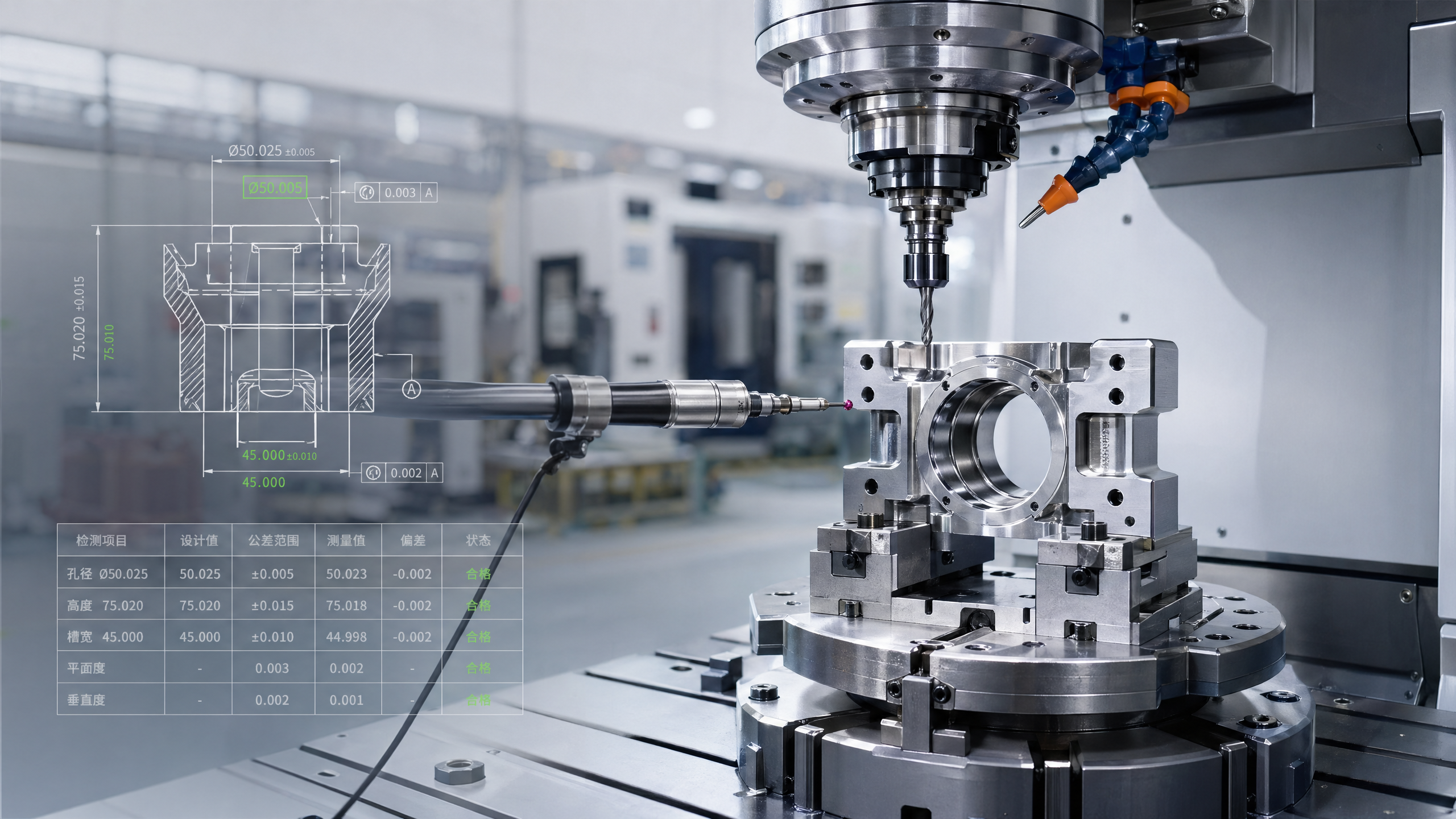
Risk control should include at least 3 areas: program version control, fixture repeatability checks, and first-piece inspection discipline. If any of these are weak, a faster setup may simply move errors earlier in the process. In precision CNC manufacturing, reducing setup time must never weaken dimensional control or traceability.
Maintenance also supports setup speed. Dirty locator surfaces, worn clamping elements, and unstable hydraulic or pneumatic fixtures can add hidden delays of 5 to 10 minutes per setup. A preventive inspection schedule every 1 to 2 weeks for high-use fixtures is often enough to keep repeatability stable.
FAQ for Decision Makers and Operators
How fast should a good CNC setup change be?
It depends on part complexity, but many repeat jobs should be prepared within 5 to 15 minutes when tooling, fixtures, and programs are standardized. Complex multi-axis parts may still require 20 to 40 minutes, especially when first-article inspection is mandatory.
Which shops benefit most from quick setup CNC manufacturing?
High-mix, medium-volume plants usually gain first because they change jobs frequently. However, high-volume operations also benefit when they run 2 or 3 shifts and need predictable handovers with low scrap risk.
What should buyers prioritize first?
Start with fixture repeatability, tool presetting capability, and setup documentation quality. These 3 factors often have a larger impact on shift time than headline machine speed alone. Ask suppliers for practical setup workflows rather than only equipment brochures.
Quick setup CNC manufacturing saves shift time because it turns setup from an unpredictable interruption into a controlled production process. For machine operators, it means easier handovers and fewer last-minute corrections. For buyers and commercial evaluators, it means better asset utilization, more reliable lead times, and stronger long-term manufacturing capacity.
If your business is assessing CNC machine tools, flexible production lines, or precision manufacturing partners, a setup-focused evaluation can reveal efficiency gains that are often missed in standard equipment comparisons. To explore suitable machine configurations, fixture strategies, or automated CNC manufacturing solutions, contact us today to get a tailored recommendation or learn more about practical options for your production goals.
PREVIOUS ARTICLE
NEXT ARTICLE
Recommended for You
 How to Choose a Space-Saving CNC Manufacturing SetupCNC Machining Technology Center
![]() What to Check Before Using a CNC Manufacturing WholesalerGlobal Machine Tool Trade Research Center
What to Check Before Using a CNC Manufacturing WholesalerGlobal Machine Tool Trade Research Center Why Precision CNC Manufacturing Fails Tolerance GoalsCNC Machining Technology Center
 Is CNC Manufacturing for Energy Equipment Worth the CostManufacturing Market Research Center
![]() How Low Maintenance CNC Manufacturing Cuts DowntimeMachine Tool Industry Editorial Team
How Low Maintenance CNC Manufacturing Cuts DowntimeMachine Tool Industry Editorial Team How to Compare One CNC Manufacturing Factory to AnotherManufacturing Market Research Center


Aris Katos
Future of Carbide Coatings
15+ years in precision manufacturing systems. Specialized in high-speed milling and aerospace grade alloy processing.
▶
How to Choose a Space-Saving CNC Manufacturing SetupCNC Machining Technology Center▶
When High-Speed CNC Manufacturing Improves OutputCNC Machining Technology Center▶
How Quick Setup CNC Manufacturing Saves Shift TimeCNC Machining Technology Center▶
When Multi-Axis CNC Manufacturing Is the Better ChoiceCNC Machining Technology Center▶
Robotics ToB Scaling Hits Data Bottleneck in CNC AI InspectionCNC Machining Technology Center
Mastering 5-Axis Workholding Strategies
Join our technical panel on Nov 15th to learn about reducing vibrations in thin-wall components.

Providing you with integrated sanding solutions
Before-sales and after-sales services
Comprehensive technical support