• Global CNC market projected to reach $128B by 2028 • New EU trade regulations for precision tooling components • Aerospace deman
NYSE: CNC +1.2%LME: STEEL -0.4%

When Multi-Axis CNC Manufacturing Is the Better Choice
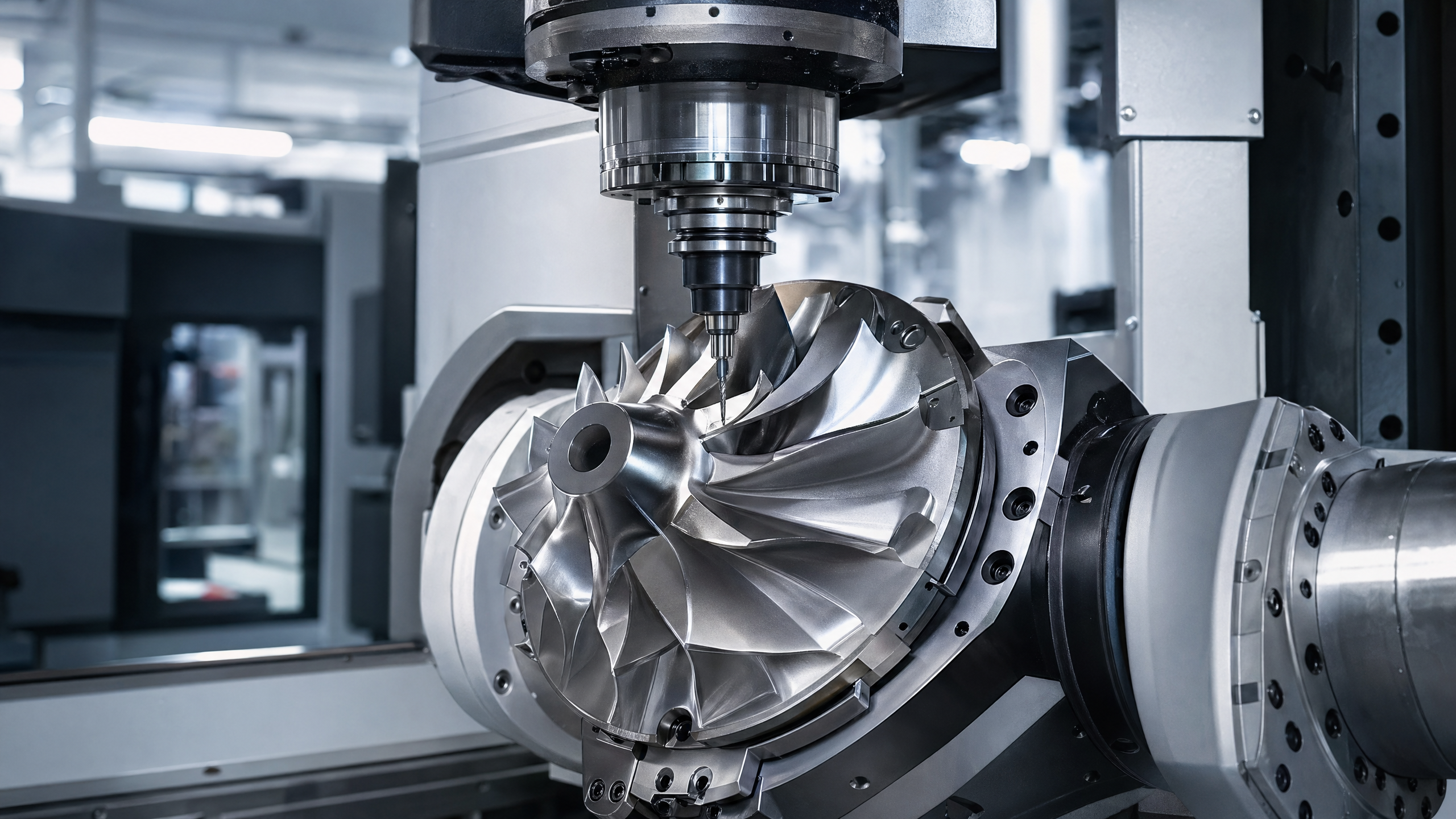
When should a manufacturer choose multi-axis CNC manufacturing instead of a 3-axis machine or simpler process? In most cases, the better choice appears when the part has complex geometry, requires tight tolerances from multiple angles, needs fewer setups, or must be produced faster with more consistent quality. For procurement teams, operators, and technical evaluators, the real question is not whether multi-axis machining is “advanced,” but whether it reduces total production cost, improves part quality, and supports long-term manufacturing flexibility.
In precision CNC manufacturing, especially for aerospace, energy equipment, electronics, and high-value industrial components, multi-axis systems often create measurable advantages. They can reduce manual repositioning, improve surface finish, shorten lead times, and make difficult parts more practical to produce. Still, they are not always the right answer. The best decision depends on part complexity, volume, tolerance requirements, programming capability, and return on investment.
What Searchers Usually Want to Know: Is Multi-Axis CNC Manufacturing Worth It for My Parts?
The core search intent behind this topic is practical decision-making. Readers are usually trying to answer one or more of these questions:
- When is multi-axis CNC manufacturing better than 3-axis machining?
- What kind of parts justify the higher machine and programming cost?
- Will it improve accuracy, speed, and consistency enough to matter?
- Is it the right investment for production, sourcing, or factory planning?
That means the most useful article is not one that only defines 4-axis or 5-axis machining. It should help readers judge fit. In real manufacturing environments, multi-axis CNC manufacturing is typically the better choice when the part is hard to access with standard tool orientations, when multiple setups increase error risk, or when production efficiency has become a bottleneck.
When Multi-Axis CNC Manufacturing Clearly Makes More Sense
Multi-axis machining becomes especially valuable in the following situations:
1. The part has complex geometry
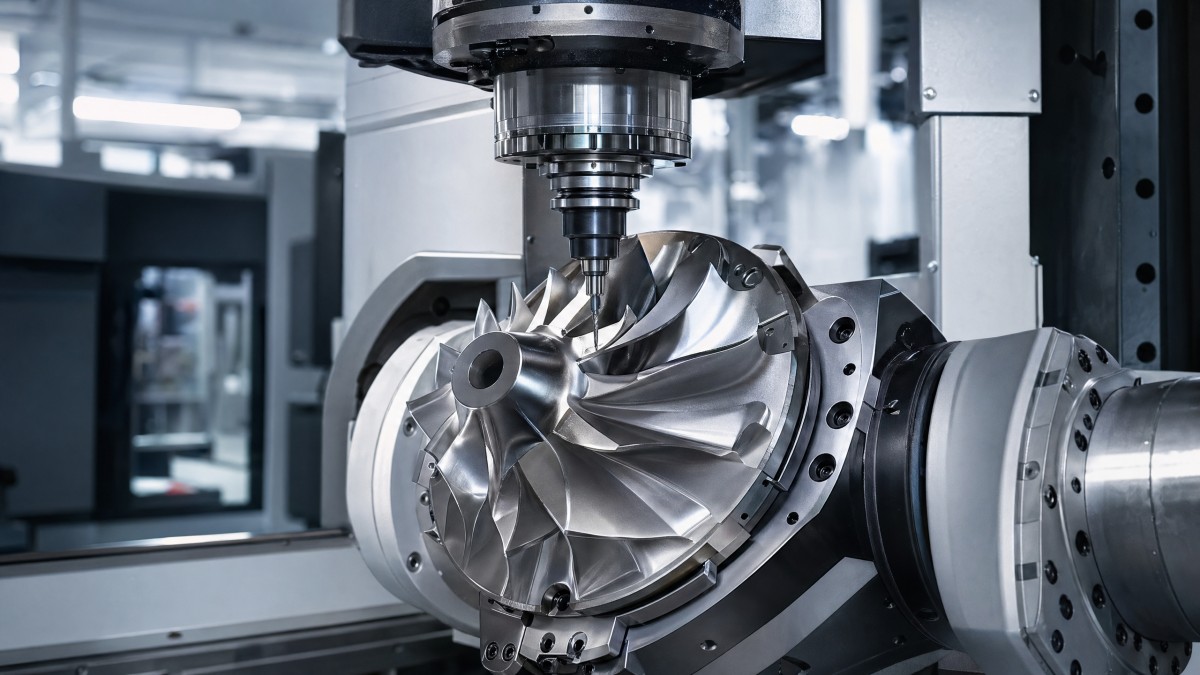
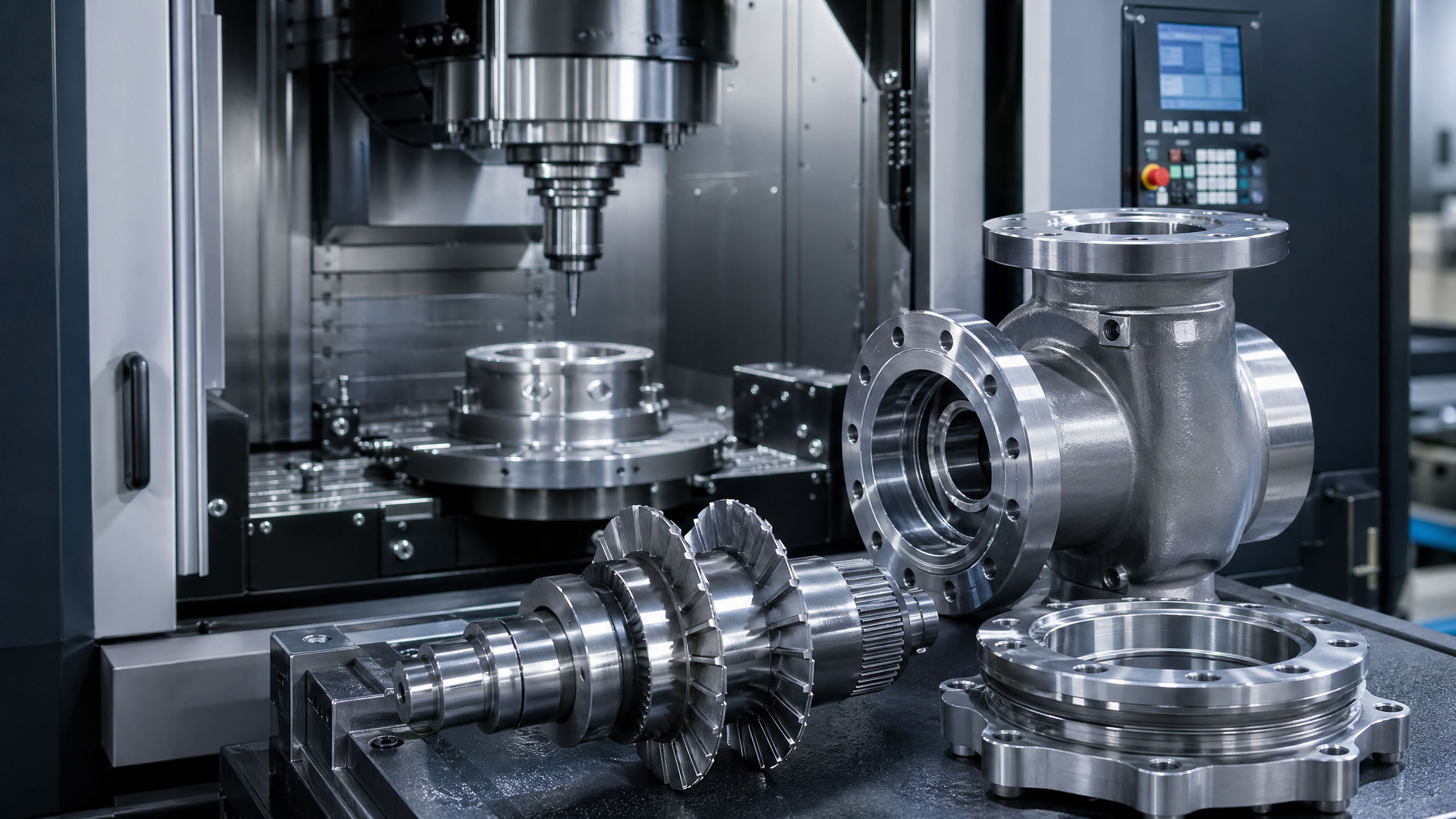
If a component includes deep cavities, compound angles, curved surfaces, undercuts, or features on multiple faces, a multi-axis machine tool can often reach those areas in fewer operations. This is common in turbine components, impellers, medical housings, aerospace brackets, precision molds, and electronic structural parts.
2. Tight tolerances must be maintained across multiple faces
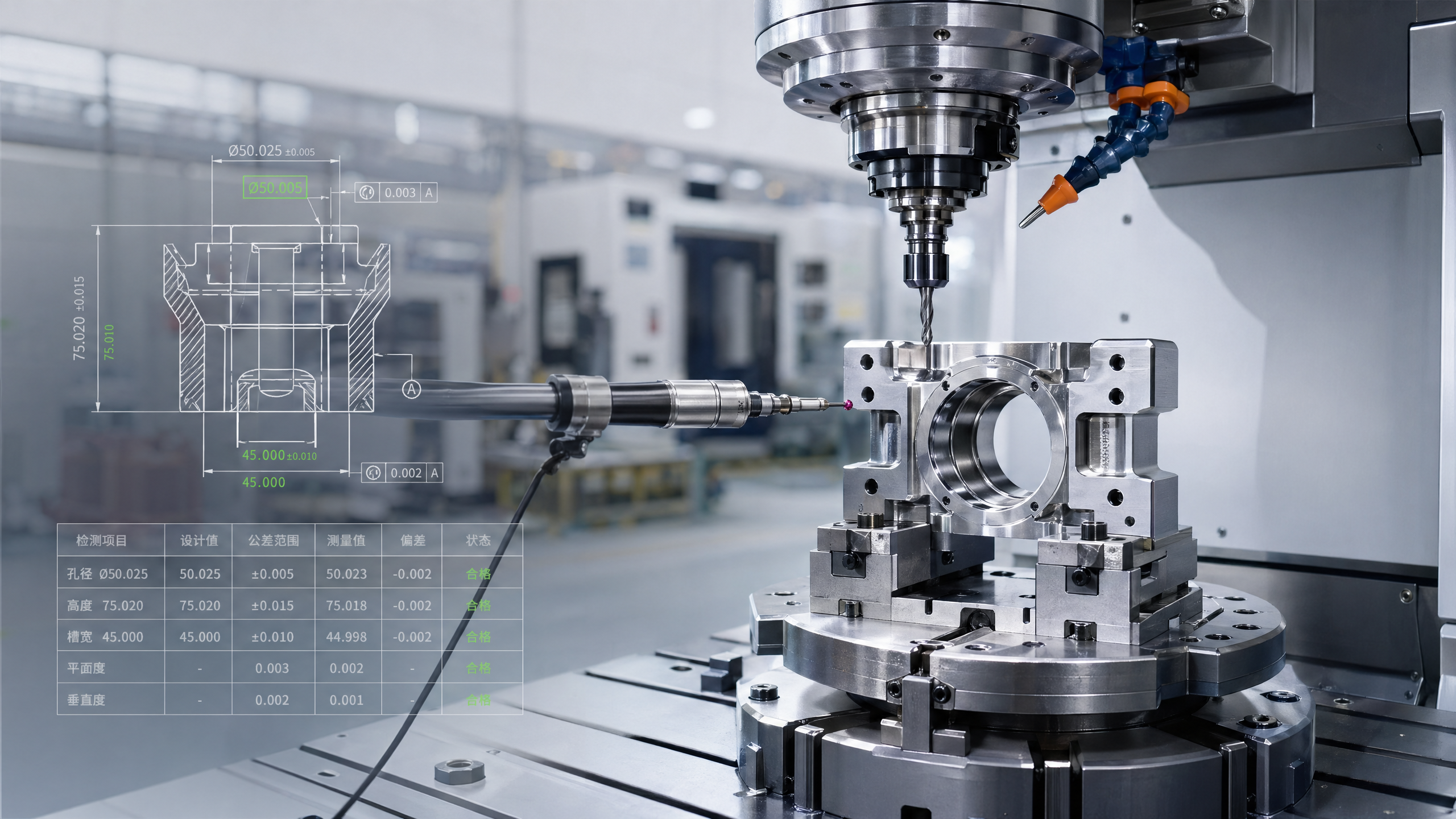
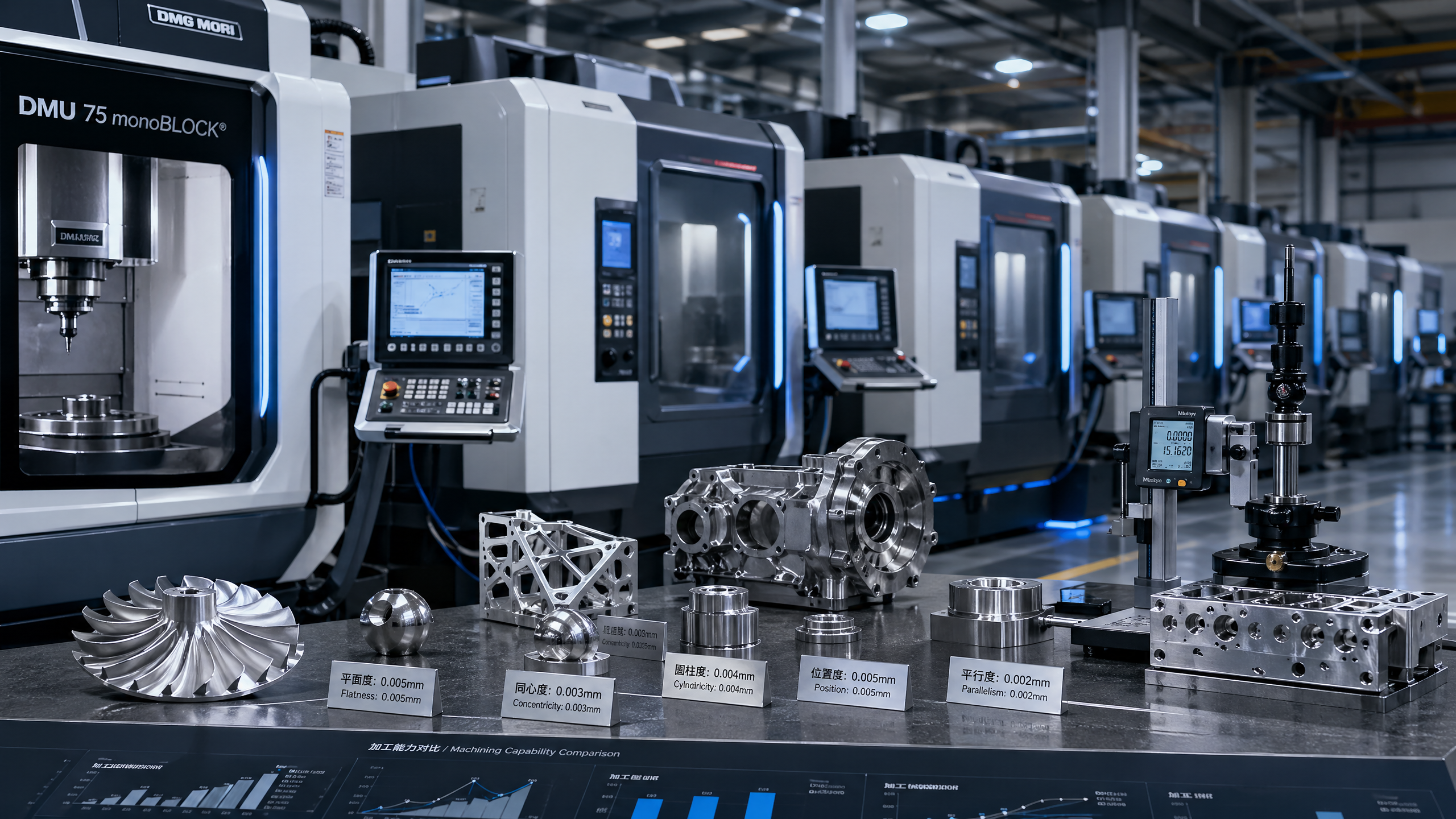
Every time a part is removed and reset, there is a chance of positional error. Multi-axis CNC manufacturing reduces that setup dependence. Machining more features in one clamping improves dimensional consistency, which matters greatly in precision CNC manufacturing.
3. Surface finish is critical
With better tool orientation control, a multi-axis machine can maintain more optimal cutting angles. That often leads to smoother surfaces, less hand finishing, and better feature integrity on complex contours.
4. Cycle time needs to come down
Fewer setups, reduced handling, and more efficient tool paths can significantly shorten total production time. This matters not only in mass production but also in high-mix, medium-volume work where setup time is a major cost driver.
5. Manual intervention is causing inconsistency
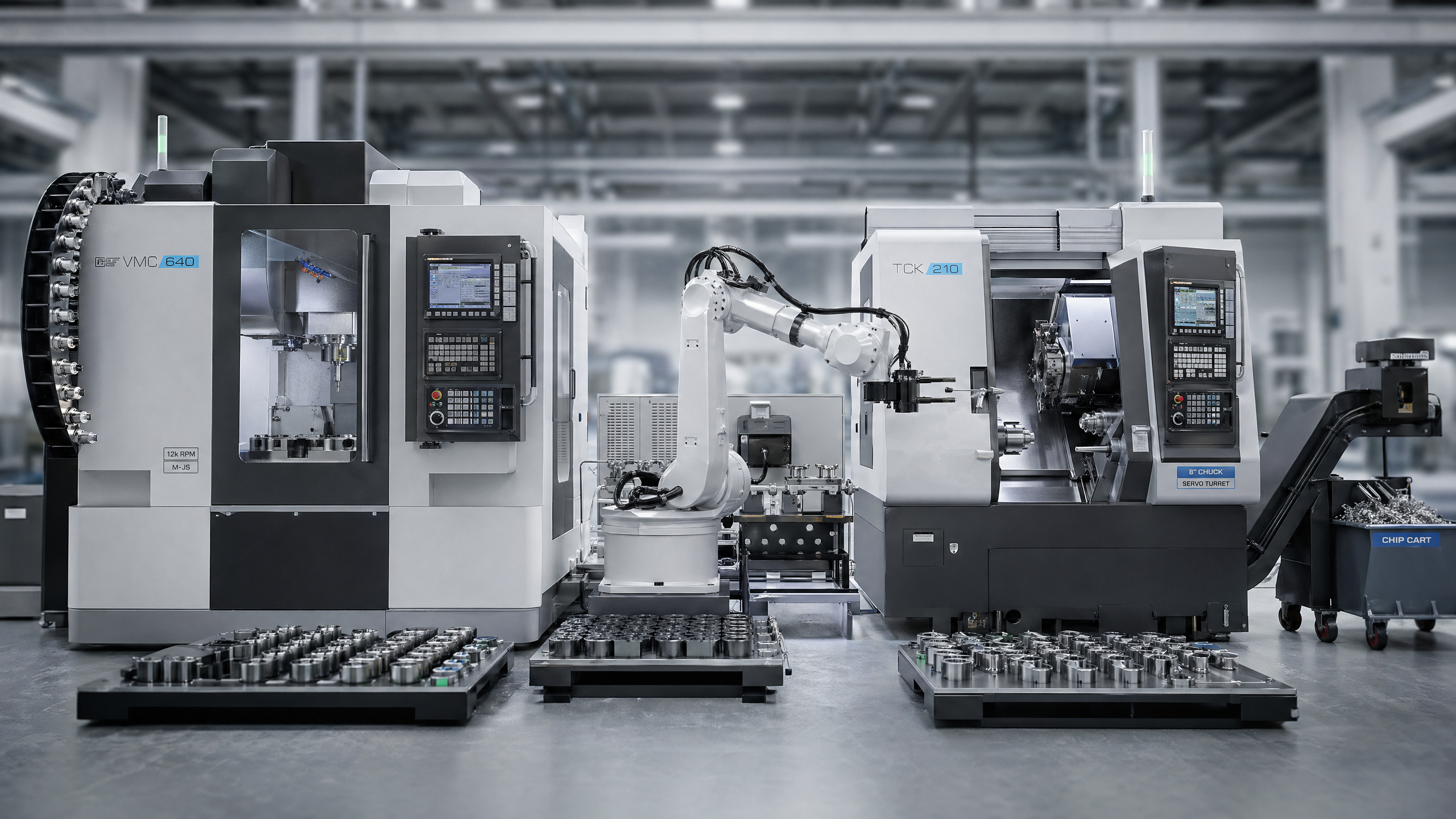
In automated CNC manufacturing and smart factory environments, multi-axis systems support more stable and repeatable workflows. Less manual repositioning usually means fewer process variations and easier quality control.
What Advantages Matter Most to Buyers, Operators, and Technical Evaluators
Different readers assess value from different angles, but the most important benefits are usually shared across roles.
For procurement and sourcing teams
- Lower total process cost through fewer setups and less secondary work
- Faster lead times for complex parts
- Better supplier capability for high-value components
- Reduced risk of quality issues on complex geometries
For operators and production teams
- Less part handling and repositioning
- More stable repeatability once programs are optimized
- Improved access to hard-to-machine areas
- Potentially fewer rework and scrap issues
For business evaluators and plant planners
- Greater capability range with one machine platform
- Improved competitiveness in high-precision manufacturing
- Better alignment with digital production and flexible manufacturing
- Stronger long-term value in industries demanding complex parts
In short, the value of multi-axis CNC manufacturing is strongest when complexity, precision, and production efficiency all matter at the same time.
How It Compares with 3-Axis CNC: The Real Decision Factors
A 3-axis machine is still the right choice for many straightforward parts. Flat surfaces, simple pockets, and basic drilling operations do not always need a more advanced platform. Multi-axis machining is better when the limitations of 3-axis production begin to create cost, quality, or scheduling problems.
Key decision factors include:
- Part access: If features cannot be reached efficiently from one direction, multi-axis is often the better option.
- Number of setups: If a part needs repeated repositioning, error risk and labor cost increase.
- Tolerance stack-up: Multi-face precision is easier to maintain in fewer clampings.
- Surface quality requirements: Better tool positioning often improves finish on contoured surfaces.
- Volume and repeatability: Higher repetition makes setup reduction more valuable.
- Programming and tooling capability: The machine alone is not enough; CAM expertise and process planning matter.
If a simpler process can meet drawing requirements at lower cost and with acceptable throughput, multi-axis may not be necessary. But if the current process creates delays, rework, fixture complexity, or unstable quality, then upgrading to multi-axis CNC manufacturing can become a financially sound move.
Typical Industries and Part Types That Benefit Most
Some sectors gain more from multi-axis machining because of the shape, material, and accuracy requirements of their components.
Aerospace
Aerospace components often require lightweight structures, intricate contours, and exact dimensional control. Brackets, housings, blades, and structural parts frequently justify 5-axis machining because precision and part integrity are non-negotiable.
Energy equipment
Components used in turbines, valves, pumps, and power systems often have difficult internal and external geometries. Multi-axis capability can improve machining access and help maintain consistency in critical features.
Electronics and precision enclosures
Miniaturized or high-precision structural components often need fine features, tight alignment, and good surface quality. Multi-axis machining can reduce fixture changes and improve reliability for these parts.
Automotive and performance engineering
While many automotive parts are made in high-volume dedicated systems, specialized components, prototypes, molds, and performance parts can benefit greatly from multi-axis flexibility and speed.
Medical and advanced industrial components
Complex housings, implants, and custom precision parts often require smooth finishes and high geometric accuracy, making multi-axis systems a practical production method.
What Concerns Buyers Often Have Before Choosing Multi-Axis CNC Manufacturing
The most common hesitation is cost. Multi-axis machine tools are more expensive than standard systems, and they usually require stronger programming capability, better tooling strategy, and more skilled process control. These concerns are valid, but they should be evaluated against total production economics rather than machine price alone.
Common concerns include:
- Higher equipment investment
- Longer programming time for complex tool paths
- Need for experienced CAM engineers and operators
- Potential collision risk if processes are not well simulated
- More advanced maintenance and calibration requirements
However, these concerns can be offset by major gains in:
- Reduced setup labor
- Lower scrap and rework rates
- Fewer fixtures
- Shorter lead times
- More capable part production in a single platform
For sourcing teams, this means supplier evaluation should look beyond hourly machine rate. A supplier using advanced multi-axis CNC manufacturing may offer a lower total delivered cost on complex parts, even if the machine rate is higher.
How to Judge Whether the Investment Will Pay Off
A practical ROI review should focus on the part family, not just a single job. Ask these questions:
- How many setups does the current process require?
- How much labor is spent on repositioning, checking, and rework?
- How often do tolerance or alignment issues occur between faces?
- Can cycle time be reduced enough to increase capacity?
- Will the machine be used across multiple complex products?
- Do current customers or target industries demand more advanced capability?
If the answer to several of these questions is yes, multi-axis machining often becomes easier to justify. Its strongest business case usually comes from repeat complex work, high-value materials, tight tolerance production, and applications where poor quality is expensive.
Operational Factors That Determine Success After the Purchase
Even when multi-axis CNC manufacturing is the correct technical choice, implementation quality determines results. A company may invest in advanced equipment but fail to capture value if supporting processes are weak.
Critical success factors include:
- CAM programming capability: Efficient tool paths are essential for both productivity and safe operation.
- Workholding strategy: Better machine motion still depends on secure and accessible fixturing.
- Tooling selection: Tool length, rigidity, and geometry directly affect finish and accuracy.
- Simulation and verification: Collision prevention and process validation are especially important in multi-axis work.
- Operator training: Operators must understand machine kinematics, setup logic, and process monitoring.
- Maintenance and calibration: Precision depends on machine condition, especially in high-accuracy environments.
For smart factories and automated CNC manufacturing systems, integration with digital workflows, offline programming, monitoring systems, and production planning tools can further increase the value of multi-axis equipment.
Simple Rule of Thumb: When to Choose Multi-Axis and When Not To
Choose multi-axis CNC manufacturing when:
- The part has complex geometry or multiple angled features
- Tolerances across several faces must be tightly controlled
- Too many setups are slowing production or causing variation
- Surface finish and contour accuracy are important
- You want to improve throughput for high-value precision parts
- You need stronger capability for aerospace, energy, electronics, or similar sectors
Do not assume multi-axis is necessary when:
- The part is simple and easily produced on 3-axis equipment
- Volume is low and complexity is limited
- Current process already meets cost, quality, and timing targets
- Your team lacks the programming or process support needed to use the machine effectively
Conclusion
Multi-axis CNC manufacturing is the better choice when complexity, accuracy, and efficiency need to improve together. Its biggest advantage is not simply that it is more advanced, but that it can machine difficult parts with fewer setups, better consistency, and stronger production performance. For buyers, operators, and technical decision-makers, the smartest evaluation method is to compare total process cost, tolerance stability, lead time, and future manufacturing needs.
If your parts involve intricate geometries, strict precision requirements, or inefficient multi-setup workflows, multi-axis machining is often more than a technical upgrade; it is a competitive advantage. If your parts are simple and stable on conventional equipment, a standard CNC process may still be the more economical option. The right choice comes from matching machine capability to real production demands.
PREVIOUS ARTICLE
NEXT ARTICLE
Recommended for You
 How to Choose a Space-Saving CNC Manufacturing SetupCNC Machining Technology Center
![]() What to Check Before Using a CNC Manufacturing WholesalerGlobal Machine Tool Trade Research Center
What to Check Before Using a CNC Manufacturing WholesalerGlobal Machine Tool Trade Research Center Why Precision CNC Manufacturing Fails Tolerance GoalsCNC Machining Technology Center
 Is CNC Manufacturing for Energy Equipment Worth the CostManufacturing Market Research Center
![]() How Low Maintenance CNC Manufacturing Cuts DowntimeMachine Tool Industry Editorial Team
How Low Maintenance CNC Manufacturing Cuts DowntimeMachine Tool Industry Editorial Team How to Compare One CNC Manufacturing Factory to AnotherManufacturing Market Research Center


Aris Katos
Future of Carbide Coatings
15+ years in precision manufacturing systems. Specialized in high-speed milling and aerospace grade alloy processing.
▶
How to Choose a Space-Saving CNC Manufacturing SetupCNC Machining Technology Center▶
When High-Speed CNC Manufacturing Improves OutputCNC Machining Technology Center▶
How Quick Setup CNC Manufacturing Saves Shift TimeCNC Machining Technology Center▶
When Multi-Axis CNC Manufacturing Is the Better ChoiceCNC Machining Technology Center▶
Robotics ToB Scaling Hits Data Bottleneck in CNC AI InspectionCNC Machining Technology Center
Mastering 5-Axis Workholding Strategies
Join our technical panel on Nov 15th to learn about reducing vibrations in thin-wall components.

Providing you with integrated sanding solutions
Before-sales and after-sales services
Comprehensive technical support