• Global CNC market projected to reach $128B by 2028 • New EU trade regulations for precision tooling components • Aerospace deman
NYSE: CNC +1.2%LME: STEEL -0.4%

CNC Industrial Setup Mistakes to Avoid First
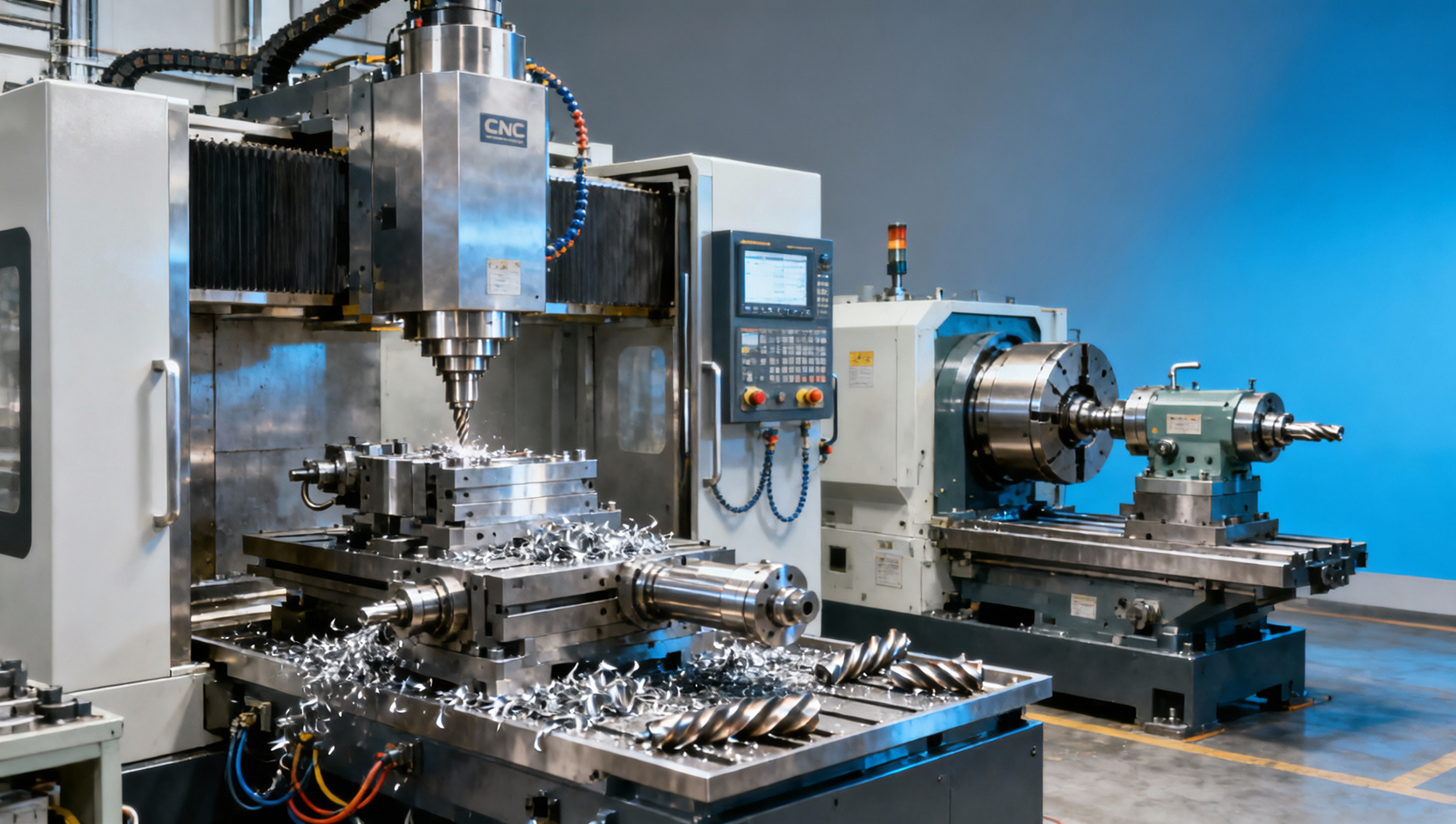
Launching an industrial CNC operation without the right planning can lead to costly downtime, poor precision, and unstable automated production. From metal machining and CNC cutting to CNC programming, industrial automation, and machine tool selection, even small setup mistakes can affect the entire production process. This article highlights the first errors to avoid so manufacturers, operators, and buyers can improve CNC production efficiency and long-term performance.
Why do CNC industrial setups fail early?
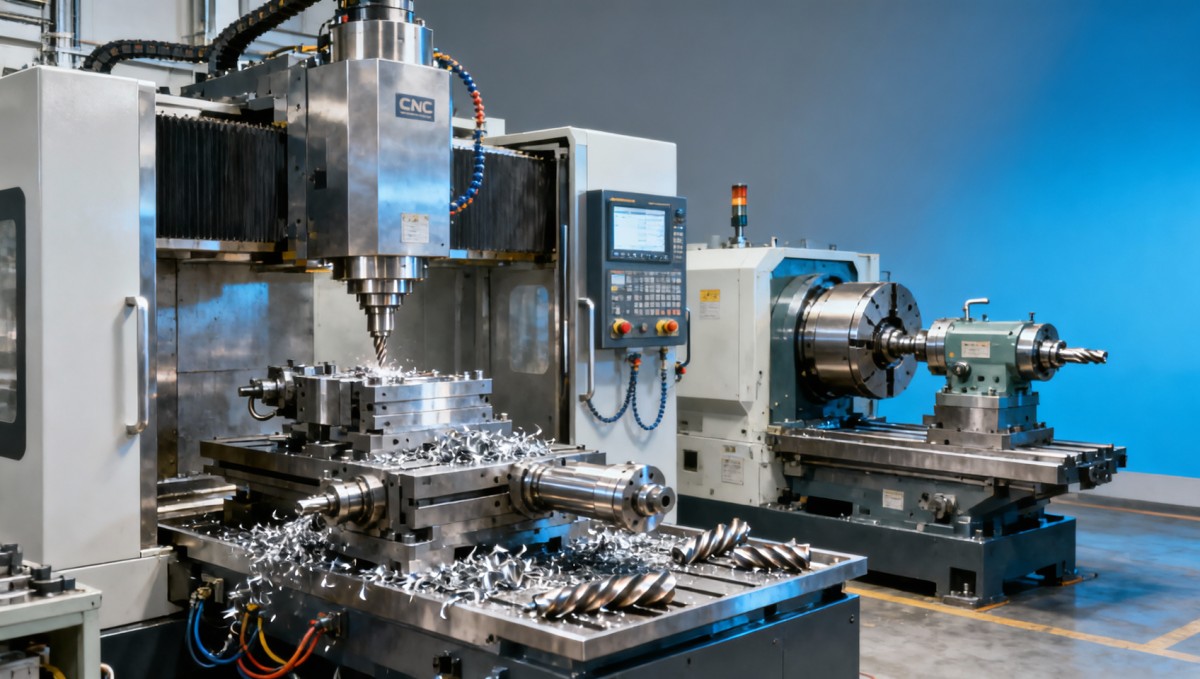
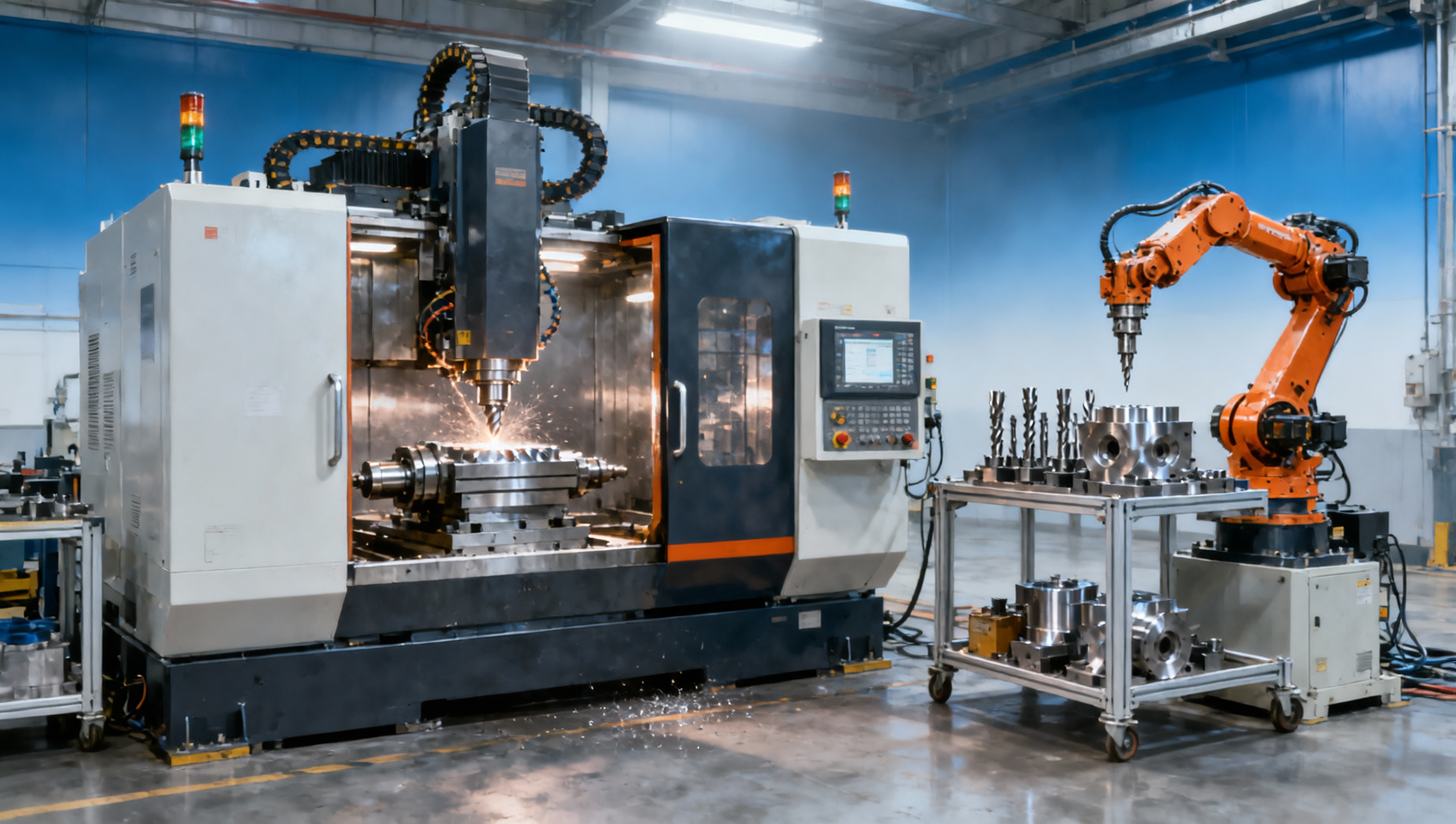
In many factories, the first CNC installation problem is not the machine itself but the lack of process alignment before startup. A machining center, CNC lathe, or automated cell may look suitable on paper, yet fail in actual production because part geometry, tolerance targets, material type, and takt time were never translated into a realistic setup plan. This gap is common in automotive, electronics, energy equipment, and contract machining environments.
The early stage usually has 3 critical windows: site preparation, process validation, and production handover. If any one of these is rushed, the result is often unstable spindle load, excessive tool wear, repeated program edits, or poor dimensional consistency. For example, thermal drift becomes more noticeable when ambient conditions move outside a typical 18°C–26°C workshop range, especially during continuous multi-shift operation.
For information researchers and business evaluators, the key point is simple: a CNC machine setup is not just equipment placement. It combines machine tool capacity, tooling selection, fixture logic, coolant strategy, data flow, and operator readiness. Missing one of these elements can increase scrap rates during the first 2–4 weeks of production, even when the machine brand and hardware quality are acceptable.
For operators and procurement teams, early setup mistakes also create a misleading cost picture. A lower initial purchase price may later be offset by 4 hidden expenses: longer cycle time, frequent tool replacement, maintenance interruptions, and unstable first-pass yield. That is why experienced buyers review the full CNC production chain rather than only the machine quotation.
- Process mismatch: machine travel, spindle speed, torque, and table capacity do not match the real workpiece range.
- Environment neglect: power quality, vibration control, compressed air, coolant handling, and chip removal were not validated before installation.
- Programming risk: CAM strategy and post-processor output were not proven with trial parts under production conditions.
- People gap: operators, setters, and maintenance staff were expected to learn during live production instead of through staged training.
Which setup mistakes hurt CNC precision and productivity the most?
Mistake 1: Choosing a machine by catalog specs alone
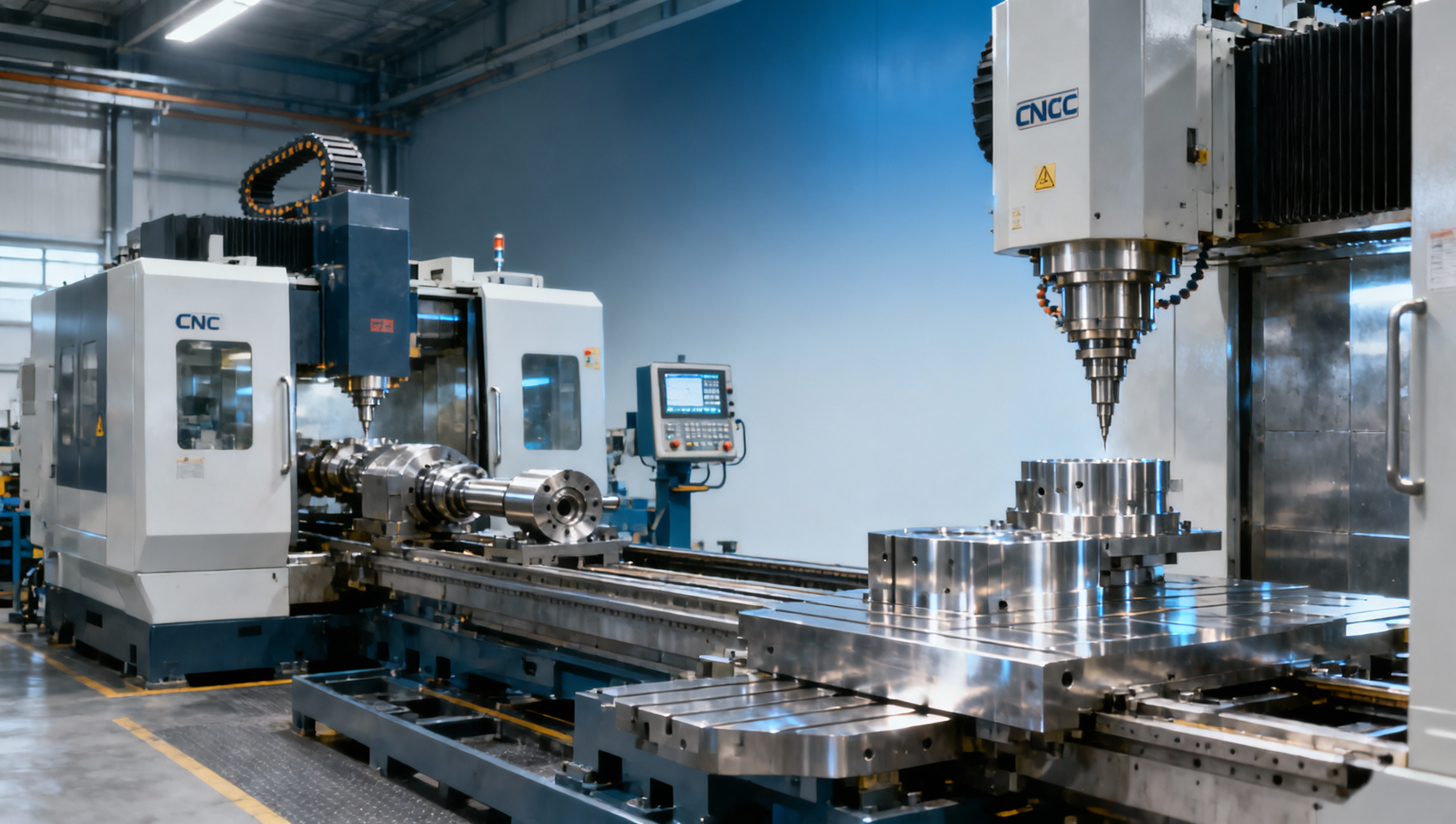
A machine tool should be selected by production reality, not by maximum spindle speed or a general product brochure. A 3-axis machining center may be enough for simple plates and housings, but shaft parts, deep cavities, or multi-face parts often require rotary capability, better chip evacuation, or higher rigidity. Buying too small creates bottlenecks; buying too large adds unnecessary capital and floor-space cost.
Procurement teams should compare at least 5 machine-side criteria before approval: travel range, spindle power band, tool magazine capacity, positioning repeatability, and automation compatibility. In many mixed-part production lines, the issue is not peak power but whether the machine can handle 20–60% variation in part family without constant fixture changes or manual intervention.
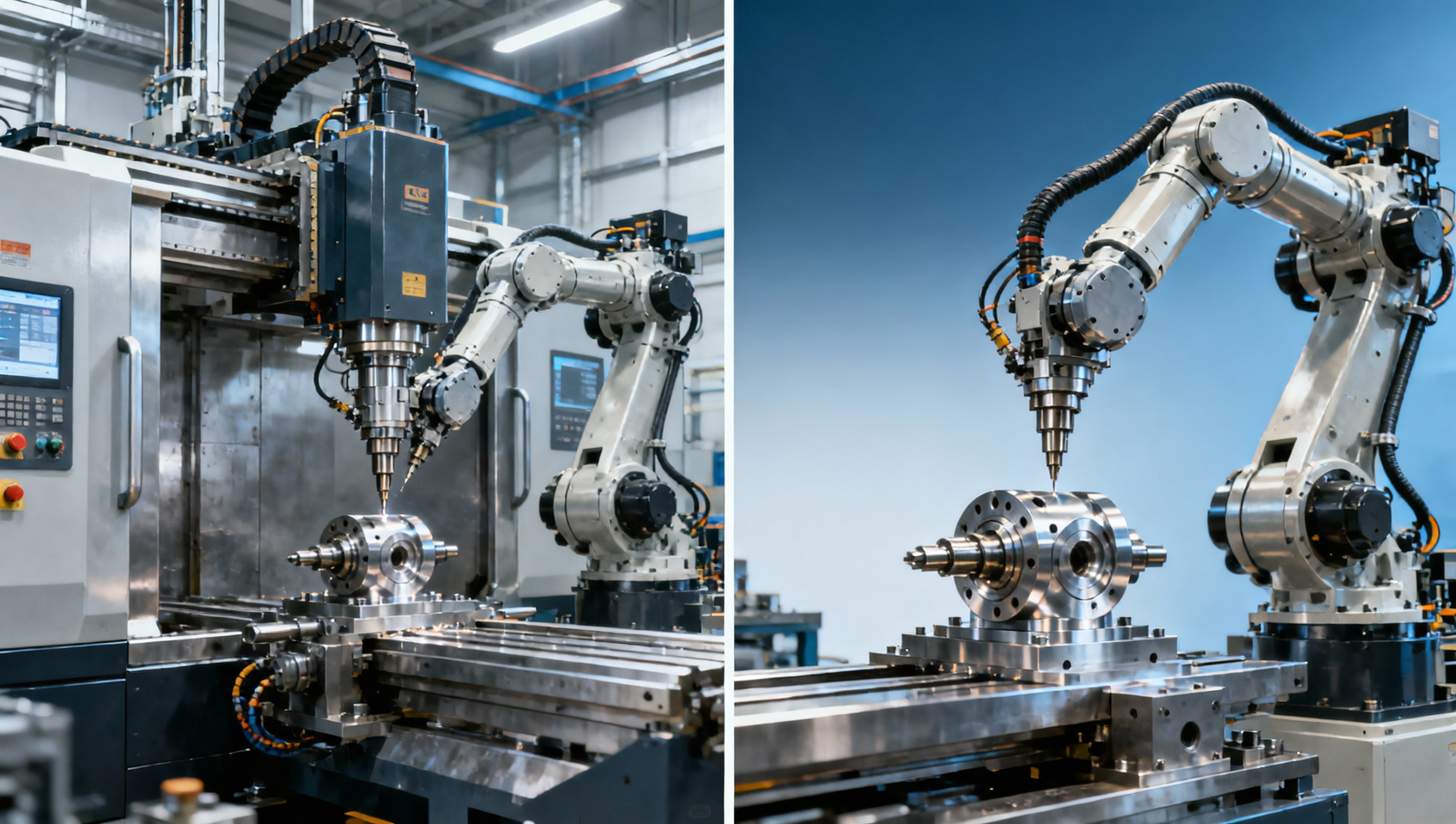
A common error is overlooking future workload. If a factory expects to move from small-batch to medium-batch production within 6–12 months, then pallet systems, tool life monitoring, and robot loading interfaces should be considered at the start. Retrofitting later can cost more than planning the interface during the original machine tool purchase.
Mistake 2: Underestimating fixture and tooling strategy
Many CNC production issues begin with poor workholding. If fixture locating points are weak or clamping force is uneven, even a high-quality CNC machine cannot consistently achieve tolerance. Thin-wall parts, precision discs, and long shafts are especially sensitive. In such cases, repeatability depends as much on fixture design as on spindle performance or servo stability.
Tooling mistakes are equally costly. Using a generic tool package for stainless steel, aluminum, and alloy steel usually leads to unstable chip control and inconsistent surface finish. Setup teams should define inserts, tool holders, runout limits, and expected tool life by material group. For many operations, a practical starting point is to verify wear condition every 2–4 production hours during the launch phase.
When buyers compare CNC solutions, they should not separate machine tool cost from fixture and cutting tool cost. In real manufacturing, the total package determines output. A lower-priced machine that needs frequent fixture adjustment or non-standard tooling can slow setup changeovers and increase per-part cost over time.
Mistake 3: Treating CNC programming as a late-stage task
CNC programming should begin during process planning, not after machine arrival. Toolpath strategy affects cycle time, part finish, collision risk, and machine utilization. In multi-axis machining, the post-processor and machine kinematics must be verified together. Without simulation and dry-run validation, setup teams often discover interference only after tooling, fixtures, and labor have already been scheduled.
Operators also need a clear setup sheet with offsets, datum references, clamping sequence, and inspection checkpoints. If the first article depends on tribal knowledge rather than documented process instructions, quality drift becomes likely across shifts. This is especially problematic in automated production lines where cycle stability matters as much as dimensional accuracy.
The comparison below helps procurement and production teams identify where initial CNC setup decisions usually create long-term operational consequences.
This table shows a recurring pattern in CNC machining projects: the first mistakes are often system mistakes. They rarely remain isolated. A poor decision in machine tool selection can affect programming, fixturing, inspection, and labor efficiency at the same time.
How should buyers evaluate a CNC setup before purchase and installation?
Build a practical procurement checklist
For procurement personnel and business evaluation teams, the best way to avoid CNC industrial setup mistakes is to review the project through 4 layers: process fit, site readiness, service support, and expansion path. This creates a stronger basis for comparing machine tools from different suppliers, especially when line items on quotations appear similar.
Process fit means matching the machine to the actual production mix. Site readiness includes power supply, foundation, coolant filtration, chip handling, and network integration. Service support covers installation, training, spare parts, and response time. Expansion path addresses future automation, part variation, and digital monitoring. Ignoring any one of these layers can delay commissioning by 1–3 weeks in typical industrial rollouts.
Buyers should also request a sample process proposal or a trial-cut discussion when possible. This is not about pushing the supplier for unrealistic guarantees. It is about checking whether the supplier understands tolerance stack-up, material behavior, and setup logic in a real CNC production environment. A vendor that only repeats catalog language may not be the right long-term partner for precision manufacturing.
Another useful filter is implementation visibility. Ask for the standard commissioning sequence, the expected 3–5 acceptance checkpoints, and the division of responsibilities between the supplier and the factory team. Clear answers reduce confusion during machine delivery, installation, and handover.
- Confirm workpiece size range, materials, tolerance band, and expected daily output before final model selection.
- Check whether tool holders, fixtures, probing, and coolant systems are included or quoted separately.
- Review installation prerequisites such as voltage stability, compressed air pressure, and chip disposal logistics.
- Define operator training hours, maintenance handover documents, and spare-parts availability for the first 6–12 months.
A buyer-oriented comparison matrix
The table below can be used during CNC machine tool sourcing, internal review, or supplier comparison meetings. It focuses on setup risk, not just purchase price.
A structured comparison like this helps purchasing teams move beyond headline price. In CNC manufacturing, the strongest procurement decisions usually come from identifying setup risk early, then balancing technical fit, delivery timing, and lifecycle support.
What should operators and engineers control during implementation?
Focus on the first 4 implementation stages
After purchase approval, implementation discipline determines whether the CNC line reaches stable output quickly. A practical rollout usually follows 4 stages: installation verification, no-load machine check, trial-cut validation, and production qualification. Each stage should have a documented sign-off so that technical issues are found before batch machining begins.
During installation verification, teams should confirm machine leveling, axis movement, coolant circulation, lubrication condition, and safety interlocks. During no-load checking, they should monitor abnormal vibration, alarm history, spindle warm-up behavior, and basic repeatability. These are not formalities. They directly affect whether the first week of CNC production becomes stable or chaotic.
Trial-cut validation should include at least one representative part family, not just a simple demo piece. If the factory normally runs medium-batch production, then setup verification should simulate actual clamping cycles, tool changes, and offset management. For many plants, the first 10–30 parts reveal more about process capability than a single approved sample.
Production qualification is where operators, quality staff, and maintenance technicians must align. The target is not only dimensional conformity but stable process repetition across shifts. If deviations appear after 6–8 hours of continuous operation, the issue may be related to thermal load, coolant contamination, chip packing, or insufficient preventive maintenance planning.
A practical setup control list
- Warm up the spindle and moving axes according to supplier guidance before precision cutting, especially after shutdown periods.
- Verify tool length, diameter offsets, and work coordinate systems before the first part of every shift or changeover.
- Inspect fixture contact points and clamping condition at defined intervals, such as every batch or every 2–3 hours for critical parts.
- Monitor coolant concentration, filtration status, and chip evacuation to avoid finish problems and heat accumulation.
- Record alarms, dimension drift, and tool wear patterns so root causes can be corrected rather than repeatedly adjusted.
For smart manufacturing projects, implementation should also include basic data capture. Even if a factory is not yet fully digitalized, recording uptime, cycle variance, reject causes, and tool life by shift creates a stronger basis for future automation upgrades and supplier discussions.
Common CNC setup misconceptions and practical answers
Is a more advanced CNC machine always the safer choice?
Not necessarily. A higher-end multi-axis machine tool can be the right fit for complex aerospace parts or precision multi-face components, but it is not automatically the best solution for every plant. If the production mix is stable and geometrically simple, a well-configured 3-axis or turning solution may deliver lower setup complexity, faster operator adoption, and more predictable maintenance.
How long does a normal CNC setup and ramp-up take?
The answer depends on machine type, automation level, and process complexity. A standard standalone setup may move from installation to trial production in several days to 2 weeks, while a line involving robot loading, multiple fixtures, and part validation can require 2–4 weeks or more. The main factor is not only delivery speed but how well the process, tooling, and training were prepared in advance.
What do buyers often forget besides the machine price?
They often miss the cost of workholding, tools, spare parts, coolant systems, programming support, and training. In some CNC projects, these supporting items materially affect launch readiness. A quotation should therefore be reviewed as a production package, not merely as a machine asset. This is especially important when comparing imports, local integration options, or automated production cells.
Which standards or compliance topics should be reviewed?
While specific requirements vary by market and application, buyers should generally review machine safety, electrical conformity, guarding, documentation completeness, and any plant-specific operating rules. For export-oriented factories, it is also useful to confirm whether the equipment package aligns with applicable regional compliance expectations and internal customer audit requirements.
Can automation solve poor initial setup planning?
Automation can improve loading consistency and labor efficiency, but it cannot fix weak process logic. If datum design, fixture repeatability, or CNC programming is unstable, adding a robot may only automate inconsistency. The better approach is to stabilize the manual or semi-automatic process first, then automate on top of a controlled production baseline.
Why choose us for CNC setup guidance and sourcing support?
Decision support built for global CNC manufacturing
We focus on the global CNC machining and precision manufacturing sector, with attention to machine tools, industrial automation, production trends, and international supply conditions. This makes our support useful not only for operators and engineers, but also for procurement teams and business evaluators who need a clearer picture of technical fit, sourcing options, and implementation risk.
If you are comparing CNC lathes, machining centers, multi-axis systems, tooling packages, or automated production line options, we can help organize the decision around practical criteria rather than generic sales claims. That includes part-process review, configuration logic, application matching, and discussion of realistic delivery and commissioning considerations.
You can contact us for specific topics such as parameter confirmation, machine tool selection, fixture and tooling planning, estimated delivery windows, sample-part discussion, automation compatibility, and quotation communication. If your project involves export markets or cross-border sourcing, we can also help you frame questions around documentation, compliance expectations, and supplier comparison points.
A better CNC setup starts before the machine arrives. If you want to reduce startup errors, shorten ramp-up time, and make a more confident procurement decision, reach out with your part drawings, material range, target output, and tolerance requirements. That gives a solid starting point for discussing a suitable CNC production solution.
PREVIOUS ARTICLE
NEXT ARTICLE
Recommended for You
 How to Choose the Right Metal Machining ProcessCNC Machining Technology Center
 Metal Machining vs CNC Metalworking: What MattersCNC Machining Technology Center
 What Drives Cost in Industrial CNC ProjectsManufacturing Market Research Center
 Is Industrial CNC Worth Upgrading in 2026Machine Tool Industry Editorial Team
 How CNC Industrial Systems Improve Shop EfficiencyMachine Tool Industry Editorial Team
 CNC Industrial Setup Mistakes to Avoid FirstCNC Machining Technology Center

Aris Katos
Future of Carbide Coatings
15+ years in precision manufacturing systems. Specialized in high-speed milling and aerospace grade alloy processing.
▶
CNC Industrial Setup Mistakes to Avoid FirstCNC Machining Technology Center▶
Which Metal Lathe Is Best for Repair WorkCNC Machining Technology Center▶
What Changes the Price of an Automated Production Line Quote?CNC Machining Technology Center▶
Metal Lathe vs CNC Milling for Low Volume Round PartsCNC Machining Technology Center▶
Production Process Mapping Still Misses the Real Delay PointsCNC Machining Technology Center
Mastering 5-Axis Workholding Strategies
Join our technical panel on Nov 15th to learn about reducing vibrations in thin-wall components.

Providing you with integrated sanding solutions
Before-sales and after-sales services
Comprehensive technical support