• Global CNC market projected to reach $128B by 2028 • New EU trade regulations for precision tooling components • Aerospace deman
NYSE: CNC +1.2%LME: STEEL -0.4%

Metal machining bottlenecks that slow delivery times
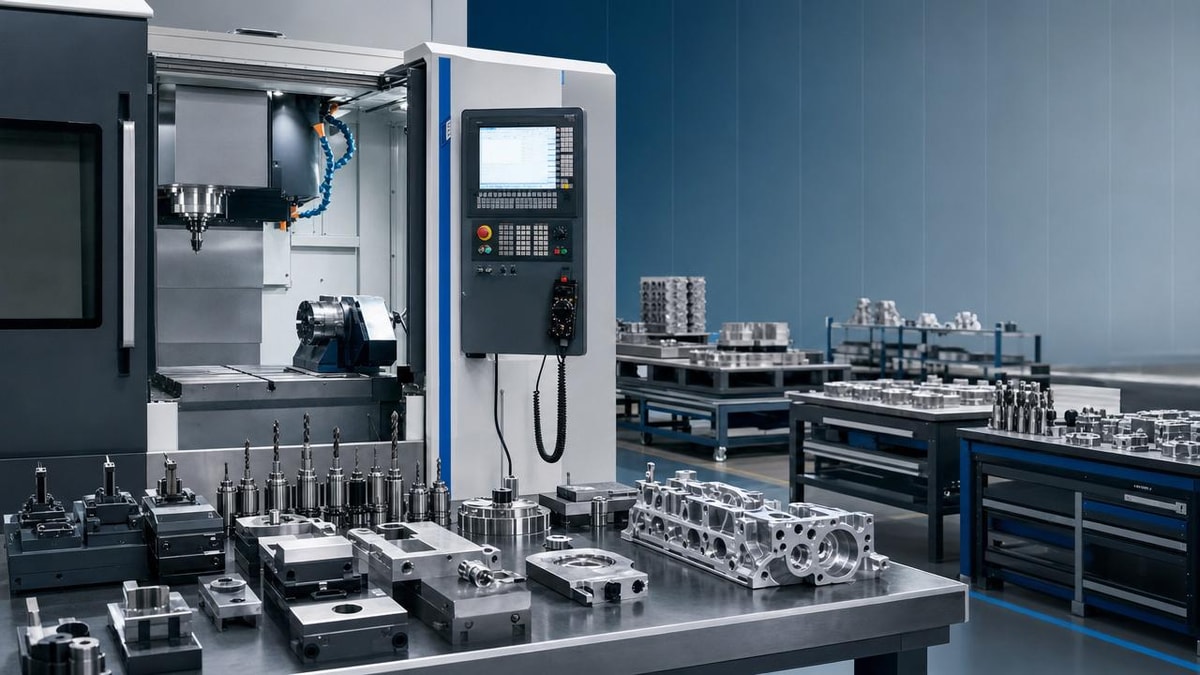
Late deliveries in metal machining rarely stem from a single issue. For project managers and engineering leaders, the real challenge is identifying the hidden bottlenecks across quoting, tooling, programming, scheduling, and quality control before they disrupt production. This article explores the most common constraints that slow delivery times and how manufacturers can reduce delays through better planning, automation, and process visibility.
Why do metal machining projects miss delivery dates so often?
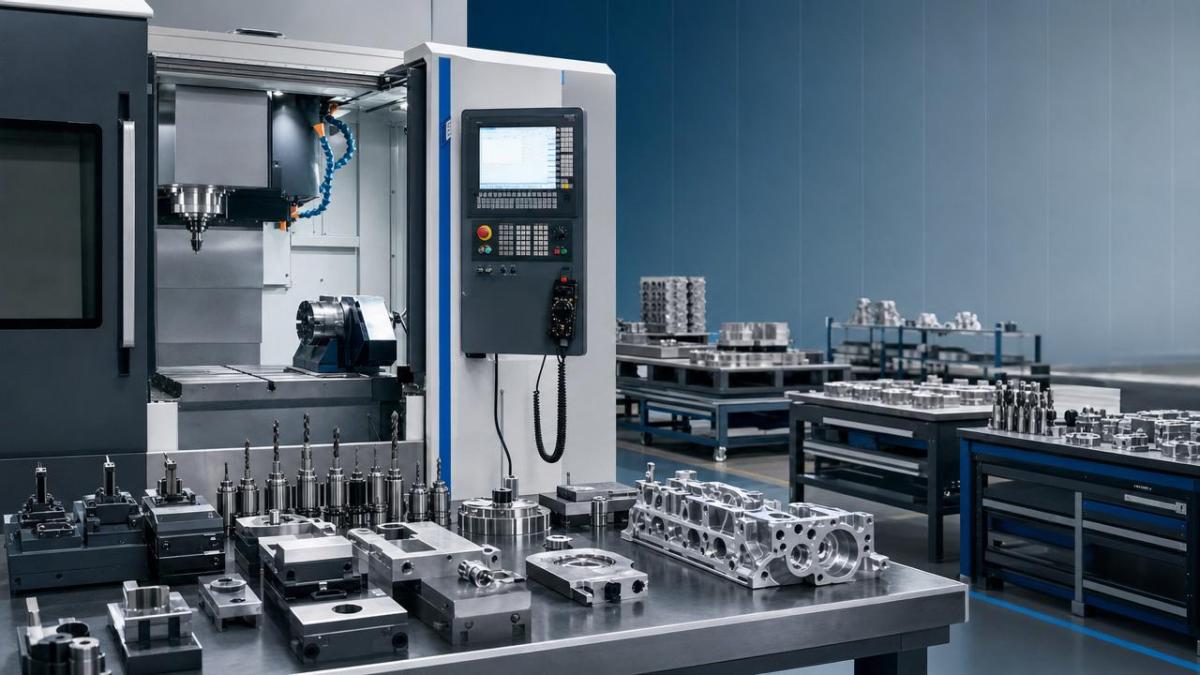
In modern manufacturing, delivery delays in metal machining usually begin long before the first chip is cut. A project may appear feasible on paper, but once engineering clarification, fixture preparation, CAM programming, machine loading, inspection planning, and supplier coordination begin, hidden constraints start to stack up. For project managers, this creates a familiar problem: the schedule looks stable until several small issues combine into a major delay.
This is especially true in industries served by CNC lathes, machining centers, multi-axis systems, and automated production lines. Automotive, aerospace, energy equipment, and electronics production all rely on high-precision metal machining with tight tolerances, short ramp-up windows, and demanding traceability. In these environments, delivery performance depends not only on machine capacity, but also on planning discipline, digital coordination, and process maturity.
Many organizations underestimate how often non-cutting time drives the total lead time. A machine may run for six hours, but the full order can still take two weeks because of approval loops, tool shortages, setup changes, inspection queues, or outsourced finishing. That is why project leaders need to evaluate metal machining bottlenecks as a system rather than as isolated shop floor incidents.
- Commercial bottlenecks, such as incomplete RFQs, late drawing revisions, and unclear tolerances, can delay quoting and order release.
- Engineering bottlenecks, including weak DFM review, unstable process routing, or unverified programs, often surface during first article production.
- Operational bottlenecks, such as fixture availability, machine scheduling conflicts, and overloaded inspection resources, can stop parts after machining has already begun.
The most common delay points across the workflow
For most project-based machining orders, the delay does not come from one dramatic failure. Instead, it comes from a chain of moderate issues. An RFQ arrives with incomplete material specifications. The programmer waits for clarification. Tooling is ordered late. A fixture change affects setup time. Quality requires an extra gauge. Suddenly, the planned dispatch date slips by several days.
The table below maps typical metal machining bottlenecks to the stage where they occur and the schedule impact they usually create. This helps project teams identify where intervention will generate the fastest lead-time improvement.
A useful takeaway is that several high-impact bottlenecks occur outside the cutting cycle itself. This is why improving spindle utilization alone will not automatically solve lead-time pressure in metal machining. Better delivery performance comes from reducing waiting, re-approval, handoff friction, and information gaps between teams.
Which hidden bottlenecks create the biggest risk for project managers?
From a project management perspective, the most dangerous bottlenecks are the ones that remain invisible until they affect committed dates. Machine downtime is obvious. A missing tolerance stack, an unavailable collet system, or a delayed PPAP-style document package is not. Yet these hidden issues often create the largest planning errors because they are omitted from early lead-time assumptions.
1. Incomplete technical input at the order stage
Many metal machining delays start with weak technical definition. Drawings may specify critical dimensions but not datum strategy, burr requirements, hardness condition, coating sequence, or inspection method. When the supplier must clarify these items after order confirmation, engineering and procurement lose time immediately. Fast quoting is valuable, but fast quoting on incomplete data often pushes risk downstream.
2. Tooling and fixture readiness
Even with strong CAM resources, a job cannot start if the right inserts, holders, soft jaws, mandrels, probes, or modular fixtures are missing. In high-mix manufacturing, setup preparation often becomes the real capacity limit. This is especially relevant for complex shaft parts, thin-wall components, precision discs, and multi-operation parts that require stable clamping across multiple machines.
3. Programming queues and first-piece validation
Multi-axis metal machining improves flexibility, but it also increases dependence on skilled programmers and simulation tools. If a supplier has limited CAM bandwidth, urgent jobs can sit in a queue even when machine hours are available. Then, after the first run begins, trial cuts, offset tuning, and dimensional corrections can add another layer of delay.
4. Inspection capacity and documentation flow
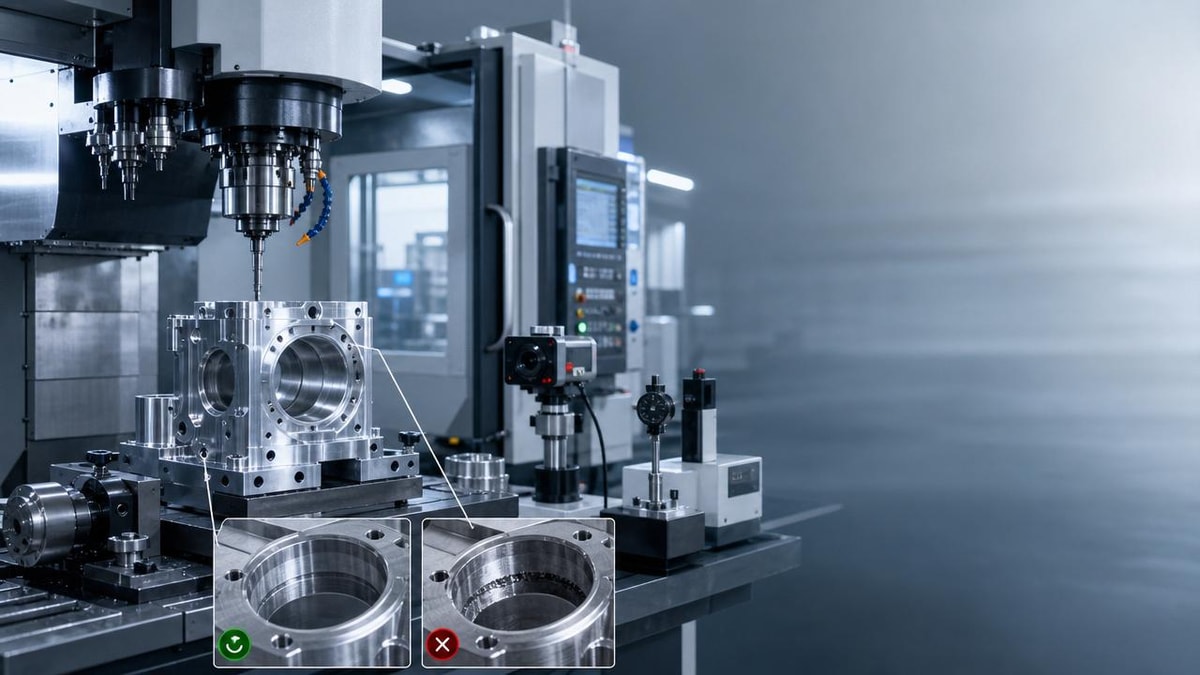
Precision manufacturing does not end at machining completion. Parts may require CMM reports, material certificates, heat treatment records, surface roughness confirmation, or customer-specific quality forms. If the quality department becomes a bottleneck, finished parts remain unshipped. For project leaders, this can be frustrating because the order appears complete in production status but is still blocked in release control.
How should you evaluate a metal machining supplier before schedule problems appear?
A supplier review should go beyond machine lists and hourly rates. A workshop may own advanced machining centers and CNC lathes, yet still struggle with delivery because of weak planning systems, poor tool management, or overloaded inspection resources. For project managers, the right question is not only “Can they machine this part?” but “Can they deliver this part predictably under real production conditions?”
The following evaluation matrix is useful when selecting metal machining partners for time-sensitive projects, engineering changes, and recurring production programs.
This type of review is especially valuable for global sourcing. A supplier may have competitive pricing, but if communication cycles are slow or process visibility is weak, the total project cost rises through delays, expediting, and management overhead. In many cases, a slightly higher unit price delivers lower program risk.
A practical pre-award checklist
- Confirm whether the quoted lead time includes programming, fixture preparation, inspection reporting, outsourced treatments, and packaging approval.
- Ask which machine platform will run the part and whether the same platform is already loaded with repeat orders or urgent jobs.
- Verify how engineering changes are controlled after PO release, including updated revision communication and work-in-process segregation.
- Review inspection planning for critical characteristics, especially if CMM, special gauges, or customer-formatted reports are required.
What process changes reduce metal machining lead times in practice?
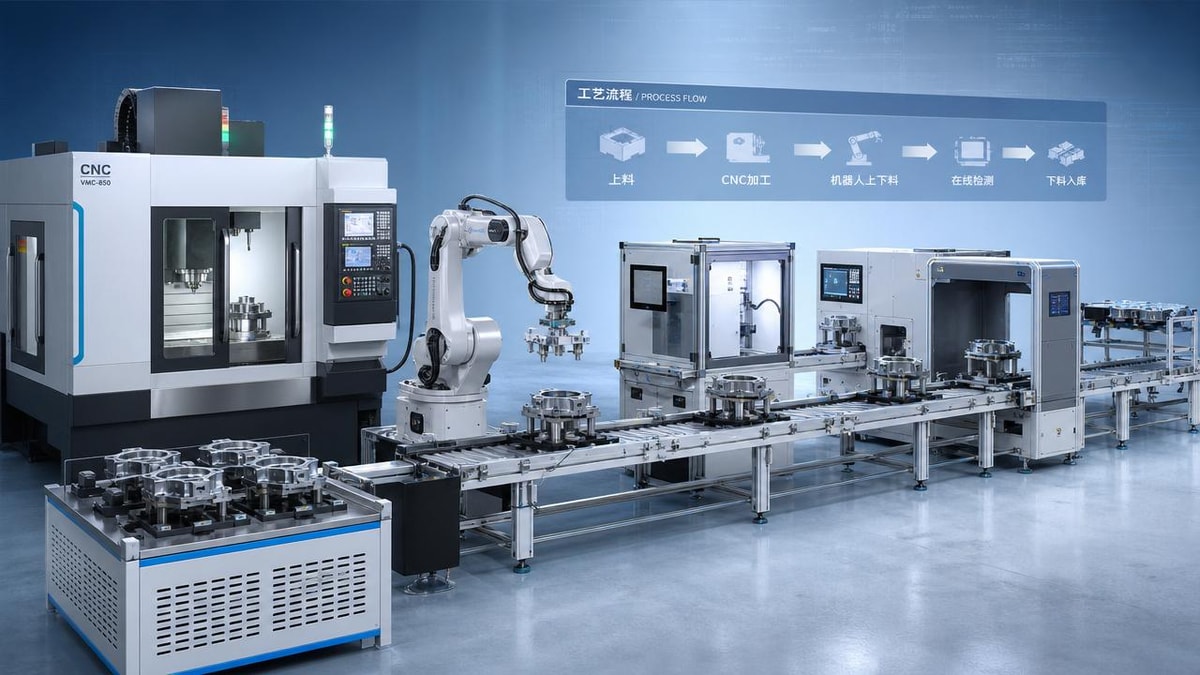
Shorter delivery times rarely come from one single investment. The biggest gains usually come from a combination of process discipline, digital tools, and cross-functional visibility. In the CNC machining and precision manufacturing sector, the most effective improvements are often straightforward: standardize pre-production review, reduce setup variation, improve scheduling logic, and connect production status with quality release data.
Build a stronger front-end release process
A disciplined launch process prevents avoidable delays later. Before order release, the project team should validate drawing revision, material grade, heat treatment condition, finish requirements, tolerance feasibility, and inspection expectations. This is where DFM review adds real schedule value. It catches difficult radii, unstable wall sections, excessive tolerance chains, or unnecessary secondary operations before the shop floor is committed.
Use scheduling based on real constraints, not only target dates
Many shops still schedule metal machining orders backward from due date without fully accounting for setup hours, queue time, fixture turnover, inspection load, and outsourced operations. A more reliable method is finite-capacity scheduling by machine family, skill availability, and quality resources. This exposes bottlenecks early and makes customer communication more realistic.
Reduce setup and handoff losses
In medium-volume or high-mix production, setup reduction often creates faster delivery than adding raw spindle hours. Tool presetting, standardized workholding, modular fixturing, and digital setup sheets reduce variation between operators and shifts. For project managers, this means shorter launch time for repeat or revised parts and fewer surprises during schedule recovery.
- Create a release gate for RFQ completeness, drawing clarity, and critical quality notes before committing a ship date.
- Link CAM programming status with purchasing status for tools, inserts, and fixtures so that machine slots are not reserved for unready jobs.
- Reserve inspection capacity for launch lots and customer-critical parts rather than letting them enter a generic quality queue.
- Track waiting time separately from machining time to reveal where actual lead time is being consumed.
Cost, alternatives, and the trade-off between speed and risk
Project managers often face a difficult decision: should they pay more for faster metal machining, or hold cost and accept a longer lead time? The answer depends on the cost of delay. If a late machined component blocks final assembly, field installation, validation testing, or a customer launch, the financial impact of waiting may exceed the machining premium by a wide margin.
The table below compares common delivery acceleration options in metal machining and the trade-offs they introduce. It can help teams choose the right recovery method instead of relying only on expediting.
The best acceleration method depends on part criticality, tolerance sensitivity, traceability needs, and downstream schedule exposure. For precision parts in aerospace, energy equipment, or safety-related systems, fast decisions still need disciplined process control. Speed should not bypass verification.
FAQ: what do project leaders usually ask about metal machining delays?
How can I estimate a realistic lead time for metal machining?
Start by separating pure machining time from total order lead time. Include programming, tooling, setup, inspection, outsourced processing, and shipping preparation. Then ask whether the supplier is quoting from open capacity or from a full queue. A realistic lead time reflects both process complexity and current production loading.
What is the biggest mistake buyers make when sourcing metal machining?
A common mistake is choosing only by unit price without evaluating delivery system maturity. If technical clarification is weak, setup readiness is poor, or quality release is slow, the apparent savings can disappear through project delay, expediting, and repeated coordination effort. Total delivery reliability matters as much as piece cost.
Which parts are most likely to face schedule risk?
Parts with multiple setups, thin walls, deep cavities, tight positional tolerances, special materials, heat treatment, or custom inspection requirements typically face higher schedule risk. Multi-axis components and precision structural parts often need more engineering attention and validation before stable throughput is achieved.
Do international standards matter for delivery control?
Yes, but usually in an indirect way. Common quality management practices, drawing control, traceability rules, calibration discipline, and process documentation all support predictable release. Standards do not eliminate metal machining bottlenecks by themselves, but they help reduce variation in execution and communication.
Why choose us for metal machining insight and sourcing decisions?
For project managers and engineering leaders, the hardest part of metal machining is not finding capacity somewhere in the market. It is finding the right combination of precision capability, delivery control, process transparency, and international manufacturing understanding. That is where specialized industry insight becomes useful.
Our platform focuses on global CNC machining and precision manufacturing, covering machine tools, automated production systems, industry developments, technology updates, and international supply dynamics. This helps decision-makers compare suppliers more effectively, anticipate bottlenecks earlier, and make sourcing choices based on real manufacturing constraints rather than marketing claims.
- You can consult on parameter confirmation for machined parts, including tolerance sensitivity, material condition, and process route implications.
- You can discuss supplier selection and product matching for CNC lathes, machining centers, multi-axis processing, or integrated production scenarios.
- You can ask about delivery cycle evaluation, sample feasibility, customization scope, and how to review risk in urgent or revised projects.
- You can request support for quotation comparison, process visibility questions, and general certification or documentation considerations commonly seen in precision manufacturing supply chains.
If your current metal machining program is under schedule pressure, the most effective next step is a structured review of technical inputs, tooling readiness, production loading, and quality release flow. A targeted discussion around these points can reveal whether the delay risk comes from design definition, shop capacity, process control, or supply chain coordination.
Recommended for You
 Industrial Robotics payback depends on one hidden variableManufacturing Market Research Center
 Shaft Parts machining problems linked to concentricity lossCNC Machining Technology Center
 Production Process changes that quietly raise defect ratesCNC Machining Technology Center
 Industrial Automation projects stall without process mappingCNC Machining Technology Center
 CNC metal cutting heat issues behind poor surface finishCNC Machining Technology Center
 High precision lathe claims that deserve a closer lookMachine Tool Industry Editorial Team
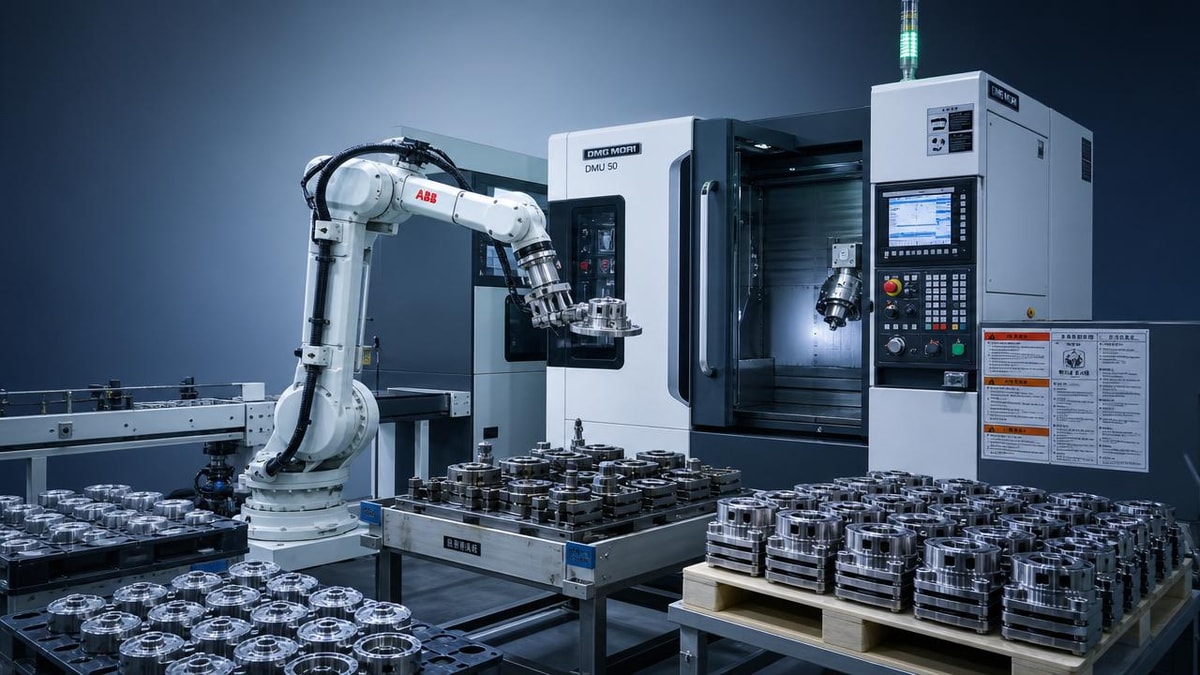
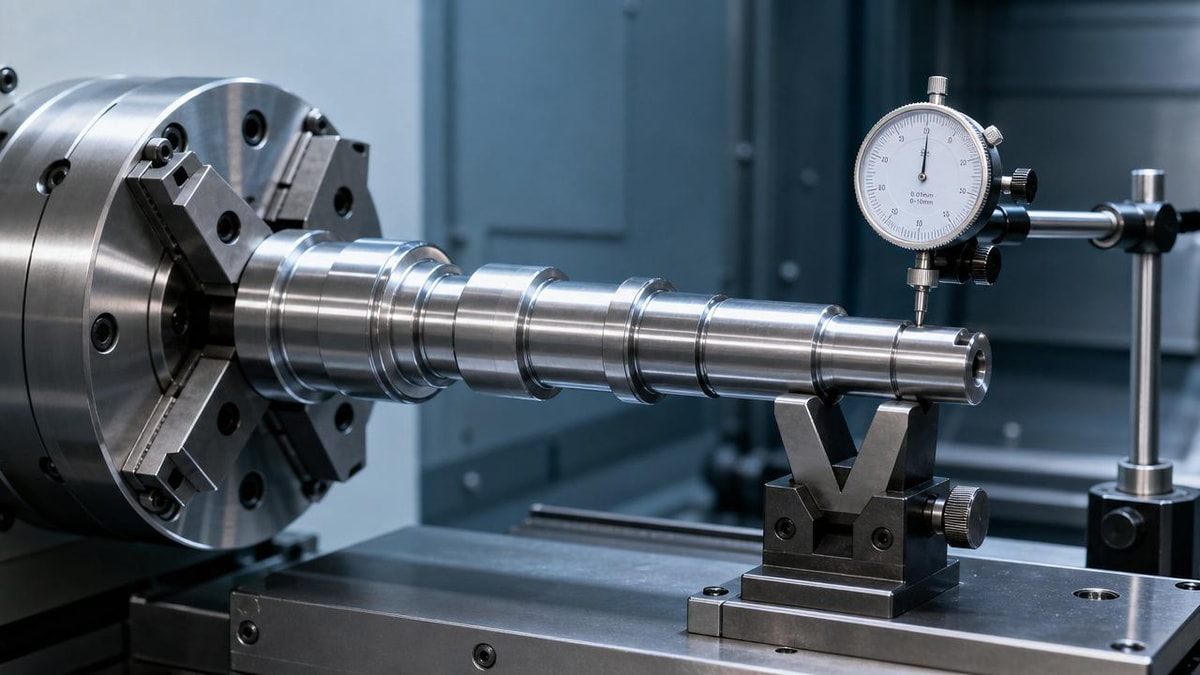

Aris Katos
Future of Carbide Coatings
15+ years in precision manufacturing systems. Specialized in high-speed milling and aerospace grade alloy processing.
▶
Shaft Parts machining problems linked to concentricity lossCNC Machining Technology Center▶
Production Process changes that quietly raise defect ratesCNC Machining Technology Center▶
Metal machining bottlenecks that slow delivery timesCNC Machining Technology Center▶
NMPA Adds 74 External Experts; CNC High-Purity Tubing Standards Align with ISO 15378CNC Machining Technology Center▶
Why Shaft Parts Often Fail Tolerance Checks Late in ProductionCNC Machining Technology Center
Mastering 5-Axis Workholding Strategies
Join our technical panel on Nov 15th to learn about reducing vibrations in thin-wall components.

Providing you with integrated sanding solutions
Before-sales and after-sales services
Comprehensive technical support