• Global CNC market projected to reach $128B by 2028 • New EU trade regulations for precision tooling components • Aerospace deman
NYSE: CNC +1.2%LME: STEEL -0.4%

Smart Factory Automation Solutions That Scale Without Rework
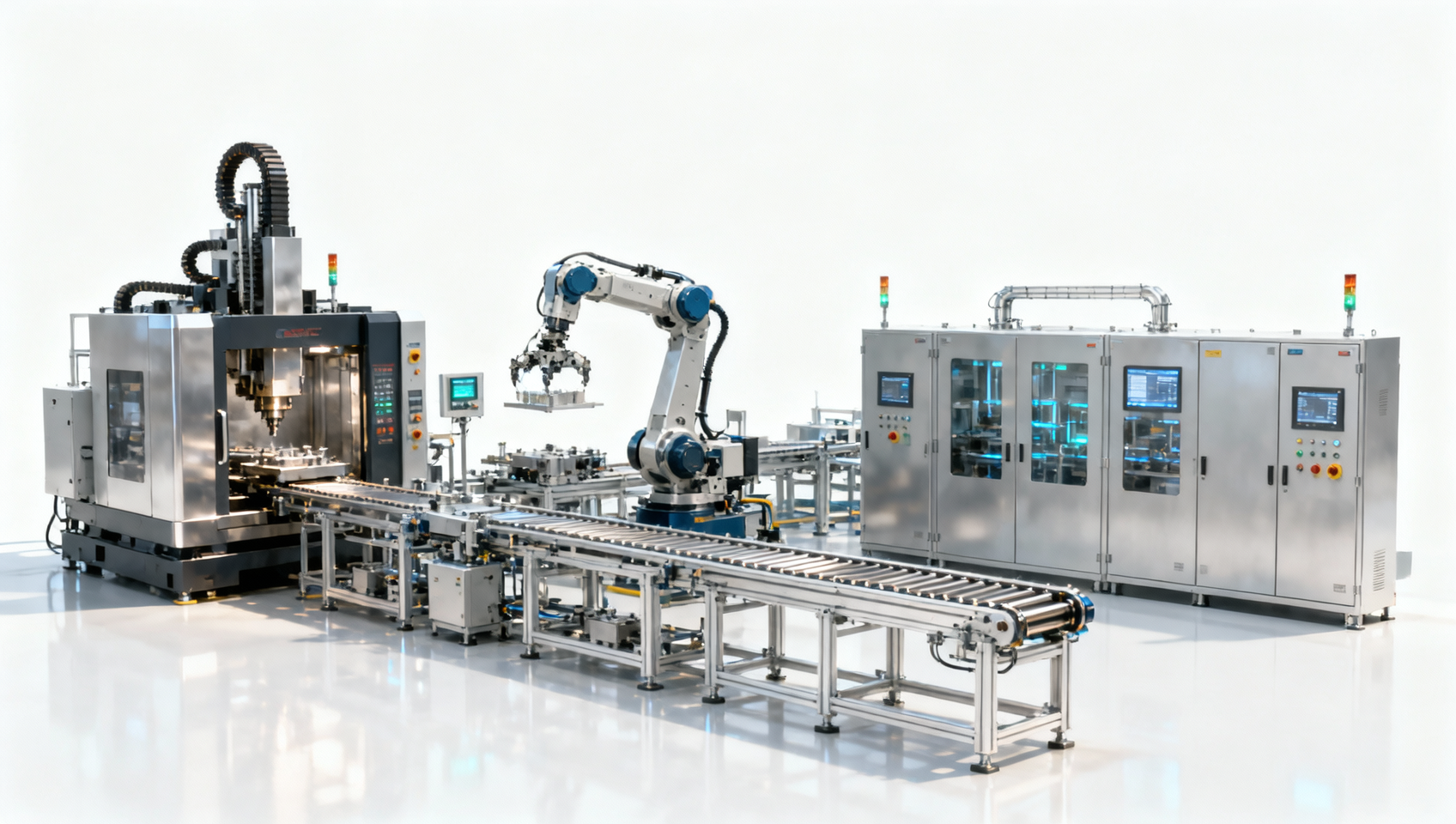
Scaling a smart factory does not have to mean ripping out stable lines, replacing every controller, or retraining the entire plant at once. For most manufacturers, the real goal is simpler: increase capacity, flexibility, and data visibility without creating new bottlenecks or expensive rework. The best Industrial Automation strategy is usually modular, standards-based, and phased. That approach helps operators keep production running, gives procurement teams a clearer path for vendor selection, and enables decision-makers to improve throughput and ROI while reducing implementation risk.
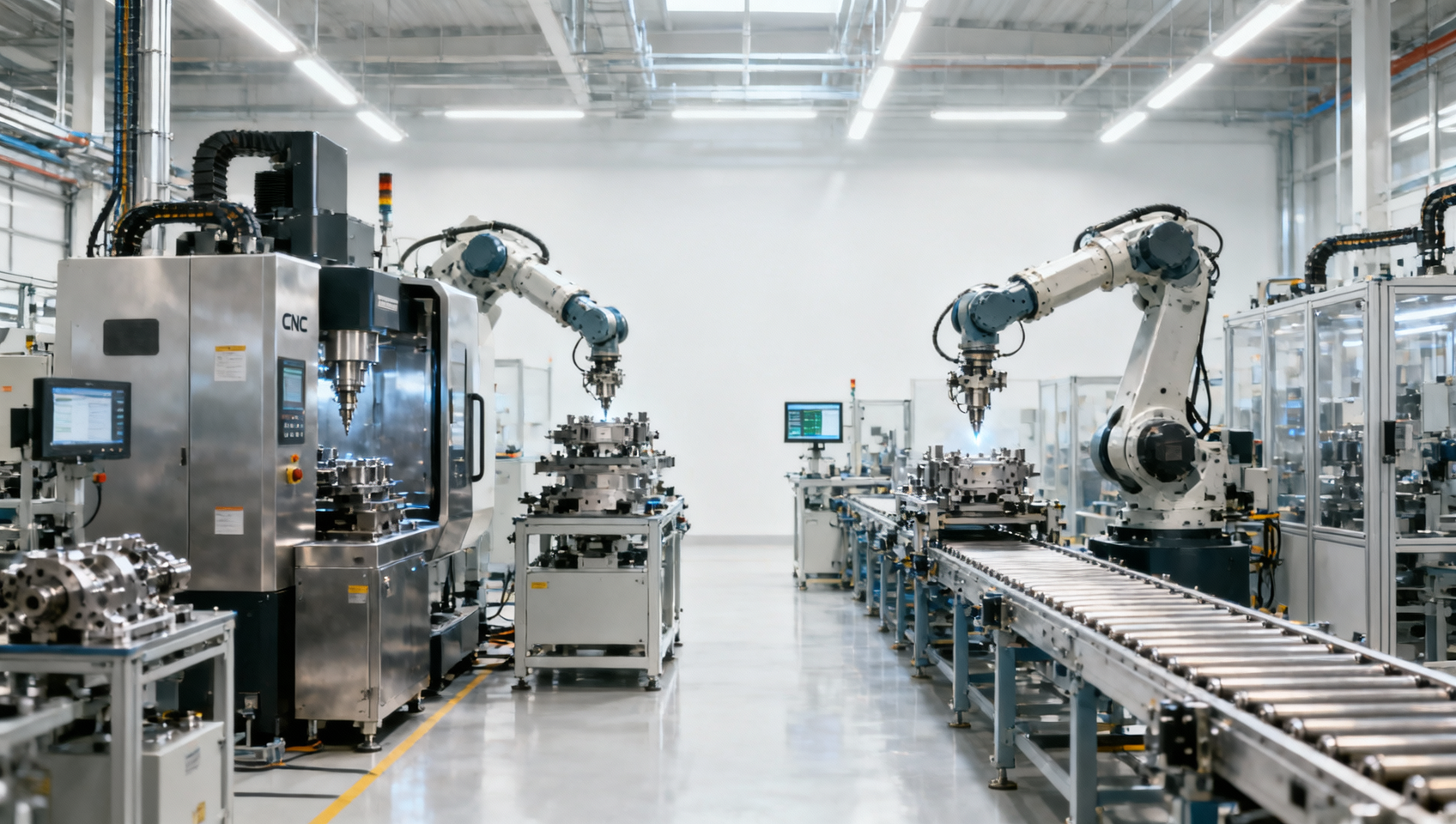
For companies working with CNC machines, machining centers, automated assembly cells, and flexible production systems, scalable smart factory growth depends on one core principle: build on what already works. Instead of redesigning everything, successful factories expand through interoperable controls, digital monitoring, line balancing, machine connectivity, and repeatable automation blocks that can be added over time. This article explains what users are really looking for when they search for scalable smart factory automation solutions, where rework usually comes from, and how to scale an Automated Production Line more efficiently.
What do scalable smart factory automation solutions actually need to solve?
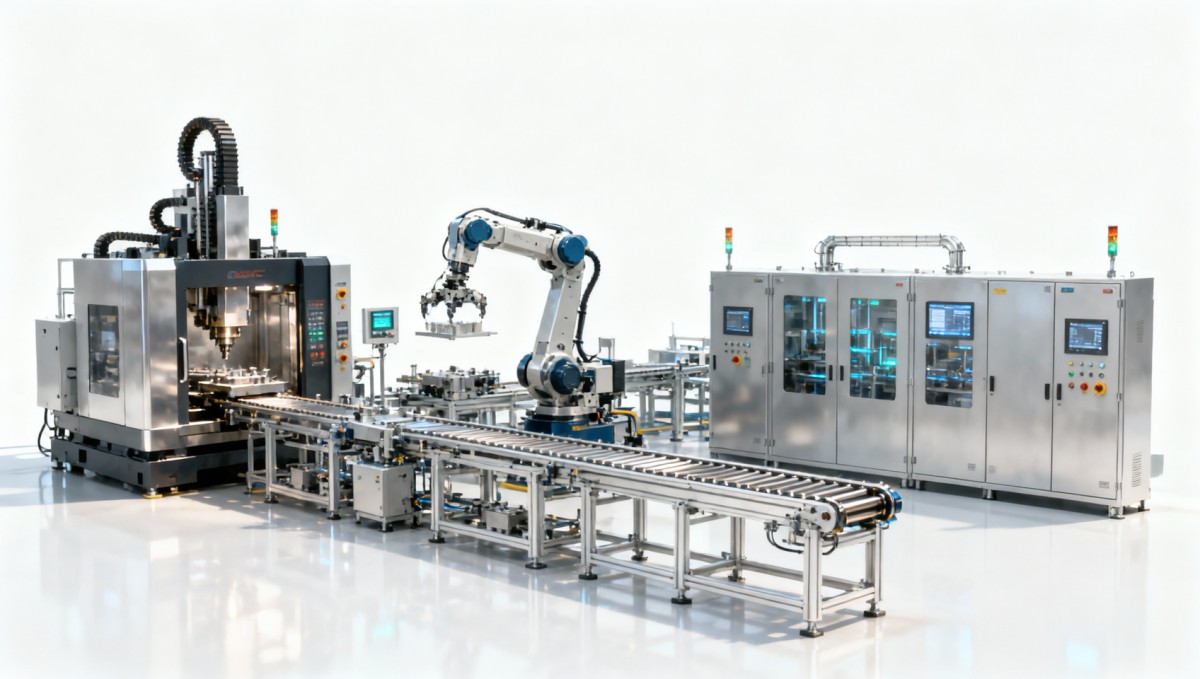
When readers search for “Smart Factory Automation Solutions That Scale Without Rework,” they are usually not looking for abstract smart manufacturing theory. They want to know whether a factory can grow capacity, add product variants, connect CNC equipment, and improve productivity without disrupting proven processes. In practical terms, the core search intent is about scalable implementation: how to expand automation while protecting existing investments.
Different audience groups view this from different angles, but their questions are closely related:
- Information researchers want a clear framework for understanding scalable automation, integration paths, and technology priorities.
- Operators and users care about downtime, usability, maintenance complexity, training needs, and whether new systems will make daily work easier or harder.
- Procurement teams want to compare suppliers, integration compatibility, total cost of ownership, service support, and upgrade flexibility.
- Business decision-makers focus on ROI, implementation risk, production continuity, labor efficiency, product mix flexibility, and future expansion potential.
The most valuable content, therefore, is not a generic list of Industry 4.0 buzzwords. What helps most is practical guidance on architecture, phased deployment, interoperability, risk reduction, and measurable business outcomes. Readers want to understand which solutions are worth investing in now, what can be added later, and how to avoid rebuilding the production system every time requirements change.
Why rework happens when factories scale
Rework in smart factory expansion rarely starts on the shop floor. It usually begins earlier, when automation is designed too narrowly around one product, one process, or one software environment. A line may work well today but become difficult to modify when output volumes increase, new part geometries are introduced, or upstream and downstream systems change.
Common causes of rework include:
- Rigid line design: Equipment is optimized for a fixed production sequence with limited room for new SKUs, process changes, or additional stations.
- Closed or incompatible systems: Machines, robots, MES platforms, sensors, and PLCs cannot communicate effectively, making future integration expensive.
- Manual data islands: CNC machines and inspection equipment generate useful data, but the data is not connected to scheduling, quality, or maintenance systems.
- Underestimating changeover needs: A line built for volume may fail when the business shifts toward mixed-model, high-mix, low-volume production.
- Insufficient process mapping: Automation is added before identifying bottlenecks, takt mismatches, and unstable upstream inputs.
- Expansion without standards: Different vendors, communication protocols, and programming methods create long-term integration headaches.
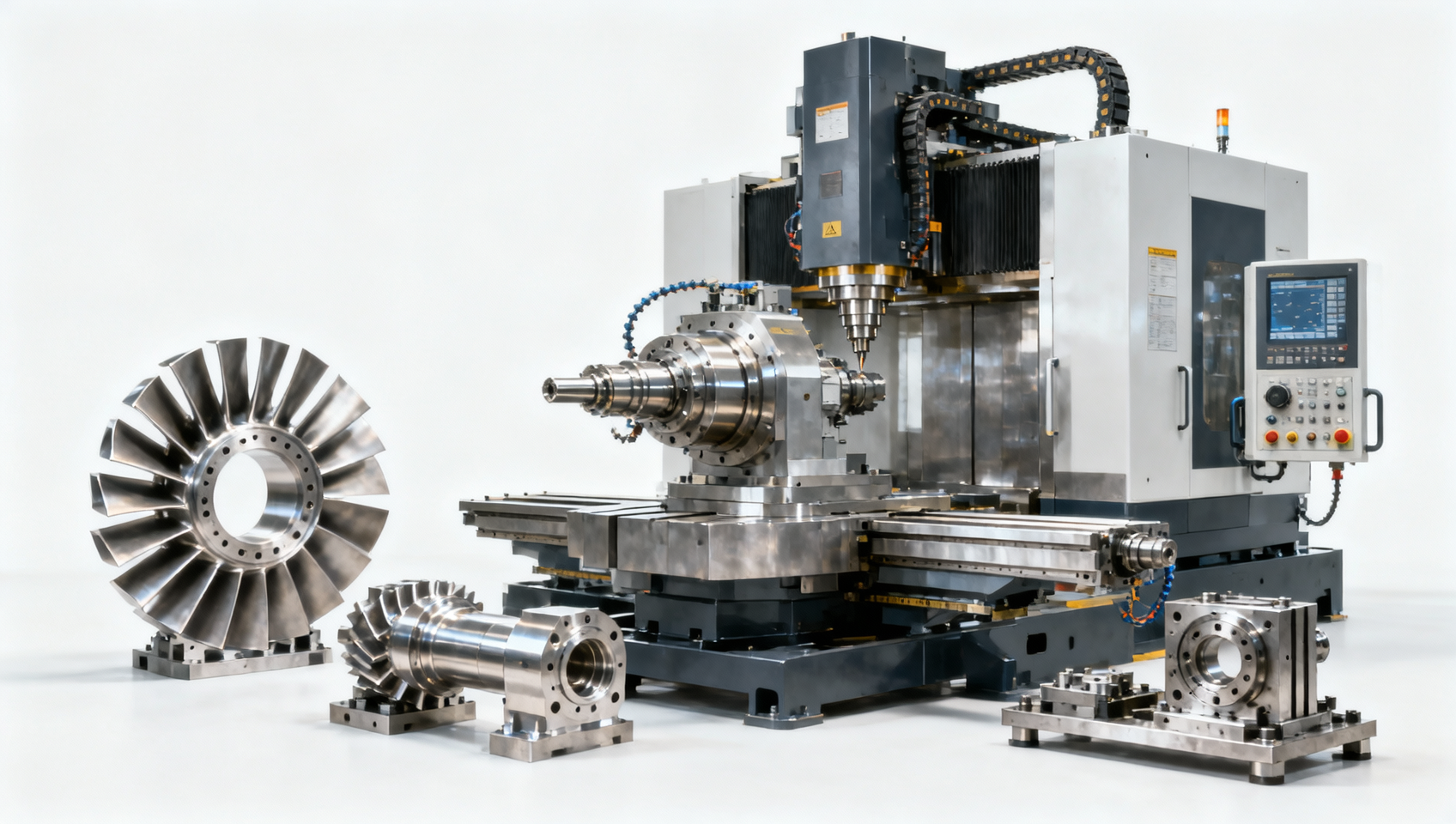
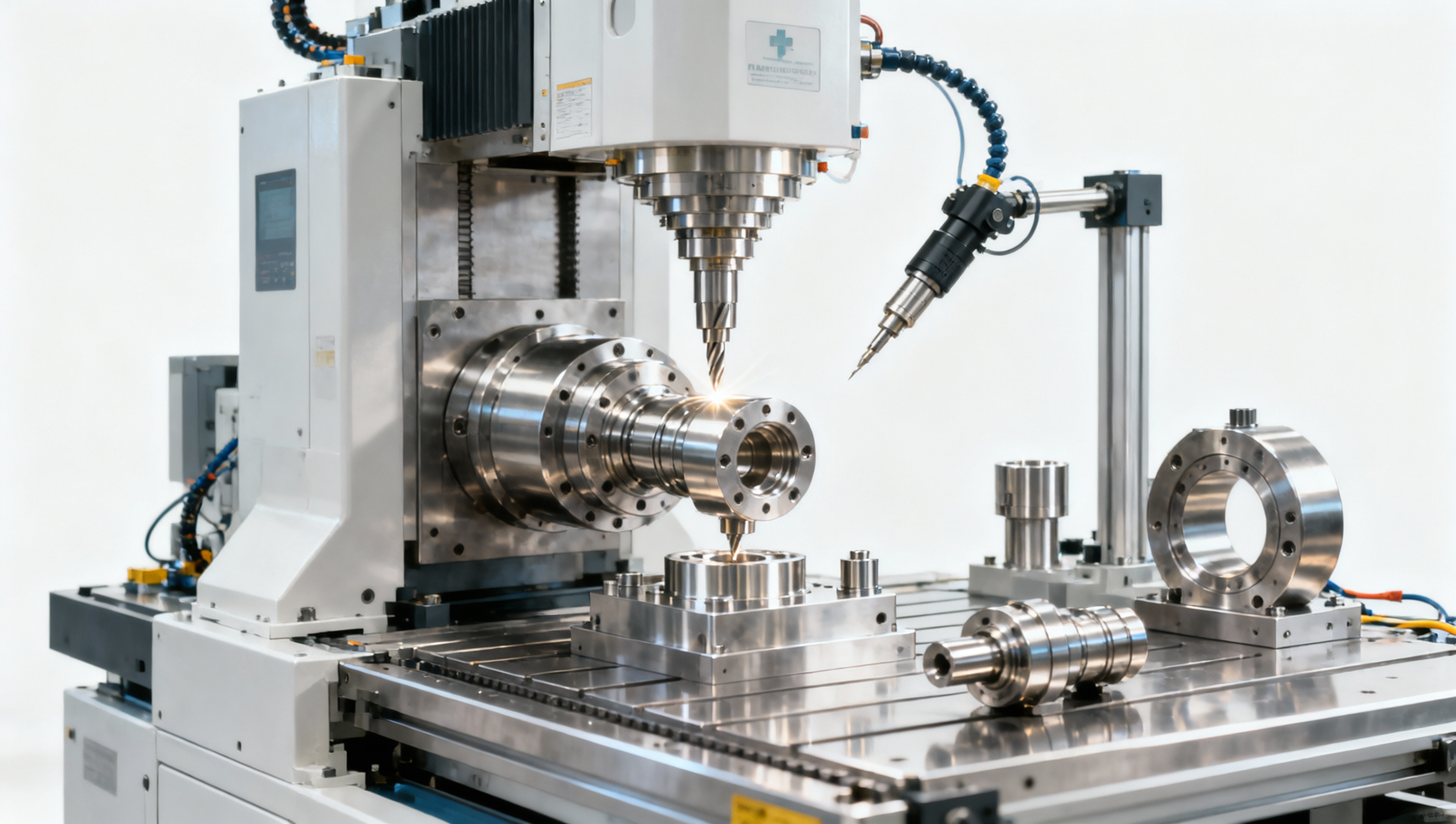
In CNC machining and precision manufacturing, these issues are especially important. A machining center, CNC lathe, multi-axis system, tool management system, robot loader, and in-line inspection unit may all work well independently. But if they are not designed as part of a scalable automation architecture, expanding the production line later can require software rewrites, fixture redesign, extra buffering, or full control system changes.
What a scalable Industrial Automation architecture looks like
A scalable smart factory is usually built in layers rather than as one oversized project. This makes it easier to expand step by step while protecting production continuity.
1. Equipment layer:
This includes CNC machine tools, robots, conveyors, AGVs, inspection devices, assembly units, tool presetters, and sensors. At this level, scalability means selecting machines and peripherals that support open communication, modular add-ons, and flexible fixturing.
2. Control layer:
PLCs, motion controllers, safety systems, HMIs, and machine controllers need consistent standards. If control logic is structured and documented well, adding another cell or process station becomes much easier.
3. Data and connectivity layer:
Protocols and interfaces matter. Whether the factory uses OPC UA, MTConnect, industrial Ethernet, or other industrial communication standards, the key is to avoid isolated islands of machine data. CNC status, spindle utilization, alarm history, tool wear, quality results, and maintenance events should be visible across systems.
4. Execution layer:
MES, SCADA, production scheduling, quality management, and traceability systems should support more than current production needs. The best systems can start small and later handle more machines, more lines, and more part families without full replacement.
5. Business integration layer:
ERP, purchasing, inventory, and customer demand planning should connect to manufacturing execution gradually. This is where decision-makers gain better visibility into cost, throughput, OEE, lead time, and capacity planning.
This layered approach reduces rework because each expansion phase connects to a stable framework. Instead of redesigning the whole Automated Production Line, companies can add machining cells, robotic handling, inspection automation, or digital dashboards as production needs evolve.
How to scale an Automated Production Line without disrupting output
For most factories, the biggest concern is not whether automation works in theory, but whether implementation will interrupt deliveries. A practical scaling strategy focuses on minimizing operational risk.
Start with process bottlenecks, not technology hype. If spindle uptime is low, inspection is slow, tool changes are inconsistent, or material handling causes waiting time, those issues should guide the automation roadmap. Smart factory projects are strongest when tied to a measurable production constraint.
Use modular cells instead of one large monolithic system. A modular cell-based design lets manufacturers add capacity incrementally. For example, a CNC machining cell with robotic loading and in-process gauging can be replicated later without rebuilding the full line.
Standardize interfaces early. Standardized electrical, pneumatic, software, fixture, and communication interfaces reduce future engineering effort. This is one of the most effective ways to avoid rework.
Design for mixed-model production. Many factories need to run multiple part types, smaller batches, or frequent engineering changes. Flexible tooling, quick-change fixtures, configurable robot programs, and recipe-based control logic all improve scalability.
Build a digital baseline before advanced optimization. If a company cannot yet capture reliable machine uptime, scrap rates, cycle times, and alarm data, it is too early to expect AI or advanced analytics to deliver full value. Data visibility should come first.
Expand in phases with defined checkpoints. A pilot cell, followed by line-level integration, followed by plant-wide data visibility, is usually more effective than a full-scale rollout. Each stage should prove technical fit and business value before the next investment.
Where CNC integration creates the most value in smart factory scaling
In the CNC machine tool sector, scalable automation is especially powerful because machining processes already generate high-value operational data and often involve repeatable workflows. The challenge is turning isolated machine assets into connected production systems.
High-impact areas include:
- Machine connectivity: Integrating CNC machines into monitoring systems allows teams to track cycle times, idle time, alarm events, utilization, and tool-related losses.
- Automated loading and unloading: Robots, gantry systems, and pallet systems reduce labor dependency and support longer unattended operation.
- Tool management integration: Linking tool life data, offsets, presets, and replacement schedules reduces scrap and improves machining consistency.
- In-process and post-process inspection: Automated measurement improves quality control and reduces late-stage defect discovery.
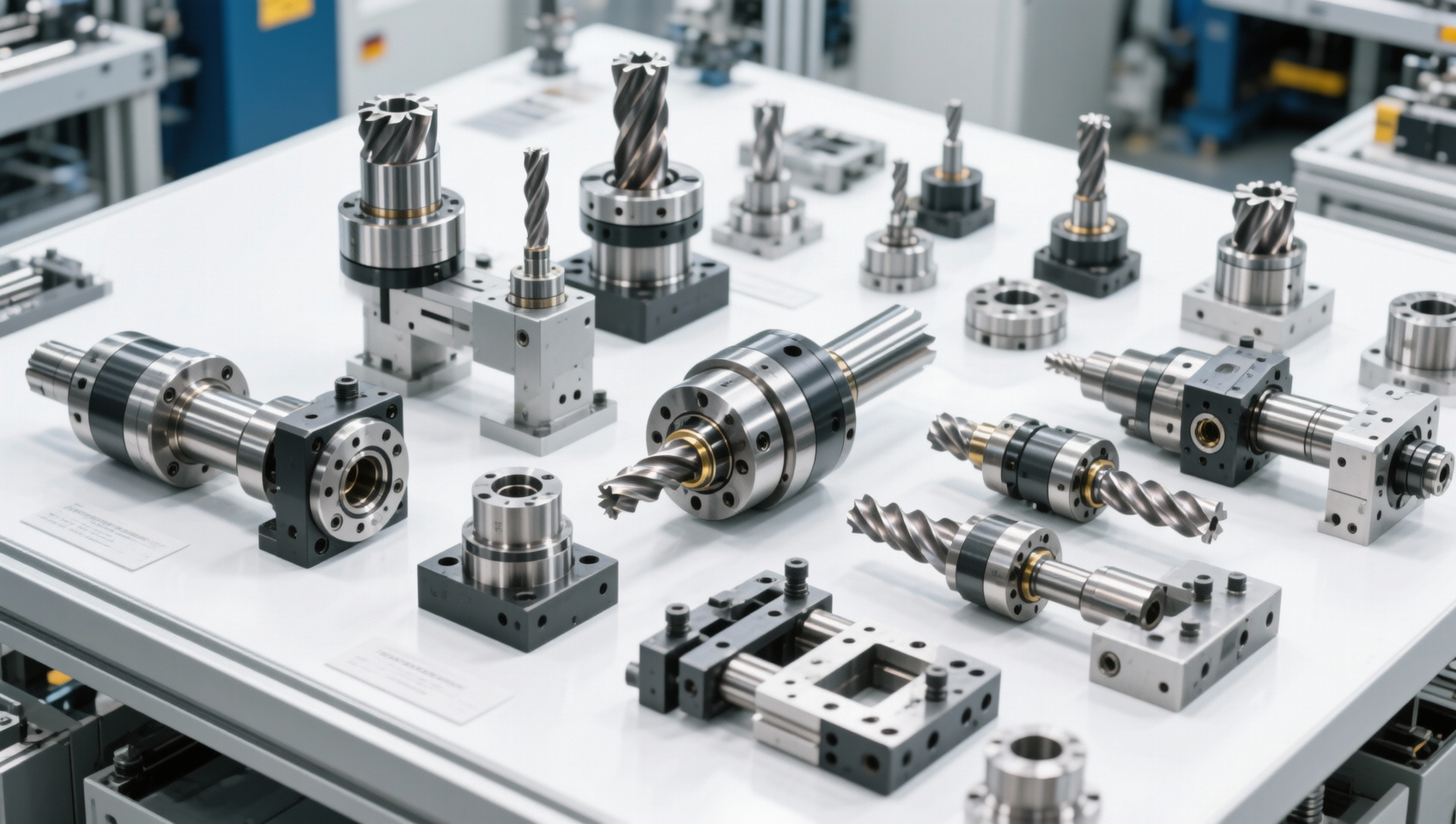
- Flexible fixturing and palletization: These support faster changeovers and make expansion easier when new part types are introduced.
- Production orchestration: Connecting machining centers with MES or scheduling systems improves flow across multiple machines and cells.
For industries such as automotive, aerospace, energy equipment, and electronics manufacturing, the value is not just faster machining. It is the ability to scale precision production with better repeatability, traceability, and labor efficiency.
What buyers and decision-makers should evaluate before investing
Procurement teams and executives often face the same problem: many automation vendors promise scalability, but not all systems scale economically. A strong investment decision requires more than reviewing initial machine specifications.
Key evaluation criteria include:
- Interoperability: Can the solution connect with existing CNC machines, robots, software systems, and future equipment from other vendors?
- Upgrade path: Can the system expand from one cell to multiple lines without replacing its core architecture?
- Total cost of ownership: Include engineering time, integration work, maintenance, software licensing, spare parts, training, and downtime risk.
- Support capability: Does the supplier offer local service, remote diagnostics, training, and long-term parts availability?
- Changeover flexibility: How well does the system handle new parts, batch size changes, fixture updates, and revised process plans?
- Data usefulness: Does the solution provide actionable production intelligence or only basic machine status screens?
- Implementation risk: Can deployment happen in stages, and is there a clear fallback plan if startup issues occur?
For management, the business case should be tied to specific outcomes: higher OEE, shorter lead times, lower labor cost per unit, reduced scrap, better machine utilization, or easier expansion into new product lines. “Smart factory” alone is not a KPI. Scalable performance is.
How operators and plant teams can reduce implementation friction
Even the best smart factory design can fail if plant teams are not prepared for operational change. Operators, technicians, and engineers play a direct role in whether automation scaling succeeds without rework.
Several practical actions make a major difference:
- Document current workflows before changing them. Teams need a clear baseline for setup steps, cycle times, changeovers, maintenance routines, and quality checks.
- Involve operators early. They often know where stoppages, workarounds, and hidden inefficiencies really occur.
- Train by role. Operators, maintenance technicians, programmers, and supervisors need different training paths.
- Standardize troubleshooting. Alarm handling, restart procedures, and preventive maintenance instructions should be simple and repeatable.
- Track early-stage performance daily. During ramp-up, daily monitoring of downtime causes, scrap trends, and cycle stability helps prevent small issues from becoming system-wide rework.
From an execution perspective, the goal is not just automation adoption. It is stable adoption. That means building systems people can run consistently under real production conditions.
A practical roadmap for scaling without rework
Manufacturers that scale successfully usually follow a disciplined sequence rather than chasing every new technology at once.
- Assess the current line: Identify bottlenecks, downtime drivers, data gaps, and expansion constraints.
- Define the target state: Clarify whether the business needs more output, more flexibility, better quality control, lower labor dependence, or improved traceability.
- Prioritize modular improvements: Start with high-impact, low-disruption upgrades such as machine monitoring, robotic tending, tool management, or inspection automation.
- Standardize interfaces and data structures: This creates the foundation for future cells and software integration.
- Pilot and validate: Measure cycle time, uptime, labor impact, defect rates, and serviceability.
- Scale by replication: Once the model works, extend it to similar cells, machines, or product families.
- Continuously optimize: Use production data to improve scheduling, maintenance, energy use, and process consistency.
This approach is especially useful in precision manufacturing environments where production cannot tolerate long interruptions or unstable transitions. By treating smart factory automation as a scalable system rather than a one-time installation, companies can expand more confidently and with less waste.
Conclusion: scale with structure, not with rebuilds
Smart factory growth should increase capability, not complexity. The strongest Smart Factory Automation Solutions are not the ones with the most features on day one, but the ones that let manufacturers expand CNC operations, add automation, and improve visibility without tearing apart proven production assets. For researchers, operators, buyers, and executives alike, the most important test is simple: can this solution grow with the factory while keeping risk, downtime, and rework under control?
In modern manufacturing, scalable Industrial Automation means modular design, open integration, practical data use, and phased execution. When those elements are in place, an Automated Production Line can evolve from isolated machines into a resilient, future-ready production system—without starting over every time the business grows.
PREVIOUS ARTICLE
NEXT ARTICLE
Recommended for You
 What Slows Down an Automation Line in Textile Production?Machine Tool Industry Editorial Team
 High Temperature Alloy Cutting Tools Wear Out for Hidden ReasonsCNC Machining Technology Center
 Automated Production Lines in Auto Manufacturing: Key BottlenecksMachine Tool Industry Editorial Team
 What Makes a 5 Axis Machining Center Fit Aerospace Parts?Machine Tool Industry Editorial Team
 Medical Equipment Machining Centers Need Accuracy Beyond SpecsMachine Tool Industry Editorial Team
 How to Compare CNC Tooling System Suppliers in GermanyGlobal Machine Tool Trade Research Center

Aris Katos
Future of Carbide Coatings
15+ years in precision manufacturing systems. Specialized in high-speed milling and aerospace grade alloy processing.
▶
Smart Factory Automation Solutions That Scale Without ReworkManufacturing Policy Research Center▶
Industrial Automation saves labor, but can raise new costsManufacturing Policy Research Center▶
What makes a CNC metalworking process truly scalable — beyond adding more machinesManufacturing Policy Research Center
Mastering 5-Axis Workholding Strategies
Join our technical panel on Nov 15th to learn about reducing vibrations in thin-wall components.

Providing you with integrated sanding solutions
Before-sales and after-sales services
Comprehensive technical support