• Global CNC market projected to reach $128B by 2028 • New EU trade regulations for precision tooling components • Aerospace deman
NYSE: CNC +1.2%LME: STEEL -0.4%

What Slows Down an Automation Line in Textile Production?
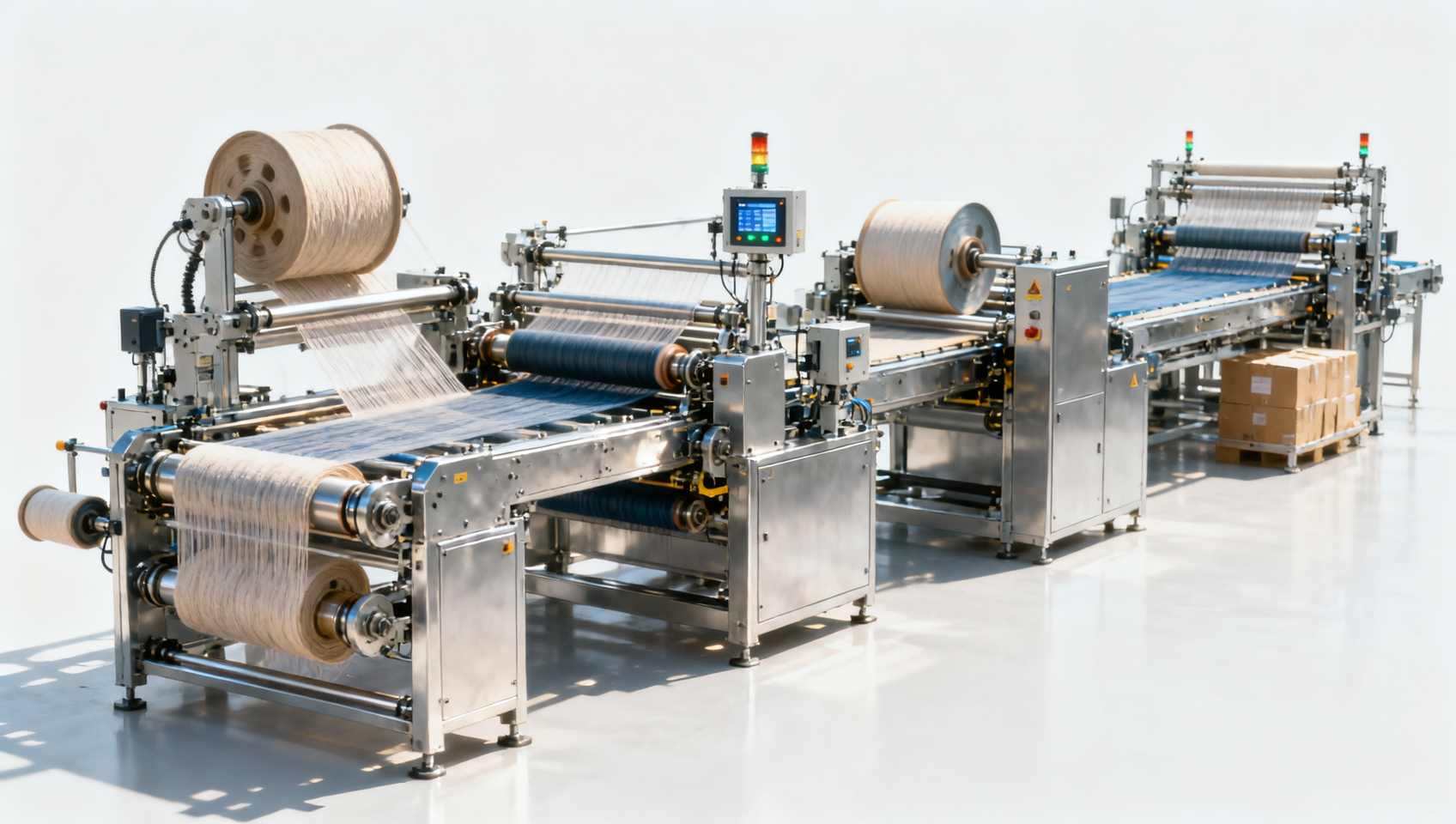
Even the most advanced Automation Line for Textile Industry can lose speed when maintenance gaps, poor process coordination, and weak Industrial Automation integration for production line begin to stack up. From unplanned downtime to material flow issues, understanding these bottlenecks is essential for operators, buyers, and decision-makers seeking a more Eco-friendly Production Process for sustainable manufacturing and higher output.
Where Does a Textile Automation Line Actually Lose Speed?
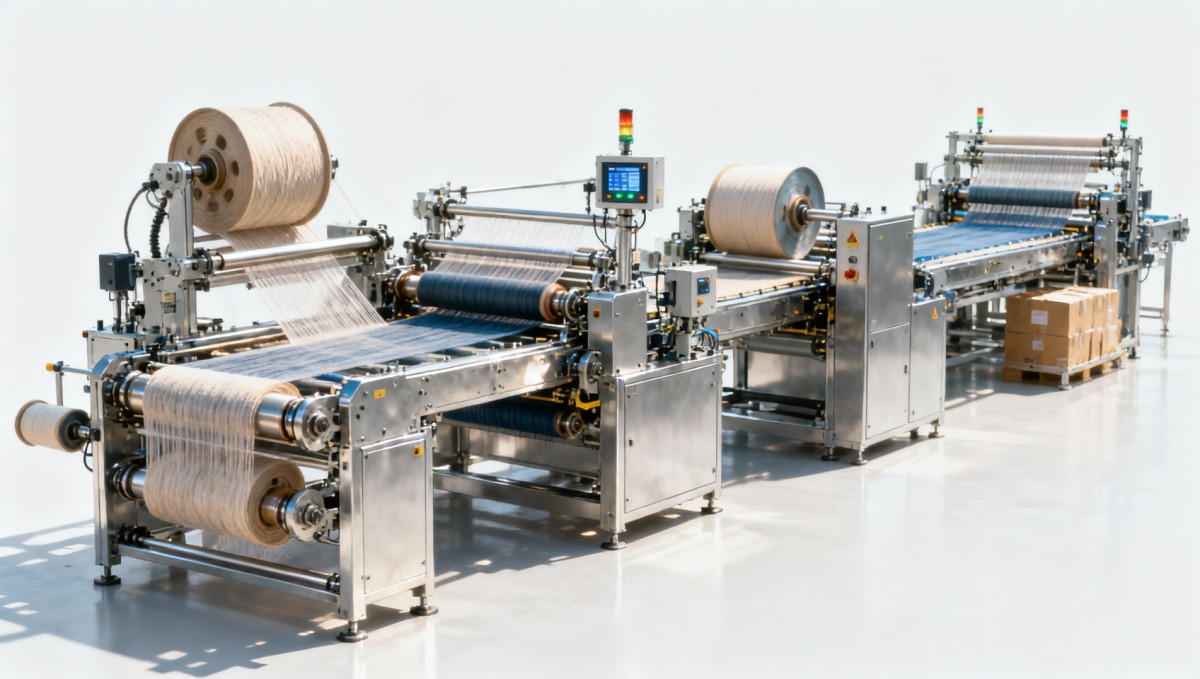
In textile production, line speed rarely drops because of one dramatic failure alone. More often, output declines through a chain of smaller losses: feeder delays, unstable tension control, sensor contamination, poorly synchronized transfer points, and inconsistent operator response. On an Automation Line for Textile Industry, even a 10–30 second interruption repeated across multiple cycles can reduce daily throughput in a noticeable way.
This matters not only to plant operators but also to procurement teams and business leaders. When a production line includes cutting, winding, conveying, inspection, packaging, or robotic handling, the slowest station determines the practical pace of the entire system. That is why Industrial Automation integration for production line must be evaluated as a full process, not as separate machines purchased at different times.
In many modern factories, textile automation also connects with upstream CNC machining, fixture manufacturing, precision parts supply, and control cabinet assembly. A weak mechanical interface, inaccurate guide component, or unstable motion module can affect repeatability over 8-hour, 16-hour, or even 24-hour operating windows. Precision manufacturing discipline therefore has direct value in textile line reliability.
From a decision-making perspective, bottlenecks usually fall into 4 categories: equipment condition, process mismatch, control system limitations, and material handling disruption. Once these are separated clearly, teams can prioritize whether the real need is maintenance optimization, retrofit, line balancing, spare parts improvement, or a broader digital upgrade toward a more Eco-friendly Production Process.
The 4 most common bottleneck zones
- Feeding and unwinding sections, where roll change time, tension fluctuation, or material deviation creates repeated micro-stoppages.
- Transfer and conveying points, where speed mismatch between stations leads to queuing, idle time, or product distortion.
- Inspection and sorting modules, where camera calibration, sensor cleanliness, and rejection logic slow the line more than expected.
- Packing and palletizing ends, where manual intervention still remains and breaks the rhythm of automated flow.
What Technical and Process Factors Slow Down an Automation Line for Textile Industry?
A textile line may appear mechanically sound while still running below target because process parameters are not aligned. Typical trouble starts with tension settings, roller pressure, servo response, cutter timing, or poor communication between PLC, drives, and sensors. In integrated lines, a delay of just 0.2–0.5 seconds in one control loop can create a recurring wait state downstream.
Another key issue is preventive maintenance discipline. Bearings, belts, nozzles, suction paths, guide rails, and encoder surfaces wear gradually. If inspection is done only after visible failure, the line has already lost efficiency. For many textile plants, a weekly visual check, monthly accuracy verification, and quarterly shutdown maintenance provide a more stable rhythm than reactive repair alone.
Material behavior is also a major variable. Different fabrics, yarn structures, coatings, humidity levels, and roll diameters respond differently to speed and tension. A line configured for one production batch may slow down significantly when it switches to lighter or more elastic material. Buyers should therefore ask whether the equipment supports recipe management, batch switching, and adjustable control windows for varied products.
For factories aiming at an Eco-friendly Production Process, unstable lines create extra waste in the form of scrap starts, edge defects, rework, and excess energy use. A stop-start production rhythm is usually less efficient than continuous stable running. In practice, smoother line balance often improves both output and resource utilization without requiring a complete line replacement.
Typical slowdown sources and how they affect output
The table below helps information researchers, operators, and buyers connect specific symptoms with likely causes and practical countermeasures. It is particularly useful when comparing whether the problem comes from machine condition, process setup, or incomplete Industrial Automation integration for production line.
The key lesson is that speed loss is often systemic. A factory that only raises motor speed without fixing sensor logic, transfer balance, and maintenance routines may see more alarms instead of more output. Stable coordination across the full line remains the better path to sustained productivity.
Why precision manufacturing know-how matters
Many textile automation components depend on the same manufacturing strengths seen in CNC and precision machine tool industries: tight-tolerance shafts, stable guide surfaces, accurate fixtures, repeatable motion assemblies, and reliable control integration. When these parts are poorly manufactured, line vibration, positioning drift, and repeat faults become more common over long production runs.
This is why buyers increasingly look beyond headline speed and focus on component quality, subsystem compatibility, and service support. Precision engineering upstream often determines whether a textile line can maintain accuracy shift after shift, especially in high-mix or multi-batch environments.
How Should Buyers and Plant Managers Evaluate Line Bottlenecks Before Upgrading?
A common purchasing mistake is to replace the most visible machine instead of the real bottleneck. Before approving retrofit budgets, decision-makers should review 3 core metrics: effective operating time, changeover time, and defect-related stoppage. These indicators often reveal whether the constraint is capacity, process stability, or coordination between stations.
For procurement teams, the best evaluation starts with a line walk and a structured checklist. Observe at least 1 full production cycle and preferably 2–3 different material runs. Compare nominal speed with actual output per shift. If the line is designed for continuous flow but requires manual correction every 20–60 minutes, the issue is usually deeper than simple operator training.
Plant managers should also ask whether data collection is detailed enough. If alarms are grouped too broadly, teams cannot distinguish between electrical faults, material handling delays, or mechanical wear. Better visibility allows more accurate decisions on whether to add a robot, improve conveying logic, replace worn precision parts, or redesign the sequence for Industrial Automation integration for production line.
In B2B environments with tight delivery commitments, lead time matters as much as technical suitability. A full new line may require several months, while targeted upgrades can often be phased in over 2–6 weeks depending on controls, spare parts availability, and shutdown windows. That is why a bottleneck audit should always include implementation practicality.
A practical procurement checklist
- Map the slowest station and confirm whether it is a process bottleneck or a maintenance-driven symptom.
- Check the ratio between planned speed and actual stable speed over at least one complete shift.
- Review how many manual touchpoints remain in feeding, transfer, inspection, and packing.
- Verify spare parts lead time, controller compatibility, and retrofit interruption risk.
- Assess whether the upgrade supports future digital monitoring and a more Eco-friendly Production Process.
Comparison table for upgrade decisions
The table below compares three common paths used by textile manufacturers when an Automation Line for Textile Industry no longer meets output targets. It can help purchasing teams balance cost, downtime, and long-term control.
For many factories, targeted retrofit delivers the best near-term value. It addresses the real constraint while preserving usable assets. However, if several stations are already outdated and data visibility is weak, continuing to patch the line may cost more over the next 12–24 months than planning a broader modernization.
Questions that should be asked before issuing RFQ
Ask suppliers to define expected operating range, not just maximum speed. Clarify whether the line can run stable across different materials, roll sizes, and shift durations. Confirm acceptance criteria, commissioning scope, and the number of training sessions included. These details reduce the risk of buying a system that performs well only under ideal test conditions.
It is also useful to confirm whether key motion parts, fixtures, and control assemblies are manufactured to consistent industrial standards. In sectors linked to precision manufacturing, the build quality of these parts can directly affect uptime, repeatability, and long-term service cost.
What Implementation Practices Improve Speed, Stability, and an Eco-friendly Production Process?
Improvement does not always begin with capital expenditure. In many textile plants, the first gains come from better implementation discipline: standardizing changeovers, setting parameter windows for each material type, cleaning sensors on schedule, and aligning operators on alarm response. These measures can reduce hidden losses within the first few weeks of structured execution.
The next step is digital visibility. A practical Industrial Automation integration for production line should log stop frequency, stop duration, station-specific alarms, and changeover time. Even a basic dashboard divided into 5–6 event categories is more useful than broad “machine fault” records. Clear data helps management separate urgent repairs from strategic upgrades.
For companies targeting a more Eco-friendly Production Process, stable operation supports measurable savings. Reduced restart scrap, fewer defective batches, smoother motor loading, and better scheduling all contribute to lower resource waste. Sustainable production in textile manufacturing is not only about materials; it also depends on how consistently the line runs across repeated cycles.
Implementation should follow a phased approach. A 3-stage plan is often effective: diagnose the real bottleneck, test corrective action on one section, then scale the upgrade across the line. This reduces disruption and allows teams to verify whether the improvement comes from maintenance, parameter control, or hardware retrofit.
A practical 3-stage improvement path
- Stage 1: Baseline review over 7–14 days, including stop logs, shift comparisons, and material-specific performance records.
- Stage 2: Targeted correction for one bottleneck zone, such as feed stability, control synchronization, or packing automation.
- Stage 3: Validation over multiple batches, followed by staff training, spare parts planning, and standard operating updates.
FAQ: Common questions from operators, buyers, and decision-makers
How do I know whether the slowdown is mechanical or control-related?
If the line loses speed gradually over days or weeks, wear and contamination are common suspects. If speed drops after product changeover or appears as repeat wait states between stations, control logic or synchronization is more likely. Reviewing alarm time stamps and station-level stop patterns over at least 1–2 weeks usually gives a clearer answer.
When is a retrofit better than buying a new line?
A retrofit is often the better choice when the line frame, main drive structure, and core process remain suitable, but one section limits output. Examples include outdated conveyors, weak inspection modules, or manual end-of-line handling. If problems are spread across several stations and controls are no longer scalable, a new line may make more sense.
What should procurement teams focus on besides machine speed?
Focus on stable speed range, material adaptability, spare parts lead time, training scope, and commissioning support. Also check whether the supplier can support precision components, automation integration, and future expansion. In many projects, lifecycle support is more valuable than the highest catalog speed.
Can line optimization support sustainability goals?
Yes. A more stable Automation Line for Textile Industry can reduce scrap, energy fluctuation, and unnecessary rework. When machines run with fewer restarts and better balance, the process becomes more predictable and usually more resource-efficient. That is a practical foundation for an Eco-friendly Production Process without relying on unrealistic claims.
Why Work With Us When Evaluating Textile Automation Bottlenecks?
Our focus on global CNC machining, precision manufacturing, and industrial automation gives buyers and plant teams a broader technical view than a single-equipment discussion. Many textile line problems are tied to component precision, motion reliability, fixture quality, and cross-station integration. These are areas where machine tool and automation expertise can make practical differences.
We can support discussions around bottleneck diagnosis, component suitability, retrofit direction, and supplier comparison for Industrial Automation integration for production line. This is useful for companies that need to balance output targets, delivery schedules, maintenance demands, and budget constraints across complex manufacturing environments.
If you are reviewing an Automation Line for Textile Industry, you can contact us to discuss 6 key items: process parameters, line balancing, upgrade path, typical lead time, spare parts planning, and customization scope. We can also help frame supplier questions around material compatibility, control architecture, and precision component requirements.
For procurement and technical evaluation, you may reach out for parameter confirmation, product selection guidance, delivery cycle discussion, tailored solution planning, general compliance considerations, sample support where applicable, and quotation communication. Clear early-stage assessment usually shortens decision time and reduces the risk of investing in the wrong upgrade path.
PREVIOUS ARTICLE
NEXT ARTICLE
Recommended for You
 What Slows Down an Automation Line in Textile Production?Machine Tool Industry Editorial Team
 High Temperature Alloy Cutting Tools Wear Out for Hidden ReasonsCNC Machining Technology Center
 Automated Production Lines in Auto Manufacturing: Key BottlenecksMachine Tool Industry Editorial Team
 What Makes a 5 Axis Machining Center Fit Aerospace Parts?Machine Tool Industry Editorial Team
 Medical Equipment Machining Centers Need Accuracy Beyond SpecsMachine Tool Industry Editorial Team
 How to Compare CNC Tooling System Suppliers in GermanyGlobal Machine Tool Trade Research Center

Aris Katos
Future of Carbide Coatings
15+ years in precision manufacturing systems. Specialized in high-speed milling and aerospace grade alloy processing.
▶
What Slows Down an Automation Line in Textile Production?Machine Tool Industry Editorial Team▶
Automated Production Lines in Auto Manufacturing: Key BottlenecksMachine Tool Industry Editorial Team▶
Industrial Automation control system for CNC machines: When cybersecurity updates disrupt scheduled maintenanceMachine Tool Industry Editorial Team▶
Automated Production Line troubleshooting: Why intermittent faults resist standard diagnostic treesMachine Tool Industry Editorial Team▶
Automated machine tool: When integrated vision systems introduce new validation headachesMachine Tool Industry Editorial Team
Mastering 5-Axis Workholding Strategies
Join our technical panel on Nov 15th to learn about reducing vibrations in thin-wall components.

Providing you with integrated sanding solutions
Before-sales and after-sales services
Comprehensive technical support