• Global CNC market projected to reach $128B by 2028 • New EU trade regulations for precision tooling components • Aerospace deman
NYSE: CNC +1.2%LME: STEEL -0.4%

Medical Equipment Machining Centers Need Accuracy Beyond Specs
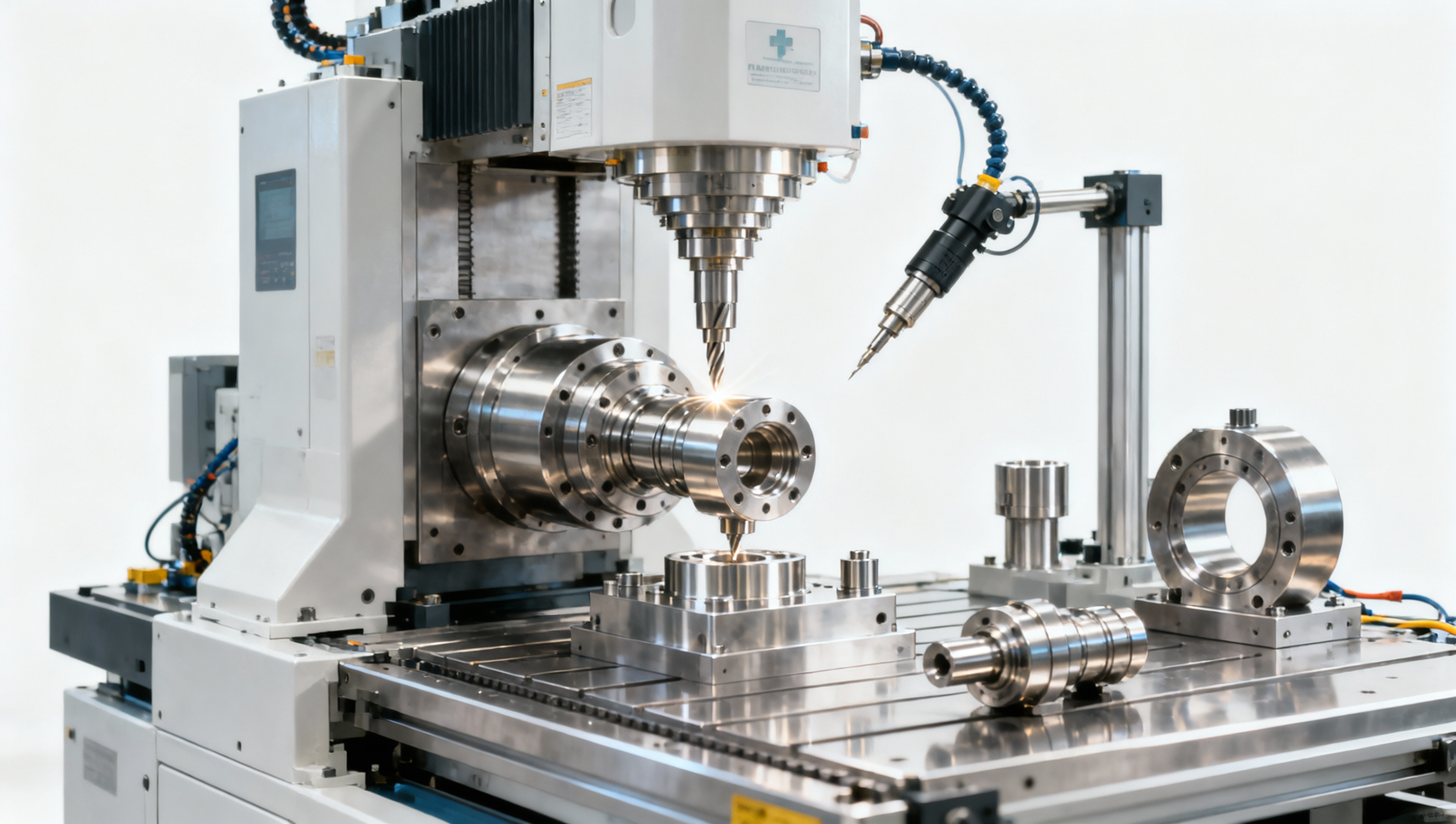
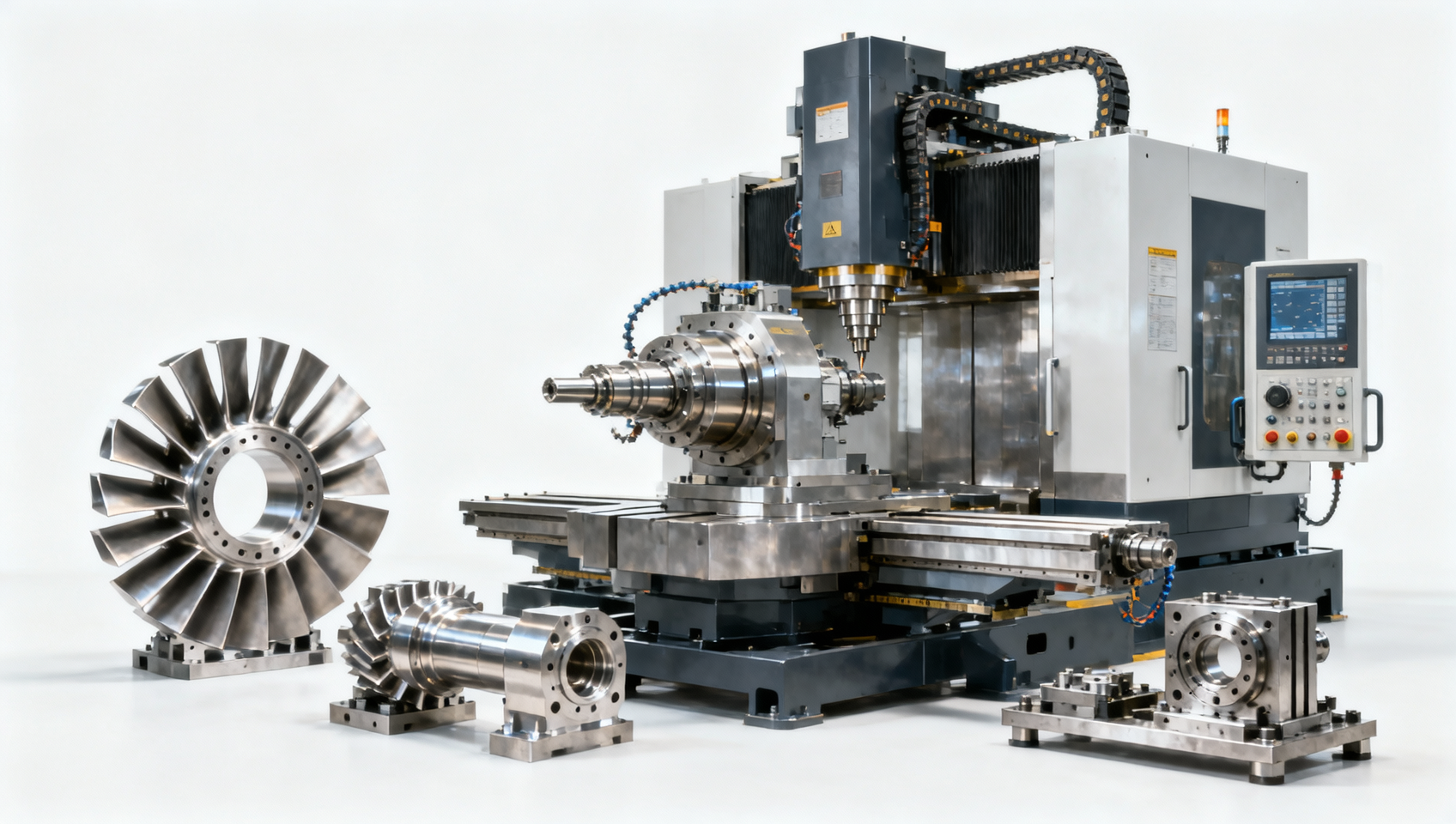
In medical manufacturing, a high-precision machining center cannot be judged by catalog numbers alone. A machine may claim tight positioning accuracy, yet still struggle to hold part consistency across shifts, materials, operators, and production batches. For medical equipment parts, that gap matters. Compliance risk, scrap cost, tool instability, and validation failures often come not from the published specification, but from how the complete process performs in real production. The real benchmark is repeatable accuracy under actual machining conditions for stainless steel, titanium, and other demanding materials.
For buyers, production engineers, operators, and business leaders, the key question is simple: can the machining center deliver stable, validated, long-term performance for medical parts, not just impressive test data? The answer depends on machine structure, thermal stability, tooling strategy, process control, automation integration, and support capability. That is why medical equipment machining centers need accuracy beyond specs.
Why catalog accuracy is not enough in medical manufacturing
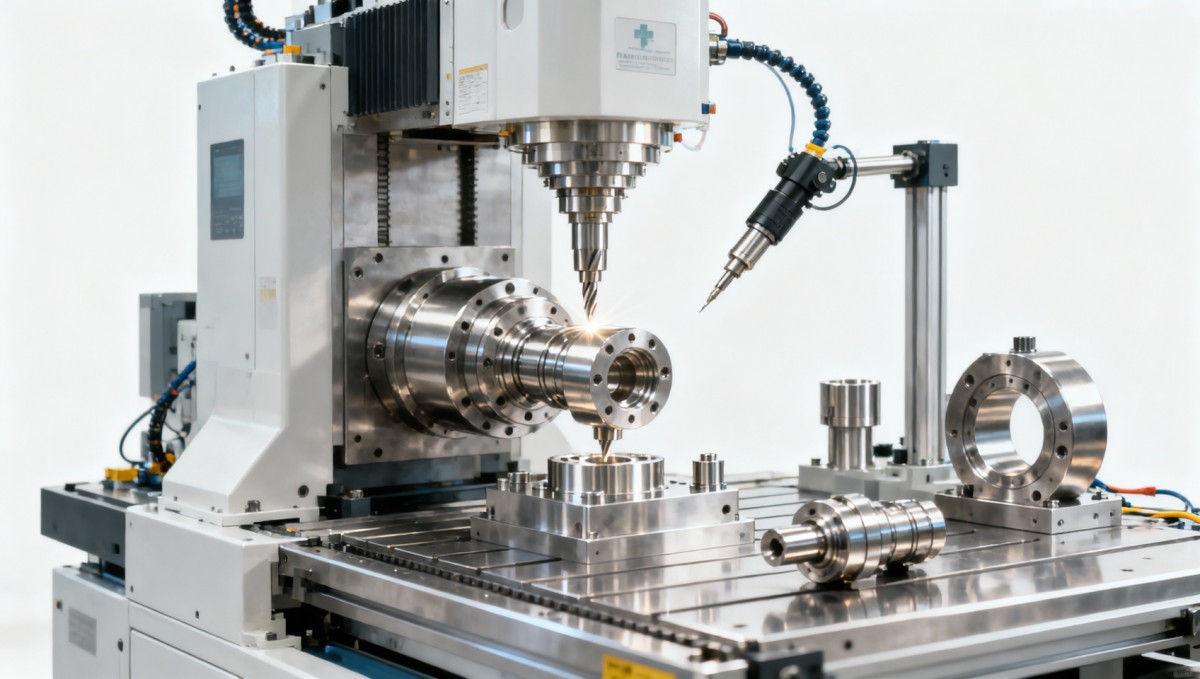
In many industries, quoted machine accuracy is used as a first filter. In medical manufacturing, it is only a starting point. A machining center may show excellent geometric accuracy during acceptance testing, but medical production puts much stricter demands on the full system.
Medical parts often involve complex geometries, thin walls, fine surface requirements, and hard-to-machine materials. Components for surgical instruments, diagnostic devices, orthopedic systems, and implant-related equipment require not only dimensional precision, but also process consistency, traceability, and surface integrity. If the machine performs well on a controlled demo part but drifts under thermal load, high spindle utilization, or long production runs, the published tolerance becomes less meaningful.
What matters more is process-capable accuracy: the ability to maintain dimensional stability, repeatability, and surface quality over time. This includes performance during continuous operation, after tool changes, across multiple fixtures, and under changing shop-floor temperatures. For medical manufacturers, real production accuracy is what protects product quality and audit readiness.
What target users actually need to evaluate before choosing a machining center
Different readers approach this topic from different angles, but their concerns usually converge around a few practical questions.
Information researchers want to understand what separates a standard CNC machine from one suitable for medical equipment manufacturing. They are looking for selection logic, not just technical vocabulary.
Operators and process users care about stable machining, easier setup, reliable tool life, manageable offsets, and fewer surprises during production. They want a machine that behaves predictably on stainless steel and titanium.
Procurement teams need to know how to compare competing suppliers beyond brochure claims. They are concerned with lifecycle cost, service support, validation burden, and long-term production efficiency.
Business decision-makers focus on risk, compliance exposure, capacity utilization, automation compatibility, and return on investment. They need confidence that the equipment will support growth without creating hidden quality problems.
Because of this, the best evaluation is not “Which machine has the smallest quoted micron value?” but “Which machine-tool-process combination gives the best repeatable production result for our medical parts?”
Accuracy beyond specs starts with the actual machining process
A machining center does not create precision by itself. Precision is the result of machine design working together with process engineering. This is especially true in the machining process for stainless steel and titanium, two common material groups in medical manufacturing.
Stainless steel often creates challenges with heat buildup, work hardening, and burr control. Titanium adds low thermal conductivity, strong cutting resistance, and sensitivity to vibration. In both cases, a machine can meet its nominal axis accuracy but still fail to produce stable parts if spindle behavior, rigidity, coolant delivery, or chip evacuation are not optimized.
For this reason, medical manufacturers should evaluate:
- Structural rigidity under cutting load
- Thermal compensation and temperature stability
- Spindle consistency during extended cycles
- Axis response during fine contouring and micro-finishing
- Coolant management for difficult materials
- Chip control in enclosed or high-cleanliness environments
When these factors are weak, the result is often variation between first-piece approval and batch production. That is where “accuracy beyond specs” becomes a decisive requirement rather than a marketing phrase.
Why tooling and fixturing often determine whether precision is sustainable
Even a high-end medical equipment machining center will underperform if the CNC tooling system for titanium machining or stainless steel finishing is not matched correctly. In medical applications, tooling is not a secondary issue. It is a core part of precision control.
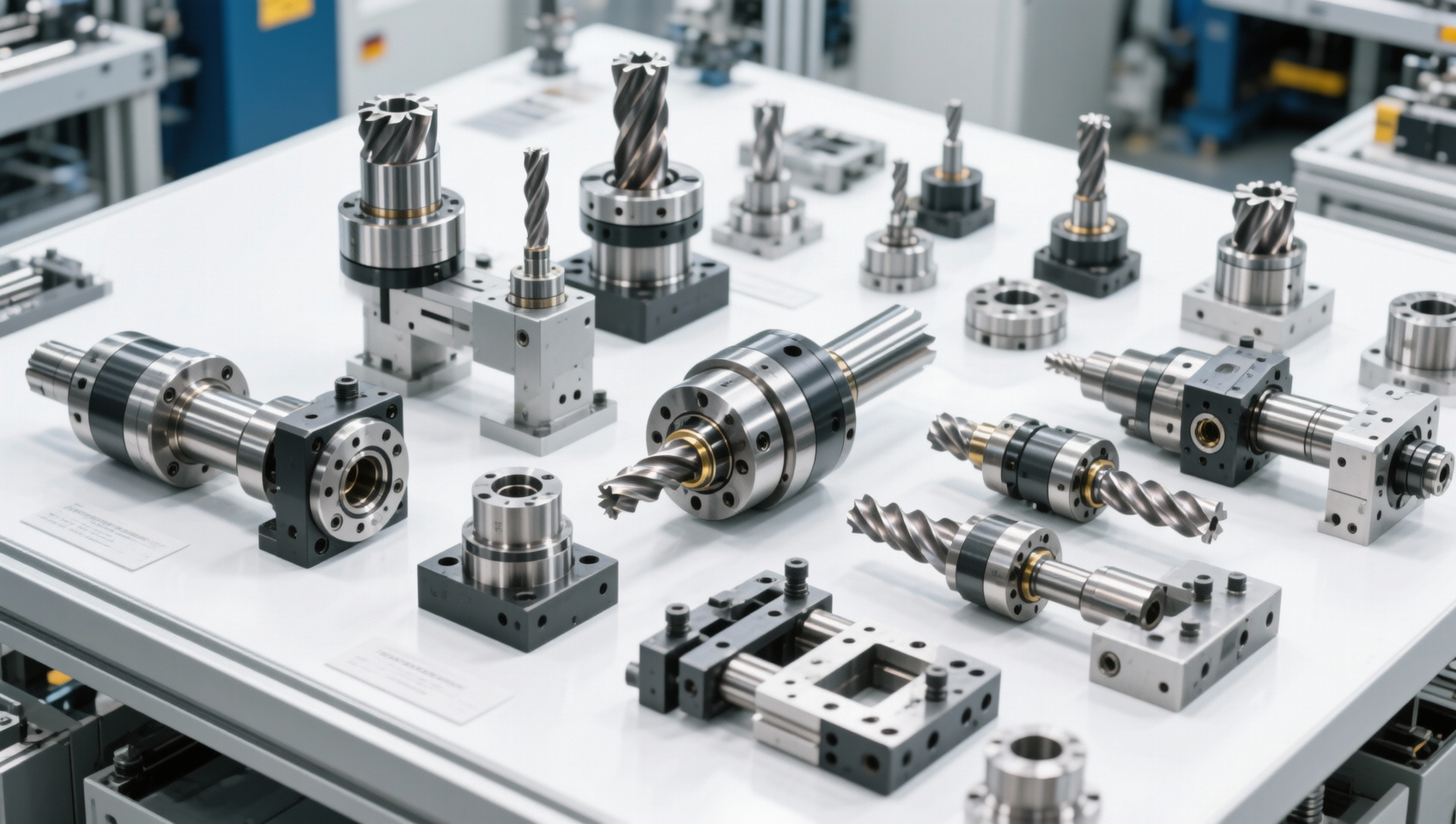
Toolholder balance, runout, clamping force, insert geometry, coating selection, and tool length all influence surface finish, dimensional consistency, and process stability. On titanium parts in particular, poor tooling strategy can cause chatter, rapid wear, heat concentration, and variation in critical dimensions.
Fixturing is equally important. Medical parts are often small, complex, or thin-walled. Improper clamping can distort the part before machining is even complete. As a result, manufacturers should evaluate not only the machine, but also whether the supplier understands integrated process support, including:
- Tooling recommendations by material and feature type
- Fixture strategy for repeatable loading and minimal deformation
- Tool life monitoring and compensation methods
- Setup simplification for operators
- Validation support for repeatable part qualification
This is one reason why experienced medical manufacturers often prefer suppliers who can discuss spindle taper, tool interface, probing, cutting strategy, and fixture compatibility in one conversation.
Repeatability matters more than one-time precision
In medical manufacturing, a single perfect sample part is not enough. What matters is whether part number 1, part number 100, and part number 10,000 all remain within acceptable process limits. That is why repeatability is often more valuable than a spectacular static accuracy claim.
True repeatability depends on a combination of factors:
- Stable thermal behavior over long shifts
- Reliable tool change accuracy
- Consistent probe measurement routines
- Controlled machine vibration
- Low maintenance-related drift
- Operator-friendly setup procedures
For medical device and equipment component production, repeatability also reduces the burden on inspection and rework. If the machine process is stable, quality teams spend less time sorting variation and more time verifying conformance efficiently. That can significantly improve throughput and lower the total cost of compliance.
Industrial automation integration is now part of precision strategy
Many companies think of industrial automation integration for production line efficiency mainly in terms of labor savings. In medical manufacturing, automation also supports precision and consistency.
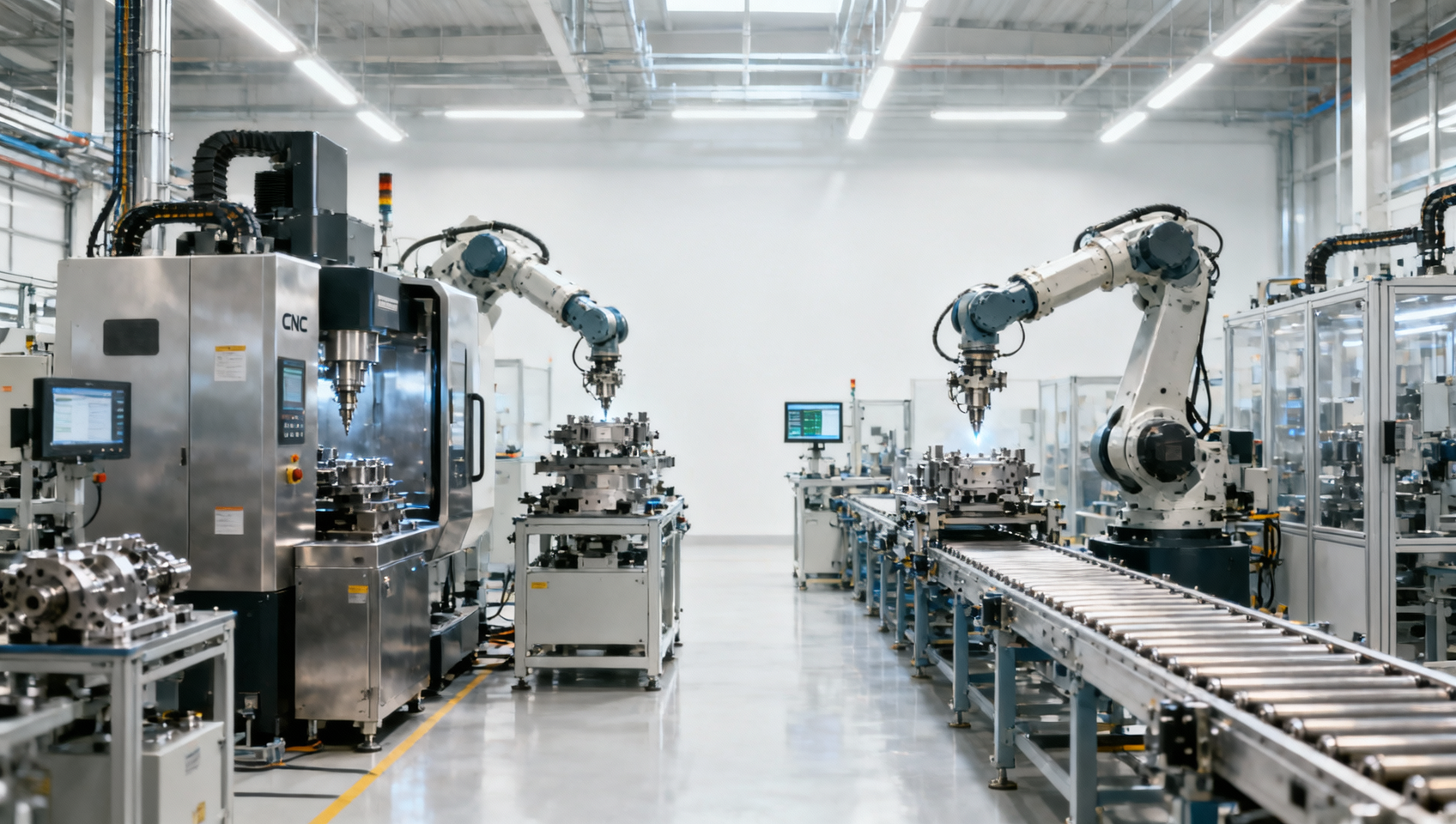
Automated loading systems, pallet management, in-process probing, tool monitoring, and production data collection help reduce the human variability that often affects medical parts. This is especially valuable in medium- to high-mix production where setup discipline and part traceability are critical.
When integrated correctly, automation improves:
- Cycle-to-cycle consistency
- Part traceability and production records
- Tool usage control
- Reduced setup variation across operators
- Utilization of expensive precision equipment
For decision-makers, this means the machining center should be evaluated not as a standalone asset, but as part of a digital and automated production environment. Machines that cannot integrate easily with probing systems, MES platforms, robotic handling, or quality data workflows may create bottlenecks later, even if their basic machining specs look attractive today.
How procurement and management teams should compare suppliers
When comparing suppliers for medical equipment machining centers, the safest approach is to move beyond headline specs and ask production-based questions. This helps reveal whether a supplier truly understands medical manufacturing requirements.
Useful questions include:
- Can the supplier demonstrate capability on medical-grade stainless steel or titanium?
- What data can they provide on long-run repeatability, not just positioning accuracy?
- How do they handle thermal control and compensation?
- What tooling and fixturing support is available?
- How does the machine support validation, probing, and traceability?
- What is the service response capability in the target market?
- How well does the machine integrate with automation and digital production systems?
Procurement teams should also consider total cost of ownership. A cheaper machine with weaker process stability may lead to higher scrap, slower validation, greater operator dependency, and more downtime. In regulated or quality-sensitive production, these hidden costs can quickly outweigh the initial price advantage.
What operators and engineers should look for in daily use
For users on the shop floor, the value of a machining center becomes obvious in daily execution. A machine suited for medical equipment production should make precision easier to maintain, not harder to chase.
Important signs of a practical high-performance machine include:
- Stable warm-up behavior and less dimensional drift
- Reliable probing and offset updates
- Predictable tool wear patterns
- Clean chip evacuation in small-feature machining
- Smooth contouring on complex geometries
- Simple, repeatable setup workflows
These factors reduce operator burden and improve production confidence. In medical applications, that operational predictability is a major advantage because it supports both quality control and scheduling reliability.
Conclusion: the best medical machining center is the one that performs in real production
Medical equipment machining centers need accuracy beyond specs because medical manufacturing is defined by repeatability, compliance, process stability, and long-term production value. Published machine tolerances still matter, but they do not tell the whole story. The true measure of performance is how well the machine holds precision across real materials, real shifts, real operators, and real production volumes.
For researchers, users, buyers, and decision-makers, the smartest evaluation method is to focus on process capability rather than brochure claims alone. A strong machining process for stainless steel, a reliable CNC tooling system for titanium machining, and well-planned industrial automation integration for production line efficiency are what turn nominal machine accuracy into dependable medical manufacturing performance.
In short, if a machining center cannot deliver stable, validated, production-ready accuracy under real medical manufacturing conditions, its specification sheet is not enough. The right investment is the one that protects quality, supports scalability, and keeps precision reliable long after installation.
PREVIOUS ARTICLE
NEXT ARTICLE
Recommended for You
 What Slows Down an Automation Line in Textile Production?Machine Tool Industry Editorial Team
 High Temperature Alloy Cutting Tools Wear Out for Hidden ReasonsCNC Machining Technology Center
 Automated Production Lines in Auto Manufacturing: Key BottlenecksMachine Tool Industry Editorial Team
 What Makes a 5 Axis Machining Center Fit Aerospace Parts?Machine Tool Industry Editorial Team
 Medical Equipment Machining Centers Need Accuracy Beyond SpecsMachine Tool Industry Editorial Team
 How to Compare CNC Tooling System Suppliers in GermanyGlobal Machine Tool Trade Research Center

Aris Katos
Future of Carbide Coatings
15+ years in precision manufacturing systems. Specialized in high-speed milling and aerospace grade alloy processing.
▶
Medical Equipment Machining Centers Need Accuracy Beyond SpecsMachine Tool Industry Editorial Team▶
Is a High-speed Machining Center Worth It for Aluminum Parts?Machine Tool Industry Editorial Team▶
Heavy-duty Machining Center for mold making: Why coolant filtration standards evolve faster than OEM manualsMachine Tool Industry Editorial Team▶
High precision machine tool: Why air-bearing spindles demand more than just clean airMachine Tool Industry Editorial Team▶
Machine tool for automotive industry: Why dynamic rigidity matters more than static specsMachine Tool Industry Editorial Team
Mastering 5-Axis Workholding Strategies
Join our technical panel on Nov 15th to learn about reducing vibrations in thin-wall components.

Providing you with integrated sanding solutions
Before-sales and after-sales services
Comprehensive technical support