• Global CNC market projected to reach $128B by 2028 • New EU trade regulations for precision tooling components • Aerospace deman
NYSE: CNC +1.2%LME: STEEL -0.4%

How to Compare CNC Tooling System Suppliers in Germany
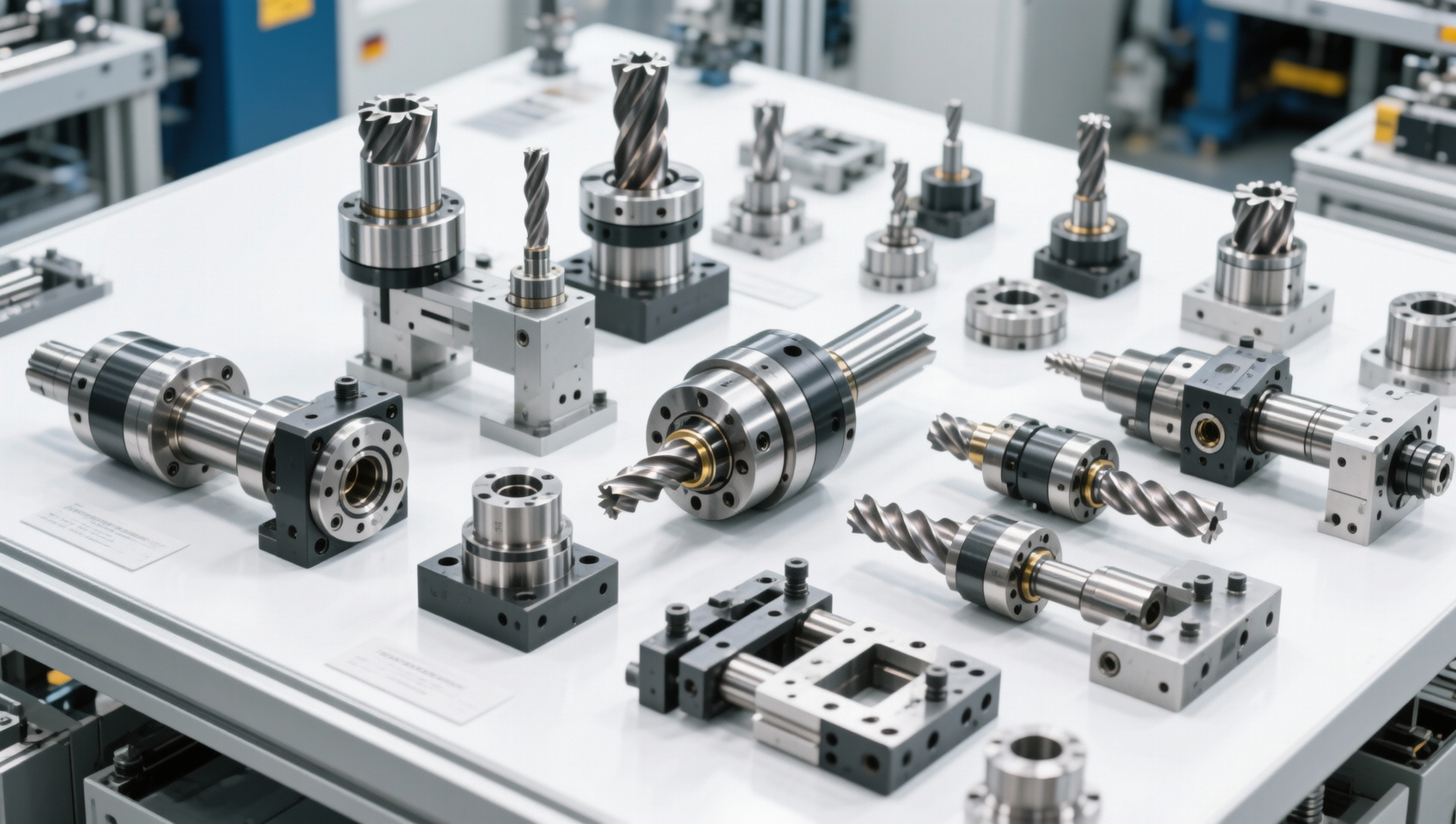
Choosing the right CNC Tooling System supplier in Germany can directly affect machining quality, delivery reliability, and production costs. For buyers, operators, and decision-makers, comparing suppliers requires more than price alone—it means evaluating CNC Tooling System for titanium machining, Custom Fixture Design for CNC milling, and Industrial Automation integration for production line performance. This guide outlines the key factors to help you identify dependable partners in Germany’s advanced manufacturing market.
Why supplier comparison matters in Germany’s CNC tooling market
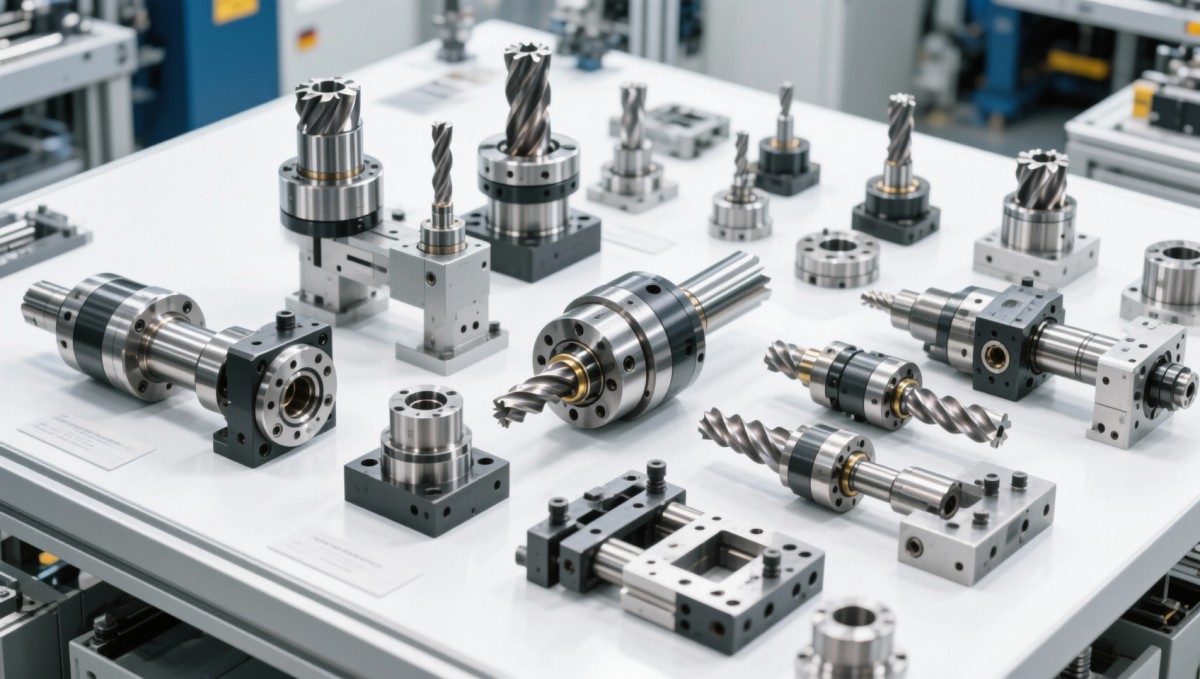
Germany remains one of the most influential manufacturing centers for precision engineering, machine tools, and industrial automation. That creates a strong environment for CNC Tooling System suppliers, but it also means buyers face a crowded market with different strengths in toolholding, fixture engineering, automation compatibility, and after-sales support. A supplier that performs well for general steel machining may not be the right fit for titanium machining or high-mix milling operations.
For procurement teams, the first challenge is separating catalog breadth from real technical capability. Some suppliers can deliver standard holders in 7–15 days but need 4–8 weeks for custom fixtures. Others focus on project engineering, offering spindle interface matching, clamping force analysis, and line integration support. That difference affects machine uptime, commissioning speed, and the total cost of ownership over 12–36 months.
Operators and production engineers often care about issues that purchasing teams initially overlook. These include repeatability, balancing quality at higher spindle speeds, ease of tool change, and chip evacuation around fixtures. If a CNC Tooling System supplier cannot support these practical needs, even a lower unit price can lead to higher scrap risk, longer setup time, and unstable cycle performance.
Decision-makers should also view Germany not only as a sourcing location but as a process benchmark. Many German suppliers are deeply connected to automotive, aerospace, energy equipment, and electronics production. This usually means stronger discipline in drawings, tolerances, process documentation, and communication during pre-sales review. However, buyers still need a structured comparison method instead of relying on reputation alone.
What different stakeholders usually need from a supplier
When comparing CNC Tooling System suppliers in Germany, each stakeholder uses different decision criteria. Research-oriented visitors want a clear market picture. Operators need stable tooling performance. Procurement teams want delivery clarity and commercial transparency. Executives want lower risk and scalable supply. A useful comparison framework should align all four perspectives before a purchase request moves forward.
- Information researchers usually compare supplier specialization, machining application focus, and technical documentation quality.
- Users and operators focus on runout stability, tool life consistency, changeover simplicity, and fixture access in real production.
- Procurement personnel compare lead time ranges, spare part availability, quotation structure, and service response commitments.
- Business decision-makers evaluate supply continuity, customization ability, automation readiness, and long-term cost impact.
In practice, a supplier comparison becomes more accurate when these needs are translated into 5 core dimensions: technical fit, quality assurance, delivery performance, service capability, and commercial predictability. This structure is especially useful when reviewing suppliers for multi-axis machining, titanium machining, or custom fixture design for CNC milling.
Which supplier criteria should you score first?
The most effective way to compare CNC Tooling System suppliers is to use a weighted scorecard instead of informal impressions. In many industrial purchasing processes, 3 stages work well: supplier pre-screening, technical validation, and commercial negotiation. This method reduces the risk of selecting a supplier that looks competitive on price but fails in application support or delivery execution.
Start by checking whether the supplier supports your exact machining environment. A supplier serving general machining may not have enough experience with heat-resistant alloys, complex fixture references, or robotic loading compatibility. For applications such as CNC Tooling System for titanium machining, vibration control, clamping rigidity, and thermal stability deserve early attention, not late-stage correction.
The table below can be used as a practical evaluation tool when comparing suppliers in Germany. It focuses on procurement, technical, and service factors that influence real production outcomes rather than only catalog descriptions.
This comparison table helps buyers move from vague impressions to decision-ready criteria. In many projects, technical fit and customization should carry more weight than unit price, especially when the tooling system influences precision, cycle time, or automation stability. A cheaper holder or fixture can become expensive if it causes setup loss every week.
A practical 5-point screening checklist
Before asking for a final quotation, use a short screening checklist. It is often enough to eliminate unqualified suppliers early and save 2–3 rounds of unnecessary communication.
- Confirm supported machine interfaces, including taper type, pull stud requirement, and speed range.
- Request application references for similar materials such as stainless steel, hardened steel, or titanium.
- Check whether the supplier can handle custom fixture review within a defined engineering timeline.
- Ask for standard and expedited delivery ranges for both standard and customized items.
- Review after-sales coverage, including troubleshooting, replacement policy, and spare component support.
A supplier that answers these points clearly is usually easier to work with during qualification and mass production. If answers stay general or incomplete, that is often an early warning sign.
How to compare technical performance for tooling, fixtures, and automation integration
Technical comparison should go beyond product categories and focus on process behavior. In a CNC Tooling System, the combined effect of toolholder accuracy, clamping force, rigidity, balance quality, and fixture interface determines whether the machine can run consistently across low-volume trials and medium-to-high production. For lines connected to Industrial Automation, repeatable loading and secure positioning become even more critical.
For titanium machining, suppliers should be able to discuss stability under lower thermal conductivity conditions, not only general cutting performance. Titanium often requires careful control of vibration, heat concentration, and tool engagement. If the supplier cannot explain suitable holder style, projection length management, or fixture rigidity, the technical discussion may be too shallow for demanding applications.
Custom Fixture Design for CNC milling needs a similarly detailed review. The supplier should be ready to discuss locating strategy, clamping direction, deformation control, chip escape, and probing access. In many projects, a fixture that looks acceptable on paper fails after 50–200 cycles because loading consistency or workpiece support was not fully considered.
The following table compares common technical points that should be reviewed when evaluating German suppliers for tooling systems, custom fixtures, and automation-ready production cells.
A detailed technical review helps distinguish suppliers that simply sell components from suppliers that support machining results. In Germany’s advanced manufacturing environment, this distinction matters because tooling systems often interact with multi-axis machines, automated handling, and demanding material requirements at the same time.
Questions to ask during technical review meetings
For titanium machining projects
Ask how the supplier addresses vibration control, rigidity, and heat concentration. Good answers should mention holder selection, overhang reduction, fixture stability, and process support rather than broad claims. If the discussion never moves beyond basic product naming, the supplier may not be suitable for critical aerospace or energy components.
For custom CNC milling fixtures
Ask for the design review workflow. A capable supplier usually defines 3–4 steps: drawing confirmation, application review, design release, and trial validation. This is more useful than selecting a supplier purely because they advertise customization.
For Industrial Automation integration
Ask whether the supplier can support robot access, quick-change arrangements, sensor clearance, and maintenance intervals. In automated production lines, a fixture or holder that is difficult to clean or replace can create recurring stoppages every shift.
What commercial, compliance, and delivery factors should buyers not overlook?
Commercial comparison is often where mistakes happen. Buyers may focus on quoted price per holder or fixture while underestimating lead time, engineering revision cost, packaging standards, or spare part commitments. In B2B sourcing, the useful comparison is total project impact, not just the first purchase line. For example, a lower-cost supplier may require more installation support, longer debugging time, or more frequent replacement cycles.
Lead time clarity is especially important in Germany’s manufacturing environment, where projects can include pilot runs, first article validation, and phased ramp-up. Standard items may ship in 7–15 days, but custom tooling or fixture projects often need 3–8 weeks depending on design complexity and confirmation speed. Buyers should ask for separate timing for quotation, drawing approval, production, inspection, and dispatch.
Compliance should also be reviewed in practical terms. Even when no specific certification is required, suppliers should be able to provide material traceability where relevant, dimensional inspection records where agreed, and clear documentation for exported industrial components. In applications linked to aerospace, automotive, or regulated energy projects, documentation discipline can be as important as the component itself.
The commercial checklist below helps compare quotation quality and delivery reliability across multiple CNC Tooling System suppliers in Germany.
A detailed quotation often signals a more mature supplier process. If the quotation omits engineering scope, documentation output, or revision boundaries, the buyer may face disputes later. Clear commercial communication is not a formality; it is part of supplier reliability.
Common sourcing mistakes in supplier comparison
- Comparing standard tooling prices without checking whether the supplier can support custom fixture design or automation interfaces when the project expands.
- Accepting a short delivery promise without asking for milestone detail, especially for non-standard parts that require drawing approval and inspection.
- Assuming every German supplier has the same technical depth across automotive, aerospace, and electronics machining applications.
- Ignoring operator feedback about setup complexity, access, cleaning, or replacement time because the procurement review focused only on the purchase order.
These mistakes are avoidable when technical, commercial, and shop-floor requirements are reviewed together. The best supplier for one plant or product family may not be the best choice for another process.
FAQ: key questions before selecting a CNC Tooling System supplier
How many suppliers should I compare in Germany?
For most industrial sourcing projects, comparing 3–5 qualified suppliers is usually enough. Fewer than 3 may limit benchmarking, while more than 5 can slow review without improving decision quality. The key is to shortlist suppliers that match your application, such as titanium machining, custom milling fixtures, or Industrial Automation integration, rather than collecting too many generic quotations.
What is a reasonable delivery expectation for standard and custom items?
Standard holders or accessories may be available in roughly 7–15 days if stocked. Custom Fixture Design for CNC milling often takes 3–8 weeks depending on drawing complexity, revision rounds, and production scheduling. Always ask for milestone timing instead of only the final shipment date.
What should operators check before approving a tooling system?
Operators should review accessibility, changeover effort, clamping stability, chip evacuation, cleaning convenience, and repeatability over repeated cycles. A tooling system that saves 10–15 minutes per setup can have a meaningful impact over a month of frequent part changes, especially in high-mix production.
When does automation compatibility become a selection priority?
Automation compatibility becomes a priority when the production line uses robot loading, pallet handling, or unattended operation windows. In these cases, fixture repeatability, grip access, sensor space, and maintenance intervals should be reviewed early. Waiting until installation often creates redesign costs and commissioning delays.
Why choose us when comparing CNC Tooling System suppliers?
We focus on the global CNC machining and precision manufacturing industry, with attention to the realities of toolholding, fixture engineering, and automated production environments. That means we do not approach supplier comparison as a simple catalog exercise. We help you examine application fit, technical risk, lead time structure, and commercial clarity in a way that supports informed B2B decisions.
If you are evaluating CNC Tooling System suppliers in Germany, we can support your research and sourcing process with targeted guidance. This includes parameter confirmation for spindle interfaces and machining materials, comparison of Custom Fixture Design for CNC milling options, and review of Industrial Automation compatibility for production line projects. We can also help structure supplier questions before you request quotations.
For procurement teams and decision-makers, we can help you review typical lead-time bands, compare proposal completeness, and identify where a lower initial price may create higher operating cost later. For engineers and operators, we can help narrow the comparison based on setup logic, rigidity, access, and production repeatability across trial and batch stages.
Contact us if you want support with supplier shortlisting, technical requirement definition, custom solution review, delivery cycle discussion, documentation expectations, sample support, or quotation communication. A structured comparison now can reduce procurement risk, shorten validation time, and improve long-term machining performance.
NEXT ARTICLE
Recommended for You
 What Slows Down an Automation Line in Textile Production?Machine Tool Industry Editorial Team
 High Temperature Alloy Cutting Tools Wear Out for Hidden ReasonsCNC Machining Technology Center
 Automated Production Lines in Auto Manufacturing: Key BottlenecksMachine Tool Industry Editorial Team
 What Makes a 5 Axis Machining Center Fit Aerospace Parts?Machine Tool Industry Editorial Team
 Medical Equipment Machining Centers Need Accuracy Beyond SpecsMachine Tool Industry Editorial Team
 How to Compare CNC Tooling System Suppliers in GermanyGlobal Machine Tool Trade Research Center

Aris Katos
Future of Carbide Coatings
15+ years in precision manufacturing systems. Specialized in high-speed milling and aerospace grade alloy processing.
▶
How to Compare CNC Tooling System Suppliers in GermanyGlobal Machine Tool Trade Research Center▶
CNC manufacturing exporter: What customs documentation pitfalls delay first shipments?Global Machine Tool Trade Research Center▶
Machine Tool Market Recovery Depends on More Than ExportsGlobal Machine Tool Trade Research Center▶
Why automated lathe exports face stricter compliance checksGlobal Machine Tool Trade Research Center▶
What’s really behind the 2026 surge in automated lathe exports from GermanyGlobal Machine Tool Trade Research Center
Mastering 5-Axis Workholding Strategies
Join our technical panel on Nov 15th to learn about reducing vibrations in thin-wall components.

Providing you with integrated sanding solutions
Before-sales and after-sales services
Comprehensive technical support