• Global CNC market projected to reach $128B by 2028 • New EU trade regulations for precision tooling components • Aerospace deman
NYSE: CNC +1.2%LME: STEEL -0.4%

High Temperature Alloy Cutting Tools Wear Out for Hidden Reasons
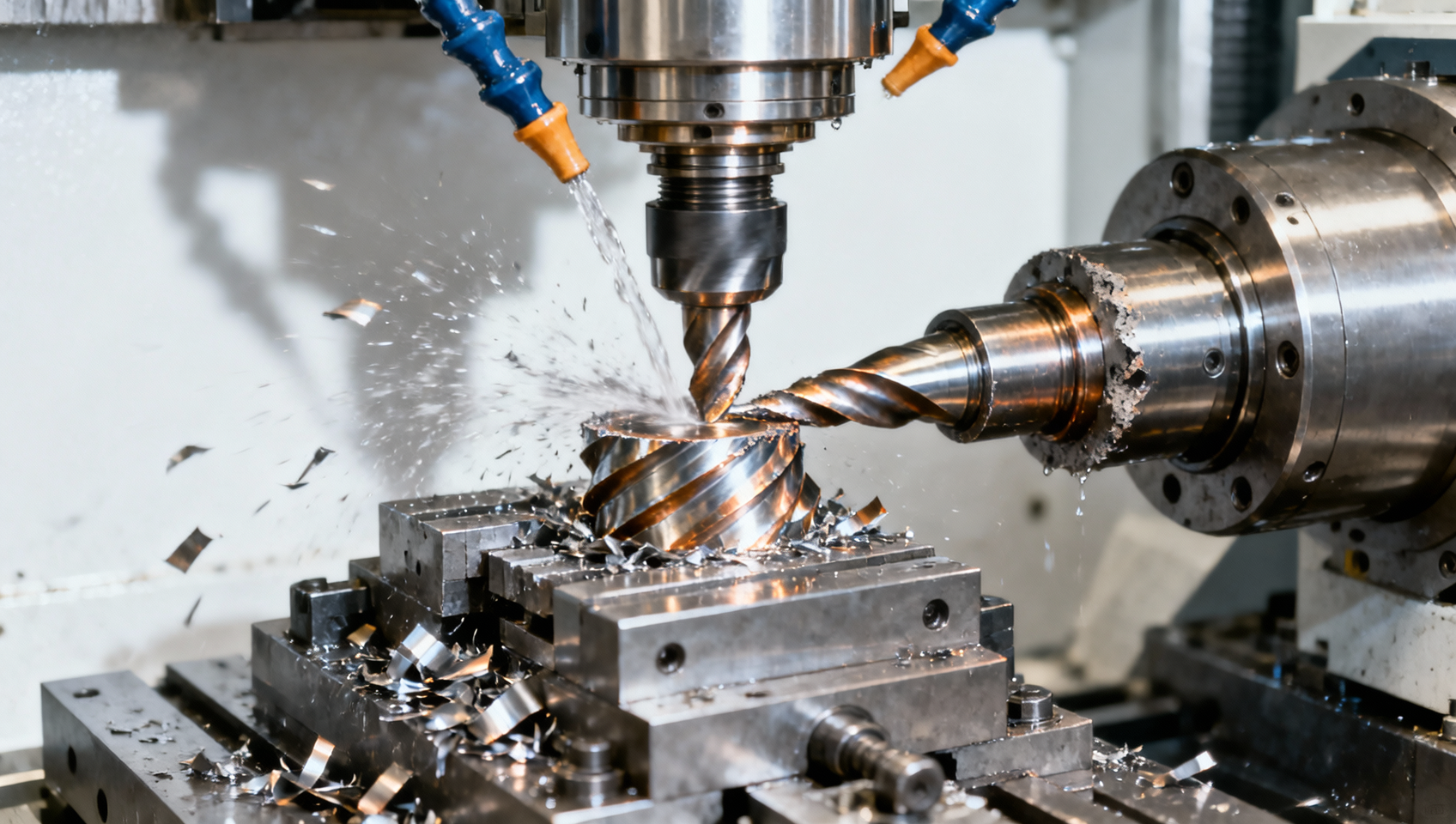
Why do cutting tools for high temperature alloys fail faster than expected, even in advanced CNC environments? In most cases, the root cause is not simply “too much heat.” Premature wear usually comes from a combination of hidden factors: unstable tool geometry, mismatched coating, poor coolant delivery, incorrect chip control, machine-tool rigidity, and an unoptimized machining process for stainless steel or titanium. For operators, buyers, engineers, and manufacturing managers, the practical takeaway is clear: if tool life is inconsistent, the problem is often systemic rather than material-related alone.
Understanding these hidden wear mechanisms helps teams reduce scrap, protect surface quality, improve cycle-time stability, and make better tooling and process decisions. This matters not only on the shop floor, but also for procurement planning, cost control, and smart manufacturing performance across the entire production line.
Why High Temperature Alloy Cutting Tools Wear Out Faster Than Expected
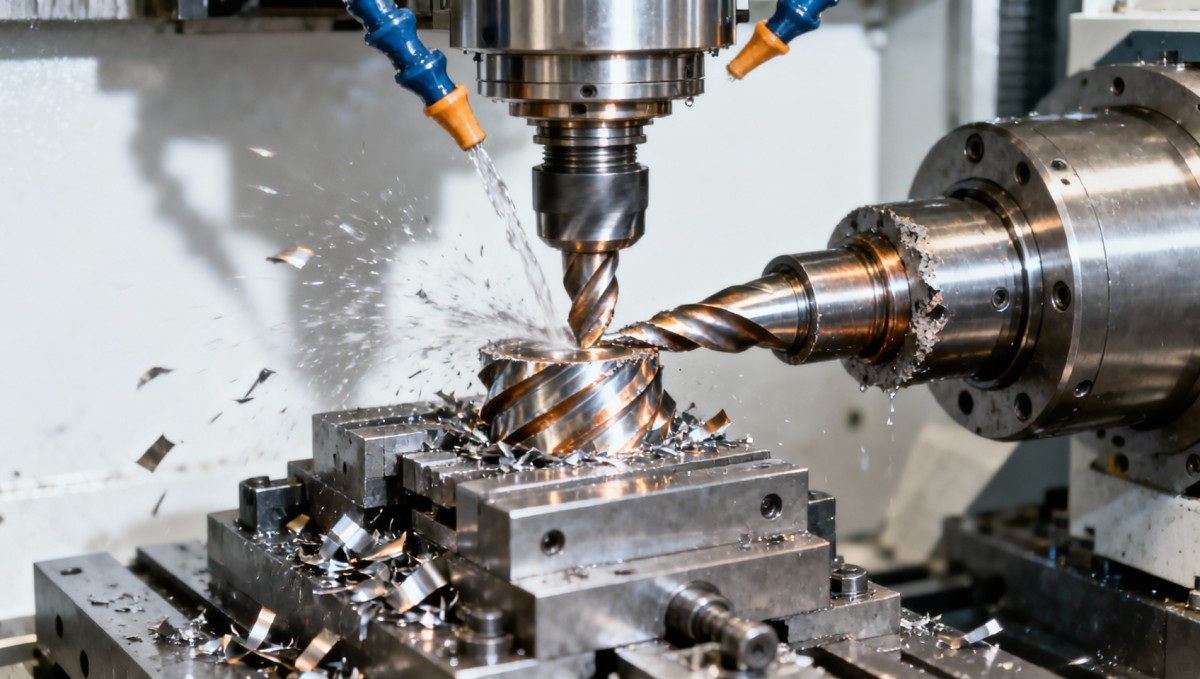
High temperature alloys such as titanium alloys, nickel-based superalloys, and heat-resistant stainless steels are difficult to machine because they combine high strength, low thermal conductivity, work hardening behavior, and strong chemical reactivity. These properties create a harsh cutting environment where heat stays concentrated near the cutting edge instead of being removed through the chip.
But heat alone does not explain why tools sometimes fail unusually fast. In many CNC machining environments, the hidden reasons include:
- Incorrect cutting edge geometry that creates excessive pressure or weakens the edge
- Unsuitable coating selection that cannot resist oxidation, adhesion, or diffusion wear
- Poor coolant strategy that fails to reach the cutting zone consistently
- Built-up edge and chip recutting that damage the tool unexpectedly
- Machine vibration or weak fixturing that causes micro-chipping
- Improper feeds and speeds that look safe on paper but generate unstable cutting conditions
- Interrupted engagement or inconsistent stock allowance that overload the insert edge
This is why two shops can machine the same alloy with very different tool life results. The issue is rarely one parameter by itself. It is usually the interaction between tool, machine, coolant, workpiece, and process control.
What Wear Patterns Are Really Telling You
For operators and process engineers, tool wear should be treated as diagnostic information. The wear pattern often reveals what is wrong before productivity drops further.
Flank wear is common in longer cutting cycles and usually indicates normal abrasion, but rapid flank wear can point to excessive speed, insufficient coating performance, or overheating.
Crater wear often appears when heat and chemical interaction are severe, especially in nickel alloys. This may suggest the insert grade is not appropriate for the alloy or that cutting speed is too aggressive.
Notching at the depth-of-cut line is especially common in stainless steel and heat-resistant alloys. It is often linked to work hardening, oxidation, and repeated contact at the same boundary zone.
Edge chipping usually signals instability rather than simple thermal wear. Causes may include vibration, poor setup rigidity, interrupted cuts, excessive feed per tooth, or a tool geometry that is too sharp for the cutting load.
Built-up edge can make a tool appear usable even while part quality is deteriorating. It often comes from low or unstable cutting temperature, adhesion-prone material behavior, or poor chip evacuation.
When teams identify wear modes accurately, they can avoid the common mistake of repeatedly changing only speed or only brand without solving the real cause.
Which Hidden Factors Matter Most in Real CNC Production
In practical production, several hidden factors have a much greater impact on tool life than many buyers or even experienced operators initially expect.
1. Tool geometry is often more important than nominal hardness
A stronger insert is not always a better insert. In high temperature alloy machining, rake angle, edge preparation, nose radius, chipbreaker design, and relief geometry strongly affect heat generation and chip flow. A geometry that is too sharp may chip quickly. One that is too strong may push heat and force higher, accelerating wear.
2. Coating selection must match the wear mechanism
Many users choose coatings by habit instead of failure mode. However, PVD and CVD coatings behave differently under adhesion, oxidation, and thermal shock conditions. For titanium and superalloys, the wrong coating may fail even if the substrate is strong. Coating choice should be based on whether the dominant issue is abrasion, adhesion, diffusion, or edge instability.
3. Coolant delivery is about direction and pressure, not only volume
Flood coolant may not reach the real cutting zone in deep cavities, high-speed turning, or complex multi-axis operations. High-pressure coolant, through-tool delivery, or optimized nozzle positioning can dramatically improve chip control and temperature stability. In many cases, poor coolant targeting is a hidden reason for erratic tool life.
4. Machine and fixture rigidity directly affect wear consistency
Even premium cutting tools wear out early when the spindle, holder, fixturing, or workpiece clamping lacks rigidity. Micro-vibration causes edge breakdown that can be mistaken for material difficulty. This is especially relevant in long overhang setups, thin-wall parts, and aerospace components.
5. Process variation destroys predictable tool life
An optimized machining process for stainless steel or titanium is not just about selecting one “correct” cutting speed. It also depends on stable stock allowance, repeatable tool engagement, proper toolpath strategy, and consistent operator execution. If incoming blanks vary too much or toolpaths create repeated shock loads, wear will become unpredictable.
How to Optimize Machining Process for Stainless Steel or Titanium
For users who need practical improvement, the most effective path is to optimize the whole process rather than chase one single parameter.
- Match insert grade and geometry to the specific alloy, not just to the broad category of stainless steel or titanium
- Control cutting engagement to avoid sudden load spikes, especially at entry and exit points
- Adjust feed and speed together instead of reducing speed alone, which can increase adhesion and built-up edge
- Improve coolant access with directed nozzles, through-tool coolant, or high-pressure systems where needed
- Use rigid toolholding and minimize overhang to reduce vibration-driven chipping
- Monitor chip shape and color as fast indicators of thermal and evacuation conditions
- Standardize wear inspection intervals so inserts are changed based on actual wear trend, not guesswork
- Review toolpath strategy in CAM to avoid dwell, recutting, and abrupt directional changes
For stainless steel, the process should focus on reducing work hardening and preventing notching. For titanium, the priority is often thermal control, edge integrity, and avoiding localized overheating. For nickel-based superalloys, cutting speed discipline and stable tool engagement are especially important.
What Buyers and Decision-Makers Should Evaluate Before Changing Tools
For procurement teams and business decision-makers, premature tool wear should not be evaluated only as a tooling cost issue. The larger cost often comes from unstable production: scrap parts, machine downtime, missed delivery schedules, poor surface integrity, and operator intervention.
Before switching suppliers or increasing tool inventory, it is worth checking:
- Is the current failure mode clearly identified?
- Is the tool grade matched to the actual alloy and operation type?
- Is coolant pressure and positioning sufficient for the application?
- Are machine condition and fixturing affecting repeatability?
- Are process settings standardized across shifts and batches?
- Is tool life measured by actual cutting time, parts count, or operator impression?
The best purchasing decision is usually based on total machining cost per part, not insert price alone. A more expensive tool can be the better choice if it reduces tool changes, improves dimensional consistency, and supports unattended or automated machining.
A Smarter Way to Reduce Wear in Modern Manufacturing
As smart manufacturing and automated production lines expand, hidden tooling problems become more expensive. In a connected CNC environment, unexpected wear does not only affect one machine. It can disrupt scheduling, downstream assembly, quality control, and resource planning.
That is why high temperature alloy machining needs a more integrated approach. Operators need clear wear diagnostics. Engineers need process stability. Buyers need reliable cost-per-part comparisons. Managers need predictable output and lower risk.
The main insight is simple: high temperature alloy cutting tools wear out for hidden reasons because wear is usually the result of an entire machining system, not just an aggressive material. When geometry, coating, coolant, machine rigidity, and process control are aligned, tool life becomes more predictable and production becomes more competitive.
For companies involved in CNC machining, precision manufacturing, and industrial automation, solving these hidden wear issues is not just a technical improvement. It is a practical way to strengthen quality, lower operating cost, and build a more resilient manufacturing process.
PREVIOUS ARTICLE
NEXT ARTICLE
Recommended for You
 What Slows Down an Automation Line in Textile Production?Machine Tool Industry Editorial Team
 High Temperature Alloy Cutting Tools Wear Out for Hidden ReasonsCNC Machining Technology Center
 Automated Production Lines in Auto Manufacturing: Key BottlenecksMachine Tool Industry Editorial Team
 What Makes a 5 Axis Machining Center Fit Aerospace Parts?Machine Tool Industry Editorial Team
 Medical Equipment Machining Centers Need Accuracy Beyond SpecsMachine Tool Industry Editorial Team
 How to Compare CNC Tooling System Suppliers in GermanyGlobal Machine Tool Trade Research Center

Aris Katos
Future of Carbide Coatings
15+ years in precision manufacturing systems. Specialized in high-speed milling and aerospace grade alloy processing.
▶
High Temperature Alloy Cutting Tools Wear Out for Hidden ReasonsCNC Machining Technology Center▶
CNC Cutting Gas Choice Affects More Than Edge FinishCNC Machining Technology Center▶
CNC Cutting Edge Wear Patterns That Change Part AccuracyCNC Machining Technology Center▶
Metal Machining Costs Rise Fast With Poor Chip ControlCNC Machining Technology Center▶
Why CNC Cutting Quality Drops on Thin Metal SheetsCNC Machining Technology Center
Mastering 5-Axis Workholding Strategies
Join our technical panel on Nov 15th to learn about reducing vibrations in thin-wall components.

Providing you with integrated sanding solutions
Before-sales and after-sales services
Comprehensive technical support