• Global CNC market projected to reach $128B by 2028 • New EU trade regulations for precision tooling components • Aerospace deman
NYSE: CNC +1.2%LME: STEEL -0.4%

Machine Tools Buying Guide: Spindle, Rigidity, Accuracy, and Service
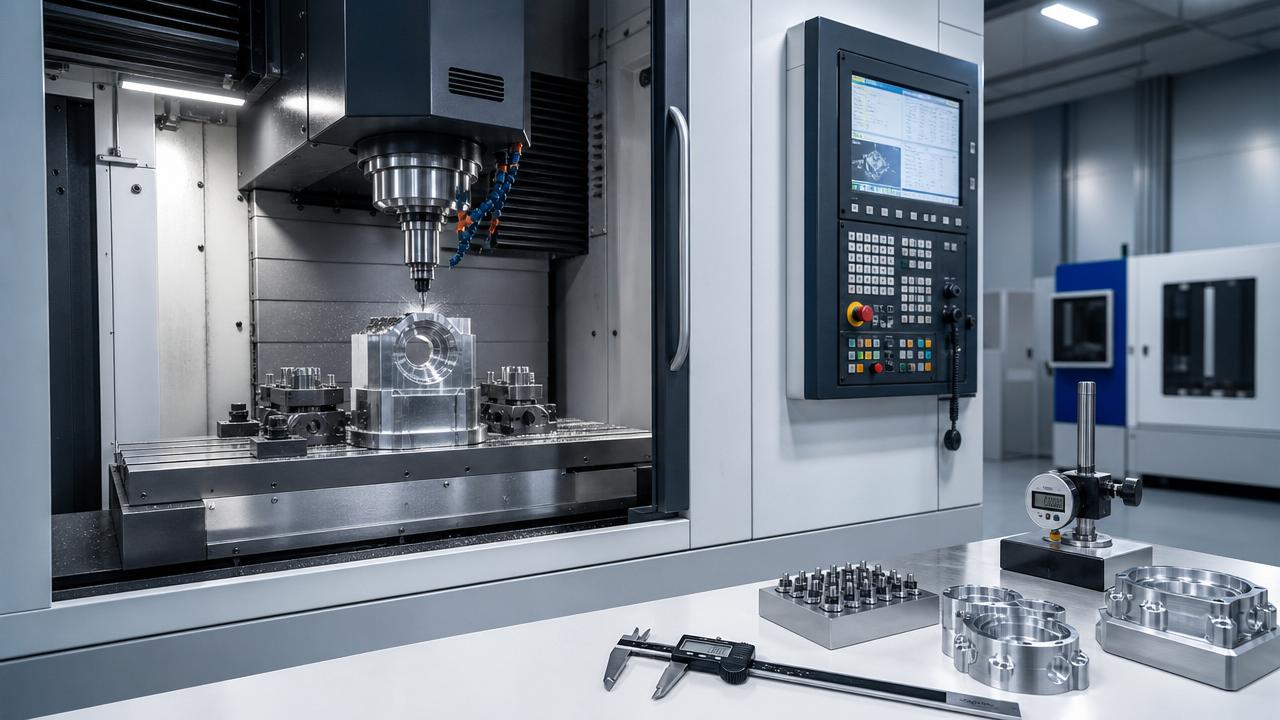
Choosing the right machine tools is a strategic investment that directly affects production efficiency, part quality, operating costs, and long-term competitiveness. For business decision-makers, evaluating spindle performance, structural rigidity, machining accuracy, and after-sales service is essential before committing capital. This guide highlights the key factors that influence equipment selection, helping manufacturers compare options more confidently and align machine tool purchases with current production needs and future growth.
In modern manufacturing, CNC lathes, machining centers, grinders, and multi-axis systems are no longer standalone assets. They are production nodes connected to tooling, fixtures, automation, inspection, and digital planning.
For executives and plant managers, the purchasing question is not simply which equipment cuts metal. The real question is which machine tools can protect delivery schedules, stabilize quality, and support profitable capacity for 5 to 10 years.
Understanding Production Needs Before Comparing Machine Tools
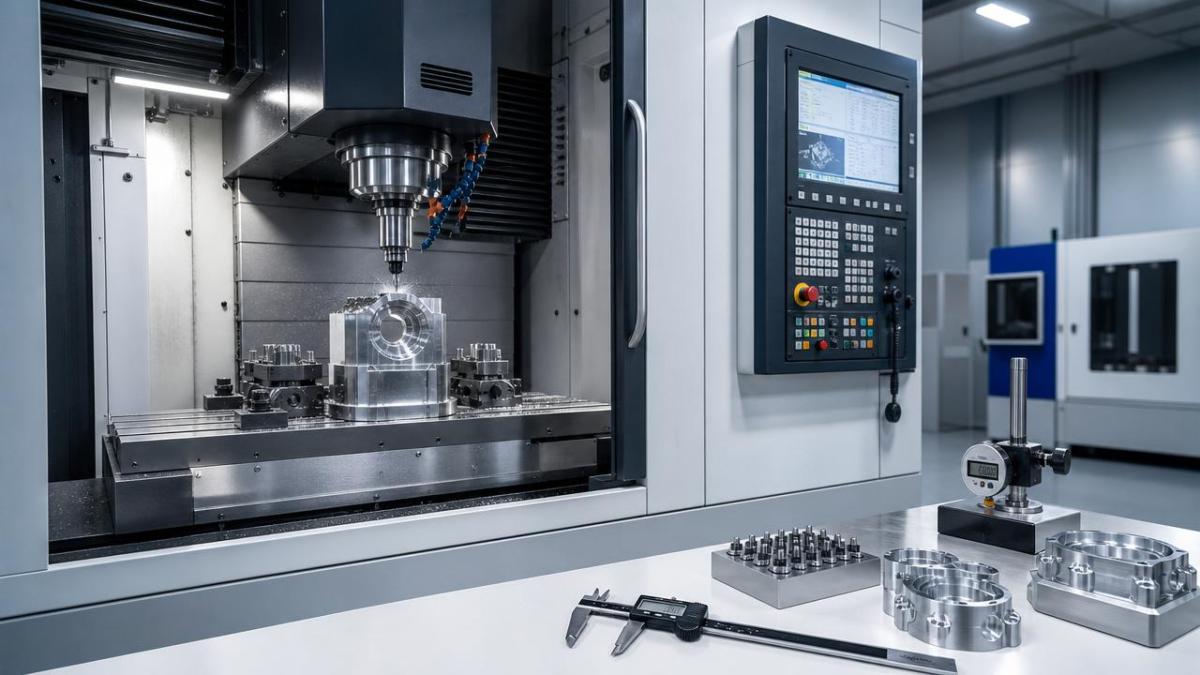
A reliable buying decision begins with the part mix, not the catalog. Materials, tolerances, batch size, cycle time, and automation plans should define the shortlist.
Manufacturers producing aluminum housings may prioritize spindle speed and chip evacuation. Companies machining alloy steel shafts may need torque, thermal stability, and heavy-duty turning performance.
Key Questions for Decision-Makers
- What are the top 10 recurring parts by annual volume and revenue contribution?
- Which tolerances are critical: ±0.01 mm, ±0.005 mm, or tighter process capability?
- Will the machine run 1 shift, 2 shifts, or continuous 24-hour production?
- Is the investment intended for current orders, future product platforms, or both?
These questions prevent overspending on unused specifications or underbuying a machine that becomes a bottleneck after 12 to 18 months.
Matching Equipment Type to Application
The most suitable machine tools depend on geometry and process flow. A turning center may complete shaft work efficiently, while a 5-axis machining center reduces setups for complex aerospace components.
For automotive, energy equipment, electronics, and general precision manufacturing, the best purchase often balances capability, utilization rate, and operator availability.
Spindle Performance: Power, Speed, Torque, and Thermal Control
The spindle is one of the most expensive and productivity-critical assemblies in CNC machine tools. It directly influences cutting capacity, surface finish, tool life, and cycle time.
A high-speed spindle rated at 12,000 to 24,000 rpm may suit aluminum and die-mold work. Heavy cutting may require 15 kW to 35 kW power with stronger low-speed torque.
Do Not Evaluate RPM Alone
Many buyers focus on maximum rpm, but usable performance depends on the torque curve, bearing design, cooling method, taper type, and tool interface stiffness.
For example, BT40 or HSK63 interfaces may serve different production goals. High-speed finishing and rough milling place different loads on the spindle system.
The table below summarizes common spindle evaluation factors for business teams comparing machine tools across different production scenarios.
The main conclusion is clear: spindle selection should reflect the actual cutting envelope. Oversized spindles increase cost, while undersized spindles restrict productivity and shorten tool life.
Procurement Tip
Request cutting tests using your target material, tool diameter, depth of cut, and feed rate. A 30-minute demonstration is often more valuable than a long specification sheet.
Rigidity and Machine Structure: The Foundation of Stable Cutting
Rigidity determines whether machine tools can maintain accuracy under cutting load. A rigid structure reduces vibration, improves surface quality, and expands the usable cutting parameters.
Machine weight alone is not enough. Buyers should review casting design, guideway type, ballscrew diameter, column structure, and axis support spacing.
Box Guideway or Linear Guideway
Box guideways are often preferred for heavy cutting and interrupted loads. Linear guideways can deliver higher rapid traverse speeds, commonly 24 to 48 m/min in many CNC systems.
The right choice depends on material, part size, finish requirements, and takt time. A high-speed electronics plant and a mold shop may need different structural priorities.
Signs of Insufficient Rigidity
- Chatter marks appear even after reducing feed and spindle speed.
- Tool wear becomes unpredictable after only 2 to 3 production lots.
- Dimensional variation increases when cutting harder materials or deeper pockets.
- Operators compensate frequently, creating hidden labor and quality costs.
For enterprise buyers, rigidity should be treated as a risk-control factor. Weak structure may appear acceptable during trials but create scrap, rework, and downtime later.
Fixture and Tooling Interaction
Even strong machine tools cannot perform well with unstable fixtures. Evaluate clamping force, part overhang, tool length, and coolant access together during process planning.
Accuracy, Repeatability, and Real Production Capability
Accuracy is more than a brochure number. Decision-makers should separate positioning accuracy, repeatability, geometric accuracy, thermal stability, and process capability.
A machine may list positioning accuracy of ±0.005 mm, but real production results depend on environment, tooling, measurement method, and operator discipline.
Acceptance Tests That Matter
Before final acceptance, buyers should define at least 3 categories of testing: machine geometry, sample part machining, and repeatability under stable conditions.
Laser calibration, ballbar testing, spindle runout checks, and trial cutting can reveal problems that are not visible during simple power-on inspection.
The following checklist helps procurement and engineering teams evaluate accuracy claims when comparing CNC machine tools for precision production.
This checklist turns accuracy from an abstract number into a measurable business standard. It also helps align engineering, purchasing, and quality departments before sign-off.
Environmental Factors
Precision machine tools require a controlled foundation, clean compressed air, stable voltage, and appropriate shop temperature. For high-accuracy work, 20°C to 25°C conditions are often preferred.
Ignoring these factors can make a good machine appear unreliable. Facility readiness should be included in the project schedule at least 2 to 4 weeks before installation.
Service, Spare Parts, and Lifecycle Cost
After-sales service is a core purchasing factor, especially when machine tools support customer delivery commitments. A delayed repair can disrupt multiple downstream processes.
Decision-makers should calculate total cost of ownership, not only purchase price. Installation, training, tooling, energy use, maintenance, software, and downtime all affect payback.
Service Questions to Ask Before Ordering
- What is the typical response time: 24 hours, 48 hours, or longer?
- Which spare parts are stocked locally, such as sensors, pumps, belts, and drive components?
- How many training days are included for operators, programmers, and maintenance technicians?
- Is remote diagnostics available for alarms, servo issues, PLC signals, and parameter review?
A practical service plan should include preventive maintenance intervals, usually monthly checks, quarterly lubrication inspection, and annual geometry verification for demanding applications.
Hidden Costs in Low-Price Purchases
A lower initial quotation may exclude essential items such as chip conveyors, high-pressure coolant, tool setters, probes, transformers, or commissioning support.
If these items are added later, the real project cost can rise quickly. More importantly, delayed accessories may postpone mass production by 1 to 3 weeks.
Lifecycle Evaluation Formula
A simple internal model can compare machine tools by purchase cost, expected utilization, maintenance cost, scrap reduction, labor savings, and estimated resale value after 5 years.
A Practical Procurement Framework for B2B Buyers
Buying CNC equipment involves several departments. A structured process reduces personal bias and helps the company compare different suppliers using the same decision criteria.
For most industrial projects, a 5-step approach works well: define requirements, shortlist suppliers, verify performance, negotiate lifecycle terms, and complete acceptance testing.
Step 1: Define Technical and Commercial Requirements
Prepare a requirement sheet covering workpiece size, material, tolerance, surface finish, cycle time, automation interface, control system preference, and expected annual output.
Step 2: Compare Suppliers Beyond Price
Evaluate machine tools by spindle capability, rigidity, accuracy evidence, service coverage, delivery period, warranty terms, and integration support for future automation.
Step 3: Run Application-Based Verification
Whenever possible, request machining trials using representative parts. Include at least 2 materials and 3 critical dimensions if your product mix is diverse.
Step 4: Plan Installation and Ramp-Up
Confirm foundation, electrical capacity, air pressure, coolant handling, chip disposal, and lifting access before delivery. Good preparation can shorten commissioning by several days.
Step 5: Connect the Machine to Future Growth
Consider whether the equipment can support robotic loading, tool management systems, production data collection, and flexible manufacturing cells as order volumes increase.
Common Mistakes to Avoid
- Choosing the lowest price without verifying accuracy and service response.
- Buying excessive specifications that do not improve actual production economics.
- Ignoring operator training, fixture design, and tool selection during budgeting.
- Failing to document acceptance standards before paying the final balance.
A disciplined framework helps business leaders make decisions that support quality, capacity, cash flow, and long-term competitiveness.
Final Buying Advice for Long-Term Manufacturing Value
The best machine tools are not always the most expensive or the most feature-rich. They are the machines that fit your parts, processes, people, and growth plan.
Spindle performance determines cutting potential, rigidity protects stability, accuracy supports customer requirements, and service keeps production running when problems occur.
For decision-makers in automotive, aerospace, energy equipment, electronics, and precision manufacturing, the right purchase can improve throughput, reduce scrap, and strengthen delivery reliability.
If you are evaluating CNC machine tools, machining centers, turning systems, or automated production solutions, align the investment with measurable production goals before final selection.
To compare suitable configurations, review application requirements, or explore global CNC manufacturing solutions, contact us today to get a tailored recommendation and discuss product details.
Recommended for You
![]() Mitsubishi Electric Announces Physical AI System Linking Humanoid Robots and CNC MachinesMachine Tool Industry Editorial Team
Mitsubishi Electric Announces Physical AI System Linking Humanoid Robots and CNC MachinesMachine Tool Industry Editorial Team Precision Machining for Defense: Supplier Quality and Traceability ChecksManufacturing Market Research Center
![]() Nidec Machine Tool Launches MVR-5X Five-Axis Gantry MachineMachine Tool Industry Editorial Team
Nidec Machine Tool Launches MVR-5X Five-Axis Gantry MachineMachine Tool Industry Editorial Team Choosing a Precision Disc Parts Manufacturer in China: Tolerances and Quality ChecksManufacturing Market Research Center
![]() Siemens Executive Says AI Could Raise Factory Automation to 80%Manufacturing Market Research Center
Siemens Executive Says AI Could Raise Factory Automation to 80%Manufacturing Market Research Center Choosing Automated Machine Tools for High-Mix, Low-Volume ProductionMachine Tool Industry Editorial Team


Aris Katos
Future of Carbide Coatings
15+ years in precision manufacturing systems. Specialized in high-speed milling and aerospace grade alloy processing.
▶
How to Evaluate a Machine Tool Factory Before Sourcing CNC EquipmentGlobal Machine Tool Trade Research Center▶
How to Evaluate a CNC Machine Tool Manufacturer for Precision and Service SupportGlobal Machine Tool Trade Research Center▶
What Affects Cost-Effective CNC Manufacturing? Key Drivers Behind Part Price and Lead TimeGlobal Machine Tool Trade Research Center▶
How to Evaluate a CNC Tooling System Supplier in Germany for Quality, Lead Time, and CostGlobal Machine Tool Trade Research Center▶
How to Evaluate a CNC Tooling System Supplier in Germany for Quality, Lead Time, and SupportGlobal Machine Tool Trade Research Center
▶
Mastering 5-Axis Workholding Strategies
Join our technical panel on Nov 15th to learn about reducing vibrations in thin-wall components.

Providing you with integrated sanding solutions
Before-sales and after-sales services
Comprehensive technical support