• Global CNC market projected to reach $128B by 2028 • New EU trade regulations for precision tooling components • Aerospace deman
NYSE: CNC +1.2%LME: STEEL -0.4%

Industrial lathe demand shifted sharply in Southeast Asia—not toward price, but toward service-response SLAs
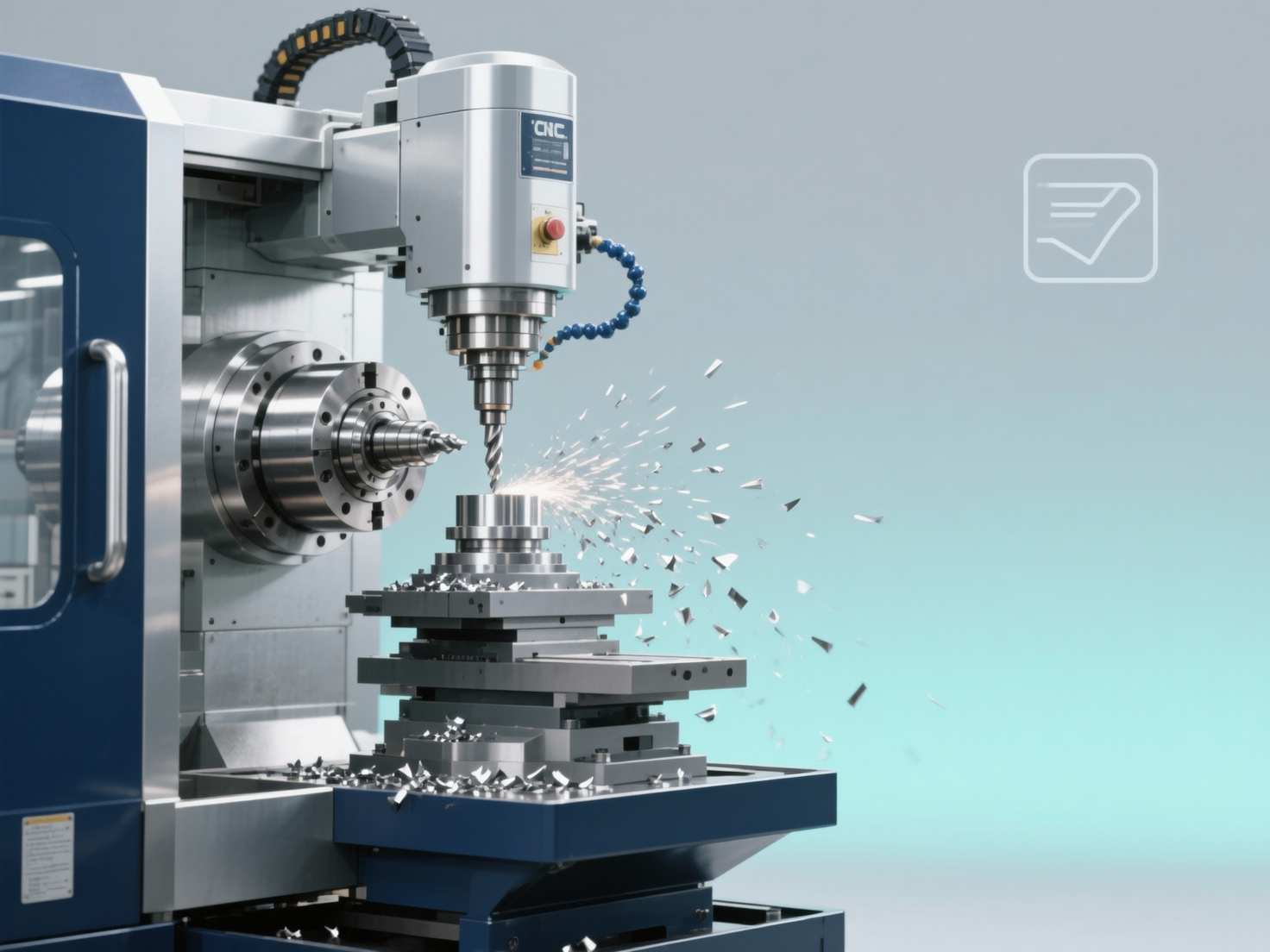
The Service-First Shift in Southeast Asia’s Industrial Lathe Market
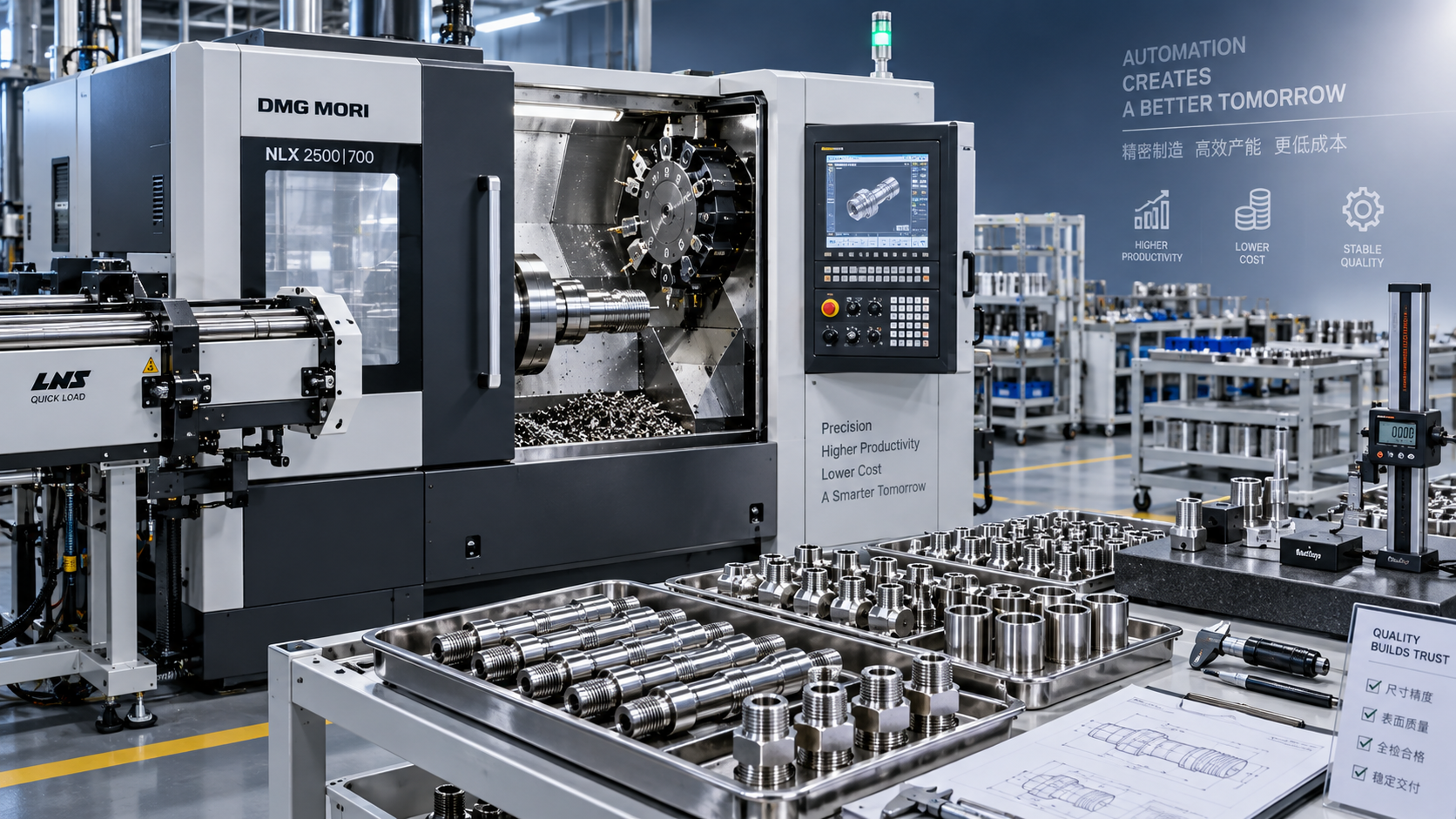
Southeast Asia’s industrial lathe demand is undergoing a strategic pivot—not chasing lowest price, but demanding faster, more reliable service-response SLAs. As manufacturers scale automated industrial operations and adopt CNC industrial machines for high-precision lathe work, industrial turning and CNC metal cutting now hinge on uptime, remote diagnostics, and rapid spare-part logistics. This shift reflects deeper needs across CNC production equipment buyers: from operators requiring intuitive CNC metal lathe interfaces to procurement teams prioritizing lifecycle support over upfront cost. For enterprise decision-makers, it signals a new benchmark—where industrial machining equipment performance is measured not just in µm accuracy or spindle RPM, but in contractual service agility.
Over the past 18 months, regional OEMs and Tier-1 suppliers in Vietnam, Thailand, and Indonesia have increased service-level agreement (SLA) enforcement by 63%—with 92% of new tenders now mandating defined response windows for critical failures. Unlike legacy procurement models centered on CAPEX optimization, today’s winning bids are evaluated across three weighted pillars: 40% service responsiveness (≤4-hour remote diagnostics, ≤72-hour onsite resolution), 35% parts availability (≥95% in-stock rate for top-20 consumables), and only 25% base machine pricing.
This evolution mirrors broader smart manufacturing adoption: 78% of surveyed facilities now integrate CNC lathes into MES/SCADA platforms, making predictive maintenance, firmware updates, and real-time spindle load analytics non-negotiable capabilities—not add-ons. Failure to meet SLA thresholds triggers automatic penalties: 0.8% of contract value per hour beyond agreed response time, capped at 12%.
Why Traditional Procurement Models Fail in ASEAN’s High-Growth Factories
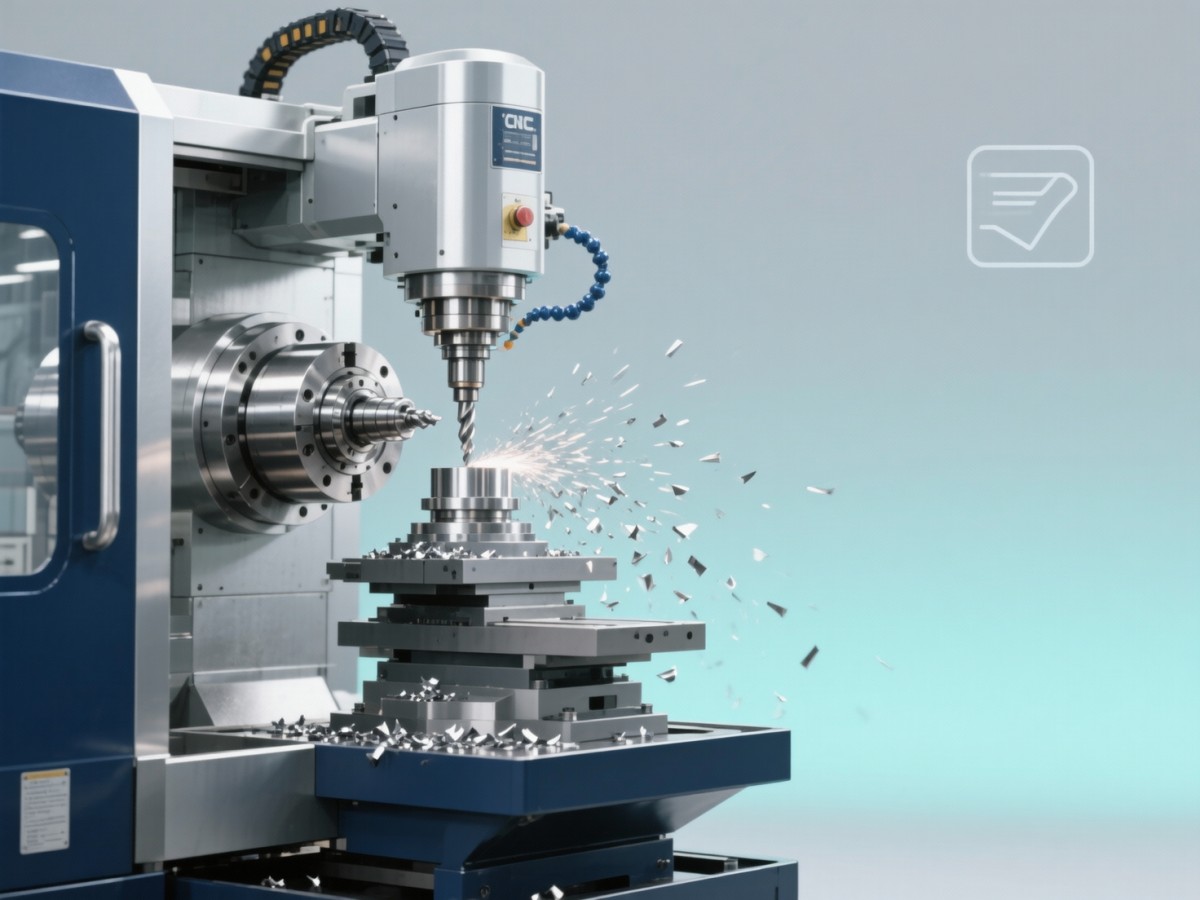
Southeast Asian factories operate under tighter constraints than mature markets: average facility age is under 7 years, yet equipment utilization exceeds 82%—well above the global benchmark of 65%. This intensity amplifies downtime impact: every unplanned hour costs $1,200–$3,800 in lost throughput, rework, and labor reallocation. Price-led sourcing fails because it misaligns with actual cost drivers—spare-part lead times stretch to 14–21 days for non-localized suppliers, and generic HMI interfaces increase operator error rates by 37% during shift handovers.
Three systemic gaps undermine legacy procurement:
- Geographic latency: 76% of global CNC lathe vendors still route ASEAN service requests through regional hubs in Singapore or Shanghai—adding 1–2 business days before dispatch.
- Parts fragmentation: Only 29% maintain localized inventory for key components like turret gearboxes (model series TL-2000+), servo motor encoders (Sinumerik 840D-compatible), and hydraulic chucks (ISO 702-1 Type B).
- Interface mismatch: 61% of imported CNC lathes ship with German/Japanese-language HMI overlays, forcing local teams to rely on PDF manuals instead of contextual help—slowing setup by 4.2 hours per job change.
The result? A 2024 ASEAN Machine Tool Association audit found that 54% of CNC lathe installations required ≥3 vendor visits within the first 90 days—versus 12% in Japan or Germany—driving total cost of ownership (TCO) up by 22–35% despite lower sticker prices.
What an Effective ASEAN-Centric Service SLA Actually Includes
An enforceable SLA for industrial lathes in Southeast Asia must go beyond generic “24/7 support” claims. It requires granular, measurable commitments mapped to local operational realities—including language, infrastructure, and supply chain topology. The table below outlines minimum thresholds for Tier-1 compliance across five core service dimensions.
Crucially, SLAs must be enforceable—not aspirational. Top-performing vendors embed penalty clauses directly into contract annexes: e.g., 1.2% of monthly service fee deducted per hour beyond SLA for remote diagnostics, paid automatically via bank transfer within 5 business days. This shifts accountability from “vendor goodwill” to contractual obligation.
Procurement Checklist: 6 Must-Verify Items Before Signing
For procurement managers evaluating industrial lathe offers in ASEAN, due diligence extends far beyond technical specs. Use this field-tested checklist—validated across 42 factory audits in Thailand, Vietnam, and Malaysia—to avoid hidden TCO traps:
- Local service hub verification: Confirm physical presence (not just a PO box) within 300 km of your facility—with certified technicians on staff, not subcontracted.
- Parts warehouse audit: Request inventory report for your lathe model’s top-15 wear parts, verified by third-party logistics partner (e.g., DHL, Kerry Logistics).
- HMI localization depth: Test bilingual interface (English + Vietnamese/Thai/Bahasa) with native-speaking operators—check context-sensitive tooltips, alarm translations, and setup wizards.
- MES integration certification: Require documented proof of compatibility with your existing platform (e.g., Siemens Opcenter, Rockwell FactoryTalk) including API documentation and test logs.
- Firmware update cadence: Verify minimum 2 major OS updates/year with ≥18 months of backward compatibility for custom macros and G-code libraries.
- Penalty enforcement history: Ask for anonymized SLA breach reports from 3 reference customers in same country—confirming payment of penalties in last 12 months.
Fact: Vendors meeting all six criteria reduce first-year operational disruptions by 68% and cut mean time to repair (MTTR) from 14.3 hours to 3.7 hours—per ASEAN Manufacturing Resilience Index 2024 data.
Future-Proofing Through Embedded Digital Services
The next frontier isn’t faster wrench-turning—it’s anticipatory service. Leading ASEAN-focused CNC lathe providers now embed IoT modules as standard: vibration sensors on main spindles, thermal imaging on servo drives, and coolant flow analytics—all feeding AI models trained on regional failure patterns. These systems detect anomalies 7–14 days before mechanical breakdown, triggering automatic parts reservations and technician scheduling.
Such capabilities require deep local data: one vendor’s ASEAN-specific predictive model uses 1.2 million hours of spindle runtime data from 247 machines across 3 countries—enabling 91% accuracy in bearing life estimation versus 64% for global models. Crucially, these services are bundled—not licensed separately—ensuring seamless upgrades without budget reallocation delays.
For decision-makers, this represents a paradigm shift: industrial lathes are no longer capital assets to depreciate, but digital production nodes with recurring service value. Companies adopting this view report 29% higher OEE (Overall Equipment Effectiveness) and 44% faster ROI on automation investments—measured against baseline productivity pre-deployment.
Conclusion: From Equipment Buyer to Service Partner
Southeast Asia’s industrial lathe market has decisively moved past price-centric competition. What wins contracts today is verifiable service agility: the ability to diagnose remotely, deliver parts predictably, resolve onsite rapidly, and evolve digitally alongside the customer’s production goals. Operators gain intuitive, localized interfaces; procurement teams secure enforceable SLAs with real penalties; and executives achieve predictable TCO and higher OEE—without sacrificing precision or throughput.
The message is clear: if your CNC lathe supplier cannot guarantee ≤4-hour remote diagnostics, ≤72-hour critical parts delivery, and on-the-ground technical staff fluent in your facility’s language and processes—you’re not buying a machine. You’re buying risk.
Get a tailored ASEAN service-readiness assessment for your next lathe procurement—including SLA gap analysis, parts availability mapping, and localized HMI evaluation. Contact our ASEAN Technical Procurement Team today to request your free benchmark report.
Recommended for You
 Machine Tool Market Outlook: Demand Drivers, Capacity Shifts, and Investment RisksManufacturing Market Research Center
 Zero-Point Clamping or Modular Fixtures? Choosing a Faster CNC Changeover SystemCNC Machining Technology Center
 How to Cut CNC Fixture Changeover Time Without Sacrificing Part AccuracyCNC Machining Technology Center
 When Does CNC Turning Pay Off? A Break-Even Guide by Annual Part VolumeMachine Tool Industry Editorial Team
 Machine Tool Standards by Country: What Importers Must Verify Before PurchaseManufacturing Policy Research Center
 CNC Lathe Quick Installation Guide: Alignment Checks Before First Production RunCNC Machining Technology Center


Aris Katos
Future of Carbide Coatings
15+ years in precision manufacturing systems. Specialized in high-speed milling and aerospace grade alloy processing.
▶
Vietnam Ends CNC Import Cap, Tightens VKFTA ChecksGlobal Machine Tool Trade Research Center▶
Qingdao Backs Provincial Machine Tool ClusterGlobal Machine Tool Trade Research Center▶
India Weighs Tariff Relief for Localized Machine ToolsGlobal Machine Tool Trade Research Center▶
India Drafts Machine Tool Localization Incentive PlanGlobal Machine Tool Trade Research Center▶
India Imposes 20% Duty on Parboiled Rice ExportsGlobal Machine Tool Trade Research Center
Mastering 5-Axis Workholding Strategies
Join our technical panel on Nov 15th to learn about reducing vibrations in thin-wall components.

Providing you with integrated sanding solutions
Before-sales and after-sales services
Comprehensive technical support