• Global CNC market projected to reach $128B by 2028 • New EU trade regulations for precision tooling components • Aerospace deman
NYSE: CNC +1.2%LME: STEEL -0.4%

EU EN ISO 13849-1:2026 Tightens Safety PL for CNC Lines

On July 1, 2026, a revised EU functional safety standard took effect for CNC automated production lines, flexible manufacturing cells, and integrated assembly systems placed on the EU market. The change centers on a higher mandatory Performance Level requirement, and it matters because it directly touches CE certification pathways, technical documentation, overseas customer acceptance, and procurement access for suppliers serving high-end manufacturing buyers, especially in import-oriented purchasing environments.
What the revised standard now requires
The confirmed change is that CEN made EN ISO 13849-1:2026 mandatory from July 1, 2026. Under the revised standard, all new CNC automated production lines, flexible manufacturing units, and integrated assembly systems placed on the EU market must meet Performance Level (PL) e or above. The information provided also confirms that this revision directly affects CE certification routes, preparation of technical documentation, and acceptance standards used by overseas customers. It also specifically affects procurement entry requirements among high-end manufacturing importers in markets such as Germany and Italy.
Where the pressure is likely to appear first
Export equipment suppliers facing market entry checks
From an industry perspective, exporters of CNC automation lines and integrated systems are likely to feel the impact first because the rule change is tied to products newly placed on the EU market. The main business effect is likely to appear in market-entry review, CE-related compliance preparation, and customer-side acceptance. What deserves closer attention is whether product safety architecture, supporting files, and bid or contract materials align with the new PL threshold.
Procurement teams and import buyers tightening qualification screens
Analysis shows that procurement functions, especially those serving high-end manufacturing projects, may treat the revised requirement as an access condition rather than a later-stage technical discussion. The likely impact is on supplier prequalification, technical specification alignment, and final acceptance criteria. Buyers and sourcing teams should pay attention to whether supplier submissions clearly address the revised EN ISO 13849-1:2026 requirement and the higher PL expectation.
Certification, testing, and documentation support roles under closer review
Observably, companies involved in certification support, testing coordination, and technical file preparation may also be affected because the summary explicitly links the revision to CE certification pathways and technical documentation. The practical pressure point is not only the equipment itself, but also whether the compliance file set can support the new requirement in a form acceptable to customers and relevant review processes.
Delivery and after-sales interfaces may need earlier coordination
It is more appropriate to understand this as a change that can extend beyond initial design review into delivery preparation and customer handover. Where acceptance standards are updated, project teams, delivery coordinators, and after-sales service interfaces may need to check whether documentation, configuration records, and compliance statements remain consistent with the new requirement at the point of shipment and acceptance.
What companies should watch now
Recheck CE compliance pathways for affected equipment
Analysis shows that companies shipping covered equipment into the EU should first review whether their current CE compliance path still matches the revised standard context. The input does not provide detailed enforcement procedures, so this should be treated as a compliance review priority rather than as proof of a uniform market practice already applied in every case.
Review technical files and supporting documentation early
What deserves closer attention is the quality and completeness of technical documentation. Since the confirmed information specifically mentions technical document preparation, manufacturers and exporters should closely examine whether safety-related files, product descriptions, and submission materials are still aligned with the revised PL requirement. The available information does not define exact document formats, so further verification remains necessary.
Track changes in tender language and customer acceptance criteria
Observably, the commercial effect may show up through procurement and acceptance documents before it is visible elsewhere. Companies active in EU-bound projects should monitor whether tender specifications, supplier qualification documents, and customer acceptance clauses begin to reference the revised EN ISO 13849-1:2026 framework or PL e as a mandatory threshold for new equipment.
Prepare for possible effects on delivery timing and supplier selection
From an industry perspective, even without additional confirmed execution detail, a stricter safety threshold can become a practical checkpoint in project scheduling, supplier approval, and final handover. Companies should therefore pay attention to internal review timing, supplier capability evidence, and the consistency of compliance materials across sales, engineering, and delivery functions.
How this change is best understood at this stage
Analysis shows that this is better understood as a rule already entering practical execution rather than as a distant policy signal, because the effective date and the mandatory nature of the revised standard are both clear in the provided information. At the same time, it is still necessary to distinguish confirmed facts from market interpretation. Observably, the part that still needs continued attention is not whether the standard has taken effect, but how certification practice, procurement wording, and customer acceptance standards will be applied in day-to-day transactions and project delivery.
A clearer compliance signal for EU-bound automation projects
In summary, this development points to a more explicit compliance threshold for new CNC automated lines, flexible manufacturing units, and integrated assembly systems entering the EU market. It is more appropriate to understand the news as a concrete execution signal with direct implications for certification preparation, documentation readiness, and procurement access, while the detailed pace of market adoption and implementation still warrants continued observation.
Basis of this article and points requiring follow-up
This article is generated based on the user-provided news title, event date, and event summary. For developments of this kind, relevant source categories typically include official announcements, regulator releases, trade or customs authority information, industry association updates, standard organization documents, and reporting by authoritative media. No specific official source link was provided in the input, so the exact official publication path still requires further verification. Continued follow-up is also needed on implementation detail, certification interpretation, tender document updates, customer acceptance practice, industry feedback, and how affected companies execute the revised requirement in actual projects.
Recommended for You
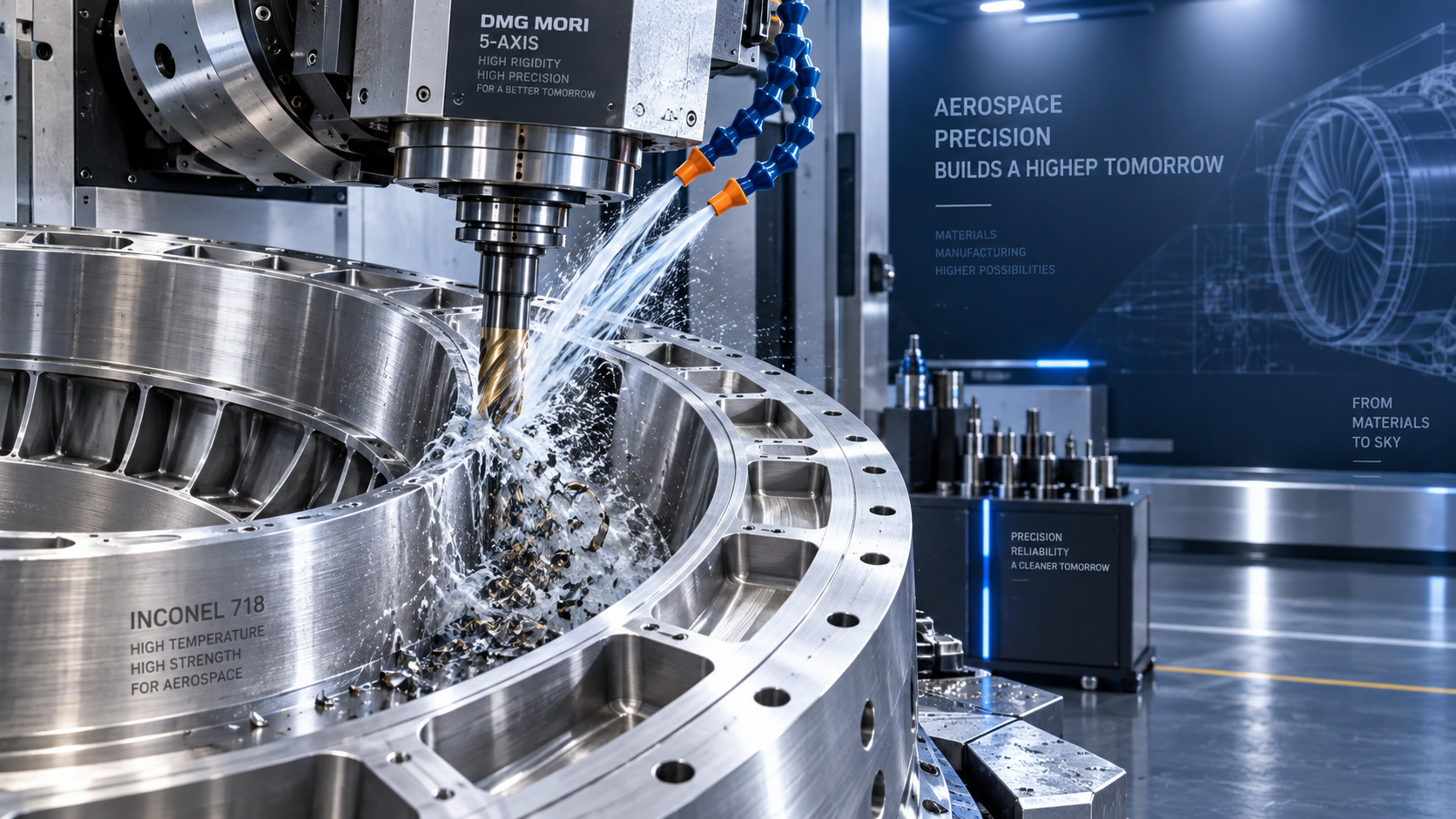
 Can CNC Machining Inconel Control Tool Wear in High-Temperature Aerospace Parts?CNC Machining Technology Center
 Machine Tool Market Outlook: Demand Drivers, Capacity Shifts, and Investment RisksManufacturing Market Research Center
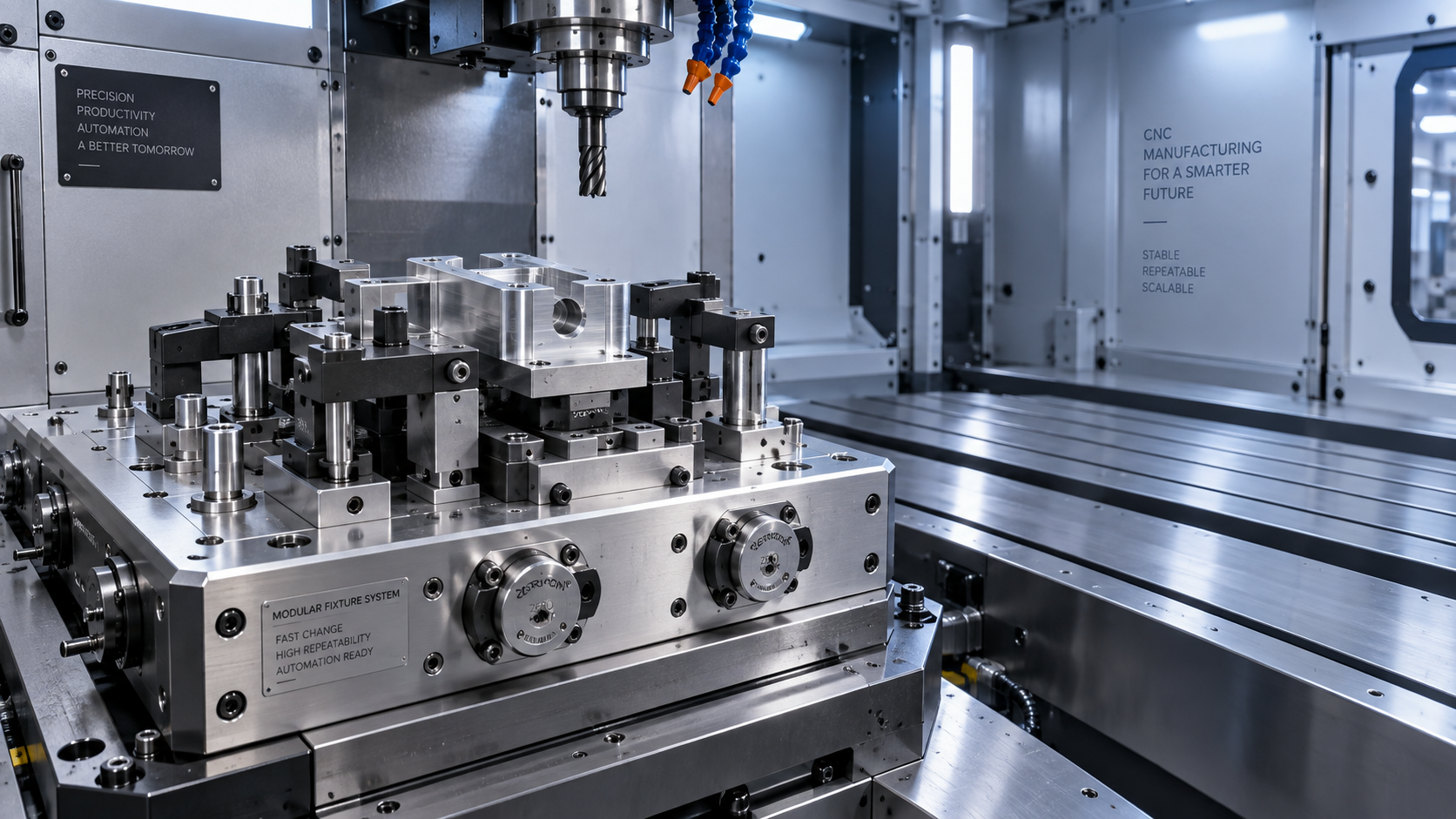
 Zero-Point Clamping or Modular Fixtures? Choosing a Faster CNC Changeover SystemCNC Machining Technology Center
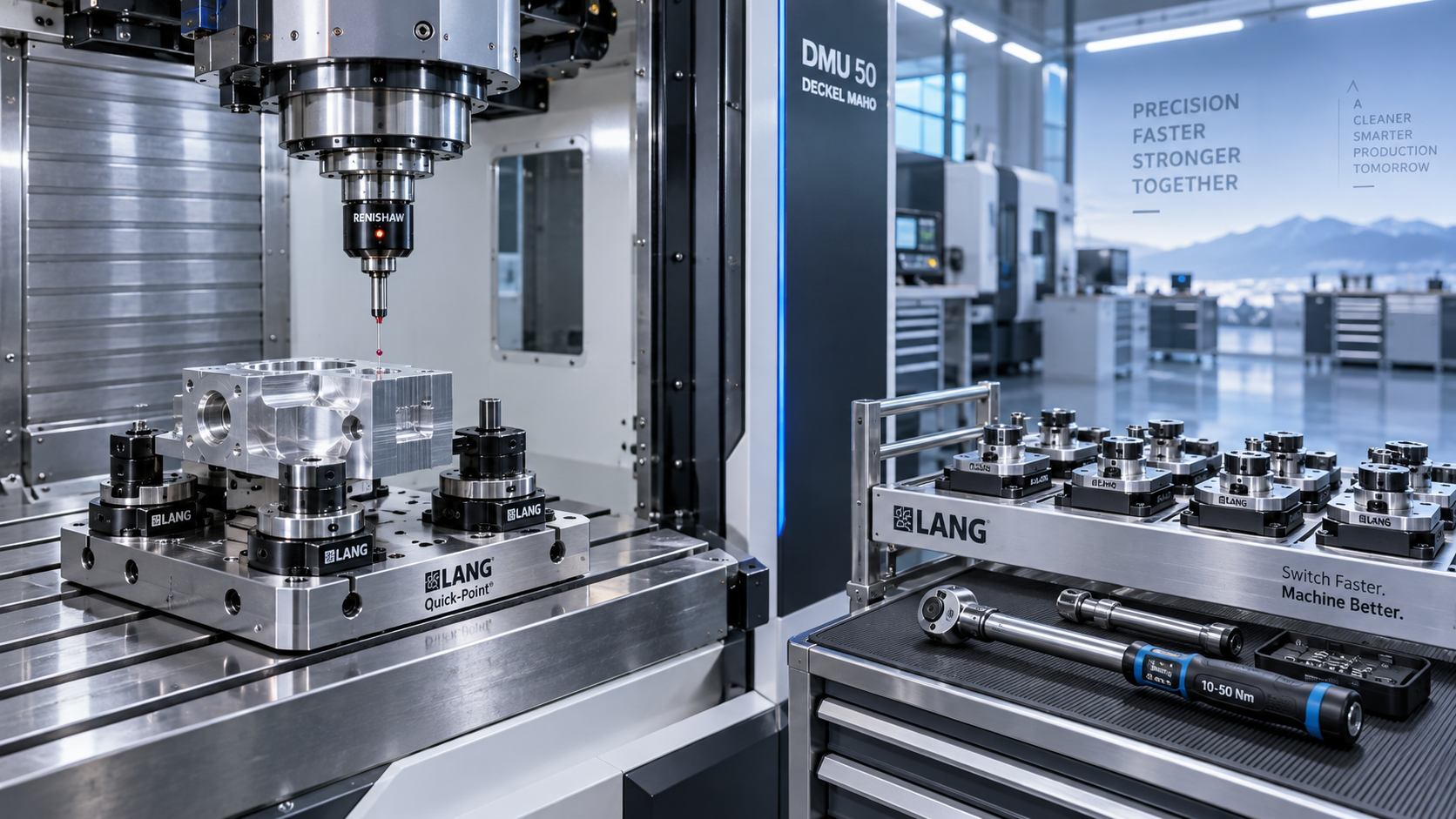
 How to Cut CNC Fixture Changeover Time Without Sacrificing Part AccuracyCNC Machining Technology Center
 When Does CNC Turning Pay Off? A Break-Even Guide by Annual Part VolumeMachine Tool Industry Editorial Team
 Machine Tool Standards by Country: What Importers Must Verify Before PurchaseManufacturing Policy Research Center

Aris Katos
Future of Carbide Coatings
15+ years in precision manufacturing systems. Specialized in high-speed milling and aerospace grade alloy processing.
▶
Smart Manufacturing for Small Businesses: Where Automation Delivers the Fastest ROIMachine Tool Industry Editorial Team▶
How Smart Manufacturing Technology Improves OEE Across Industry 4.0 Production LinesMachine Tool Industry Editorial Team▶
How to Evaluate an Automation Line for Electronics Production Before InvestmentMachine Tool Industry Editorial Team▶
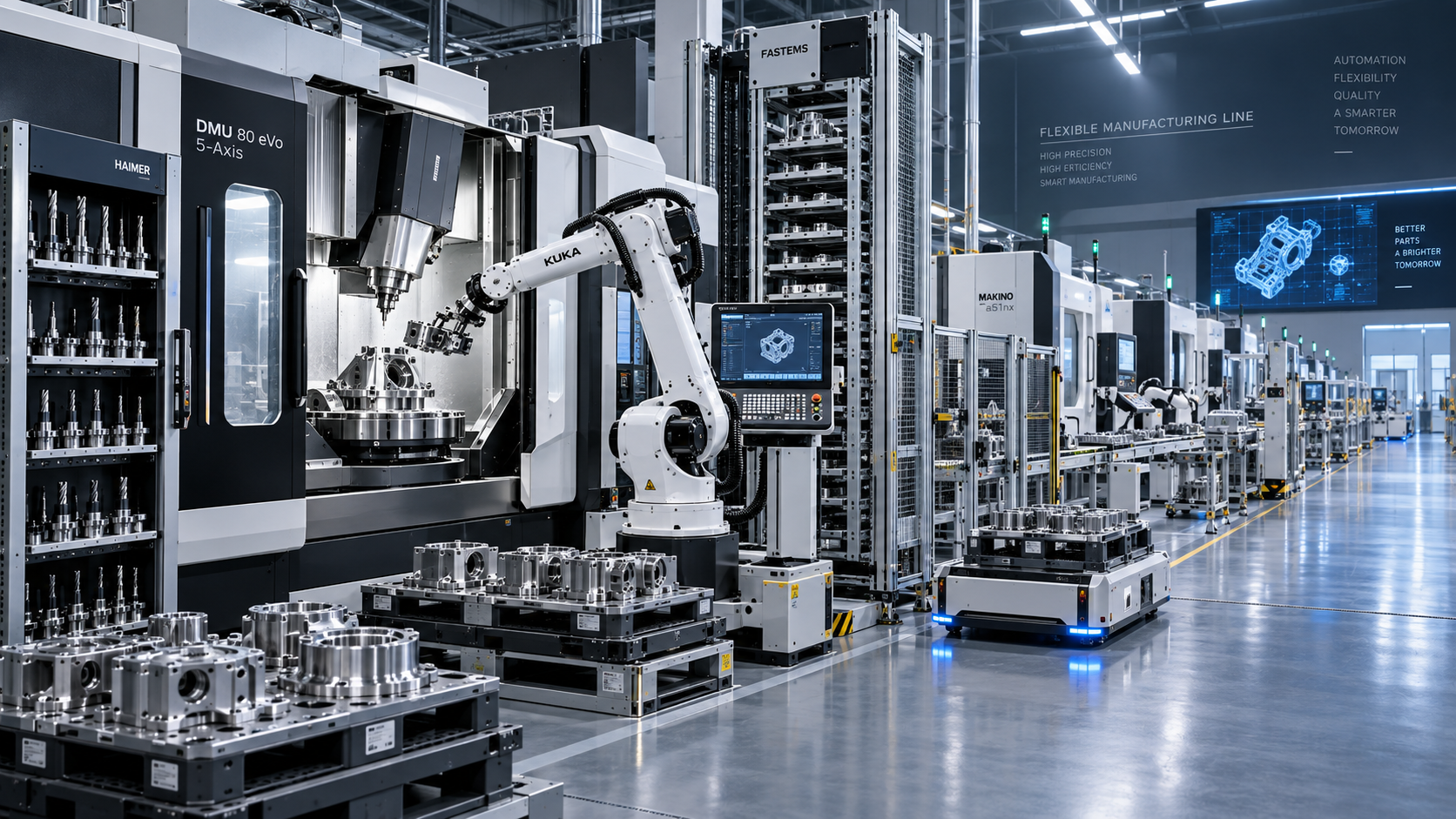
How to Evaluate an Automated Production Line for Output, Flexibility, and ROIMachine Tool Industry Editorial Team▶
How Smart Manufacturing Improves Traceability and Quality Control in Aerospace?Machine Tool Industry Editorial Team
Mastering 5-Axis Workholding Strategies
Join our technical panel on Nov 15th to learn about reducing vibrations in thin-wall components.

Providing you with integrated sanding solutions
Before-sales and after-sales services
Comprehensive technical support