• Global CNC market projected to reach $128B by 2028 • New EU trade regulations for precision tooling components • Aerospace deman
NYSE: CNC +1.2%LME: STEEL -0.4%

Automated Production for Small Batch Manufacturing: Where It Pays Off and Where It Doesn't
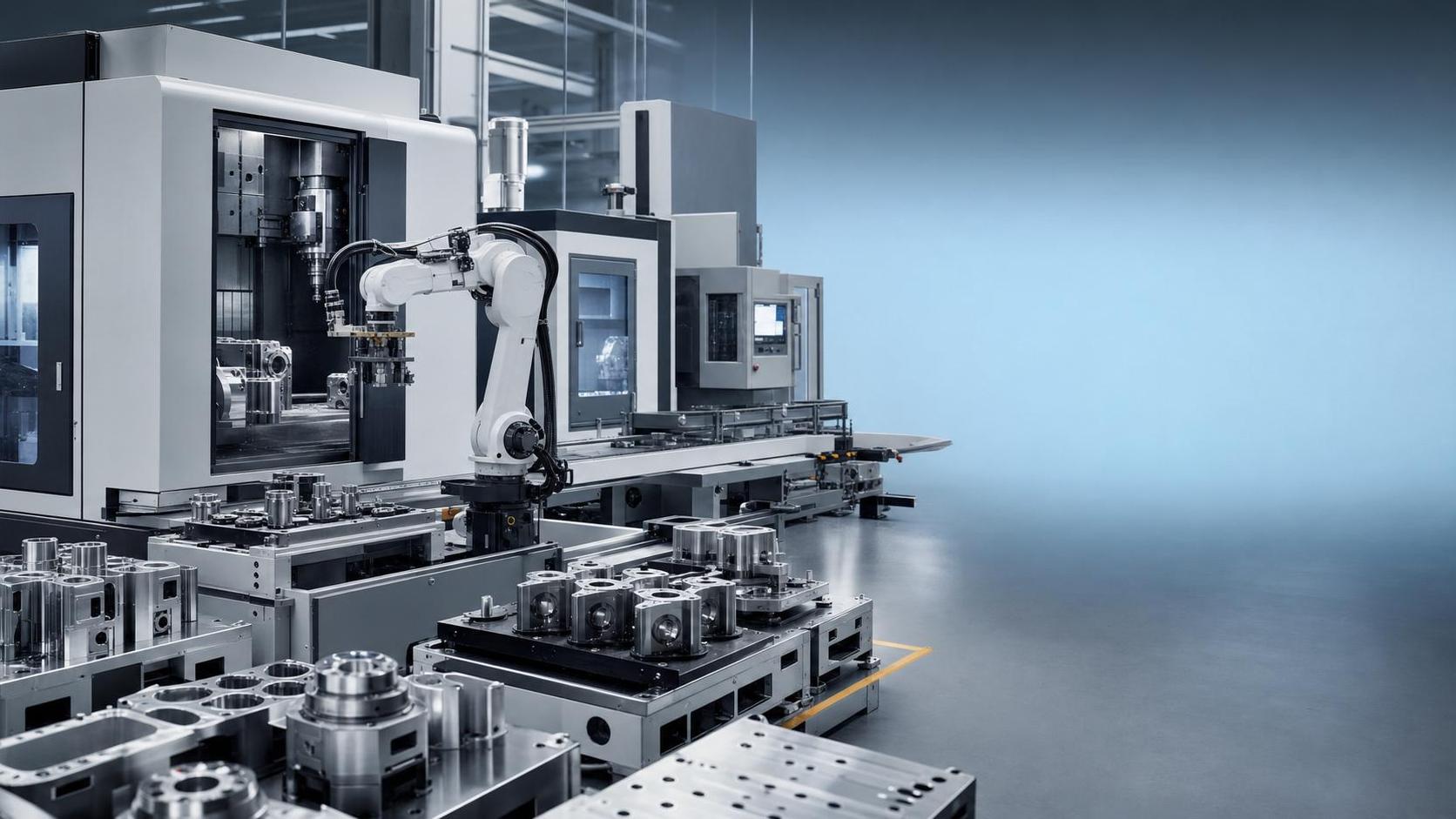
Automated Production for Small Batch Manufacturing: Where It Pays Off and Where It Doesn't
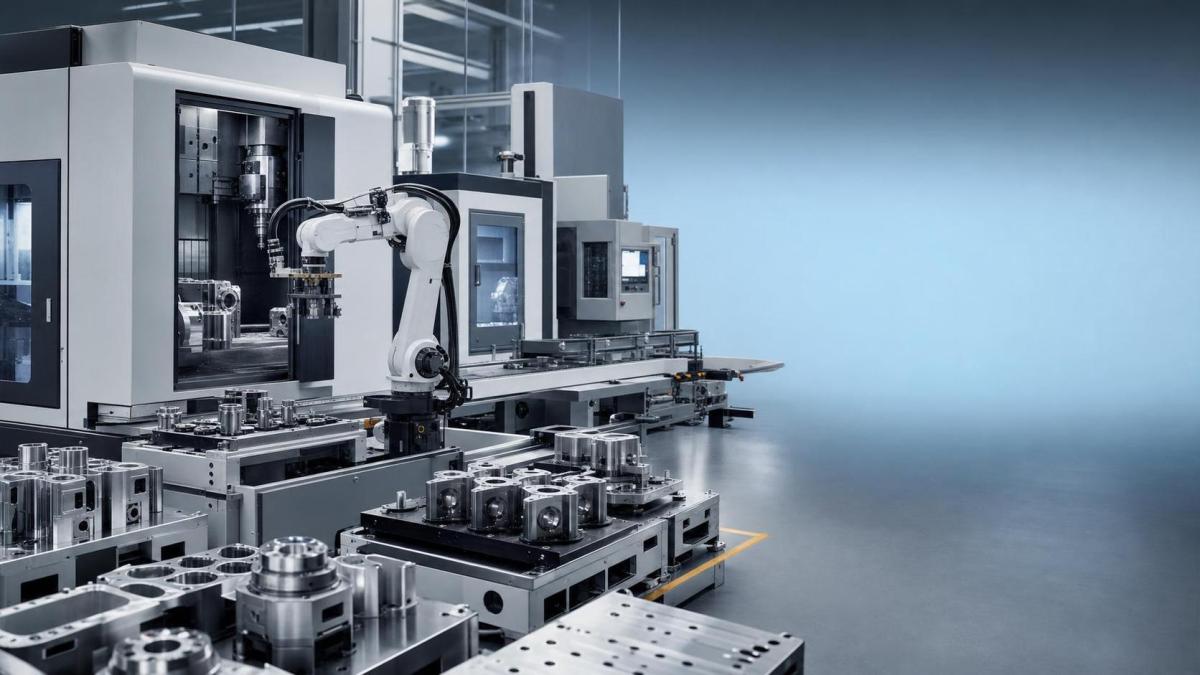
Automated production has become a defining force in modern manufacturing. Yet small batch work follows different economics than high-volume lines.
That difference matters most in CNC machining, precision parts, and mixed-model production. Not every process gains equally from automation.
In practice, the best decisions come from matching automated production to stable demand, repeatable geometry, and measurable labor pressure.
When those conditions are missing, manual or semi-automated production often protects cash flow, flexibility, and delivery performance more effectively.
For procurement and cost planning, the core question is simple: where does automated production create real return, and where does it lock capital into weak utilization?
This article looks at the decision from a practical angle, with a focus on machine tools, machining cells, loading systems, fixtures, and process risk.
Why Small Batch Manufacturing Challenges Automated Production
Small batch manufacturing usually combines short runs, frequent changeovers, and varied part designs. That immediately changes the automation math.
A robot, pallet system, or automated loading cell adds value only when setup time stays low relative to machine runtime.
If every batch needs new jaws, fresh probing logic, or program edits, automated production can become an expensive support layer.
This is common in aerospace prototypes, custom energy components, and precision job shops serving many industries at once.
More importantly, small batch work often values schedule agility over pure cycle time. That shifts the target from maximum automation to useful automation.
From a purchasing view, automation should solve a bottleneck, not simply follow an industry trend.
Where Automated Production Pays Off
Automated production works best when part families share process logic. Similar diameters, repeat fixtures, and stable tool paths reduce changeover waste.
In CNC turning and machining centers, that often means shafts, discs, housings, and structural parts with recurring dimensions.
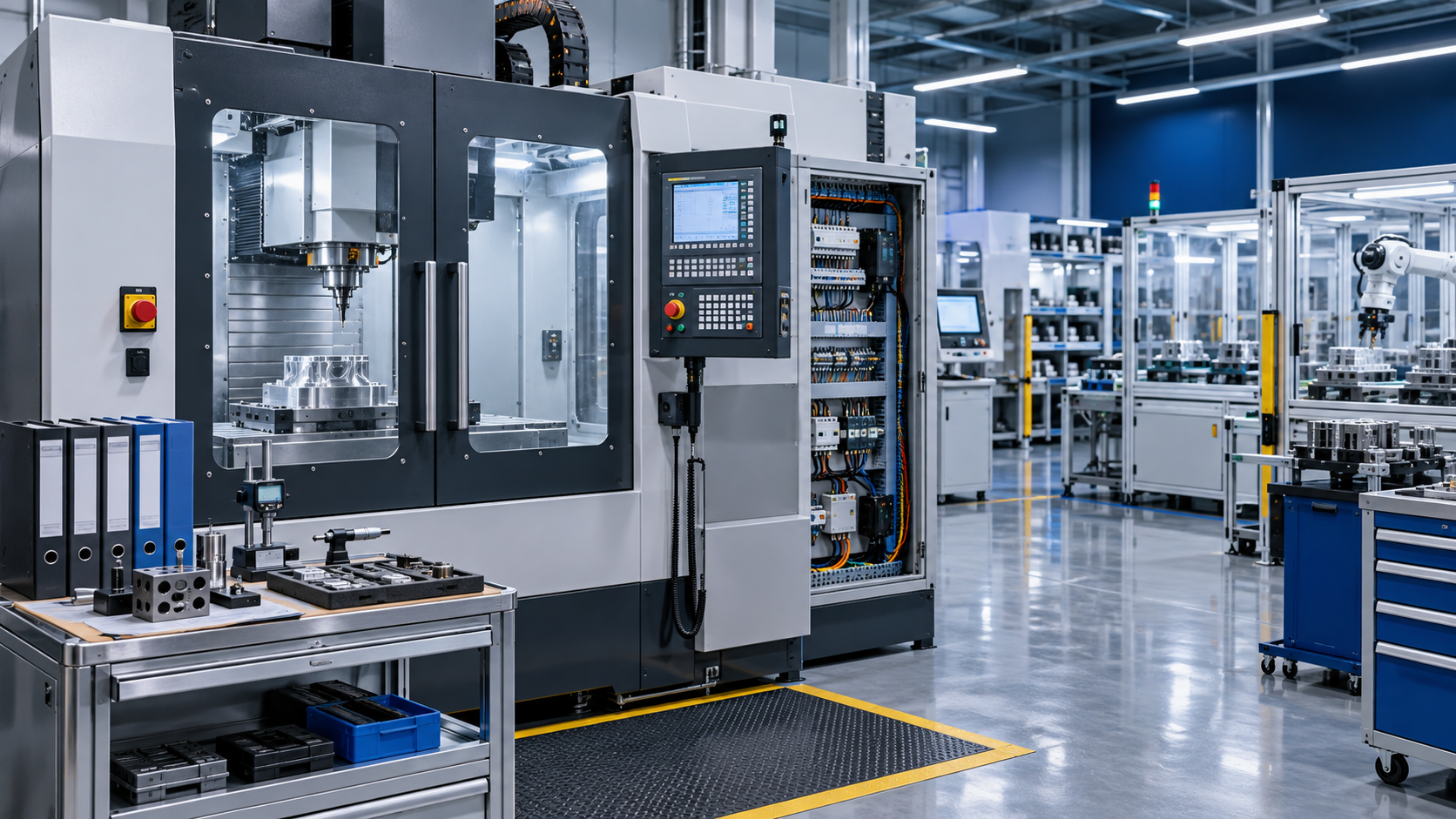
The return improves further when labor availability is tight. One operator can supervise several machines through automated production cells.
That matters in regions where skilled machinists are scarce or where night shifts are difficult to staff consistently.
Another strong use case is quality consistency. Automated production reduces handling variation, missed loading steps, and basic operator-driven errors.
This is especially valuable for precision manufacturing, where micron-level repeatability affects downstream assembly and scrap costs.
The economics become even clearer when three conditions appear together:
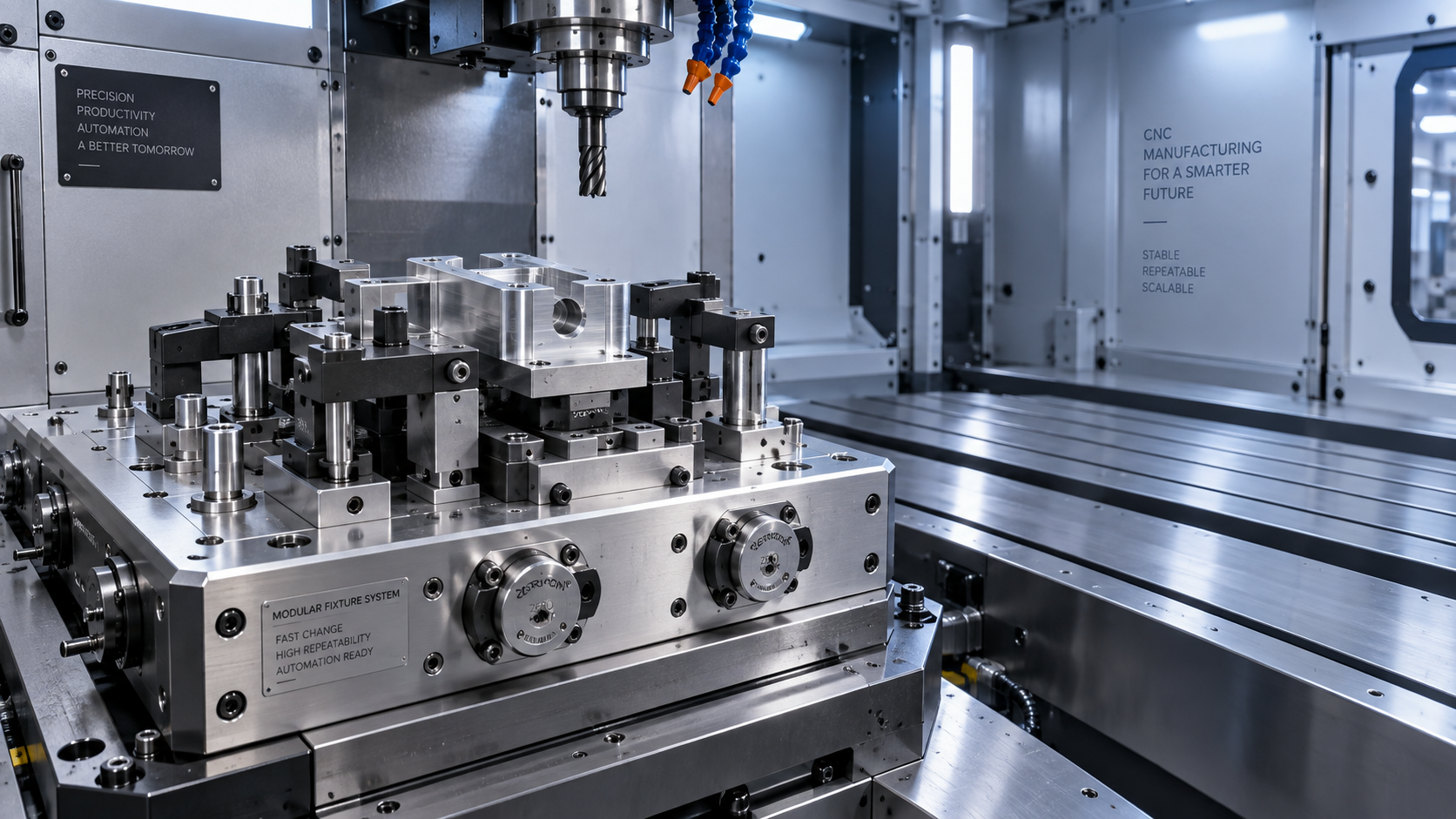
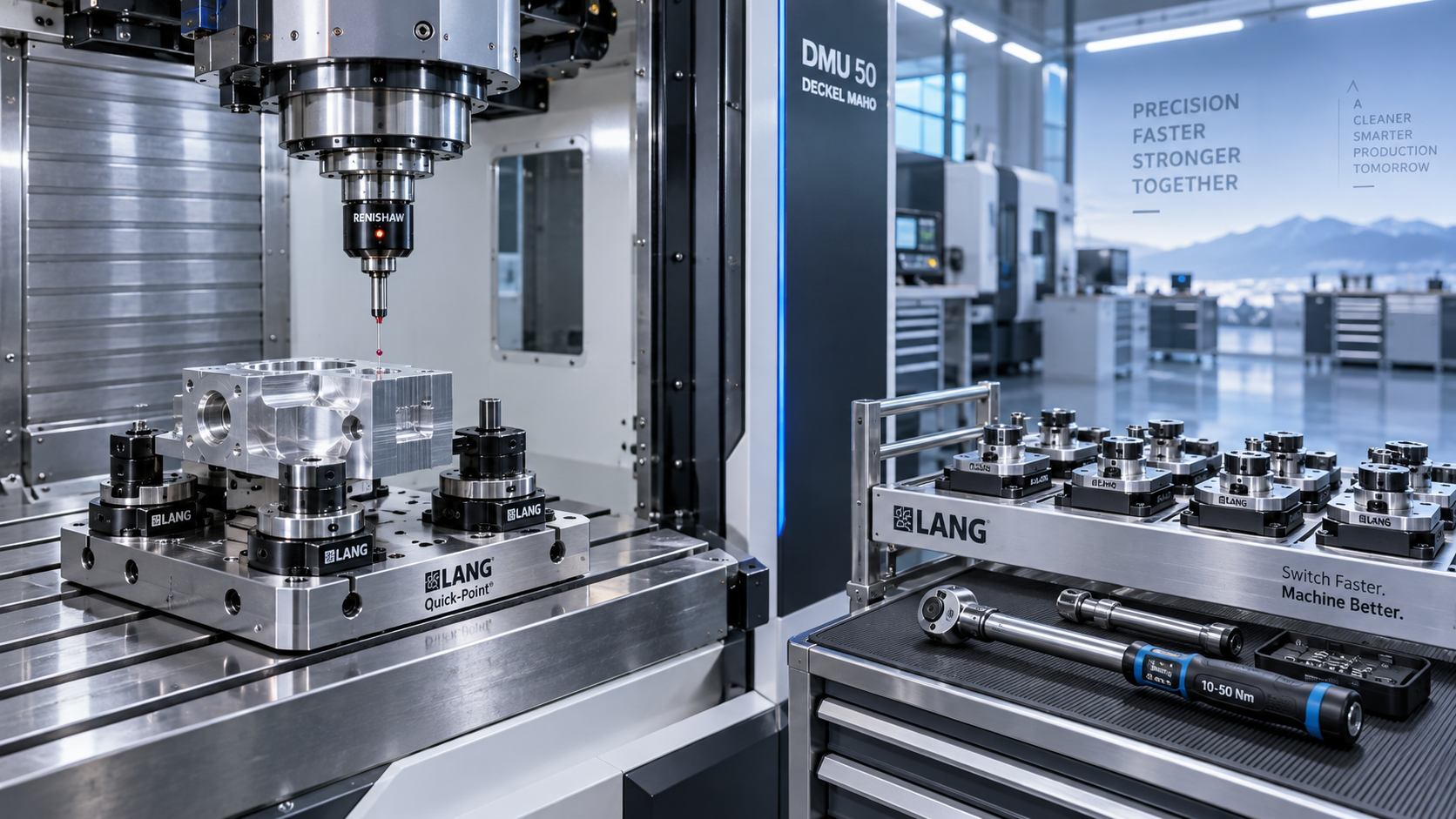
- Setup can be standardized through modular fixtures or pallet systems.
- Cycle time is long enough to justify unattended or lightly attended operation.
- Demand repeats often enough to keep the automated production asset loaded.
In those cases, even small batch manufacturing can gain lower cost per part, shorter lead times, and more predictable scheduling.
A well-designed automated production cell may also expand capacity without adding floor space at the same rate as manual operations.
Typical High-Return Scenarios
- Recurring small batches for automotive service parts or industrial spare components.
- Machining centers processing families of aluminum or steel housings.
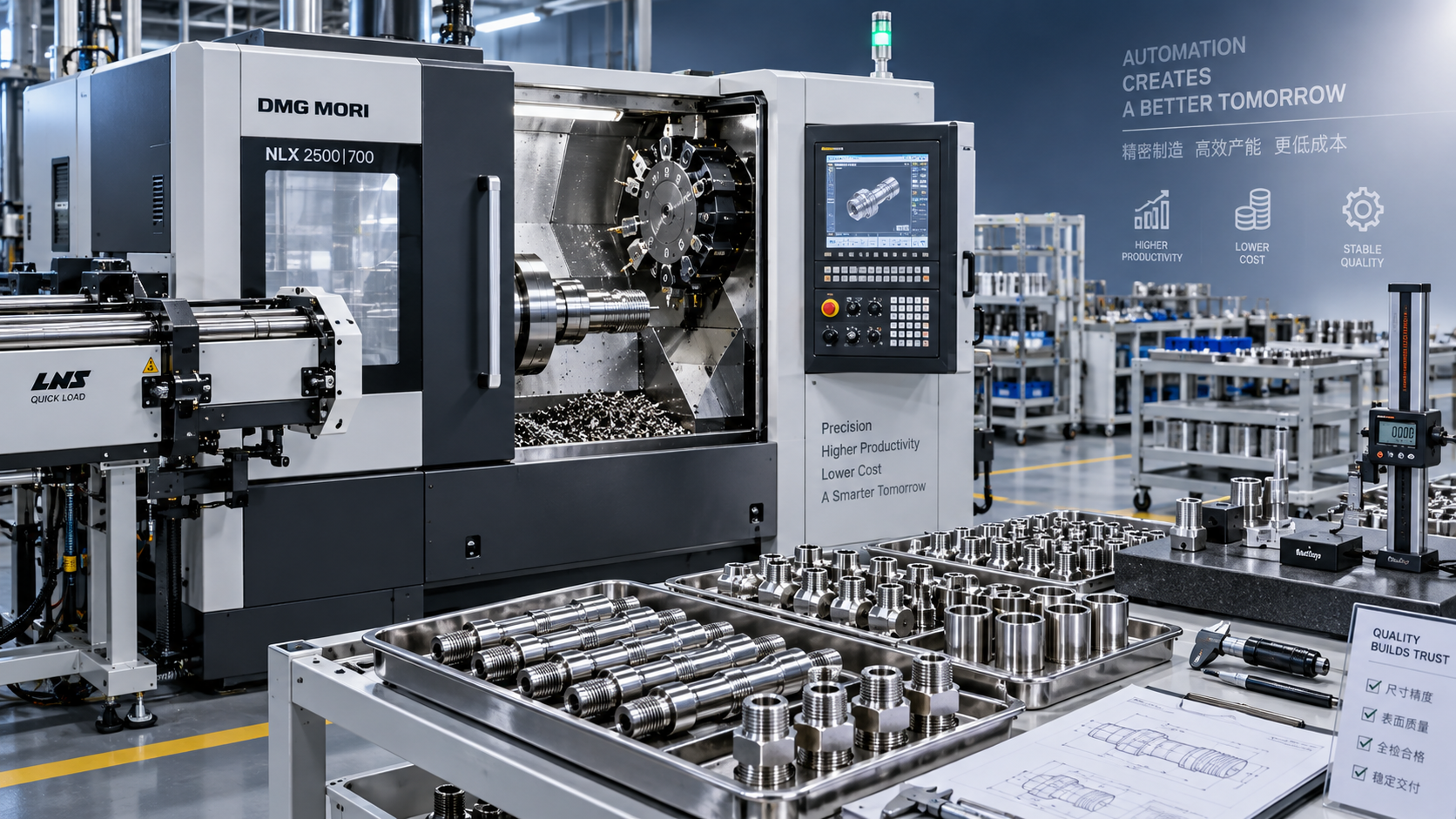
- CNC lathes producing repeat shaft variants with shared chucking logic.
- Night-shift production where automated loading replaces low-value manual attendance.
- Operations facing quality escapes caused by inconsistent part handling.
Where Automated Production Often Fails to Pay Back
Automated production struggles when every batch behaves like a new project. That includes unstable drawings, frequent engineering changes, and uncertain volumes.
If product mix changes weekly, automation engineers may spend more time reconfiguring than the machine saves in runtime.
This is a common issue with complex prototypes, low-repeat aerospace parts, and custom fabrication tied to one-off customer requirements.
Another weak area is highly delicate loading. Thin-wall parts, unstable blanks, or cosmetic surfaces may need human judgment during handling.
In those cases, manual loading can actually protect yield better than a complex automated production system.
Payback also weakens when machine uptime is already low. Buying automation for an unstable process usually amplifies problems instead of fixing them.
If tooling life is inconsistent, chips are difficult to evacuate, or inspection loops are poorly defined, automated production will inherit those weaknesses.
The result is capital tied to underperforming equipment, plus extra maintenance, training, and integration costs.
Warning Signs Before Purchase
- Batch sizes are small, but repeat orders are irregular.
- Fixture design changes every few weeks.
- Programs require manual adjustment at startup.
- Scrap causes are not yet stable or measurable.
- Internal teams lack automation maintenance capability.
How to Evaluate the Real Cost of Automated Production
Capital price alone is not the decision. The real calculation should include setup hours, fixture cost, maintenance, programming, and operator training.
A lower-priced robot cell can be more expensive than a higher-priced flexible system if changeovers stay labor-heavy.
For procurement teams, a simple model usually works better than a theoretical one. Focus on practical cost drivers first.
- Measure annual repeat volume by part family, not by individual SKU.
- Compare current labor hours against projected attended and unattended machine hours.
- Estimate changeover time before and after automated production.
- Include scrap reduction, rework savings, and delivery reliability.
- Test utilization under realistic demand swings, not ideal loading assumptions.
One overlooked factor is management attention. Automated production needs standards, ownership, and response discipline to stay productive.
Without that structure, return on investment often slips long before the equipment reaches technical limits.
A Practical Cost Comparison
A Smarter Approach: Flexible Automation First
For many manufacturers, the best answer is not full automation on day one. It is flexible automated production with staged expansion.
That may include modular fixtures, quick-change clamping, probing, pallet pools, or cobot-assisted loading around existing CNC machines.
This approach lowers risk while building the process discipline needed for broader automation later.
It also gives purchasing teams better data. Real setup times, actual stoppages, and realistic utilization become visible quickly.
More importantly, flexible automated production fits the direction of the global machine tool industry.
Suppliers in China, Germany, Japan, and South Korea increasingly offer scalable systems that support mixed production rather than only mass production.
That shift is especially relevant for precision manufacturing businesses balancing export demand, product variation, and labor constraints.
What to Ask Before Approving the Investment
Before selecting an automated production solution, the decision should be tested against operational facts, not vendor promises.
- Which part families will run on the system for at least two years?
- How much setup labor disappears, and how much simply moves upstream?
- What happens when demand drops by 20 percent?
- Can local teams maintain the equipment without long service delays?
- Will the automated production cell integrate cleanly with inspection and material flow?
These questions usually reveal whether automation is solving a structural need or chasing a headline trend.
In real operations, automated production pays off when it supports repeatable output, stronger delivery control, and labor leverage.
It does not pay off when it replaces flexibility with complexity or adds fixed cost to unstable demand.
The most effective next step is usually a part-family review, a pilot cell analysis, and a payback model built from actual shop-floor data.
PREVIOUS ARTICLE
NEXT ARTICLE
Recommended for You
 Can CNC Machining Inconel Control Tool Wear in High-Temperature Aerospace Parts?CNC Machining Technology Center
 Machine Tool Market Outlook: Demand Drivers, Capacity Shifts, and Investment RisksManufacturing Market Research Center
 Zero-Point Clamping or Modular Fixtures? Choosing a Faster CNC Changeover SystemCNC Machining Technology Center
 How to Cut CNC Fixture Changeover Time Without Sacrificing Part AccuracyCNC Machining Technology Center
 When Does CNC Turning Pay Off? A Break-Even Guide by Annual Part VolumeMachine Tool Industry Editorial Team
 Machine Tool Standards by Country: What Importers Must Verify Before PurchaseManufacturing Policy Research Center

Aris Katos
Future of Carbide Coatings
15+ years in precision manufacturing systems. Specialized in high-speed milling and aerospace grade alloy processing.
▶
Smart Manufacturing for Small Businesses: Where Automation Delivers the Fastest ROIMachine Tool Industry Editorial Team▶
How Smart Manufacturing Technology Improves OEE Across Industry 4.0 Production LinesMachine Tool Industry Editorial Team▶
How to Evaluate an Automation Line for Electronics Production Before InvestmentMachine Tool Industry Editorial Team▶
How to Evaluate an Automated Production Line for Output, Flexibility, and ROIMachine Tool Industry Editorial Team▶
How Smart Manufacturing Improves Traceability and Quality Control in Aerospace?Machine Tool Industry Editorial Team
Mastering 5-Axis Workholding Strategies
Join our technical panel on Nov 15th to learn about reducing vibrations in thin-wall components.

Providing you with integrated sanding solutions
Before-sales and after-sales services
Comprehensive technical support