• Global CNC market projected to reach $128B by 2028 • New EU trade regulations for precision tooling components • Aerospace deman
NYSE: CNC +1.2%LME: STEEL -0.4%

How to Compare Automated Production Line Quotations for Assembly Projects
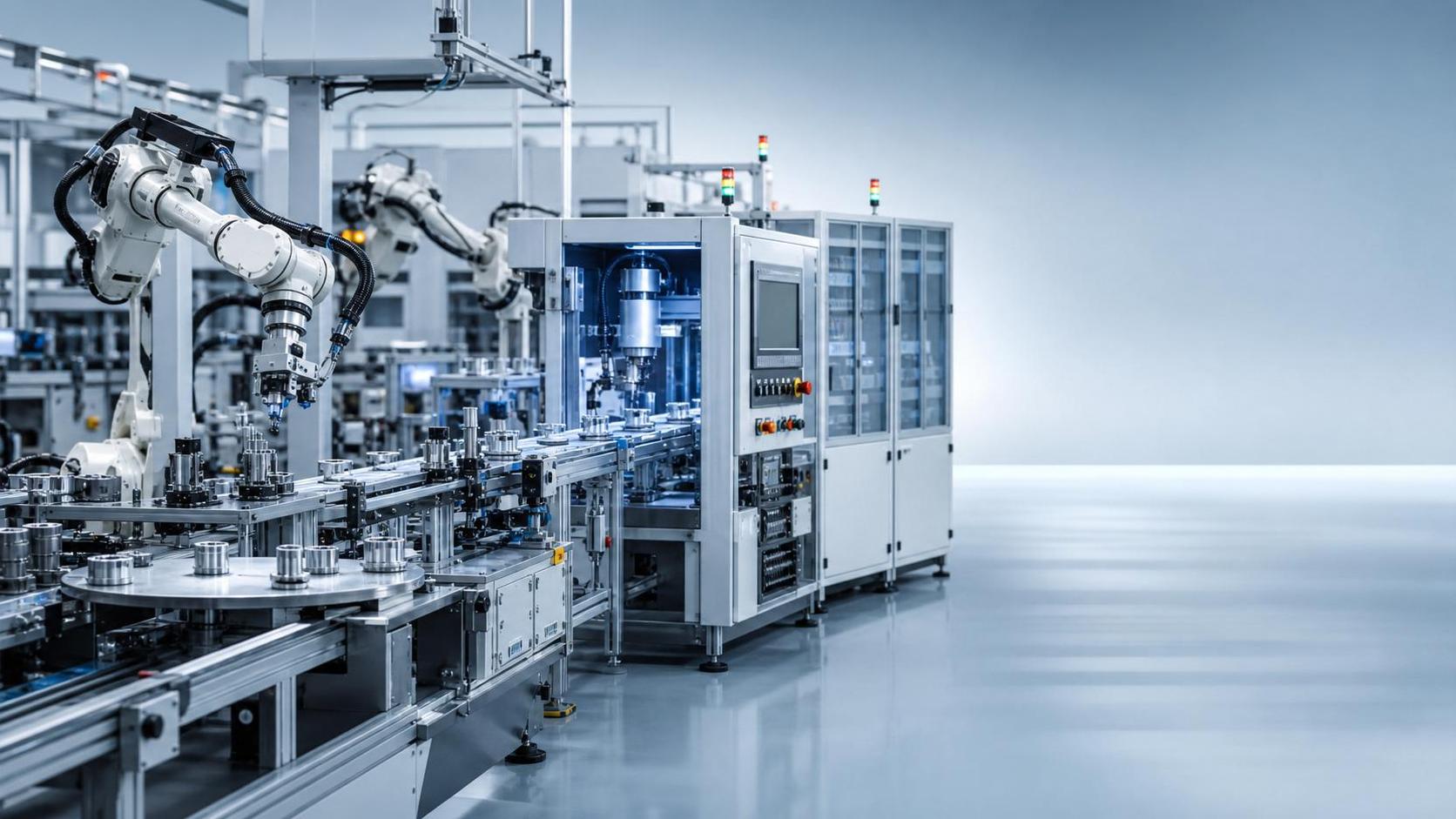
Why does an Automated Production Line quotation need deeper comparison?
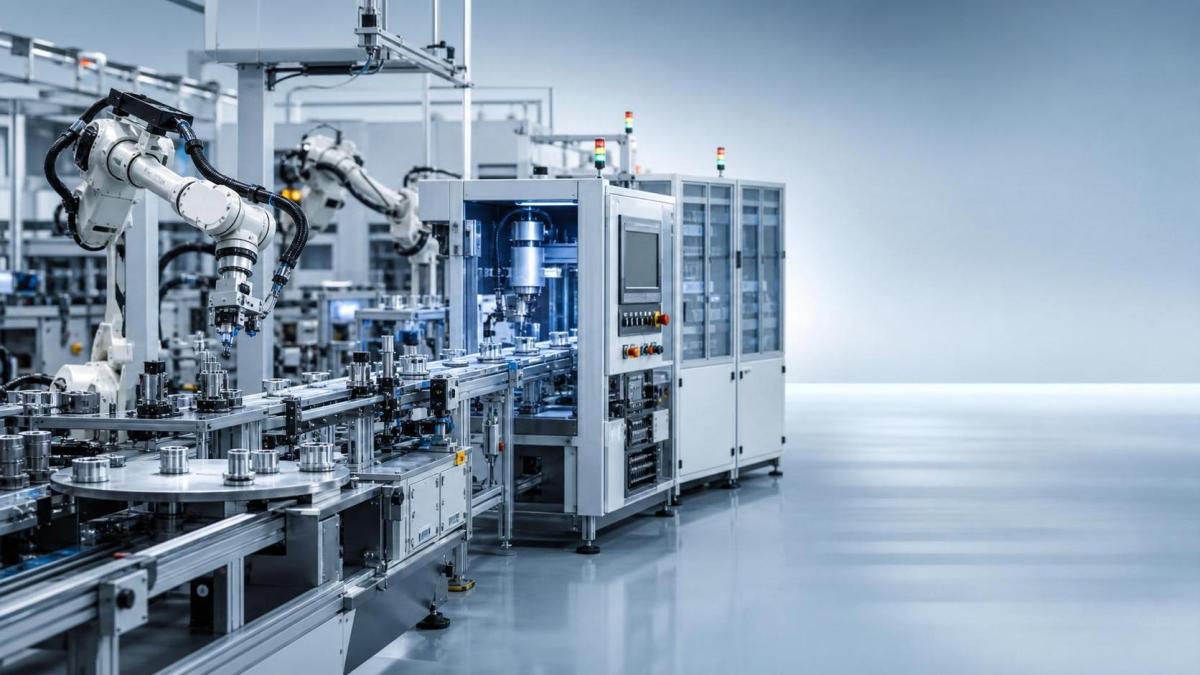
An Automated Production Line quotation often looks straightforward at first glance. One supplier lists machines, another lists stations, and both present a final price.
In practice, the quotation reflects much more than equipment cost. It also reveals process design, automation depth, software scope, and production assumptions.
That is especially true in assembly projects linked to CNC machining, precision components, and smart factory planning.
A line built for automotive subassemblies will not be quoted like one for electronics modules or energy equipment parts.
The stronger the requirement for precision, traceability, and digital integration, the less useful a price-only comparison becomes.
A good review of an Automated Production Line quotation helps clarify what is included, what is excluded, and what may become an extra cost later.
It also reduces a common risk in global sourcing. Two quotations may appear similar, while their delivery boundary is completely different.
This matters in a manufacturing environment where CNC machine tools, robotic handling, fixtures, inspection systems, and software must work as one system.
The more integrated the line, the more carefully each quotation should be read.
What should be included before you compare any Automated Production Line quotation?
Start by checking whether the quotations are built on the same production target. Without that, comparison becomes misleading very quickly.
A useful baseline usually includes annual output, takt time, shift pattern, product mix, and quality requirements.
It should also define the upstream and downstream interfaces. For example, will the line receive parts from CNC machining centers, manual loading, or AGV transport?
Another point is the exact scope of supply. Suppliers often package the same line differently.
- Core machines and assembly stations
- Robots, grippers, fixtures, and tool changers
- Vision inspection, leak testing, torque monitoring, or SPC modules
- MES, PLC, SCADA, and data connectivity
- Installation, commissioning, training, and acceptance testing
- Spare parts, manuals, and after-sales response terms
When these items are not aligned, the lower Automated Production Line quotation may simply exclude expensive but necessary functions.
In actual projects, integration with traceability systems and quality verification is often where quotation gaps become visible.
That is increasingly important in sectors influenced by high-precision machine tool manufacturing, where tolerances, repeatability, and data records affect final approval.
Where do quotation differences usually hide?
The most important differences are rarely in the summary page. They are usually hidden in assumptions, exclusions, and performance conditions.
One supplier may quote a fully linked automated line. Another may price a semi-automatic version with manual transfer between stations.
Both might still use similar language in the proposal.
A practical way to compare an Automated Production Line quotation is to map each offer against the same decision points.
This kind of comparison prevents a familiar mistake: choosing the cheapest offer before confirming whether it can achieve required throughput with actual product variation.
How do you judge whether the price is reasonable, not just low?
A reasonable Automated Production Line quotation balances capital cost with output reliability, quality consistency, and future operating burden.
This is where many assembly projects benefit from a total-cost view rather than a purchase-price view.
For example, a lower quotation may use simpler fixtures, less robust feeding systems, or fewer sensors.
That can reduce upfront spending, but increase downtime, operator intervention, and defect escape.
On the other hand, the highest quotation is not automatically the best one. Some offers include advanced options that do not match the project stage.
A sensible review looks at cost drivers one by one.
- Is the quoted automation level necessary for current volume?
- Will product variants require quick changeover features?
- Does the line need to connect with factory data systems from day one?
- Are critical wear parts and standard components easy to source globally?
- How much local support is available during ramp-up?
In the CNC and precision manufacturing ecosystem, reliability often matters more than a small initial price gap.
A line serving aerospace parts, precision discs, or structural assemblies usually faces stricter validation needs than a basic transfer line.
That changes what a “good” quotation really means.
Which risks are commonly missed when reviewing an Automated Production Line quotation?
The most common mistake is assuming the quotation already covers implementation reality.
In real projects, site conditions, utility requirements, local compliance, and supplier coordination create extra work that may not appear in the base offer.
Another overlooked issue is technical compatibility with existing production assets.
If the assembly line depends on upstream CNC machining data, fixture accuracy, or part orientation consistency, that dependency must be stated clearly.
Otherwise, performance disputes appear after delivery, not before order placement.
A few risk checks are worth formalizing during quotation review:
- Confirm excluded items, especially foundations, utilities, guarding changes, and interface programming.
- Review lead time assumptions for robots, controllers, servos, and imported components.
- Check whether FAT and SAT criteria are measurable and documented.
- Verify spare parts strategy for the first year of operation.
- Assess whether future model changes require major redesign or simple tooling updates.
With suppliers operating across China, Germany, Japan, South Korea, and other industrial clusters, quotation structures can differ due to engineering practice and trade terms.
That makes side-by-side normalization essential.
What is a practical way to compare suppliers and move toward a decision?
A useful method is to turn each Automated Production Line quotation into the same scoring sheet.
This keeps the process disciplined and prevents a polished presentation from overshadowing technical gaps.
The scorecard does not need to be complicated. It only needs to reflect the real priorities of the assembly project.
Once the quotations are normalized, the next step is simple. Revisit the assumptions behind the top two options and test them against the actual project conditions.
That usually means checking process compatibility, reviewing hidden costs, and confirming acceptance standards before final negotiation.
A careful Automated Production Line quotation review does not slow procurement. It prevents expensive surprises after approval.
The strongest next move is to define one comparison template, apply it to every supplier, and challenge every unclear assumption in writing.
That approach creates a cleaner budget, a more realistic timeline, and a decision supported by evidence rather than headline price.
Recommended for You
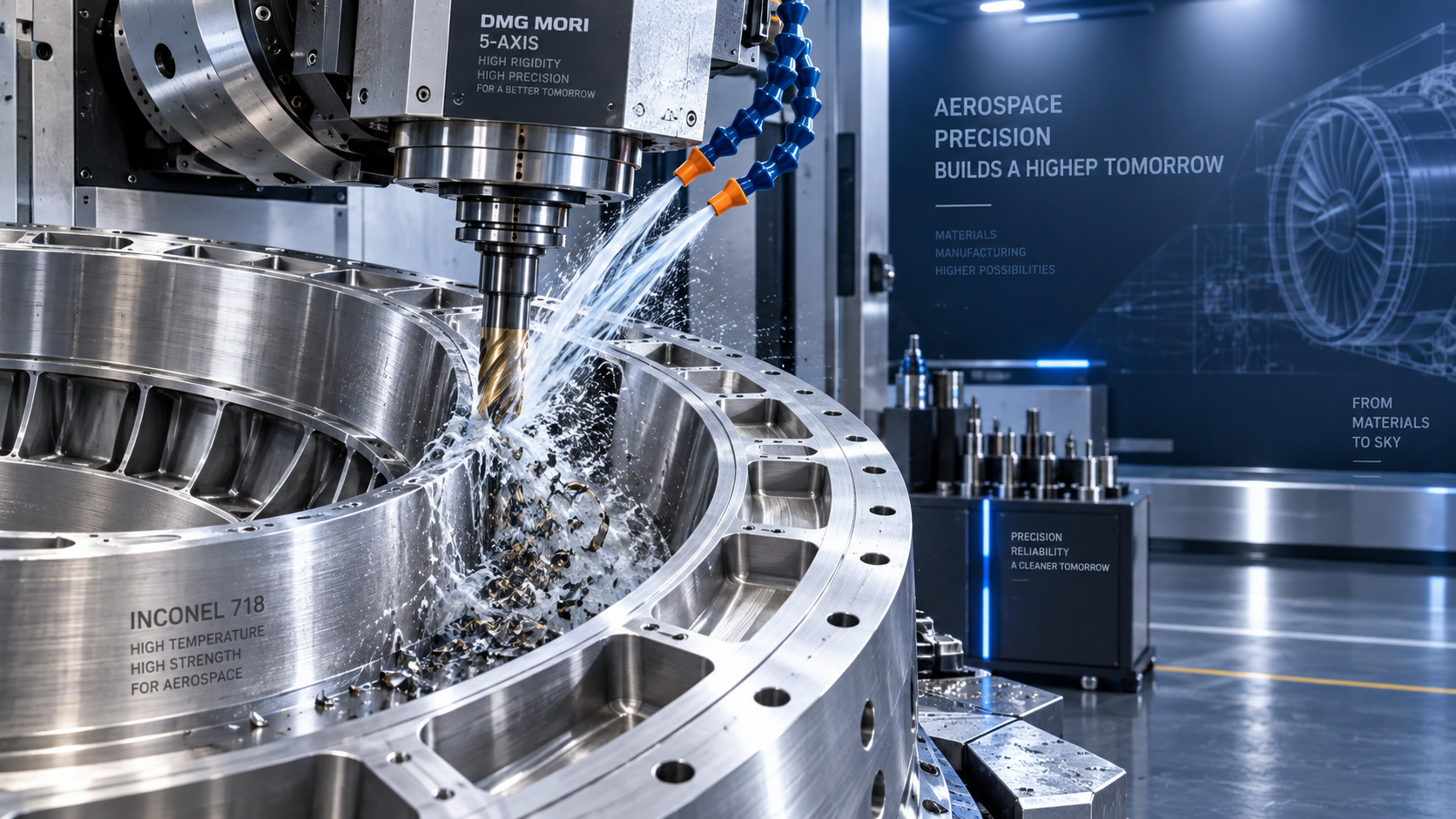
 Can CNC Machining Inconel Control Tool Wear in High-Temperature Aerospace Parts?CNC Machining Technology Center
 Machine Tool Market Outlook: Demand Drivers, Capacity Shifts, and Investment RisksManufacturing Market Research Center
 Zero-Point Clamping or Modular Fixtures? Choosing a Faster CNC Changeover SystemCNC Machining Technology Center
 How to Cut CNC Fixture Changeover Time Without Sacrificing Part AccuracyCNC Machining Technology Center
 When Does CNC Turning Pay Off? A Break-Even Guide by Annual Part VolumeMachine Tool Industry Editorial Team
 Machine Tool Standards by Country: What Importers Must Verify Before PurchaseManufacturing Policy Research Center

Aris Katos
Future of Carbide Coatings
15+ years in precision manufacturing systems. Specialized in high-speed milling and aerospace grade alloy processing.
▶
Smart Manufacturing for Small Businesses: Where Automation Delivers the Fastest ROIMachine Tool Industry Editorial Team▶
How Smart Manufacturing Technology Improves OEE Across Industry 4.0 Production LinesMachine Tool Industry Editorial Team▶
How to Evaluate an Automation Line for Electronics Production Before InvestmentMachine Tool Industry Editorial Team▶
How to Evaluate an Automated Production Line for Output, Flexibility, and ROIMachine Tool Industry Editorial Team▶
How Smart Manufacturing Improves Traceability and Quality Control in Aerospace?Machine Tool Industry Editorial Team
Mastering 5-Axis Workholding Strategies
Join our technical panel on Nov 15th to learn about reducing vibrations in thin-wall components.

Providing you with integrated sanding solutions
Before-sales and after-sales services
Comprehensive technical support