• Global CNC market projected to reach $128B by 2028 • New EU trade regulations for precision tooling components • Aerospace deman
NYSE: CNC +1.2%LME: STEEL -0.4%

Industrial Automation Solutions for Smart Factory: Where to Start and What to Prioritize
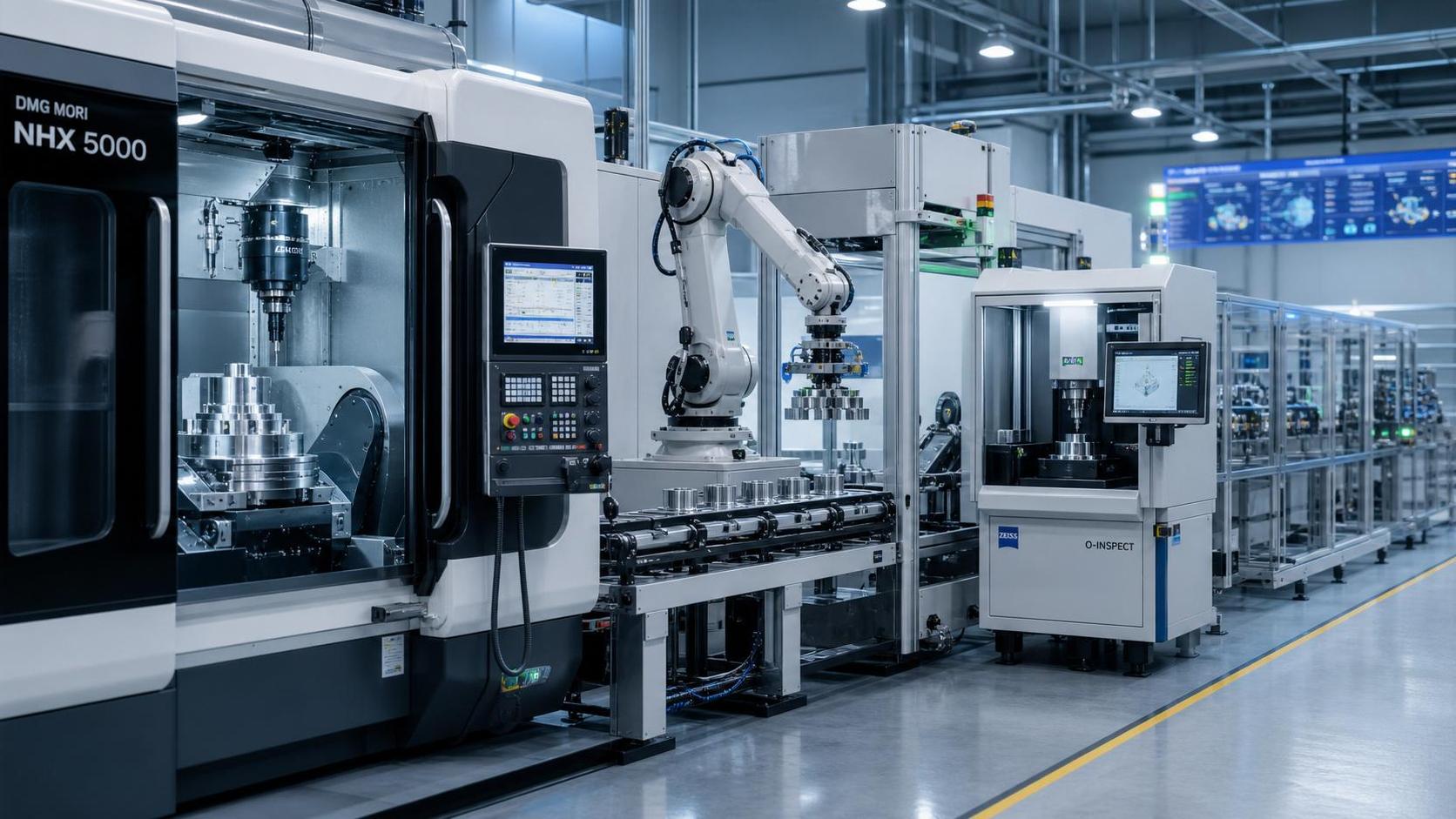
Industrial Automation Solutions for Smart Factory: Where to Start and What to Prioritize
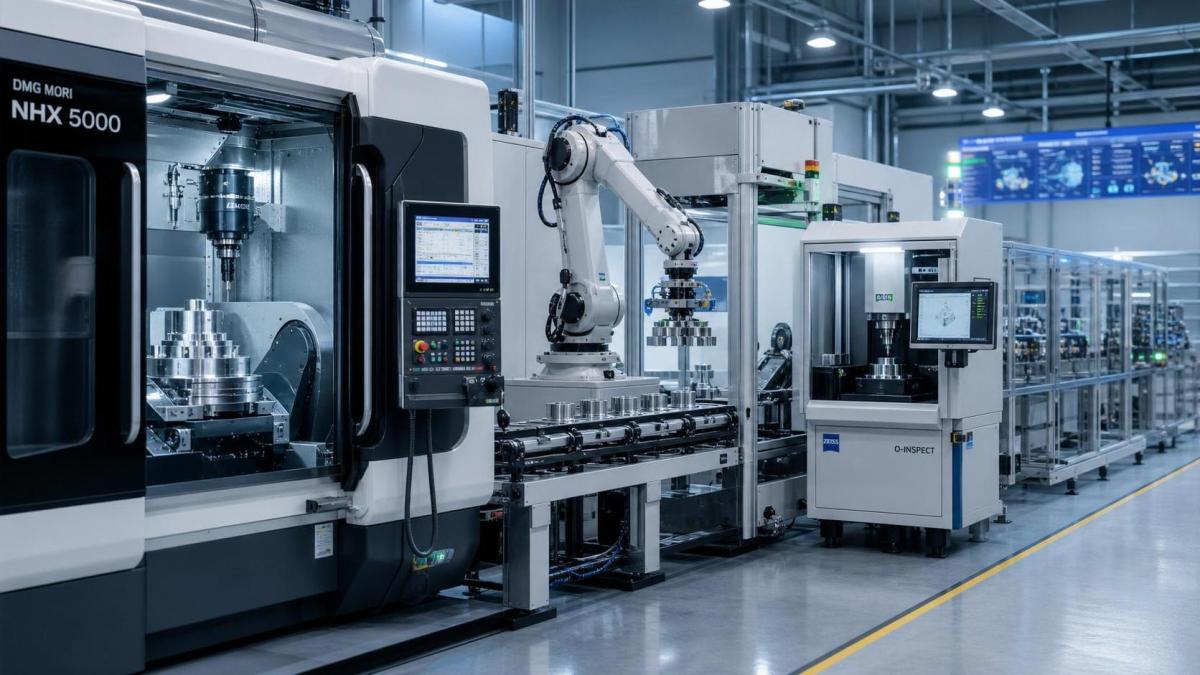
Industrial Automation solutions for smart factory programs promise better output, tighter quality control, and faster response to market shifts.
The problem is rarely the value of automation itself.
It is deciding where to begin, what to connect first, and which investments deserve priority.
In CNC machining and precision manufacturing, that question matters even more.
Machine uptime, cycle time, tool life, scrap rates, and delivery performance are all tightly linked.
A smart factory strategy works best when it improves those linked variables in a practical sequence.
That means starting with operational pain points, not abstract digital ambitions.
For most manufacturers, the strongest early gains come from better machine visibility, stable process control, and targeted workflow automation.
From there, Industrial Automation solutions for smart factory expansion become easier to scale across plants, product lines, and supplier networks.
Why Smart Factory Priorities Often Go Wrong
Many projects start with a technology list instead of a business case.
Robots, MES, sensors, dashboards, and AI all sound attractive.
Yet value appears only when those tools solve a measurable production problem.
In actual operations, common failures usually follow a familiar pattern.
- Too many systems are introduced at once.
- Legacy CNC equipment cannot share clean data.
- Automation is added to unstable processes.
- Teams lack clear ownership across production and IT.
- Return on investment is tracked too late.
This is why Industrial Automation solutions for smart factory planning should begin with a short list of bottlenecks.
The first question is simple.
Where is the factory losing time, precision, labor efficiency, or scheduling reliability today?
Where to Start: Build a Strong Operational Baseline
Before expanding automation, establish a baseline for current performance.
Without that baseline, every later improvement becomes harder to verify.
For CNC machine tools and automated lines, five metrics matter first.
- Machine utilization by shift and product type.
- Unplanned downtime by cause.
- Scrap and rework rates by process step.
- Changeover time and setup consistency.
- On-time delivery and schedule adherence.
This stage is less glamorous than robotics, but it is far more decisive.
It reveals whether the plant needs data visibility, process discipline, or physical automation first.
For many sites, Industrial Automation solutions for smart factory success begin with machine monitoring and production data capture.
That includes CNC status, spindle load, alarm history, tool usage, cycle completion, and operator interventions.
Once these signals are visible, hidden waste becomes much easier to attack.
Start with the Most Repetitive, Measurable Area
A pilot should focus on one production area with high repetition and clear output targets.
That might be a machining cell, an assembly station, or a finishing line.
The point is to reduce variation while proving financial impact quickly.
What to Prioritize First in Industrial Automation Solutions for Smart Factory Programs
Once the baseline is clear, priorities usually fall into a logical order.
That order can vary by factory, but the following sequence works in most precision manufacturing settings.
1. Real-Time Machine Connectivity
Connect CNC machines, inspection devices, and key line equipment to a common data layer.
This is the foundation for every serious smart factory application.
Without connectivity, scheduling, predictive maintenance, and quality analytics stay fragmented.
2. Process Stability Before Full Automation
Do not automate unstable work.
If tool wear, clamping variation, or inconsistent setups already create scrap, robots will only repeat those errors faster.
Standard work, fixture control, and tool management should come early.
3. High-Impact Labor Automation
Then automate repetitive handling, loading, unloading, sorting, and transfer tasks.
These areas often generate quick returns because labor demand is high and the workflow is predictable.
In CNC environments, robotic tending can extend spindle time without adding unnecessary complexity.
4. Quality Traceability
Link production data, tooling history, measurement results, and operator actions.
This supports root-cause analysis and strengthens compliance in sectors like aerospace, automotive, and energy equipment.
5. Planning and Scheduling Integration
The next step is aligning shop-floor data with planning systems.
When schedules reflect real machine status and actual throughput, delivery performance becomes far more reliable.
A Practical Decision Framework
To compare Industrial Automation solutions for smart factory investment options, use a simple decision filter.
This framework keeps smart factory decisions grounded in execution, not just vendor promises.
Common Use Cases in CNC and Precision Manufacturing
In this sector, Industrial Automation solutions for smart factory deployment usually create value in several practical ways.
- Automatic machine loading for lathes and machining centers.
- Tool life tracking linked to part quality and cycle consistency.
- In-process inspection with feedback to machining parameters.
- Digital dashboards for OEE, alarms, and shift performance.
- Flexible production cells for mixed-volume part families.
- Automated material flow between machining, washing, and assembly.
More importantly, these use cases should be selected by production economics.
If a line changes products constantly, flexibility matters more than maximum speed.
If tolerances are tight and scrap is expensive, process feedback and traceability deserve earlier investment.
Risks to Manage Before Scaling
Even strong projects can stall during scale-up.
The main risks are usually organizational rather than technical.
- Production, engineering, and IT follow different priorities.
- Operators are trained too late.
- Maintenance teams cannot support new automation assets.
- Data standards vary across machines and factories.
- Pilots succeed, but no rollout model is defined.
A better approach is to define standards during the pilot stage.
Set rules for data naming, alarm categories, KPI definitions, spare parts, cybersecurity, and supplier responsibilities.
That makes Industrial Automation solutions for smart factory expansion faster and less disruptive later.
How to Move from Pilot to Scalable Results
A useful roadmap is straightforward.
- Identify one high-value production bottleneck.
- Capture baseline performance for at least one full operating cycle.
- Deploy a focused automation and data solution.
- Measure financial and operational results quickly.
- Standardize the design for repeat deployment.
- Scale only after ownership and support are clear.
This kind of sequence keeps capital spending aligned with real factory performance.
It also reduces the risk of buying advanced systems that the operation cannot fully absorb.
In practical terms, the best Industrial Automation solutions for smart factory strategies are rarely the biggest ones first.
They are the ones that solve a real production constraint, prove value fast, and create a repeatable path forward.
For manufacturers in CNC machining and precision production, that is where long-term competitiveness usually starts.
Recommended for You
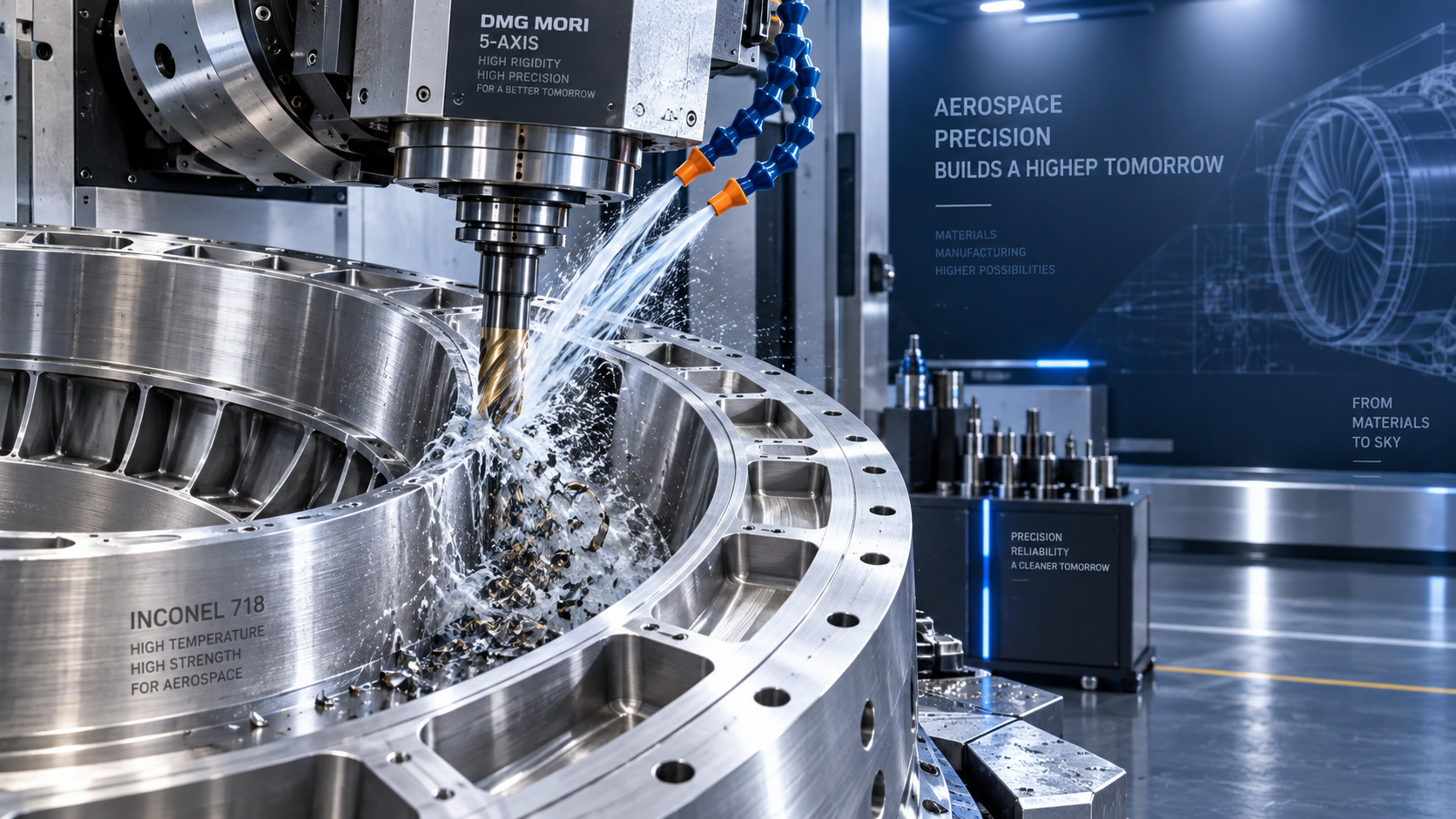
 Can CNC Machining Inconel Control Tool Wear in High-Temperature Aerospace Parts?CNC Machining Technology Center
 Machine Tool Market Outlook: Demand Drivers, Capacity Shifts, and Investment RisksManufacturing Market Research Center
 Zero-Point Clamping or Modular Fixtures? Choosing a Faster CNC Changeover SystemCNC Machining Technology Center
 How to Cut CNC Fixture Changeover Time Without Sacrificing Part AccuracyCNC Machining Technology Center
 When Does CNC Turning Pay Off? A Break-Even Guide by Annual Part VolumeMachine Tool Industry Editorial Team
 Machine Tool Standards by Country: What Importers Must Verify Before PurchaseManufacturing Policy Research Center

Aris Katos
Future of Carbide Coatings
15+ years in precision manufacturing systems. Specialized in high-speed milling and aerospace grade alloy processing.
▶
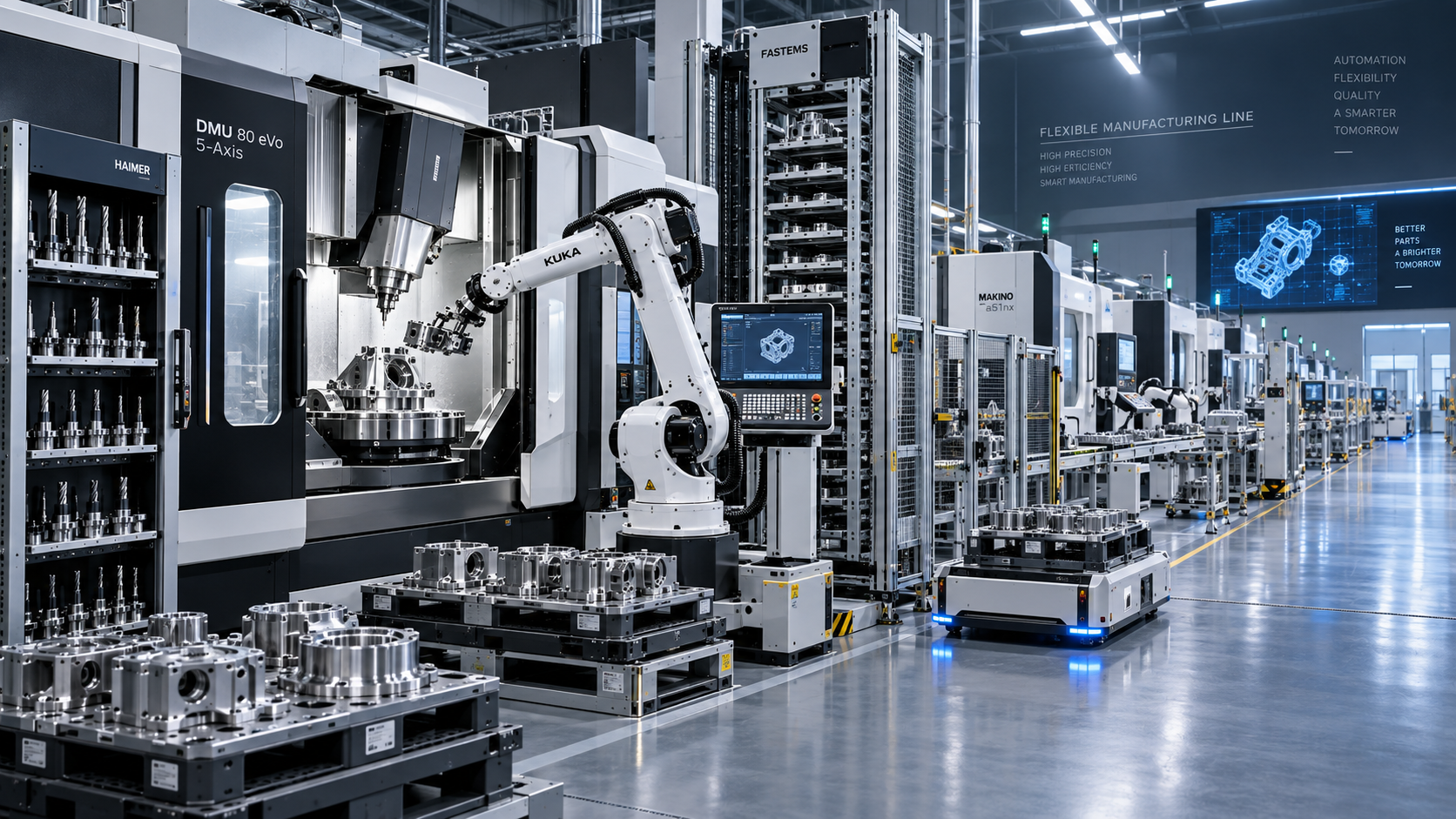
Smart Manufacturing for Small Businesses: Where Automation Delivers the Fastest ROIMachine Tool Industry Editorial Team▶
How Smart Manufacturing Technology Improves OEE Across Industry 4.0 Production LinesMachine Tool Industry Editorial Team▶
How to Evaluate an Automation Line for Electronics Production Before InvestmentMachine Tool Industry Editorial Team▶
How to Evaluate an Automated Production Line for Output, Flexibility, and ROIMachine Tool Industry Editorial Team▶
How Smart Manufacturing Improves Traceability and Quality Control in Aerospace?Machine Tool Industry Editorial Team
Mastering 5-Axis Workholding Strategies
Join our technical panel on Nov 15th to learn about reducing vibrations in thin-wall components.

Providing you with integrated sanding solutions
Before-sales and after-sales services
Comprehensive technical support