• Global CNC market projected to reach $128B by 2028 • New EU trade regulations for precision tooling components • Aerospace deman
NYSE: CNC +1.2%LME: STEEL -0.4%

High Precision Lathe Buying Guide: Which Accuracy, Spindle, and Control Specs Matter Most?
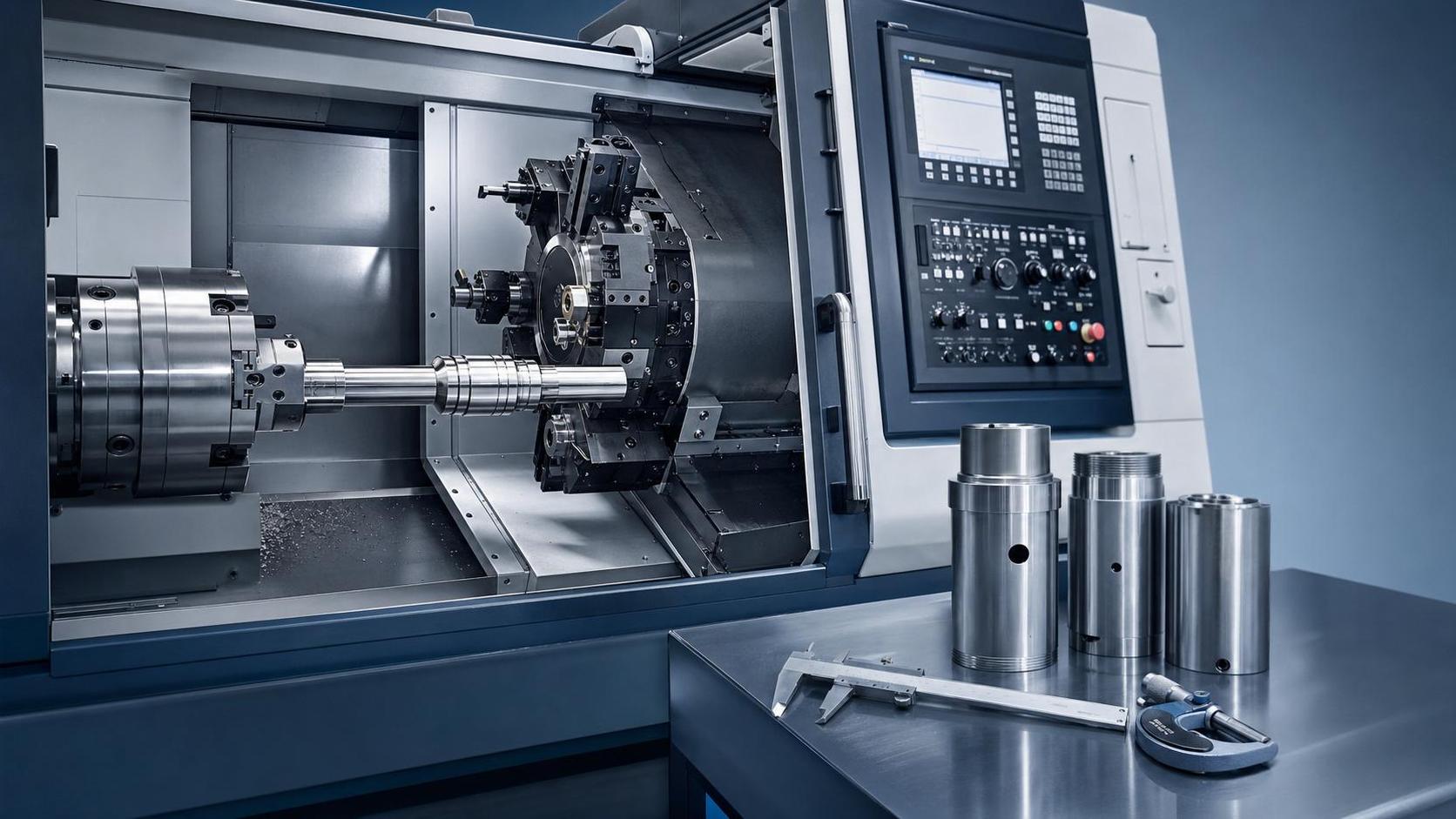
High Precision Lathe Buying Guide: Which Accuracy, Spindle, and Control Specs Matter Most?
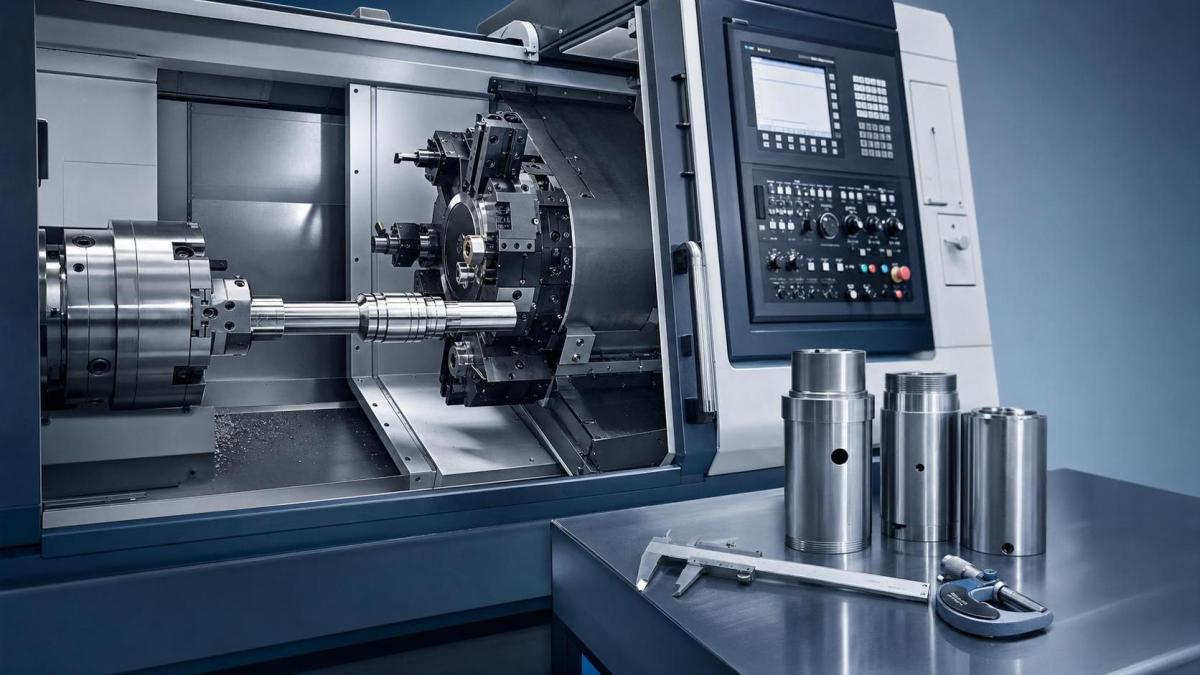
Choosing the right high precision lathe is not only about tighter tolerances. It is about fitting machine capability to part type, workflow, and total operating cost.
In real procurement work, the best high precision lathe is rarely the one with the longest specification sheet. It is the one that delivers stable output, predictable maintenance, and reliable support.
That matters even more now. Shops are under pressure to shorten lead times, reduce scrap, and keep complex parts moving without adding unnecessary machine cost.
When comparing suppliers, three areas usually decide the outcome: accuracy, spindle performance, and control capability. Everything else should support those priorities, not distract from them.
This guide breaks down the specs that affect part quality, cycle time, and long-term value, so a high precision lathe purchase can be judged on business results, not marketing language.
Start With Part Requirements, Not Catalog Claims
Before reviewing models, define what the machine must actually produce. This sounds basic, but many high precision lathe comparisons go wrong at this first step.
Focus on the parts that drive revenue or create the most production risk. Those parts reveal whether extreme precision is necessary or simply expensive.
Build the machine requirement around these factors:
- Typical tolerance range, not only best-case tolerance
- Surface finish requirement
- Material mix, such as stainless steel, titanium, brass, or aluminum
- Part diameter, length, and weight
- Batch size and setup frequency
- Need for live tooling, Y-axis, or sub-spindle operations
A high precision lathe for short-run aerospace shafts may be very different from one used for repeat automotive bushings. The purchase logic should reflect that difference.
This also helps avoid overspending. Some buyers pay for nanometer-level claims when their parts, gauges, and process controls cannot fully use that capability.
Which Accuracy Specifications Actually Matter?
Accuracy is often the headline spec for a high precision lathe, but it needs careful reading. One number alone never tells the whole story.
The most useful questions are simple. How accurately can the machine position? How consistently can it repeat? And how stable is that performance over time?
Positioning Accuracy vs Repeatability
Positioning accuracy shows how close an axis gets to a commanded position. Repeatability shows whether it returns to that point consistently.
For production buyers, repeatability often matters more. A machine that repeats well usually supports stable process control and lower scrap rates.
Thermal Stability
A high precision lathe may perform well in a short test, then drift during a long production shift. Thermal growth is a common reason.
Check whether the builder uses spindle cooling, temperature compensation, balanced casting design, and protected guideway layout. These features directly affect consistency.
Machine Geometry and Rigidity
Geometric accuracy influences roundness, cylindricity, and surface quality. Bed construction, turret rigidity, and tailstock alignment all matter in daily production.
Ask for test conditions. Some suppliers quote excellent results under ideal settings that do not reflect actual cutting loads or shop temperatures.
Useful Accuracy Questions for Suppliers
- What standard defines the published accuracy data?
- Were the results measured cold or after warm-up?
- How does the high precision lathe hold tolerance over an eight-hour shift?
- What compensation systems are standard, and which are optional?
In many cases, a slightly less aggressive spec with proven stability is the smarter buying decision.
Spindle Specs: Where Productivity and Part Quality Meet
Spindle performance has a direct effect on metal removal rate, finish quality, vibration control, and tool life. This is where many high precision lathe evaluations become too narrow.
Maximum spindle speed looks impressive in brochures, but speed alone rarely decides productivity. Torque, power curve, bearing quality, and stability under load matter more.
Match Spindle Speed to Material and Part Size
Small precision parts in aluminum or brass may benefit from higher speed. Larger steel parts often need stronger low-end torque instead.
A high precision lathe with the wrong spindle profile can increase cycle time even if the catalog speed appears competitive.
Bearing Design and Runout
Spindle runout directly affects roundness, finish, and micro-diameter control. Ask about bearing type, preload strategy, and long-term service intervals.
For fine turning and hard turning applications, spindle vibration behavior can matter as much as nominal speed or power.
Bar Capacity and Through-Hole Size
This detail is often underestimated. If the spindle bore is too small, automation options and unattended production become more limited.
For a high precision lathe used in bar-fed work, spindle through-hole size can strongly influence output per shift.
Spindle Checklist for Comparison
Control System: The Spec That Affects Daily Use
A high precision lathe may have strong mechanics, but weak control capability can still limit throughput. In practice, the control system shapes setup time, operator efficiency, and data visibility.
Look beyond brand name alone. Fanuc, Siemens, Mitsubishi, and other systems vary by series, options, and local service strength.
Programming and Setup Efficiency
Conversational features, tool management, probing support, and offset handling can reduce setup mistakes. That has real cost value, especially in mixed production environments.
Interpolation and Surface Quality
Control resolution and motion algorithms influence contour accuracy and finish. This becomes more important when turning complex profiles or combining milling functions.
Connectivity and Factory Integration
Modern procurement often includes digital requirements. A high precision lathe should support production monitoring, alarm history, remote diagnostics, and common data interfaces.
That matters more as factories move toward traceability, preventive maintenance, and smarter scheduling.
Questions Worth Asking
- Which software options are included in the quoted price?
- Can the control support future automation upgrades?
- How easy is backup, recovery, and parameter management?
- Is local technical support available for this exact control version?
Do Not Ignore the Cost Drivers Behind the Machine Price
A low quoted price can be misleading. The real cost of a high precision lathe includes tooling fit, installation, training, downtime exposure, and service response time.
In purchasing decisions, these hidden cost items often decide whether the investment performs well over three to five years.
Key Cost Areas to Compare
- Spare parts availability and lead time
- Local service engineer coverage
- Commissioning and training scope
- Energy consumption and coolant management
- Tooling and fixture compatibility
- Expected resale value
From a risk perspective, service support is especially important. Even a capable high precision lathe can become a costly asset if support is slow or parts are hard to source.
A Practical Shortlist Method for Supplier Evaluation
A simple scoring method helps keep the buying process objective. It also prevents sales presentations from overpowering actual production requirements.
- Rank your top five part families by value and difficulty.
- Set minimum acceptable specs for accuracy, spindle, and control.
- Ask each supplier to quote the same configuration baseline.
- Compare cycle time assumptions and test piece evidence.
- Score service capability, warranty, and spare parts readiness.
- Review total cost of ownership, not machine price alone.
If possible, request a sample cut or customer reference in a similar application. That gives a more realistic view of how the high precision lathe will perform after installation.
Final Buying Decision: What Should Matter Most?
The right high precision lathe should hold the required tolerance consistently, cut efficiently with the right spindle behavior, and support operators with a capable control system.
That combination usually matters more than chasing the highest published spec in one category.
In current manufacturing markets, the smarter purchase is the machine that stays stable under load, integrates with production needs, and remains serviceable for years.
When accuracy, spindle performance, and control capability are evaluated together, a high precision lathe becomes easier to compare and much easier to justify internally.
Use that framework to narrow suppliers, challenge weak claims, and move toward a buying decision based on output, risk, and long-term value.
PREVIOUS ARTICLE
Recommended for You
 Can CNC Machining Inconel Control Tool Wear in High-Temperature Aerospace Parts?CNC Machining Technology Center
 Machine Tool Market Outlook: Demand Drivers, Capacity Shifts, and Investment RisksManufacturing Market Research Center
 Zero-Point Clamping or Modular Fixtures? Choosing a Faster CNC Changeover SystemCNC Machining Technology Center
 How to Cut CNC Fixture Changeover Time Without Sacrificing Part AccuracyCNC Machining Technology Center
 When Does CNC Turning Pay Off? A Break-Even Guide by Annual Part VolumeMachine Tool Industry Editorial Team
 Machine Tool Standards by Country: What Importers Must Verify Before PurchaseManufacturing Policy Research Center

Aris Katos
Future of Carbide Coatings
15+ years in precision manufacturing systems. Specialized in high-speed milling and aerospace grade alloy processing.
▶
When Does CNC Turning Pay Off? A Break-Even Guide by Annual Part VolumeMachine Tool Industry Editorial Team▶
How to Compare CNC Metal Lathe Brands ObjectivelyMachine Tool Industry Editorial Team▶
CNC Lathe Quick Installation Guide: How to Avoid Alignment and Wiring MistakesMachine Tool Industry Editorial Team▶
CNC Lathe Quick Installation Guide: Common Setup Mistakes and How to Avoid ThemMachine Tool Industry Editorial Team▶
CNC Lathe Lead Times Reach 22 WeeksMachine Tool Industry Editorial Team
Mastering 5-Axis Workholding Strategies
Join our technical panel on Nov 15th to learn about reducing vibrations in thin-wall components.

Providing you with integrated sanding solutions
Before-sales and after-sales services
Comprehensive technical support