• Global CNC market projected to reach $128B by 2028 • New EU trade regulations for precision tooling components • Aerospace deman
NYSE: CNC +1.2%LME: STEEL -0.4%

ITC Opens 337 Probe Into China-Made CNC Hydraulic Chucks

On June 27, 2026, the U.S. International Trade Commission announced Inv. No. 337-TA-1428, opening a Section 337 intellectual property investigation into hydraulic chucks from China under HS 8483.60. Because these products are widely used in automated clamping systems for CNC lathes, the development is relevant not only to the seven Chinese manufacturers named in the case, but also to OEM customers, procurement teams, and supply chain participants tied to machine tool delivery into the U.S. market.
What Has Been Confirmed So Far
The confirmed facts are limited but commercially significant. According to the information provided, the ITC issued its notice on June 27, 2026 and opened a Section 337 investigation covering hydraulic chucks originating in China. The case is identified as Inv. No. 337-TA-1428 and involves seven Chinese manufacturers. The products at issue fall under HS 8483.60 and are used extensively in CNC lathe automated clamping systems.
It is also confirmed that, if the final ruling is ultimately established against the products concerned, exports of those products to the United States could be barred. The information provided further indicates that such an outcome could affect supply chain stability for OEM customers relying on these components.
Where the Pressure Could Appear Across the Supply Chain
Export-facing manufacturers may face immediate commercial uncertainty
From an industry perspective, the most direct impact falls on manufacturers shipping the covered hydraulic chucks to the U.S. market. The reason is straightforward: the investigation targets the products themselves, and any later restriction would affect the ability to continue serving U.S.-bound orders. The business areas to watch are existing customer commitments, shipment planning, and the visibility of order pipelines tied to the U.S.
OEM buyers using CNC lathe clamping systems need to watch continuity risk
OEM customers are exposed because the products concerned are not peripheral items; they are part of automated clamping systems used in CNC lathes. Analysis shows that any disruption at the component level can become a delivery, production, or qualification issue for downstream equipment programs. What deserves closer attention is not only whether supply is interrupted, but how quickly procurement and engineering teams can assess alternatives if the case moves toward a restrictive outcome.
Procurement and supply chain service teams may see more compliance-sensitive workflows
For procurement departments and supply chain service providers, the potential impact is operational. If trade restrictions later emerge, the pressure point would likely appear in sourcing decisions, order timing, customer communication, and documentation review. Observably, the immediate issue is not a confirmed ban today, but the need to track how a legal process may translate into practical shipment and fulfillment constraints.
What Companies Should Track Now
Follow official procedural updates closely
What deserves closer attention is the distinction between the opening of an investigation and a final trade restriction. Companies connected to the covered product category should monitor subsequent official wording and procedural developments around Inv. No. 337-TA-1428 rather than treating the current notice as the end state.
Map exposure by product, market, and customer account
Businesses should review whether hydraulic chucks under HS 8483.60 are present in their U.S.-linked orders, assemblies, or customer contracts. This is especially relevant for suppliers and OEMs whose CNC lathe programs depend on automated clamping configurations that may be difficult to substitute quickly.
Review delivery commitments and communication readiness
Analysis shows that customer communication may become as important as legal interpretation. Companies with active U.S. business should examine delivery schedules, contract exposure, and response language for customers asking about continuity, lead times, or sourcing stability.
Check documentation and supplier coordination workflows
For firms operating through layered supply chains, practical preparation should include confirming product classification, supplier scope, and the internal records needed to support shipment decisions. This is not a prediction of immediate disruption, but a risk-management step tied directly to a product-specific investigation.
Why This Looks More Like a Signal Than a Final Outcome
Observably, this development is best read as an active legal and trade signal rather than a completed market outcome. The confirmed event is the launch of a Section 337 investigation, not a final prohibition already in force. At the same time, because the products involved sit inside CNC lathe automation systems, the case matters beyond the named manufacturers. Analysis shows that the industry should pay attention precisely because component-level investigations can quickly become a planning issue for downstream buyers when U.S.-bound business is involved.
It is more appropriate to understand this as a development that requires continued observation. The core issue for the market is not only the legal process itself, but whether that process starts to change sourcing confidence, delivery assumptions, and OEM supply chain planning.
How the Market May Best Read This Development
The industry significance of this case lies in its position at the intersection of intellectual property enforcement, machine tool components, and cross-border supply continuity. Based on the confirmed information, the immediate takeaway is caution rather than conclusion. There is a defined investigation, a defined product scope, and a clearly stated potential consequence if the case results in an adverse final outcome.
At this stage, it is more appropriate to understand the news as a short-term operational watchpoint and a longer-term supply chain signal, while recognizing that the final commercial impact still depends on how the investigation proceeds.
Basis of This Article
This article is based on the user-provided news title, event date, and event summary concerning the ITC notice dated June 27, 2026, including the case number, product category, affected origin, number of Chinese manufacturers involved, and the stated potential impact on exports and OEM supply chains.
For developments of this type, relevant source categories typically include official agency notices, company disclosures, industry association updates, authoritative media reporting, and related trade or standards documentation. The specific official source link was not provided in the input, so continued verification remains necessary. The main follow-up point is how Inv. No. 337-TA-1428 progresses and whether later official actions alter the risk profile for exports and downstream OEM supply arrangements.
Recommended for You
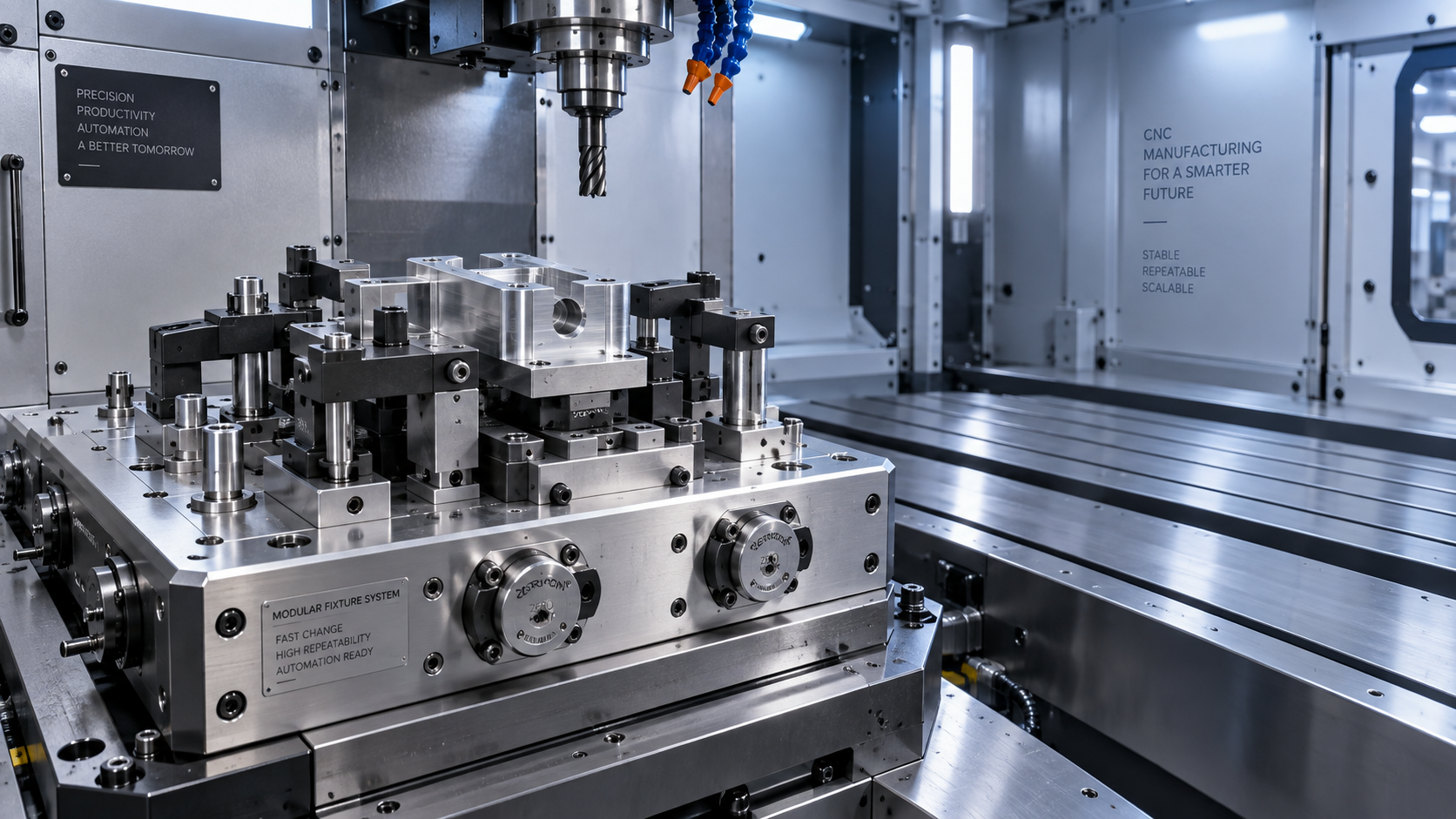
 Zero-Point Clamping or Modular Fixtures? Choosing a Faster CNC Changeover SystemCNC Machining Technology Center
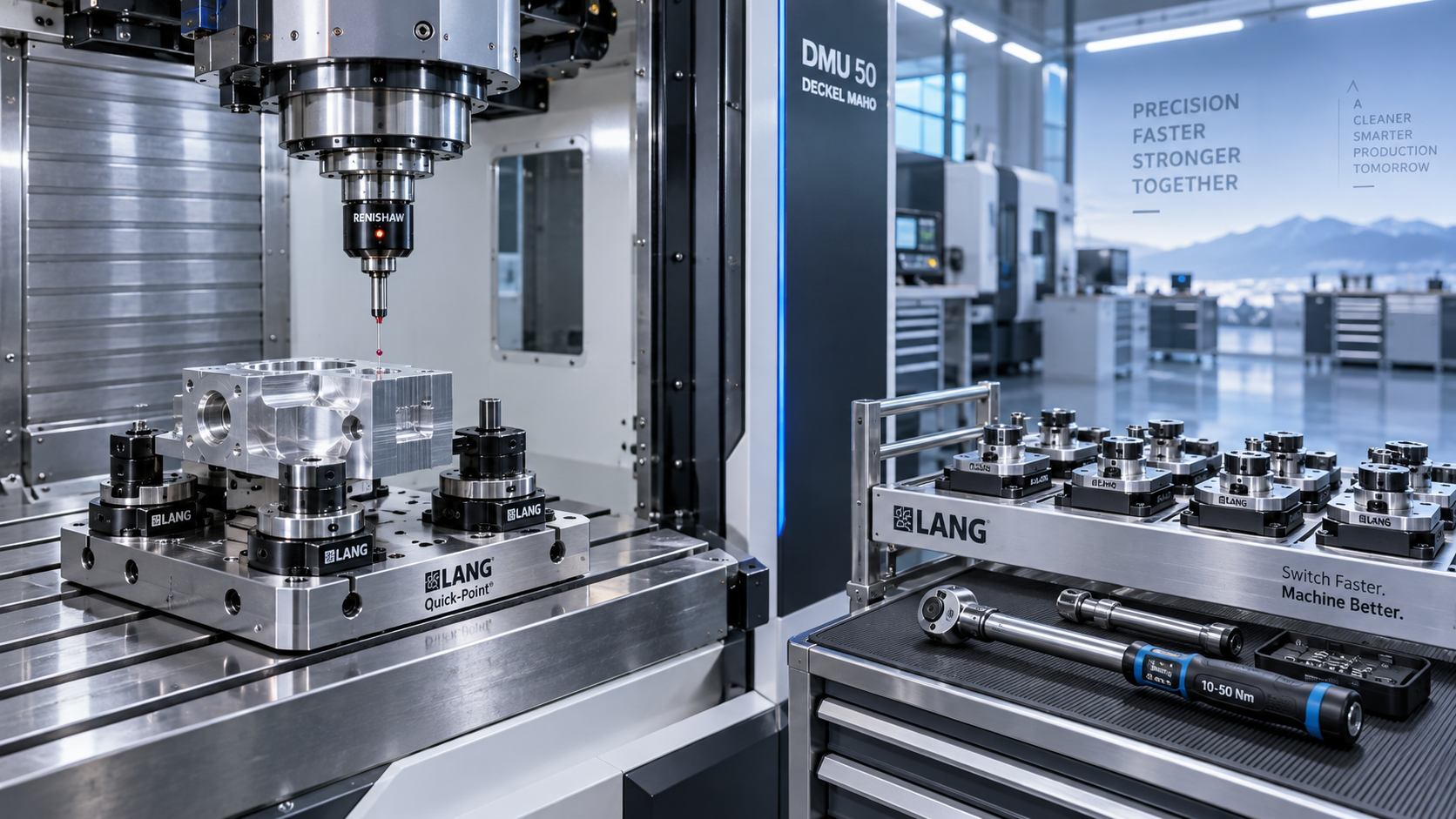
 How to Cut CNC Fixture Changeover Time Without Sacrificing Part AccuracyCNC Machining Technology Center
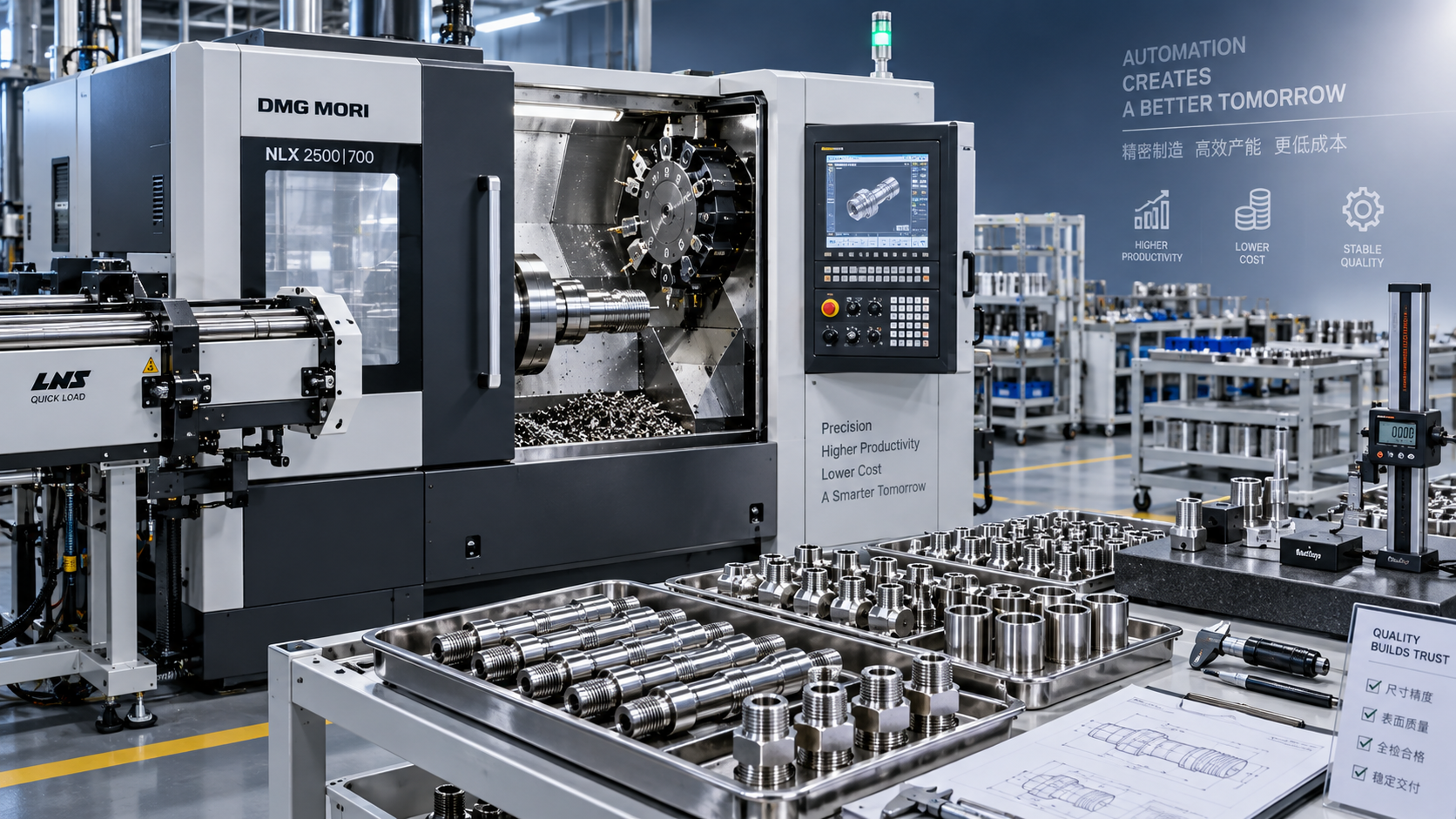
 When Does CNC Turning Pay Off? A Break-Even Guide by Annual Part VolumeMachine Tool Industry Editorial Team
 Machine Tool Standards by Country: What Importers Must Verify Before PurchaseManufacturing Policy Research Center
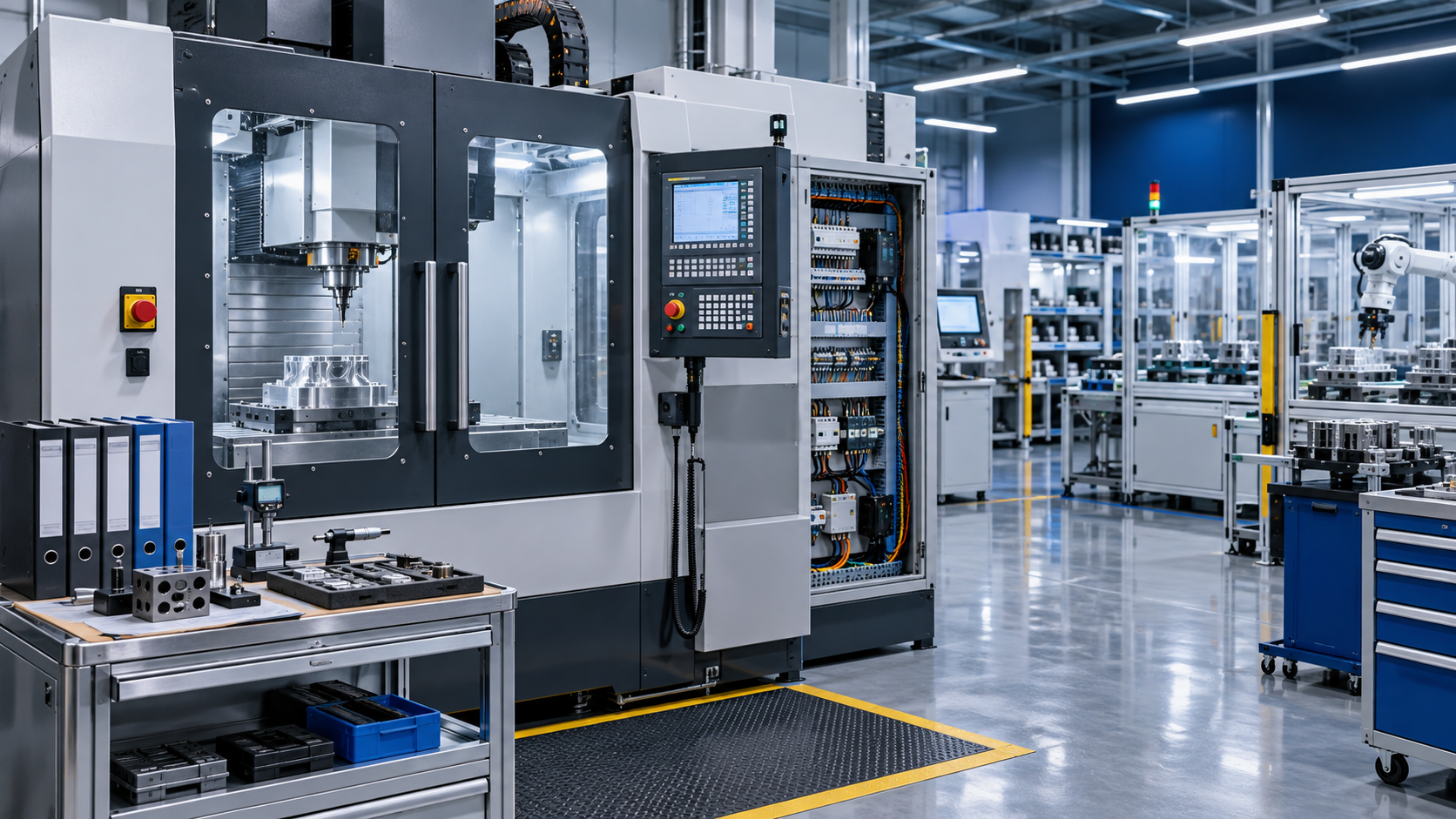
 CNC Lathe Quick Installation Guide: Alignment Checks Before First Production RunCNC Machining Technology Center
 How to Select a CNC Lathe for Small Parts Without Sacrificing Accuracy or Cycle TimeCNC Machining Technology Center


Aris Katos
Future of Carbide Coatings
15+ years in precision manufacturing systems. Specialized in high-speed milling and aerospace grade alloy processing.
▶
When Does CNC Turning Pay Off? A Break-Even Guide by Annual Part VolumeMachine Tool Industry Editorial Team▶
How to Compare CNC Metal Lathe Brands ObjectivelyMachine Tool Industry Editorial Team▶
CNC Lathe Quick Installation Guide: How to Avoid Alignment and Wiring MistakesMachine Tool Industry Editorial Team▶
CNC Lathe Quick Installation Guide: Common Setup Mistakes and How to Avoid ThemMachine Tool Industry Editorial Team▶
CNC Lathe Lead Times Reach 22 WeeksMachine Tool Industry Editorial Team
Mastering 5-Axis Workholding Strategies
Join our technical panel on Nov 15th to learn about reducing vibrations in thin-wall components.

Providing you with integrated sanding solutions
Before-sales and after-sales services
Comprehensive technical support