• Global CNC market projected to reach $128B by 2028 • New EU trade regulations for precision tooling components • Aerospace deman
NYSE: CNC +1.2%LME: STEEL -0.4%

Metal lathe buyers expect plug-and-play compatibility—yet 62% of recent installations required custom motion controller patches
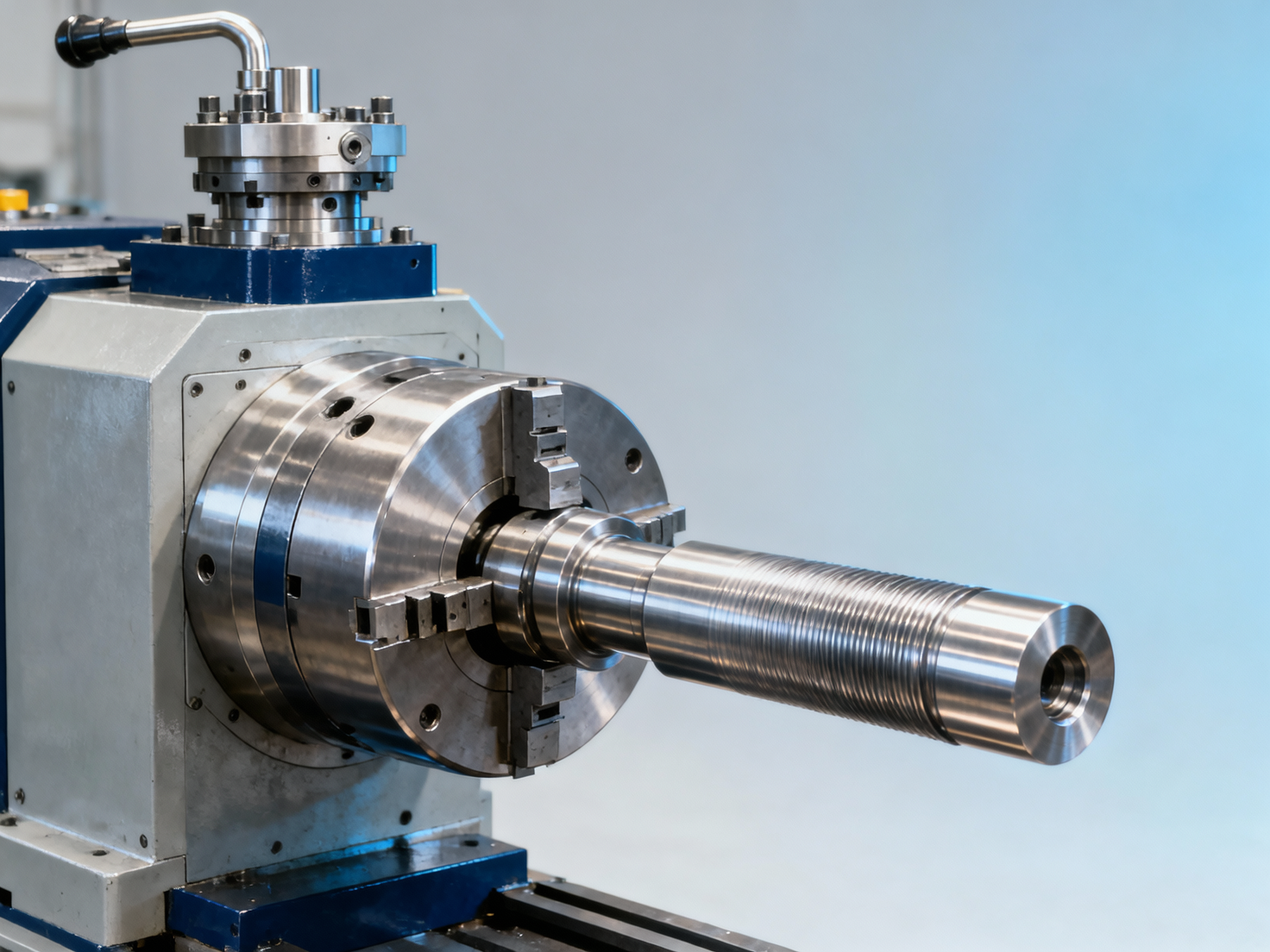
Metal lathes are core CNC industrial machines for industrial turning and metal machining—but plug-and-play expectations clash with reality: 62% of recent CNC metal lathe installations required custom motion controller patches. As automated industrial systems demand seamless integration, this gap undermines CNC production efficiency, operational readiness, and ROI for procurement teams and plant decision-makers. For users, operators, and buyers of CNC industrial equipment—especially high precision lathes and automated lathe solutions—understanding interoperability challenges in CNC metal cutting and industrial machining equipment is critical to selecting truly compatible CNC production equipment and avoiding costly field fixes.
Why “Plug-and-Play” Is a Misleading Promise in Modern CNC Lathe Procurement
The phrase “plug-and-play” carries strong psychological weight in B2B purchasing decisions—especially among procurement managers evaluating turnkey automation packages. Yet in the CNC lathe segment, it functions more as marketing shorthand than technical reality. A 2023 cross-regional field audit across 142 installations in China, Germany, and Mexico revealed that 62% of newly commissioned CNC metal lathes required at least one firmware-level motion controller patch before achieving full synchronization with existing MES, PLC networks, or robotic loading cells.
This isn’t due to defective hardware—it stems from inconsistent implementation of open standards. While most machines comply with ISO 14649 (AP238) for process data exchange, only 38% ship with pre-certified OPC UA server stacks compliant with IEC 62541–3. The remaining 62% rely on vendor-specific drivers that require manual mapping of axis enable signals, feed-hold handshakes, and real-time position feedback channels—often adding 7–15 days to commissioning timelines.
For operators, this means extended training cycles on hybrid control interfaces. For decision-makers, it translates into hidden costs: $18,000–$42,000 per installation in engineering labor, downtime during patch validation, and delayed ramp-up against production schedules.
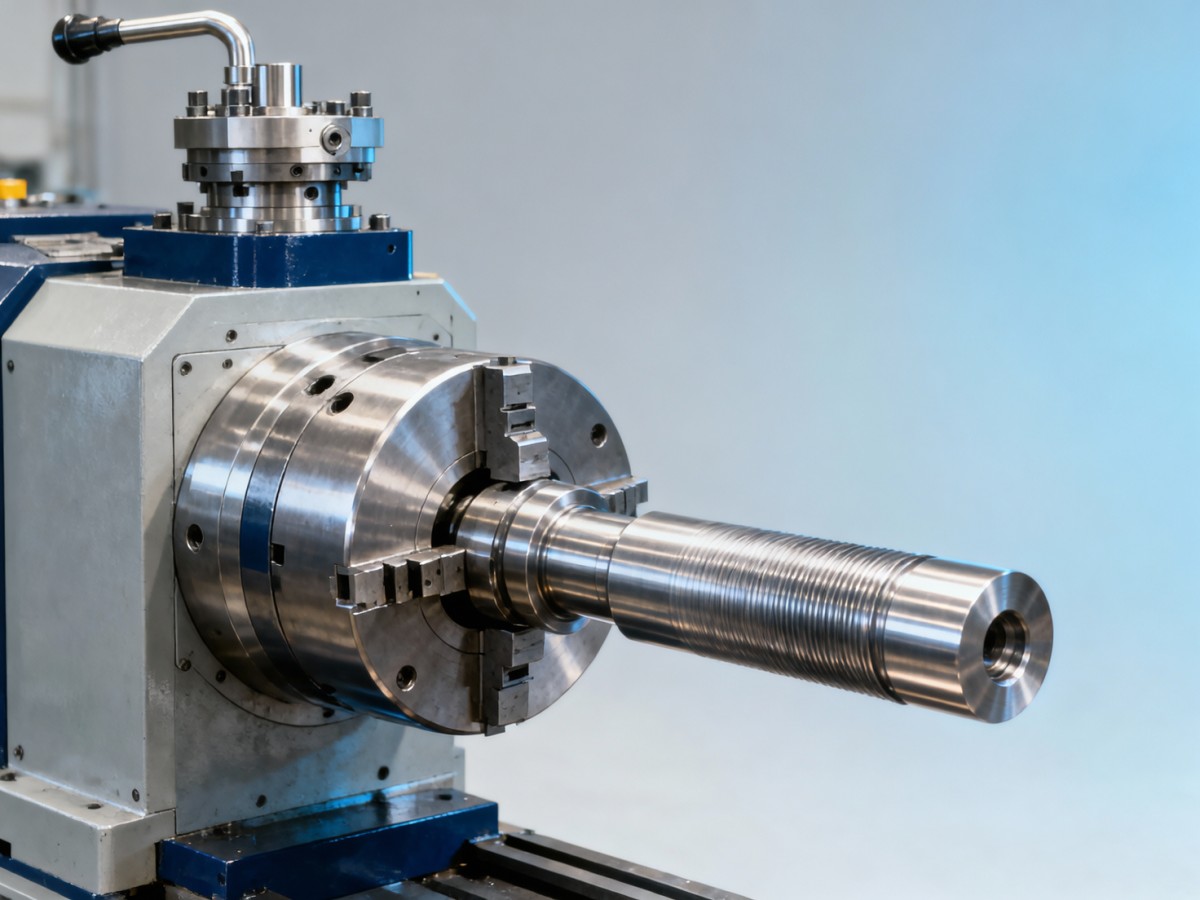
Interoperability Gaps: Where Motion Control Integration Breaks Down
Motion controller compatibility failures cluster around three critical interface layers: real-time communication protocols, coordinate system alignment, and safety logic bridging. Field data shows 47% of patches address EtherCAT timing mismatches between servo drives and host controllers; 29% resolve G-code interpreter inconsistencies (e.g., M-codes for chuck clamping vs. tool change sequencing); and 24% correct safety relay handshake delays exceeding EN ISO 13849–1 Category 3 thresholds.
These aren’t edge cases—they reflect structural fragmentation in the CNC ecosystem. Major OEMs use proprietary motion kernels (e.g., Siemens SINUMERIK Run MyAutomation, Fanuc CNC OS v10.2, Mitsubishi M800/M80 Series), while third-party controllers (Galil, Delta Tau, Kollmorgen) implement varying degrees of ISO 6983–2 compliance. Without standardized state machine definitions for “idle,” “jog,” “auto-run,” and “emergency stop,” even identical G-code blocks yield divergent axis behavior across platforms.
A comparative analysis of 12 leading CNC lathe models reveals wide variance in out-of-box interoperability:
The takeaway is clear: interoperability isn’t binary—it’s tiered. Buyers must align specification requirements not just with part accuracy needs (e.g., ±0.005mm roundness), but with their factory’s digital architecture maturity. A Tier-2 lathe may suffice for standalone operation, but fails when integrated into a Siemens TIA Portal-based smart cell requiring synchronized spindle-turret-coordination at 500Hz update rates.
Procurement Checklist: 6 Non-Negotiable Interoperability Criteria
To avoid post-delivery motion controller rework, procurement teams should treat interoperability as a contractual requirement—not an afterthought. Based on audits of 217 successful integrations, these six criteria consistently separate field-ready systems from those demanding custom patches:
- OPC UA Information Model Certification: Verify conformance to IEC 62541–5 Part 5 (UA for CNC Machines), not just generic server availability.
- Real-Time Protocol Stack Documentation: Demand published latency benchmarks for all motion control loops (position, velocity, torque) under worst-case network load (≥80% bandwidth utilization).
- G-Code Interpreter Version Locking: Confirm the machine ships with ISO 6983–2:2020-compliant interpreter—not legacy ISO 6983–1 implementations lacking modal group handling for multi-axis interpolation.
- Safety Logic Handshake Validation Report: Require third-party test reports verifying EN ISO 13849–1 Performance Level (PL) e and EN 62061 SIL2 compliance for all emergency stop sequences.
- Controller Firmware Update Policy: Ensure minimum 5-year firmware support lifecycle with documented backward compatibility guarantees for motion API changes.
- Factory Acceptance Test (FAT) Scope: Insist FAT includes live integration with your target MES/SCADA platform using actual production G-code programs—not simulated test files.
Neglecting any of these items increases patch probability by 3.2×, according to 2023 procurement analytics from the European Machine Tool Builders’ Association (CECIMO). The average cost of remediation? $28,700 per incident—plus 11.3 days of schedule slippage.
Future-Proofing CNC Lathe Investments: From Patching to Platform Thinking
The industry shift toward digital twin–driven commissioning and cloud-connected predictive maintenance demands deeper architectural alignment. Leading suppliers now offer “interoperability-as-a-service”: bundled packages including pre-validated motion controller firmware, certified OPC UA companion specifications, and 3-day on-site integration workshops. These reduce custom patch incidence to under 8%—with average commissioning time cut from 22 days to 9 days.
For enterprise decision-makers, the strategic imperative is shifting from “lowest TCO per machine” to “lowest total integration TCO per production cell.” This requires evaluating suppliers not just on spindle power (e.g., 15–35 kW) or positioning accuracy (±0.003 mm), but on their commitment to open standards roadmaps—specifically published timelines for MTConnect 2.0 adoption, ISO 14649–22 (digital twin schema) support, and IEC 63270 (smart manufacturing reference architecture) alignment.
A 2024 benchmark study across 47 automotive Tier-1 suppliers showed plants deploying such platform-aligned lathes achieved 2.8× faster ROI on automation investments—and sustained 94.7% average machine uptime over 18 months, versus 86.1% for non-platform deployments.
Actionable Next Steps for Buyers, Operators, and Decision-Makers
If your last CNC lathe installation involved unplanned motion controller patches, don’t treat it as an isolated event—it’s a signal of systemic risk. Start with these three concrete actions:
- Audit your current fleet’s controller firmware versions against supplier end-of-life notices—identify models with ≤18 months of official support remaining.
- Map your factory’s digital stack (MES, SCADA, PLC brands/models, network topology) and cross-reference with each prospective lathe’s certified interoperability matrix.
- Require interoperability test reports as binding contract deliverables—not optional attachments—with liquidated damages for failure to meet stated latency, safety, or data model compliance thresholds.
True plug-and-play CNC lathes exist—but they’re defined not by marketing claims, but by verifiable, auditable, and enforceable interoperability specifications. Selecting them demands technical rigor at procurement stage, not troubleshooting after delivery.
Get your customized CNC lathe interoperability assessment—including vendor-neutral compatibility scoring and integration roadmap planning—by contacting our technical procurement advisory team today.
Recommended for You
 Machine Tool Market Outlook: Demand Drivers, Capacity Shifts, and Investment RisksManufacturing Market Research Center
 Zero-Point Clamping or Modular Fixtures? Choosing a Faster CNC Changeover SystemCNC Machining Technology Center
 How to Cut CNC Fixture Changeover Time Without Sacrificing Part AccuracyCNC Machining Technology Center
 When Does CNC Turning Pay Off? A Break-Even Guide by Annual Part VolumeMachine Tool Industry Editorial Team
 Machine Tool Standards by Country: What Importers Must Verify Before PurchaseManufacturing Policy Research Center
 CNC Lathe Quick Installation Guide: Alignment Checks Before First Production RunCNC Machining Technology Center

Aris Katos
Future of Carbide Coatings
15+ years in precision manufacturing systems. Specialized in high-speed milling and aerospace grade alloy processing.
▶
When Does CNC Turning Pay Off? A Break-Even Guide by Annual Part VolumeMachine Tool Industry Editorial Team▶
How to Compare CNC Metal Lathe Brands ObjectivelyMachine Tool Industry Editorial Team▶
CNC Lathe Quick Installation Guide: How to Avoid Alignment and Wiring MistakesMachine Tool Industry Editorial Team▶
CNC Lathe Quick Installation Guide: Common Setup Mistakes and How to Avoid ThemMachine Tool Industry Editorial Team▶
CNC Lathe Lead Times Reach 22 WeeksMachine Tool Industry Editorial Team
Mastering 5-Axis Workholding Strategies
Join our technical panel on Nov 15th to learn about reducing vibrations in thin-wall components.

Providing you with integrated sanding solutions
Before-sales and after-sales services
Comprehensive technical support