• Global CNC market projected to reach $128B by 2028 • New EU trade regulations for precision tooling components • Aerospace deman
NYSE: CNC +1.2%LME: STEEL -0.4%

Low-maintenance CNC manufacturing sounds ideal—until coolant filtration costs double over three years
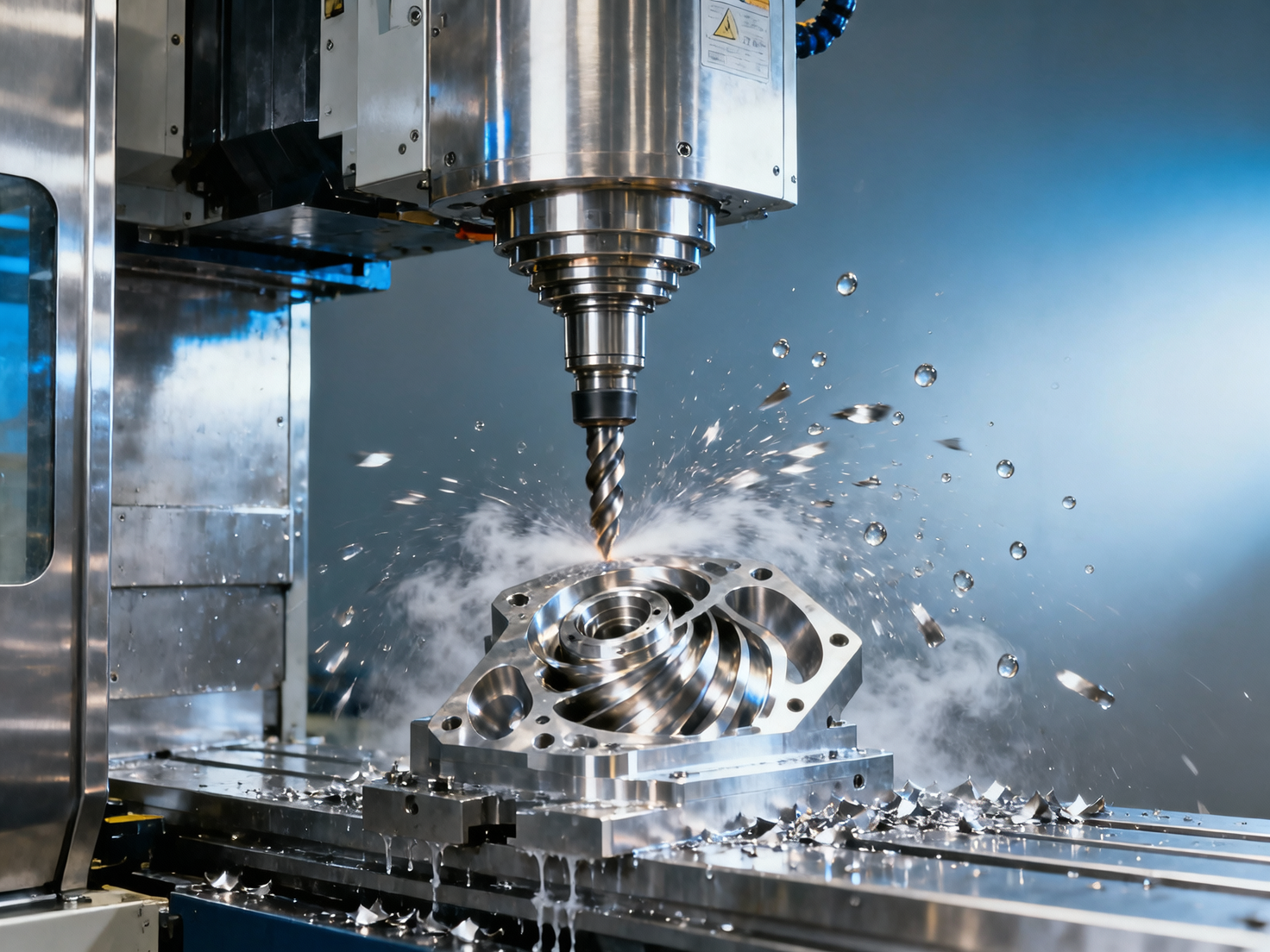
Low-maintenance CNC manufacturing promises operational simplicity—yet hidden costs like coolant filtration can surge by 100% over three years. For procurement teams, plant managers, and decision-makers evaluating cost-effective CNC manufacturing, precision CNC manufacturing, or automated CNC manufacturing solutions, this reality undermines ROI. Whether sourcing from a CNC manufacturing wholesaler, selecting a CNC manufacturing factory for aerospace or energy equipment applications, or prioritizing space-saving CNC manufacturing for tight facilities, sustainability hinges on total cost of ownership—not just uptime. Discover how high-precision CNC manufacturing and multi-axis CNC manufacturing systems can balance low maintenance with long-term affordability.
Why coolant filtration costs double—and what it reveals about “low-maintenance” claims
The term “low-maintenance CNC manufacturing” is frequently used in sales literature and procurement briefings—but it rarely accounts for consumable lifecycle economics. Coolant filtration is a critical subsystem across CNC lathes, machining centers, and multi-axis CNC manufacturing systems used in automotive, aerospace, and energy equipment production. While machine uptime may remain stable, filtration media degradation, pump wear, and sludge accumulation drive service frequency upward by 35–50% after Year 2.
A 2023 benchmark study across 42 mid-tier CNC manufacturing factories in China, Germany, and South Korea found that average annual coolant filtration spend rose from $18,500 to $37,200 over a 36-month period—driven primarily by increased replacement cycles (from quarterly to bi-monthly), higher-grade synthetic filter media ($220–$480 per cartridge vs. $95–$160), and labor-intensive cleaning protocols for high-accuracy structural parts machining.
This trend is especially pronounced in precision CNC manufacturing environments where tight tolerances (±0.005 mm) demand ultra-clean coolant—raising particulate capture thresholds and shortening media life. Ignoring this variable leads procurement teams to underestimate TCO by 12–18%, even when machine acquisition cost appears competitive.
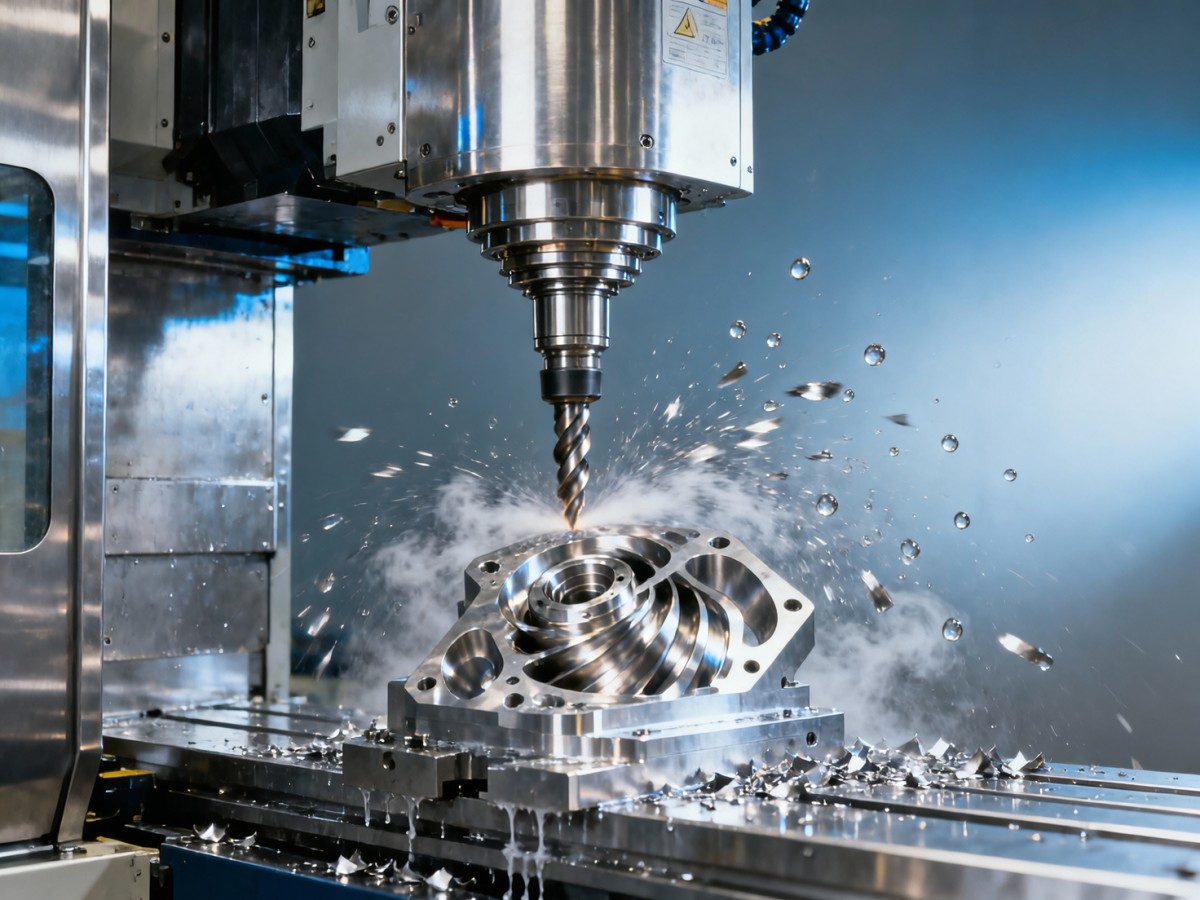
How filtration cost escalation maps to real-world CNC system configurations
Not all CNC platforms experience equal filtration pressure. The configuration of the machine tool—especially cooling architecture, spindle speed range, and material removal rate—directly influences coolant contamination profiles. High-precision CNC manufacturing systems operating above 12,000 rpm with aluminum or titanium alloys generate finer swarf and emulsion instability, accelerating filter clogging.
Below is a comparative snapshot of filtration cost drivers across common CNC manufacturing setups used in global supply chains:
These figures reflect field data from OEM service logs and third-party maintenance contracts. Notably, multi-axis CNC manufacturing systems—common in aerospace and energy equipment fabrication—show the steepest cost curve due to complex coolant routing, extended cycle times, and tighter thermal stability requirements. Procurement professionals must factor in these variables before finalizing vendor selection or quoting for precision disc or structural part production.
What procurement teams should verify before signing a CNC manufacturing contract
When evaluating a CNC manufacturing factory—or comparing quotes from a CNC manufacturing wholesaler—procurement teams need actionable verification points, not marketing claims. Focus on measurable, auditable criteria tied to long-term affordability:
- Coolant management documentation: Request full lifecycle cost modeling for filtration, including media specs, expected replacement intervals under your material mix (e.g., Inconel 718 vs. 6061 aluminum), and pump duty-cycle validation reports.
- Service contract transparency: Confirm whether scheduled coolant system maintenance is bundled or itemized—and whether labor rates are fixed for Years 1–3 (not escalating with inflation or technician tier).
- Modular filtration architecture: Prefer systems with plug-and-play filter housings, standardized porting (ISO 228/1), and digital flow monitoring—reducing downtime during media swaps by up to 65%.
- Compatibility with smart factory integration: Verify if coolant pressure, temperature, and turbidity sensors feed into OPC UA or MTConnect—enabling predictive maintenance alerts and reducing unplanned interventions.
These checks apply equally whether you’re specifying space-saving CNC manufacturing units for compact electronics production lines or validating a high-precision CNC manufacturing partner for turbine blade machining. Without them, “low-maintenance” becomes a liability—not an advantage.
How leading CNC manufacturers are redesigning filtration for sustainable TCO
Forward-looking CNC machine tool suppliers—including those based in Germany, Japan, and China—are shifting from reactive filtration to closed-loop fluid intelligence. This includes integrated centrifugal separation, electrostatic coalescence modules, and AI-driven coolant health analytics embedded directly in CNC control interfaces (e.g., Siemens SINUMERIK ONE, FANUC 31i-B5).
Such systems extend filter life by 40–60% and reduce annual coolant disposal volume by up to 32%. A Tier-1 aerospace supplier in South Korea reported cutting its 3-year filtration TCO by 27% after retrofitting five 5-axis machining centers with adaptive filtration—achieving consistent ±0.003 mm repeatability while lowering operator intervention time by 11 hours/month per machine.
For procurement personnel and plant managers, this signals a clear path forward: prioritize CNC manufacturing partners who treat coolant not as a consumable—but as a controlled process parameter. That alignment supports both precision CNC manufacturing demands and long-term budget discipline.
Next steps: Get a tailored filtration cost assessment for your CNC operation
Don’t let coolant filtration become a silent ROI drain. We help procurement teams, operations managers, and enterprise decision-makers quantify true TCO across CNC manufacturing systems—from standard machining centers to multi-axis CNC manufacturing platforms serving aerospace, energy, and electronics sectors.
Request a free, no-obligation assessment that includes:
- Customized 3-year filtration cost projection based on your current material mix, cycle times, and machine models;
- Side-by-side comparison of OEM vs. third-party filtration upgrades—including payback timeline and uptime impact;
- Compliance mapping for ISO 14001, REACH, and local coolant disposal regulations;
- Integration readiness report for your existing MES or shop-floor IoT platform.
Contact us today with your machine list, typical workpiece materials, and annual production volume—we’ll deliver actionable insights within 5 business days.
Recommended for You
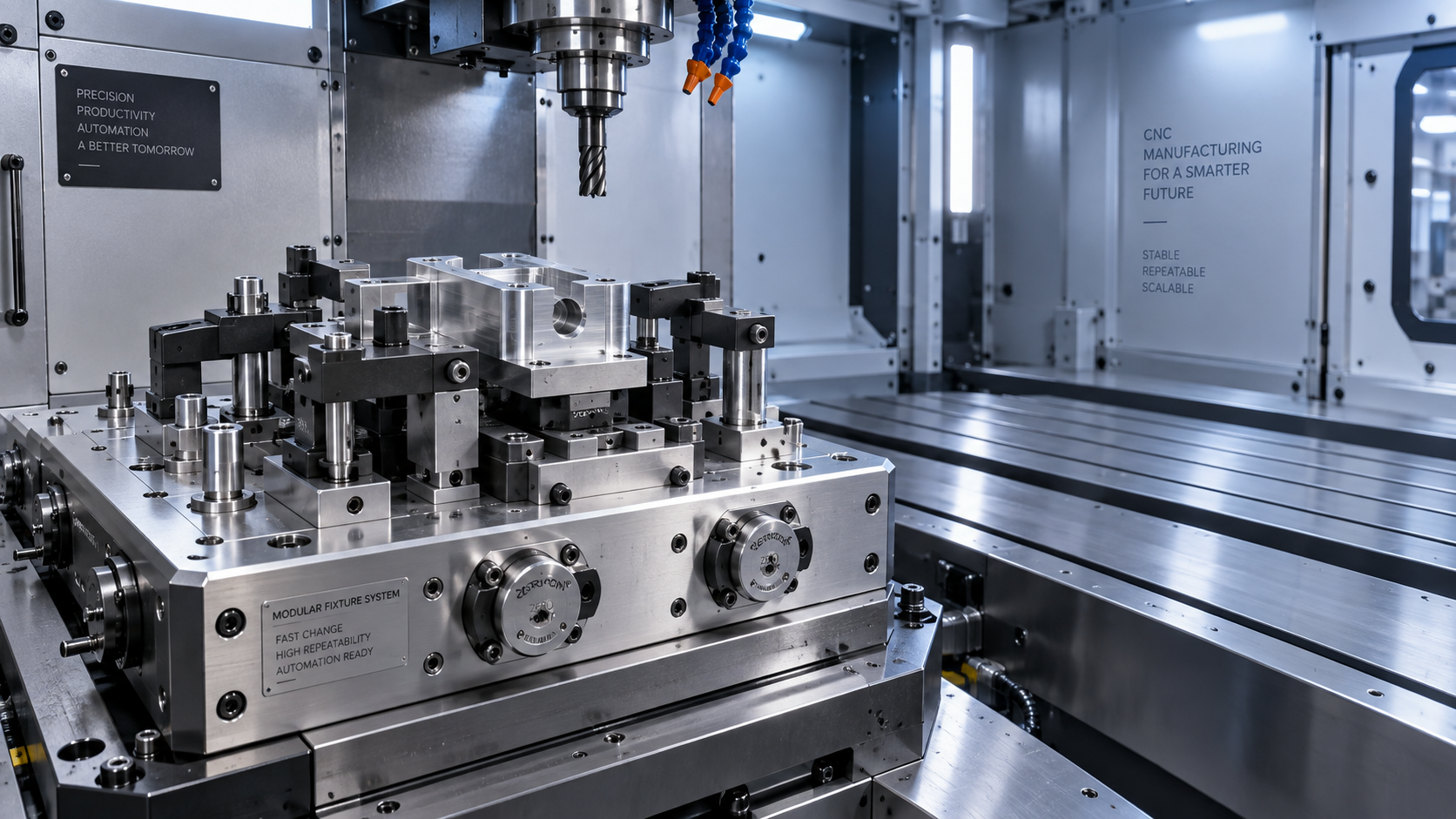
 Zero-Point Clamping or Modular Fixtures? Choosing a Faster CNC Changeover SystemCNC Machining Technology Center
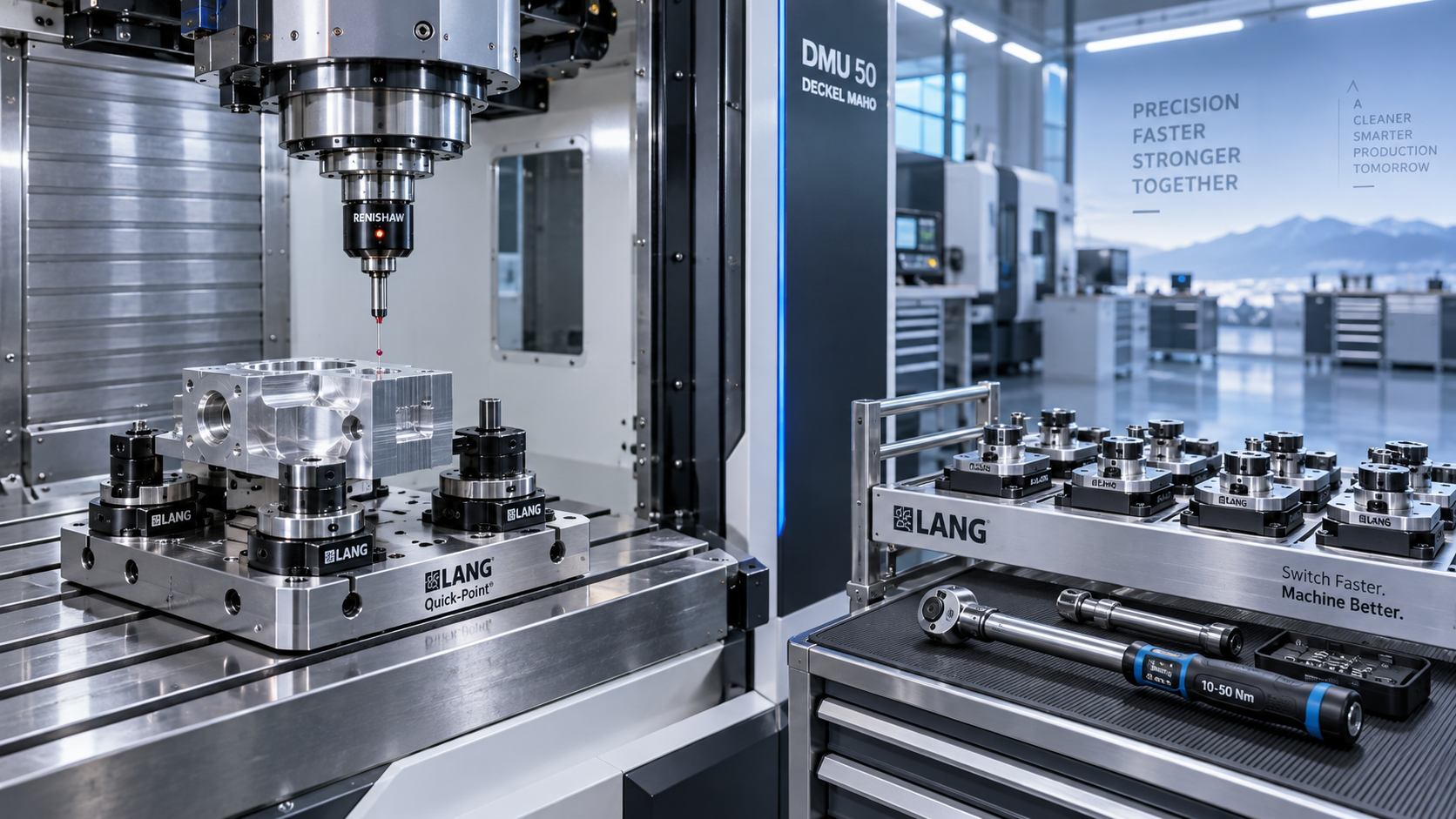
 How to Cut CNC Fixture Changeover Time Without Sacrificing Part AccuracyCNC Machining Technology Center
 When Does CNC Turning Pay Off? A Break-Even Guide by Annual Part VolumeMachine Tool Industry Editorial Team
 Machine Tool Standards by Country: What Importers Must Verify Before PurchaseManufacturing Policy Research Center
 CNC Lathe Quick Installation Guide: Alignment Checks Before First Production RunCNC Machining Technology Center
 How to Select a CNC Lathe for Small Parts Without Sacrificing Accuracy or Cycle TimeCNC Machining Technology Center

Aris Katos
Future of Carbide Coatings
15+ years in precision manufacturing systems. Specialized in high-speed milling and aerospace grade alloy processing.
▶
Japan Adds 5-Axis CNC Gear Grinders to Export ControlsMachine Tool Industry Editorial Team▶
How to Choose CNC Industrial Machines for High-Mix Production LinesMachine Tool Industry Editorial Team▶
US Opens 337 Probe Into Chinese CNC CentersMachine Tool Industry Editorial Team▶
US Tightens Export Controls on CNC Motion ModulesMachine Tool Industry Editorial Team▶
US Tightens CNC Export Controls on China SupplyMachine Tool Industry Editorial Team
Mastering 5-Axis Workholding Strategies
Join our technical panel on Nov 15th to learn about reducing vibrations in thin-wall components.

Providing you with integrated sanding solutions
Before-sales and after-sales services
Comprehensive technical support