• Global CNC market projected to reach $128B by 2028 • New EU trade regulations for precision tooling components • Aerospace deman
NYSE: CNC +1.2%LME: STEEL -0.4%

Global Manufacturing trends are changing sourcing decisions

Global Manufacturing is reshaping sourcing decisions across industrial markets. Cost remains important, but it is no longer the only filter for evaluating supply capability.
In CNC machine tools and precision production, buyers now compare quality stability, automation depth, delivery resilience, and digital visibility. These factors influence short-term orders and long-term channel expansion.
As industrial automation accelerates, Global Manufacturing also changes how supply networks are built. Regional production, technical service readiness, and data-enabled coordination have become central to supplier selection.
What Global Manufacturing Means in Today’s Industrial Context

Global Manufacturing describes the interconnected production system linking factories, technology providers, component sources, and trade channels across multiple countries and regions.
Within machine tools, this includes CNC lathes, machining centers, cutting systems, fixtures, industrial robots, inspection devices, and software used in smart production environments.
The concept also covers how production decisions are influenced by tariffs, logistics, labor availability, energy costs, compliance expectations, and local service capacity.
For the broader industrial sector, Global Manufacturing is no longer a simple export model. It is a dynamic network balancing efficiency, responsiveness, precision, and risk control.
This shift is especially visible in precision manufacturing. High-value components require reliable tolerances, consistent processes, and technical support that can operate across borders.
Industry Background and the Signals Changing Sourcing Priorities
Several major trends explain why Global Manufacturing is affecting supplier selection more deeply than before. Industrial buyers are responding to both opportunity and uncertainty.
- Automation is reducing dependence on low labor cost advantages.
- Multi-axis CNC systems support more localized high-precision production.
- Digital integration improves planning, monitoring, and quality traceability.
- Supply chain disruption has increased attention to resilience and backup capacity.
- Regional policies are encouraging domestic or near-market manufacturing investment.
Countries with strong machine tool ecosystems continue to shape Global Manufacturing. China, Germany, Japan, and South Korea remain influential in equipment production and process innovation.
At the same time, emerging industrial regions are gaining attention. Their appeal often comes from flexible capacity, policy support, and improving technical standards.
Why Global Manufacturing Now Carries Greater Business Value
The business meaning of Global Manufacturing has expanded. It now affects market access, after-sales stability, product quality, and the speed of industrial response.
In the CNC machine tool industry, supplier value is increasingly judged by process maturity. Reliable spindle performance, thermal control, software compatibility, and repeatable accuracy matter greatly.
Lead time has also changed in meaning. Fast shipment without dependable commissioning or spare parts support creates hidden operational costs later.
Global Manufacturing gives stronger advantage to suppliers that combine production scale with service infrastructure. This includes documentation, remote diagnostics, training support, and upgrade pathways.
Another major factor is data. Modern industrial sourcing favors partners that can share production status, machine condition, inspection records, and digital workflow compatibility.
Core value drivers in industrial sourcing
- Stable precision across repeated production batches
- Flexible output for mixed or changing order volumes
- Digital compatibility with MES, ERP, or monitoring tools
- Cross-border technical support and spare parts readiness
- Compliance alignment with safety and quality requirements
These drivers show why Global Manufacturing is relevant beyond equipment acquisition. It directly influences continuity, customer satisfaction, and competitive position in industrial distribution.
Typical Sourcing Scenarios Across Precision Manufacturing
Global Manufacturing affects different sourcing scenarios in different ways. The same supplier may be strong in volume production but weak in customization or service localization.
In all these cases, Global Manufacturing encourages a broader evaluation framework. Price remains visible, but supplier adaptability often delivers greater long-term value.
Practical Evaluation Methods for Supplier Selection
A practical sourcing approach should compare suppliers through measurable industrial indicators. This creates more reliable decisions in a changing Global Manufacturing environment.
Recommended evaluation checklist
- Review machining accuracy records and sample consistency.
- Verify automation level and production scheduling flexibility.
- Assess digital connectivity, reporting, and traceability functions.
- Check local service response and spare parts availability.
- Compare risk exposure across logistics, regulation, and energy inputs.
- Evaluate communication quality during technical clarification stages.
It is also useful to balance primary suppliers with secondary capacity options. This supports continuity when demand shifts or regional disruption affects normal delivery routes.
Technical audits should include process engineering, not only catalog data. Machine configuration alone cannot confirm real production capability under actual operating conditions.
For Global Manufacturing decisions, documentation quality is another key signal. Clear drawings, parameter records, inspection routines, and maintenance guidance reduce later friction.
Important Considerations as Global Manufacturing Continues to Evolve
Future sourcing strategies will likely become more distributed, more digital, and more quality-centered. This makes evaluation standards more demanding across the industrial sector.
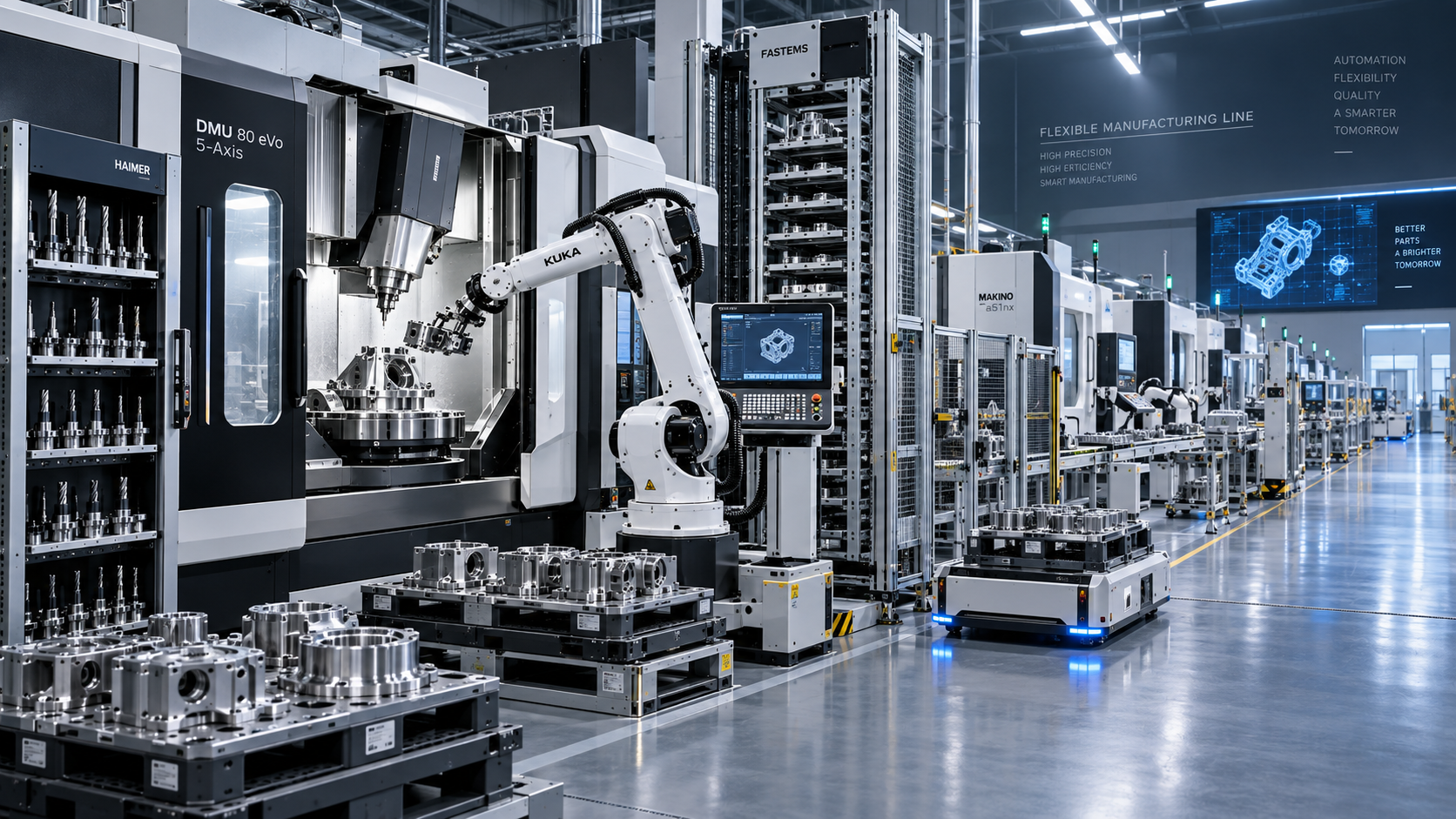
The rise of smart factories will strengthen the role of interoperable equipment. CNC machines that connect smoothly with robotics and monitoring software will gain strategic importance.
Sustainability pressures may also influence Global Manufacturing decisions. Energy efficiency, material utilization, and lifecycle support will matter more in international equipment comparisons.
Another issue is talent availability. Suppliers with strong process engineering teams and training systems often provide more stable support during expansion or technology transition.
Because industrial markets remain interconnected, a single-region strategy may become less attractive. Balanced sourcing improves resilience without sacrificing access to high-performance manufacturing capability.
Next-Step Actions for Better Industrial Sourcing Decisions
Global Manufacturing is changing sourcing from a price comparison exercise into a capability assessment process. Better decisions now depend on visibility, flexibility, and technical alignment.
A useful next step is to map current suppliers against precision level, automation readiness, digital integration, service coverage, and regional risk exposure.
Then compare these results with future application needs in CNC machining, automated lines, and precision component production. This reveals where sourcing gaps may limit growth.
By treating Global Manufacturing as a strategic operating framework, industrial businesses can improve supply stability, support advanced production, and respond faster to market change.
PREVIOUS ARTICLE
Recommended for You
 How to Select CNC Equipment for High-Mix, Low-Volume ProductionCNC Machining Technology Center
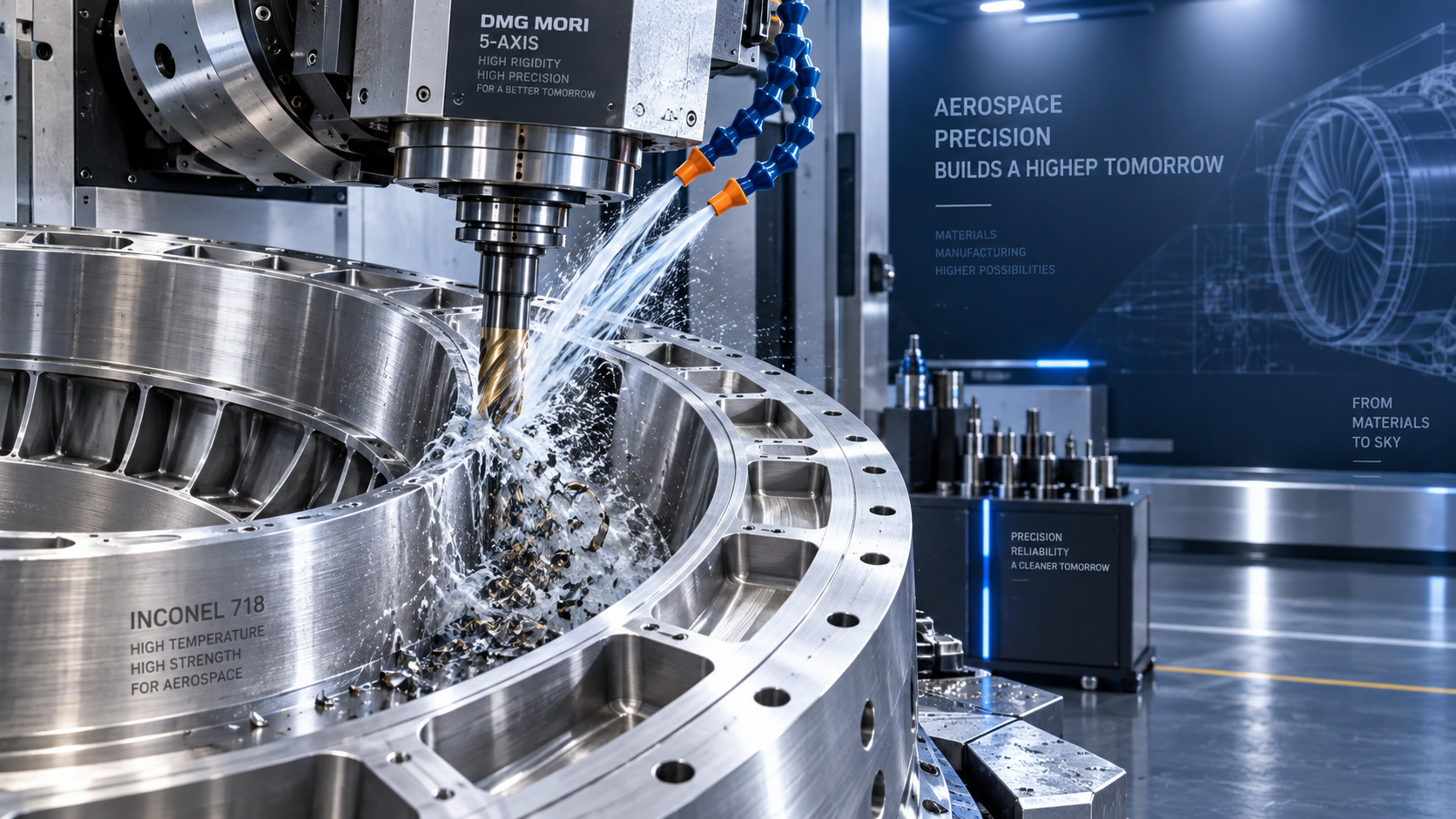
 Can CNC Machining Inconel Control Tool Wear in High-Temperature Aerospace Parts?CNC Machining Technology Center
 Machine Tool Market Outlook: Demand Drivers, Capacity Shifts, and Investment RisksManufacturing Market Research Center
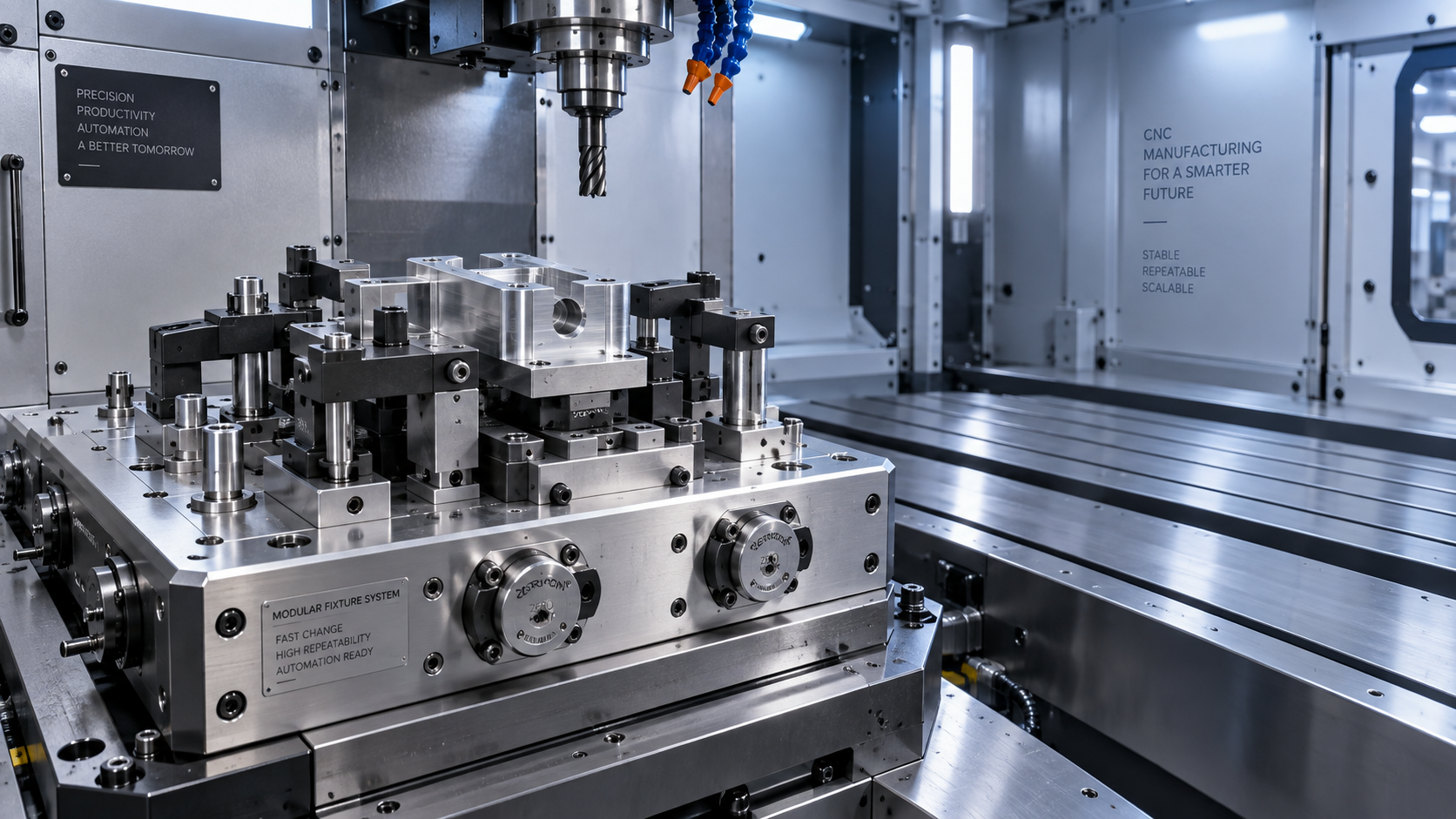
 Zero-Point Clamping or Modular Fixtures? Choosing a Faster CNC Changeover SystemCNC Machining Technology Center
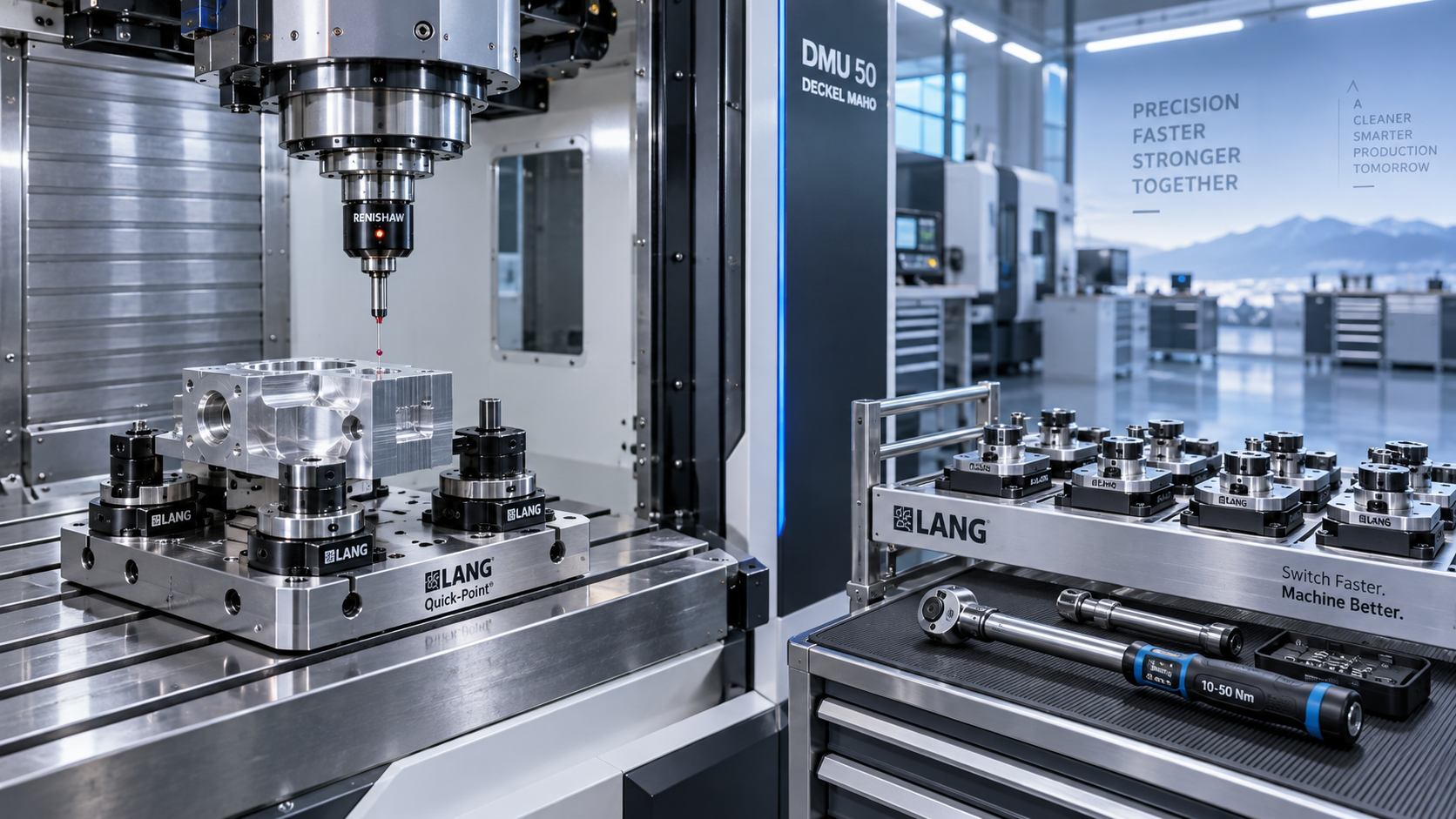
 How to Cut CNC Fixture Changeover Time Without Sacrificing Part AccuracyCNC Machining Technology Center
 When Does CNC Turning Pay Off? A Break-Even Guide by Annual Part VolumeMachine Tool Industry Editorial Team


Aris Katos
Future of Carbide Coatings
15+ years in precision manufacturing systems. Specialized in high-speed milling and aerospace grade alloy processing.
▶
Global Manufacturing Trends: How Supply Chains and Regional Shifts Affect SourcingManufacturing Market Research Center▶
Small-Batch Production and Smart Manufacturing for Small Businesses: Where to Start FirstManufacturing Market Research Center▶
What Smart Manufacturing Technology for Industry 4.0 Means for Mid-Sized FactoriesManufacturing Market Research Center▶
How Smart Manufacturing Benefits Reduce Downtime and Scrap in Metal Parts ProductionManufacturing Market Research Center▶
Advanced Manufacturing Technology for Energy Equipment: Key Processes and Use CasesManufacturing Market Research Center
Mastering 5-Axis Workholding Strategies
Join our technical panel on Nov 15th to learn about reducing vibrations in thin-wall components.

Providing you with integrated sanding solutions
Before-sales and after-sales services
Comprehensive technical support