• Global CNC market projected to reach $128B by 2028 • New EU trade regulations for precision tooling components • Aerospace deman
NYSE: CNC +1.2%LME: STEEL -0.4%

Global Manufacturing trends that buyers should watch now
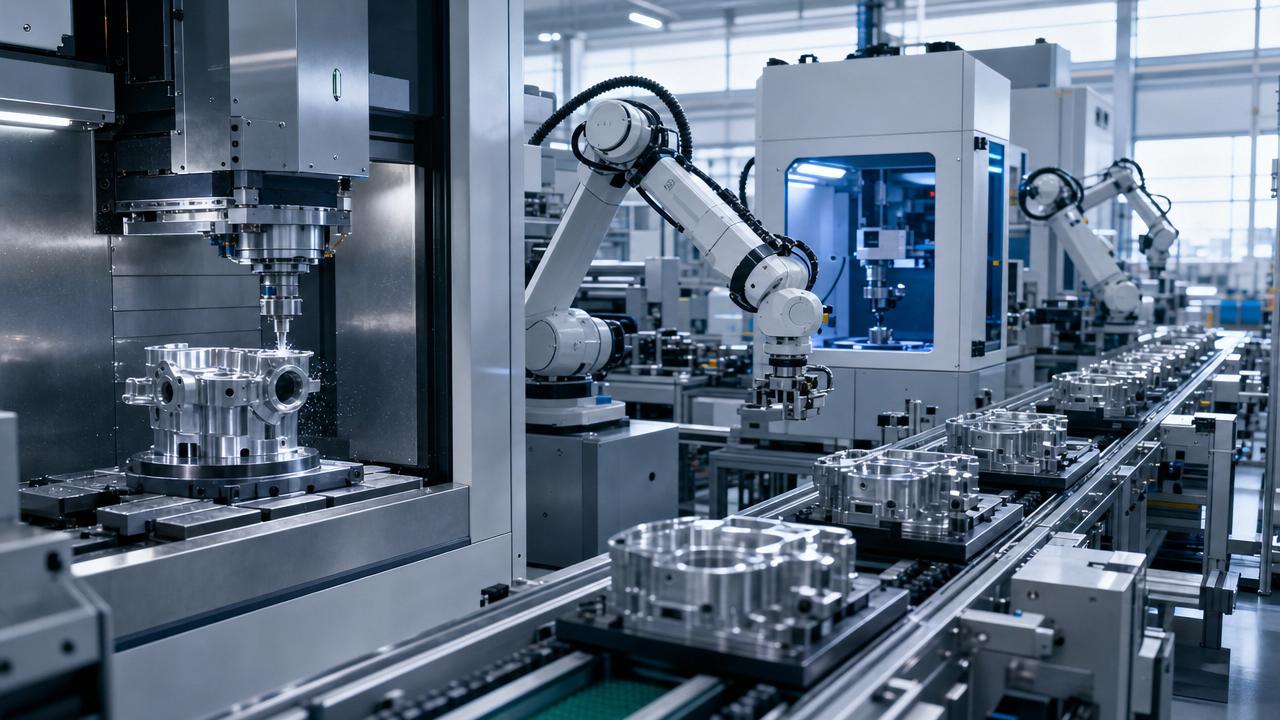
Global Manufacturing is entering a new phase shaped by automation, digital integration, and rising demand for precision production. For buyers and industry researchers, the most important question is no longer whether change is happening, but which trends will materially affect supplier selection, production reliability, and long-term sourcing value. In today’s environment, the strongest signals come from CNC machine tools, smart factory systems, regional supply chain shifts, and the growing role of data in manufacturing decisions.
For information researchers evaluating the market, the practical takeaway is clear: manufacturing competitiveness is increasingly defined by precision, flexibility, digital visibility, and resilience. Suppliers that invest in advanced machining capacity, automation, and process integration are generally better positioned to support demanding sectors such as automotive, aerospace, energy equipment, and electronics. Buyers who understand these shifts can ask better questions, compare vendors more effectively, and reduce procurement risk.
What is the real search intent behind “Global Manufacturing trends that buyers should watch now”?
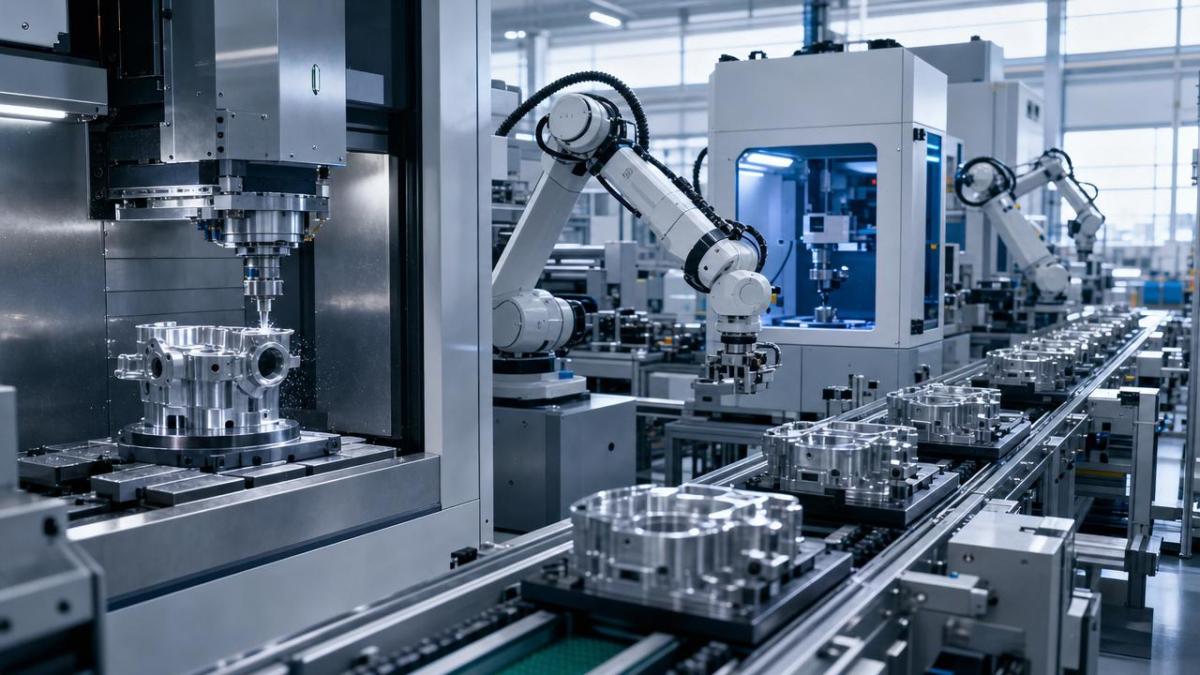
People searching this topic usually want more than broad industry news. They are looking for decision-useful insight. They want to know which manufacturing trends are actually changing quality, lead time, cost structure, sourcing geography, and supplier capability in the near term.
That intent is especially relevant in the CNC machine tool and precision manufacturing sector. Buyers and researchers need to understand which technologies are becoming standard, which regions are strengthening their industrial capacity, and how these developments affect procurement choices across different manufacturing applications.
In other words, the reader is not just asking what is happening in Global Manufacturing. The reader is asking what matters now, why it matters, and how to interpret those signals when evaluating factories, production partners, and equipment-related supply chains.
Why automation is no longer optional in modern manufacturing
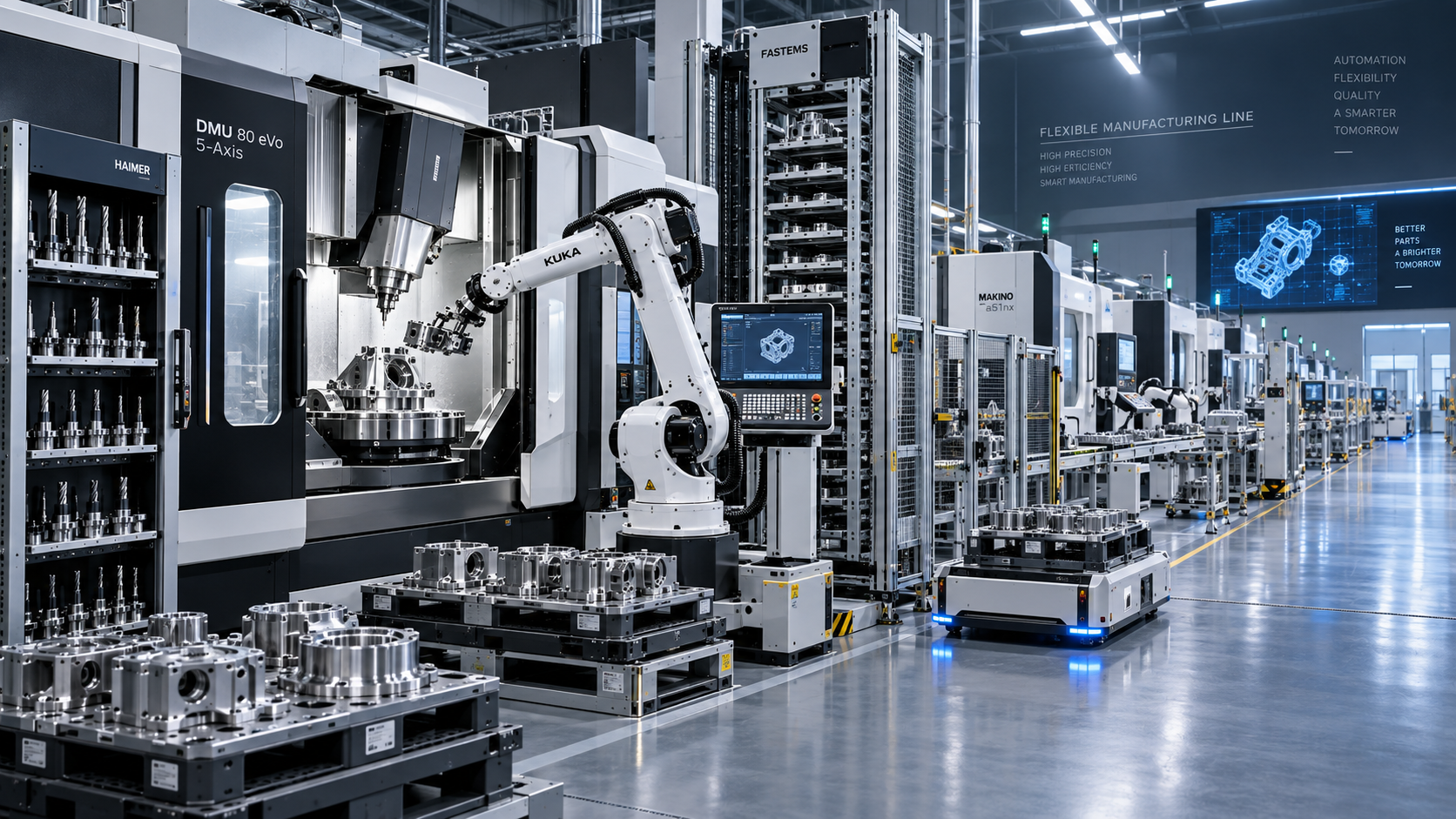
One of the most important global manufacturing trends is the acceleration of automation. Across machine shops, component plants, and integrated production facilities, manufacturers are deploying robots, automatic loading systems, pallet changers, and unmanned machining cells to improve consistency and reduce labor dependence.
For buyers, this matters because automation directly affects repeatability and throughput. A supplier with stable automated workflows is often better able to maintain dimensional accuracy, control cycle time, and handle volume fluctuations without the same level of disruption seen in more manual operations.
Automation also supports more predictable delivery performance. In industries where downtime is expensive or product schedules are tightly linked to assembly lines, the ability of a supplier to sustain output under labor pressure becomes a serious competitive advantage.
That does not mean every automated supplier is automatically the best choice. Buyers should still examine whether automation is well integrated into real production, whether operators are properly trained, and whether the factory has achieved measurable gains in scrap reduction, setup efficiency, and capacity utilization.
How digital integration is reshaping supplier evaluation
Another defining shift in Global Manufacturing is the move toward digital integration. CNC machines, measuring systems, enterprise software, and production monitoring platforms are increasingly connected. This creates better visibility across planning, machining, inspection, maintenance, and delivery processes.
For researchers and procurement teams, digital maturity can be a useful indicator of operational discipline. A supplier that uses real-time machine monitoring, tool life tracking, digital work instructions, and integrated quality data is often in a stronger position to manage complexity than one relying heavily on disconnected manual records.
Digital integration also improves traceability. This is particularly important for aerospace, medical-related components, energy equipment, and other high-specification applications where documentation, process control, and quality history are part of the purchasing decision.
When evaluating suppliers, buyers should ask practical questions. Can the manufacturer trace a part back to machine parameters and inspection records? Is production scheduling updated in real time? Are deviations documented and acted upon quickly? These details reveal whether digitalization is cosmetic or operationally meaningful.
Why precision capability is becoming a stronger differentiator
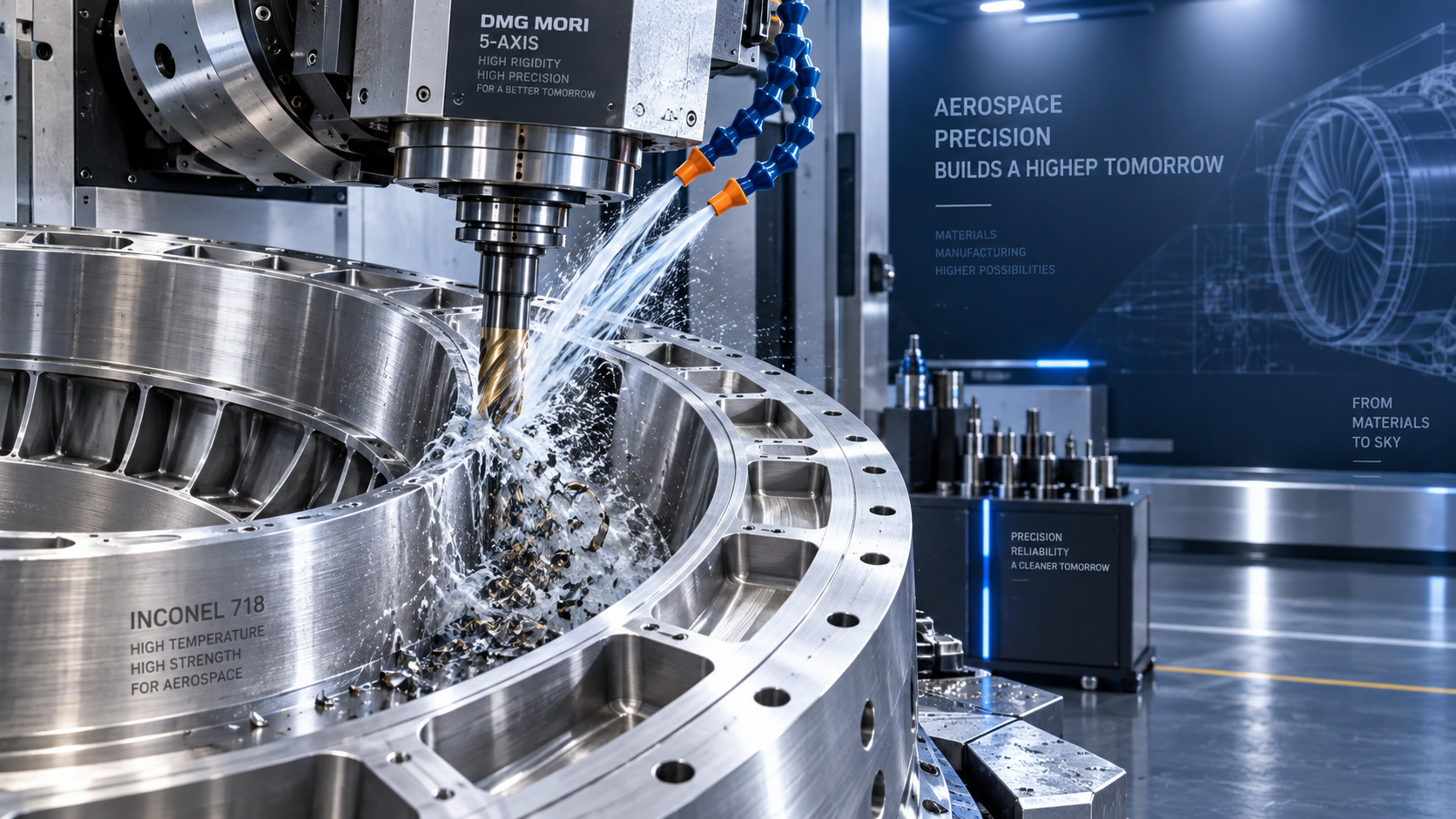
As products become more compact, more efficient, and more technically demanding, precision manufacturing is gaining strategic importance. This trend is especially visible in electric vehicles, aerospace systems, advanced electronics, and energy equipment, where tolerances, surface quality, and material performance are increasingly critical.
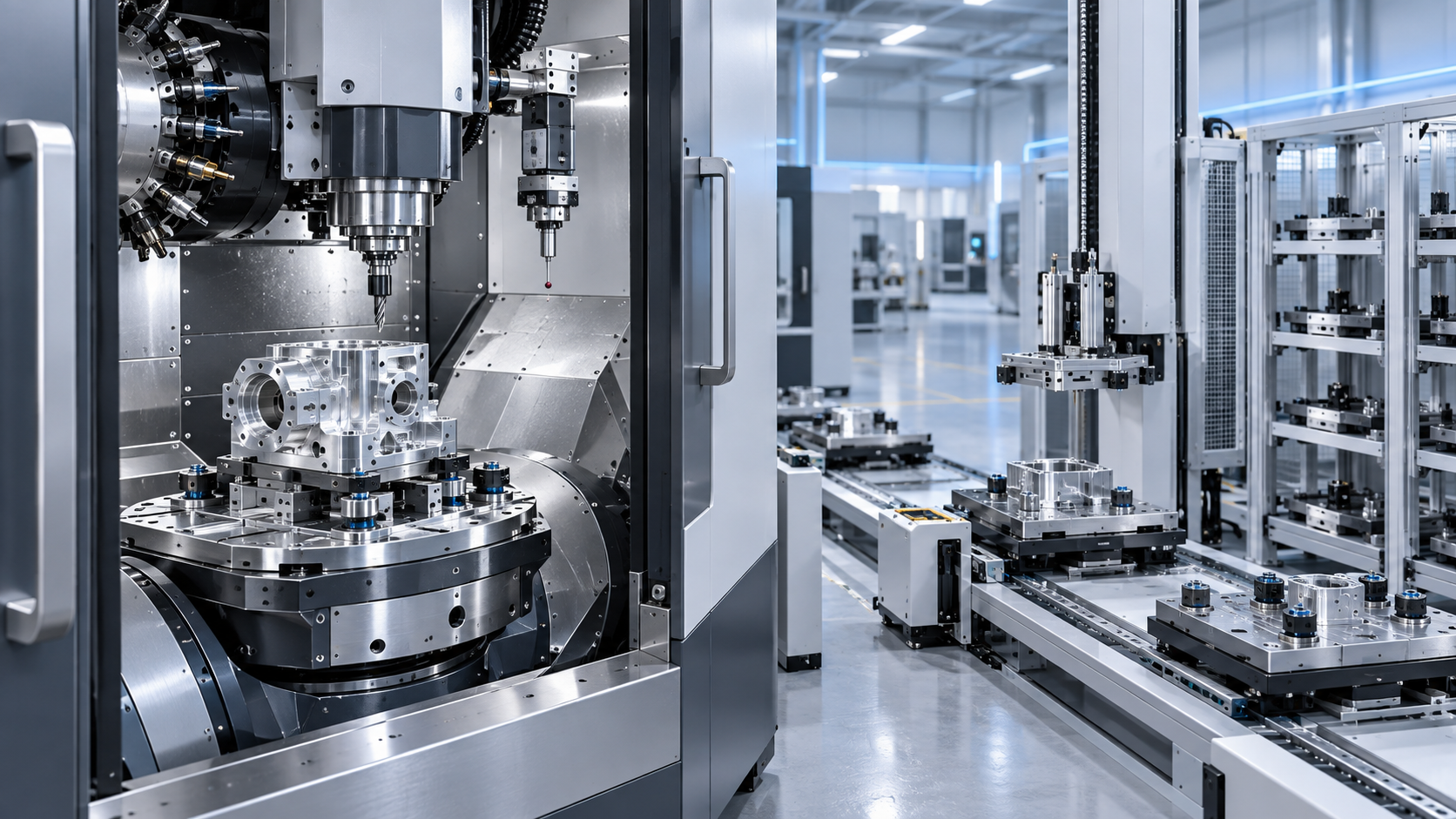
CNC lathes, machining centers, and multi-axis systems are central to this shift. Manufacturers that can process complex geometries, difficult materials, and tight-tolerance parts with consistency are better equipped to serve higher-value applications. For buyers, this means capability should be assessed beyond basic machine count.
It is no longer enough to ask whether a factory has CNC equipment. The more useful questions are whether it has the right machine configuration, whether it can hold tolerance over production runs, whether it has in-process measurement capability, and whether it can manage fixturing and tooling for complex parts.
Precision capability also affects total procurement value. Higher machining accuracy can reduce downstream assembly issues, lower rejection rates, and improve field reliability. Even if unit pricing is not the lowest, the overall cost of ownership may be more favorable when quality risks are lower.
What buyers should know about flexible production and shorter product cycles
Manufacturing demand is becoming less predictable, while product cycles are becoming shorter. This has pushed many factories toward flexible production models that can handle mixed batches, design revisions, and faster changeovers without severe efficiency losses.
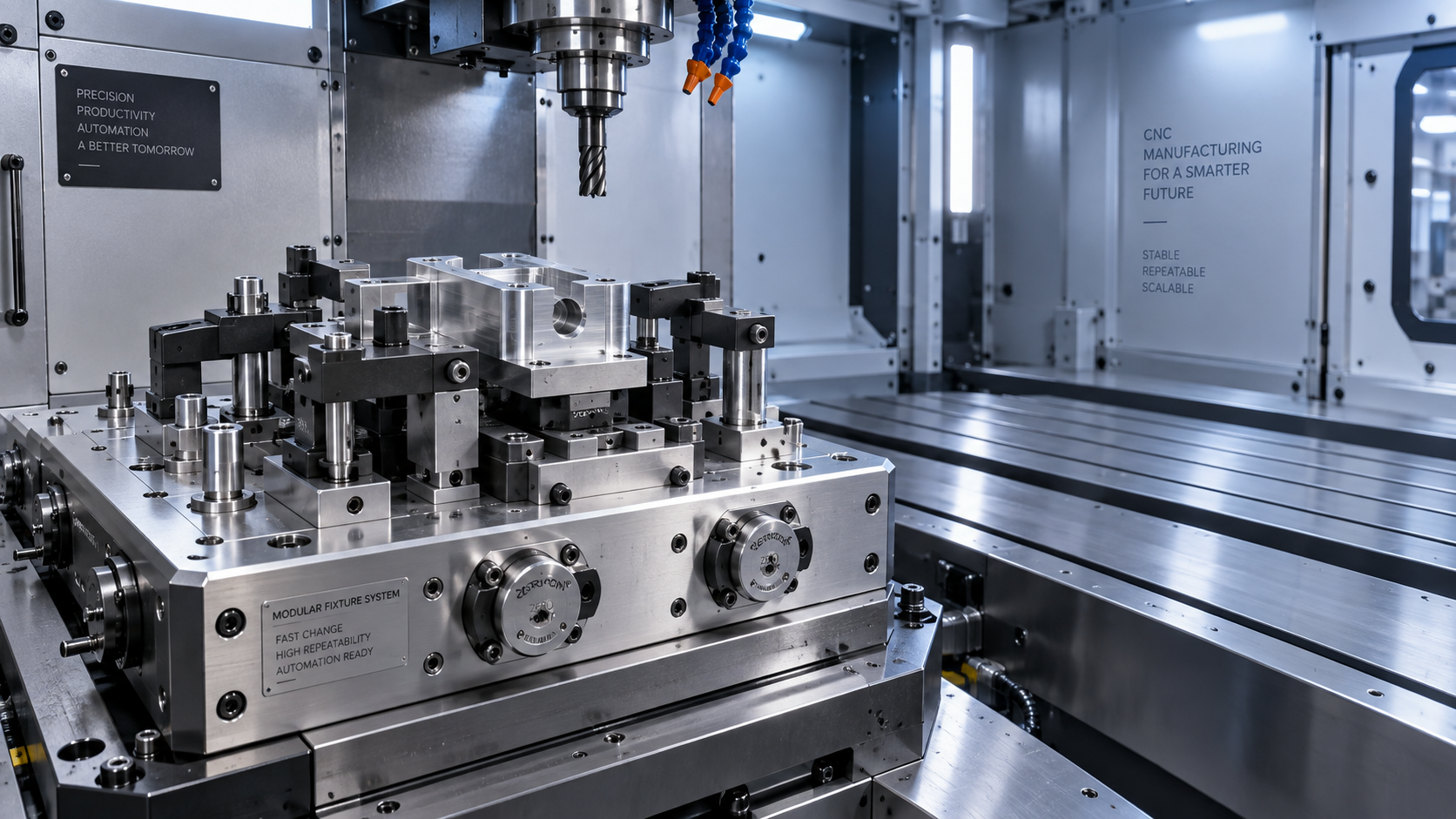
In practical terms, flexible manufacturing involves modular fixtures, quick tool change systems, programmable automation, and software-driven scheduling. These capabilities help suppliers adapt more easily when order volumes shift or when customers introduce engineering updates during production.
For buyers, flexibility is especially important when sourcing customized parts, low-to-medium volume programs, or products serving emerging markets. A supplier that can respond quickly to design changes may offer better long-term value than one optimized only for static, high-volume output.
This trend also affects supplier qualification. Procurement teams should look at setup times, engineering response speed, sample iteration cycles, and communication quality. In a market where responsiveness has become part of competitiveness, flexibility is no longer a secondary feature.
How regional manufacturing shifts are changing sourcing strategy
Global Manufacturing is still international, but it is becoming more regionally balanced. China remains a major manufacturing force, while Germany, Japan, and South Korea continue to lead in advanced machine tools, industrial components, and high-precision engineering. At the same time, more companies are diversifying sourcing footprints to reduce concentration risk.
For buyers, the key issue is not choosing one geography in isolation, but understanding the strengths and trade-offs of each region. Some markets offer scale and cost efficiency. Others offer advanced process control, specialized expertise, or stronger support for premium applications.
Regional shifts are also influenced by logistics, trade policy, energy costs, and customer localization requirements. In some sectors, nearshoring or dual-sourcing is becoming a practical risk management strategy rather than just a cost decision.
Researchers should therefore track where industrial clusters are deepening. A strong cluster often means better access to machine tool builders, tooling suppliers, precision component makers, and technical talent. That ecosystem can significantly influence supplier performance and innovation speed.
Why smart factories matter beyond marketing language
The term smart factory is often overused, but the underlying trend is real and important. In a meaningful sense, a smart factory uses connected systems, machine data, automated handling, and process analytics to improve decision-making across production.
For buyers, the value of smart manufacturing lies in measurable outcomes. These include lower unplanned downtime, better process stability, faster fault detection, improved quality consistency, and stronger production transparency. Those outcomes matter far more than presentation slides or generic technology claims.
Smart factories also support predictive maintenance and better capacity planning. In CNC-intensive environments, this can reduce disruptions caused by machine wear, tool failure, or scheduling bottlenecks. A supplier that manages equipment health proactively may be more dependable over long production cycles.
When assessing smart factory maturity, buyers should focus on evidence. Ask for examples of cycle monitoring, OEE improvement, quality trend analysis, and response protocols when data flags a problem. Real smart manufacturing should be visible in operations, not just in terminology.
What rising quality expectations mean for supplier selection
Quality standards are rising across nearly every segment of Global Manufacturing. Customers expect tighter tolerances, cleaner finishes, more complete documentation, and more reliable batch consistency. This is especially true where components must fit into automated assembly systems or high-performance end products.
As a result, supplier evaluation increasingly requires attention to metrology, process discipline, and quality systems. Coordinate measuring machines, in-process inspection, calibration practices, and structured corrective action procedures are no longer optional signals in many sectors.
Buyers should also examine whether a factory’s quality system is integrated with production rather than isolated from it. A strong manufacturer uses inspection data to adjust machining processes, tool replacement cycles, and operator decisions before defects become systemic.
This trend makes supplier conversations more technical. Researchers who understand how machining accuracy, fixturing stability, surface treatment, and inspection capability interact will be better prepared to distinguish between superficial compliance and true manufacturing competence.
How to interpret manufacturing trends without getting lost in hype
Not every visible trend deserves equal weight. For buyers and industry researchers, the most useful framework is to connect each trend to core procurement outcomes: quality consistency, lead time reliability, scalability, cost predictability, engineering support, and supply continuity.
For example, a supplier investing in multi-axis machining may be more relevant if your application involves complex geometry or setup-sensitive parts. A factory promoting industrial robots may be more valuable if your priority is stable volume output and lower labor-related variability.
Likewise, digital dashboards alone should not impress buyers unless they support traceability and faster problem solving. Regional expansion matters only if it improves access, resilience, or specialized capability. The goal is to translate market trends into sourcing relevance.
This approach helps researchers avoid generic conclusions. Instead of asking which manufacturing trends are popular, ask which trends improve the supplier attributes your project depends on. That distinction is what turns industry observation into practical decision intelligence.
A buyer’s checklist for evaluating manufacturers in the current market
In the current Global Manufacturing landscape, buyers should begin with capability alignment. Confirm whether the supplier’s machines, process range, material experience, and precision levels match the real technical demands of your product, not just the broad category it belongs to.
Next, assess operational maturity. Review automation level, production planning methods, inspection systems, and documentation practices. A factory with disciplined workflows often outperforms a larger but less controlled operation, especially when complexity increases.
Then evaluate resilience. Ask about machine maintenance, tooling strategy, backup capacity, supplier networks, and response plans for disruptions. In volatile markets, resilience can be as important as nominal production capacity.
Finally, look at communication and engineering responsiveness. Fast quotation is useful, but informed technical feedback is more valuable. A manufacturer that asks the right questions about tolerances, materials, and process risks is often more capable than one that simply offers the lowest price.
Conclusion: the manufacturing trends worth watching are the ones that change buying decisions
The most important Global Manufacturing trends today are not abstract themes. They are practical shifts in automation, digital integration, precision capability, production flexibility, regional sourcing dynamics, and quality control expectations. These trends are changing how strong suppliers operate and how buyers should evaluate them.
For information researchers, the best response is to move beyond headline-level awareness. Focus on how each trend affects supplier performance, technical capability, and sourcing risk. That perspective makes industry research more actionable and procurement decisions more confident.
In the CNC machine tool and precision manufacturing sector, the manufacturers most worth watching are those combining advanced equipment, stable processes, digital visibility, and real operational discipline. Buyers who recognize these signals early will be better positioned to identify capable partners in an increasingly competitive global market.
PREVIOUS ARTICLE
Recommended for You
 CNC Machine Arrival Inspection: Check Shipping Damage, Accuracy, Safety, and DocumentsCNC Machining Technology Center
 How to Select a Machine Tool for Aerospace Parts with Tight Tolerances?Machine Tool Industry Editorial Team
 How to Select CNC Equipment for High-Mix, Low-Volume ProductionCNC Machining Technology Center
 Can CNC Machining Inconel Control Tool Wear in High-Temperature Aerospace Parts?CNC Machining Technology Center
 Machine Tool Market Outlook: Demand Drivers, Capacity Shifts, and Investment RisksManufacturing Market Research Center
 Zero-Point Clamping or Modular Fixtures? Choosing a Faster CNC Changeover SystemCNC Machining Technology Center

Aris Katos
Future of Carbide Coatings
15+ years in precision manufacturing systems. Specialized in high-speed milling and aerospace grade alloy processing.
▶
Global Manufacturing Trends: How Supply Chains and Regional Shifts Affect SourcingManufacturing Market Research Center▶
Small-Batch Production and Smart Manufacturing for Small Businesses: Where to Start FirstManufacturing Market Research Center▶
What Smart Manufacturing Technology for Industry 4.0 Means for Mid-Sized FactoriesManufacturing Market Research Center▶
How Smart Manufacturing Benefits Reduce Downtime and Scrap in Metal Parts ProductionManufacturing Market Research Center▶
Advanced Manufacturing Technology for Energy Equipment: Key Processes and Use CasesManufacturing Market Research Center
Mastering 5-Axis Workholding Strategies
Join our technical panel on Nov 15th to learn about reducing vibrations in thin-wall components.

Providing you with integrated sanding solutions
Before-sales and after-sales services
Comprehensive technical support