• Global CNC market projected to reach $128B by 2028 • New EU trade regulations for precision tooling components • Aerospace deman
NYSE: CNC +1.2%LME: STEEL -0.4%

What is reshaping Global Manufacturing beyond labor costs?
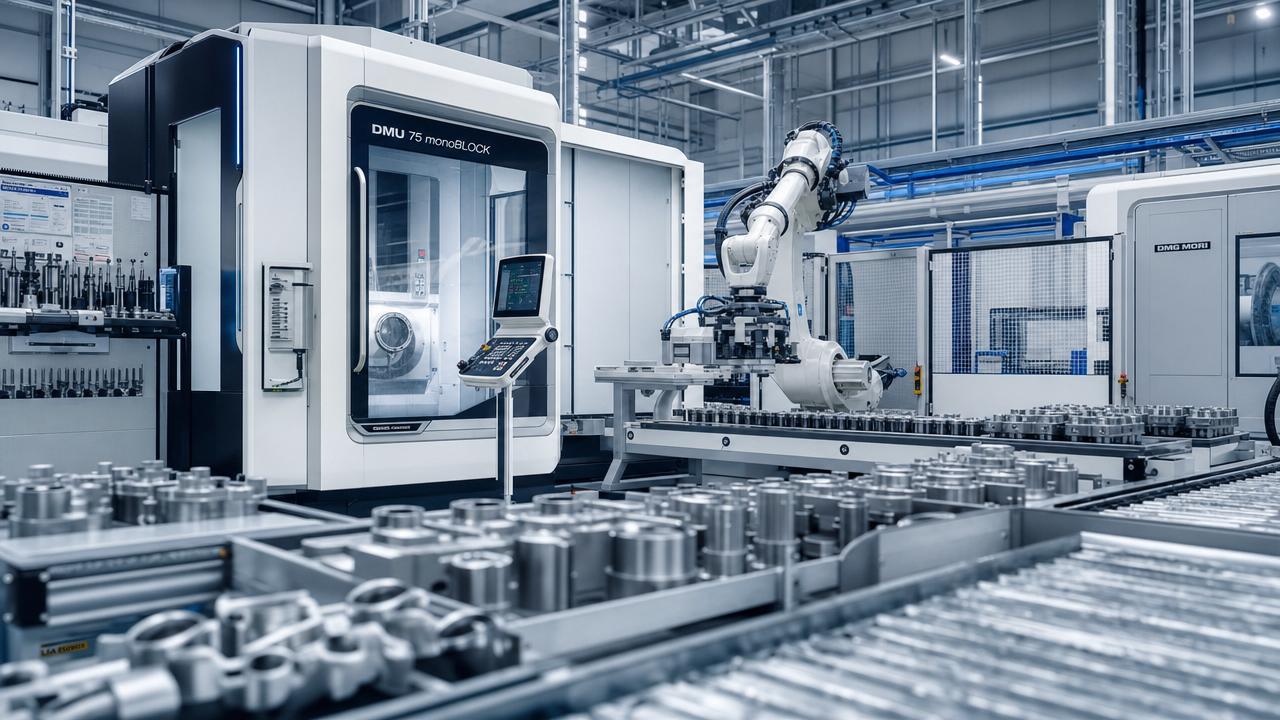
Global Manufacturing is being reshaped by far more than labor costs. Production decisions now depend on precision, automation, digital control, energy pressure, and supply chain resilience.
Across automotive, aerospace, electronics, and energy equipment, CNC machine tools and smart factory systems are changing how value is created.
For researchers studying Global Manufacturing, the key question is no longer where labor is cheapest. It is where production can stay accurate, flexible, connected, and dependable.
Global Manufacturing is shifting from cost arbitrage to capability advantage
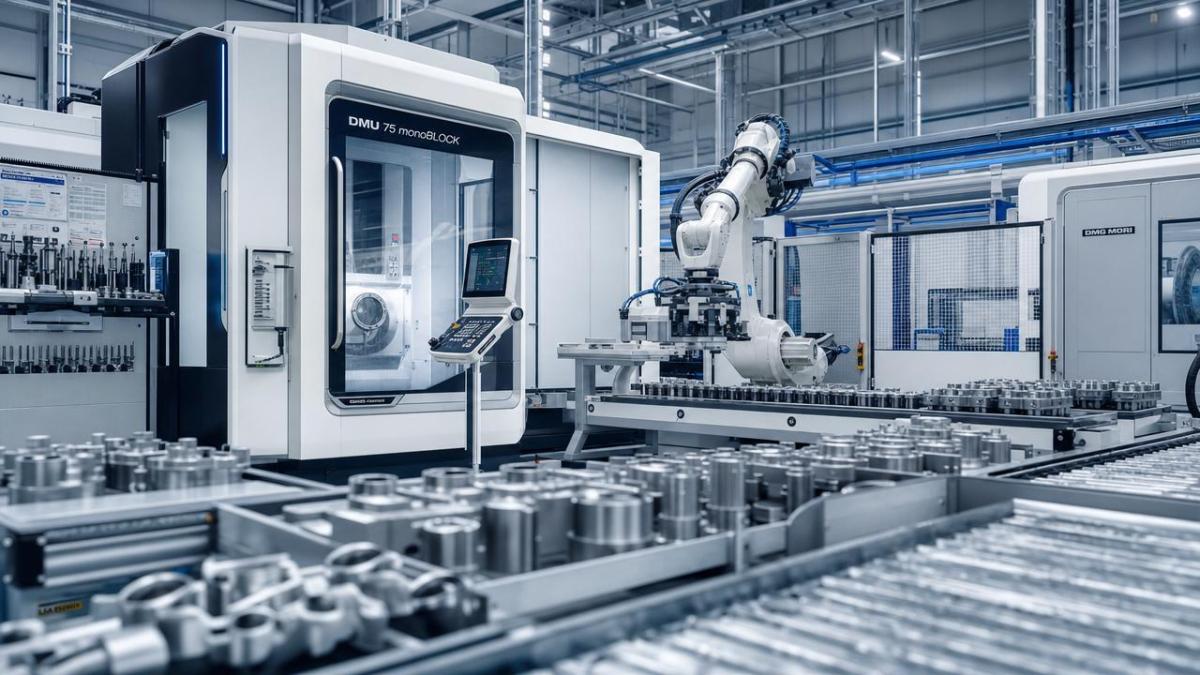
For decades, labor cost differences strongly influenced factory location. That logic still matters, but it explains less of today’s industrial map.
Modern production increasingly rewards countries and industrial clusters with advanced machine tools, automation talent, digital infrastructure, and reliable logistics.
In Global Manufacturing, output quality now depends on process stability as much as wage levels. Tight tolerances cannot rely on cheap labor alone.
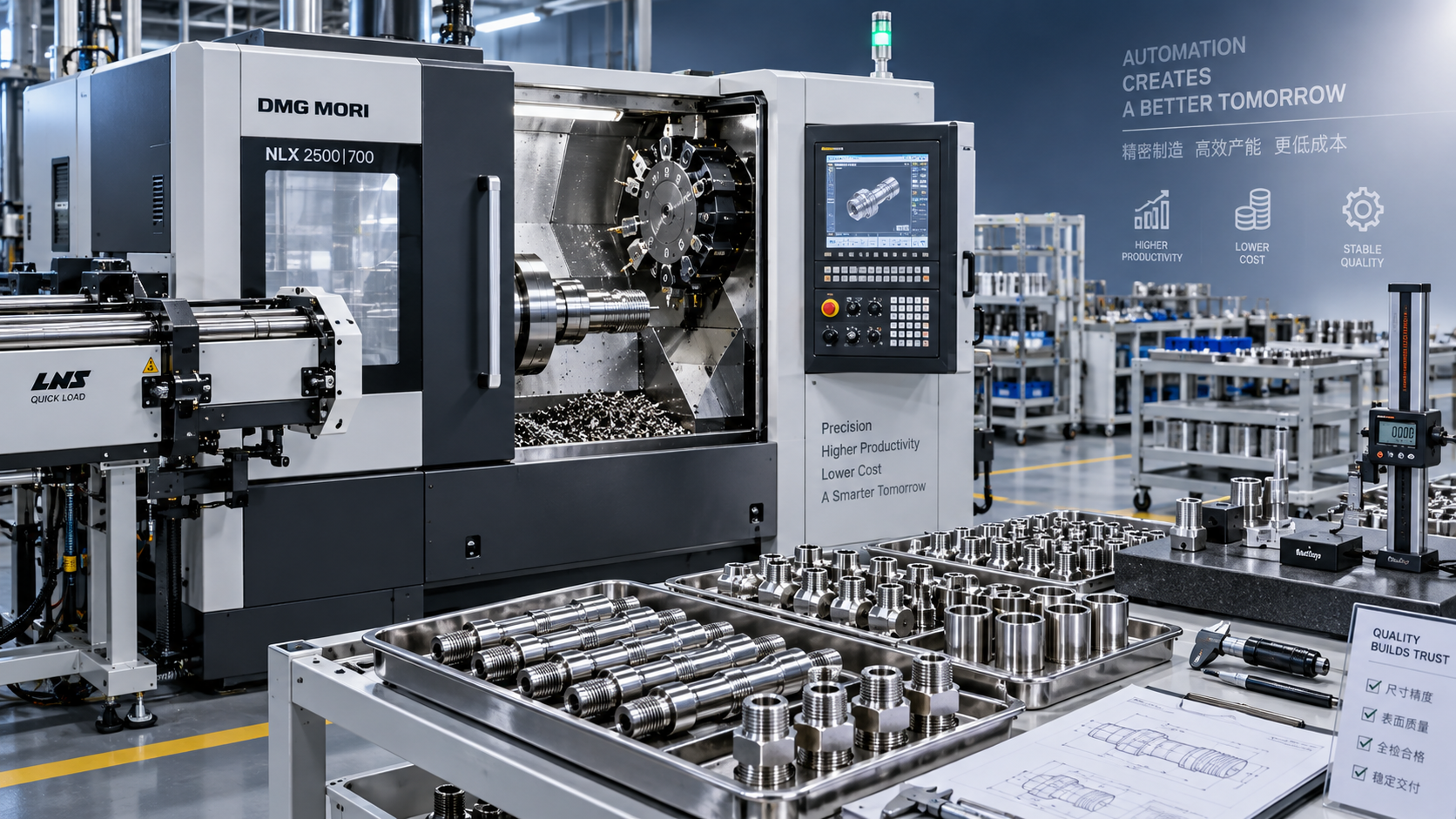
CNC lathes, machining centers, multi-axis systems, industrial robots, and automated inspection have reduced manual variation in many critical production steps.
That change matters most in sectors producing precision shafts, discs, housings, turbine parts, electronic components, and complex structural parts.
As a result, Global Manufacturing is increasingly shaped by technical ecosystem strength, not by hourly labor comparisons alone.
The clearest signals are visible on the factory floor
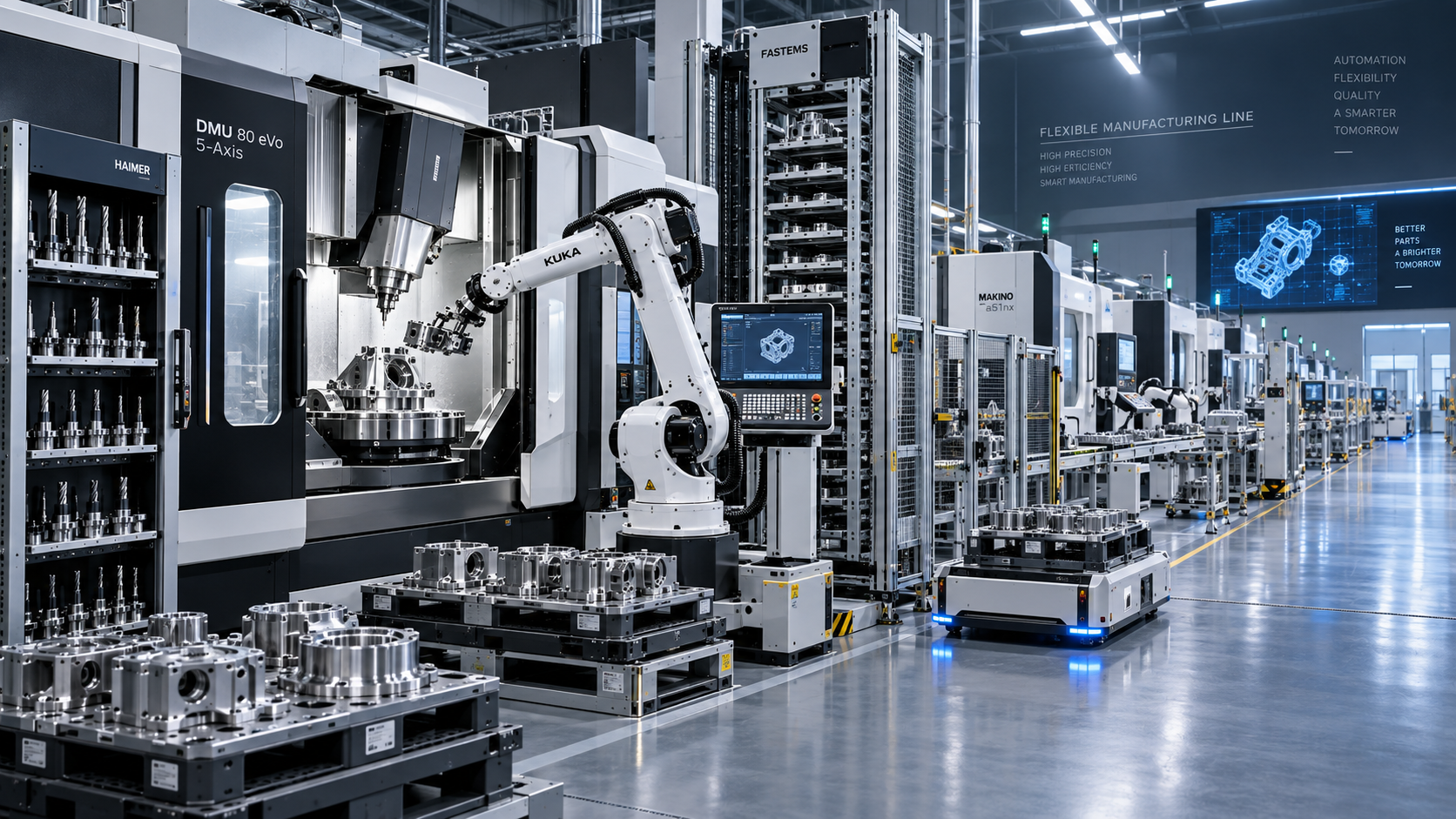
Several visible signals show how Global Manufacturing is changing in real time. These signals appear in both mature industrial economies and fast-growing production hubs.
- Higher investment in CNC machine tools with multi-axis capability and faster changeover.
- Wider use of robots, automated loading, and flexible production cells.
- Growth of digital monitoring, machine connectivity, and data-driven maintenance.
- Rising demand for nearshoring, dual sourcing, and regional supply redundancy.
- Increasing focus on energy efficiency, material usage, and carbon reporting.
- Shorter product cycles requiring more agile manufacturing systems.
These signals show that Global Manufacturing is moving toward responsiveness. The winning model is not simply low-cost volume. It is controlled, adaptable, high-uptime production.
Why Global Manufacturing is changing faster now
The current transition comes from several forces working together. Their combined effect is stronger than any single labor cost trend.
In this context, Global Manufacturing becomes a competition between production systems. The strongest systems combine tooling, software, process engineering, and resilient supplier networks.
CNC technology is becoming a strategic lever, not just a production tool
CNC equipment now plays a larger strategic role in Global Manufacturing. It influences product complexity, quality stability, lead time, and regional competitiveness.
Advanced machining centers can process multiple features in fewer setups. That reduces handling errors, saves time, and improves part consistency.
Multi-axis systems support complex geometries needed in aerospace, medical devices, energy equipment, and premium automotive production.
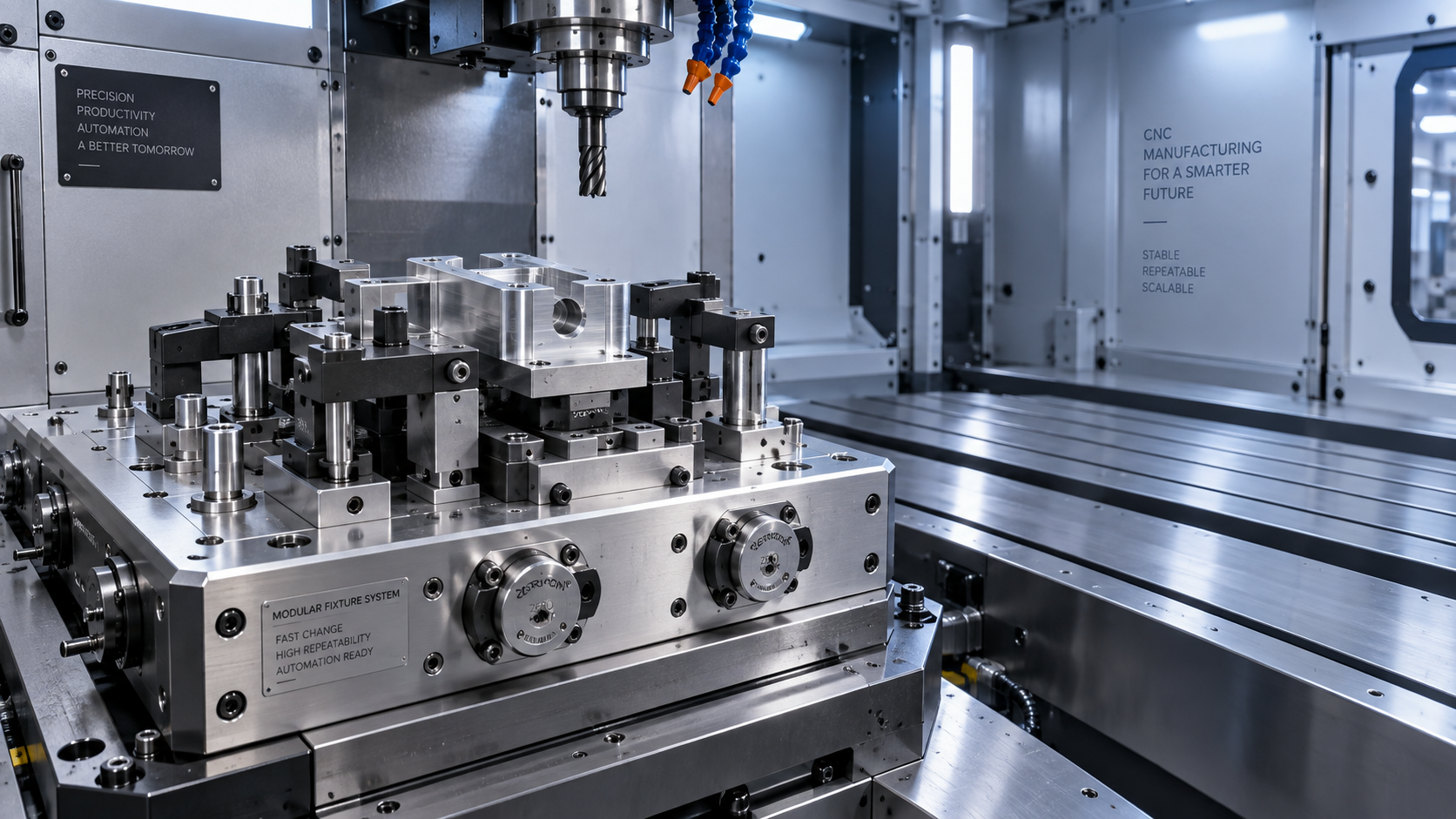
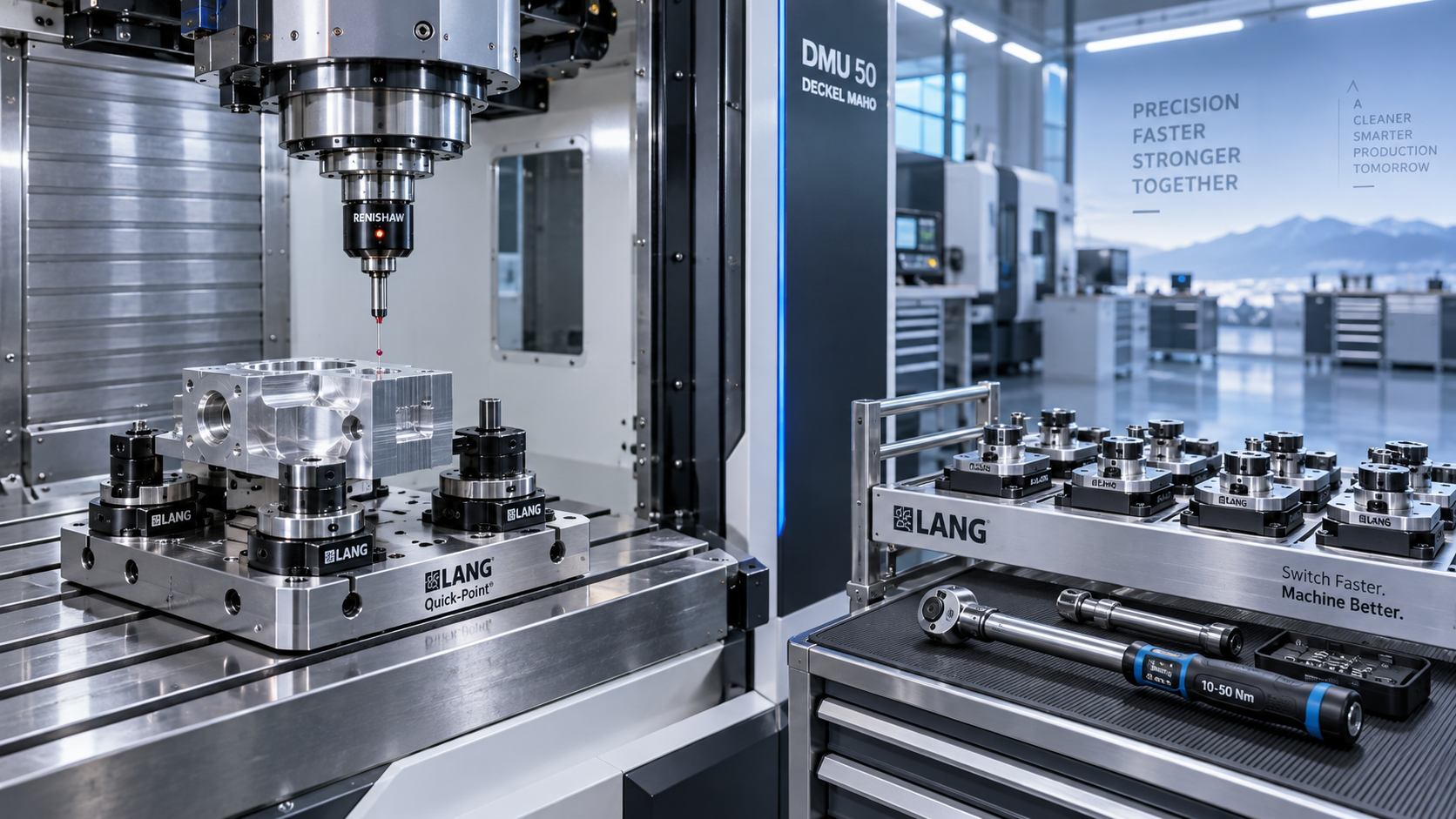
Tooling, fixtures, sensors, and automated loading also matter. Productivity gains often come from the full machining system, not from the machine alone.
For Global Manufacturing, this means competitiveness is increasingly linked to process integration. Facilities with better machine connectivity can scale quality more effectively.
The impact reaches every major business link
The reshaping of Global Manufacturing affects sourcing, production planning, quality control, maintenance, logistics, and capital allocation.
Production planning is becoming more dynamic
Factories must balance batch efficiency with fast response. Digital scheduling and flexible lines support smaller runs without destroying productivity.
Quality control is moving upstream
Instead of detecting defects after production, smart systems collect machining and tool data earlier. This reduces scrap and protects delivery performance.
Supplier strategy is becoming more regionalized
Global Manufacturing still depends on international trade, but many supply networks now favor regional backup capacity and shorter replenishment cycles.
Investment decisions are becoming lifecycle decisions
Equipment value is judged by uptime, software compatibility, maintenance support, and energy performance, not just purchase price.
What deserves close attention over the next cycle
Several priorities deserve continued tracking as Global Manufacturing evolves. These points help explain where capability leadership may emerge next.
- Whether machine tool upgrades focus on speed alone or on data connectivity and process stability.
- How industrial clusters build local ecosystems for spindles, controls, tooling, software, and service.
- Which regions can combine automation deployment with skilled technical labor.
- How energy pricing and carbon policy influence location strategy for heavy and precision industries.
- How quickly flexible production lines spread beyond large enterprises into broader supply chains.
- Whether digital traceability becomes a standard requirement in cross-border manufacturing contracts.
These issues shape not only production geography, but also the future hierarchy of Global Manufacturing competitiveness.
A practical framework for judging the next move
A useful response starts with evaluating production systems rather than comparing wages in isolation. The following framework supports more realistic judgment.
This framework captures the real direction of Global Manufacturing. Capability density now matters as much as labor intensity.
The next step is to track capability signals, not just cost signals
The future of Global Manufacturing will be shaped by precision engineering, automation depth, digital integration, and supply chain redesign.
Labor cost remains relevant, but it is no longer the dominant lens. High-performance production depends on equipment quality, software visibility, and ecosystem maturity.
A practical next step is to monitor machine tool investment, smart factory adoption, regional cluster growth, and supply chain diversification together.
That broader view reveals where Global Manufacturing is truly heading, and why the next leaders will be defined by capability, not cost alone.
Recommended for You
 How to Select CNC Equipment for High-Mix, Low-Volume ProductionCNC Machining Technology Center
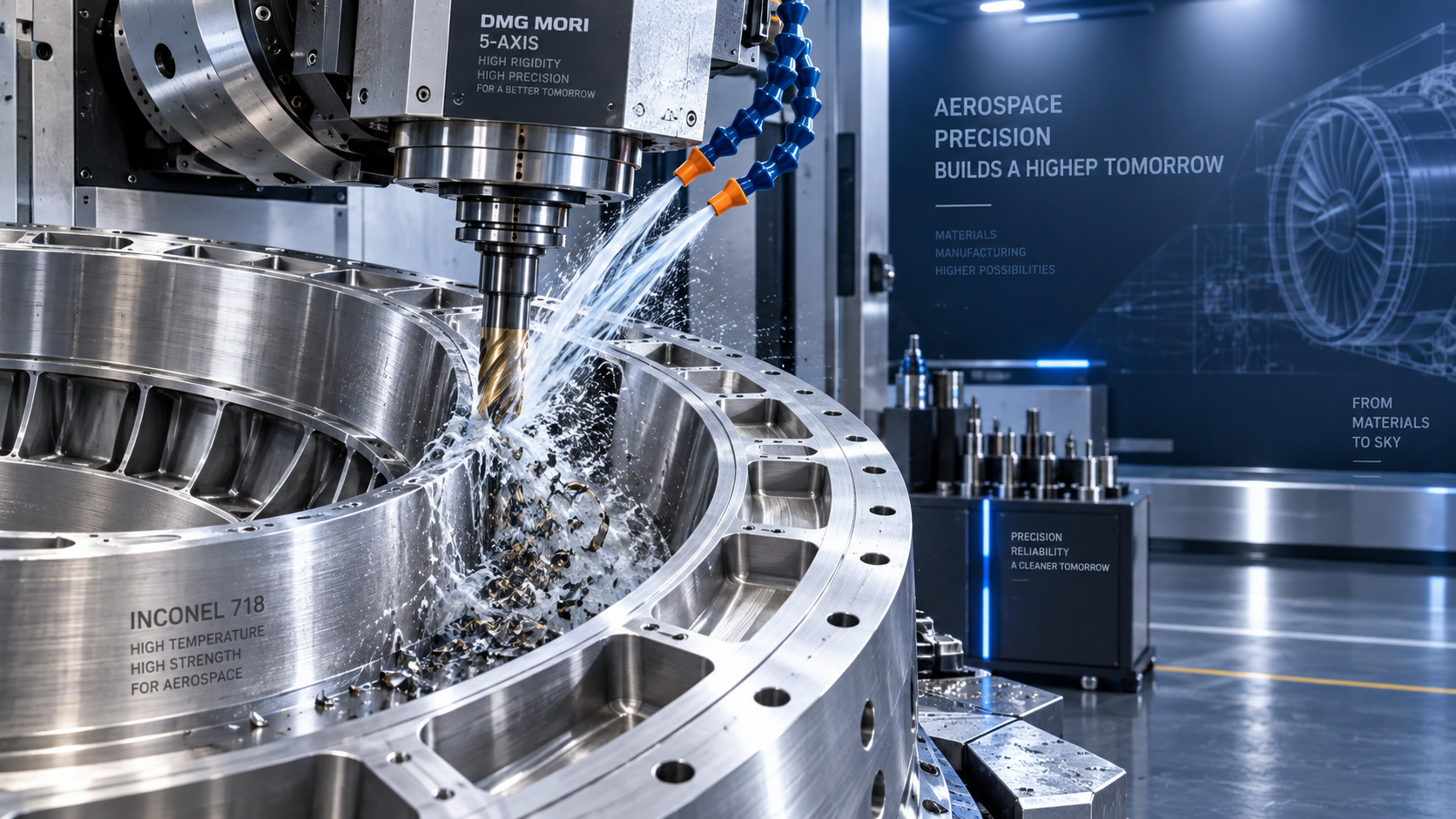
 Can CNC Machining Inconel Control Tool Wear in High-Temperature Aerospace Parts?CNC Machining Technology Center
 Machine Tool Market Outlook: Demand Drivers, Capacity Shifts, and Investment RisksManufacturing Market Research Center
 Zero-Point Clamping or Modular Fixtures? Choosing a Faster CNC Changeover SystemCNC Machining Technology Center
 How to Cut CNC Fixture Changeover Time Without Sacrificing Part AccuracyCNC Machining Technology Center
 When Does CNC Turning Pay Off? A Break-Even Guide by Annual Part VolumeMachine Tool Industry Editorial Team

Aris Katos
Future of Carbide Coatings
15+ years in precision manufacturing systems. Specialized in high-speed milling and aerospace grade alloy processing.
▶
Global Manufacturing Trends: How Supply Chains and Regional Shifts Affect SourcingManufacturing Market Research Center▶
Small-Batch Production and Smart Manufacturing for Small Businesses: Where to Start FirstManufacturing Market Research Center▶
What Smart Manufacturing Technology for Industry 4.0 Means for Mid-Sized FactoriesManufacturing Market Research Center▶
How Smart Manufacturing Benefits Reduce Downtime and Scrap in Metal Parts ProductionManufacturing Market Research Center▶
Advanced Manufacturing Technology for Energy Equipment: Key Processes and Use CasesManufacturing Market Research Center
Mastering 5-Axis Workholding Strategies
Join our technical panel on Nov 15th to learn about reducing vibrations in thin-wall components.

Providing you with integrated sanding solutions
Before-sales and after-sales services
Comprehensive technical support