• Global CNC market projected to reach $128B by 2028 • New EU trade regulations for precision tooling components • Aerospace deman
NYSE: CNC +1.2%LME: STEEL -0.4%

Automotive OEMs are auditing CNC manufacturing for EV battery mounts—not for strength, but for micro-crack propagation under thermal cycling
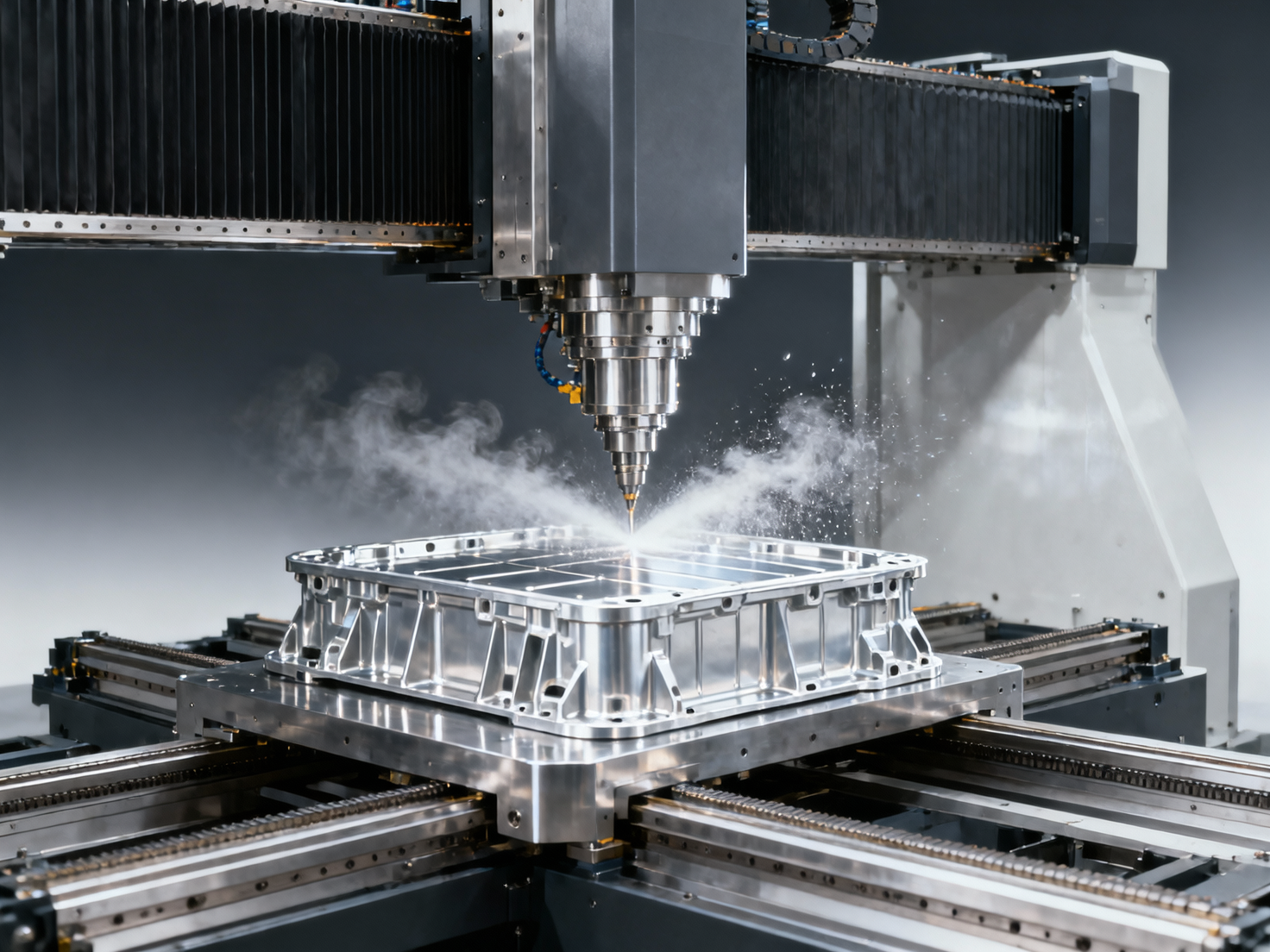
As automotive OEMs intensify audits of CNC manufacturing for EV battery mounts—not to verify structural strength, but to detect micro-crack propagation under thermal cycling—the demand surges for high-precision CNC manufacturing, multi-axis CNC manufacturing, and low-maintenance CNC manufacturing. This shift underscores the critical role of precision CNC manufacturing for automotive industry applications, especially where energy-saving CNC manufacturing and automated CNC manufacturing ensure reliability across thousands of thermal cycles. Whether you’re a procurement professional sourcing from a CNC manufacturing wholesaler, an engineer evaluating a CNC manufacturing factory, or a decision-maker seeking a cost-effective CNC manufacturing supplier, understanding these evolving quality benchmarks is essential.
Why Micro-Crack Detection Is Now a Core Audit Criterion
EV battery mounts undergo 3,000–5,000 thermal cycles over vehicle lifetime—ranging from –40°C to +85°C—with peak temperature gradients exceeding 150°C/min during fast charging. Conventional tensile or static load testing fails to expose subsurface discontinuities that initiate fatigue-driven micro-cracks. OEMs now require CNC machining partners to demonstrate process stability across five key dimensions: tool wear compensation accuracy (±0.002 mm), spindle thermal drift control (<0.005 mm over 8-hour shift), fixture repeatability (≤±0.003 mm), coolant flow consistency (±3% pressure variance), and in-process metrology feedback latency (<120 ms).
This audit focus reflects a broader industry transition: from dimensional compliance to material integrity assurance. CNC machine tools are no longer evaluated solely on positional accuracy (e.g., ISO 230-2), but on their ability to sustain sub-micron surface integrity—particularly in aluminum 6061-T6 and A380 die-cast housings—across extended production runs. High-frequency vibration damping, real-time spindle monitoring, and adaptive feed control have become non-negotiable features for Tier-1 suppliers.
The implication for CNC equipment buyers is clear: machines must support closed-loop quality assurance—not just open-loop execution. That means integrated probing systems with ≤0.001 mm probe repeatability, onboard thermal compensation algorithms certified to ISO 230-3, and digital twin validation of toolpath-induced residual stress distribution prior to first cut.
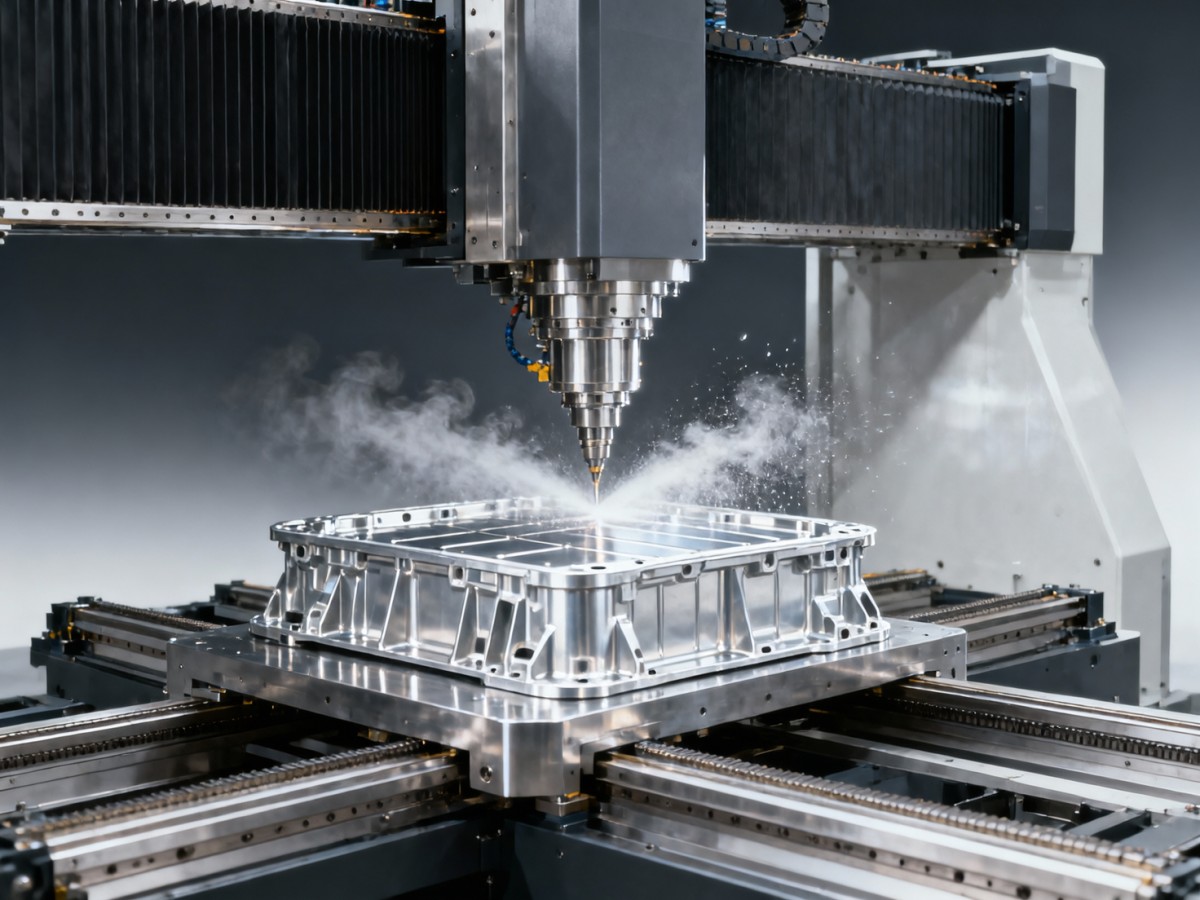
Which CNC Machine Configurations Deliver Thermal-Cycle-Ready Output?
Not all multi-axis CNC platforms meet the micro-crack mitigation threshold. Three architecture types dominate qualified supply chains—and each carries distinct trade-offs in precision retention, maintenance overhead, and thermal management capability:
Bridge-type systems lead in volumetric accuracy and thermal stability but require longer commissioning (typically 4–6 weeks post-delivery). Gantry mills excel in large-part consistency but demand specialized foundation preparation. High-rigidity VMCs offer fastest ramp-up but require tighter environmental controls (±1°C ambient variation) to maintain sub-5μm repeatability. All three configurations must include ISO 10791-6 certified geometric error mapping and at least two independent thermal sensors per axis.
Key Procurement Checks for Thermal-Cycle Applications
- Verify documented spindle thermal growth curves under 8-hour continuous operation—not just idle-state specs
- Confirm probe calibration traceability to NIST or PTB standards, with full uncertainty budget provided
- Require evidence of ≥3 consecutive production lots achieving Cpk ≥1.67 on critical bore-to-surface runout (ISO 2768-mK)
- Validate that CNC controller firmware supports real-time thermal offset interpolation (not just pre-programmed lookup tables)
How to Assess a CNC Manufacturing Supplier’s Crack-Resilience Capability
Procurement teams should move beyond RFQ checklists and conduct technical due diligence across four phases: Process Mapping (2–3 days), Toolpath Simulation Review (1 day), In-Process Metrology Audit (1 day), and Thermal Cycling Validation Report Analysis (3–5 days). Leading suppliers provide full access to raw thermal imaging data from test parts cycled between –40°C and +85°C for 500 cycles—capturing crack initiation points via acoustic emission sensors with ≥20 dB SNR.
Critical red flags include: absence of spindle motor winding temperature logs, reliance on manual touch-off instead of automated tool setting, lack of coolant filtration certification (ISO 4406 16/14/11), and inability to share 3D residual stress maps generated from finite element analysis (FEA) of finished parts.
Top-tier CNC manufacturing factories deploy digital twin platforms that simulate microstructural evolution under thermal loading—linking machining parameters (feed rate, depth of cut, coolant pressure) directly to predicted fatigue life. These models are calibrated using actual ultrasonic testing (UT) and scanning electron microscopy (SEM) results from qualification batches.
What to Ask Before Engaging a CNC Manufacturing Partner
Before finalizing contracts, decision-makers should request documentation for six specific deliverables: (1) Full thermal drift report per axis over 8-hour duty cycle, (2) Probe repeatability certification under production coolant conditions, (3) Toolpath simulation file showing chip load distribution across all critical surfaces, (4) Residual stress contour map for a representative part, (5) Ultrasonic inspection report (ASTM E114) on three thermally cycled samples, and (6) CNC controller firmware revision log showing thermal compensation algorithm updates within last 12 months.
Suppliers who cannot provide these documents—or require >72 hours to generate them—are unlikely to meet OEM audit requirements. Conversely, those offering live dashboard access to real-time spindle thermal data, in-process surface roughness measurement (Ra < 0.4 μm), and automated defect classification via machine vision typically pass Tier-1 audits on first submission.
FAQ: Critical Questions for Procurement & Engineering Teams
How long does it take to validate a new CNC machine for thermal-cycle-critical EV battery mounts?
Typically 4–6 weeks: 1 week for mechanical installation and leveling, 2 weeks for geometric error mapping and thermal compensation setup, 1 week for probe calibration and tool setting verification, and 1–2 weeks for test-part thermal cycling and metrology correlation.
Which certifications most strongly indicate micro-crack mitigation capability?
Look for ISO 9001:2015 with explicit scope covering “thermal-cycle-critical structural components”, AS9100D (for aerospace-derived processes), and IATF 16949:2016 with clause 8.5.1.5 (process validation for special characteristics). Certification alone isn’t sufficient—demand proof of audit findings related to thermal stability.
Can existing CNC machines be retrofitted for this requirement?
Yes—but only if they feature modular controller architecture supporting third-party thermal compensation modules. Retrofitting requires spindle sensor integration (≥4 channels), coolant temperature monitoring (±0.2°C accuracy), and FEA-capable CAM software. Typical retrofit cost: 18–22% of original machine value; ROI achieved in ≤14 months via reduced scrap and audit rework.
Why Partner With a CNC Manufacturing Specialist for EV Battery Mount Production
We support global OEMs and Tier-1 suppliers with turnkey CNC manufacturing solutions validated for thermal-cycle-critical applications—including full-service support for ISO/IEC 17025-compliant metrology, digital twin-based process validation, and rapid-response engineering for design-for-manufacturability (DFM) reviews. Our facilities operate under IATF 16949:2016 with dedicated EV battery mount production lines featuring real-time thermal monitoring, automated surface integrity verification, and traceable tool life management.
Whether you need help selecting the optimal CNC machine configuration, validating an existing supplier’s capability, or developing a compliant manufacturing process for a new battery mount design—we provide actionable technical guidance backed by measurable performance data. Contact us to request: (1) Thermal stability benchmark report for your target material and geometry, (2) Sample part validation timeline and cost estimate, or (3) Technical review of your current CNC process documentation against OEM audit criteria.
Recommended for You
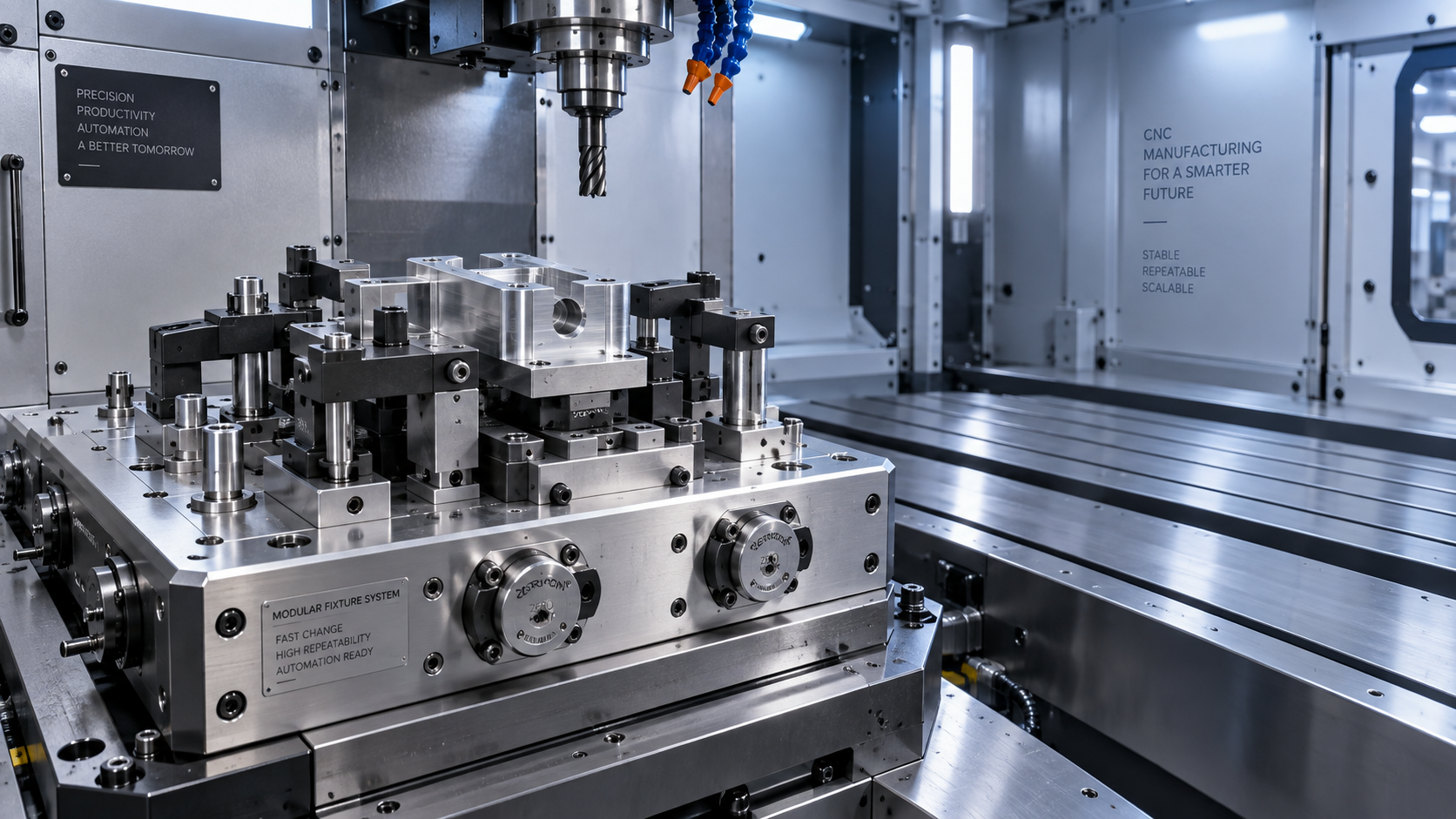
 Zero-Point Clamping or Modular Fixtures? Choosing a Faster CNC Changeover SystemCNC Machining Technology Center
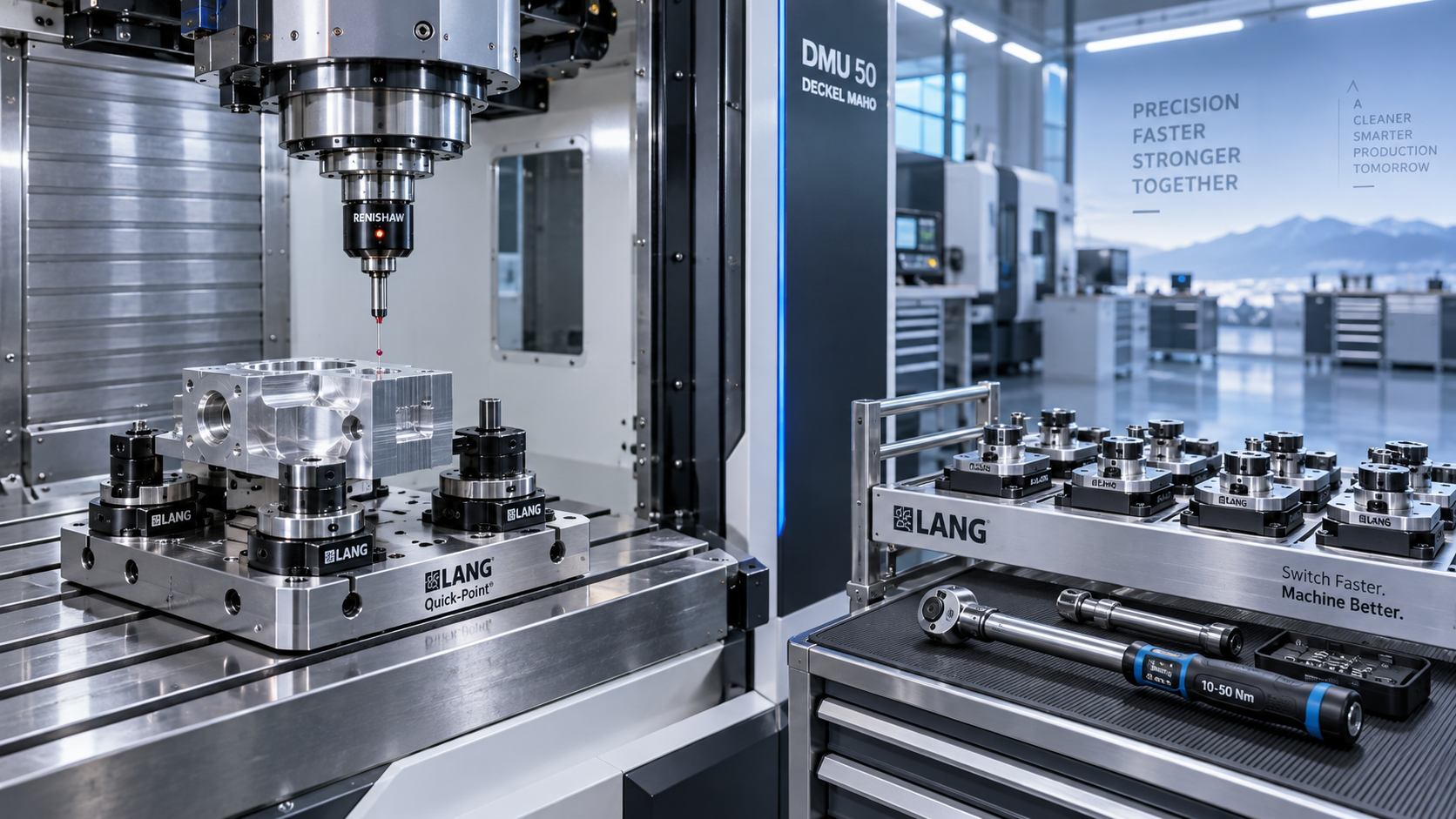
 How to Cut CNC Fixture Changeover Time Without Sacrificing Part AccuracyCNC Machining Technology Center
 When Does CNC Turning Pay Off? A Break-Even Guide by Annual Part VolumeMachine Tool Industry Editorial Team
 Machine Tool Standards by Country: What Importers Must Verify Before PurchaseManufacturing Policy Research Center
 CNC Lathe Quick Installation Guide: Alignment Checks Before First Production RunCNC Machining Technology Center
 How to Select a CNC Lathe for Small Parts Without Sacrificing Accuracy or Cycle TimeCNC Machining Technology Center

Aris Katos
Future of Carbide Coatings
15+ years in precision manufacturing systems. Specialized in high-speed milling and aerospace grade alloy processing.
▶
How Automated Precision Machining Maintains Tolerance in High-Mix ProductionCNC Machining Technology Center▶
CNC Programming Explained: From CAD Models to Reliable Shop-Floor ToolpathsCNC Machining Technology Center▶
How Multi-Axis Machining Produces Complex Components With Fewer SetupsCNC Machining Technology Center▶
How Much Does CNC Programming Software Cost in 2026?CNC Machining Technology Center▶
CNC Machining Explained: Processes, Tolerances, and Parts It Can ProduceCNC Machining Technology Center
Mastering 5-Axis Workholding Strategies
Join our technical panel on Nov 15th to learn about reducing vibrations in thin-wall components.

Providing you with integrated sanding solutions
Before-sales and after-sales services
Comprehensive technical support