• Global CNC market projected to reach $128B by 2028 • New EU trade regulations for precision tooling components • Aerospace deman
NYSE: CNC +1.2%LME: STEEL -0.4%

CNC Machining Tolerances Explained: What Affects Accuracy and Cost?
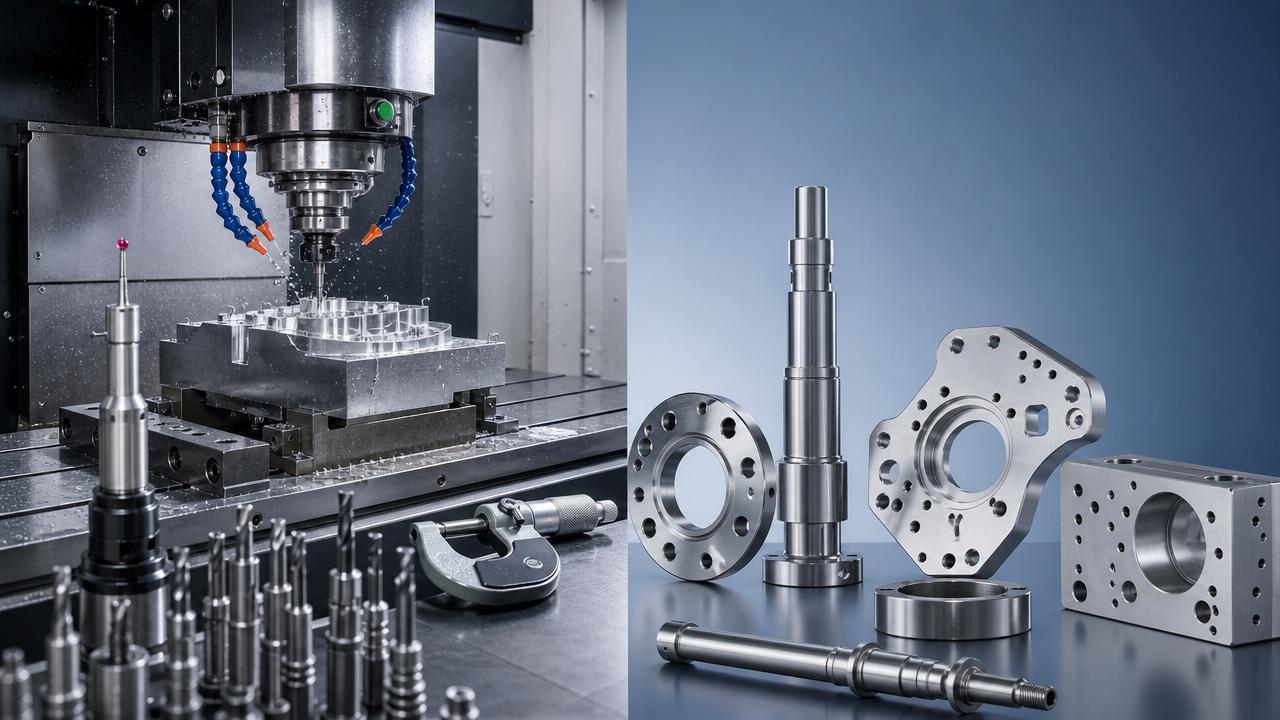
CNC machining tolerances directly influence part performance, inspection requirements, production lead time, and overall cost. For technical evaluators, understanding what drives machining accuracy—from material behavior and machine capability to tooling, fixturing, and process control—is essential when comparing suppliers or defining specifications. This article explains the key factors that affect tolerance outcomes and cost, helping manufacturers make practical decisions that balance precision, reliability, and production efficiency.
Why CNC machining tolerance decisions matter before quoting
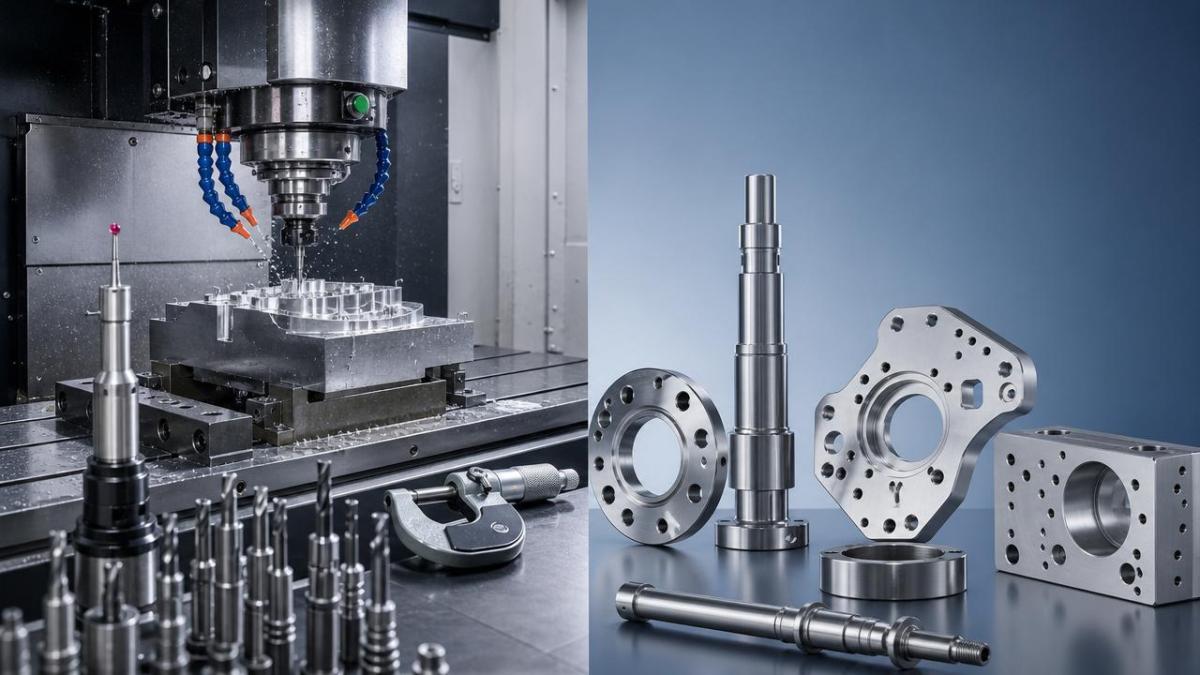
A tolerance is not only a drawing requirement. It is a production decision that affects machine selection, toolpath strategy, inspection workload, scrap risk, and supplier responsibility.
In CNC machining, tighter tolerances may require slower cutting, more stable fixtures, controlled temperature, additional finishing passes, and more detailed measurement reports.
Technical evaluators often compare suppliers across regions, including China, Germany, Japan, and South Korea. The lowest unit price is rarely the safest indicator.
Tolerance should match function, not habit
A bearing seat, sealing face, aerospace bracket, battery tray feature, or automation fixture datum may need different tolerance logic. Over-specification increases cost without improving function.
- Functional features should receive the tightest controls because they influence assembly, motion, sealing, alignment, or safety.
- Non-critical pockets, clearance holes, and cosmetic surfaces can often use general tolerances to reduce machining and inspection time.
- Datum structures should be defined clearly, because unclear references create inconsistent inspection results between buyer and supplier.
What tolerance ranges are common in CNC machining?
Tolerance capability depends on process type, material, geometry, machine condition, and measurement method. The table below gives practical reference ranges for evaluation.
These ranges are not universal guarantees. They are starting points for supplier discussion, drawing review, and process feasibility analysis in CNC machining projects.
Which technical factors affect machining accuracy most?
Accuracy is the result of a complete manufacturing system. Machine rigidity alone cannot compensate for poor material planning, unstable clamping, or unsuitable cutting tools.
Machine capability and thermal stability
CNC lathes, machining centers, and multi-axis machines have different accuracy windows. Ball screw condition, spindle runout, axis calibration, and thermal drift all matter.
For long production runs, temperature changes can shift dimensions. Evaluators should ask how the supplier manages warm-up, compensation, and in-process checks.
Material behavior during and after cutting
Aluminum alloys are easier to machine but may move after stress release. Stainless steel and titanium generate heat and tool wear more quickly.
Castings, forgings, and welded blanks can contain internal stress. Roughing, stress relief, and semi-finishing may be needed before final CNC machining.
Tooling, fixtures, and clamping strategy
Cutting tools influence dimensional stability, surface finish, burr formation, and tool life. Worn tools can gradually push parts out of tolerance.
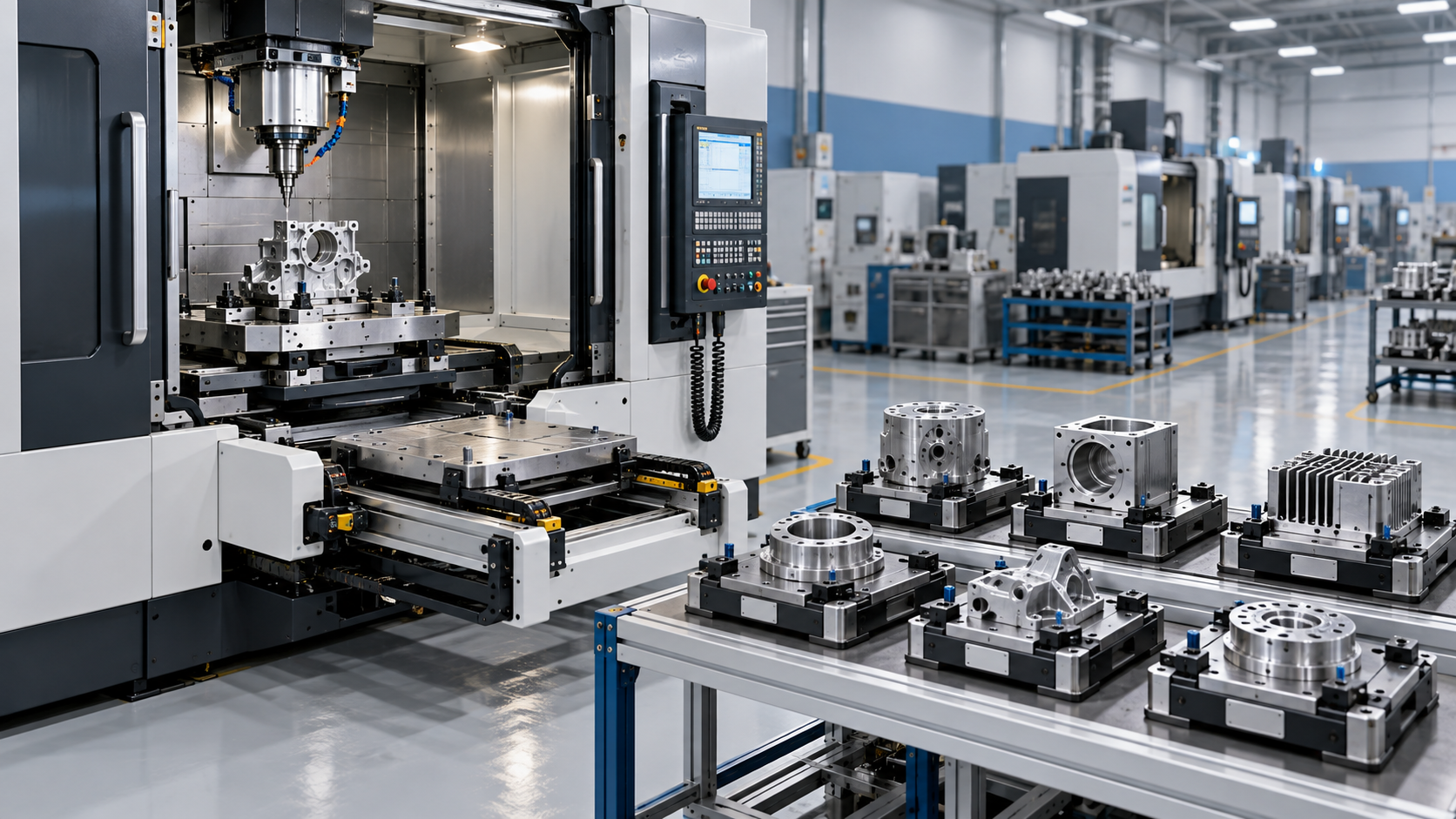
Fixtures must locate parts repeatably without distortion. Thin-walled parts, precision discs, and complex shaft components often need customized support or soft jaws.
- Confirm whether critical surfaces are machined in one setup or across multiple setups with re-clamping risk.
- Review tool access because deep cavities, long overhangs, and small internal radii can reduce achievable precision.
- Check whether the fixture supports both prototype flexibility and repeatable batch production.
How tolerance requirements change cost in real purchasing scenarios
Cost rises when tolerance requirements increase uncertainty. Suppliers price not only cutting time, but also risk, inspection, rework probability, and capacity reservation.
The following comparison helps technical evaluators identify where CNC machining costs usually increase during quotation review and supplier negotiation.
A reliable quote should explain cost logic. If two suppliers price the same CNC machining drawing very differently, compare tolerance interpretation before comparing margins.
Procurement checklist: what technical evaluators should verify
A strong supplier evaluation connects drawing requirements with equipment, measurement, process control, and delivery execution. The checklist below supports structured decision-making.
- Confirm the supplier understands functional critical-to-quality features, not only nominal dimensions on the drawing.
- Ask which operations will use turning, milling, grinding, wire EDM, or multi-axis CNC machining.
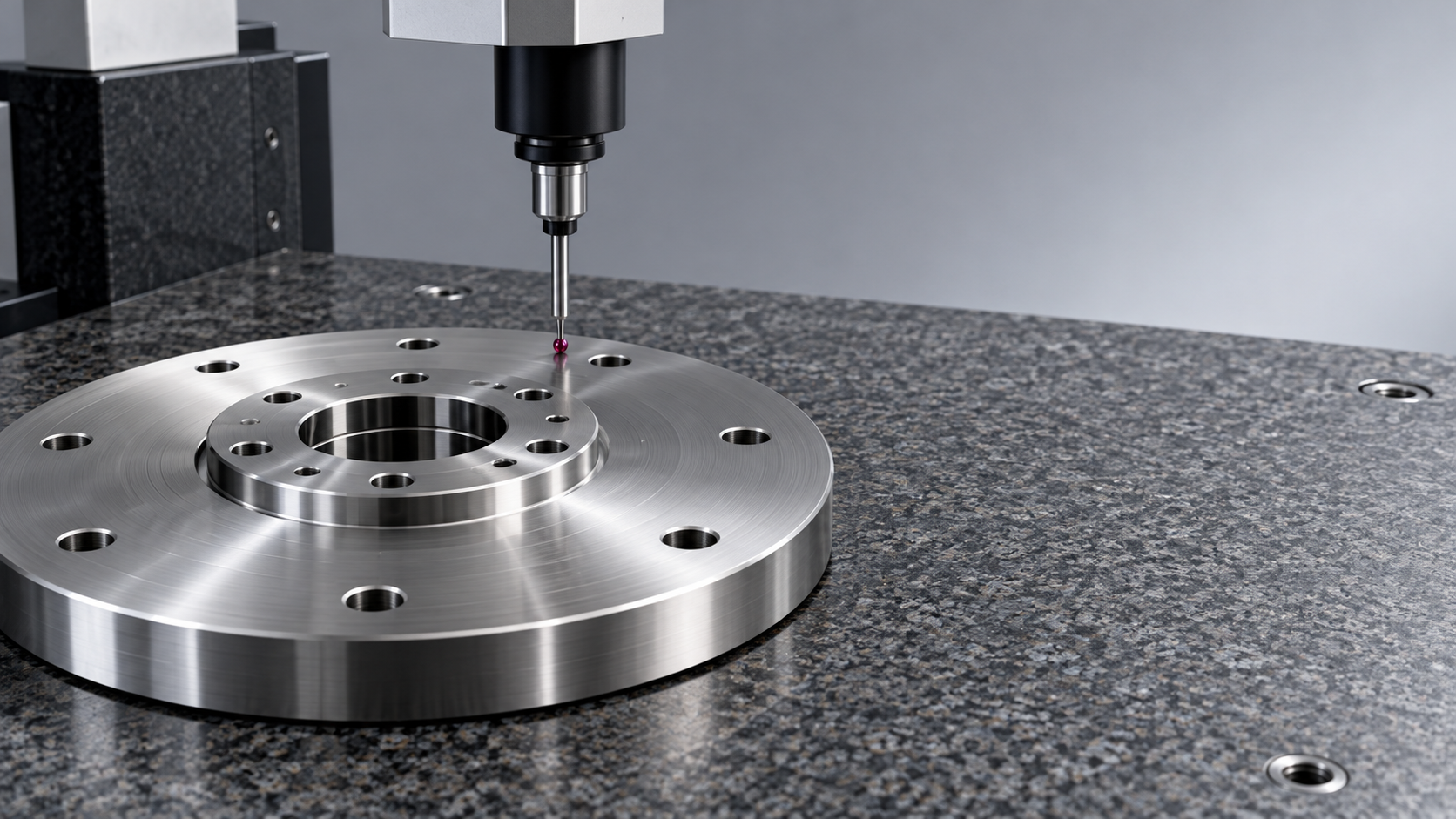
- Review whether inspection equipment, such as CMM, height gauge, micrometer, or surface roughness tester, matches required accuracy.
- Clarify whether inspection reports include first article inspection, in-process checks, final inspection, or full dimensional reporting.
- Discuss packaging, surface protection, and transport risks for precision surfaces or tight-fit interfaces.
Drawing review before production
Before release, technical teams should review ambiguous tolerances, missing datums, conflicting notes, and surface finish requirements. Early clarification prevents production disputes.
For international sourcing, use consistent units, revision control, material standards, and acceptance criteria. This improves communication across different manufacturing clusters.
Standards, inspection, and documentation that reduce uncertainty
CNC machining accuracy must be verified through agreed inspection methods. A dimension measured on different equipment may produce different results.
Common references include ISO 2768 for general tolerances, ASME Y14.5 for GD&T practices, and ISO 9001-based quality management systems.
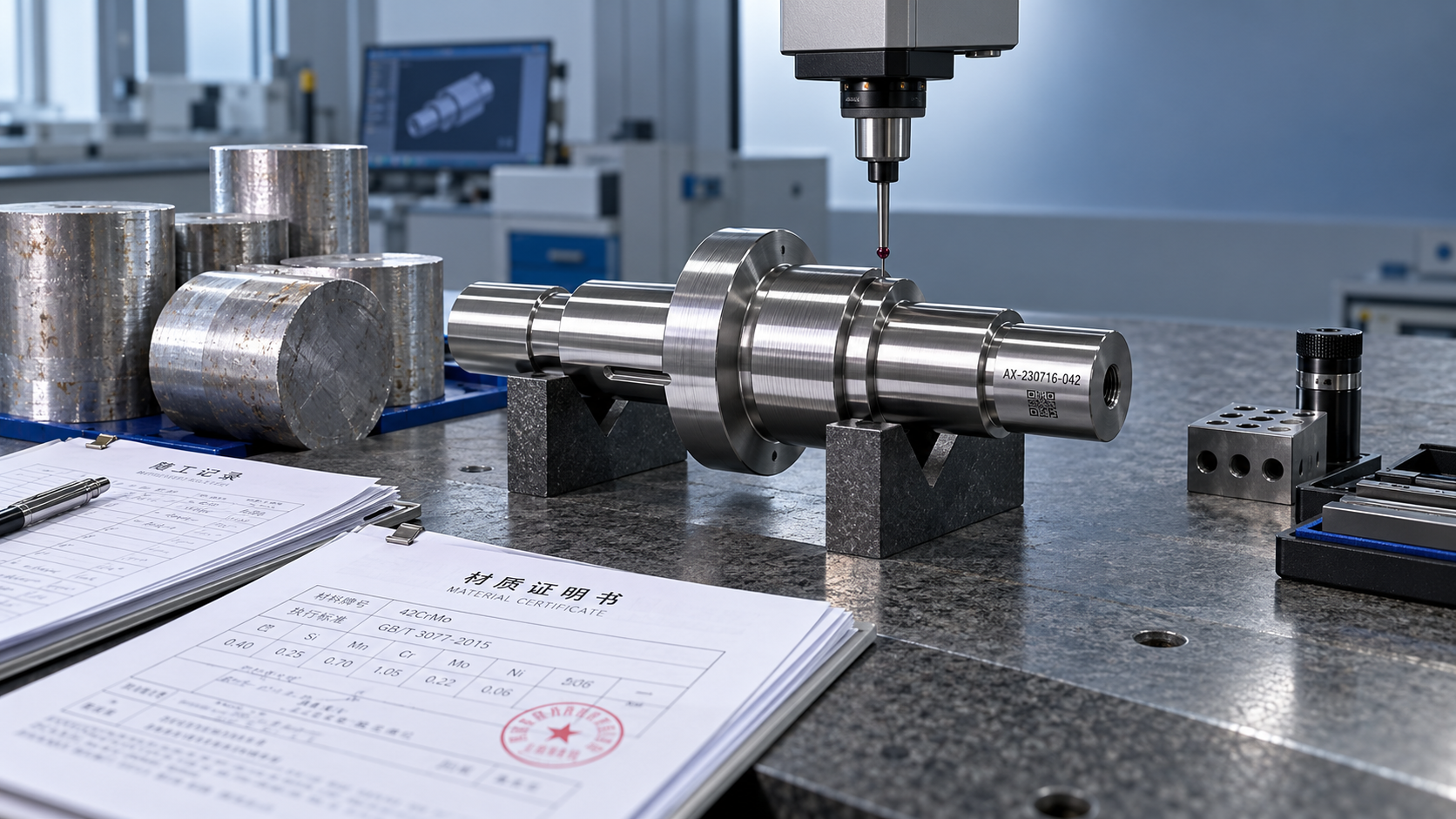
Documentation does not replace process capability, but it creates traceability. It also helps buyers compare CNC machining suppliers on evidence, not assumptions.
Common mistakes that increase tolerance risk
Tolerance problems often start before machining begins. Poor design communication can create cost, delay, and quality issues even with capable equipment.
- Applying tight tolerances to every feature increases cost and reduces supplier options without improving final assembly performance.
- Ignoring surface finish can cause sealing leakage, friction problems, premature wear, or cosmetic rejection after CNC machining.
- Using thin walls without discussing distortion may cause warping after roughing, heat treatment, or part release from the fixture.
- Changing drawings after quotation can invalidate the original price because tolerance, inspection, and tooling assumptions change.
A practical tolerance negotiation approach
Mark critical features, explain assembly function, and ask the supplier to identify cost-sensitive dimensions. This creates a technical discussion instead of price-only negotiation.
If accuracy is essential, request a prototype or pilot run before mass production. Pilot data helps confirm machining stability and inspection agreement.
FAQ for CNC machining tolerance evaluation
How tight should CNC machining tolerances be?
Use tight tolerances only where function requires them. Mating fits, bearing seats, sealing surfaces, and precision alignment features deserve closer control.
For non-critical features, general tolerances usually reduce cost and shorten delivery. A drawing review can separate functional requirements from default habits.
Does multi-axis machining automatically improve accuracy?
Multi-axis CNC machining can reduce setups and improve feature relationships, but it does not guarantee tighter tolerance by itself.
Machine calibration, fixture strategy, tool reach, programming quality, and inspection method still determine the final accuracy outcome.
Why do two suppliers quote different prices for the same tolerance?
They may assume different machines, inspection levels, tool strategies, or scrap risk. One supplier may include detailed reports, while another may not.
Ask both suppliers to explain process routing, inspection plan, and tolerance risks. This makes price comparison more objective.
What information should be sent for an accurate quote?
Send 2D drawings, 3D files, material requirements, surface treatment notes, quantity, inspection expectations, delivery schedule, and packaging needs.
If the part is used in automotive, aerospace, energy, electronics, or automation equipment, explain the operating environment and key assembly interfaces.
Trends: smarter process control and digital tolerance management
The global machine tool industry is moving toward digital integration, automation, and higher process visibility. This changes how tolerances are managed.
Industrial robots, flexible production lines, tool monitoring, and connected inspection systems help manufacturers detect drift earlier and improve repeatability.
For technical evaluators, the key question is whether suppliers can connect CNC machining capability with data, traceability, and stable production planning.
Why choose us for tolerance review and CNC machining sourcing support?
We focus on the global CNC machining and precision manufacturing industry, covering technology insights, equipment trends, market analysis, and international trade updates.
For technical evaluators, we can support practical discussions around tolerance feasibility, supplier comparison, machining process selection, inspection planning, and cost drivers.
- Consult us to review drawing tolerances, GD&T requirements, material risks, and inspection expectations before requesting quotations.
- Discuss product selection for CNC lathes, machining centers, multi-axis systems, cutting tools, fixtures, and automated production lines.
- Request support for delivery cycle assessment, sample production planning, certification requirements, and customized precision manufacturing solutions.
- Share your part drawings and target application to receive a more focused discussion on accuracy, cost, and supplier evaluation priorities.
A well-defined tolerance strategy improves part quality and purchasing confidence. It also helps CNC machining suppliers quote accurately and deliver more predictable results.
PREVIOUS ARTICLE
Recommended for You
![]() Mitsubishi Electric Announces Physical AI System Linking Humanoid Robots and CNC MachinesMachine Tool Industry Editorial Team
Mitsubishi Electric Announces Physical AI System Linking Humanoid Robots and CNC MachinesMachine Tool Industry Editorial Team Precision Machining for Defense: Supplier Quality and Traceability ChecksManufacturing Market Research Center
![]() Nidec Machine Tool Launches MVR-5X Five-Axis Gantry MachineMachine Tool Industry Editorial Team
Nidec Machine Tool Launches MVR-5X Five-Axis Gantry MachineMachine Tool Industry Editorial Team Choosing a Precision Disc Parts Manufacturer in China: Tolerances and Quality ChecksManufacturing Market Research Center
![]() Siemens Executive Says AI Could Raise Factory Automation to 80%Manufacturing Market Research Center
Siemens Executive Says AI Could Raise Factory Automation to 80%Manufacturing Market Research Center Choosing Automated Machine Tools for High-Mix, Low-Volume ProductionMachine Tool Industry Editorial Team


Aris Katos
Future of Carbide Coatings
15+ years in precision manufacturing systems. Specialized in high-speed milling and aerospace grade alloy processing.
▶
Choosing a CNC Machine for Mold Making: Accuracy, Rigidity, and Surface FinishCNC Machining Technology Center▶
How to Cut CNC Machining Energy Use per Part Without Longer Cycle TimesCNC Machining Technology Center▶
Will a Mazak CNC retrofit work with your existing servo drives?CNC Machining Technology Center▶
Do energy-efficient machine tools reduce power use at partial load?CNC Machining Technology Center▶
Comparing energy-efficient machine tools by energy use per partCNC Machining Technology Center
▶
Mastering 5-Axis Workholding Strategies
Join our technical panel on Nov 15th to learn about reducing vibrations in thin-wall components.

Providing you with integrated sanding solutions
Before-sales and after-sales services
Comprehensive technical support