• Global CNC market projected to reach $128B by 2028 • New EU trade regulations for precision tooling components • Aerospace deman
NYSE: CNC +1.2%LME: STEEL -0.4%

What Makes Multi-axis Machining Better for Complex Parts?
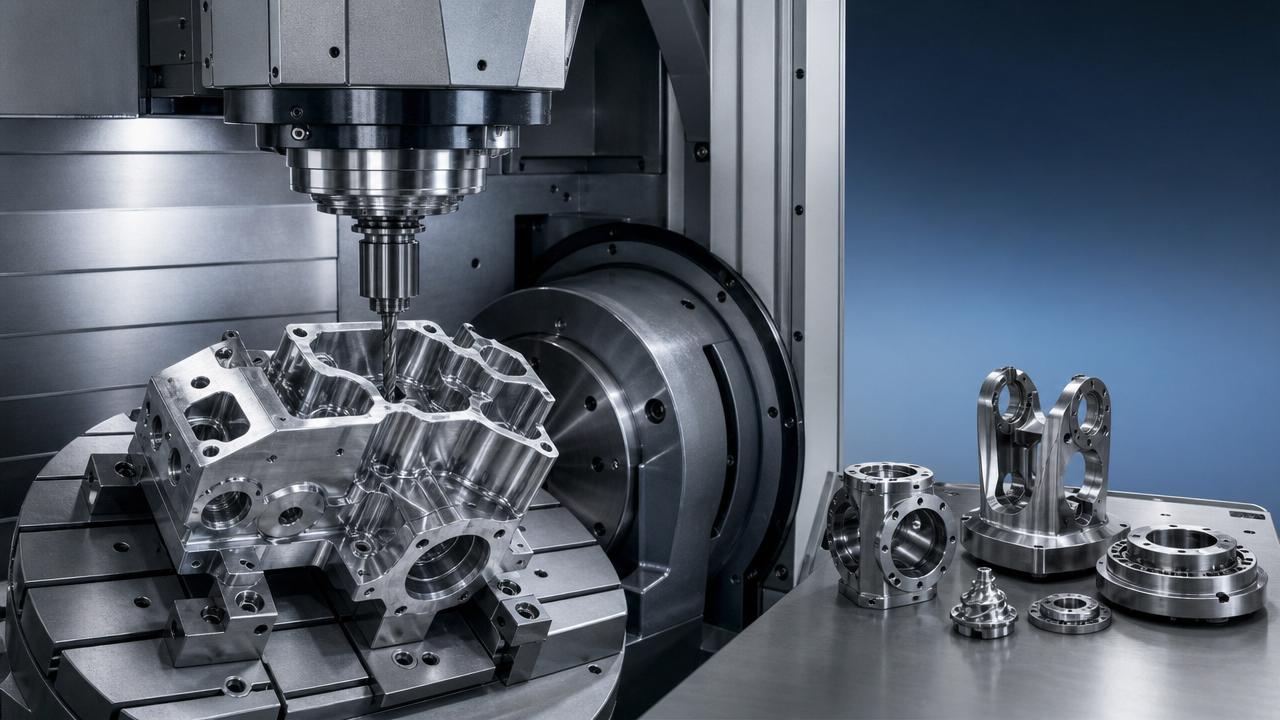
For technical evaluators comparing manufacturing strategies, Multi-axis Machining stands out because it can produce complex parts with fewer setups, tighter tolerances, and better surface consistency.
As aerospace, automotive, energy, and electronics components become more intricate, traditional machining methods often struggle with access, alignment, and accumulated error.
Multi-axis systems solve these challenges by enabling simultaneous tool movement across multiple directions, improving accuracy while reducing cycle time and fixture dependency.
What Makes Multi-axis Machining Better for Complex Parts?
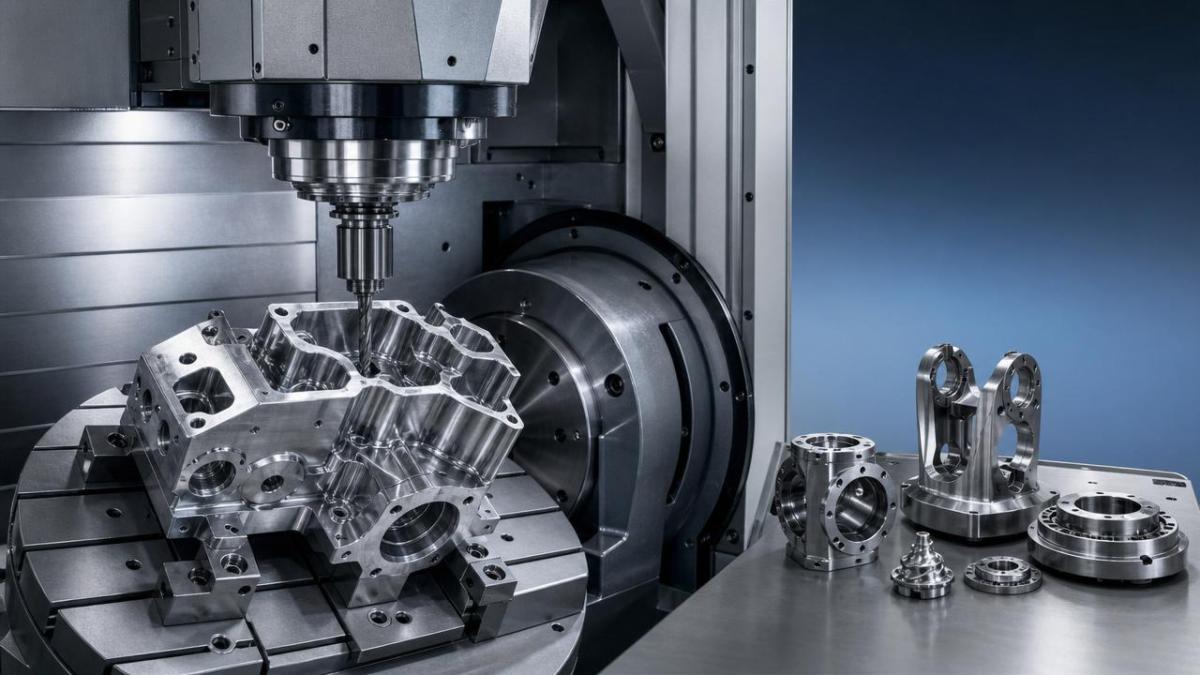
Complex parts often contain angled holes, deep pockets, curved surfaces, thin walls, and strict datum relationships.
Multi-axis Machining improves manufacturability by allowing the tool to approach these features from optimized angles without repeated repositioning.
This capability reduces manual intervention and helps maintain dimensional consistency across critical surfaces.
In high-value production, fewer setups are not only faster.
They also reduce the risk of misalignment, clamp distortion, and datum transfer error.
Why a Checklist Matters Before Choosing Multi-axis Machining
A checklist prevents the decision from being based only on machine capability.
The real advantage appears when geometry, tolerance, material, tooling, software, and inspection are evaluated together.
Multi-axis Machining can be highly efficient, but only when the process plan supports controlled cutting, stable fixturing, and reliable verification.
A structured review also helps compare 3-axis, 3+2 positioning, 4-axis, and 5-axis simultaneous machining.
Each method has a different balance of cost, accuracy, programming effort, and surface quality.
Core Checklist for Evaluating Multi-axis Machining
- Review part geometry and identify undercuts, compound angles, sculptured surfaces, and features that require tool access from multiple orientations.
- Confirm tolerance chains and determine whether fewer setups will reduce cumulative positioning error across datums, bores, slots, and sealing faces.
- Evaluate material behavior, especially thermal movement, work hardening, vibration tendency, and cutting force response during long tool engagement.
- Select tooling that supports shorter overhang, controlled chip evacuation, stable cutting edges, and suitable coatings for the workpiece material.
- Check fixture strategy and ensure clamping allows full rotational clearance without tool interference, part deformation, or blocked inspection access.
- Validate CAM simulation for collision risk, rotary axis limits, toolpath smoothing, feedrate control, and machine kinematic accuracy.
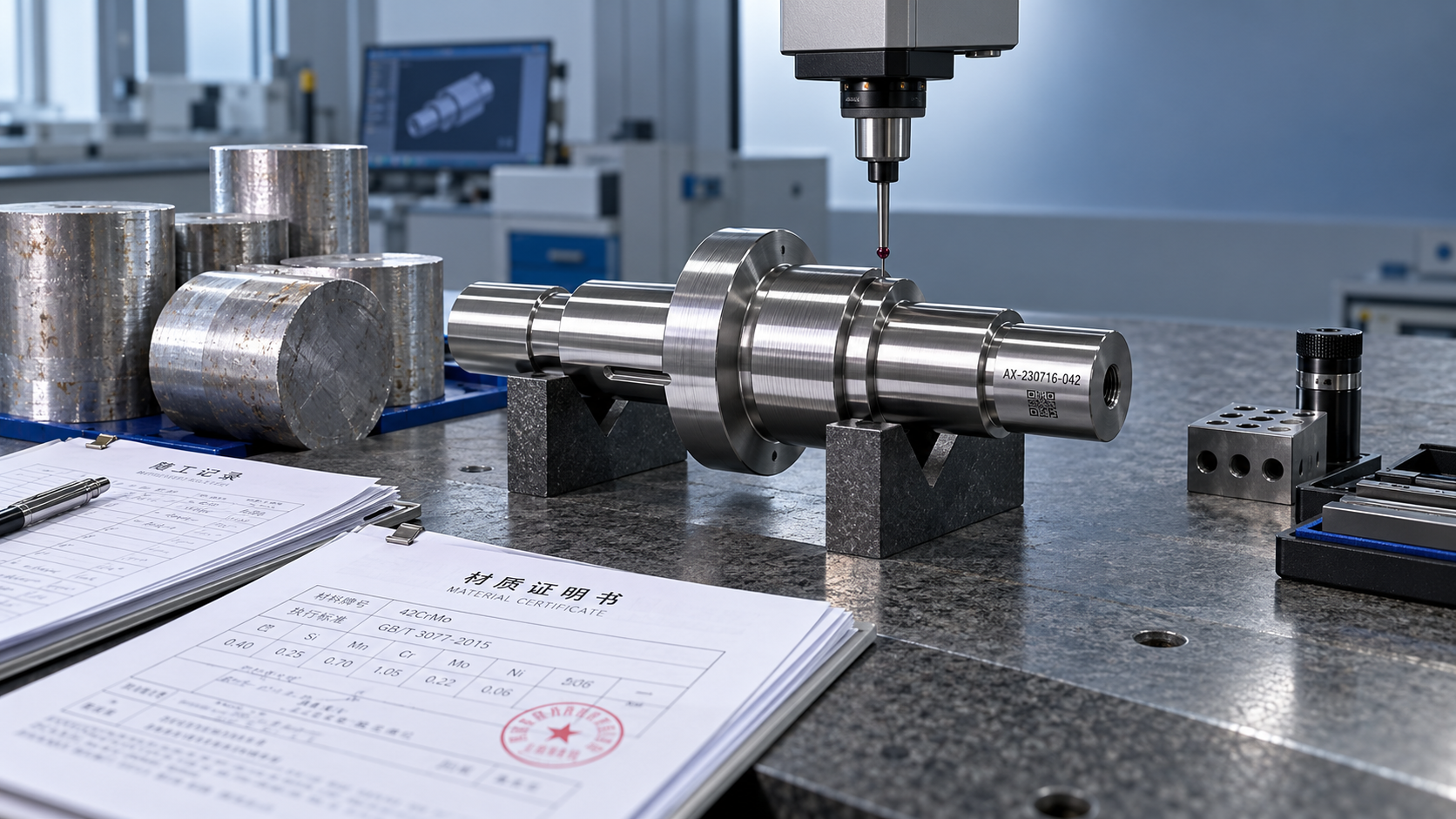
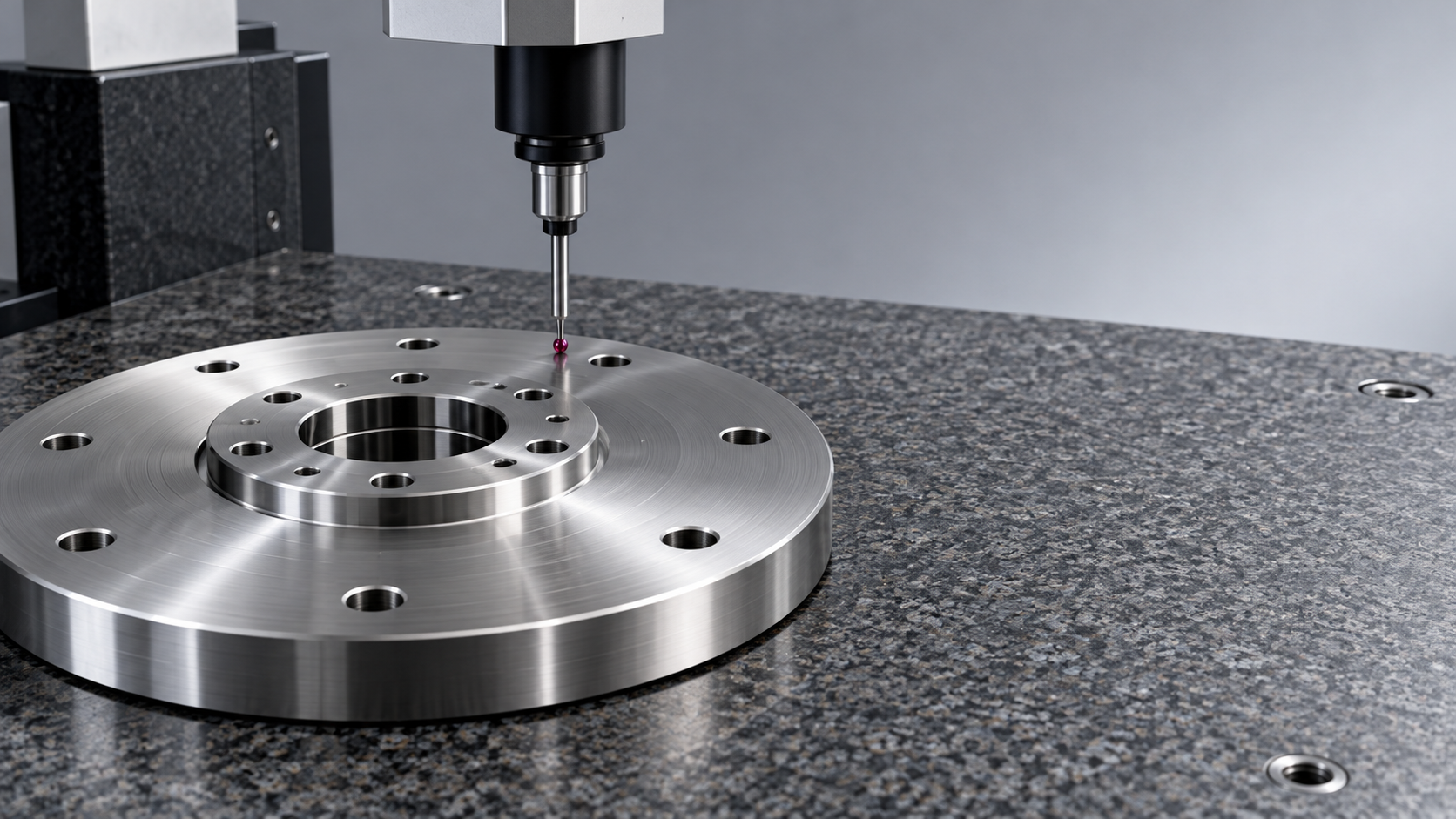
- Plan in-process measurement using probes, reference surfaces, and correction routines to control variation before final inspection.
- Compare cycle time against setup reduction, scrap reduction, secondary operation removal, and improved first-pass yield.
This checklist helps determine where Multi-axis Machining delivers measurable production value.
It also prevents overinvestment when simpler machining can meet the requirement reliably.
Key Advantages for Complex Precision Parts
Reduce setups and datum transfer errors
Every setup change introduces a chance for positioning error.
Multi-axis Machining keeps more operations in one clamping, protecting relationships between holes, pockets, curves, and precision faces.
This is especially useful when parts require tight geometric tolerances.
Concentricity, profile, perpendicularity, and true position can be easier to control when the part remains fixed.
Improve surface quality on contoured features
Curved surfaces often require continuous tool contact and smooth orientation changes.
With Multi-axis Machining, the cutter can maintain a favorable angle against the surface.
This reduces step marks, polishing demand, and tool wear variation.
Better surface consistency is valuable for turbine blades, medical implants, molds, optical housings, and precision hydraulic components.
Use shorter and more rigid tools
Deep features often force conventional machines to use long tools.
Long overhang increases chatter, deflection, and poor surface finish.
Multi-axis Machining tilts the part or tool toward the feature, allowing shorter tools and more stable cutting.
The result is stronger process control, longer tool life, and improved dimensional repeatability.
Application Scenarios Across Manufacturing Sectors
Aerospace structural and engine components
Aerospace parts often combine thin walls, complex pockets, lightweight structures, and strict material traceability.
Multi-axis Machining supports integral structures by removing more material from fewer setups while protecting critical datum accuracy.
For blades, impellers, and casings, continuous tool orientation improves surface integrity and aerodynamic profile control.
Automotive molds, dies, and powertrain parts
Automotive production depends on repeatability and controlled cycle time.
Multi-axis Machining helps create mold cavities, die surfaces, transmission housings, and prototype components with fewer secondary operations.
It can also support rapid engineering changes because complex surfaces are controlled through CAM-driven toolpaths.
Energy, electronics, and precision equipment
Energy equipment may include valves, pump bodies, turbine parts, and complex sealing surfaces.
Multi-axis Machining improves access to angled ports, internal transitions, and high-pressure interface features.
In electronics and precision instruments, compact housings need tight positioning across many small features.
Fewer setups can reduce variation between connector holes, heat dissipation surfaces, and mounting references.
Commonly Overlooked Risks
Ignoring machine kinematics
Machine accuracy is not defined by axis count alone.
Rotary center calibration, backlash, thermal drift, and controller compensation all affect Multi-axis Machining results.
A process should include regular calibration and verification cuts.
Underestimating programming complexity
Advanced toolpaths require accurate machine models, correct post-processors, and skilled CAM validation.
Poor simulation can cause collisions, overtravel, surface gouging, or inefficient air cutting.
Multi-axis Machining should always be supported by collision checking and prove-out routines.
Choosing fixtures too late
Fixturing must be designed with tool access and rotary motion in mind.
A strong fixture that blocks the cutter or probe can destroy the efficiency of the process.
Early fixture planning helps preserve the core benefit of Multi-axis Machining.
Practical Execution Recommendations
- Start with a feature map that separates surfaces needing simultaneous motion from features suitable for indexed positioning.
- Run a manufacturability review before finalizing drawings, especially for thin walls, deep cavities, and angled internal features.
- Use digital simulation to check tool reach, fixture clearance, rotary travel, and safe retract paths before cutting material.
- Set inspection points near critical datums so offsets can be adjusted before finishing operations begin.
- Measure the result against scrap rate, rework reduction, lead time, tolerance stability, and finishing labor requirements.
Not every part needs full simultaneous 5-axis machining.
Many parts benefit from 3+2 machining, where the workpiece is indexed into position before a controlled cutting pass.
This method can reduce complexity while preserving access and setup advantages.
For high-contour surfaces, simultaneous Multi-axis Machining may be the better choice.
The decision should follow geometry, tolerance, surface finish, and production volume rather than machine availability alone.
Summary and Next Action
Multi-axis Machining is better for complex parts because it improves access, reduces setups, stabilizes tolerance control, and supports superior surface quality.
Its value is strongest when part geometry, fixturing, tooling, CAM programming, and inspection are aligned from the start.
Before selecting a process, review the part with a checklist focused on access, datum control, tool rigidity, collision risk, and inspection strategy.
The most practical next step is to compare a current multi-setup process against a Multi-axis Machining plan.
Track setup count, cycle time, surface quality, tolerance stability, and rework rate.
If the new process reduces accumulated error and removes secondary operations, Multi-axis Machining becomes a clear strategic advantage.
PREVIOUS ARTICLE
Recommended for You
![]() Mitsubishi Electric Announces Physical AI System Linking Humanoid Robots and CNC MachinesMachine Tool Industry Editorial Team
Mitsubishi Electric Announces Physical AI System Linking Humanoid Robots and CNC MachinesMachine Tool Industry Editorial Team Precision Machining for Defense: Supplier Quality and Traceability ChecksManufacturing Market Research Center
![]() Nidec Machine Tool Launches MVR-5X Five-Axis Gantry MachineMachine Tool Industry Editorial Team
Nidec Machine Tool Launches MVR-5X Five-Axis Gantry MachineMachine Tool Industry Editorial Team Choosing a Precision Disc Parts Manufacturer in China: Tolerances and Quality ChecksManufacturing Market Research Center
![]() Siemens Executive Says AI Could Raise Factory Automation to 80%Manufacturing Market Research Center
Siemens Executive Says AI Could Raise Factory Automation to 80%Manufacturing Market Research Center Choosing Automated Machine Tools for High-Mix, Low-Volume ProductionMachine Tool Industry Editorial Team


Aris Katos
Future of Carbide Coatings
15+ years in precision manufacturing systems. Specialized in high-speed milling and aerospace grade alloy processing.
▶
Choosing a CNC Machine for Mold Making: Accuracy, Rigidity, and Surface FinishCNC Machining Technology Center▶
How to Cut CNC Machining Energy Use per Part Without Longer Cycle TimesCNC Machining Technology Center▶
Will a Mazak CNC retrofit work with your existing servo drives?CNC Machining Technology Center▶
Do energy-efficient machine tools reduce power use at partial load?CNC Machining Technology Center▶
Comparing energy-efficient machine tools by energy use per partCNC Machining Technology Center
▶
Mastering 5-Axis Workholding Strategies
Join our technical panel on Nov 15th to learn about reducing vibrations in thin-wall components.

Providing you with integrated sanding solutions
Before-sales and after-sales services
Comprehensive technical support