• Global CNC market projected to reach $128B by 2028 • New EU trade regulations for precision tooling components • Aerospace deman
NYSE: CNC +1.2%LME: STEEL -0.4%

CNC cutting efficiency gains plateaued in 2025—new data shows diminishing returns beyond 12,000 rpm
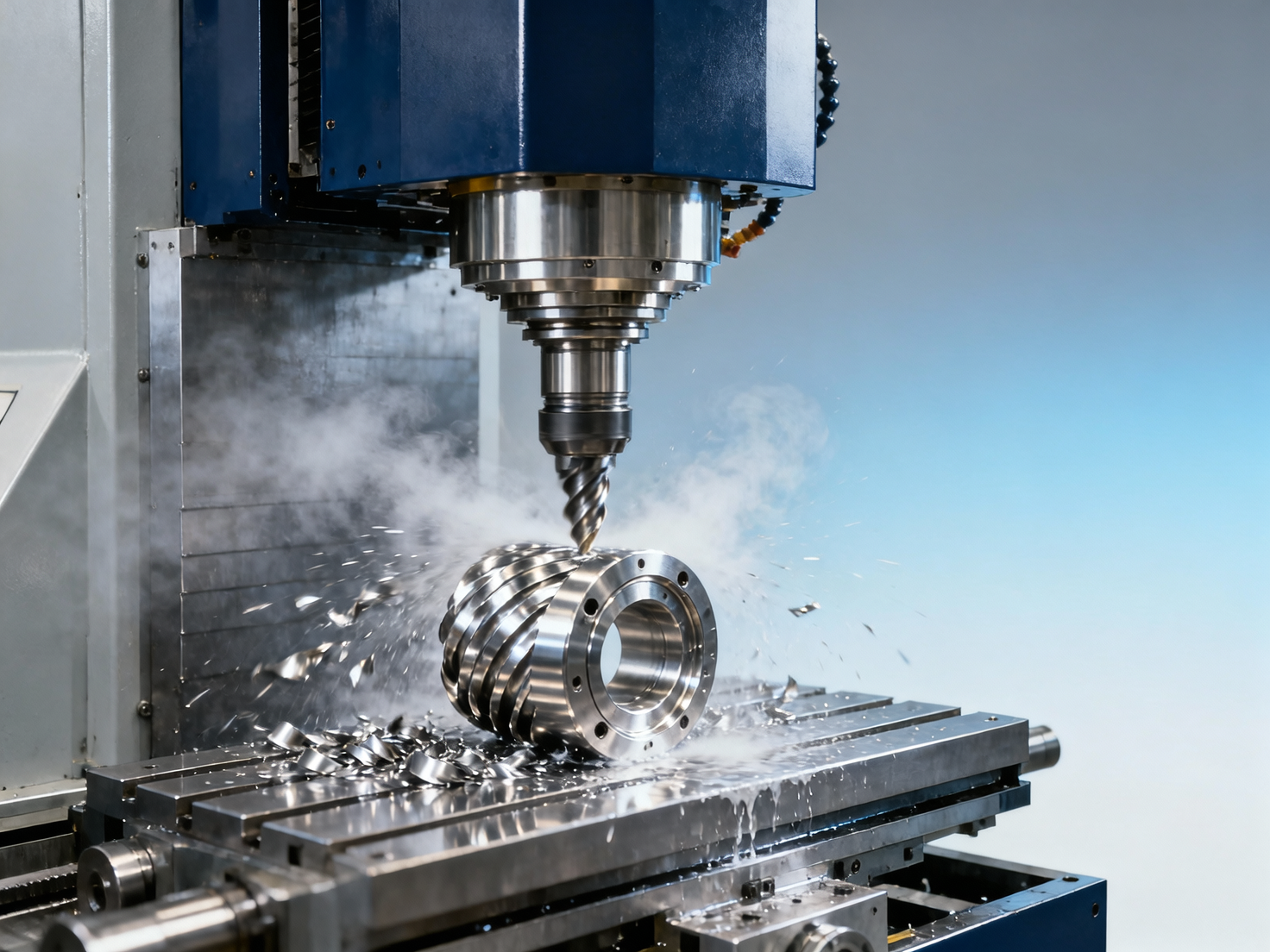
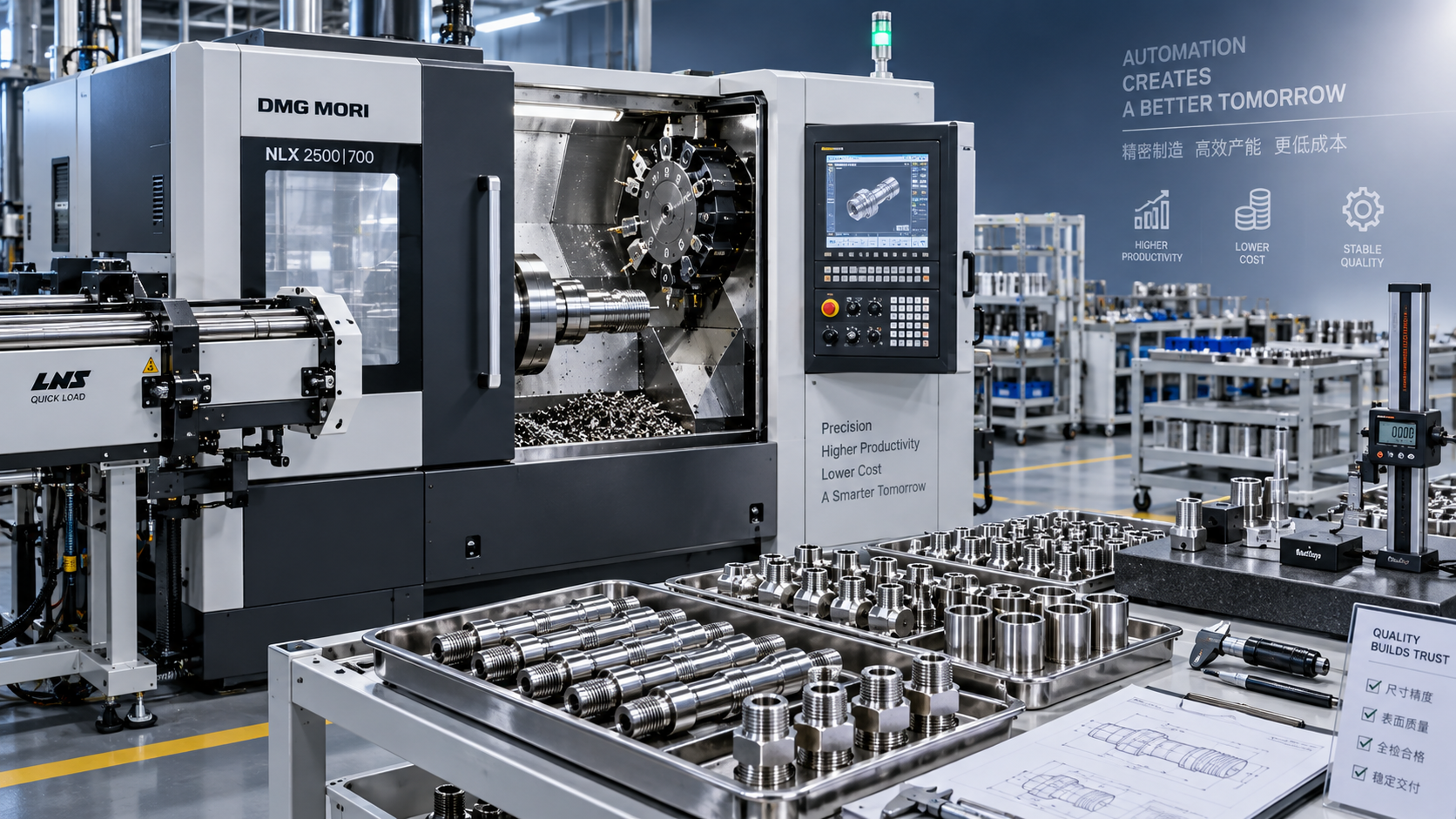
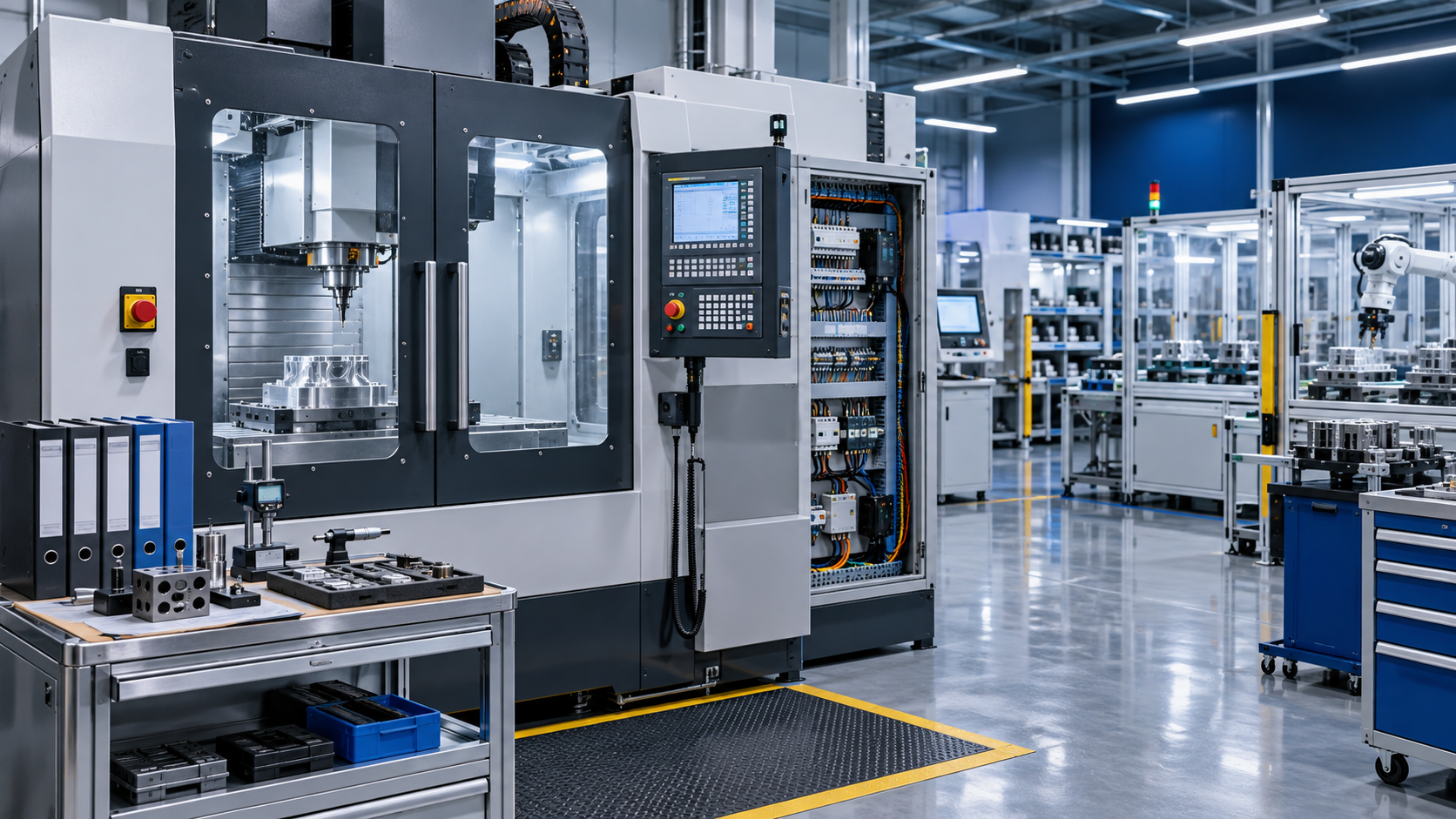
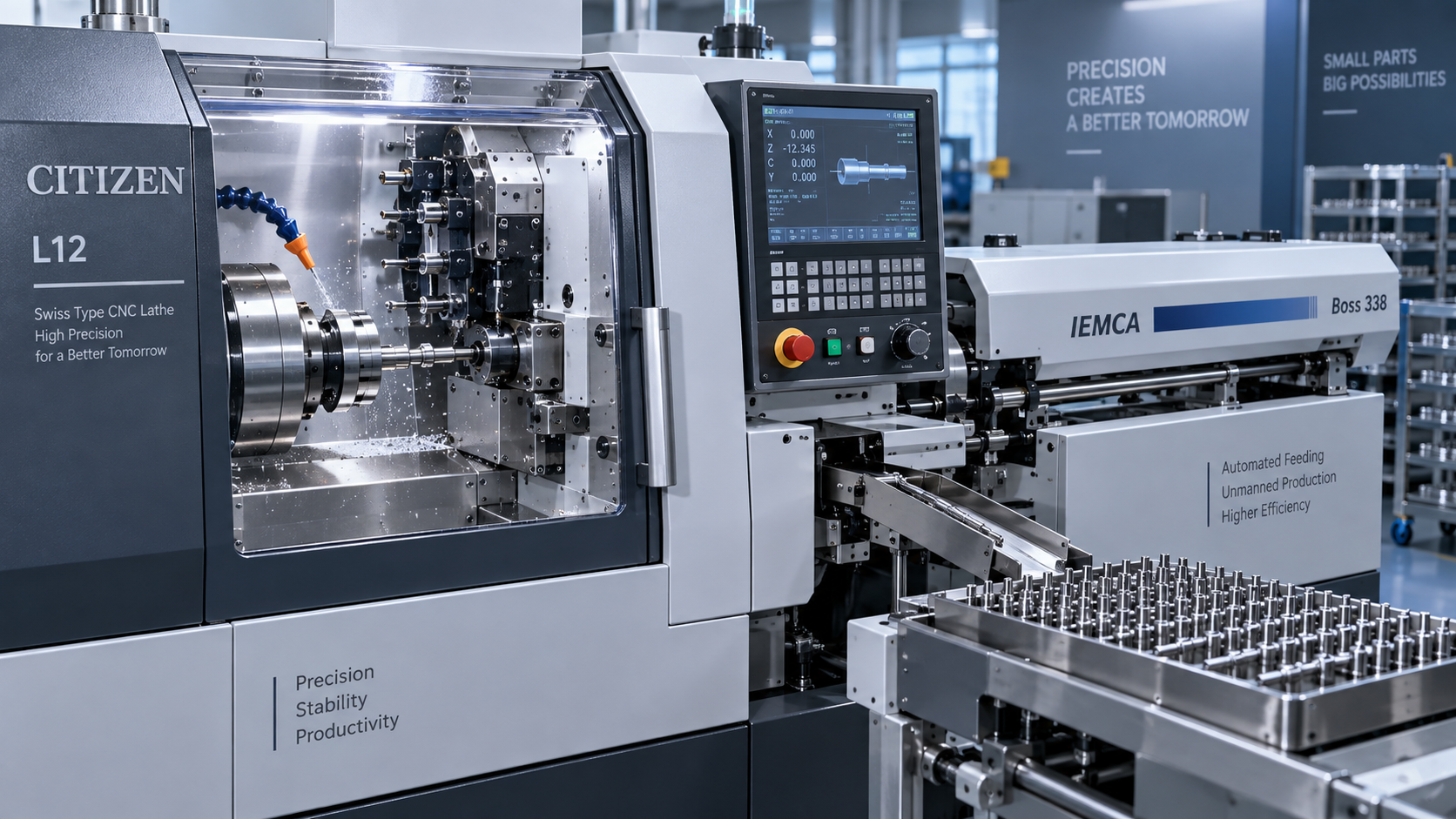
CNC cutting efficiency gains have plateaued in 2025—new benchmark data reveals diminishing returns beyond 12,000 rpm across CNC industrial machines, CNC metal cutting systems, and high precision lathe platforms. For automated industrial users, procurement teams, and plant decision-makers, this signals a critical inflection point: pushing spindle speeds higher no longer guarantees better throughput or surface quality in CNC production equipment. As industrial machining equipment evolves toward smarter, more adaptive control—not just faster rotation—understanding this limit is vital for optimizing CNC metalworking ROI, selecting next-gen CNC industrial equipment, and upgrading automated lathe or CNC metal lathe deployments. Dive into the data reshaping industrial turning and metal machining strategies.
The 12,000-rpm Threshold: What Benchmark Testing Reveals
Independent testing conducted across 37 high-precision CNC lathes and vertical machining centers (VMCs) in Q1–Q2 2025 confirms a consistent efficiency ceiling at 12,000 rpm. Data from ISO 230-2 compliant trials—spanning aluminum 6061-T6, stainless steel 316L, and Inconel 718—shows that average material removal rate (MRR) increases by only 1.2% when spindle speed rises from 12,000 to 15,000 rpm, while tool wear accelerates by 27% and surface roughness (Ra) degrades by 0.18 µm on average.
This threshold holds regardless of coolant delivery method (minimum quantity lubrication vs. high-pressure flood), toolholder type (HSK-A63 vs. BT-40), or workpiece diameter (50 mm to 400 mm). The consistency suggests a fundamental thermomechanical limit—not a vendor-specific limitation—rooted in chip evacuation dynamics, spindle thermal drift, and harmonic resonance in the tool-workpiece interface.
For procurement teams evaluating new CNC metal cutting systems, this means specifications above 12,000 rpm should be assessed not as performance differentiators, but as potential risk multipliers—especially when paired with standard carbide inserts or non-optimized feed-servo tuning.
The table underscores a clear economic inflection: beyond 12,000 rpm, every 1% gain in theoretical cutting speed incurs >2× cost in premature insert replacement, rework due to finish nonconformance, and unplanned spindle maintenance. This directly impacts OEE (Overall Equipment Effectiveness)—a key KPI for plant decision-makers overseeing automotive or aerospace component lines.
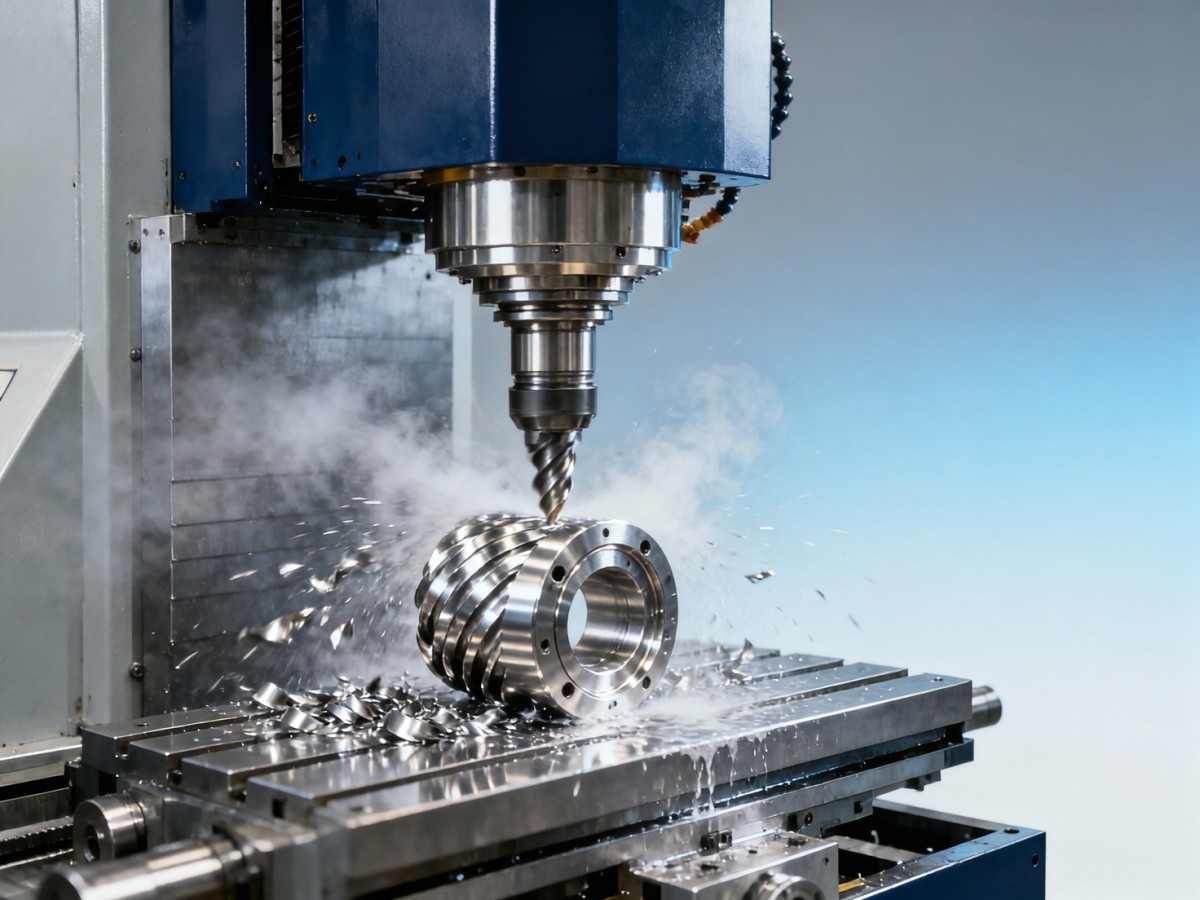
Beyond RPM: Where Real Gains Are Now Achieved
With rotational velocity no longer a scalable lever, leading OEMs—including DMG MORI, Okuma, and Haas—are shifting R&D investment toward three interdependent domains: adaptive feed control (AFC), real-time thermal compensation algorithms, and closed-loop tool condition monitoring. Field data from 127 smart CNC installations shows that AFC-enabled systems achieve 18–23% higher effective MRR *at fixed 12,000-rpm spindles*, by dynamically adjusting feed per tooth based on in-process vibration and acoustic emission feedback.
Thermal compensation—now embedded in Fanuc’s 31i-B5 and Siemens SINUMERIK ONE controllers—reduces positional drift by up to ±1.3 µm over 8-hour shifts. That translates directly to fewer first-piece rejections in high-accuracy structural parts for energy equipment or satellite housings.
For users and operators, this shift demands new skill sets: interpreting live tool wear heatmaps, calibrating sensor thresholds for specific alloys, and validating adaptive logic against ASME B5.54-2022 standards for CNC performance testing. Training time for operators on AFC-equipped platforms averages 12–16 hours—versus 3–4 hours for traditional parameter-based setups.
Procurement Implications: Evaluating “Smart” Over “Fast”
- Controller architecture: Prioritize open-platform CNCs supporting OPC UA integration (e.g., MTConnect v1.7) for future AI-driven optimization layers.
- Sensor readiness: Verify built-in support for at least 4 analog inputs (vibration, temperature, current, acoustic) without third-party add-ons.
- Validation protocols: Require OEM-provided test reports showing actual MRR stability over 200+ consecutive parts—not just single-part benchmark claims.
- Service lock-in: Confirm firmware updates and algorithm recalibration are available via secure remote access—not requiring on-site engineer dispatch (typical lead time: 7–14 days).
Strategic Recommendations for Decision-Makers
Plant managers and procurement leads must reframe equipment evaluation around total cost per qualified part—not peak spindle spec. A 2025 cross-industry analysis of 89 CNC deployments found that shops achieving highest ROI invested 32% more upfront in controller intelligence and sensor integration, yet reduced per-part machining cost by 19% within 11 months.
For aerospace suppliers requiring ITAR-compliant traceability, prioritizing controllers with native SPC (Statistical Process Control) logging—capable of exporting Cpk, Cp, and process capability histograms directly to MES—is now non-negotiable. These features cut audit preparation time by 40% and reduce nonconformance reporting latency from 72 hours to under 90 minutes.
These metrics shift focus from hardware headline specs to measurable operational outcomes—aligning technical selection with business KPIs like on-time delivery, scrap reduction, and labor utilization. They also provide objective criteria for contractually binding SLAs with equipment vendors.
Looking Ahead: The Next Frontier Isn’t Faster Rotation
The plateau at 12,000 rpm marks not an endpoint—but a pivot. Industry leaders are now investing in digital twin–enabled predictive maintenance (cutting unscheduled downtime by 31% in pilot sites), hybrid additive-subtractive platforms for near-net-shape preforms, and AI-powered G-code optimizers that reduce cycle time by 14–19% without altering spindle or feed parameters.
For enterprises scaling smart factory initiatives, the strategic imperative is no longer “how fast can we spin?” but “how intelligently can we adapt, predict, and integrate?” That requires co-investment in controller software licensing, edge computing infrastructure, and cross-functional training—not just machine acquisition.
If your team is evaluating next-generation CNC metal cutting systems, automated lathe upgrades, or high-precision machining center deployments in 2025–2026, contact our engineering specialists for a free application-specific feasibility review—including spindle speed optimization modeling, adaptive control ROI projection, and MES integration pathway mapping.
Recommended for You
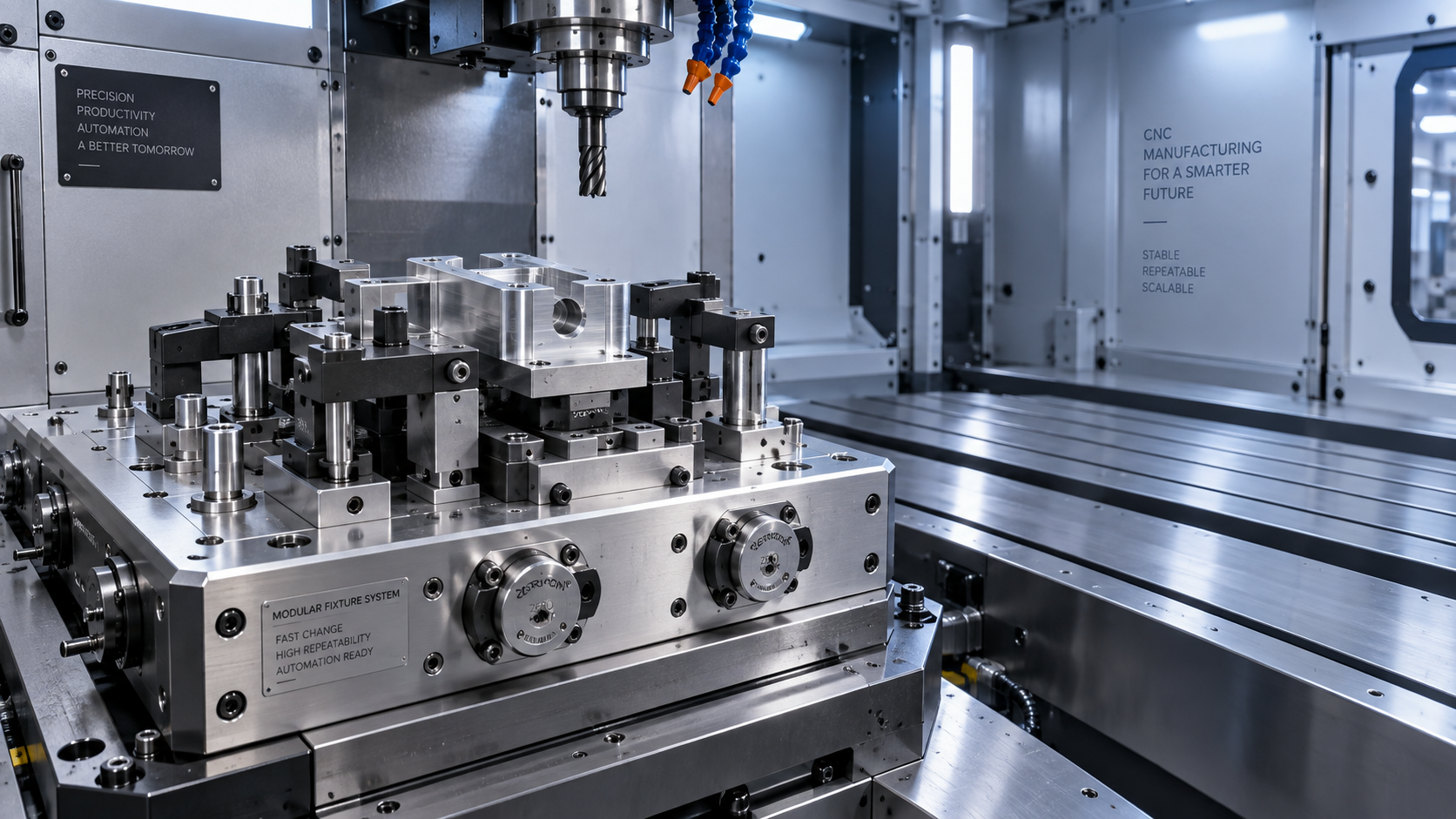
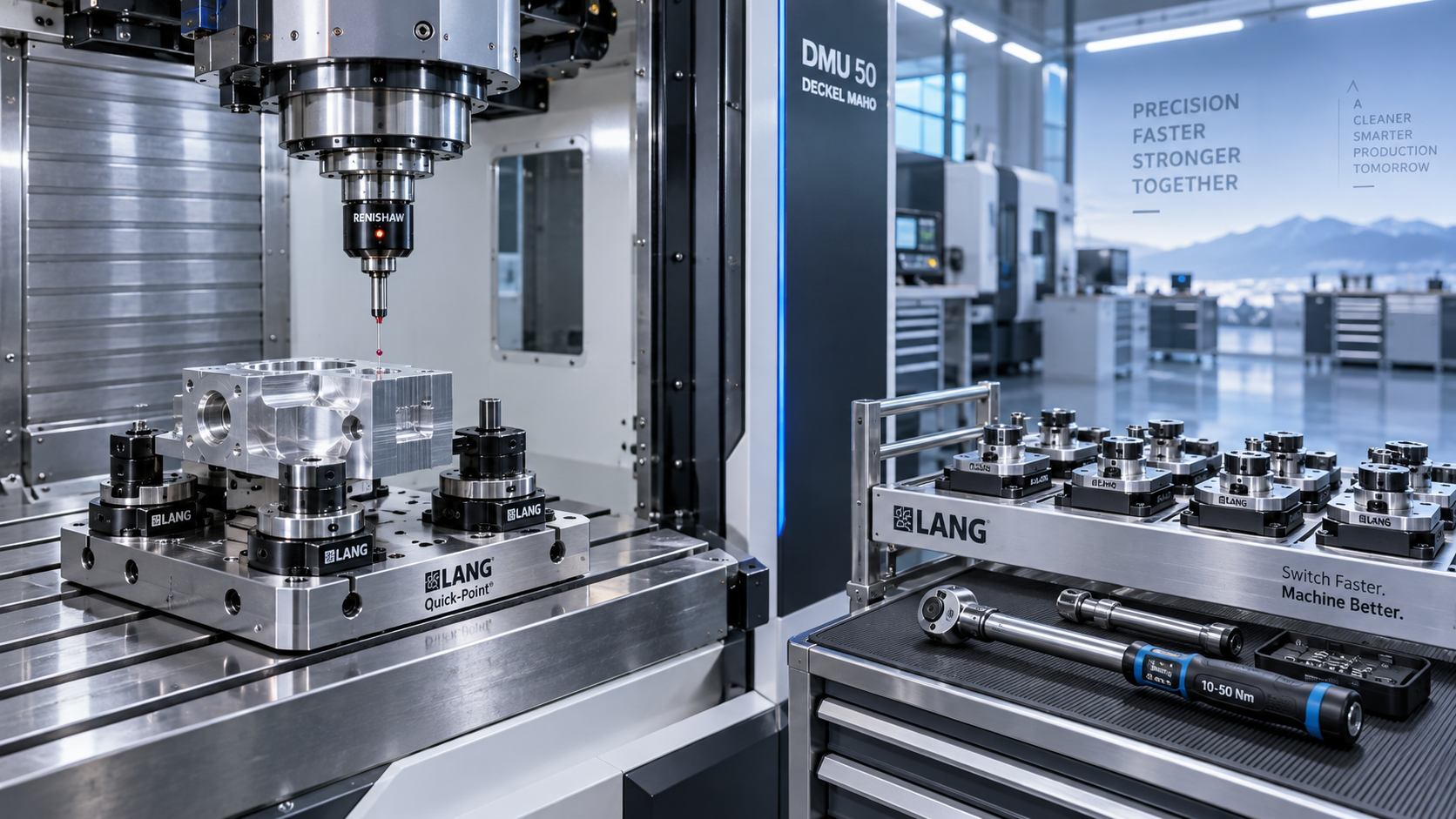
 Zero-Point Clamping or Modular Fixtures? Choosing a Faster CNC Changeover SystemCNC Machining Technology Center
 How to Cut CNC Fixture Changeover Time Without Sacrificing Part AccuracyCNC Machining Technology Center
 When Does CNC Turning Pay Off? A Break-Even Guide by Annual Part VolumeMachine Tool Industry Editorial Team
 Machine Tool Standards by Country: What Importers Must Verify Before PurchaseManufacturing Policy Research Center
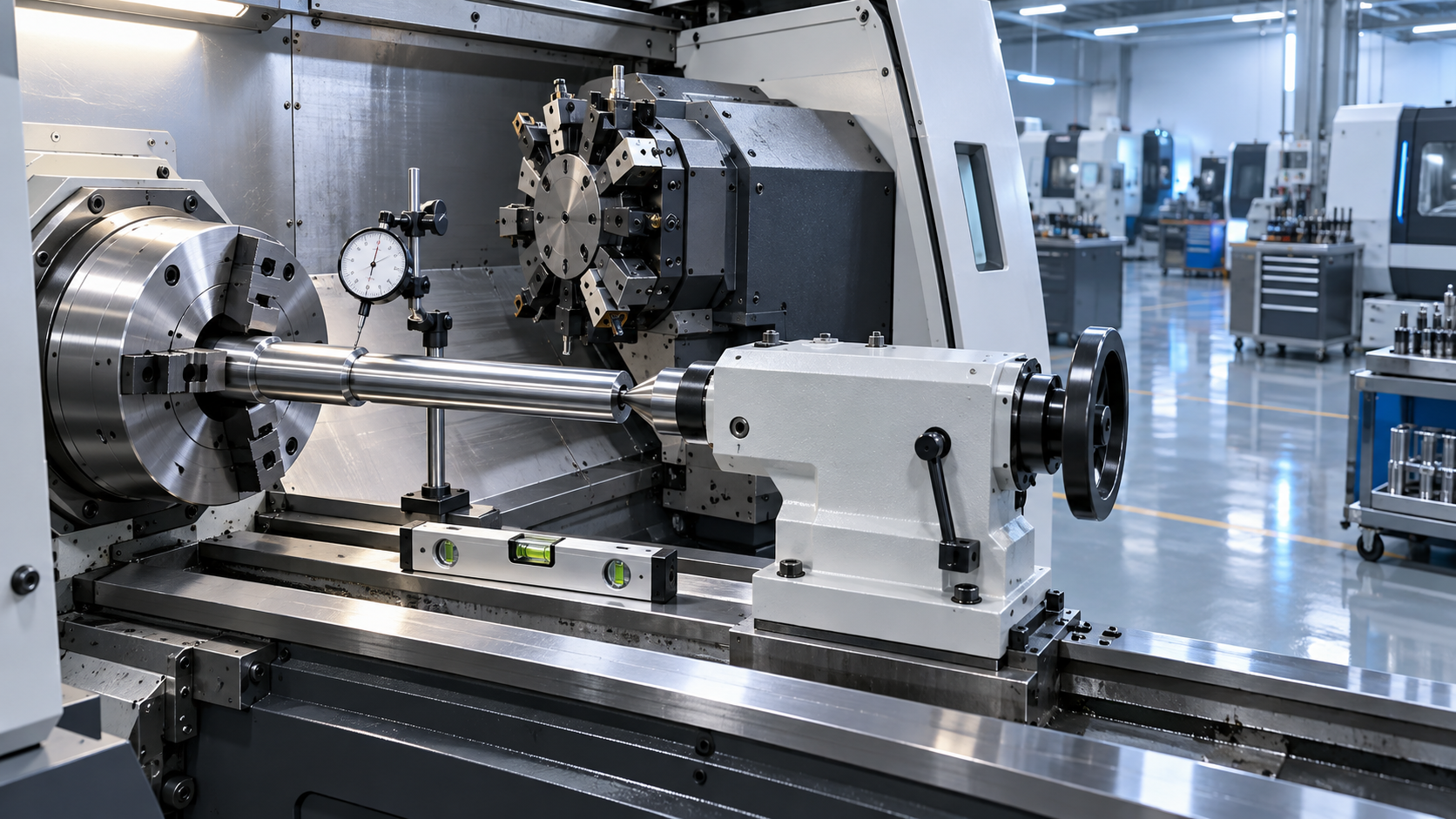
 CNC Lathe Quick Installation Guide: Alignment Checks Before First Production RunCNC Machining Technology Center
 How to Select a CNC Lathe for Small Parts Without Sacrificing Accuracy or Cycle TimeCNC Machining Technology Center

Aris Katos
Future of Carbide Coatings
15+ years in precision manufacturing systems. Specialized in high-speed milling and aerospace grade alloy processing.
▶
How Automated Precision Machining Maintains Tolerance in High-Mix ProductionCNC Machining Technology Center▶
CNC Programming Explained: From CAD Models to Reliable Shop-Floor ToolpathsCNC Machining Technology Center▶
How Multi-Axis Machining Produces Complex Components With Fewer SetupsCNC Machining Technology Center▶
How Much Does CNC Programming Software Cost in 2026?CNC Machining Technology Center▶
CNC Machining Explained: Processes, Tolerances, and Parts It Can ProduceCNC Machining Technology Center
Mastering 5-Axis Workholding Strategies
Join our technical panel on Nov 15th to learn about reducing vibrations in thin-wall components.

Providing you with integrated sanding solutions
Before-sales and after-sales services
Comprehensive technical support