• Global CNC market projected to reach $128B by 2028 • New EU trade regulations for precision tooling components • Aerospace deman
NYSE: CNC +1.2%LME: STEEL -0.4%

Multi-axis machining of disc parts: When added complexity starts cutting into ROI
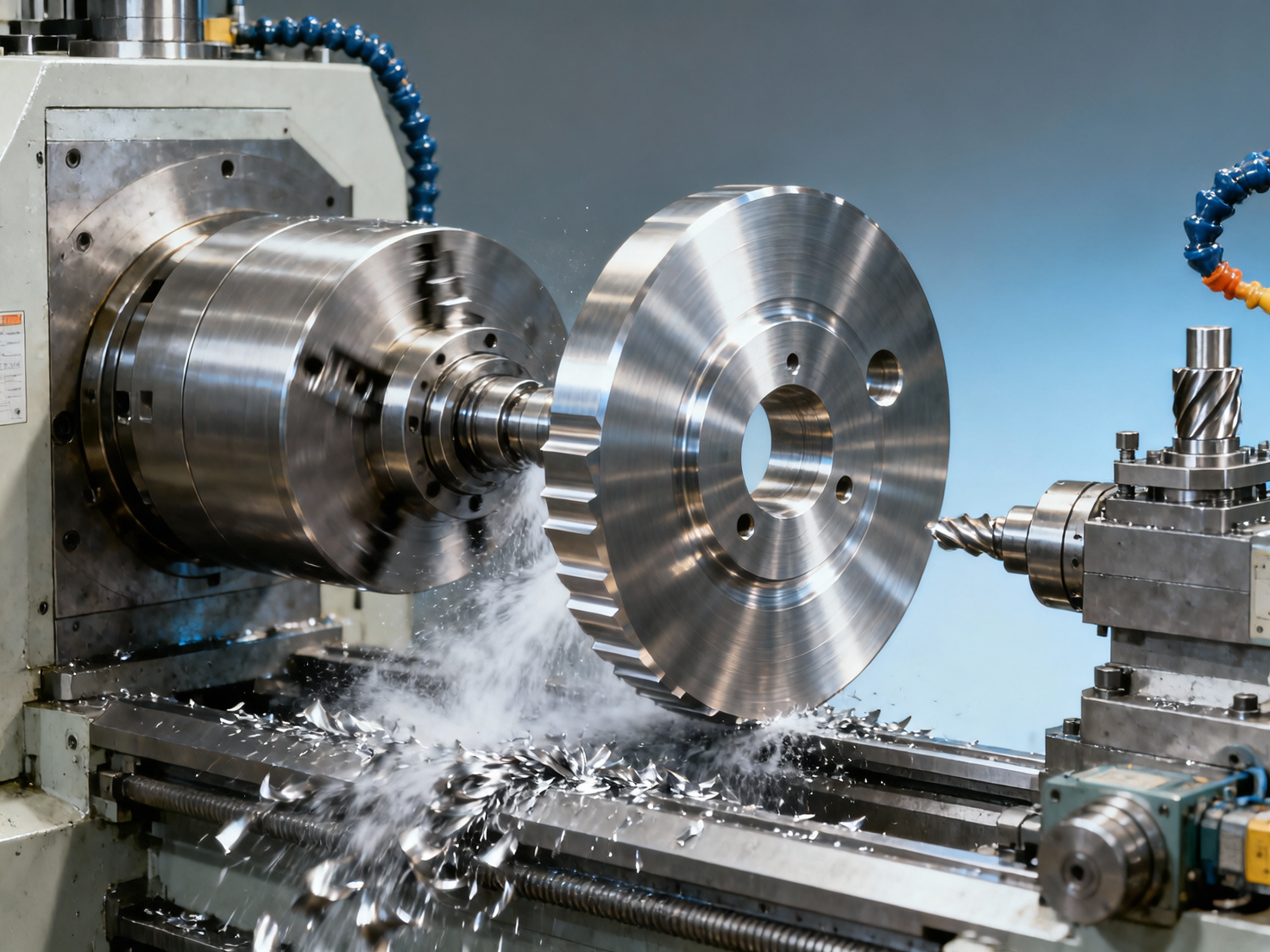
Multi-axis machining of disc parts promises superior geometry control and reduced setup time—but when does added complexity erode ROI? As precision lathe capabilities advance, high precision machining of thin-walled or asymmetrical discs demands smarter tooling systems, robust automation lines, and optimized precision turning strategies. From slant bed lathes to fully automated machine tools, industrial cutting workflows must balance accuracy, cycle time, and total cost of ownership. For operators, procurement teams, and decision-makers alike, understanding the tipping point—where multi-axis flexibility meets real-world economics—is critical. This analysis cuts through the hype to assess true value in disc part manufacturing.
When Does Multi-Axis Disc Machining Cross the ROI Threshold?
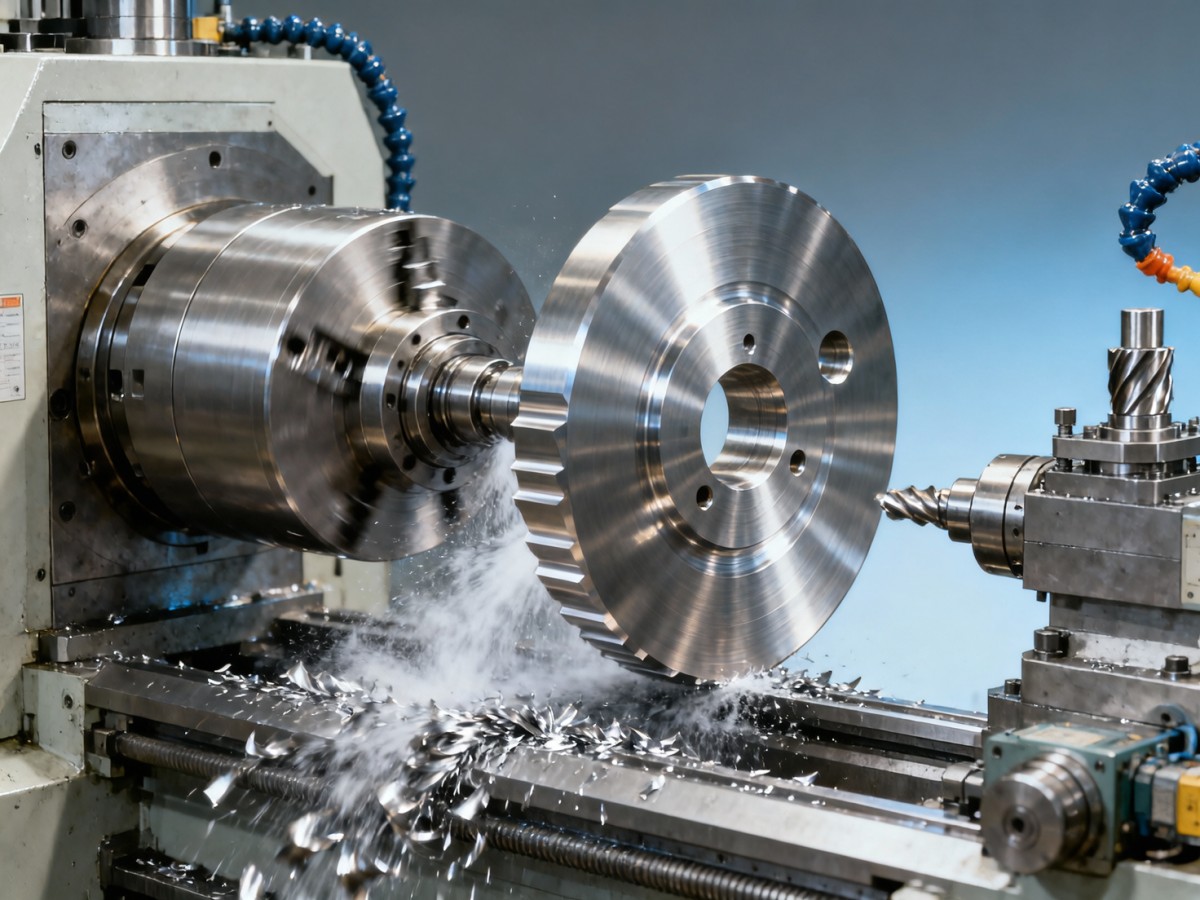
Multi-axis machining of disc parts—especially those with eccentric bores, stepped shoulders, or integrated flanges—enables single-setup completion of features traditionally requiring 3–5 separate operations. But ROI erosion begins not at axis count, but at workflow misalignment: mismatched spindle power, insufficient thermal stability, or underutilized probing cycles inflate per-part cost by 18–32% in mid-volume production (200–2,000 units/month).
Disc parts exceeding 300 mm diameter and under 12 mm wall thickness are particularly sensitive to vibration-induced chatter. Here, 5-axis simultaneous milling on a turning-milling center delivers ±0.008 mm form accuracy—but only if the machine’s dynamic stiffness exceeds 85 N/µm and thermal drift remains under ±1.2 µm over an 8-hour shift. Without these thresholds, complexity adds cost without measurable gain.
Real-world ROI inflection typically occurs between 3-axis and 4-axis configurations for rotational symmetry. A comparative study across 47 automotive Tier-1 suppliers found that 4-axis disc machining (C + Y + X + Z) delivered 22% faster throughput than 3-axis alternatives *only* when part families shared ≥65% fixture interface geometry and toolpath reuse exceeded 40% across batches.
How to Evaluate Multi-Axis Disc Machining ROI: 5 Critical Metrics
Procurement and operations teams must move beyond headline axis counts. These five quantifiable metrics determine whether multi-axis capability translates into net value:
- Setup-to-cut ratio: Target ≤12 minutes per batch. Exceeding 22 minutes negates multi-axis labor savings.
- Toolpath reuse rate: ≥35% across similar disc geometries justifies CAM investment and post-processor licensing.
- Thermal stabilization time: Machines achieving ±1.5 µm positional stability within 25 minutes reduce scrap by up to 9% in thin-disc runs.
- Probe cycle overhead: On-machine measurement adding >4.3 seconds/part erodes cycle-time gains unless compensating for >0.015 mm tolerance bands.
- Fixture change frequency: Manual fixture swaps more than once per 8-hour shift cut effective uptime by 11–17% versus quick-change pallet systems.
Key Performance Benchmarks for Disc-Specific Configurations
The table below reflects verified performance ranges from ISO 230-2 compliant machines used in aerospace and energy equipment disc production (diameter: 150–600 mm, thickness: 6–25 mm).
Note: Cycle time reductions assume use of high-feed milling tools, adaptive feed control, and ISO 13399-compliant tool data integration. Gains drop by 35–50% when manual tool offsets or offline programming dominate shop-floor execution.
Which Disc Applications Justify Multi-Axis Investment?
Not all disc parts benefit equally. Prioritize multi-axis deployment where geometric constraints prevent reliable 3-axis completion—or where secondary operations introduce cumulative error. High-value candidates include:
- Turbine compressor discs with non-concentric cooling holes and angled inlet ports (require simultaneous B/C-axis positioning and rigid tapping at ±0.012 mm location tolerance).
- Brake rotors with asymmetric venting patterns and surface-hardened friction zones (demand thermal-compensated contour milling and in-process hardness verification).
- Satellite reaction wheel hubs integrating gear teeth, mounting flanges, and balancing pockets—all within ±0.005 mm runout relative to central bore.
Conversely, symmetrical brake drums or simple flywheels with radial features only rarely justify moving beyond 4-axis. In those cases, optimized 3-axis turning with live tooling achieves 92% of the functional outcome at 58% of the TCO.
Why Partner With a Global CNC Machine Tool Specialist?
We support manufacturers across China, Germany, Japan, and South Korea with application-specific multi-axis disc machining solutions—not generic platforms. Our engineering team co-develops process plans using your actual CAD models and material specs (e.g., Inconel 718, 42CrMo4, or AlSi10Mg), then validates them on certified test benches before delivery.
You receive more than hardware: full digital twin integration (MTConnect + OPC UA), ISO 230-6 thermal compensation packages, and operator training focused on disc-specific chatter mitigation and probe-cycle optimization. Lead time for configured systems is 14–18 weeks, with commissioning support available within 72 hours of arrival.
Ready to benchmark your disc part against proven multi-axis ROI thresholds? Contact us to request a free Disc Machining Feasibility Report, including cycle time simulation, TCO projection, and fixture compatibility assessment—based on your actual drawings and annual volume forecast.
Recommended for You
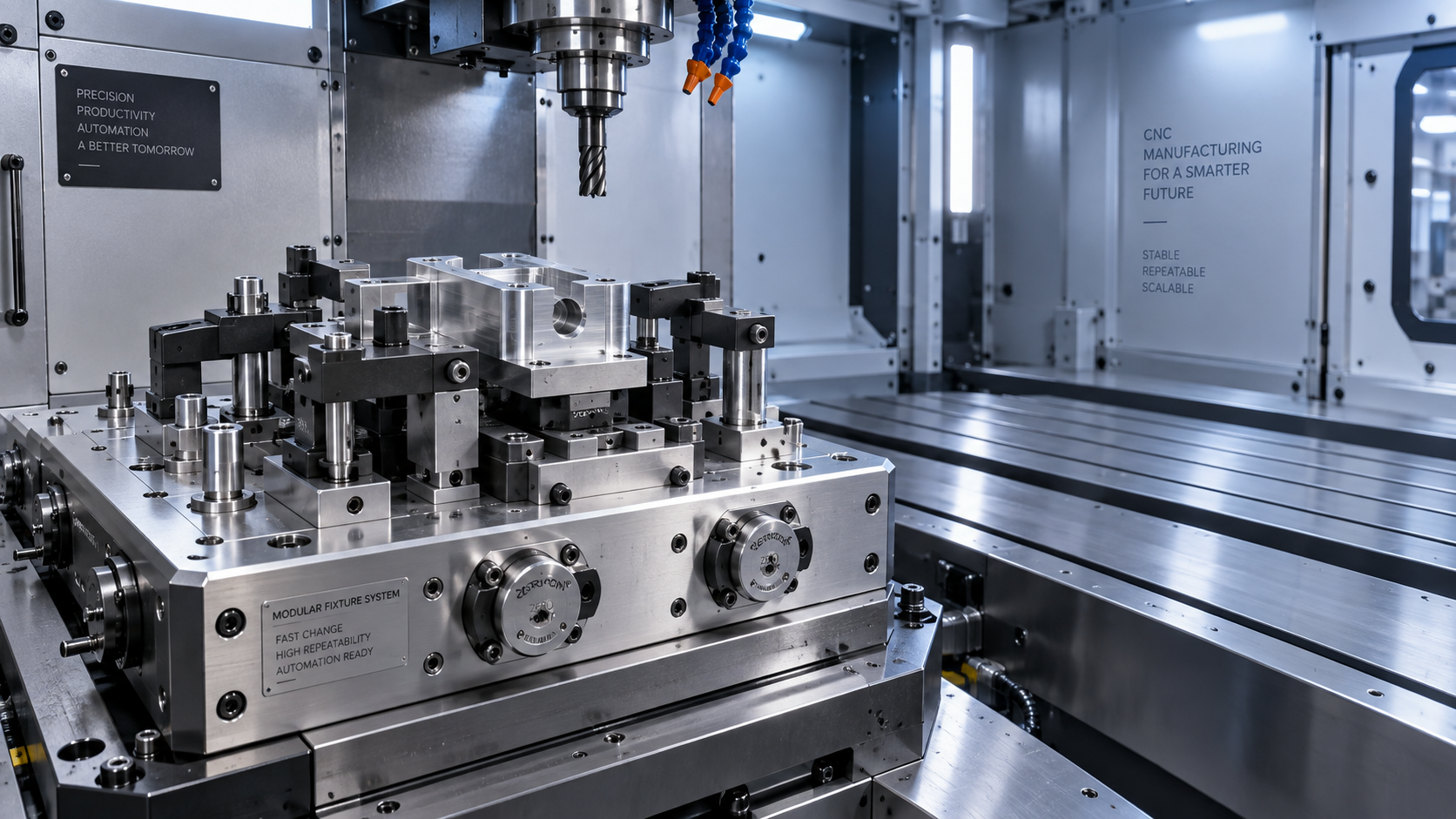
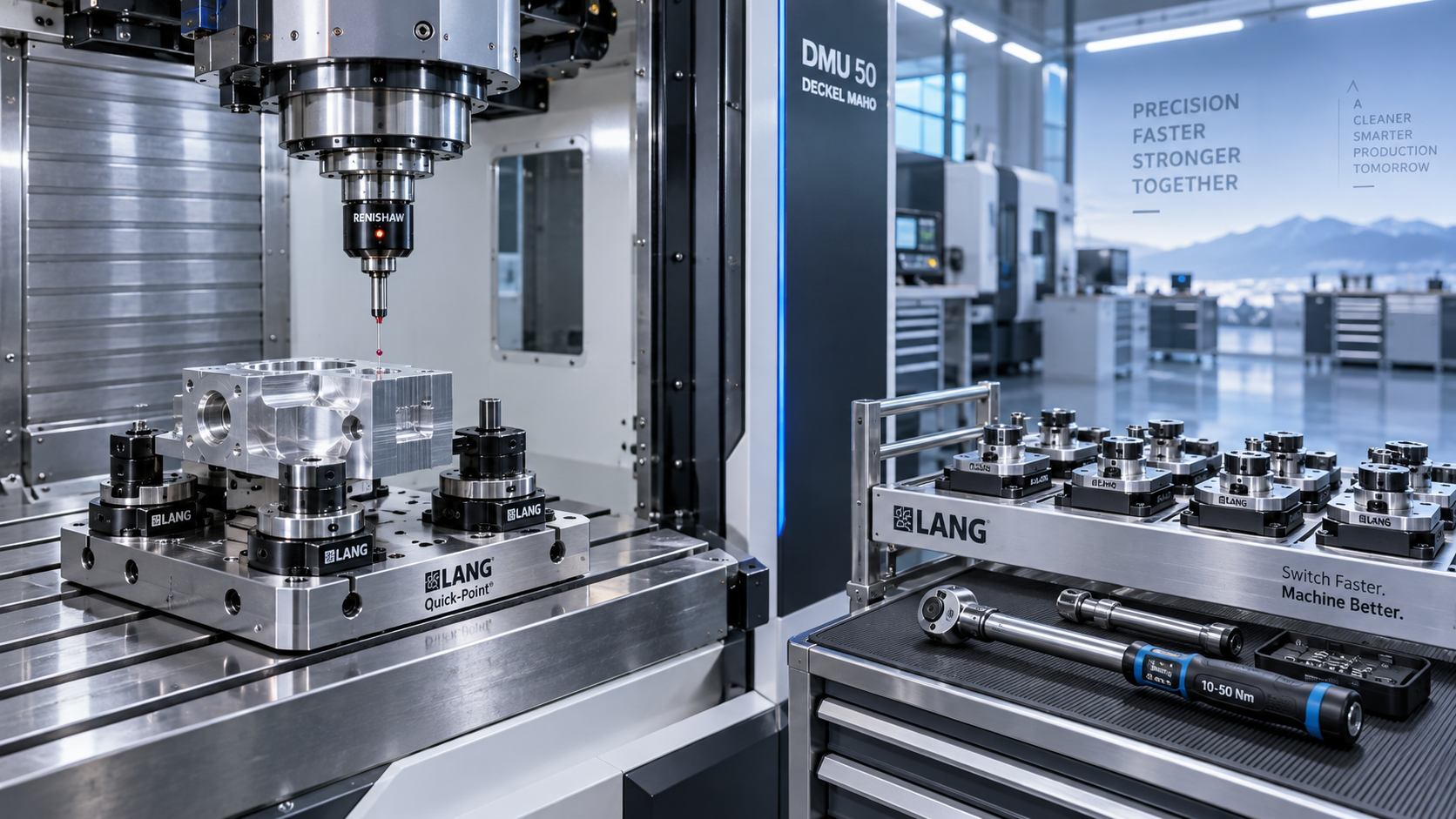
 Zero-Point Clamping or Modular Fixtures? Choosing a Faster CNC Changeover SystemCNC Machining Technology Center
 How to Cut CNC Fixture Changeover Time Without Sacrificing Part AccuracyCNC Machining Technology Center
 When Does CNC Turning Pay Off? A Break-Even Guide by Annual Part VolumeMachine Tool Industry Editorial Team
 Machine Tool Standards by Country: What Importers Must Verify Before PurchaseManufacturing Policy Research Center
 CNC Lathe Quick Installation Guide: Alignment Checks Before First Production RunCNC Machining Technology Center
 How to Select a CNC Lathe for Small Parts Without Sacrificing Accuracy or Cycle TimeCNC Machining Technology Center

Aris Katos
Future of Carbide Coatings
15+ years in precision manufacturing systems. Specialized in high-speed milling and aerospace grade alloy processing.
▶
How Automated Precision Machining Maintains Tolerance in High-Mix ProductionCNC Machining Technology Center▶
CNC Programming Explained: From CAD Models to Reliable Shop-Floor ToolpathsCNC Machining Technology Center▶
How Multi-Axis Machining Produces Complex Components With Fewer SetupsCNC Machining Technology Center▶
How Much Does CNC Programming Software Cost in 2026?CNC Machining Technology Center▶
CNC Machining Explained: Processes, Tolerances, and Parts It Can ProduceCNC Machining Technology Center
Mastering 5-Axis Workholding Strategies
Join our technical panel on Nov 15th to learn about reducing vibrations in thin-wall components.

Providing you with integrated sanding solutions
Before-sales and after-sales services
Comprehensive technical support