• Global CNC market projected to reach $128B by 2028 • New EU trade regulations for precision tooling components • Aerospace deman
NYSE: CNC +1.2%LME: STEEL -0.4%

How CNC Manufacturing Serves the Automotive Industry Better
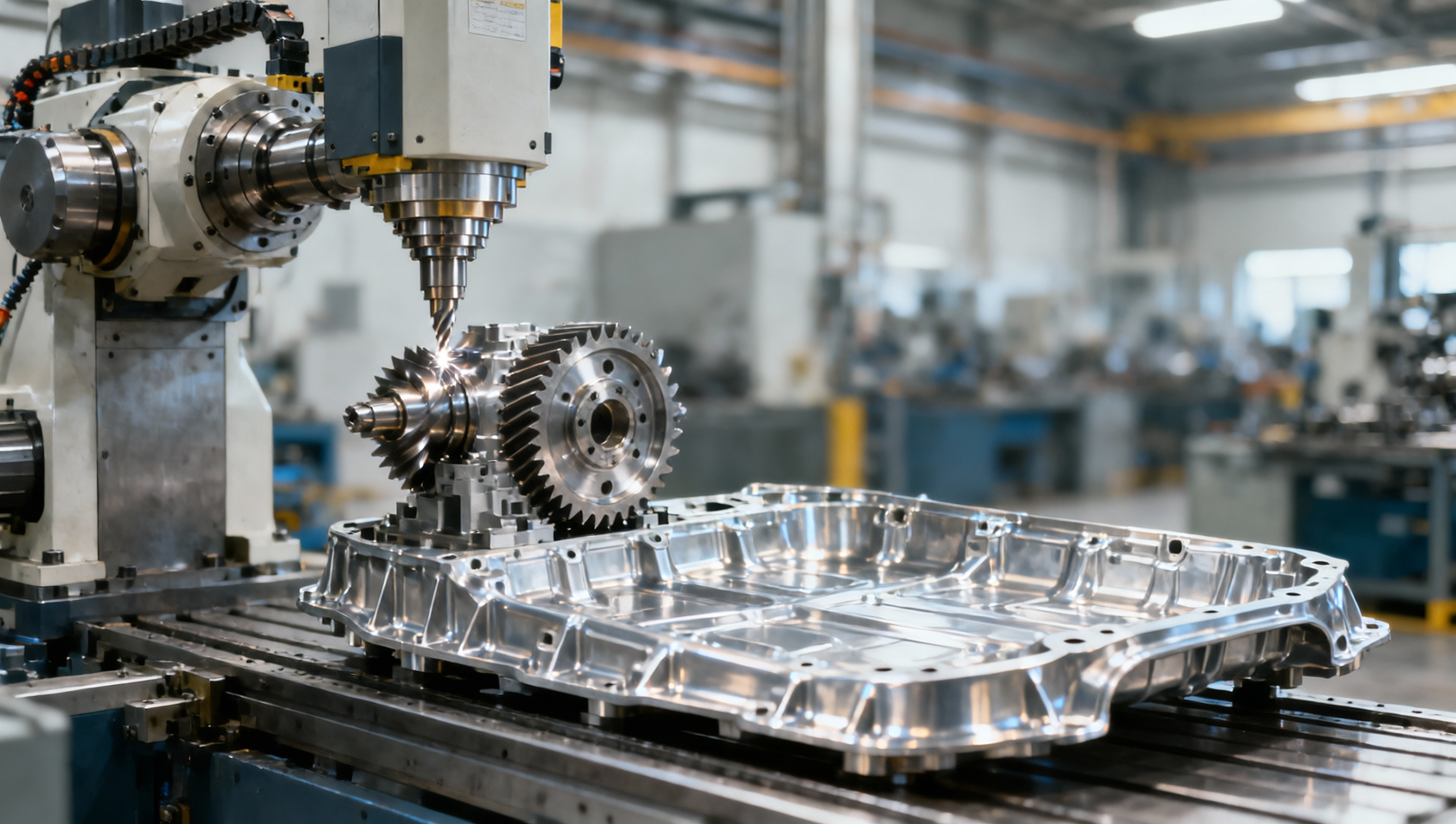
From engine blocks to lightweight structural parts, CNC manufacturing for automotive industry delivers the speed, consistency, and accuracy modern vehicle production demands. With high precision CNC manufacturing, multi-axis CNC manufacturing, and automated CNC manufacturing, manufacturers can improve quality, shorten lead times, and support cost-effective CNC manufacturing across complex automotive applications.
For automotive buyers, plant managers, machine operators, and decision-makers, the real question is not whether CNC machining matters, but how to use it more effectively across prototyping, mass production, and continuous improvement. In a sector where tolerances often fall within ±0.01 mm to ±0.05 mm, and where production downtime can affect thousands of parts per shift, the right CNC strategy directly influences quality, cost, and delivery performance.
This article explains why CNC manufacturing serves the automotive industry better than many conventional methods for complex metal and engineered components. It covers applications, production advantages, selection criteria, implementation steps, and practical risks that matter in modern vehicle programs, including ICE, hybrid, and EV platforms.
Why CNC Manufacturing Fits Automotive Production Requirements
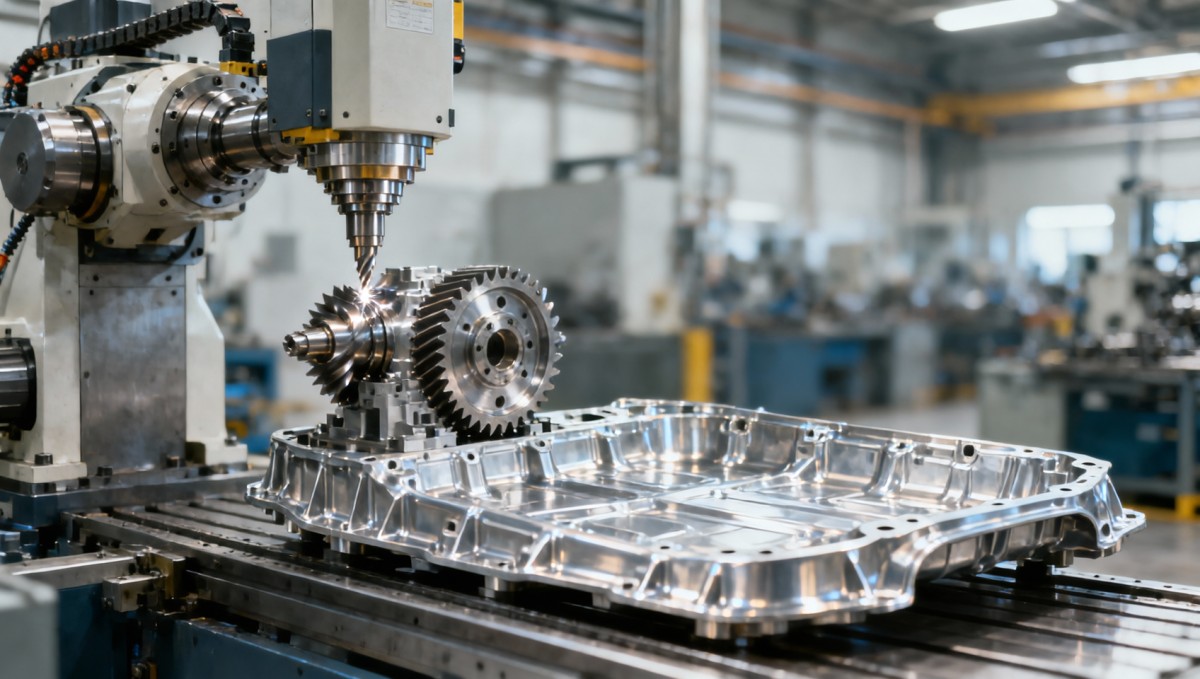
Automotive manufacturing is built around repeatability, cycle control, and traceable quality. CNC manufacturing supports these priorities by combining programmed precision with consistent output over medium-volume and high-volume runs. Whether the part is a transmission housing, steering knuckle, brake component, or EV battery tray fixture, CNC systems help maintain dimensional stability from the first batch to the 10,000th piece.
Compared with manual machining or less flexible tooling processes, CNC production reduces variation caused by operator inconsistency. In many automotive machining cells, cycle times are planned in the range of 45 seconds to 8 minutes depending on material, complexity, and toolpath design. That level of predictability helps production planners align machining, inspection, assembly, and delivery schedules more accurately.
Another reason CNC manufacturing serves automotive production well is material versatility. Common automotive materials include aluminum alloys, carbon steel, stainless steel, cast iron, copper alloys, and selected engineering plastics. CNC machine tools can handle all of these with different spindle speeds, cutting parameters, tool coatings, and fixture setups, making the process suitable for both structural and functional components.
For electric vehicles, the need for lightweight structures has increased demand for high precision CNC manufacturing of aluminum housings, thermal management plates, and mounting interfaces. These parts often require flatness control, hole position accuracy, and burr management that cannot be left to rough processes alone. Multi-axis machining improves access to complex geometries while reducing re-clamping, which lowers cumulative error.
Key production drivers in automotive CNC machining
- Tight tolerances, often within ±0.01 mm to ±0.05 mm for critical mating features
- Stable repeatability across batches of 500, 5,000, or 50,000 pieces
- Short lead times for prototype validation, usually 7–15 days for machined samples
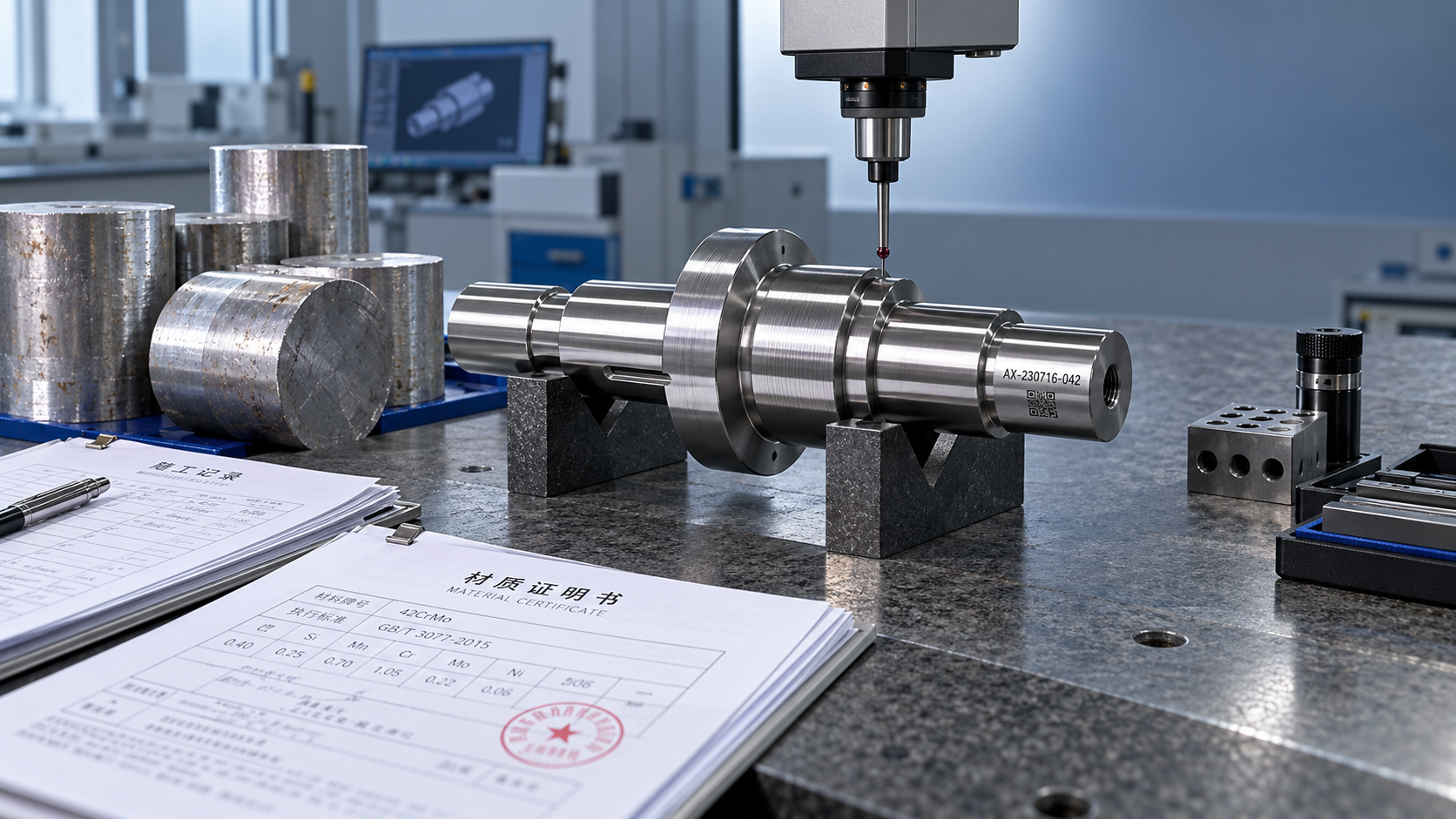
- Integration with CMM inspection, SPC control, and automated handling systems
Where CNC adds more value than conventional processes
CNC is especially valuable when geometry changes are frequent, tolerances are critical, or several operations need to be consolidated into one setup. In automotive development, design revisions may happen in 2–4 week cycles. Reprogramming a CNC machine is usually faster and less expensive than rebuilding dedicated tooling during early-stage production.
It also supports better process control for safety-related components. While not every automotive part requires extreme precision, many components influence vibration, sealing, alignment, or thermal performance. A small dimensional drift can create warranty risks, assembly inefficiencies, or noise issues. CNC manufacturing helps minimize those risks through repeatable digital control.
Main Automotive Components Produced by CNC Machines
The automotive industry uses CNC manufacturing across powertrain, chassis, braking, thermal systems, interior hardware, and EV structures. Some components are fully machined from billet or castings, while others go through CNC finishing after forging, stamping, or die casting. This flexibility allows manufacturers to combine material efficiency with tight final tolerances.
Engine-related parts remain a major application area, including cylinder heads, engine blocks, turbocharger housings, bearing caps, and oil pump bodies. These parts often require multiple operations such as facing, boring, drilling, tapping, and contour finishing. In such cases, 4-axis or 5-axis CNC machining can reduce setups from 4–6 stages to 2–3 stages.
For chassis and safety systems, CNC machines are used to produce steering components, suspension brackets, hub carriers, brake caliper parts, and mounting interfaces. Surface finish, concentricity, and hole alignment matter because these parts influence durability and vehicle handling. A process that holds tolerance in one batch but drifts in the next can create serious downstream issues.
In EV production, CNC manufacturing is increasingly important for battery enclosures, inverter housings, motor end plates, cooling plates, and connector mounting parts. These components often combine thin-wall features, flat sealing surfaces, and demanding positional accuracy. Automated CNC manufacturing helps maintain throughput while controlling distortion and rework rates.
Typical automotive CNC applications by component type
The table below outlines common automotive parts, process priorities, and typical CNC considerations. It helps procurement teams and engineering managers align component needs with the most appropriate machining approach.
A practical takeaway is that automotive CNC manufacturing is not limited to one product family. It supports both legacy internal combustion programs and next-generation electric mobility platforms. That broad application range makes CNC investment and sourcing decisions more durable over a 3–7 year product lifecycle.
Operational implications for users and operators
For shop-floor users, the challenge is often balancing tool life, fixture stability, and machine uptime. A part with 20–30 machined features may require different cutting strategies in roughing and finishing stages. Operators benefit when programs are standardized, offsets are documented, and preventive maintenance is scheduled every 250–500 spindle hours rather than only after a fault occurs.
How High Precision and Multi-Axis CNC Improve Quality and Efficiency
High precision CNC manufacturing gives automotive plants a measurable advantage in part consistency and assembly compatibility. When features such as bearing seats, threaded holes, and sealing surfaces are machined in controlled sequences, the result is better fit-up during final assembly. This can reduce manual adjustment, improve line balance, and lower scrap caused by mismatch between mating components.
Multi-axis CNC manufacturing goes further by reducing the number of setups required for complex parts. In many automotive applications, moving from 3-axis to 5-axis machining can eliminate 1–3 repositioning stages. Fewer setups mean less handling, shorter total cycle time, and lower risk of datum shift. This is especially important for housings, brackets, and structural parts with compound angles or deep pockets.
Automated CNC manufacturing also strengthens process reliability. Bar feeders, robotic loading, pallet changers, and in-process probing help keep machines running through multiple shifts. For plants operating 16–24 hours per day, automation can stabilize output and reduce dependence on manual intervention during repetitive operations.
From a cost perspective, cost-effective CNC manufacturing is not simply about the lowest machine-hour rate. It comes from reducing rework, shortening setup time, lowering fixture complexity, and avoiding line disruptions caused by dimensional defects. A slightly higher machining cost per part may still be the better decision if it cuts inspection delays or improves first-pass yield by even 2%–5%.
Performance comparison of CNC production approaches
The following comparison shows how different CNC approaches support automotive production goals. The ranges are typical planning references rather than fixed universal values, and actual results depend on part geometry, material, machine condition, and process engineering.
For procurement teams, this means the best supplier is not always the one with the most equipment, but the one whose machining capability matches the part family. For operators, it means process discipline matters just as much as machine specification. For leadership teams, it means capital investment in automation should be evaluated against output stability, labor allocation, and defect prevention over 12–36 months.
Common quality control checkpoints
- First article inspection before full batch release
- In-process measurement for bore size, hole position, and flatness
- Tool wear checks at planned intervals such as every 100–300 parts
- Final dimensional verification using gauges or CMM systems
How Buyers and Decision-Makers Should Evaluate CNC Suppliers for Automotive Parts
Choosing a CNC manufacturing partner for automotive production requires more than comparing quoted prices. Buyers need to understand whether a supplier can support the required tolerances, production volume, inspection routines, and process documentation. A lower price can quickly lose value if it leads to delayed PPAP preparation, inconsistent batches, or frequent engineering clarifications.
A practical supplier review should cover at least four dimensions: machining capability, quality control, production planning, and communication speed. For example, if a project includes 8–12 critical dimensions and weekly releases, the supplier should be able to confirm how those features are measured, how offsets are tracked, and how nonconforming parts are isolated within the same shift.
Lead time is another major factor. Prototype machining may take 7–15 days, while stable production orders often run on 2–6 week schedules depending on material availability, fixture readiness, and lot size. Buyers should ask not only for standard lead time but also for response plans if a design revision appears after toolpath approval or after a pilot batch has started.
Decision-makers should also evaluate scalability. A supplier that performs well at 200 parts per month may not be ready for 5,000 parts per month without process redesign, added fixturing, or automation support. This is particularly important in automotive programs that move from prototype to SOP and then to full-rate production in less than 6 months.
Practical supplier evaluation checklist
The table below can be used as a sourcing framework for automotive CNC manufacturing projects. It helps align technical expectations with commercial and operational requirements.
The most useful procurement conversations are specific. Instead of asking whether a supplier can make a “high-quality part,” ask how they control burrs on cross-holes, how often they calibrate measuring equipment, or what happens if Cp/Cpk trends move out of target during a 3,000-piece run. Detailed questions usually reveal capability more clearly than polished presentations.
Questions buyers should ask before awarding a project
- Which parts of the drawing are most difficult to control, and what process is used for them?
- What is the expected setup time, cycle time, and batch inspection frequency?
- Can the supplier support ramp-up from sample stage to 10x higher monthly volume?
- How are tooling life, fixture maintenance, and corrective actions documented?
Implementation, Risk Control, and Frequently Asked Questions
Successful automotive CNC manufacturing depends on a disciplined implementation path. Even strong machining capability can underperform if drawings are unclear, datums are inconsistent, or material condition is not fully defined. A robust launch plan usually includes 5 steps: drawing review, process planning, sample machining, inspection validation, and controlled batch release.
Risk control should start before cutting begins. Common issues include chatter on thin walls, dimensional drift caused by tool wear, fixture deformation, and poor chip evacuation in deep cavities. These risks often become visible only after 50–300 parts, which is why pilot runs matter. A supplier that only proves the first 5 pieces may not yet have proven process stability.
Maintenance also plays a direct role in performance. For operators and plant supervisors, preventive checks on spindle condition, coolant concentration, lubrication systems, and fixture repeatability can prevent unplanned stoppages. In higher-volume automotive cells, reviewing machine condition weekly and conducting deeper maintenance every 1–3 months is often more effective than waiting for breakdowns.
For global sourcing and precision manufacturing networks, digital integration is becoming more important. Shared inspection records, revision-controlled CAD/CAM files, and production traceability improve collaboration between engineering, purchasing, and suppliers across regions. This supports faster decision-making when automotive programs are time-sensitive and geographically distributed.
FAQ: What automotive teams ask most often
How do I know whether a part needs 3-axis or 5-axis CNC machining?
If the part has multiple angled faces, deep cavities, compound geometry, or strict positional relationships across several planes, 5-axis machining is often the better choice. For simpler prismatic parts with limited side features, 3-axis may be sufficient and more economical. The decision should compare setup count, tolerance stack-up, and annual volume rather than machine type alone.
What lead time is typical for automotive CNC parts?
Prototype parts commonly take 7–15 days if material is available and the drawing is production-ready. Small batch production may require 2–4 weeks, while repeat orders can often be scheduled within 2–6 weeks depending on complexity, heat treatment, finishing, and inspection requirements.
What are the most common sourcing mistakes?
The most common mistakes are selecting only by piece price, ignoring inspection capability, underestimating ramp-up risk, and failing to define acceptance criteria for critical dimensions. Another frequent issue is sending a drawing without clarifying material state, surface treatment, or burr expectations, which creates avoidable delays and quality disputes.
Which metrics should automotive buyers monitor after launch?
Useful metrics include on-time delivery rate, defect rate per batch, first-pass yield, dimensional stability on critical features, and response time for corrective actions. Reviewing these monthly over the first 3–6 months gives a clearer picture of supplier performance than relying only on initial sample approval.
CNC manufacturing serves the automotive industry better because it aligns with the sector’s real operating demands: precision, repeatability, speed, and scalable efficiency. From conventional powertrain parts to EV structural components, the right CNC strategy can reduce setup complexity, improve production consistency, and support cost-effective decision-making across the full product lifecycle.
If you are evaluating CNC machining capacity, sourcing automotive components, or planning a more automated production route, now is the right time to compare process options in detail. Contact us to discuss your application, request a tailored manufacturing solution, or learn more about CNC and precision manufacturing strategies for automotive projects.
PREVIOUS ARTICLE
NEXT ARTICLE
Recommended for You
![]() Zhongshan Xiaolan Machinery Exhibition Opens With Global Product DebutsMachine Tool Industry Editorial Team
 Automated Production Machining: Which Parts and Batch Sizes Are a Good Fit?Machine Tool Industry Editorial Team
![]() FANUC Links FIELD System Data with Copilot to Advance Shop-Floor Data UseCNC Machining Technology Center
 Smart Manufacturing for Aerospace: Building Traceability Across CNC OperationsCNC Machining Technology Center
![]() Mitsubishi Electric Announces Physical AI System Linking Humanoid Robots and CNC MachinesMachine Tool Industry Editorial Team
 Precision Machining for Defense: Supplier Quality and Traceability ChecksManufacturing Market Research Center


Aris Katos
Future of Carbide Coatings
15+ years in precision manufacturing systems. Specialized in high-speed milling and aerospace grade alloy processing.
▶
FANUC Links FIELD System Data with Copilot to Advance Shop-Floor Data UseCNC Machining Technology Center▶
Smart Manufacturing for Aerospace: Building Traceability Across CNC OperationsCNC Machining Technology Center▶
Choosing a CNC Machine for Mold Making: Accuracy, Rigidity, and Surface FinishCNC Machining Technology Center▶
How to Cut CNC Machining Energy Use per Part Without Longer Cycle TimesCNC Machining Technology Center▶
Will a Mazak CNC retrofit work with your existing servo drives?CNC Machining Technology Center
▶
Mastering 5-Axis Workholding Strategies
Join our technical panel on Nov 15th to learn about reducing vibrations in thin-wall components.

Providing you with integrated sanding solutions
Before-sales and after-sales services
Comprehensive technical support