• Global CNC market projected to reach $128B by 2028 • New EU trade regulations for precision tooling components • Aerospace deman
NYSE: CNC +1.2%LME: STEEL -0.4%

How to Choose CNC Equipment for Small Batch Production: Key Specs and Cost Factors
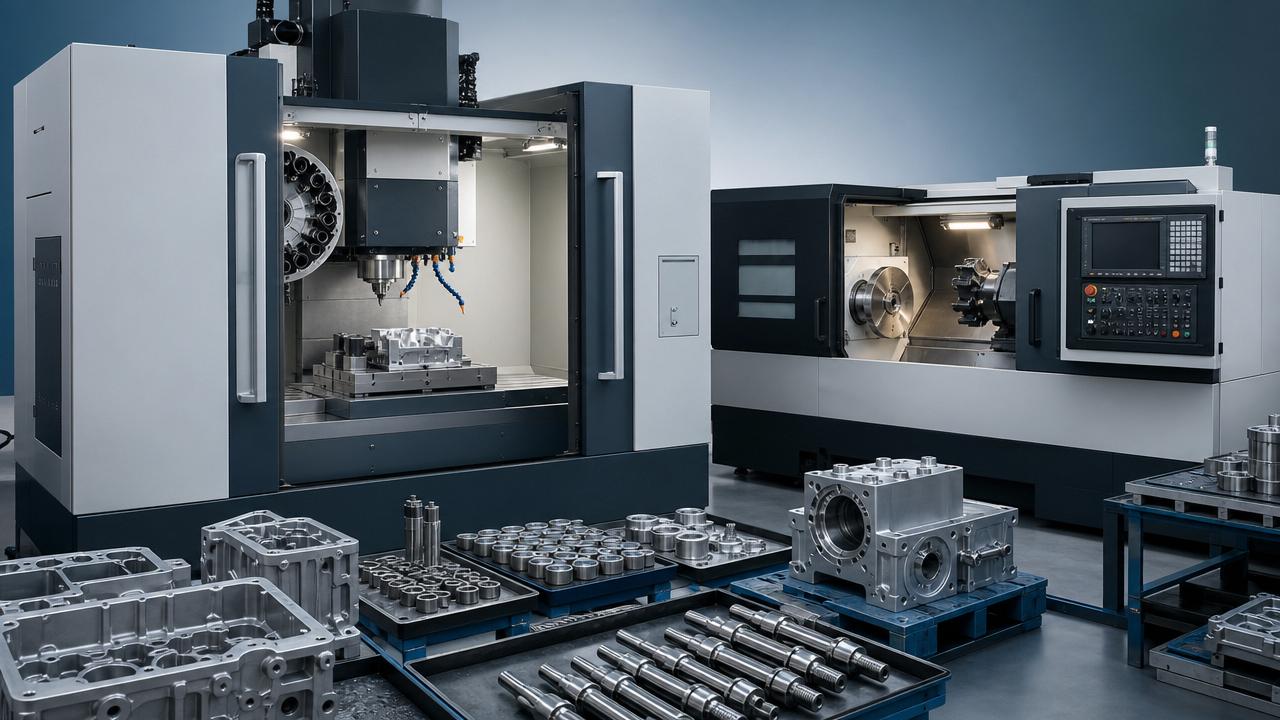
Choosing CNC equipment for small batch production is rarely about buying the fastest machine on paper. The better decision usually comes from matching part complexity, setup frequency, tolerance demands, and operating cost with the real production mix. In a market shaped by smart manufacturing, flexible cells, and rising quality expectations, low-volume machining has become a strategic capability rather than a temporary workaround.
That shift matters across automotive, aerospace, energy equipment, electronics, and contract manufacturing. Shorter product cycles and more customized parts mean CNC equipment must handle frequent changeovers without losing accuracy or draining margins. For technical evaluation, the most useful approach is to view specifications and cost factors together, because a machine that looks affordable at purchase can become expensive during everyday production.
Why small batch production demands a different selection logic
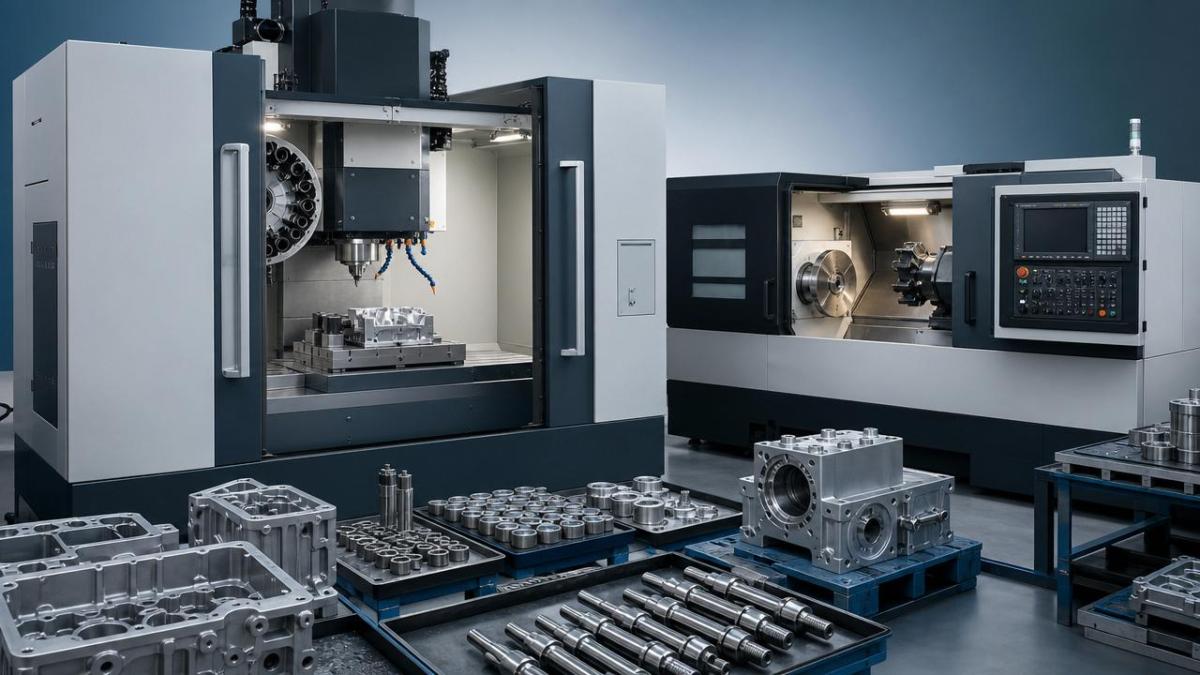
In high-volume manufacturing, cycle time dominates. In small batch work, lost time often comes from setup, tool changes, inspection, fixture swaps, and program adjustments. That changes the way CNC equipment should be assessed.
A machine may offer strong cutting power, yet still perform poorly in low-volume work if changeover is slow. Another model with moderate output can deliver better total throughput because it simplifies setup and reduces operator intervention.
This is why flexible manufacturing concepts are gaining attention worldwide. Machine tool buyers increasingly look for equipment that supports rapid switching between part families, stable repeatability, and digital traceability.
Start with the part profile, not the machine brochure
The first useful filter is the actual part mix. Shaft parts, plate parts, housings, precision discs, and complex structural components do not place the same demands on CNC equipment.
A two-axis CNC lathe may be fully adequate for repeat small batches of turned components. A vertical machining center may fit mixed prismatic parts. Five-axis systems become relevant when geometry, surface continuity, or fewer re-clampings matter more than simple hourly rate.
Material also changes the decision. Aluminum favors speed and acceleration. Stainless steel requires rigidity and thermal stability. Titanium and nickel alloys push spindle torque, vibration control, and tool management much harder.
Part tolerance should be separated into two questions. One is peak capability under ideal conditions. The other is repeatability across many setups, operators, and ambient changes. For small batch production, repeatability often matters more.
A practical specification baseline
Before comparing brands, it helps to organize evaluation around a few production realities.
- Part envelope and travel range must cover current parts and likely near-term variants.
- Required accuracy should include geometric tolerance, surface finish, and thermal behavior.
- Batch frequency should reflect how often setups change during a week or month.
- Material mix should account for spindle torque, coolant strategy, and tool wear patterns.
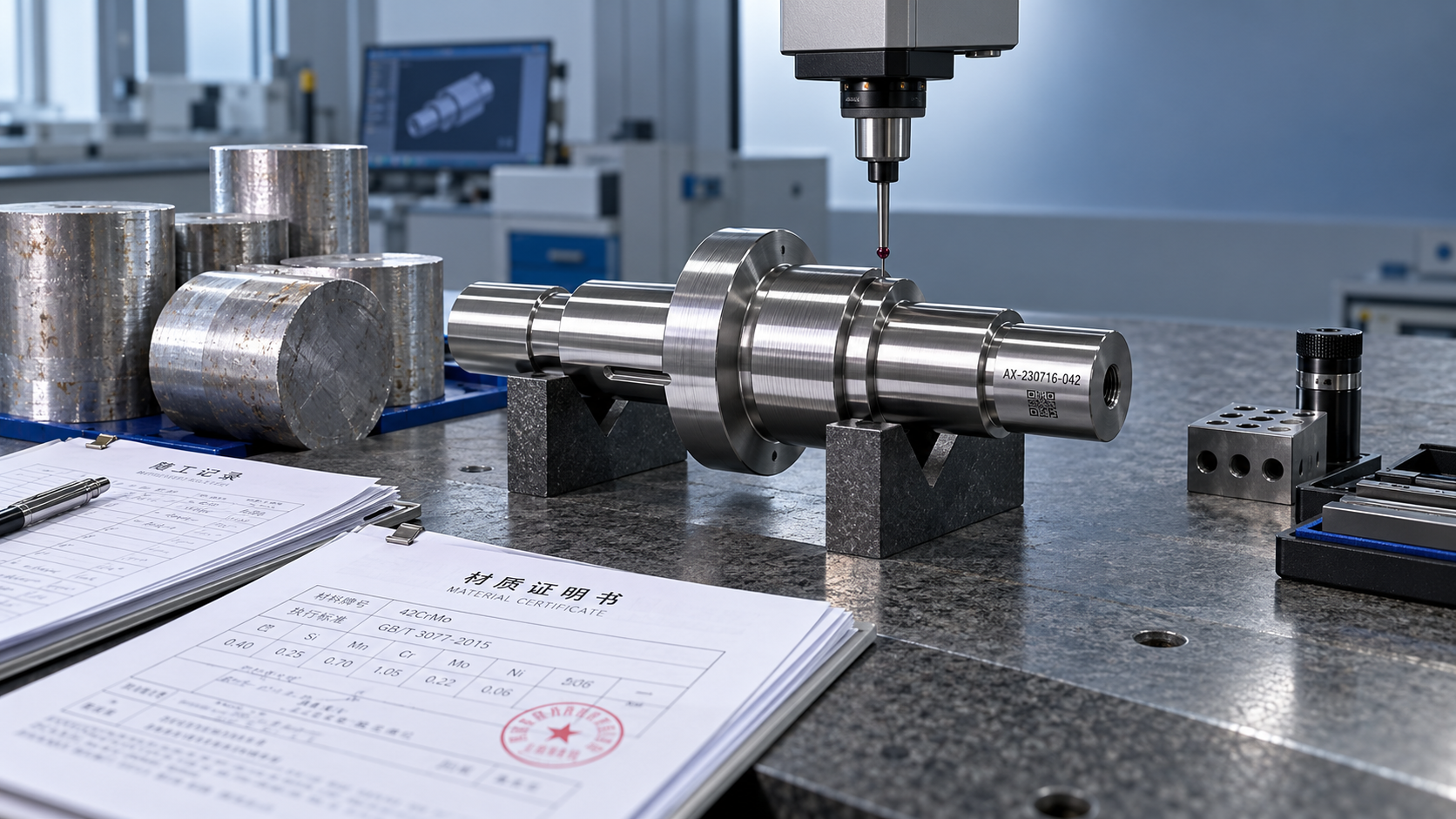
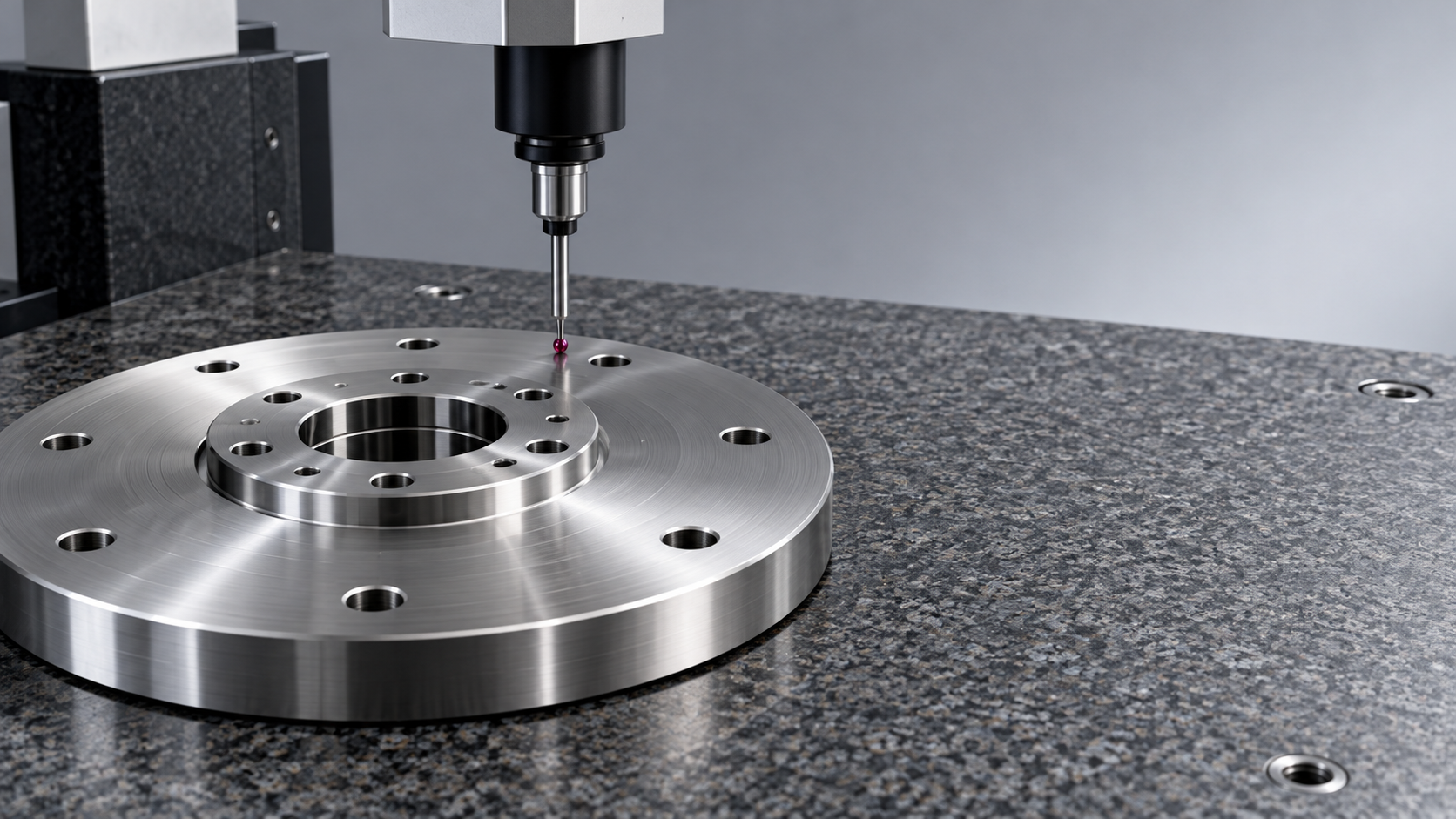
- Inspection needs should consider probing, in-process measurement, and data capture.
Key CNC equipment specifications that affect real performance
Spindle speed attracts attention, but spindle torque and power curve often tell a more useful story. Small batch jobs can shift from light finishing to heavier roughing quickly, so the machine must stay productive across that range.
Axis configuration should be judged by process reduction, not only by machine sophistication. More axes can remove secondary operations and improve positional consistency, but they also raise programming complexity and service cost.
Rigidity is another core issue. Machine structure, guideway design, spindle interface, and damping behavior directly influence chatter, surface quality, and tool life. These factors become more visible when machining tough materials or tight-tolerance features.
Tool magazine capacity deserves more attention than it usually gets. In low-volume production, mixed part programs may require many tools, probes, and backups. Too few stations can create hidden downtime and awkward tool planning.
Control system usability also matters. Fast program editing, simulation, collision prevention, and network connectivity help when jobs change often. In digitally integrated factories, CNC equipment that supports monitoring and production data collection gains extra value.
The cost factors behind the purchase price
Purchase cost is only the front layer. The more reliable metric for CNC equipment selection is total cost of ownership over the expected workload.
Tooling is often one of the largest hidden variables. Complex parts may need specialized holders, modular fixtures, balancing, probing, and presetting support. If the machine requires proprietary interfaces, ongoing cost can rise quickly.
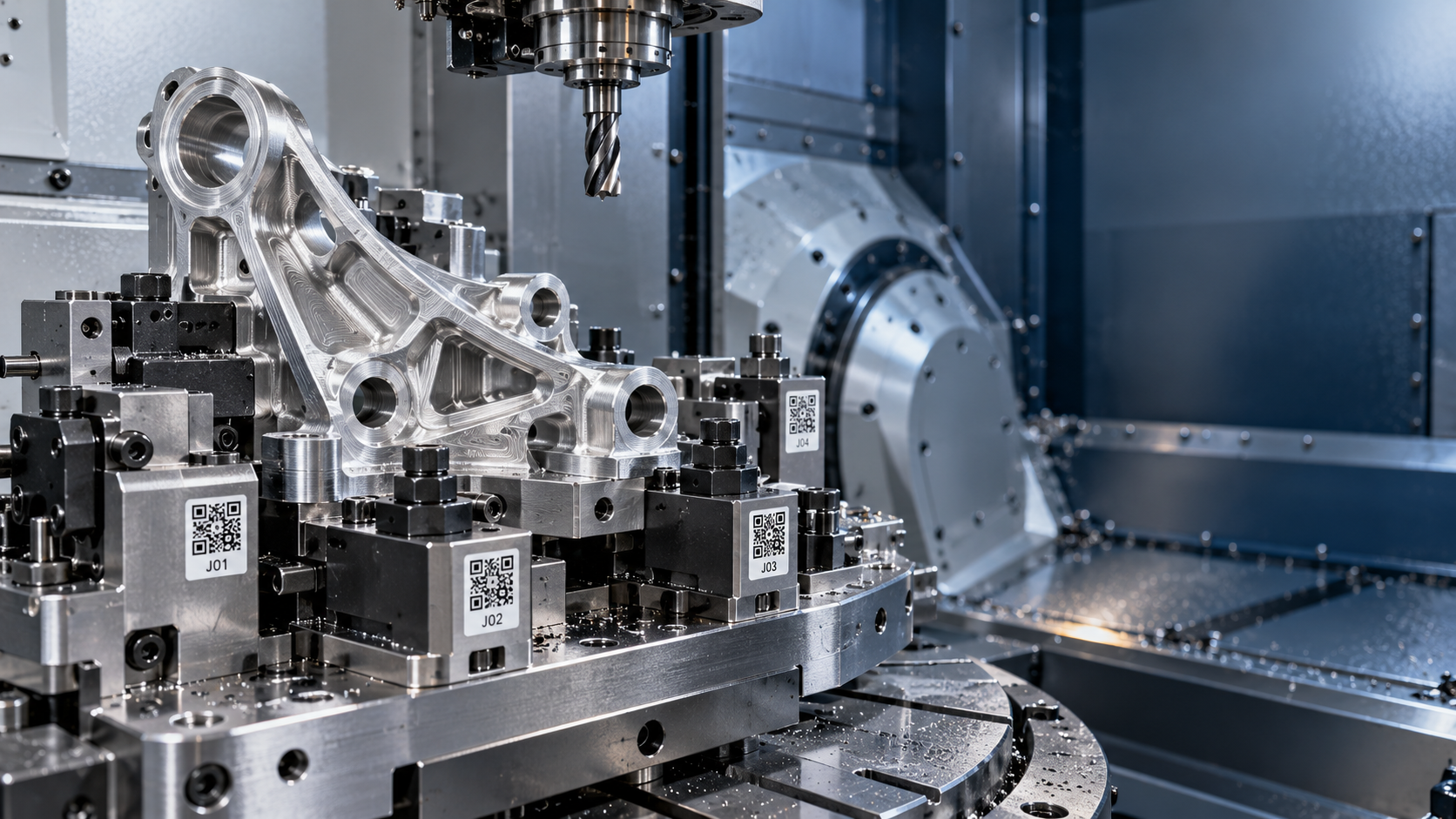
Setup time carries direct labor cost and indirect scheduling cost. A machine with good access, intuitive fixturing, quick tool recovery, and stable zero-point systems may save more money than one with slightly faster cutting performance.
Maintenance should be evaluated in terms of parts availability, service response, preventive maintenance interval, and diagnostic transparency. Global machine tool networks are expanding, but service quality still varies by region and brand support structure.
Energy use, coolant management, chip handling, and floor space also matter. In a compact production cell, poor chip evacuation or difficult maintenance access can create recurring losses that never appear in the original quotation.
Where unexpected cost usually appears
- Frequent rework caused by unstable thermal behavior or weak fixturing compatibility.
- Long setup windows due to poor ergonomics or limited tool storage.
- Low spindle utilization because programs require extra manual intervention.
- Service delays when local spare parts or trained support are limited.
- Software upgrade costs that were not included in the initial comparison.
Matching machine type to production scenarios
Different small batch environments favor different CNC equipment strategies. The correct fit depends on whether the objective is prototype speed, repeatable short runs, or a flexible mix of both.
For prototype-heavy work, programming speed, open access, and rapid setup may outweigh automation depth. For recurring short runs, pallet systems, tool life monitoring, and standard fixtures become more valuable.
In shops producing parts for energy equipment or aerospace structures, machine rigidity and traceable process control often take priority. Electronics housings and precision small parts may favor higher speed, compact work envelopes, and strong repeatability.
A practical way to compare options
Useful evaluation usually comes from a weighted comparison, not a catalog review. Start with representative parts, then map required operations, tolerances, materials, tools, and setup steps for each candidate machine.
A trial cut or sample process review is far more informative than headline specifications. It reveals chip control, cycle balance, tool access, vibration behavior, and how the control system handles edits and recovery.
It also helps to score CNC equipment across four dimensions: process capability, changeover efficiency, support ecosystem, and ownership cost. This prevents one strong feature from hiding several operational weaknesses.
When automation is under consideration, the question should be specific. Automation is useful when it reduces labor exposure, setup repetition, or unattended risk. It is less convincing when part variation remains too high for stable standardization.
Evaluation checkpoints worth documenting
- Actual setup time for a typical part family.
- Repeatability after multiple clamp and unclamp cycles.
- Tool access and magazine sufficiency for mixed jobs.
- Service coverage, spare parts lead time, and software support.
- Upgrade path for probing, pallets, robotics, or data integration.
What deserves attention next
The best CNC equipment for small batch production is usually the one that keeps process control stable while making job changes easier, not harder. Precision, flexibility, and cost should be treated as a single decision set.
A clear next step is to build a comparison matrix around current part families, expected material mix, setup frequency, and support requirements. From there, shortlisted machines can be judged against real production behavior rather than generic marketing claims.
In a machine tool market moving toward higher precision, automation, and digital integration, careful selection now also affects future scalability. That makes disciplined evaluation of CNC equipment not just a purchasing task, but a manufacturing capability decision.
Recommended for You
![]() FANUC Links FIELD System Data with Copilot to Advance Shop-Floor Data UseCNC Machining Technology Center
FANUC Links FIELD System Data with Copilot to Advance Shop-Floor Data UseCNC Machining Technology Center Smart Manufacturing for Aerospace: Building Traceability Across CNC OperationsCNC Machining Technology Center
![]() Mitsubishi Electric Announces Physical AI System Linking Humanoid Robots and CNC MachinesMachine Tool Industry Editorial Team
Mitsubishi Electric Announces Physical AI System Linking Humanoid Robots and CNC MachinesMachine Tool Industry Editorial Team Precision Machining for Defense: Supplier Quality and Traceability ChecksManufacturing Market Research Center
![]() Nidec Machine Tool Launches MVR-5X Five-Axis Gantry MachineMachine Tool Industry Editorial Team
Nidec Machine Tool Launches MVR-5X Five-Axis Gantry MachineMachine Tool Industry Editorial Team Choosing a Precision Disc Parts Manufacturer in China: Tolerances and Quality ChecksManufacturing Market Research Center


Aris Katos
Future of Carbide Coatings
15+ years in precision manufacturing systems. Specialized in high-speed milling and aerospace grade alloy processing.
▶
FANUC Links FIELD System Data with Copilot to Advance Shop-Floor Data UseCNC Machining Technology Center▶
Smart Manufacturing for Aerospace: Building Traceability Across CNC OperationsCNC Machining Technology Center▶
Choosing a CNC Machine for Mold Making: Accuracy, Rigidity, and Surface FinishCNC Machining Technology Center▶
How to Cut CNC Machining Energy Use per Part Without Longer Cycle TimesCNC Machining Technology Center▶
Will a Mazak CNC retrofit work with your existing servo drives?CNC Machining Technology Center
▶
Mastering 5-Axis Workholding Strategies
Join our technical panel on Nov 15th to learn about reducing vibrations in thin-wall components.

Providing you with integrated sanding solutions
Before-sales and after-sales services
Comprehensive technical support