• Global CNC market projected to reach $128B by 2028 • New EU trade regulations for precision tooling components • Aerospace deman
NYSE: CNC +1.2%LME: STEEL -0.4%

Metal machining shops report rising scrap rates—not from tooling, but from inconsistent G-code interpretation
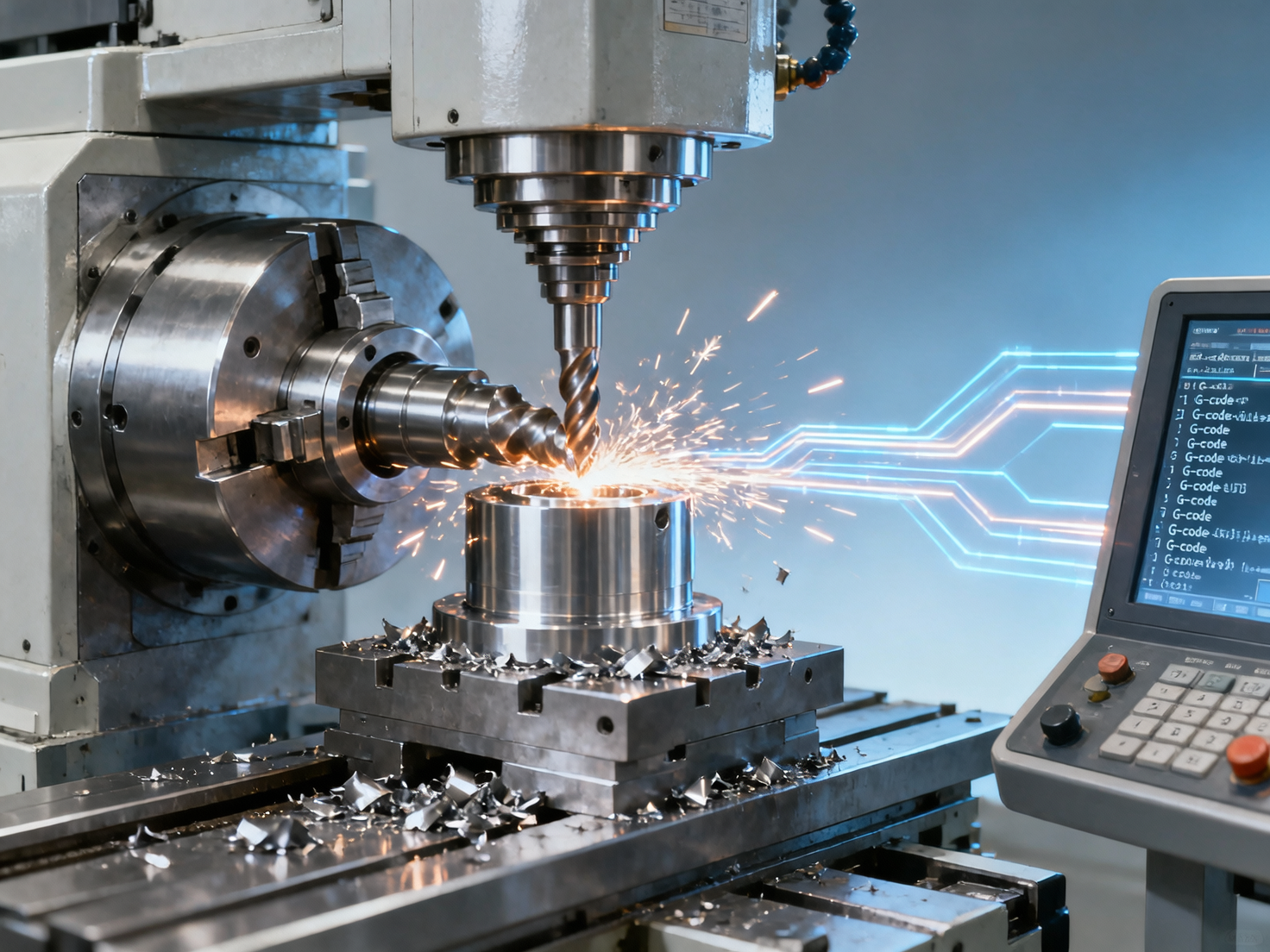
Metal machining shops worldwide are reporting rising scrap rates—not due to worn tooling or operator error, but because of inconsistent G-code interpretation across CNC industrial machines. As automated industrial systems scale, discrepancies in how industrial CNC controllers execute CNC metal cutting commands undermine precision equipment reliability. This issue directly impacts CNC production equipment performance, especially in industrial turning, CNC metal lathe operations, and high precision lathe applications. For users, procurement teams, and decision-makers relying on industrial machining equipment and automated lathe solutions, understanding G-code standardization gaps is critical to reducing waste, ensuring CNC metalworking consistency, and optimizing automated production workflows.
Why G-Code Isn’t as Universal as You Think
G-code—the foundational language for CNC machine tools—has long been assumed to be standardized under ISO 6983 and RS-274D specifications. Yet real-world implementation reveals wide variation: a program that cuts flawlessly on a Fanuc-controlled vertical machining center may produce dimensional drift or feed-rate instability on a Siemens Sinumerik 840D or Mitsubishi M800 system—even when using identical toolpaths, feeds, and speeds.
A 2023 benchmark study by the European Association of Machine Tool Builders (CECIMO) tested 12 widely deployed industrial CNC controllers across 42 common G-code sequences—including G01 linear interpolation, G02/G03 arc commands, G41/G42 cutter compensation, and G94/G95 feed-per-minute vs. feed-per-revolution modes. Results showed up to ±12% deviation in actual toolpath execution time and positional repeatability between brands—and over 30% of shops reported ≥5% scrap increase after integrating multi-vendor CNC equipment into a single production line.
This inconsistency stems not from coding errors, but from controller-level interpretation differences: how each OEM defines “instantaneous feed override,” handles modal command inheritance across subroutines, or resolves ambiguous coordinate system transitions (e.g., G54–G59 shifts mid-cycle). These variations become critical in high-precision lathe applications where tolerances fall within ±0.005 mm and surface finish requirements demand microsecond-level motion synchronization.
The table above reflects measured deviations across three leading industrial CNC platforms during standardized test cycles simulating aerospace shaft turning and turbine blade milling. Notably, scrap rate increases correlate directly with arc command deviation and compensation latency—highlighting that G-code fidelity is not merely a programming concern, but a hardware-software integration KPI.
Operational Impact Across Production Tiers
For operators, inconsistent G-code interpretation manifests as unexpected chatter, surface finish variation, or premature tool wear—despite unchanged tooling and setup. In one Tier-1 automotive supplier case, a batch of CV joint housings showed 7.2% out-of-spec bore concentricity after migrating programs from legacy Okuma LB3000 lathes to new DMG MORI NLX series machines. Root cause analysis traced the issue to differing G76 threading cycle dwell logic: Fanuc-based machines paused for 120 ms before retracting; DMG MORI’s Heidenhain TNC640 interpreted the same G76 block with only 45 ms dwell—causing incomplete chip evacuation and micro-galling.
Procurement teams face hidden cost escalation. A 2024 global survey of 87 metalworking facilities found that 63% had incurred unplanned expenses averaging $28,500 per facility annually due to rework, secondary inspection, and NC program revalidation triggered by controller-specific G-code behavior. Decision-makers must now evaluate CNC machine tools not only on spindle power (15–45 kW), axis acceleration (0.8–1.5 g), or positioning accuracy (±2.5 µm), but also on G-code conformance documentation, post-processor compatibility, and embedded diagnostic logging for motion command fidelity.
High-precision lathe applications—such as medical implant manufacturing or optical mount machining—are especially vulnerable. Here, even 0.002 mm path deviation can trigger full-part rejection under AS9100 or ISO 13485 audit protocols. Unlike general-purpose milling, lathe operations rely heavily on synchronized Z/X-axis interpolation and dynamic feed override during taper and contour cuts—functions where vendor-specific interpolation algorithms diverge most significantly.
Three Critical G-Code Interpretation Risk Zones
- G41/G42 Cutter Compensation Handling: Some controllers apply compensation before interpolation; others after—leading to ±0.012 mm offset errors in tight-radius contours.
- G90/G91 Modal Switching in Subprograms: 41% of surveyed shops reported unintended absolute/incremental mode conflicts when calling nested macros across different controller families.
- G54–G59 Work Offset Transitions: Latency ranges from 3 ms (high-end Fanuc) to 22 ms (entry-tier Chinese OEMs), causing measurable step errors during multi-setup parts.
Mitigation Strategies for Users, Buyers & Engineers
There is no universal “fix,” but proven mitigation falls into three tiers: pre-process validation, runtime monitoring, and procurement-level specification. Leading adopters now enforce G-code verification at three checkpoints: offline simulation (using VERICUT or NCSIMUL), dry-run validation on target hardware (with laser interferometer traceability), and in-cycle motion logging via OPC UA–enabled diagnostics.
For procurement teams, contractual language must include verifiable G-code compliance clauses. The table below outlines key evaluation criteria used by top-tier aerospace and energy equipment manufacturers when qualifying new CNC machine tools:
These metrics are now embedded in RFQs for CNC lathes, machining centers, and multi-axis systems serving automotive, aerospace, and medical device supply chains. Suppliers unable to provide third-party-certified validation reports face automatic disqualification—even if base price is 18–22% lower than compliant alternatives.
Looking Ahead: Standardization, Simulation & Smart Integration
The ISO/TC 184/SC 1 committee is advancing ISO 14649-11 (AP211) for STEP-NC data exchange, aiming to replace G-code with geometry- and process-aware machine-independent instructions by 2027. Until then, forward-looking shops deploy hybrid strategies: using post-processors tuned to specific controller firmware versions (e.g., Fanuc 31i-B v. H5.121 vs. v. H5.204), embedding inline verification blocks (e.g., G31 probe checks before critical features), and adopting digital twin platforms that simulate controller-specific kinematics.
For decision-makers, the takeaway is clear: G-code interpretation variance is no longer a “shop-floor nuance”—it’s a quantifiable production risk requiring cross-functional ownership. Operators need validated program libraries; procurement teams require enforceable technical clauses; and engineering leadership must allocate budget for controller-specific simulation licensing and motion diagnostics training.
Reducing scrap starts not with sharper tools—but with smarter, more consistent command execution. As global CNC machining evolves toward AI-driven adaptive control and closed-loop metrology, foundational reliability in G-code translation remains the non-negotiable bedrock.
To assess your current CNC fleet’s G-code conformance profile—or request a controller-specific validation checklist aligned with ASME B5.57 and ISO 230-2 standards—contact our precision manufacturing engineering team today for a no-cost technical review.
Recommended for You
 Machine Tool Market Outlook: Demand Drivers, Capacity Shifts, and Investment RisksManufacturing Market Research Center
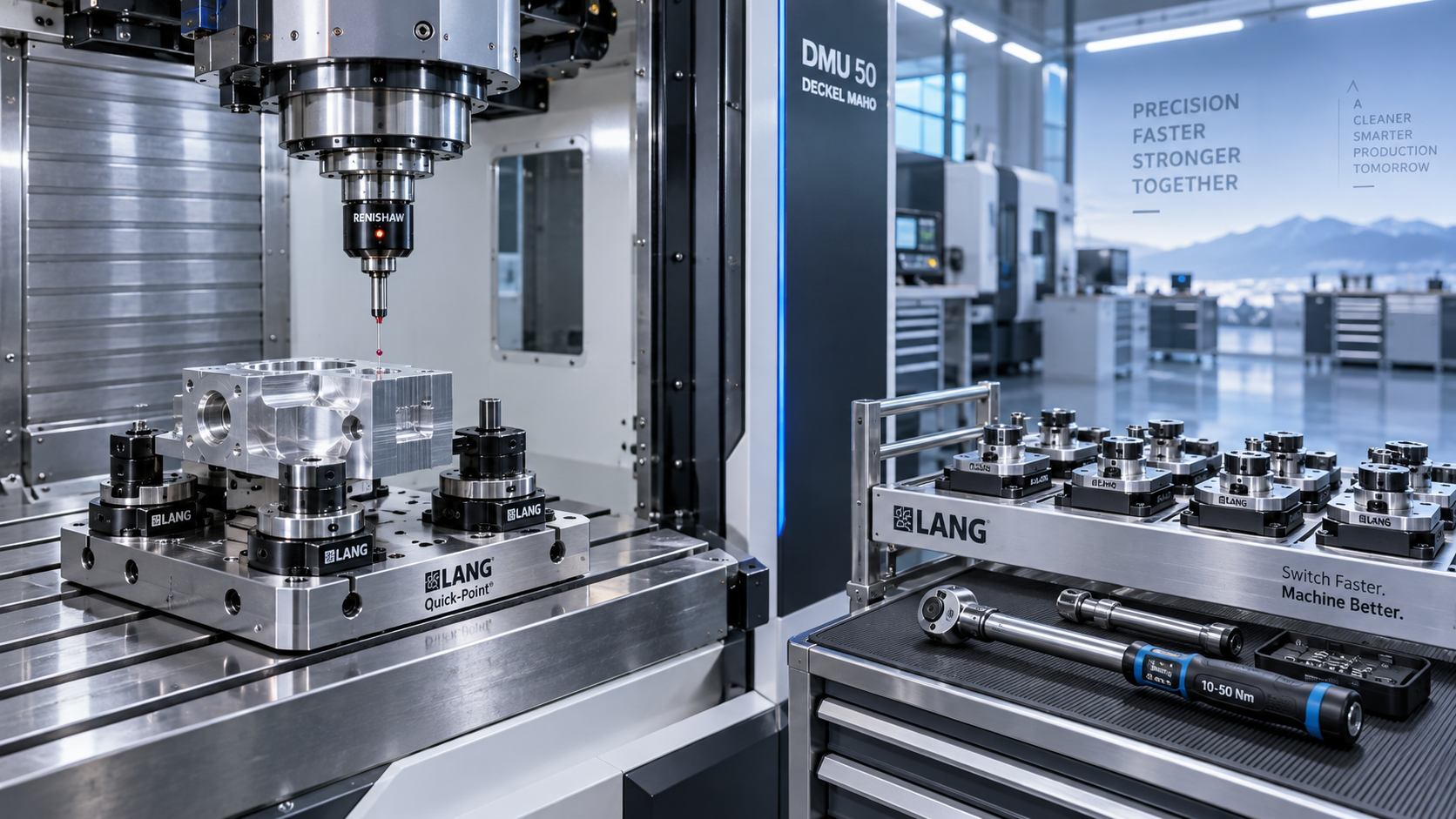
 Zero-Point Clamping or Modular Fixtures? Choosing a Faster CNC Changeover SystemCNC Machining Technology Center
 How to Cut CNC Fixture Changeover Time Without Sacrificing Part AccuracyCNC Machining Technology Center
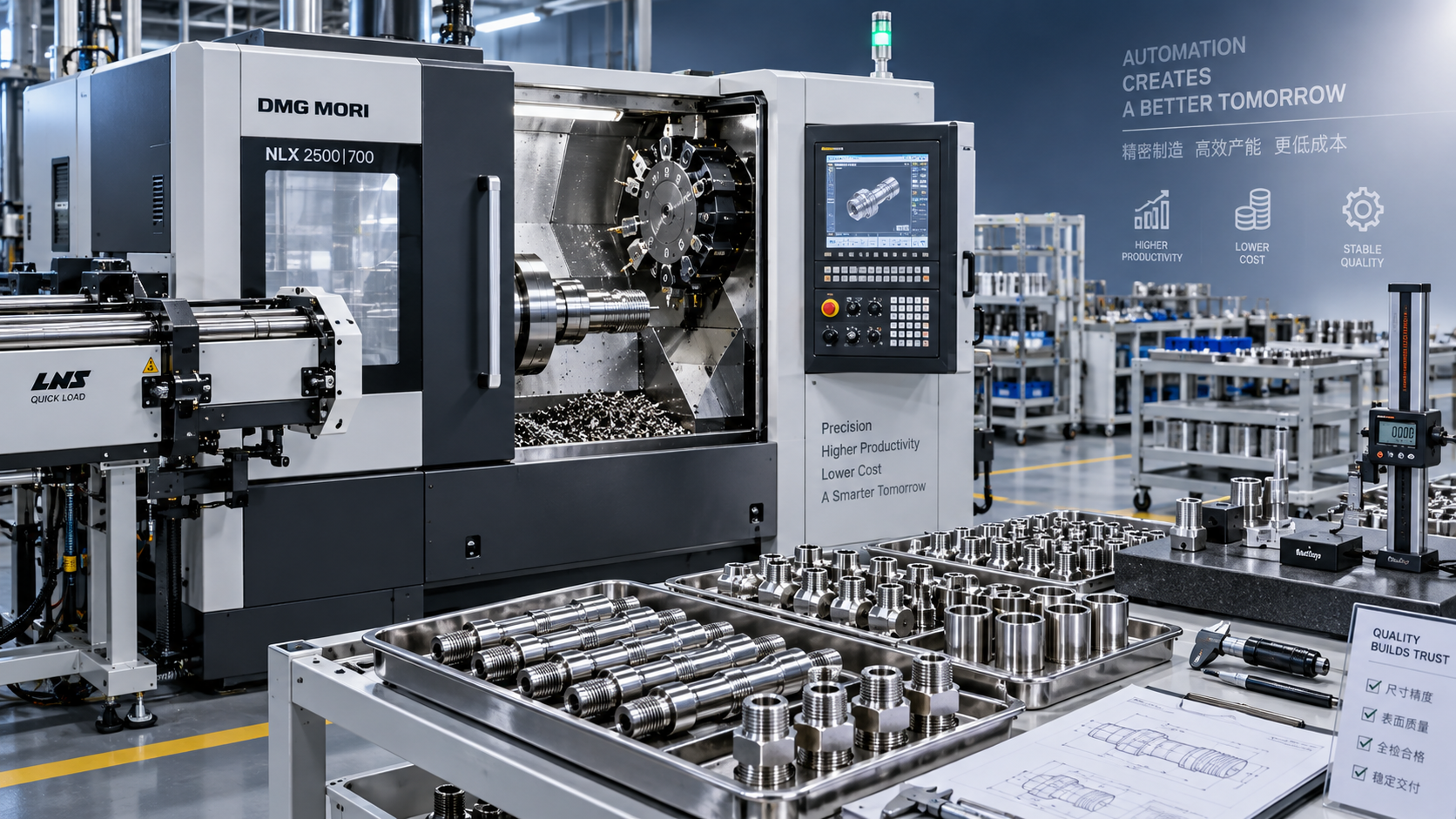
 When Does CNC Turning Pay Off? A Break-Even Guide by Annual Part VolumeMachine Tool Industry Editorial Team
 Machine Tool Standards by Country: What Importers Must Verify Before PurchaseManufacturing Policy Research Center
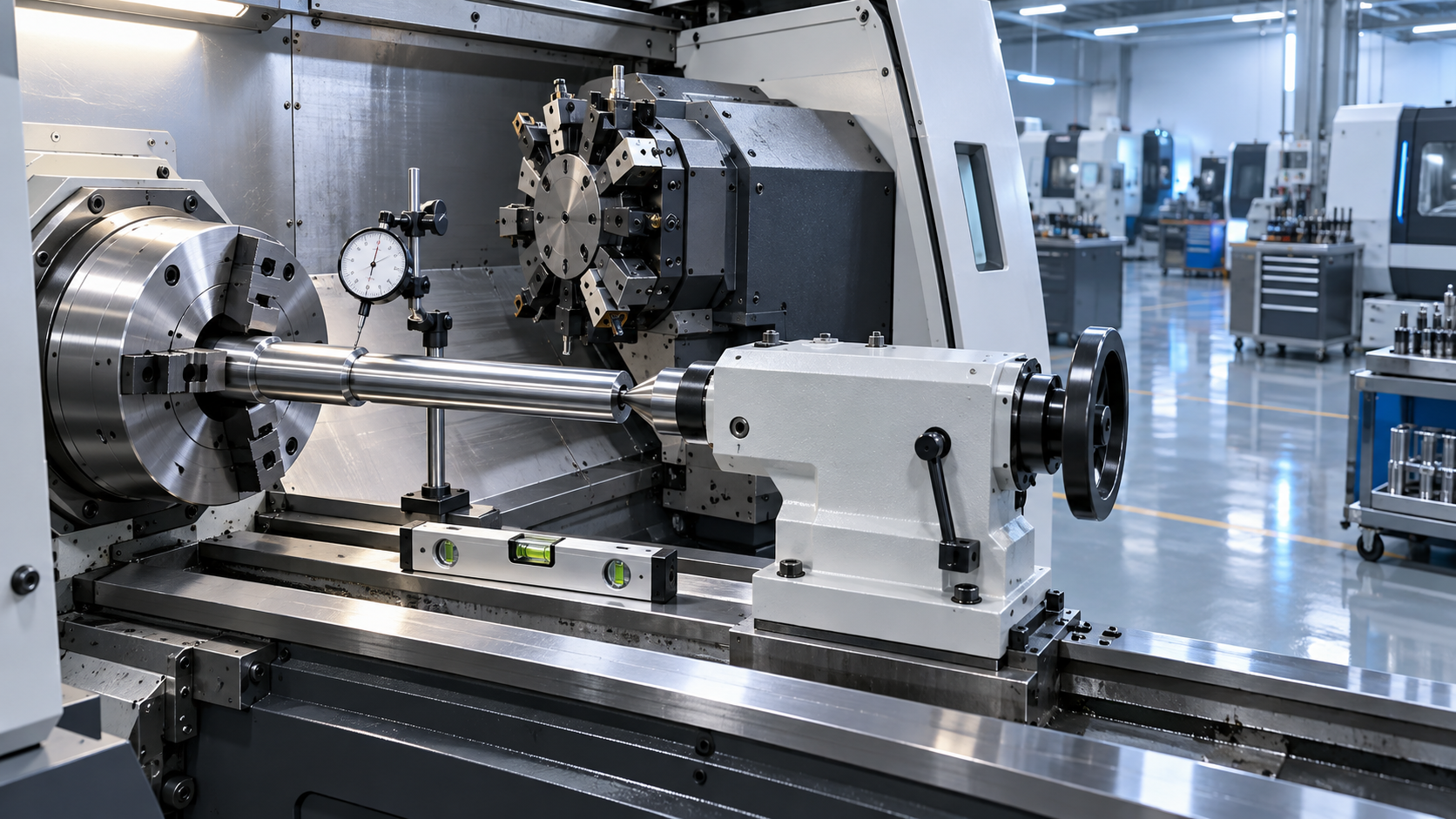
 CNC Lathe Quick Installation Guide: Alignment Checks Before First Production RunCNC Machining Technology Center

Aris Katos
Future of Carbide Coatings
15+ years in precision manufacturing systems. Specialized in high-speed milling and aerospace grade alloy processing.
▶
How Automated Precision Machining Maintains Tolerance in High-Mix ProductionCNC Machining Technology Center▶
CNC Programming Explained: From CAD Models to Reliable Shop-Floor ToolpathsCNC Machining Technology Center▶
How Multi-Axis Machining Produces Complex Components With Fewer SetupsCNC Machining Technology Center▶
How Much Does CNC Programming Software Cost in 2026?CNC Machining Technology Center▶
CNC Machining Explained: Processes, Tolerances, and Parts It Can ProduceCNC Machining Technology Center
Mastering 5-Axis Workholding Strategies
Join our technical panel on Nov 15th to learn about reducing vibrations in thin-wall components.

Providing you with integrated sanding solutions
Before-sales and after-sales services
Comprehensive technical support