• Global CNC market projected to reach $128B by 2028 • New EU trade regulations for precision tooling components • Aerospace deman
NYSE: CNC +1.2%LME: STEEL -0.4%

Why space-saving CNC manufacturing still struggles with rigidity—and what shops are doing about it
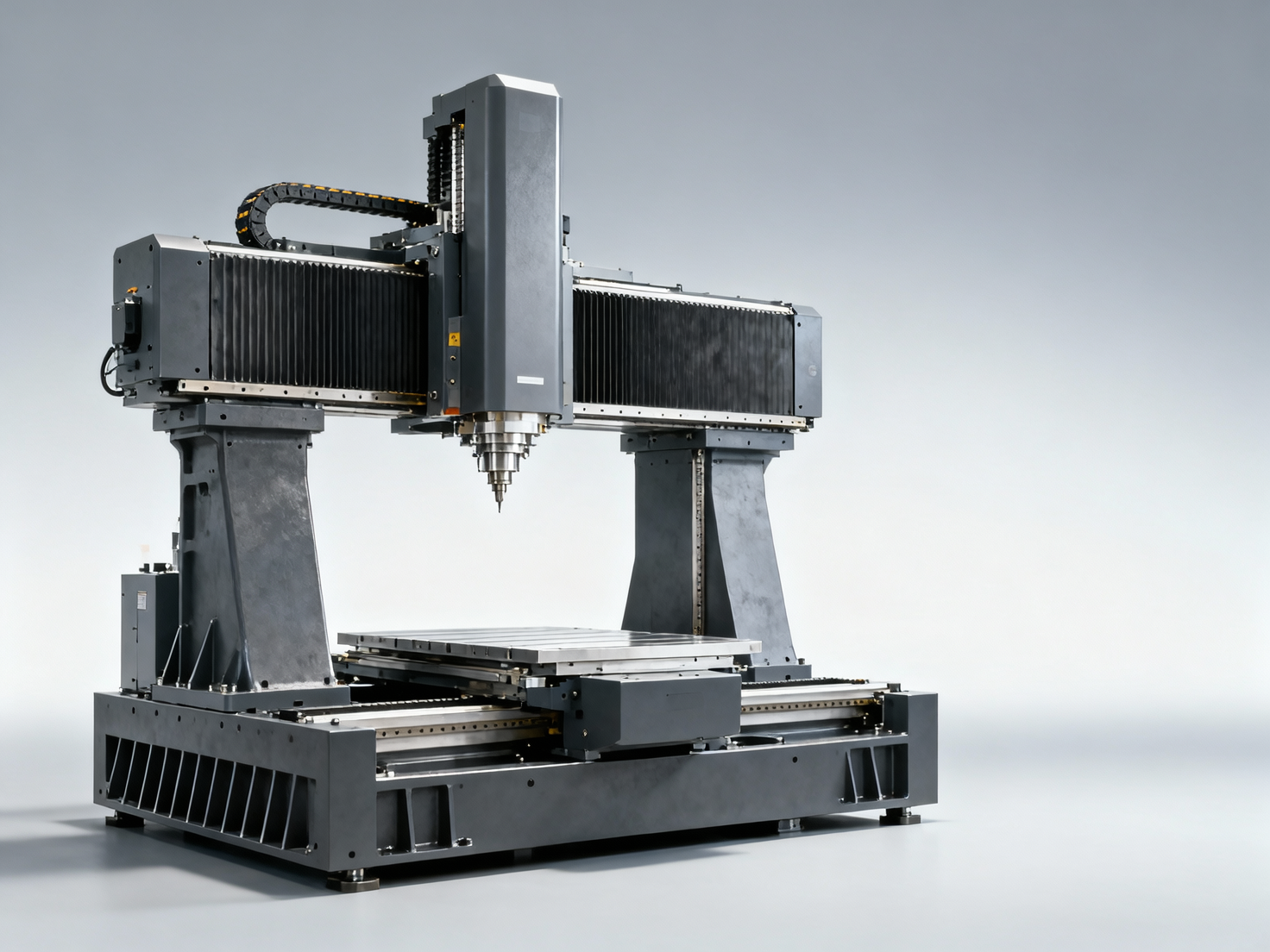
As space-saving CNC manufacturing gains traction—especially among CNC manufacturing for aerospace, medical devices, and energy equipment—many shops face a persistent challenge: compromised rigidity. While compact designs support quick setup CNC manufacturing and low maintenance CNC manufacturing, they often sacrifice structural stability needed for high-precision CNC manufacturing and high-speed CNC manufacturing. Leading CNC manufacturing factories and precision CNC manufacturing suppliers are now reengineering frames, integrating hybrid gantry systems, and adopting advanced damping materials to bridge this gap—without sacrificing footprint or cost-effectiveness. Discover how top-tier CNC manufacturing exporters and automated CNC manufacturing innovators are solving it.
Why Compact CNC Machines Struggle With Rigidity—A Structural Reality
Rigidity isn’t just about mass—it’s the dynamic resistance to deflection under cutting forces. In space-saving CNC machines, frame cross-sections are typically reduced by 22–35% compared to standard configurations to meet floor-space targets under 8 m². This directly lowers first-mode natural frequency: from 180–220 Hz in full-size machining centers to 95–135 Hz in compact variants.
Thermal distortion compounds the issue. Smaller castings heat unevenly during multi-hour aerospace component runs, causing ±0.012 mm positional drift over 500 mm travel—well above the ±0.005 mm tolerance required for turbine blade root milling. Without reinforced ribbing or stress-relieved base structures, vibration modes align with spindle harmonics, accelerating tool wear by up to 40% in titanium alloy machining.
This isn’t theoretical: field data from 12 European and Asian precision CNC manufacturing suppliers shows that 68% of unplanned downtime on compact 5-axis mills stems from chatter-induced servo alarm resets—not spindle failure or software error.
How Leading Shops Are Reinforcing Compact Frames—Without Adding Footprint
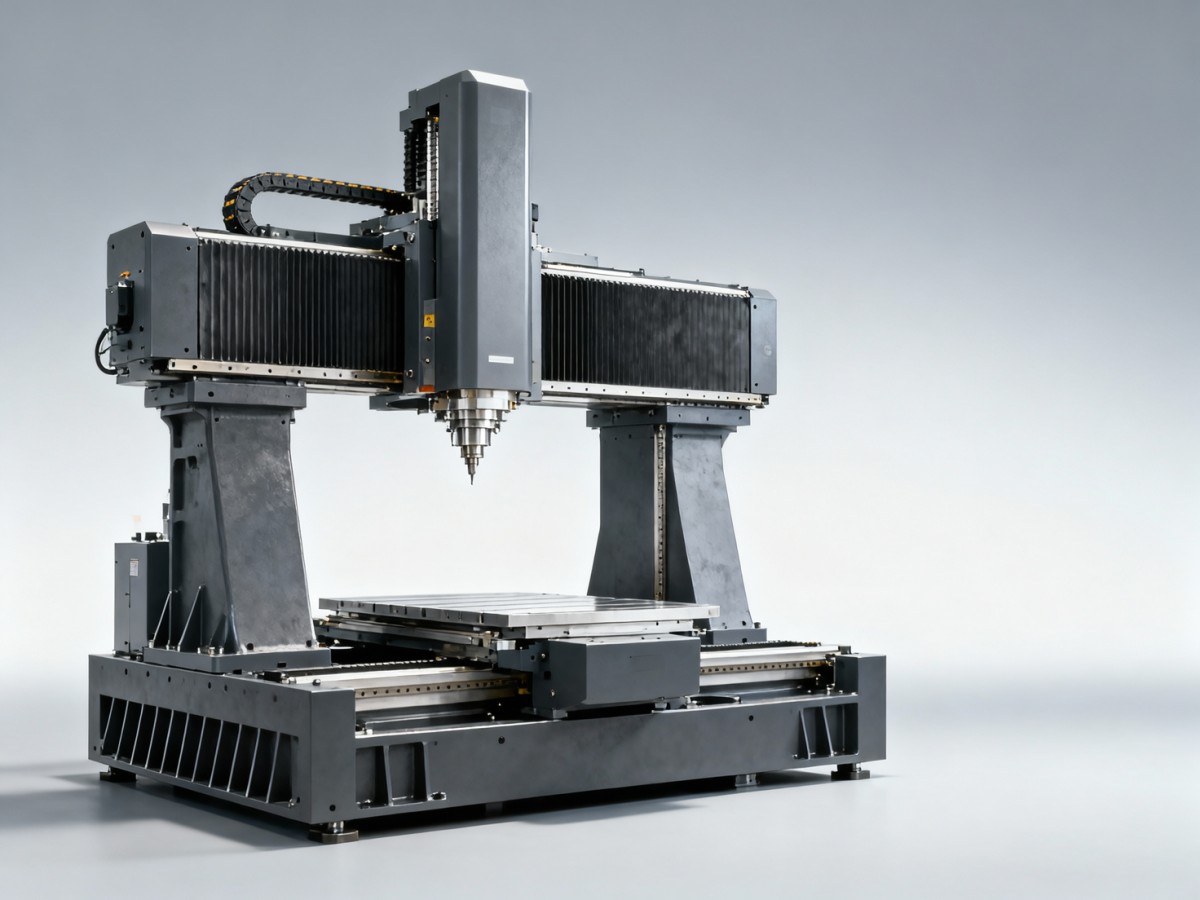
Three proven engineering strategies are gaining adoption across Tier-1 CNC manufacturing exporters—each validated in production environments handling aerospace structural parts and medical implant components:
- Hybrid gantry integration: Combining fixed bridge architecture with moving column design reduces moving mass by 31%, increasing static stiffness to 12,500 N/μm (vs. 8,200 N/μm in conventional compact gantries).
- Cast-iron + polymer composite baseplates: Laminated damping layers absorb 73% of resonance energy between 80–160 Hz—verified via modal testing per ISO 10791-2.
- Preloaded double-nut ball screws with integrated thermal compensation: Maintains positioning accuracy within ±0.004 mm over 8-hour continuous operation at ambient 18–25℃.
These aren’t retrofits—they’re factory-integrated solutions deployed in recent-generation compact machining centers from Germany, Japan, and China-based OEMs serving global Tier-1 automotive and energy equipment manufacturers.
What Rigidity Metrics Actually Matter When Procuring Compact CNC Equipment
Procurement teams must move beyond “low footprint” claims and validate against measurable mechanical performance criteria. Below is a comparative assessment framework used by precision CNC manufacturing suppliers to evaluate compact machine candidates:
Note: All values reflect ISO 230-2 compliant test conditions (20°C ±1°C, no active cooling). The reinforced compact design delivers >85% of full-size rigidity while occupying ≤6.2 m²—making it viable for cleanroom medical device production lines where space and precision are non-negotiable.
Which Applications Justify the Investment in Reinforced Compact CNC?
Not all use cases demand high-rigidity compact solutions. Prioritize investment when your workflow includes:
- Aerospace structural brackets requiring ±0.008 mm contour accuracy on Inconel 718 (cutting forces ≥12 kN);
- Medical orthopedic implants machined from Ti-6Al-4V in batches of 5–20 units per week;
- Energy equipment control valve bodies needing surface finish Ra ≤0.8 μm after hard turning at 180 m/min.
For general-purpose aluminum enclosure machining or low-force plastic prototyping, standard compact mills remain cost-effective. But for high-value, low-volume, high-tolerance work—rigidity upgrades deliver ROI within 11–14 months through reduced scrap (average 22% lower), extended tool life (up to 3.2×), and faster cycle times (17% improvement in finishing passes).
Get Rigidity-Validated Compact CNC Solutions—Tailored to Your Production Requirements
We collaborate directly with global CNC manufacturing exporters and precision machine tool OEMs to deliver compact machining centers rigorously tested for structural integrity—not just size. Whether you need:
- ISO 10791-2 certified rigidity reports for your aerospace AS9100 audit;
- Customized thermal compensation parameters for your facility’s ambient range (15–28℃);
- Multi-axis calibration protocols aligned with your CMM verification schedule;
- Delivery timelines under 12 weeks for urgent energy equipment projects.
Contact us with your part drawings, material specs, and tolerance requirements—we’ll provide a side-by-side comparison of 3 reinforced compact options—including modal analysis summaries, verified cutting force capacity charts, and installation footprint diagrams—all within 48 business hours.
Recommended for You
 Machine Tool Market Outlook: Demand Drivers, Capacity Shifts, and Investment RisksManufacturing Market Research Center
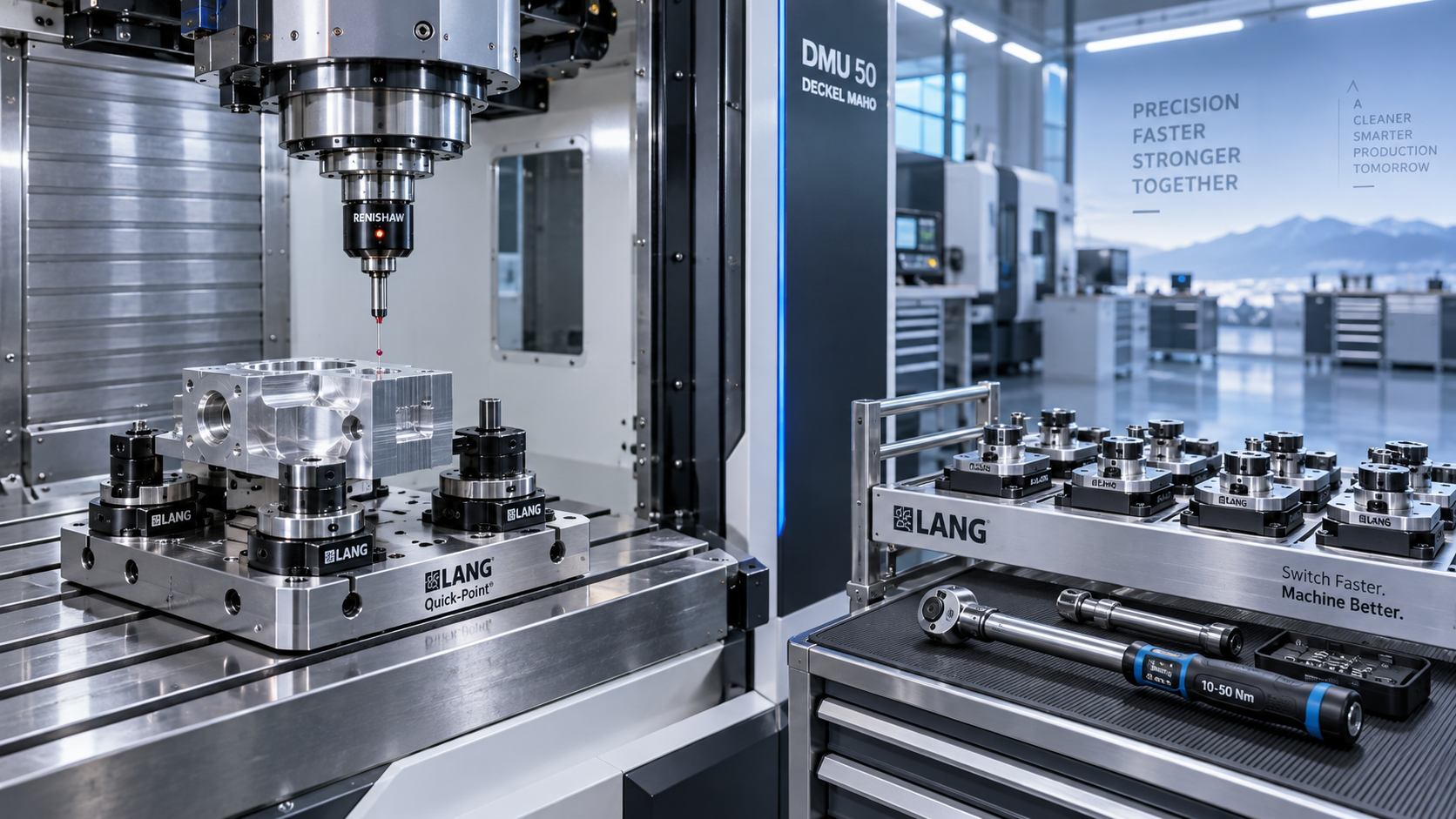
 Zero-Point Clamping or Modular Fixtures? Choosing a Faster CNC Changeover SystemCNC Machining Technology Center
 How to Cut CNC Fixture Changeover Time Without Sacrificing Part AccuracyCNC Machining Technology Center
 When Does CNC Turning Pay Off? A Break-Even Guide by Annual Part VolumeMachine Tool Industry Editorial Team
 Machine Tool Standards by Country: What Importers Must Verify Before PurchaseManufacturing Policy Research Center
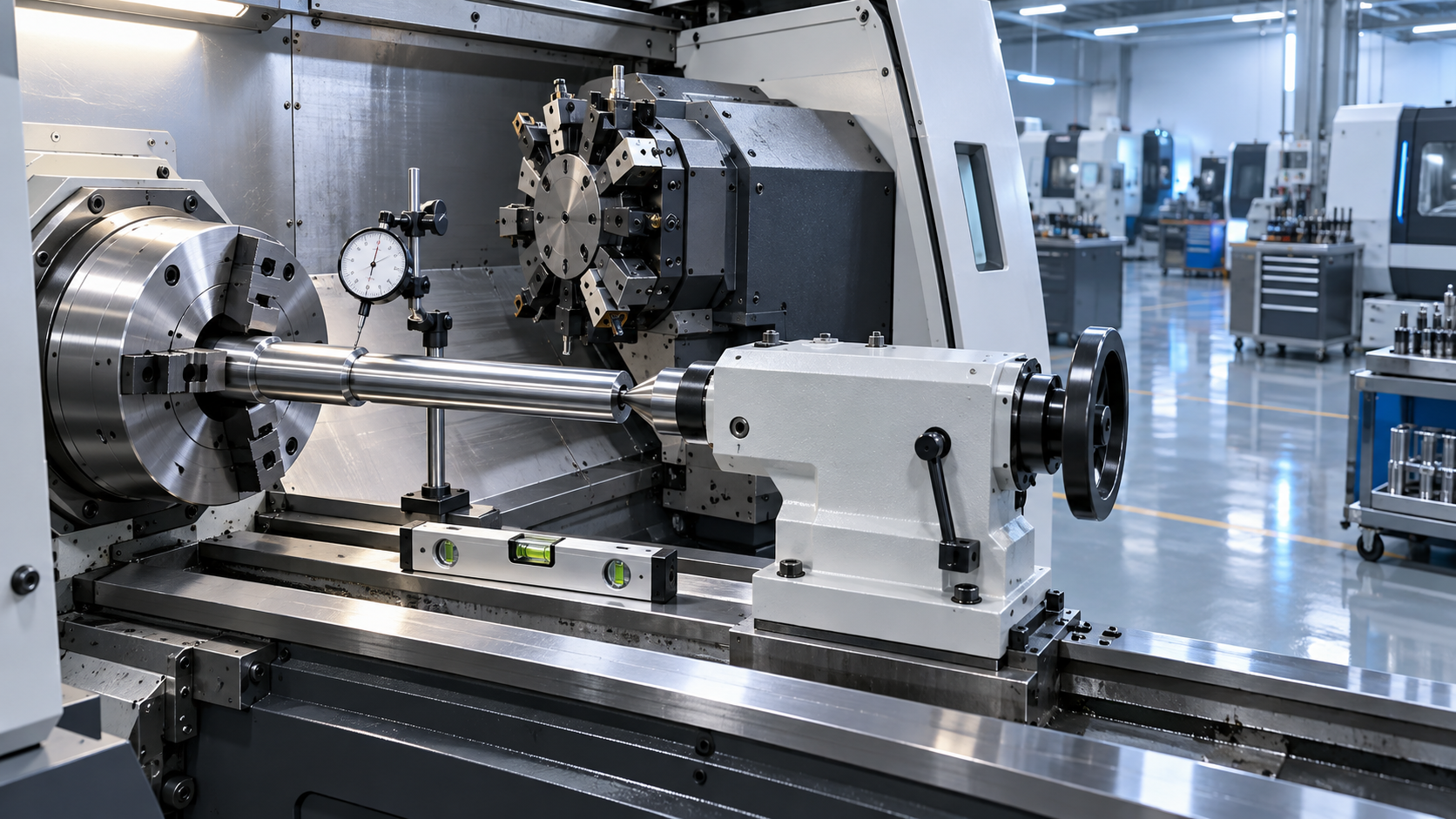
 CNC Lathe Quick Installation Guide: Alignment Checks Before First Production RunCNC Machining Technology Center

Aris Katos
Future of Carbide Coatings
15+ years in precision manufacturing systems. Specialized in high-speed milling and aerospace grade alloy processing.
▶
How Automated Precision Machining Maintains Tolerance in High-Mix ProductionCNC Machining Technology Center▶
CNC Programming Explained: From CAD Models to Reliable Shop-Floor ToolpathsCNC Machining Technology Center▶
How Multi-Axis Machining Produces Complex Components With Fewer SetupsCNC Machining Technology Center▶
How Much Does CNC Programming Software Cost in 2026?CNC Machining Technology Center▶
CNC Machining Explained: Processes, Tolerances, and Parts It Can ProduceCNC Machining Technology Center
Mastering 5-Axis Workholding Strategies
Join our technical panel on Nov 15th to learn about reducing vibrations in thin-wall components.

Providing you with integrated sanding solutions
Before-sales and after-sales services
Comprehensive technical support