• Global CNC market projected to reach $128B by 2028 • New EU trade regulations for precision tooling components • Aerospace deman
NYSE: CNC +1.2%LME: STEEL -0.4%

Common Failure Causes of Shaft Parts for Agricultural Machinery and How to Prevent Them
Common Failure Causes of Shaft Parts for Agricultural Machinery and How to Prevent Them
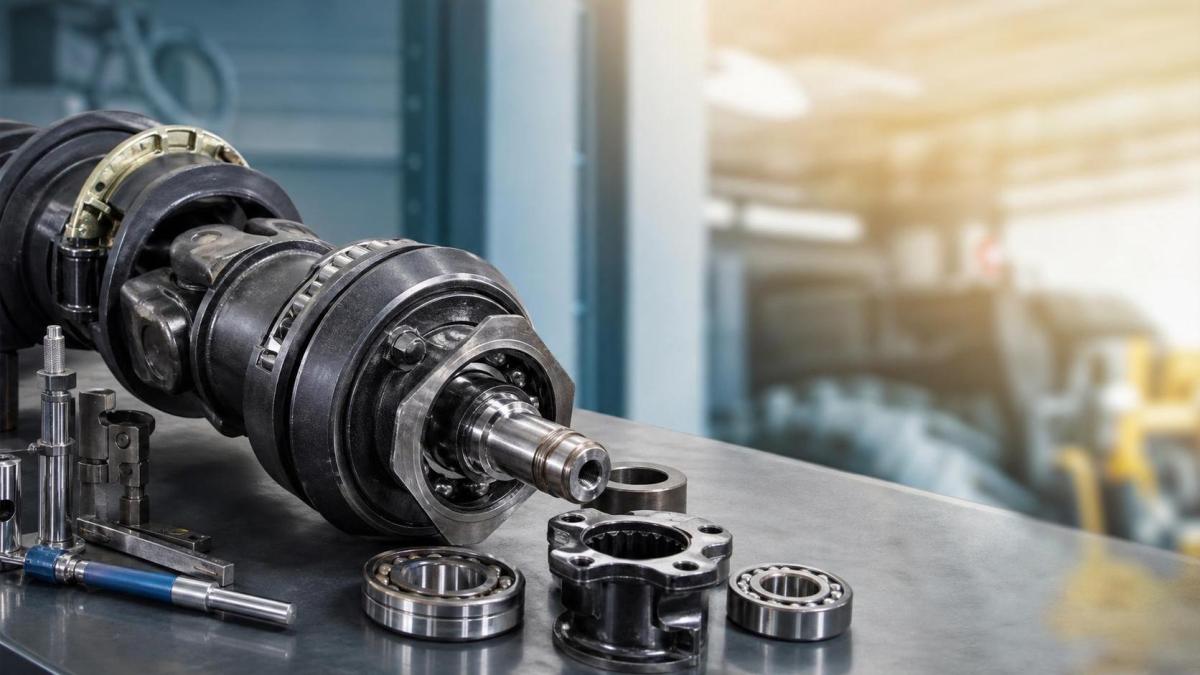
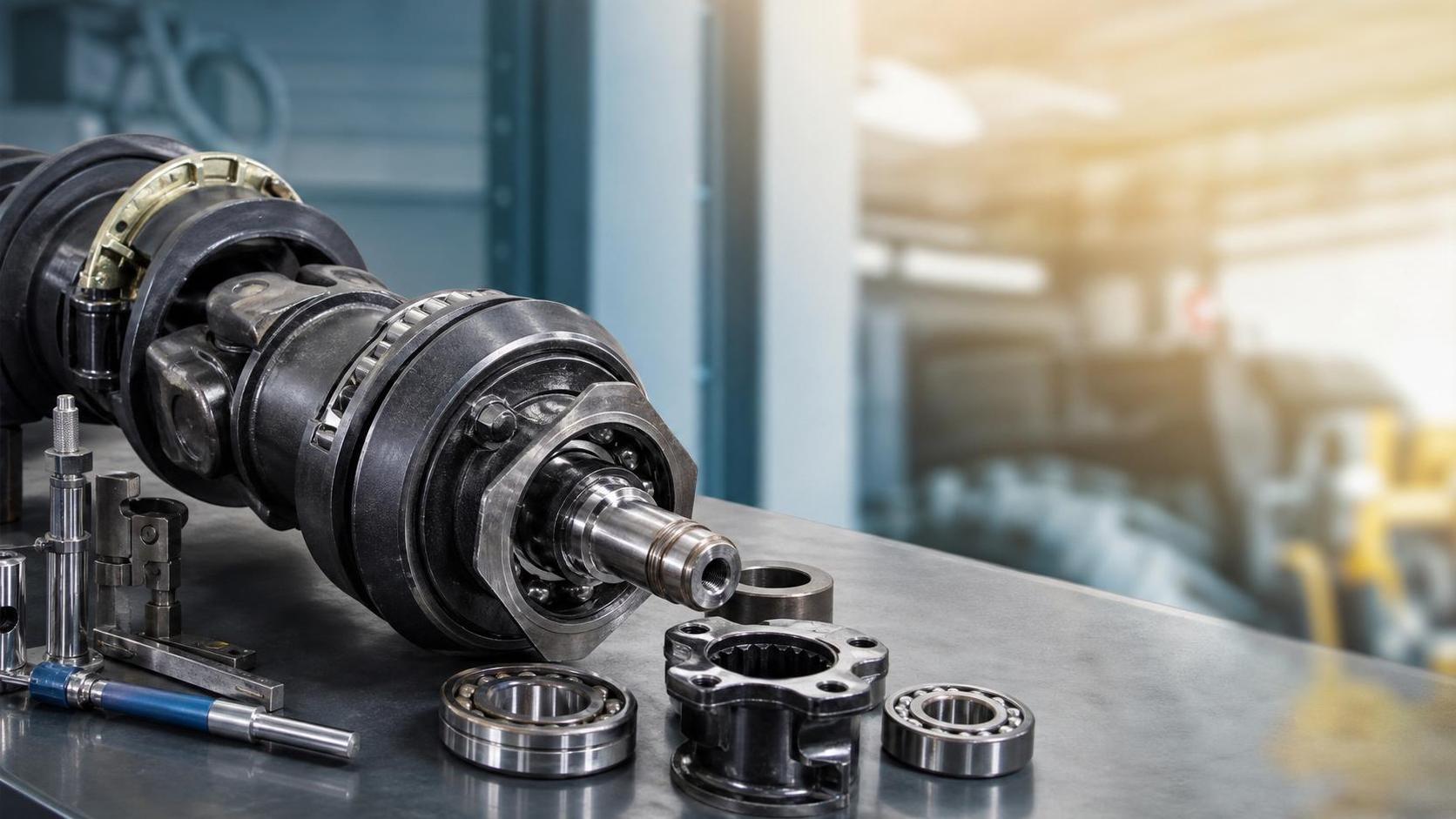
Shaft Parts for Agricultural Machinery work in one of the harshest mechanical environments found in daily equipment operation.
They face dust, mud, shock loads, moisture, crop residue, and long operating hours across changing field conditions.
That combination makes shaft failure a recurring issue, especially during peak planting and harvest periods.
In practice, most failures do not come from one single cause.
They usually result from wear, poor lubrication, misalignment, overload, corrosion, or installation errors building up over time.
For teams handling diagnosis and repair, the real priority is not only replacing damaged parts.
It is finding the root cause early enough to prevent the same failure from returning.
This article explains the most common failure causes of Shaft Parts for Agricultural Machinery and the preventive steps that actually reduce downtime.
Why Shaft Parts for Agricultural Machinery Fail So Often
Agricultural machines rarely operate under stable, clean, indoor conditions.
A shaft may run smoothly in the morning, then face wet soil, impact loading, and continuous vibration by afternoon.
More importantly, many shaft assemblies connect rotating parts that must stay aligned under variable torque.
When bearings loosen, seals leak, or couplings shift, shaft stress rises quickly.
This also means a small maintenance gap can become a major equipment failure in a short time.
From a manufacturing perspective, precision matters as much as field use.
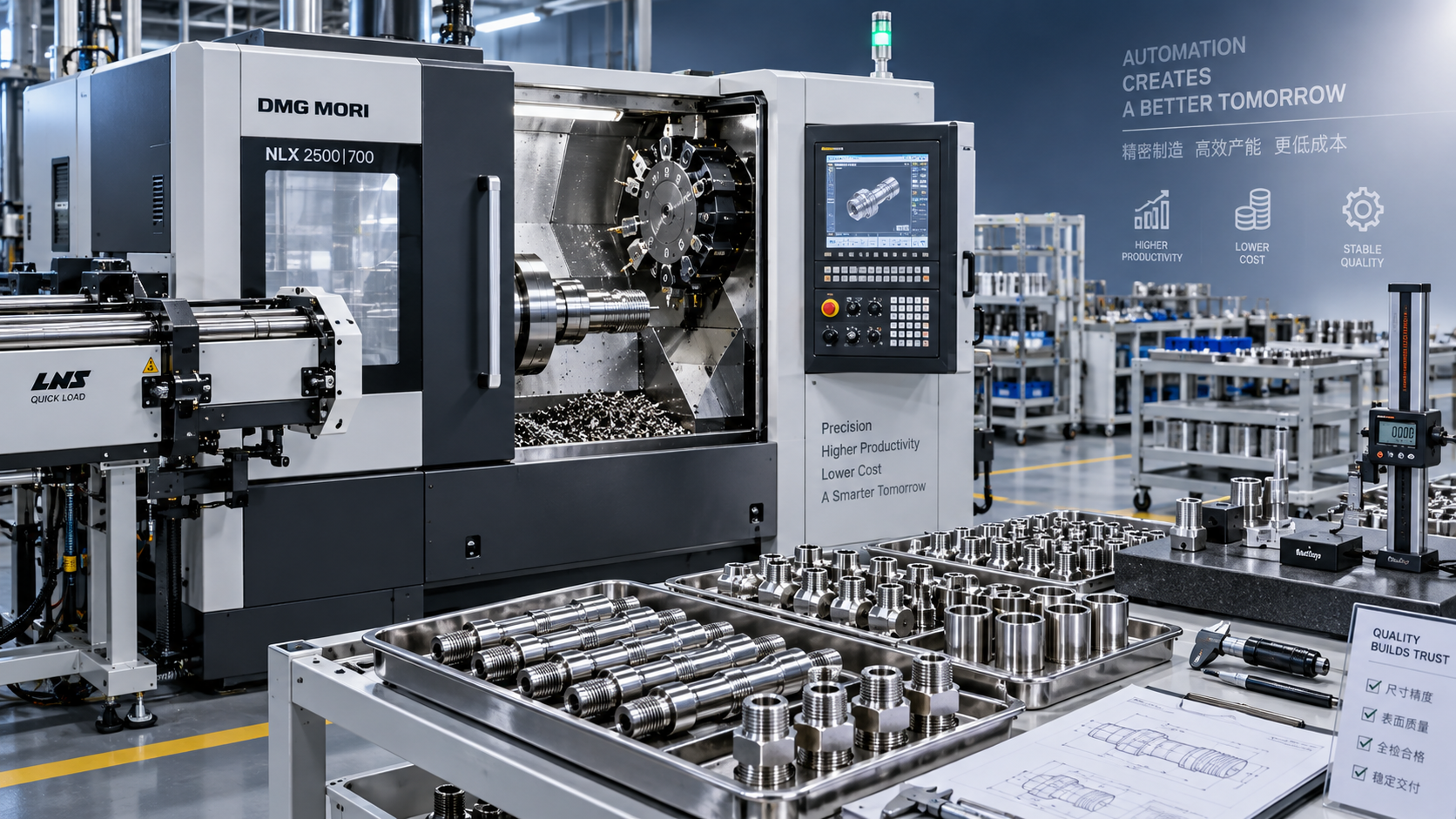
CNC lathes, machining centers, and multi-axis systems are widely used to produce shaft components with strict tolerances.
Even so, a well-machined part can still fail early if service conditions are ignored.
1. Excessive Wear from Dust, Friction, and Poor Lubrication
Wear is one of the most frequent problems seen in Shaft Parts for Agricultural Machinery.
Dust and abrasive particles often enter the shaft area through damaged seals or loose bearing housings.
Once contamination mixes with grease, it starts acting like grinding paste.
The first signs are usually surface scoring, increased noise, heat, and faster bearing degradation.
Lubrication problems make this worse.
Too little grease creates metal-to-metal contact, while too much grease may trap heat and contaminants.
In real service work, wrong lubricant type is also common.
A grease that performs well in one climate may fail under higher moisture or temperature variation.
Prevention steps
- Inspect seals and bearing covers during every scheduled service.
- Use the lubricant grade recommended for the load, speed, and weather conditions.
- Clean grease fittings before lubrication to keep contamination out.
- Track wear patterns to identify whether friction comes from contamination or misalignment.
2. Bending Caused by Overload and Impact Shock
Bent shafts are another major failure mode in Shaft Parts for Agricultural Machinery.
This usually happens when machines hit stones, dense crop masses, or hidden field obstacles.
The shaft may not break immediately.
Instead, it develops slight runout that causes vibration, bearing stress, and uneven power transmission.
Over time, that small deformation grows into fatigue cracking or coupling damage.
Overloading can also come from operator habits.
Running at unsuitable speed, forcing blocked material, or ignoring unusual vibration all increase shaft stress.
Prevention steps
- Check shaft straightness whenever abnormal vibration appears.
- Inspect connected components, because bent shafts often damage bearings, pulleys, and couplings together.
- Replace overloaded or deformed parts instead of forcing them back into service.
- Review field blockage incidents to identify repeat overload conditions.
3. Corrosion and Surface Damage in Wet or Chemical Environments
Corrosion is often underestimated because it starts slowly.
Yet for Shaft Parts for Agricultural Machinery, it can shorten service life dramatically.
Moisture, fertilizer residue, pesticides, and long outdoor storage all contribute to rust and pitting.
Once the shaft surface becomes rough, seals wear faster and bearing contact becomes unstable.
Corrosion can also hide under mounted parts.
When hubs, sleeves, or locking elements are removed, severe local damage may appear around contact areas.
Prevention steps
- Wash off fertilizer, chemical residue, and mud after operation.
- Apply protective oil or anti-corrosion coating before long storage periods.
- Store machines in dry, ventilated areas whenever possible.
- Inspect hidden contact zones during major maintenance, not only exposed shaft surfaces.
4. Improper Installation and Misalignment
Many repeat failures of Shaft Parts for Agricultural Machinery come from installation issues rather than part quality.
A shaft installed with incorrect fit, uneven tightening, or poor alignment will carry abnormal loads from the start.
This is especially common after urgent field repairs.
When time pressure is high, damaged seats, reused fasteners, or rough assembly methods are more likely.
Misalignment creates side loading.
That side loading then accelerates bearing wear, seal failure, overheating, and shaft fatigue.
What to watch during assembly
- Measure shaft diameter, housing bore, and bearing seat condition before installation.
- Use proper tools for pressing, heating, or locking parts into place.
- Follow torque values and tightening sequence for connected components.
- Confirm alignment after assembly, especially in belt, chain, and gearbox connections.
This is where precision manufacturing and maintenance connect directly.
Even high-accuracy CNC-machined shaft components need correct field installation to deliver their full service life.
5. Fatigue Cracks from Cyclic Stress and Vibration
Fatigue failure is harder to detect because it develops gradually under repeated stress cycles.
For Shaft Parts for Agricultural Machinery, vibration is a major trigger.
Cracks often start near keyways, shoulders, threads, or surface defects where stress concentration is higher.
At first, the machine may only show slight noise changes or inconsistent rotation.
Later, sudden fracture can happen without much warning.
That is why routine inspection matters more than visual checks after a breakdown.
Prevention steps
- Investigate recurring vibration instead of treating it as normal machine aging.
- Inspect high-stress areas for fine cracks during scheduled maintenance.
- Replace worn bearings and unbalanced rotating parts before they overload the shaft.
- Use maintenance records to spot repeat failures at the same shaft location.
A Practical Inspection Checklist for Faster Diagnosis
When Shaft Parts for Agricultural Machinery fail, diagnosis should be structured, not rushed.
A simple checklist helps separate root causes from secondary damage.
This kind of approach speeds up repair decisions and reduces unnecessary part replacement.
How Better Parts and Better Maintenance Work Together
Reliable Shaft Parts for Agricultural Machinery depend on both manufacturing quality and service discipline.
Modern CNC machining allows tighter tolerance control, smoother surfaces, and more consistent shaft geometry.
That improves fit, balance, and overall durability.
Still, field reliability depends on what happens after installation.
Regular lubrication, alignment checks, contamination control, and early vibration response remain essential.
The most effective maintenance strategy is usually preventive, not reactive.
When failure data is recorded consistently, patterns become easier to see.
That leads to faster troubleshooting, fewer repeat repairs, and more stable machine availability during busy seasons.
Final Takeaway
Most problems with Shaft Parts for Agricultural Machinery can be traced to a few repeat causes.
Wear, bending, corrosion, misalignment, and fatigue remain the main failure drivers across many machine types.
The good news is that each one leaves signs before complete failure happens.
By combining careful inspection, correct installation, proper lubrication, and timely replacement, service life can be extended significantly.
For anyone responsible for equipment uptime, the practical goal is simple.
Treat every shaft issue as a system signal, not just a part failure, and prevention becomes far more effective.
Recommended for You
 Can CNC Machining Inconel Control Tool Wear in High-Temperature Aerospace Parts?CNC Machining Technology Center
 Machine Tool Market Outlook: Demand Drivers, Capacity Shifts, and Investment RisksManufacturing Market Research Center
 Zero-Point Clamping or Modular Fixtures? Choosing a Faster CNC Changeover SystemCNC Machining Technology Center
 How to Cut CNC Fixture Changeover Time Without Sacrificing Part AccuracyCNC Machining Technology Center
 When Does CNC Turning Pay Off? A Break-Even Guide by Annual Part VolumeMachine Tool Industry Editorial Team
 Machine Tool Standards by Country: What Importers Must Verify Before PurchaseManufacturing Policy Research Center


Aris Katos
Future of Carbide Coatings
15+ years in precision manufacturing systems. Specialized in high-speed milling and aerospace grade alloy processing.
▶
What Should You Check When a CNC Machine Arrives at Your Factory?CNC Machining Technology Center▶
What Safety Checks Are Required for CNC Cutting Operations?CNC Machining Technology Center▶
What Are Machine Tools? Common Types, Functions, and Typical Shop ApplicationsCNC Machining Technology Center▶
CNC Industrial Machines Maintenance Checklist: How to Reduce Downtime and Tool WearCNC Machining Technology Center▶
What Is Industrial Machining? Common Processes, Materials, and Typical UsesCNC Machining Technology Center
Mastering 5-Axis Workholding Strategies
Join our technical panel on Nov 15th to learn about reducing vibrations in thin-wall components.

Providing you with integrated sanding solutions
Before-sales and after-sales services
Comprehensive technical support