• Global CNC market projected to reach $128B by 2028 • New EU trade regulations for precision tooling components • Aerospace deman
NYSE: CNC +1.2%LME: STEEL -0.4%

How do Shaft Parts defects start during machining?
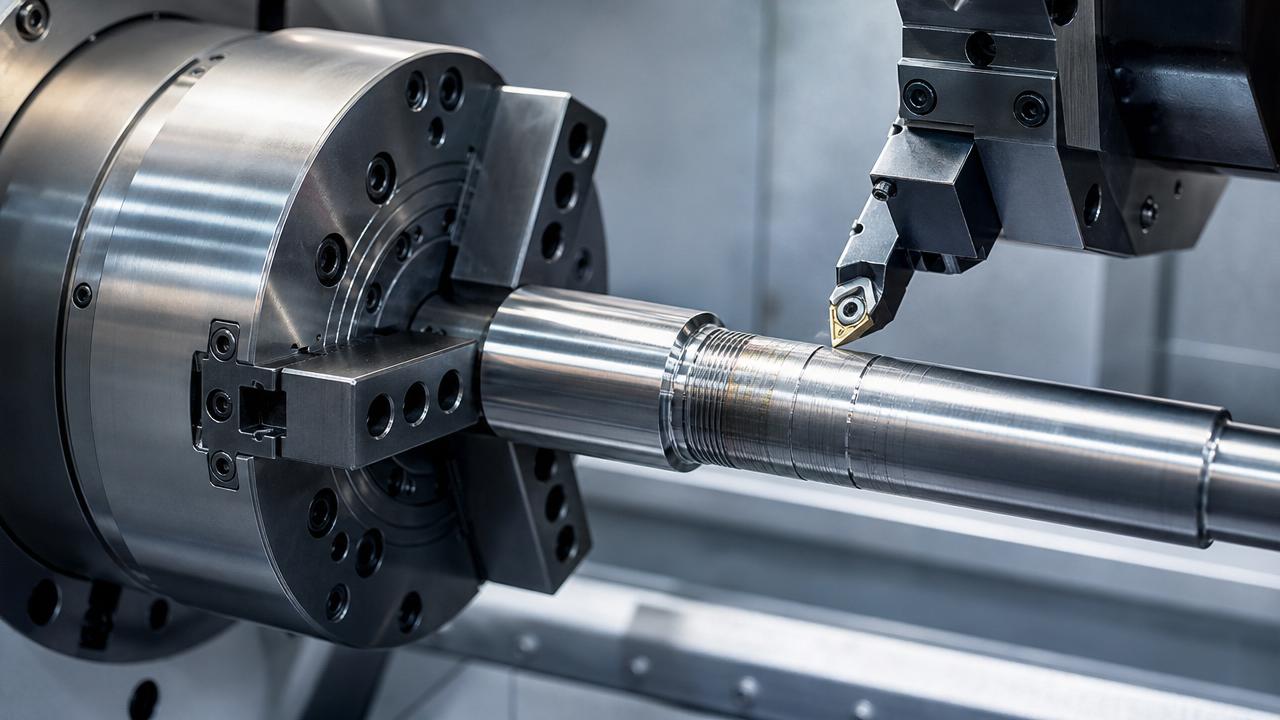
Shaft Parts defects rarely appear suddenly at final inspection. They usually begin as small machining deviations that grow across setup, cutting, handling, and measurement stages.
In modern CNC production, tighter tolerances, faster cycle times, and complex materials have increased the risk of hidden defect formation. Understanding where Shaft Parts quality starts to drift is now a critical operational issue.
This matters across automotive, aerospace, energy equipment, and electronics manufacturing. A minor runout error or surface tear can reduce assembly accuracy, noise performance, fatigue life, and field reliability.
The most effective response is not only inspection. It is early detection of process signals, better control of machining stability, and a structured method for preventing Shaft Parts defects before they spread.
Why Shaft Parts defects are appearing earlier in high-speed machining environments
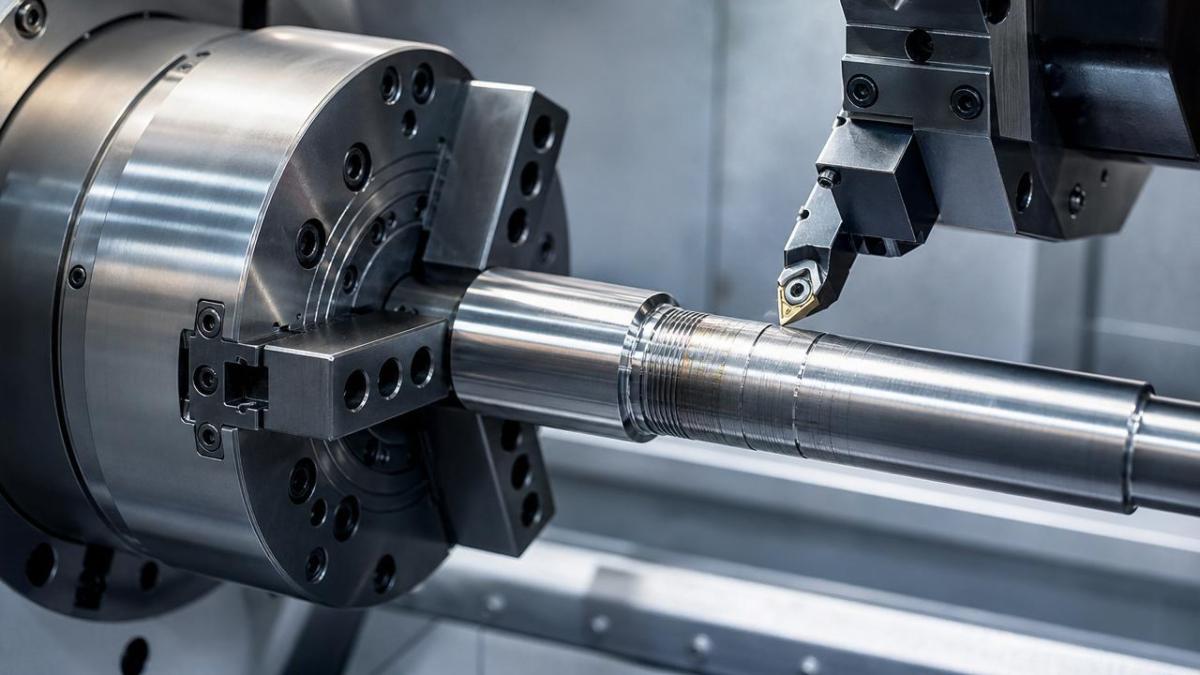
Across the CNC machine tool industry, production systems are becoming faster, more automated, and more data-driven. This improves output, but it also makes weak process links visible much sooner.
Shaft Parts are especially sensitive because they combine length, roundness, concentricity, surface finish, and balance requirements. A small error at one stage can affect several downstream characteristics.
Higher spindle speeds, lighter fixtures, and harder materials can amplify vibration and thermal movement. As a result, defect initiation now often starts during
PREVIOUS ARTICLE
NEXT ARTICLE
Recommended for You
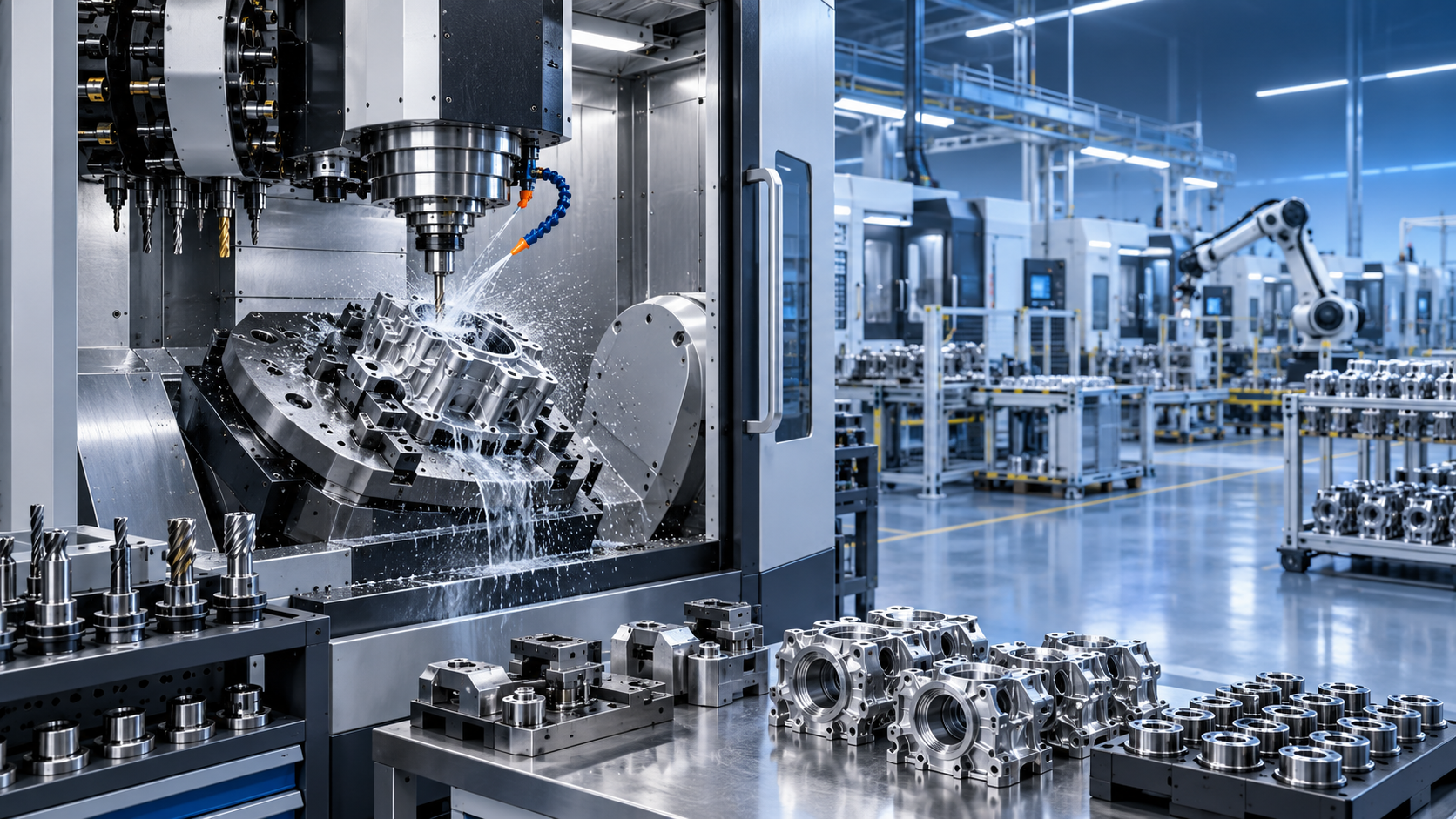
 Manufacturing Technology Trends That Improve Throughput and Quality ControlManufacturing Market Research Center
 How to Design Cost-Effective Fixtures That Maintain Cycle Time in Mass ProductionCNC Machining Technology Center
 Is Learning CNC Programming Worth It for Shop Owners Seeking Higher Margins?CNC Machining Technology Center
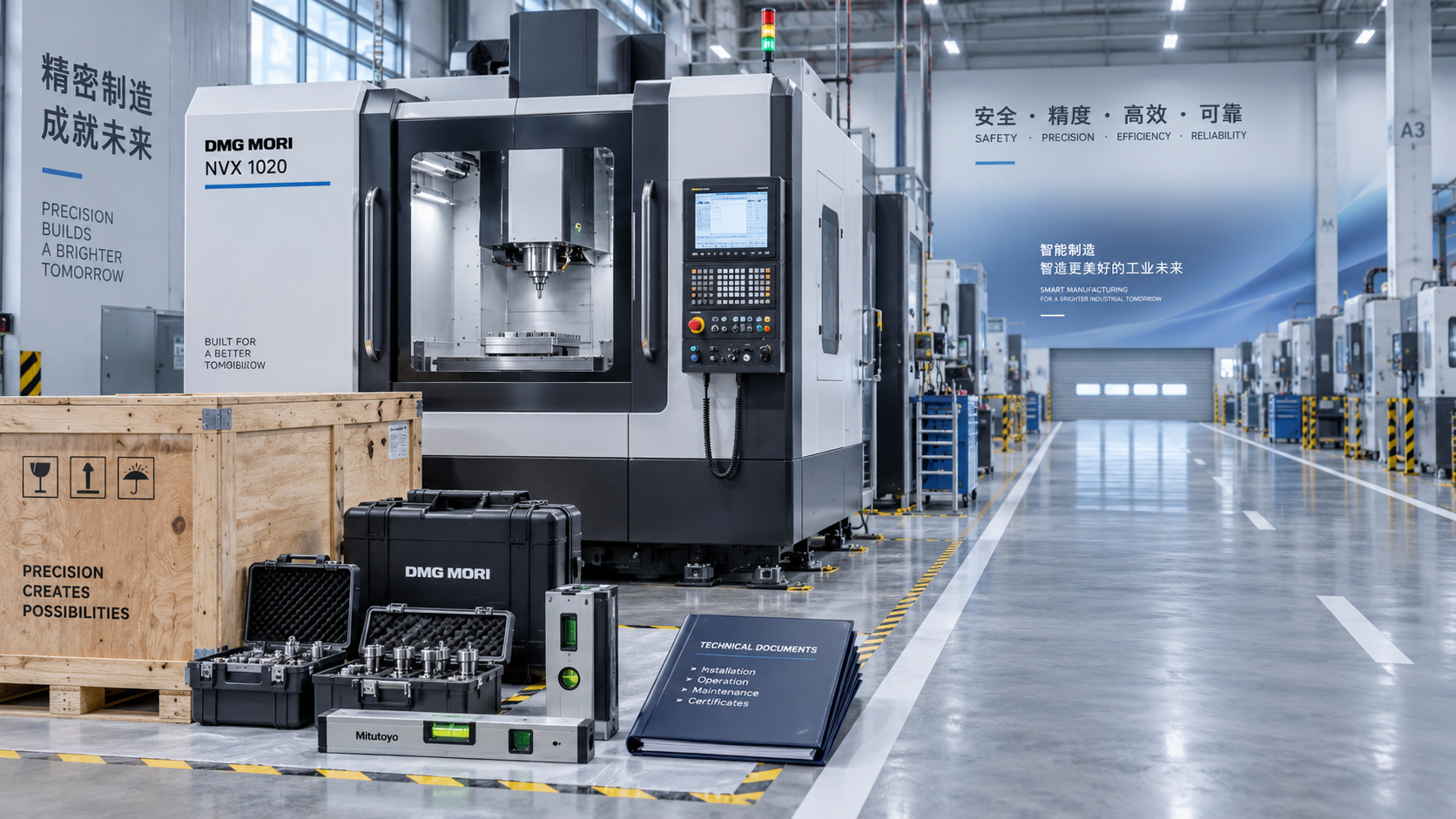
 CNC Machine Arrival Inspection: Check Shipping Damage, Accuracy, Safety, and DocumentsCNC Machining Technology Center
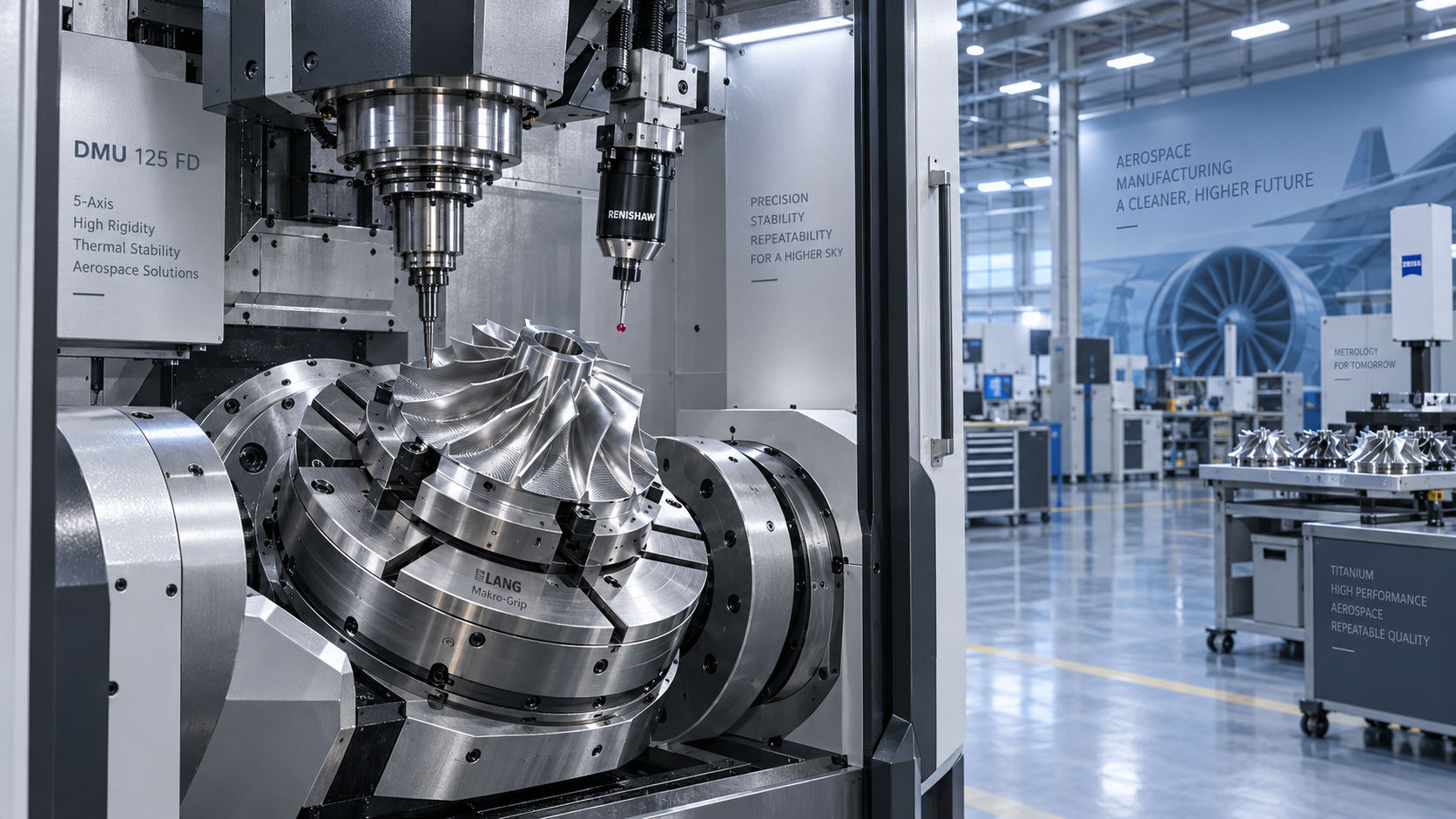
 How to Select a Machine Tool for Aerospace Parts with Tight Tolerances?Machine Tool Industry Editorial Team
 How to Select CNC Equipment for High-Mix, Low-Volume ProductionCNC Machining Technology Center

Aris Katos
Future of Carbide Coatings
15+ years in precision manufacturing systems. Specialized in high-speed milling and aerospace grade alloy processing.
▶
How Does Precision Machining Differ From Standard Machining?CNC Machining Technology Center▶
CNC Precision: Which Tolerances, Materials, and Processes Fit Your Part?CNC Machining Technology Center▶
How to Choose Metal Machining Processes for Tight Tolerances and Production VolumeCNC Machining Technology Center▶
Production Process Explained: Key Stages, Controls, and Quality CheckpointsCNC Machining Technology Center▶
How to Select a Machine Tool for Electronics Manufacturing with Tight Tolerance NeedsCNC Machining Technology Center
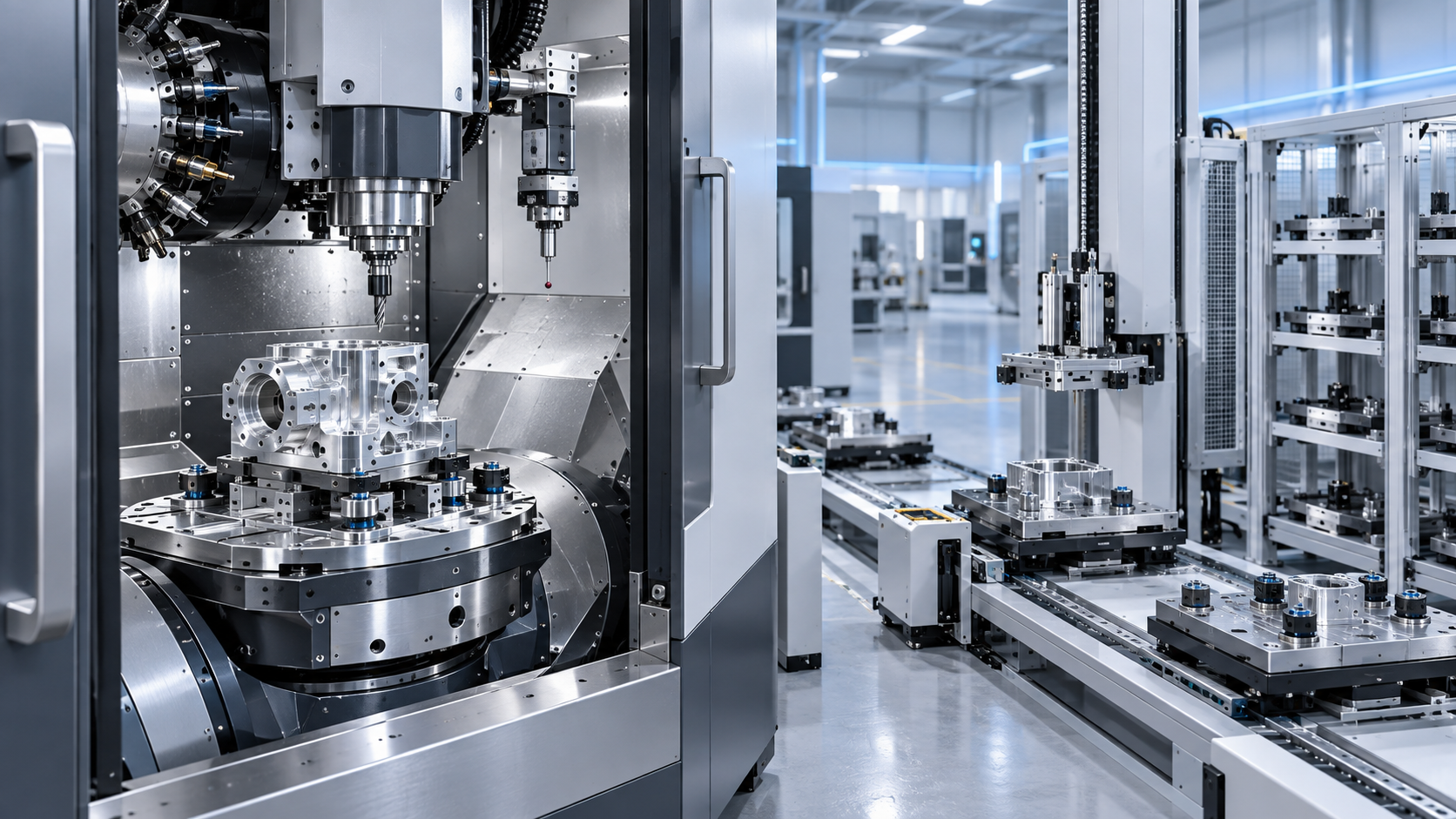
Mastering 5-Axis Workholding Strategies
Join our technical panel on Nov 15th to learn about reducing vibrations in thin-wall components.

Providing you with integrated sanding solutions
Before-sales and after-sales services
Comprehensive technical support