• Global CNC market projected to reach $128B by 2028 • New EU trade regulations for precision tooling components • Aerospace deman
NYSE: CNC +1.2%LME: STEEL -0.4%

Metal Processing Methods Explained: Cutting, Forming, Casting, and Finishing Differences
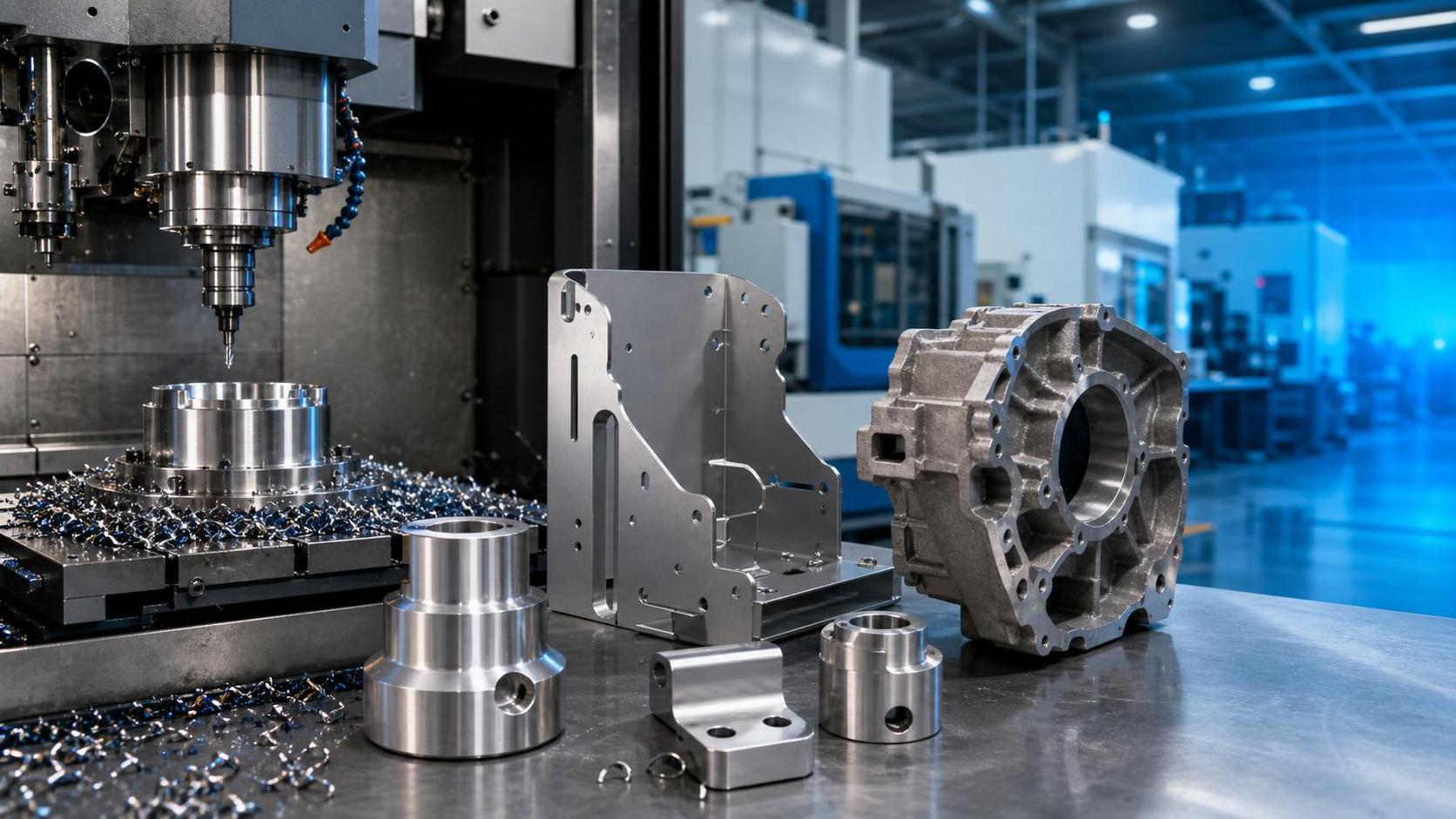
Metal Processing sits at the center of industrial production, yet the term covers very different manufacturing routes. Cutting, forming, casting, and finishing do not simply describe workshop steps. They define how a part gains its shape, tolerance, surface condition, and economic value.
That distinction matters more today because CNC machining, automated lines, and digital quality control have raised expectations across automotive, aerospace, electronics, and energy equipment. When production targets include accuracy, repeatability, and speed, choosing the right Metal Processing method becomes a technical and commercial decision at the same time.
Why the differences between methods matter
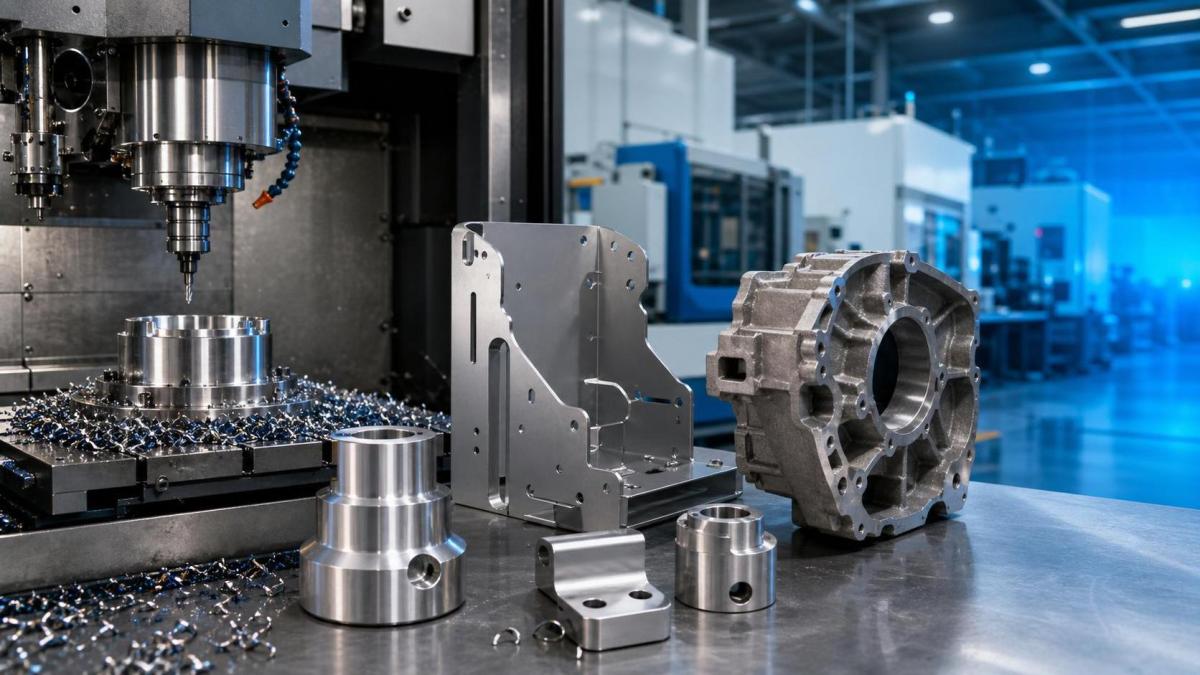
A metal component rarely begins and ends with one process. A housing may be cast first, machined later, and finished at the end. A bracket may be formed from sheet metal, then trimmed and coated.
In other words, Metal Processing is best understood as a sequence of possible value-adding steps. Each step changes material behavior, manufacturing cost, lead time, scrap rate, and final performance.
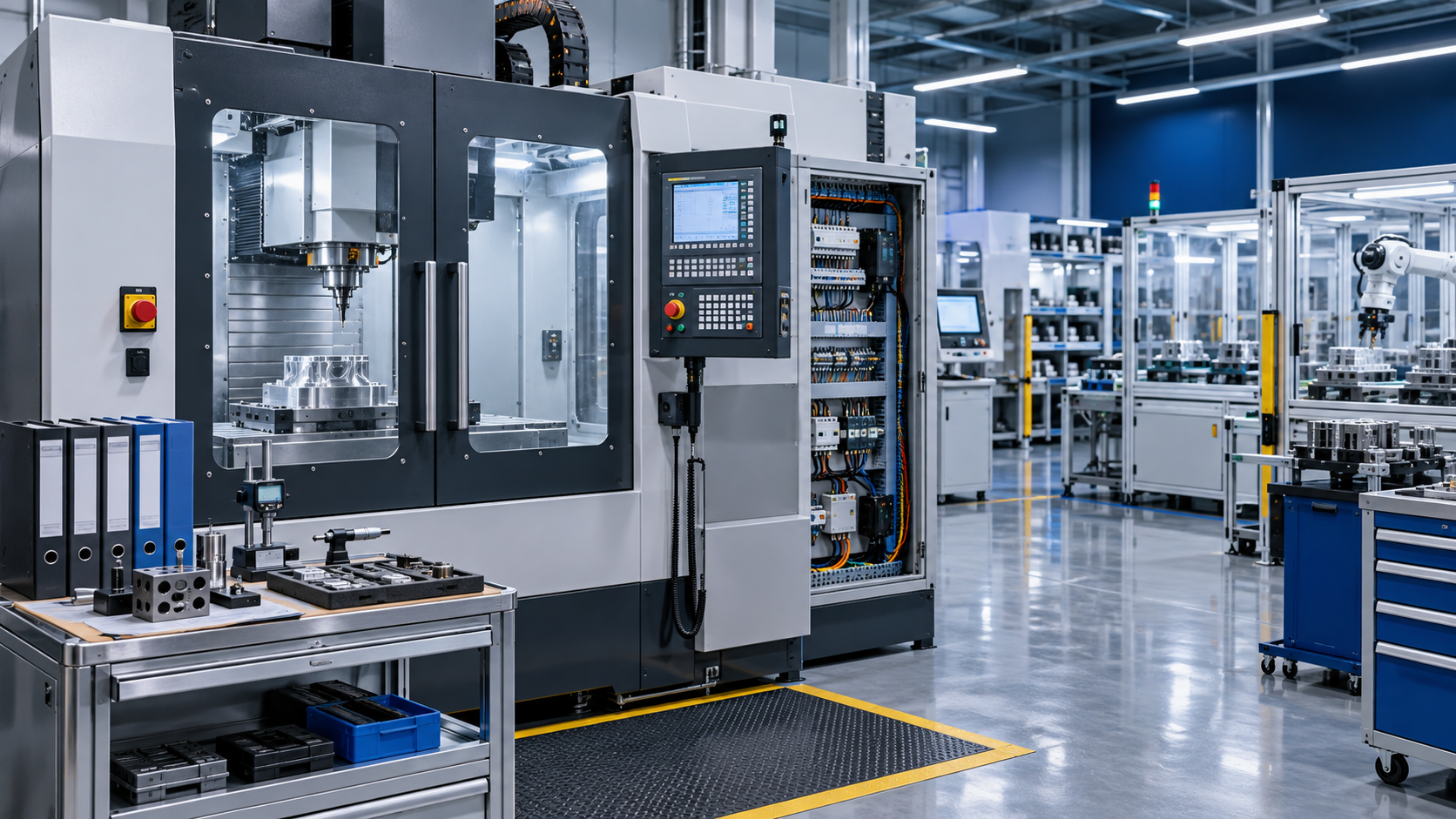
This is also why method selection is closely tied to machine tool development. High-speed machining centers, CNC lathes, multi-axis systems, robotic handling, and smart inspection equipment have expanded what can be produced accurately and at scale.
Cutting creates geometry through material removal
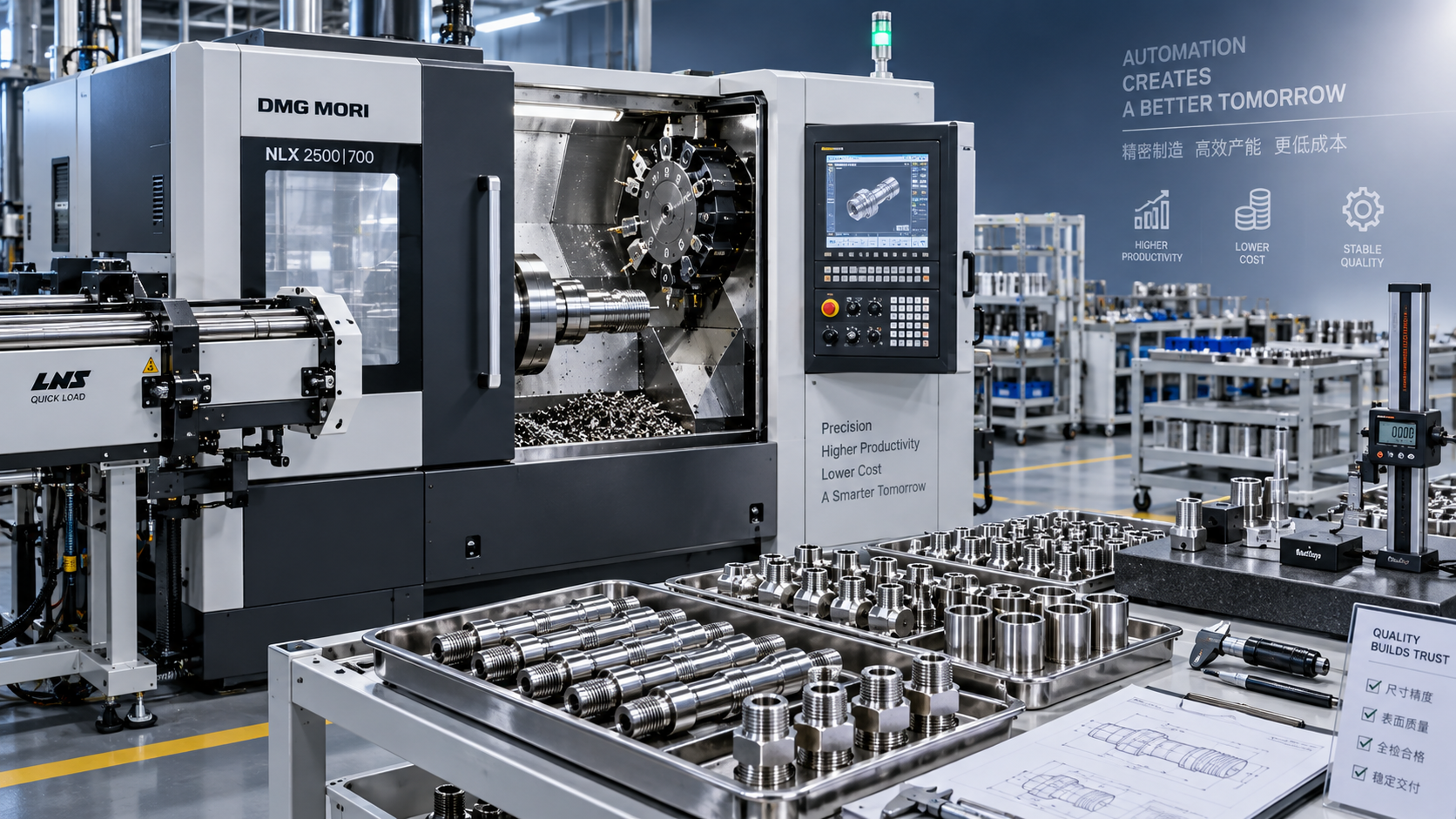
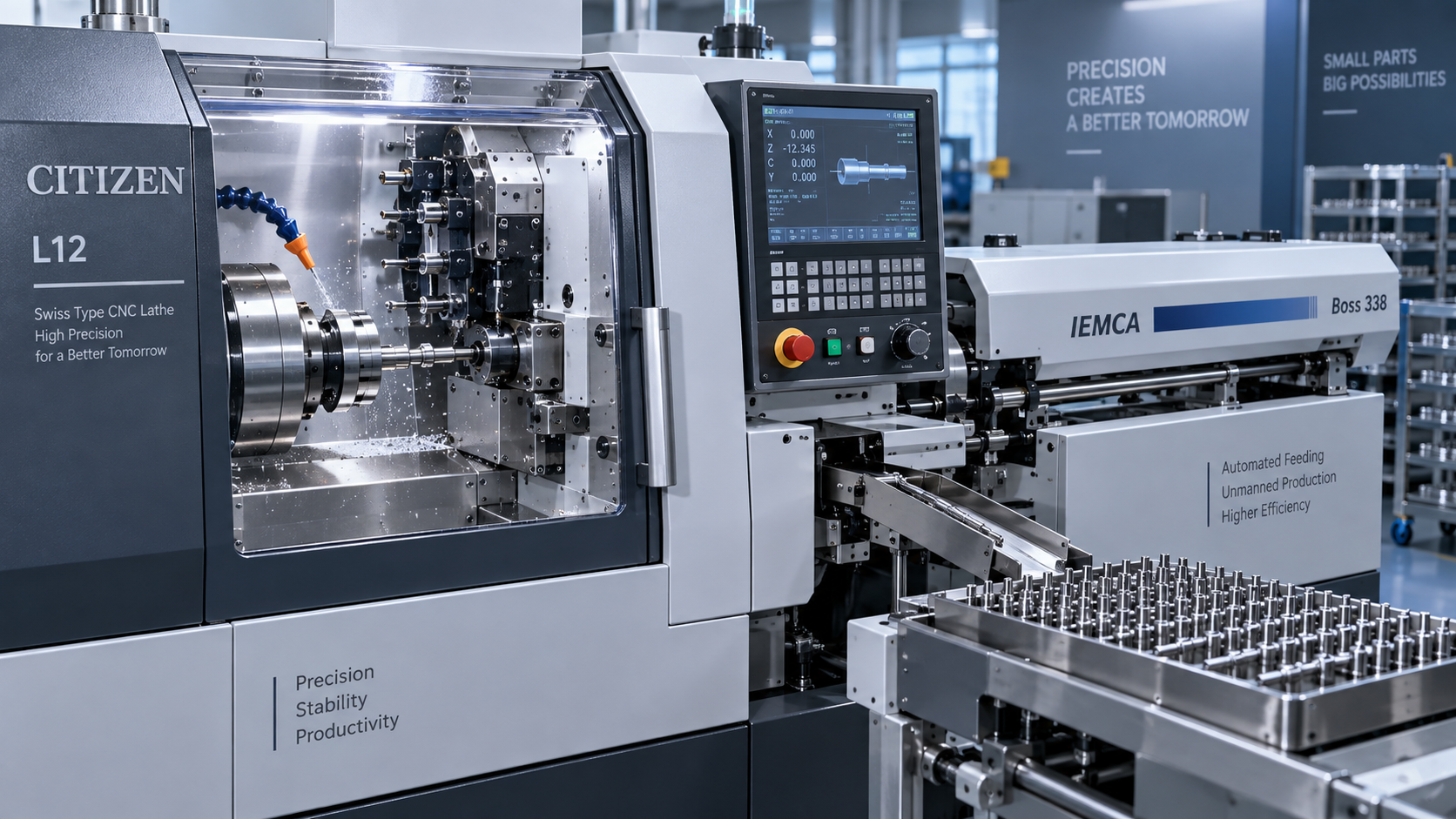
Cutting removes unwanted material to create the required shape. Common examples include turning, milling, drilling, grinding, laser cutting, and waterjet cutting.
Within modern Metal Processing, cutting is often the route chosen when dimensional accuracy is critical. Complex shaft parts, precision discs, mold components, and structural features are typical candidates.
Where cutting performs best
CNC-based cutting is highly effective for tight tolerances, repeatable batches, and complex contours. It is especially valuable when a design includes holes, threads, pockets, shoulders, or mating surfaces.
It also fits well with digital manufacturing systems. Tool paths can be optimized, tool wear can be tracked, and inspection data can feed back into process control.
Limits to keep in mind
Cutting usually wastes more material than near-net-shape routes. Cycle time can also rise when deep cavities, hard alloys, or mirror-level finishes are required.
Simple parts made in very high volumes may not justify extensive machining. In those cases, cutting often works better as a secondary operation than a primary shaping method.
Forming changes shape without removing much material
Forming reshapes metal through force rather than subtraction. Stamping, bending, forging, rolling, extrusion, and deep drawing all fall under this category.
In practical Metal Processing, forming is attractive because it uses raw material efficiently. It can also improve mechanical properties, especially in processes such as forging, where grain flow supports strength.
Typical business and production value
Forming is often the preferred route for brackets, panels, frames, fasteners, and structural parts produced in medium or high volumes. Once tooling is established, unit cost can drop significantly.
This matters in sectors where production lines demand stable output and consistent geometry. Automotive body parts and appliance housings are familiar examples, but energy and electronics hardware also rely on formed components.
What changes the decision
Tooling investment is the main trade-off. Dies, molds, and forming tools can be expensive and time-consuming to validate. Design changes after tooling release may also be costly.
Material springback, thickness variation, and forming limits must be anticipated early. If not, downstream machining or rework can erase the cost advantage.
Casting builds shape from molten metal
Casting creates parts by pouring molten metal into a mold. Sand casting, die casting, investment casting, and permanent mold casting serve different scales, alloys, and geometry demands.
Among Metal Processing methods, casting is particularly useful for complex internal cavities, heavy sections, and shapes that would be inefficient to machine from solid stock.
Why casting remains relevant
Machine tool progress has not replaced casting. Instead, it has made casting more valuable as a precursor. Many pump bodies, valve housings, engine components, and machine bases are cast first and machined later.
That hybrid route balances shape efficiency with precision. A foundry creates the near-final form, while CNC systems finish the surfaces and interfaces that require exact tolerances.
Common concerns
Casting quality depends heavily on mold design, cooling control, alloy behavior, and defect management. Porosity, shrinkage, inclusions, and distortion can affect yield and downstream machining stability.
For that reason, Metal Processing decisions should not treat casting as a low-cost shortcut by default. Process control and inspection are essential to make the economics work.
Finishing shapes performance after the part is made
Finishing includes treatments that improve surface quality, corrosion resistance, appearance, friction behavior, or dimensional refinement. Examples include polishing, deburring, coating, anodizing, plating, heat treatment, and shot blasting.
In many cases, finishing is where a metal part becomes application-ready. A component may be dimensionally correct before finishing, yet still fail if its wear resistance, cleanliness, or coating adhesion is inadequate.
Why finishing deserves earlier attention
Finishing is often treated as the last step, but its requirements should influence earlier process choices. Surface roughness from cutting, residual stress from forming, and skin defects from casting all affect finishing results.
This is especially important in electronics, medical-adjacent hardware, and export-oriented industrial goods, where coating quality and visual consistency influence both compliance and market acceptance.
A practical comparison of the four routes
A simple comparison helps clarify where each Metal Processing method usually fits.
The table is useful as a starting point, but real projects often combine methods. The strongest outcomes usually come from matching the process chain to part function, volume, and tolerance priorities.
How these methods fit modern CNC-driven manufacturing
The machine tool sector has shifted from stand-alone equipment to integrated production systems. That change affects Metal Processing decisions in a direct way.
For example, a casting line linked with CNC machining centers and automated inspection can produce complex parts with better consistency than isolated workshops. The same applies to sheet metal cells that combine forming, cutting, robotic transfer, and finishing.
Global manufacturing clusters in China, Germany, Japan, and South Korea have shown how process integration improves competitiveness. Precision no longer depends only on a machine. It depends on tooling, data, fixture design, automation, and quality feedback.
This is one reason industry researchers now track not only production capacity, but also digital integration, flexible line design, and supplier capability across the entire Metal Processing chain.
What to evaluate before choosing a method
A useful evaluation framework is to compare process options against the part’s actual requirements rather than against habit or headline cost.
- Check geometry complexity, especially internal cavities, thin walls, and critical interfaces.
- Review tolerance and surface demands separately, because not every feature needs the same precision level.
- Estimate production volume early, since tooling-heavy methods depend on scale.
- Consider material behavior, including hardness, ductility, thermal response, and post-process stability.
- Look at the full route, including fixturing, inspection, finishing, and rework risk.
- Compare supplier capability in process control, not only equipment lists.
Usually, the best Metal Processing choice is not the method with the lowest quoted price. It is the route that reaches specification with stable output and manageable downstream cost.
Where to go next with Metal Processing decisions
A clear next step is to map one representative part across all four methods and identify where value is really created. That exercise often reveals whether precision should come from machining, shape efficiency from casting or forming, or durability from finishing.
It also helps to follow machine tool trends alongside process trends. Advances in multi-axis machining, robotic loading, digital inspection, and flexible automation continue to reshape what practical Metal Processing looks like in global manufacturing.
For deeper evaluation, compare parts by geometry, batch size, material, and quality risk. Once those factors are organized, the differences between cutting, forming, casting, and finishing become easier to judge in a realistic business context.
Recommended for You
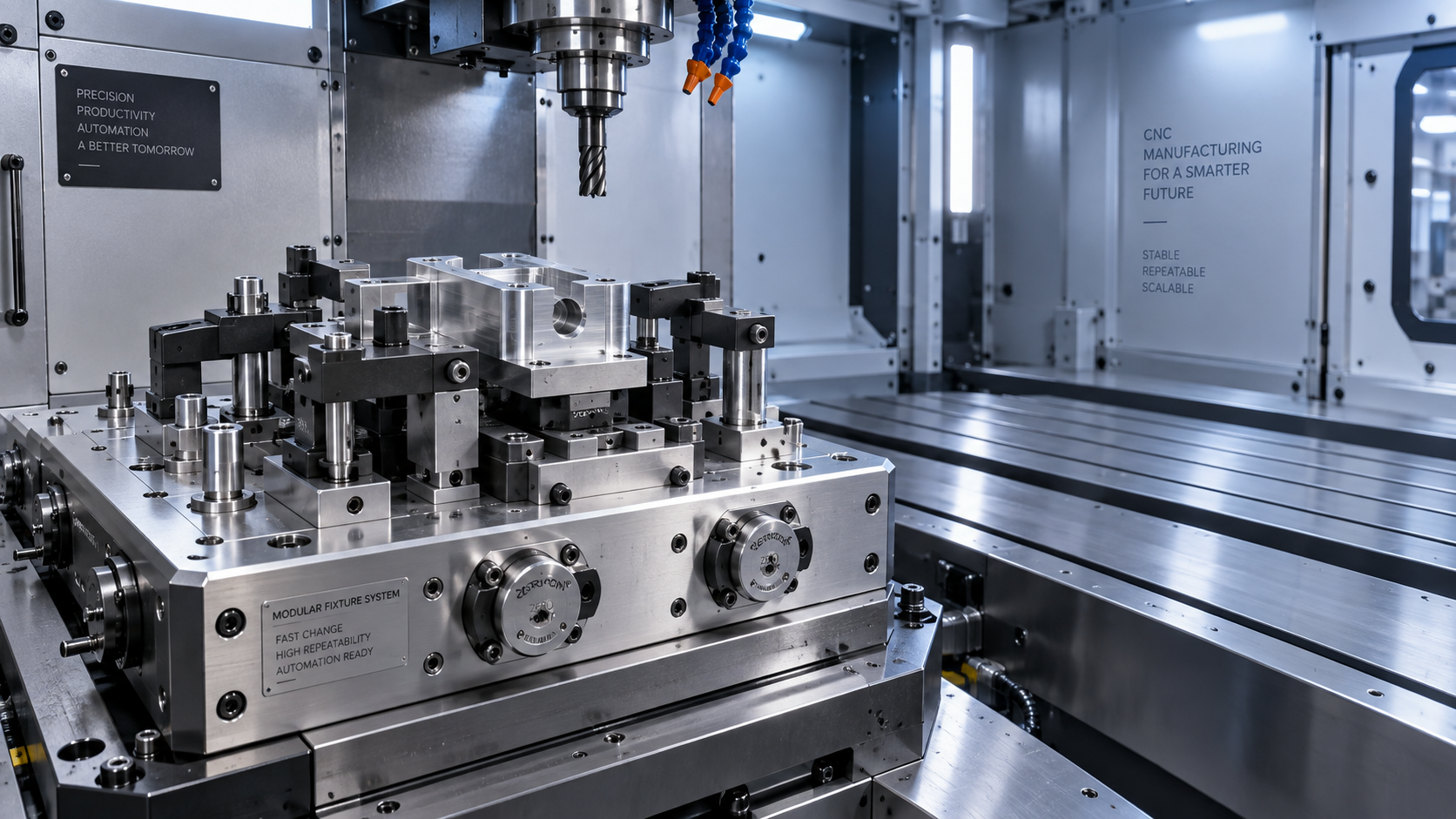
 Zero-Point Clamping or Modular Fixtures? Choosing a Faster CNC Changeover SystemCNC Machining Technology Center
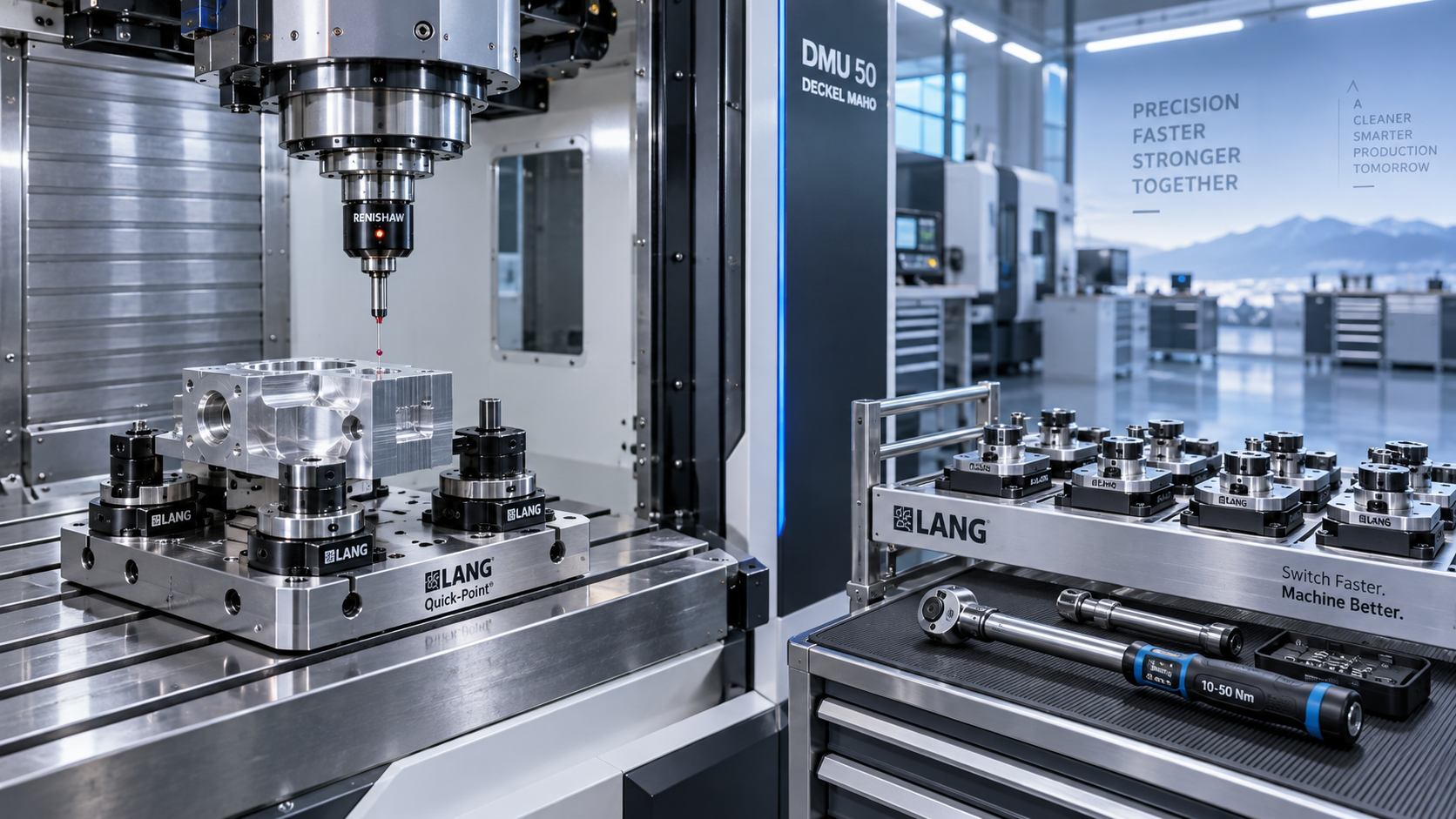
 How to Cut CNC Fixture Changeover Time Without Sacrificing Part AccuracyCNC Machining Technology Center
 When Does CNC Turning Pay Off? A Break-Even Guide by Annual Part VolumeMachine Tool Industry Editorial Team
 Machine Tool Standards by Country: What Importers Must Verify Before PurchaseManufacturing Policy Research Center
 CNC Lathe Quick Installation Guide: Alignment Checks Before First Production RunCNC Machining Technology Center
 How to Select a CNC Lathe for Small Parts Without Sacrificing Accuracy or Cycle TimeCNC Machining Technology Center

Aris Katos
Future of Carbide Coatings
15+ years in precision manufacturing systems. Specialized in high-speed milling and aerospace grade alloy processing.
▶
How Does Precision Machining Differ From Standard Machining?CNC Machining Technology Center▶
CNC Precision: Which Tolerances, Materials, and Processes Fit Your Part?CNC Machining Technology Center▶
How to Choose Metal Machining Processes for Tight Tolerances and Production VolumeCNC Machining Technology Center▶
Production Process Explained: Key Stages, Controls, and Quality CheckpointsCNC Machining Technology Center▶
How to Select a Machine Tool for Electronics Manufacturing with Tight Tolerance NeedsCNC Machining Technology Center
Mastering 5-Axis Workholding Strategies
Join our technical panel on Nov 15th to learn about reducing vibrations in thin-wall components.

Providing you with integrated sanding solutions
Before-sales and after-sales services
Comprehensive technical support