• Global CNC market projected to reach $128B by 2028 • New EU trade regulations for precision tooling components • Aerospace deman
NYSE: CNC +1.2%LME: STEEL -0.4%

Precision Machining Explained: Tolerances, Surface Finish, and Best-Fit Applications
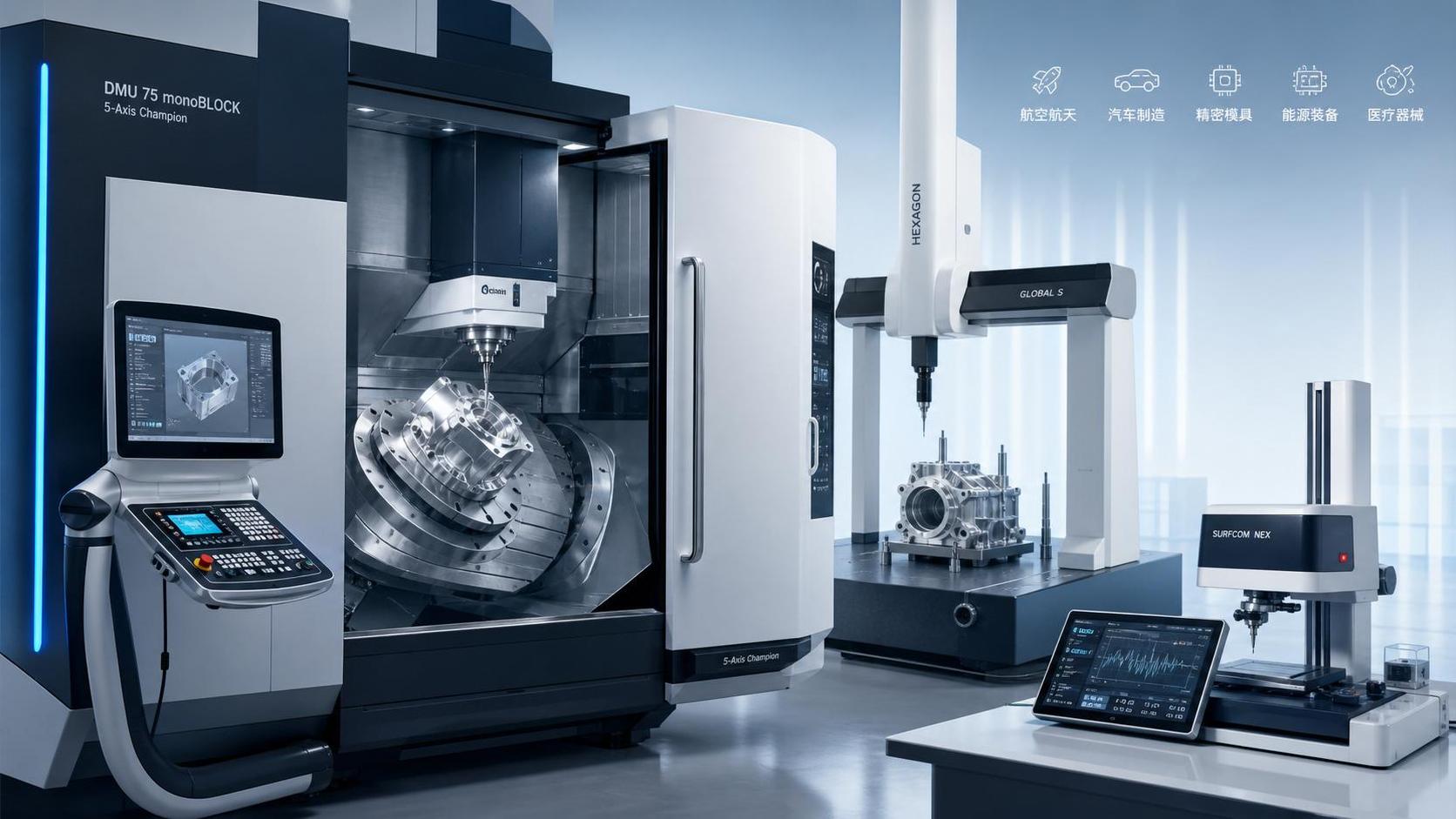
Precision Machining sits at the center of modern manufacturing because it turns digital design intent into repeatable physical accuracy. When tolerances tighten, surfaces must perform, and production scales across industries, machining decisions stop being routine and start shaping quality, reliability, and cost.
That is why the topic matters well beyond machine shops. In automotive systems, aerospace structures, energy equipment, and electronics production, the value of Precision Machining lies in how well it balances dimensional control, process stability, material behavior, and application fit.
Why precision matters more now
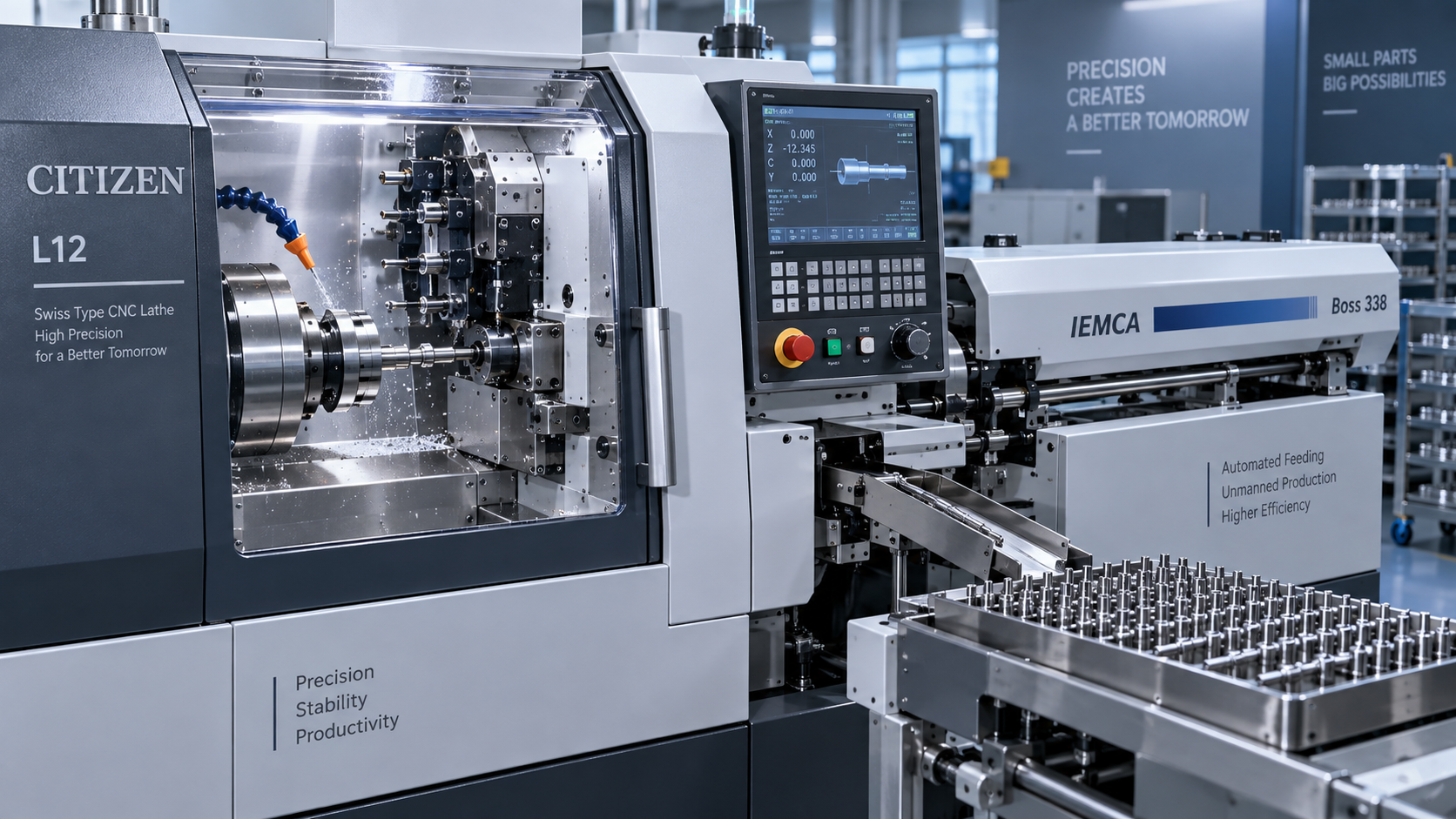
Global manufacturing is moving toward tighter process integration. CNC lathes, machining centers, and multi-axis systems now operate inside automated lines, digital quality loops, and smarter factory environments.
In that setting, Precision Machining is no longer judged only by whether a part can be made. It is judged by consistency across batches, tool life, inspection burden, machine utilization, and how smoothly the part moves into assembly.
This shift is especially visible in countries with strong machine tool clusters, including China, Germany, Japan, and South Korea. Competition now depends on precision capability, automation maturity, and the ability to support international supply chains.
A practical view of Precision Machining
At a basic level, Precision Machining means removing material under controlled conditions to achieve exact geometry, predictable surface quality, and repeatable functional performance.
That sounds straightforward, but three variables usually decide success: tolerance, surface finish, and process suitability. These do not act independently. Changing one often affects the others.
A tighter tolerance may require slower feeds, more stable fixturing, thermal control, or secondary finishing. A finer surface finish may call for different tooling, cutting parameters, or a change in machining sequence.
In real production, Precision Machining is therefore less about chasing the smallest number and more about matching capability to functional need without creating unnecessary complexity.
Tolerances define function, not just accuracy
Tolerance is the allowed variation from a nominal dimension. It determines how precisely a feature must be produced to ensure fit, motion, sealing, balance, or alignment.
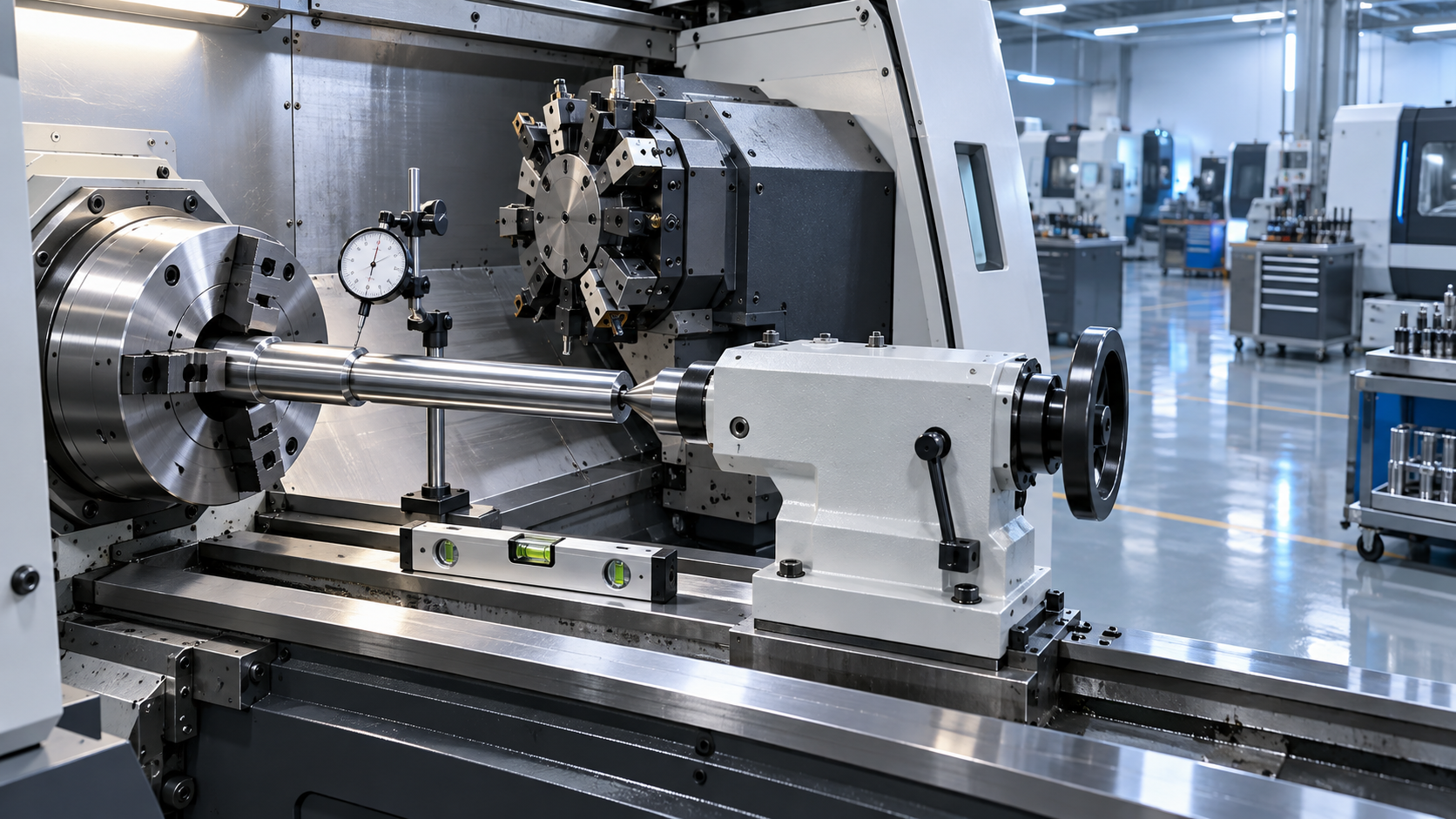
In shafts, bearing seats, valve components, and mating housings, a small dimensional drift can create vibration, leakage, heat buildup, or shortened service life. That is where Precision Machining delivers measurable value.
Still, tighter is not always better. Over-specifying tolerances raises cycle time, scrap risk, tool wear, and inspection cost. It can also narrow supplier options without improving part performance.
A useful evaluation starts with function-critical features. Then it separates those from dimensions that can accept wider variation. This approach keeps Precision Machining focused where it matters most.
Common tolerance drivers
- Assembly interfaces where parts must locate or mate without force.
- Rotating features that affect concentricity, balance, and wear.
- Sealing surfaces that influence leakage and pressure stability.
- Thermal or load-bearing regions where deformation must remain predictable.
Surface finish affects more than appearance
Surface finish is often discussed as a visual quality, but its functional role is much broader. It influences friction, fatigue behavior, coating adhesion, corrosion response, and sealing performance.
For example, hydraulic parts may need controlled roughness to support sealing. Electronic housings may need smooth, consistent faces for thermal interfaces. Aerospace components may need finishes that reduce stress concentration.
Precision Machining creates these outcomes through stable cutting conditions, tool geometry, machine rigidity, and appropriate finishing paths. Material also matters. Aluminum, stainless steel, titanium, and hardened steel respond differently.
A refined finish should always be linked to use. If a cosmetic face, sliding contact zone, or sealing land requires it, the requirement is justified. If not, it may simply add cost.
Surface decisions usually depend on
- Contact type, such as sliding, sealing, or static support.
- Material hardness and chip formation behavior.
- Post-processing needs, including coating, polishing, or heat treatment.
- Inspection method and roughness measurement requirements.
Best-fit applications across industries
Not every part needs the same level of Precision Machining. The best-fit application is usually one where geometry, consistency, and performance risk justify tighter process control.
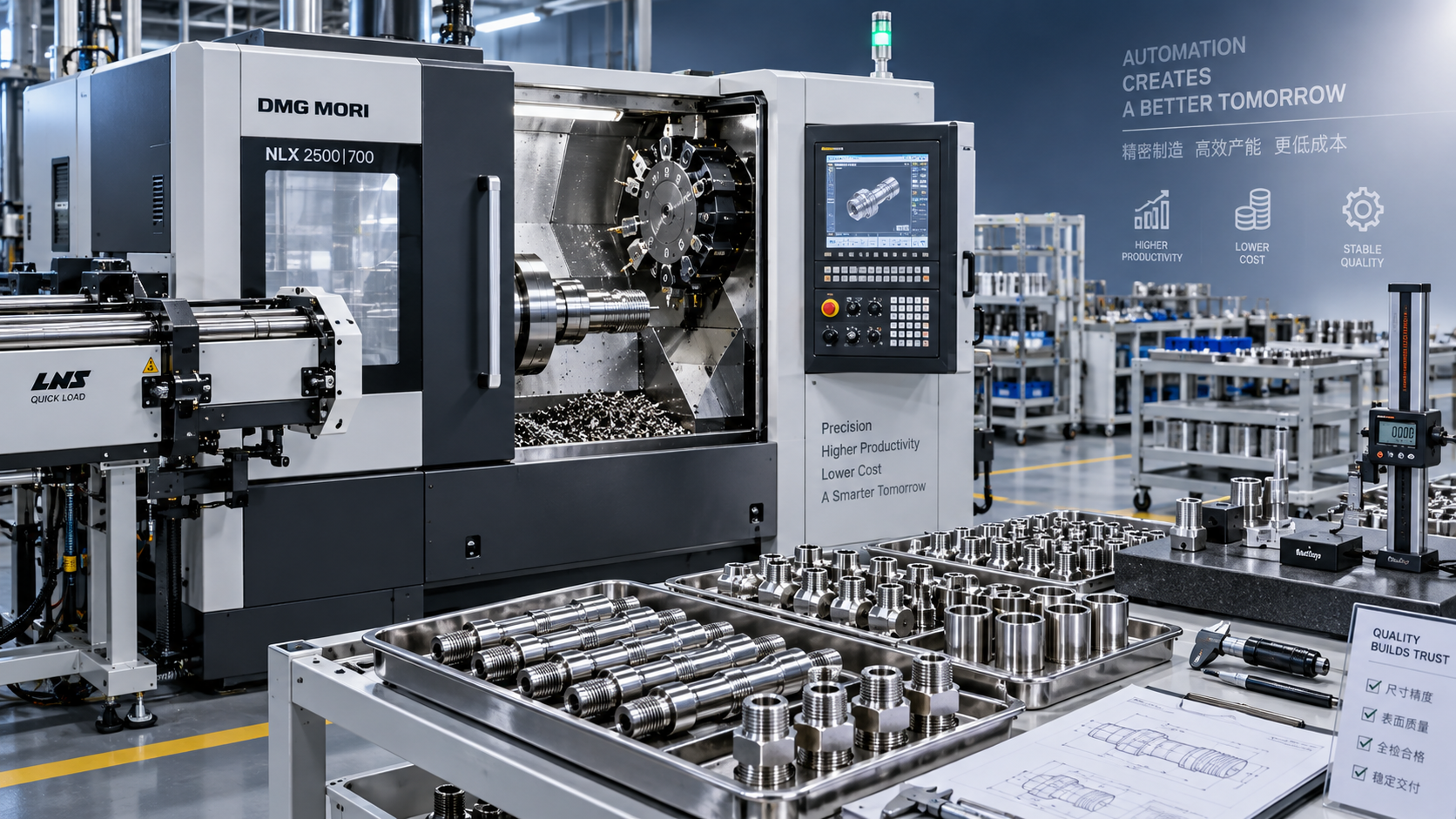
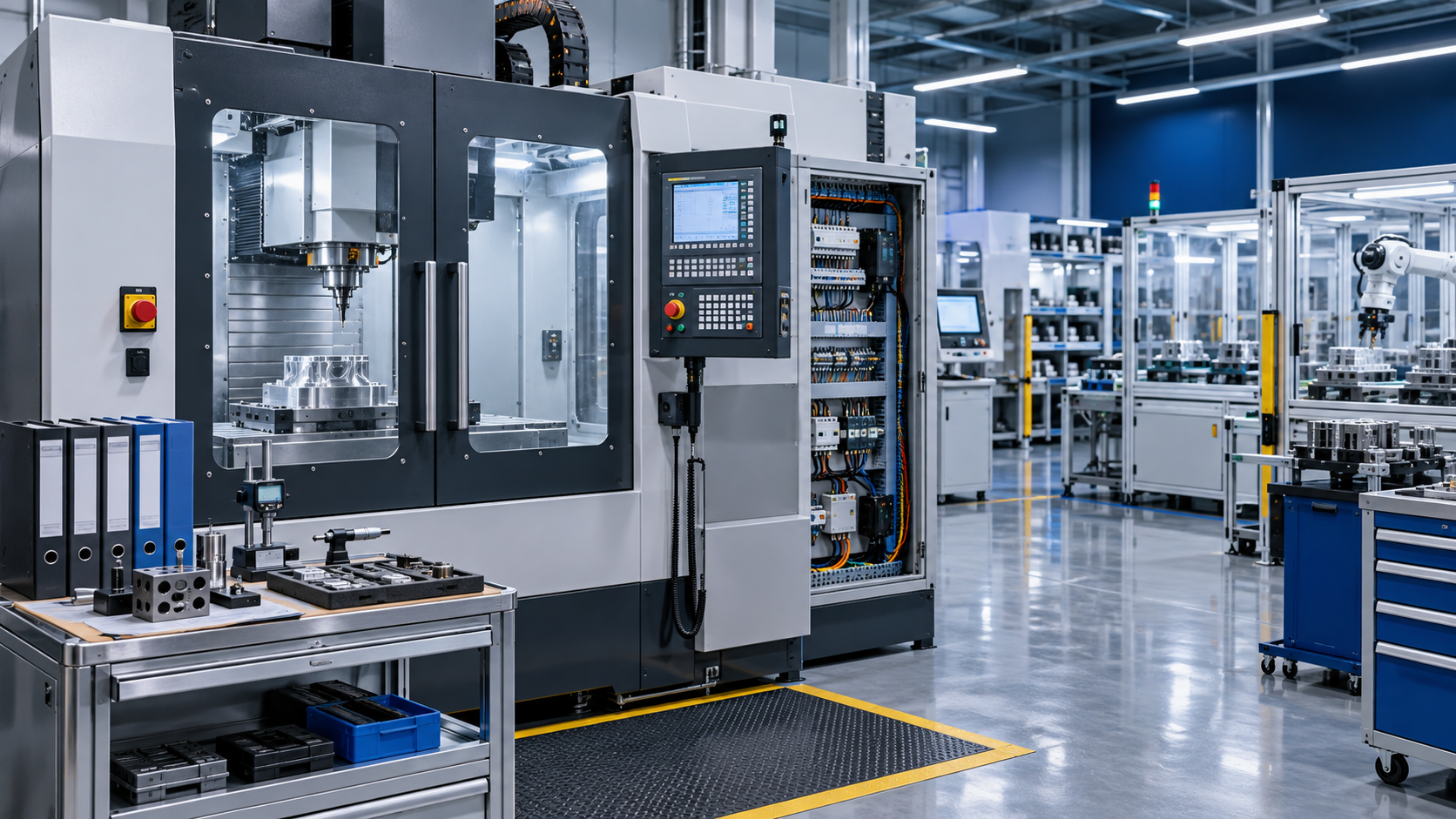
The same logic applies to custom structural parts, precision discs, and complex shaft components produced on modern machining centers. Multi-axis capability becomes especially relevant when setup reduction improves both accuracy and throughput.
How to judge machining capability in practice
Capability should be reviewed as a system, not a machine specification sheet. High spindle accuracy alone does not guarantee stable Precision Machining in production.
A stronger assessment looks at process discipline, fixture design, tool strategy, thermal control, metrology integration, and changeover consistency. These factors often explain the difference between sample success and repeatable output.
Key evaluation points
- Whether critical tolerances are process-capable, not just theoretically achievable.
- How surface finish is controlled across tool wear and batch variation.
- Whether inspection data connects back to machining adjustments.
- How automation, fixturing, and part flow affect stability at scale.
- What material experience exists for difficult alloys or thin-wall geometries.
Where cost and risk usually appear
Many machining problems begin upstream. Drawings may carry unnecessarily tight requirements, or surface symbols may be added without a clear functional reason.
In other cases, the process route is mismatched. A feature suited to grinding, honing, or fine finishing may be pushed through a standard milling path. The result is unstable quality and higher rework.
Precision Machining also becomes risky when part geometry encourages distortion. Thin walls, long unsupported lengths, deep cavities, and heat-sensitive materials require planning beyond simple cycle optimization.
The practical lesson is clear: capability review should happen early, when drawing intent, process selection, and inspection strategy can still be aligned.
A useful next step for evaluation
A good starting point is to rank part features by functional risk. Then compare each feature against tolerance need, surface requirement, material behavior, and expected production volume.
From there, Precision Machining decisions become easier to justify. It becomes clearer which features require advanced control, which can be relaxed, and which processes best match the application.
For ongoing benchmarking, it also helps to track how suppliers or internal lines handle automation, metrology, and digital feedback. In a market moving toward smart manufacturing, those signals often matter as much as nominal machine accuracy.
A structured review of tolerances, surface finish, and best-fit applications creates a more reliable basis for technical comparison, sourcing decisions, and long-term manufacturing performance.
Recommended for You
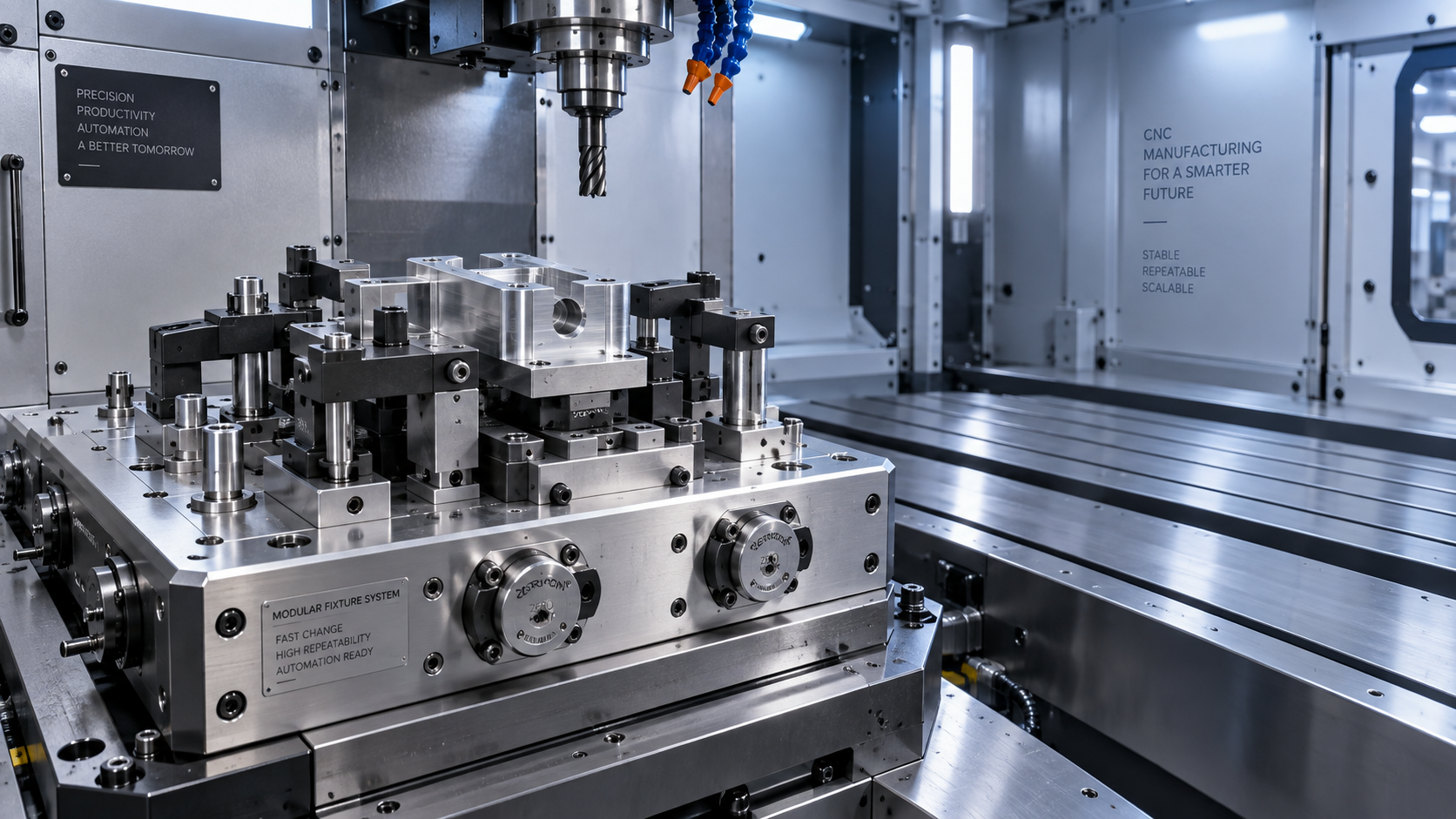
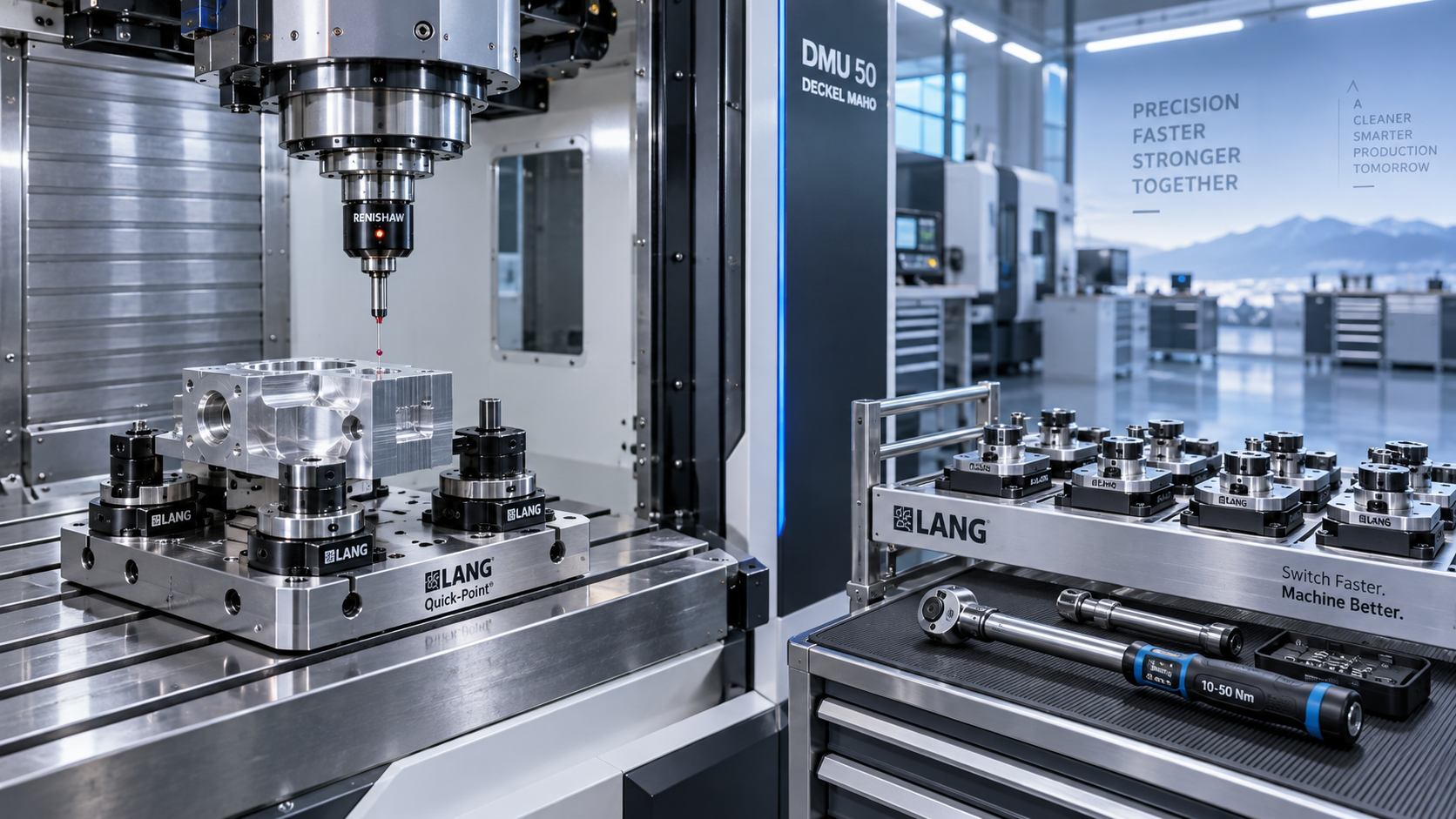
 Zero-Point Clamping or Modular Fixtures? Choosing a Faster CNC Changeover SystemCNC Machining Technology Center
 How to Cut CNC Fixture Changeover Time Without Sacrificing Part AccuracyCNC Machining Technology Center
 When Does CNC Turning Pay Off? A Break-Even Guide by Annual Part VolumeMachine Tool Industry Editorial Team
 Machine Tool Standards by Country: What Importers Must Verify Before PurchaseManufacturing Policy Research Center
 CNC Lathe Quick Installation Guide: Alignment Checks Before First Production RunCNC Machining Technology Center
 How to Select a CNC Lathe for Small Parts Without Sacrificing Accuracy or Cycle TimeCNC Machining Technology Center

Aris Katos
Future of Carbide Coatings
15+ years in precision manufacturing systems. Specialized in high-speed milling and aerospace grade alloy processing.
▶
How Does Precision Machining Differ From Standard Machining?CNC Machining Technology Center▶
CNC Precision: Which Tolerances, Materials, and Processes Fit Your Part?CNC Machining Technology Center▶
How to Choose Metal Machining Processes for Tight Tolerances and Production VolumeCNC Machining Technology Center▶
Production Process Explained: Key Stages, Controls, and Quality CheckpointsCNC Machining Technology Center▶
How to Select a Machine Tool for Electronics Manufacturing with Tight Tolerance NeedsCNC Machining Technology Center
Mastering 5-Axis Workholding Strategies
Join our technical panel on Nov 15th to learn about reducing vibrations in thin-wall components.

Providing you with integrated sanding solutions
Before-sales and after-sales services
Comprehensive technical support