• Global CNC market projected to reach $128B by 2028 • New EU trade regulations for precision tooling components • Aerospace deman
NYSE: CNC +1.2%LME: STEEL -0.4%

Why Do Precision Machining Costs Vary So Much?
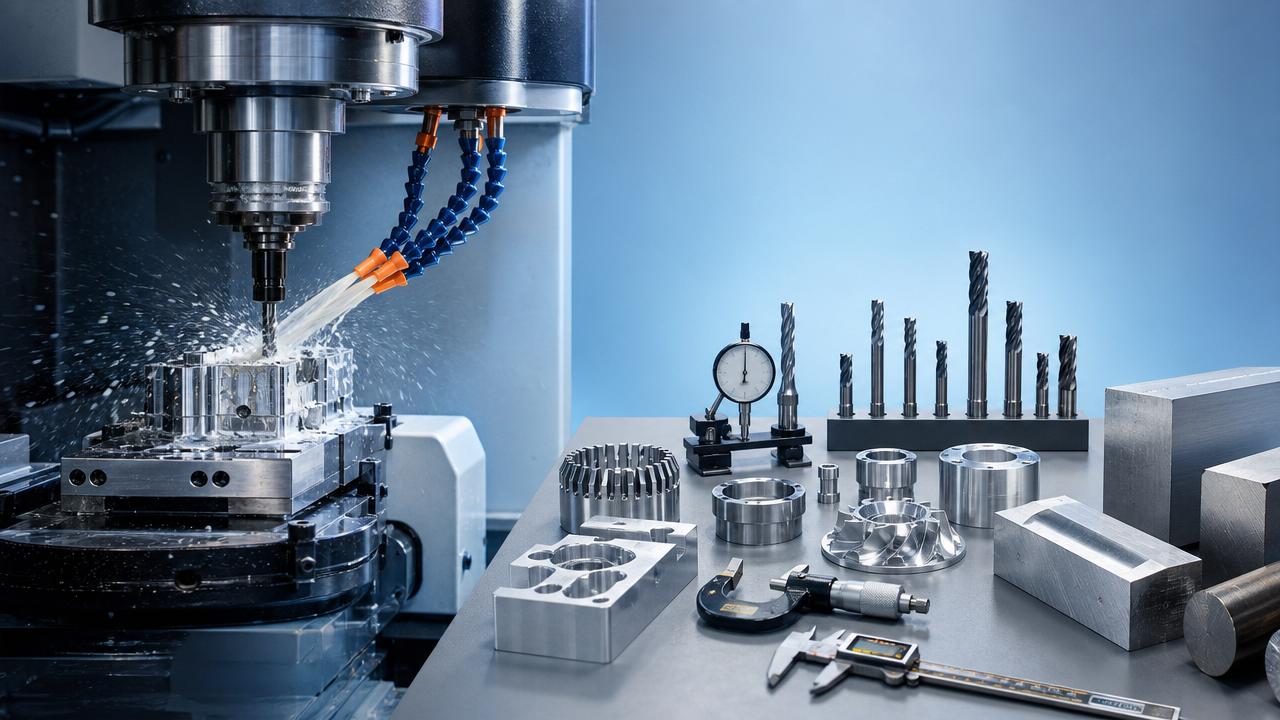
Why Precision Machining Costs Vary So Much
Precision Machining costs can differ widely between suppliers, even when drawings, materials, and quantities appear identical.
The difference rarely comes from one factor alone. It usually reflects tolerance, geometry, equipment, inspection, scheduling, and risk.
For modern manufacturing, understanding these cost drivers supports better sourcing, stronger quality control, and more predictable delivery performance.
Basic Cost Structure in Precision Machining
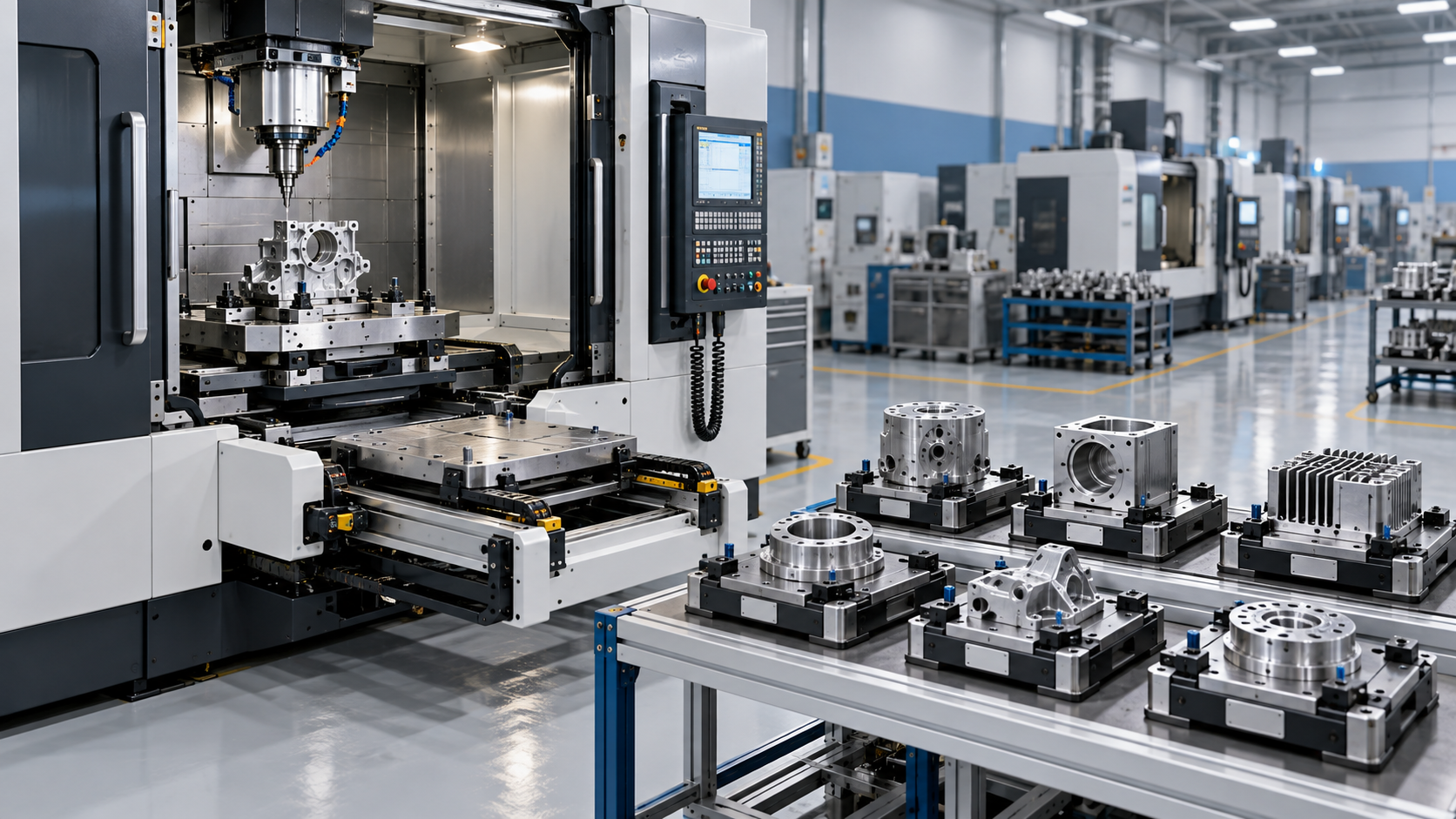
Precision Machining refers to controlled material removal using CNC lathes, machining centers, grinders, or multi-axis systems.
The goal is to produce parts with reliable dimensions, repeatable accuracy, and surface quality suitable for functional use.
A quotation normally includes material, machine time, programming, tooling, fixtures, inspection, finishing, packaging, and administrative risk.
However, the visible price often hides technical assumptions. These assumptions explain why Precision Machining pricing can vary significantly.
- Material cost depends on grade, size, availability, certification, and waste rate.
- Machine cost depends on cycle time, setup time, spindle power, and equipment class.
- Labor cost depends on programming skill, operator intervention, and inspection workload.
- Risk cost depends on tolerance difficulty, scrap probability, and delivery pressure.
A low quote may exclude important inspection steps. A higher quote may include full traceability, process planning, and tighter control.
Industry Background and Pricing Signals
The CNC machine tool industry supports automotive, aerospace, electronics, energy equipment, medical devices, and industrial automation.
As smart manufacturing expands, Precision Machining has become more digital, automated, and inspection-intensive.
Suppliers now compete not only on cutting capability, but also on process stability, data management, and delivery responsiveness.
These signals are especially important when comparing CNC machining suppliers across different industrial clusters and equipment levels.
Tolerance, Complexity, and Process Difficulty
Tolerance is one of the strongest cost drivers in Precision Machining. A small numerical change can reshape the entire process.
Loose tolerances may allow faster cutting, simpler inspection, and standard fixtures. Tight tolerances require slower, more controlled production.
Flatness, concentricity, perpendicularity, and true position can be harder to maintain than simple linear dimensions.
Surface finish also matters. A fine finish may require optimized tooling, additional passes, grinding, polishing, or controlled cutting parameters.
Geometry and Accessibility
Deep holes, thin walls, internal grooves, small radii, and undercuts increase machining difficulty.
If a cutting tool cannot reach a feature directly, the supplier may need special tooling or additional setups.
Every setup introduces alignment risk. More setups usually mean more inspection, longer cycle time, and higher Precision Machining cost.
Material Behavior
Aluminum is generally easier to machine than titanium, Inconel, hardened steel, or abrasive composites.
Difficult materials reduce tool life, demand lower cutting speeds, and increase heat management requirements.
Material behavior also affects burr formation, dimensional movement, and surface consistency after machining.
Machine Capability and Production Planning
Not every CNC machine is suitable for every part. Equipment capability strongly affects Precision Machining price and reliability.
A 3-axis machining center may produce a part, but require several setups and manual repositioning.
A 5-axis machine may reduce setups, improve accuracy, and shorten total production time.
Even so, advanced equipment has a higher hourly rate. The best choice depends on geometry, tolerance, and volume.
- CNC lathes suit shafts, bushings, discs, and rotational components.
- Machining centers suit housings, plates, brackets, and structural parts.
- Mill-turn systems suit parts requiring both turning and milling features.
- Grinding machines support high accuracy, roundness, and fine surface finish.
Production planning also includes fixture design, toolpath optimization, cutting tool selection, and workholding strategy.
Good planning reduces hidden cost. Poor planning creates scrap, rework, unstable dimensions, and delivery delays.
Inspection, Documentation, and Quality Requirements
Inspection is not a minor addition in Precision Machining. It can be a major part of the total cost.
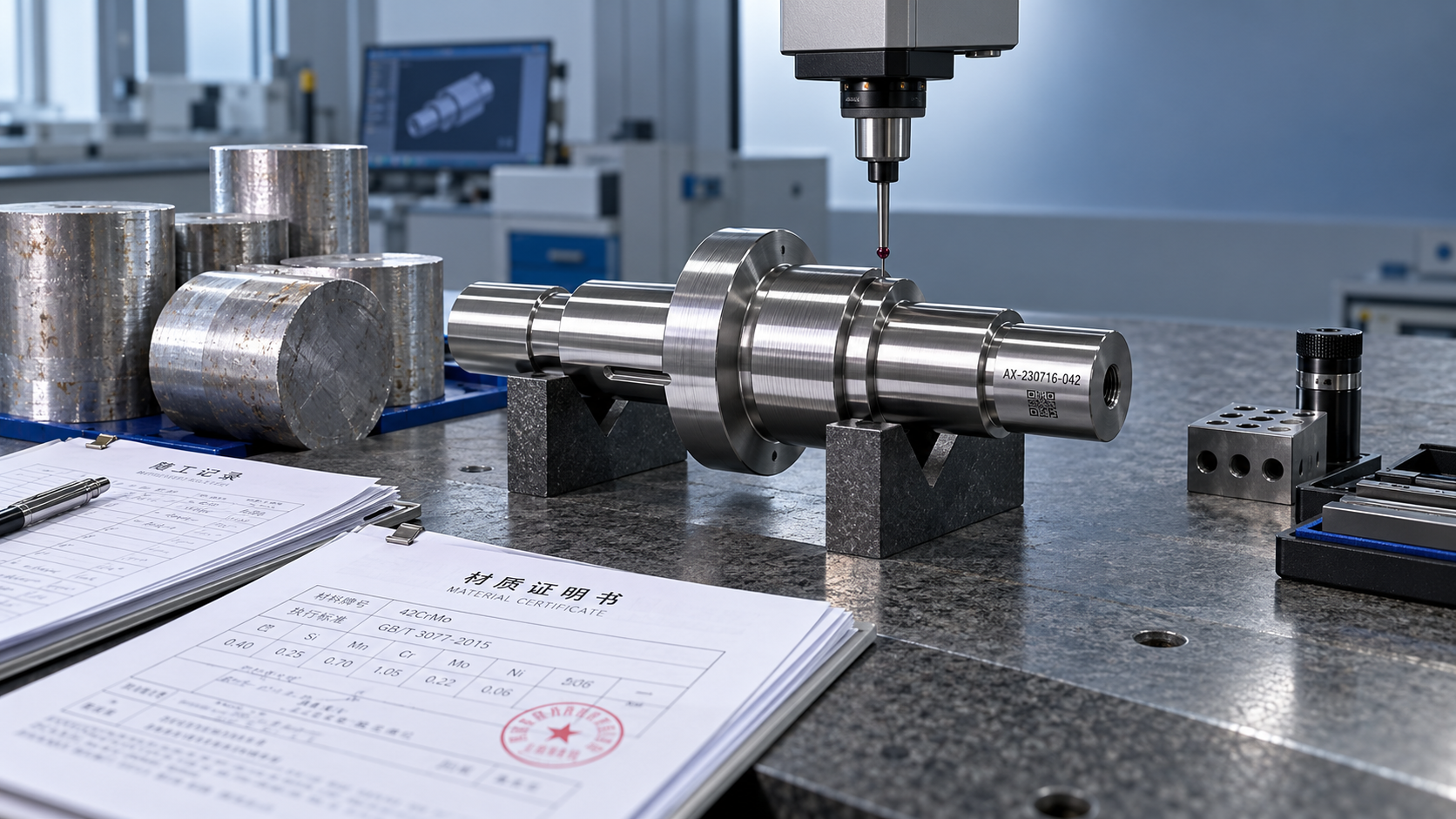
Basic parts may need calipers, micrometers, gauges, and visual checks. Critical parts may require CMM inspection.
Some projects require first article inspection, material certificates, heat treatment records, coating reports, or process traceability.
These requirements add time, but they also reduce risk in high-value assemblies and regulated industries.
When quotation requests omit inspection expectations, suppliers may estimate differently. This causes large price gaps.
Order Volume, Setup Cost, and Lead Time
Setup cost is often the reason prototype pricing looks expensive. Programming and fixtures must be paid by very few parts.
As order volume increases, setup cost spreads across more units. Unit price usually falls, but not always linearly.
Very large orders may need dedicated tooling, automated loading, in-process inspection, or additional production shifts.
Lead time also influences Precision Machining cost. Urgent orders compete with existing capacity and may require overtime.
- Prototype batches emphasize engineering support, flexibility, and fast feedback.
- Small batches emphasize setup efficiency and balanced inspection control.
- Mass production emphasizes cycle time, automation, yield, and supply stability.
- Rush orders emphasize scheduling priority and delivery risk management.
A fair comparison should separate one-time engineering costs from recurring unit costs.
Typical Application Scenarios and Cost Priorities
Precision Machining serves many industries, but each application values different cost and performance factors.
A consumer electronics housing may emphasize appearance. An aerospace bracket may emphasize weight, traceability, and structural reliability.
Cost control begins with knowing which requirements are essential and which features can be simplified.
Practical Ways to Compare Quotes Fairly
A useful Precision Machining comparison should evaluate more than the lowest number on a quote sheet.
The quote should match the drawing, material specification, tolerance plan, finish requirement, inspection method, and delivery schedule.
- Provide complete 2D drawings and 3D models with revision control.
- Mark critical dimensions instead of applying tight tolerances everywhere.
- Specify material grade, heat treatment, surface finish, and certification needs.
- Separate prototype, pilot, and production quantities when requesting pricing.
- Ask which processes, machines, fixtures, and inspection tools are assumed.
- Check whether packaging, logistics, and special documentation are included.
Design for manufacturability can reduce cost without reducing performance. Small changes may simplify tooling and reduce setup risk.
For example, increasing an internal corner radius may allow stronger tools and faster cutting.
Relaxing non-critical tolerances can reduce inspection burden and improve production yield.
Actionable Next Steps for Better Cost Control
Precision Machining pricing becomes clearer when technical requirements and commercial expectations are aligned before quoting begins.
Start by reviewing drawings for unnecessary tight tolerances, difficult features, and unclear inspection requirements.
Then request quotes using the same data package, same quantity breaks, and same lead time assumptions.
Compare supplier responses by process logic, equipment fit, quality plan, and risk control, not price alone.
When uncertainty remains, begin with a pilot batch. Use the results to confirm capability, cost stability, and delivery reliability.
This disciplined approach helps control Precision Machining budgets while protecting function, quality, and long-term supply performance.
PREVIOUS ARTICLE
Recommended for You
![]() Mitsubishi Electric Announces Physical AI System Linking Humanoid Robots and CNC MachinesMachine Tool Industry Editorial Team
Mitsubishi Electric Announces Physical AI System Linking Humanoid Robots and CNC MachinesMachine Tool Industry Editorial Team Precision Machining for Defense: Supplier Quality and Traceability ChecksManufacturing Market Research Center
![]() Nidec Machine Tool Launches MVR-5X Five-Axis Gantry MachineMachine Tool Industry Editorial Team
Nidec Machine Tool Launches MVR-5X Five-Axis Gantry MachineMachine Tool Industry Editorial Team Choosing a Precision Disc Parts Manufacturer in China: Tolerances and Quality ChecksManufacturing Market Research Center
![]() Siemens Executive Says AI Could Raise Factory Automation to 80%Manufacturing Market Research Center
Siemens Executive Says AI Could Raise Factory Automation to 80%Manufacturing Market Research Center Choosing Automated Machine Tools for High-Mix, Low-Volume ProductionMachine Tool Industry Editorial Team


Aris Katos
Future of Carbide Coatings
15+ years in precision manufacturing systems. Specialized in high-speed milling and aerospace grade alloy processing.
▶
How thermal drift affects accuracy in high-precision manufacturingCNC Machining Technology Center▶
Industrial Machining: Selecting Processes for Tight-Tolerance Metal PartsCNC Machining Technology Center▶
How Does Precision Machining Differ From Standard Machining?CNC Machining Technology Center▶
CNC Precision: Which Tolerances, Materials, and Processes Fit Your Part?CNC Machining Technology Center▶
How to Choose Metal Machining Processes for Tight Tolerances and Production VolumeCNC Machining Technology Center
▶
Mastering 5-Axis Workholding Strategies
Join our technical panel on Nov 15th to learn about reducing vibrations in thin-wall components.

Providing you with integrated sanding solutions
Before-sales and after-sales services
Comprehensive technical support