• Global CNC market projected to reach $128B by 2028 • New EU trade regulations for precision tooling components • Aerospace deman
NYSE: CNC +1.2%LME: STEEL -0.4%

Why Precision Machining for Defense Industry Needs QA
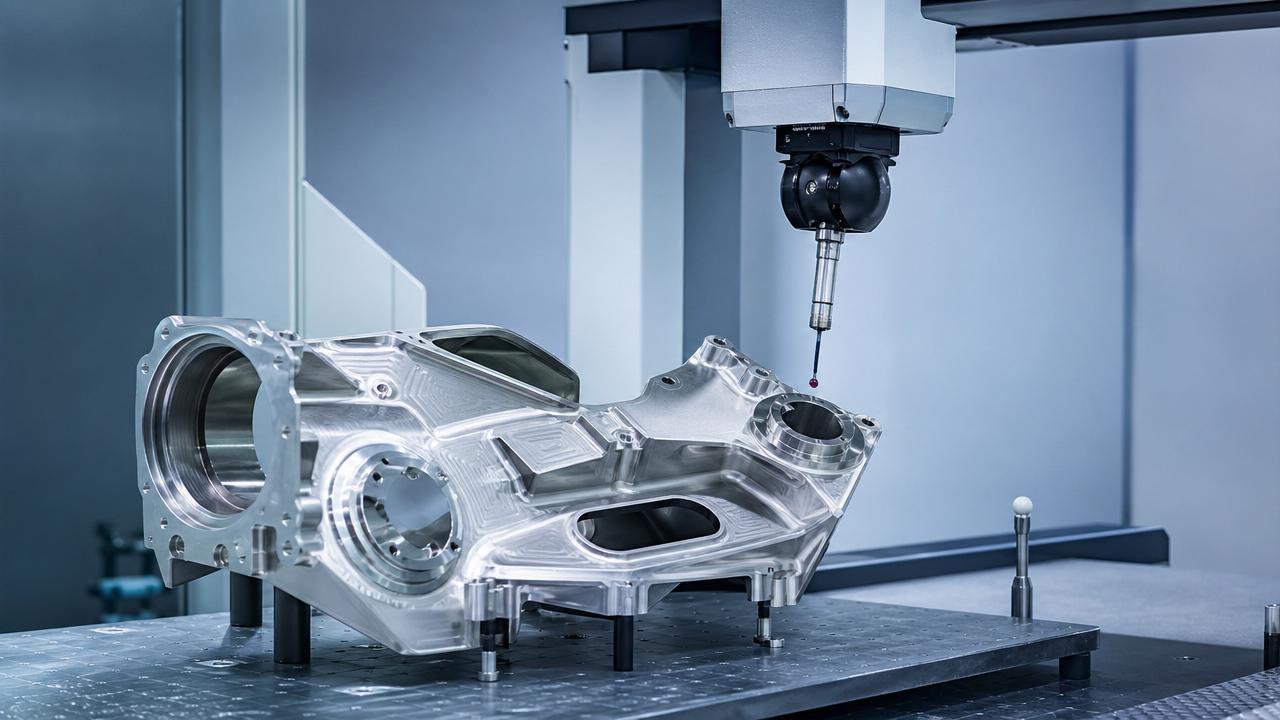
Precision Machining for Defense Industry demands more than advanced CNC equipment. It requires a rigorous QA mindset across design review, machining, inspection, documentation, and delivery.
Minor dimensional errors, material inconsistencies, or process deviations can affect mission readiness, compliance, and operational safety.
As defense components become more complex, robust inspection, traceability, and validation are becoming essential operating requirements.
Precision Machining for Defense Industry Is Entering a Stricter QA Era
The defense supply chain is moving toward tighter tolerances, shorter qualification cycles, and stronger accountability.
Precision Machining for Defense Industry now depends on controlled processes as much as machine capability.
Multi-axis CNC systems, automated inspection, digital work instructions, and smart factory tools are changing expectations.
However, greater automation does not remove risk. It shifts risk toward data integrity, validation, and process discipline.
Aerospace-grade alloys, hardened steels, titanium, ceramics, and composite-related components often behave differently under cutting loads.
Without QA controls, tool wear, thermal drift, vibration, and fixture movement can quietly damage repeatability.
Trend Signals Showing Why QA Is No Longer Optional
Several signals show why Precision Machining for Defense Industry is becoming more quality-centered.
- Critical parts are becoming smaller, lighter, and geometrically more complex.
- Tolerances are narrowing across housings, connectors, shafts, brackets, and sensor components.
- Documentation expectations are rising for every process, inspection result, and material batch.
- Defense programs require stronger supplier control and long-term traceability.
- Digital manufacturing increases data volume, making verification more important.
These changes make QA a strategic capability, not a final inspection activity.
In Precision Machining for Defense Industry, the cost of a missed deviation can exceed the value of the part.
What Is Driving This Shift in Defense Machining Quality
The push for stronger QA comes from technical, regulatory, and operational pressures.
These drivers explain why Precision Machining for Defense Industry needs QA from the earliest engineering stage.
Quality cannot be inspected into a part after machining. It must be designed into the process.
QA Reduces Risk Before Machining Begins
Effective QA starts before the first chip is cut.
Drawing review, tolerance analysis, material confirmation, and manufacturability assessment reduce ambiguity.
Precision Machining for Defense Industry often involves drawings with tight GD&T requirements and controlled surface specifications.
If datum structures are misunderstood, inspection results may appear acceptable while functional alignment fails.
QA planning also defines what must be measured, when it must be measured, and how results must be recorded.
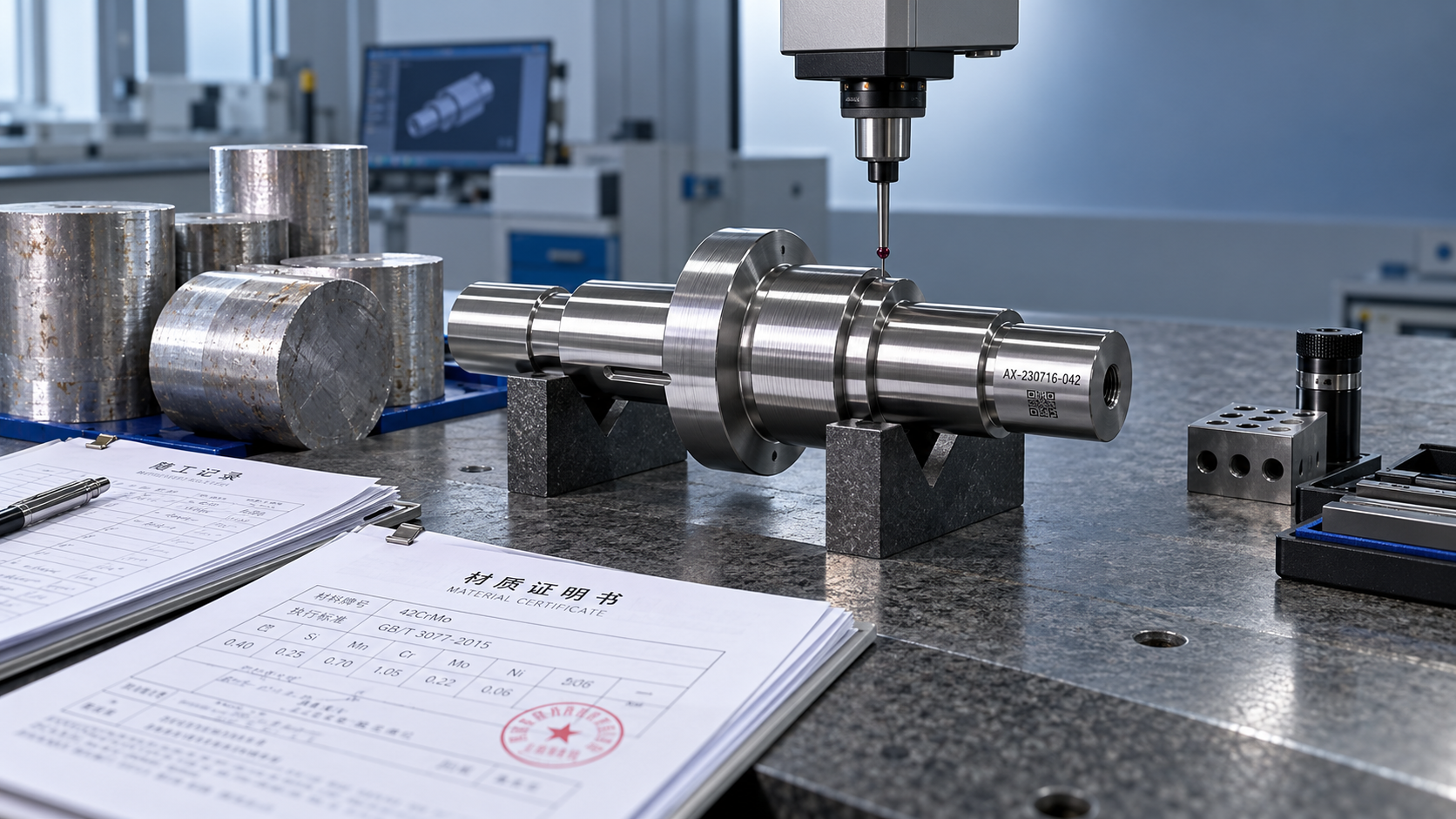
- Confirm material certificates against engineering requirements.
- Review critical dimensions and special characteristics.
- Validate fixtures before production release.
- Define inspection frequency and acceptance criteria.
- Approve CNC programs through controlled revision systems.
This early discipline prevents costly rework, rejected lots, and late-stage program delays.
Inspection Systems Are Becoming More Integrated
Traditional inspection often happened after machining. That model is no longer enough.
Precision Machining for Defense Industry increasingly relies on in-process inspection, CMM measurement, vision systems, and probing.
Machine probing can detect fixture errors, stock variation, and unexpected offsets before defects multiply.
CMM programs verify critical geometry, while surface measurement confirms finish, waviness, and functional contact conditions.
For complex parts, inspection plans should mirror functional priorities, not only drawing order.
Digital inspection records also support faster root-cause analysis when deviations appear.
This is especially important for Precision Machining for Defense Industry, where repeat failures can threaten program continuity.
Traceability Is Becoming a Competitive Requirement
Traceability links material, process, equipment, operators, tools, inspection data, and shipment records.
In Precision Machining for Defense Industry, traceability is essential for audits, nonconformance reviews, and lifecycle support.
If a material batch has an issue, records must identify affected parts quickly.
If a cutting tool fails prematurely, process records should show when the condition began.
Paper records still exist, but digital systems provide stronger consistency and easier retrieval.
- Material heat numbers and certificates.
- Machine numbers and maintenance status.
- Tool life records and offsets.
- Inspection reports and calibration status.
- Approved process revisions and change history.
Strong traceability reduces uncertainty and supports faster containment decisions.
The Business Impact Reaches Beyond the Shop Floor
QA affects delivery reliability, cost control, compliance, and long-term program trust.
Precision Machining for Defense Industry often serves programs with limited redesign flexibility and strict acceptance windows.
A rejected component may delay assembly, testing, certification, or field deployment.
Poor QA also creates hidden costs through sorting, reinspection, expedited logistics, and engineering review.
Reliable QA improves scheduling because process variation becomes more visible and controllable.
It also supports better capacity planning across CNC lathes, machining centers, and multi-axis systems.
When Precision Machining for Defense Industry is supported by stable QA, production decisions become more predictable.
Key QA Priorities for the Next Stage
Future competitiveness will depend on how well QA connects equipment, people, and data.
- Process validation: Prove that machining methods can repeatedly meet requirements.
- Measurement strategy: Match inspection methods to risk, tolerance, and functional importance.
- Calibration discipline: Keep measuring equipment reliable, documented, and audit-ready.
- Supplier control: Verify outsourced operations, coatings, heat treatment, and special processes.
- Data governance: Protect inspection data, program files, and revision histories.
- Continuous improvement: Use nonconformance data to prevent repeated failures.
These priorities are practical foundations for Precision Machining for Defense Industry in a stricter compliance environment.
How to Build a More Resilient QA Response
A resilient QA response should combine prevention, detection, containment, and learning.
This structure helps Precision Machining for Defense Industry move from reactive inspection to proactive quality assurance.
It also supports better communication between engineering, production, inspection, and supply chain activities.
What to Watch as Standards Keep Rising
The next stage will likely bring stronger links between CNC equipment, inspection software, and quality management platforms.
More defense components will require digital evidence, automated measurement records, and secure revision control.
Precision Machining for Defense Industry will also face pressure to validate automated cells and flexible production lines.
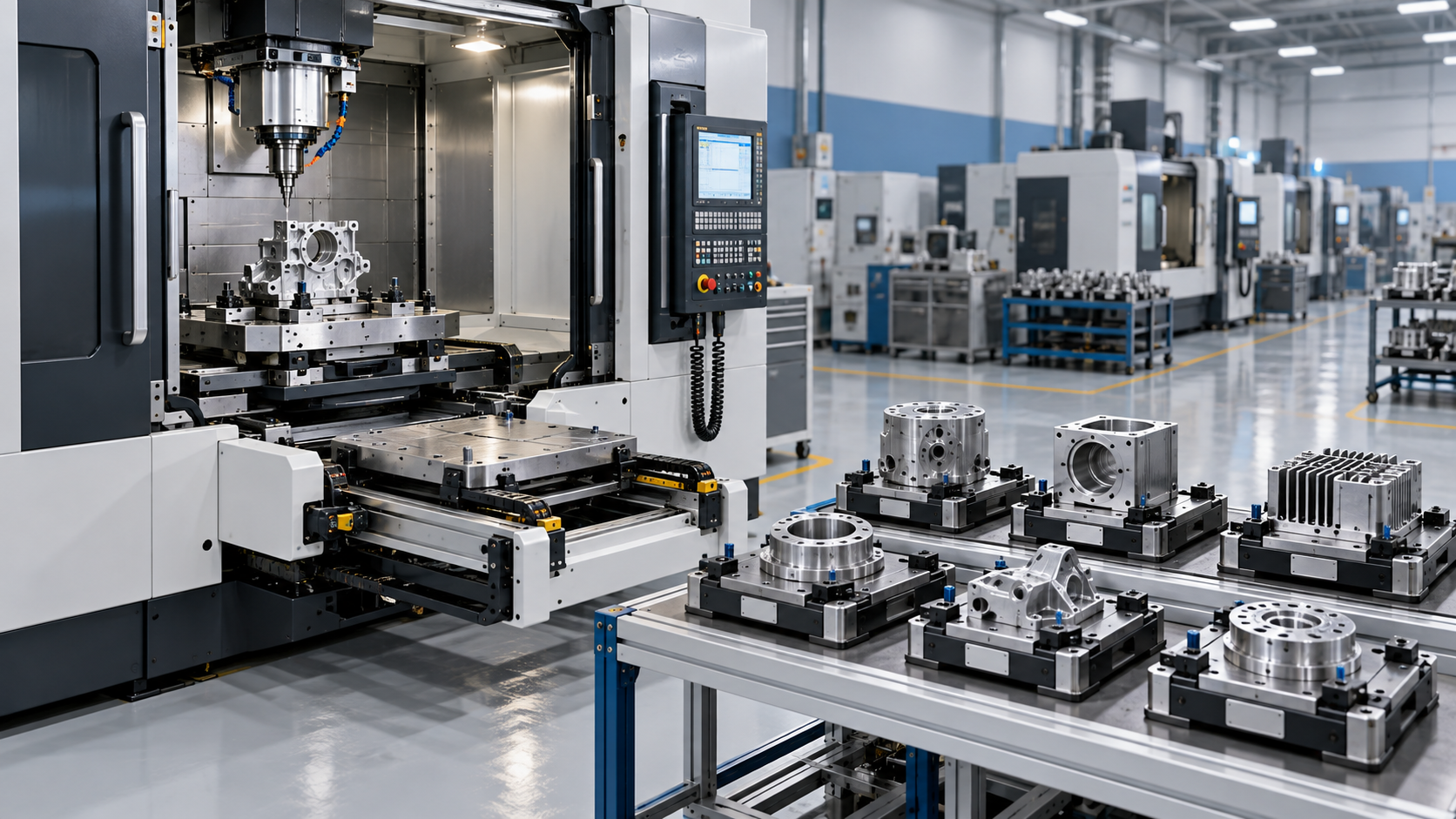
Robots, pallet systems, and unattended machining increase efficiency, but they demand stronger process monitoring.
The central question is no longer whether a part can be machined.
The question is whether it can be machined repeatedly, proven objectively, and traced completely.
Practical Next Steps for Reliable Defense Machining
A useful starting point is a gap review of current QA practices.
Map critical parts, inspection methods, traceability records, supplier risks, and process validation evidence.
Then prioritize improvements where failure risk, compliance exposure, or delivery impact is highest.
Precision Machining for Defense Industry rewards disciplined systems, not isolated inspection efforts.
Stronger QA builds confidence that every component meets its dimensional, material, and functional expectations.
Review machining workflows, strengthen measurement planning, and connect quality data with production decisions.
That is the practical path toward safer, more dependable, and more compliant Precision Machining for Defense Industry.
PREVIOUS ARTICLE
NEXT ARTICLE
Recommended for You
![]() Mitsubishi Electric Announces Physical AI System Linking Humanoid Robots and CNC MachinesMachine Tool Industry Editorial Team
Mitsubishi Electric Announces Physical AI System Linking Humanoid Robots and CNC MachinesMachine Tool Industry Editorial Team Precision Machining for Defense: Supplier Quality and Traceability ChecksManufacturing Market Research Center
![]() Nidec Machine Tool Launches MVR-5X Five-Axis Gantry MachineMachine Tool Industry Editorial Team
Nidec Machine Tool Launches MVR-5X Five-Axis Gantry MachineMachine Tool Industry Editorial Team Choosing a Precision Disc Parts Manufacturer in China: Tolerances and Quality ChecksManufacturing Market Research Center
![]() Siemens Executive Says AI Could Raise Factory Automation to 80%Manufacturing Market Research Center
Siemens Executive Says AI Could Raise Factory Automation to 80%Manufacturing Market Research Center Choosing Automated Machine Tools for High-Mix, Low-Volume ProductionMachine Tool Industry Editorial Team


Aris Katos
Future of Carbide Coatings
15+ years in precision manufacturing systems. Specialized in high-speed milling and aerospace grade alloy processing.
▶
How thermal drift affects accuracy in high-precision manufacturingCNC Machining Technology Center▶
Industrial Machining: Selecting Processes for Tight-Tolerance Metal PartsCNC Machining Technology Center▶
How Does Precision Machining Differ From Standard Machining?CNC Machining Technology Center▶
CNC Precision: Which Tolerances, Materials, and Processes Fit Your Part?CNC Machining Technology Center▶
How to Choose Metal Machining Processes for Tight Tolerances and Production VolumeCNC Machining Technology Center
▶
Mastering 5-Axis Workholding Strategies
Join our technical panel on Nov 15th to learn about reducing vibrations in thin-wall components.

Providing you with integrated sanding solutions
Before-sales and after-sales services
Comprehensive technical support