• Global CNC market projected to reach $128B by 2028 • New EU trade regulations for precision tooling components • Aerospace deman
NYSE: CNC +1.2%LME: STEEL -0.4%

How Automated Machine Tools Reduce Operator Errors

Automated machine tools reduce operator errors by shifting critical production tasks from manual judgment to controlled, repeatable, software-driven processes. In practice, that means fewer setup mistakes, more stable part quality, less scrap, and better traceability. For manufacturers in aerospace, automotive, electronics, and energy equipment, the value is not just higher precision—it is also lower risk, improved uptime, and more predictable production costs.
For operators, automation reduces dependence on constant manual correction. For buyers and business evaluators, it creates a clearer path to consistent output, labor efficiency, and measurable return on investment. The real question is not whether automation helps, but which types of automated machine tool functions solve the most common error points in a given production environment.
Why operator errors still happen in modern machining
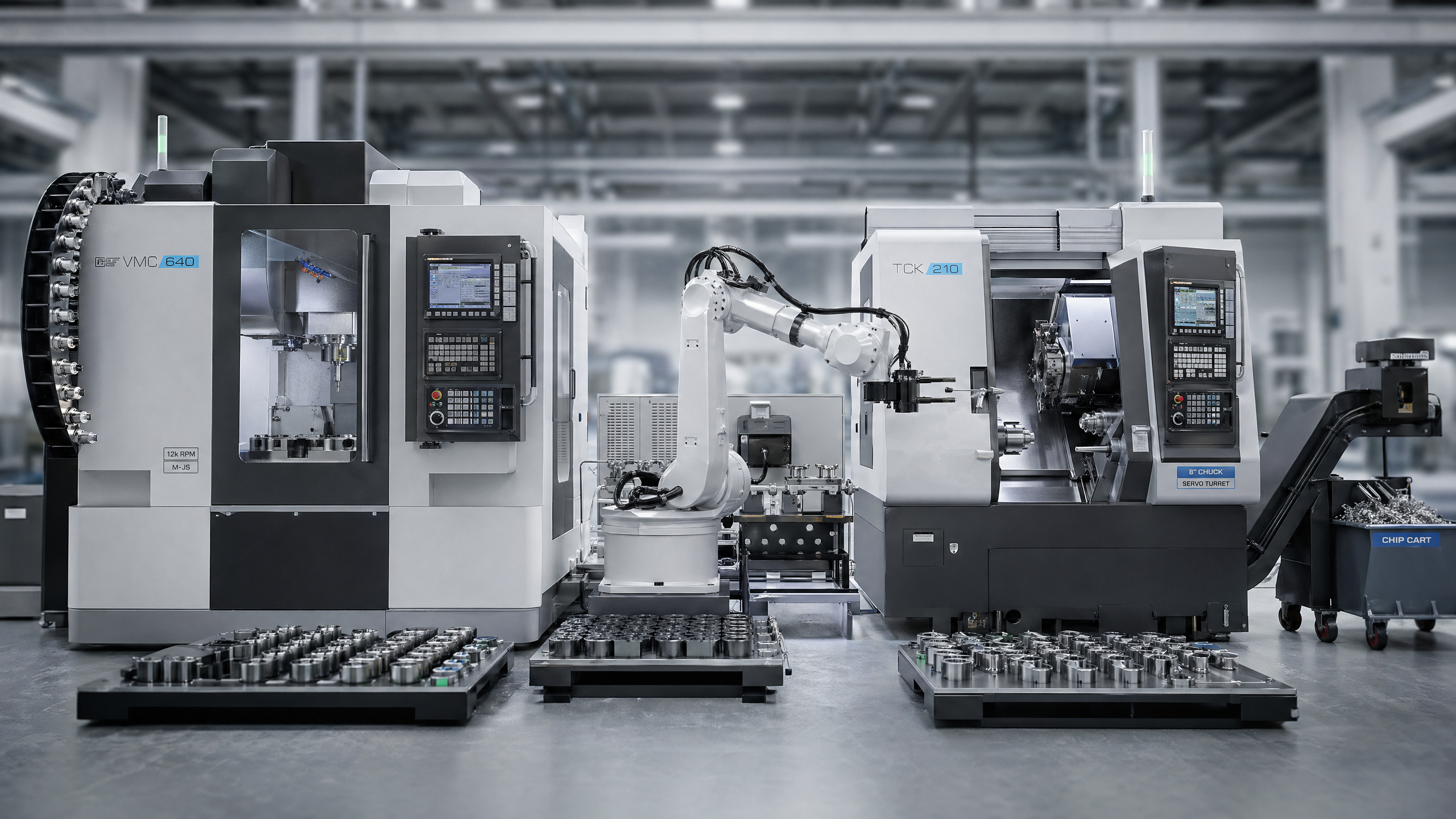
[[IMG:img_01]]Even in advanced CNC manufacturing, operator errors remain a major source of quality loss and production delays. These errors usually do not come from a lack of effort. They come from the limits of manual setup, repetitive tasks, shift variation, incomplete information, and pressure to maintain throughput.
Common error sources include:
- Incorrect tool offsets or work offsets
- Improper fixture loading or part positioning
- Wrong program selection or outdated machining parameters
- Inconsistent tool wear monitoring
- Manual data entry mistakes
- Missed inspection steps between operations
- Fatigue during long production runs or multi-shift operation
In high precision machine tool applications, even a small setup deviation can result in dimensional errors, poor surface finish, tool breakage, or complete part rejection. As tolerances tighten and batch complexity increases, relying too heavily on manual intervention becomes a bigger operational risk.
How automated machine tools reduce errors at the source
The biggest advantage of automated machine tools is that they reduce variation before it turns into a defect. Instead of asking operators to manually compensate for every risk point, automation standardizes the process.
Key automation functions that reduce operator errors include:
Automatic tool measurement and offset correction
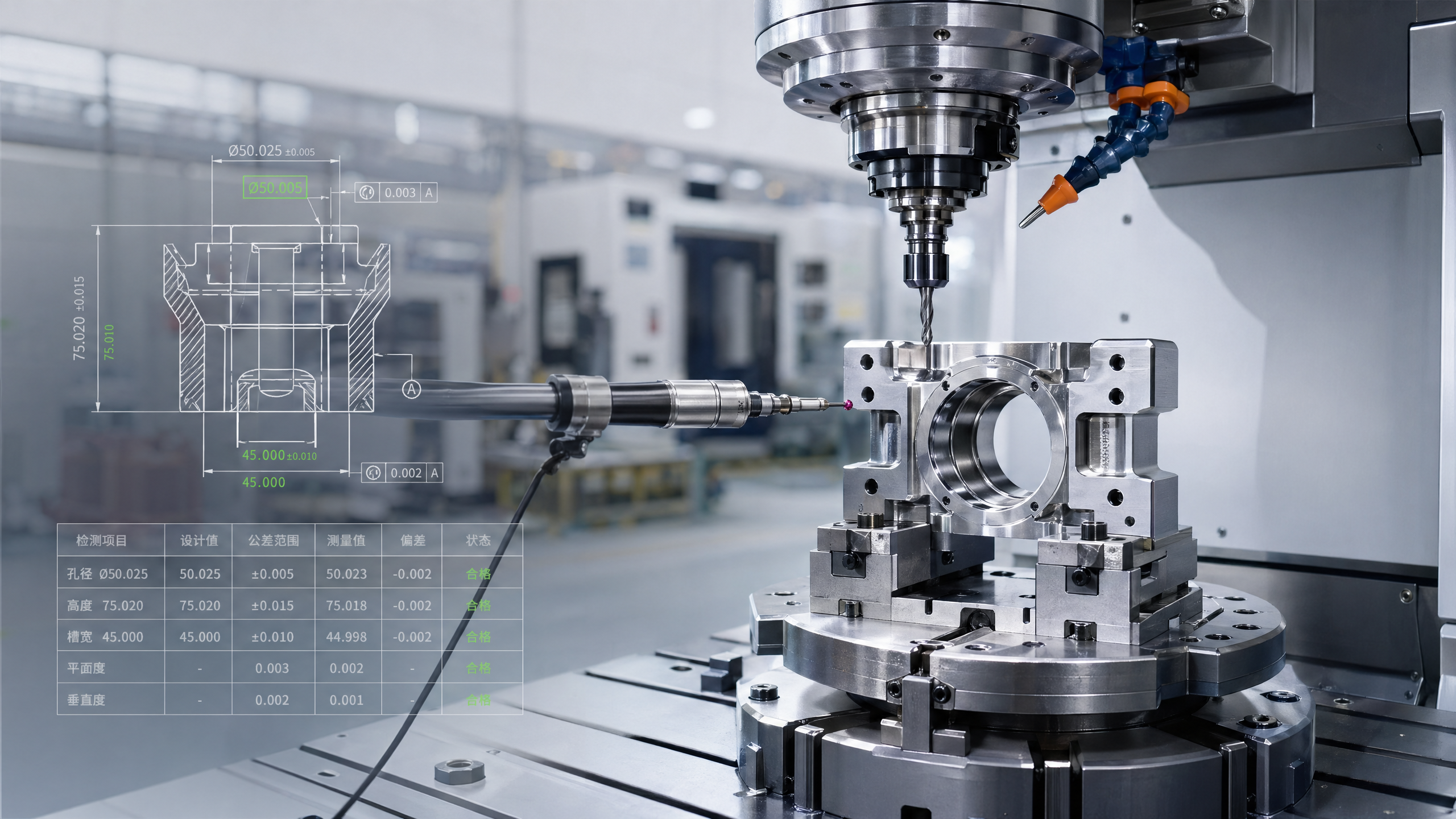
Tool setters and in-machine probing systems automatically measure tool length, diameter, and wear. This reduces mistakes caused by manual offset entry and helps maintain part consistency over long production cycles.
Part probing and workpiece alignment
Automated probing verifies part location before machining begins. If a workpiece is slightly misloaded, the system can detect it and adjust alignment or stop the cycle before damage occurs.
Program control and process locking
Modern CNC systems can restrict unauthorized parameter changes, prevent the wrong program from being loaded, and ensure that the correct machining sequence is followed. This is especially valuable in multi-part or high-mix environments.
Automated loading and unloading
Robotic handling systems, pallet changers, and bar feeders reduce manual part handling errors. They also improve safety and keep production more consistent during unattended or lights-out operation.
Real-time monitoring and alarms
Sensors can detect abnormal spindle load, vibration, temperature shifts, or tool failure. Instead of waiting for an operator to notice a problem, the machine responds immediately with alerts, compensation, or automatic shutdown.
Integrated inspection and data feedback
When inspection data is automatically fed back into the production system, manufacturers can identify drift earlier and make corrections faster. This supports both automated CNC manufacturing and more reliable quality control.
Which types of operator errors are reduced the most
Not every error is eliminated by automation, but the most frequent and costly ones are often reduced significantly.
The strongest improvements are usually seen in the following areas:
- Setup errors: automated referencing, probing, and presetting reduce misalignment and offset mistakes
- Repeatability issues: standardized cycle control produces more consistent results across operators and shifts
- Tool-related mistakes: tool life monitoring and automatic compensation reduce out-of-tolerance parts caused by wear
- Material handling errors: automated loading systems reduce damage, orientation mistakes, and cycle interruptions
- Documentation gaps: digital records improve traceability for audits, root-cause analysis, and process improvement
For procurement and operational planning teams, this matters because error reduction is directly tied to scrap cost, rework hours, machine utilization, and delivery reliability.
What this means for operators, production managers, and buyers
Automation changes the operator’s role from constant manual correction to process supervision and exception handling. That shift can improve productivity, but it also means successful implementation depends on training, interface design, and process discipline.
For different audiences, the value looks slightly different:
For operators and shop-floor users
- Less repetitive manual input
- Lower risk of preventable mistakes
- More stable machining results
- Safer handling of complex or high-volume jobs
For procurement teams
- Better comparison of machine tool capability beyond spindle speed and axis count
- Stronger case for evaluating automation features as quality-risk controls
- More confidence in long-term production consistency
For business evaluators and plant decision-makers
- Reduced scrap and rework costs
- Improved labor efficiency
- Higher machine uptime and output predictability
- Support for cost-effective CNC manufacturing and scalable growth
In sectors with strict quality requirements, such as aerospace and electronics, these benefits can be more important than simple labor reduction. A single prevented defect can protect both profitability and customer trust.
How to judge whether machine tool automation is worth the investment
Not every production environment needs the same level of automation. The right question is where human error currently causes the highest cost or production instability.
Automation is often most valuable when a manufacturer has:
- Frequent setup changes with tight tolerances
- High scrap or rework rates linked to manual processes
- Skilled labor shortages or heavy dependence on individual operator experience
- Demand for unattended machining or longer production runs
- Strict traceability and quality documentation requirements
- Plans to integrate with smart factory or digital manufacturing systems
When evaluating a machine, buyers should look beyond the headline automation claim and ask practical questions:
- Which manual error points does this system actually remove?
- What probing, sensing, and compensation features are built in?
- How easy is it for operators to learn and use correctly?
- Can the machine integrate with existing fixtures, tooling, robots, or MES systems?
- What maintenance and calibration discipline is required to keep automation reliable?
- How quickly can reduced scrap, labor savings, and uptime gains recover the investment?
This approach leads to a more realistic assessment than focusing only on machine price. In many cases, the strongest return comes from reduced variability and fewer avoidable errors—not simply from faster cycle time.
Where automation still needs human support
Automated machine tools do not remove the need for skilled people. They reduce routine error opportunities, but process planning, program validation, maintenance, and continuous improvement still depend on human expertise.
Manufacturers should be aware of several limits:
- Bad input data can still produce bad output
- Poor fixturing strategy cannot be fully solved by software
- Operators still need training to respond correctly to alarms and exceptions
- Automation adds system complexity that requires maintenance and calibration
The best results come when automation is used to support people, not replace process thinking. A well-designed automated machine tool system combines stable equipment, clear workflows, skilled operators, and data-driven control.
Conclusion: automation reduces errors by making precision more repeatable
Automated machine tools reduce operator errors because they standardize setup, monitor conditions in real time, and remove many of the manual actions that commonly lead to inconsistency. For manufacturers, that translates into better quality, lower scrap, improved uptime, and stronger process control.
For operators, automation makes demanding machining tasks more manageable. For buyers and business evaluators, it offers a practical way to improve production reliability and support long-term manufacturing competitiveness. In today’s precision manufacturing environment, the true value of automation is not just speed—it is dependable repeatability with fewer chances for human error.
PREVIOUS ARTICLE
Recommended for You
 How to Choose a Space-Saving CNC Manufacturing SetupCNC Machining Technology Center
![]() What to Check Before Using a CNC Manufacturing WholesalerGlobal Machine Tool Trade Research Center
What to Check Before Using a CNC Manufacturing WholesalerGlobal Machine Tool Trade Research Center Why Precision CNC Manufacturing Fails Tolerance GoalsCNC Machining Technology Center
 Is CNC Manufacturing for Energy Equipment Worth the CostManufacturing Market Research Center
![]() How Low Maintenance CNC Manufacturing Cuts DowntimeMachine Tool Industry Editorial Team
How Low Maintenance CNC Manufacturing Cuts DowntimeMachine Tool Industry Editorial Team How to Compare One CNC Manufacturing Factory to AnotherManufacturing Market Research Center

Aris Katos
Future of Carbide Coatings
15+ years in precision manufacturing systems. Specialized in high-speed milling and aerospace grade alloy processing.
▶
What Automated CNC Manufacturing Changes on the Shop FloorMachine Tool Industry Editorial Team▶
How Automated Machine Tools Reduce Operator ErrorsMachine Tool Industry Editorial Team▶
Robotics ToB Scaling Hits Data Bottleneck in AI Visual InspectionMachine Tool Industry Editorial Team▶
When Does an Automated Lathe Save More LaborMachine Tool Industry Editorial Team▶
What Makes Automated Production Pay Off FasterMachine Tool Industry Editorial Team
Mastering 5-Axis Workholding Strategies
Join our technical panel on Nov 15th to learn about reducing vibrations in thin-wall components.

Providing you with integrated sanding solutions
Before-sales and after-sales services
Comprehensive technical support