• Global CNC market projected to reach $128B by 2028 • New EU trade regulations for precision tooling components • Aerospace deman
NYSE: CNC +1.2%LME: STEEL -0.4%

What Makes Automated Production Pay Off Faster
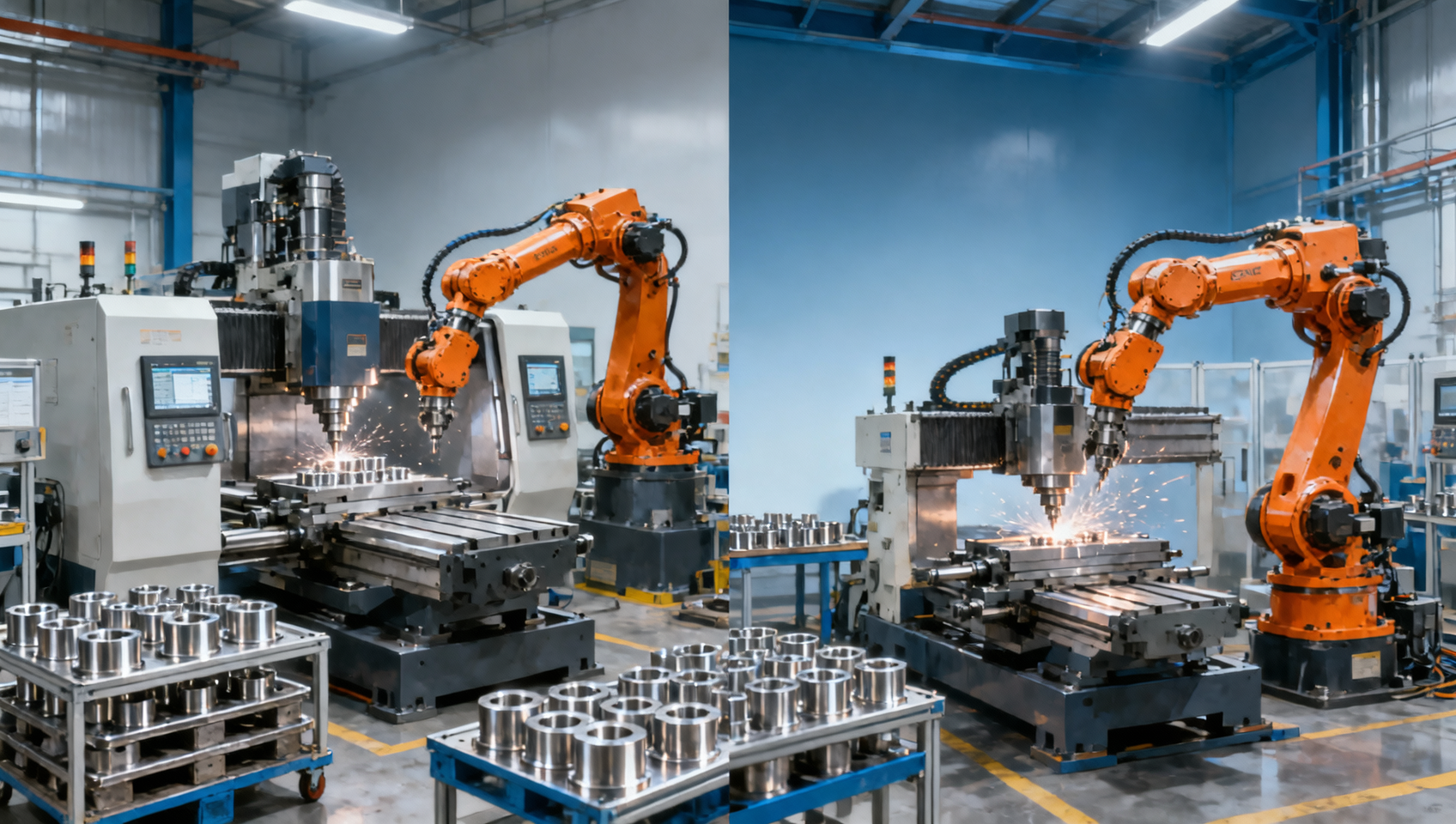
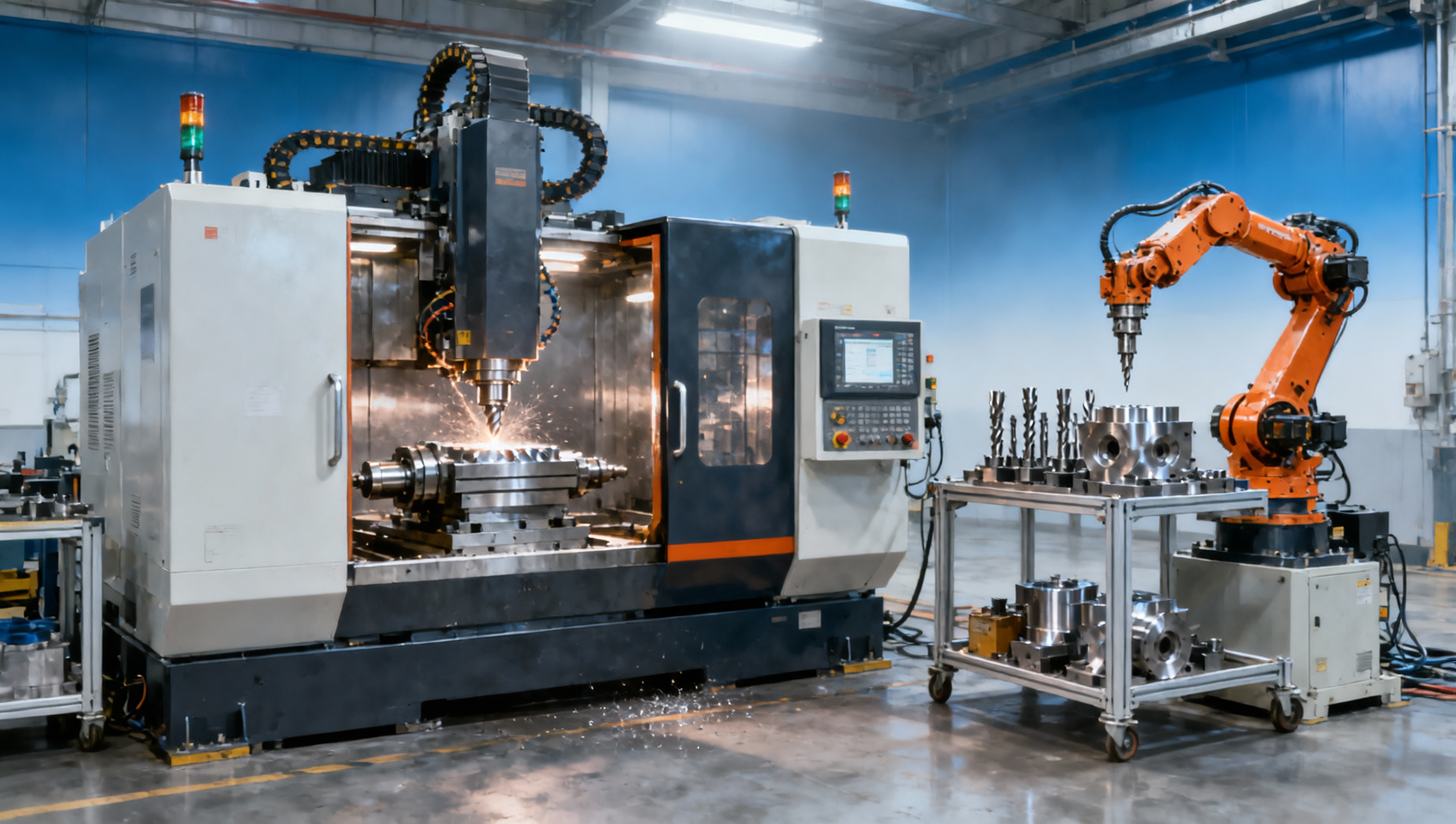
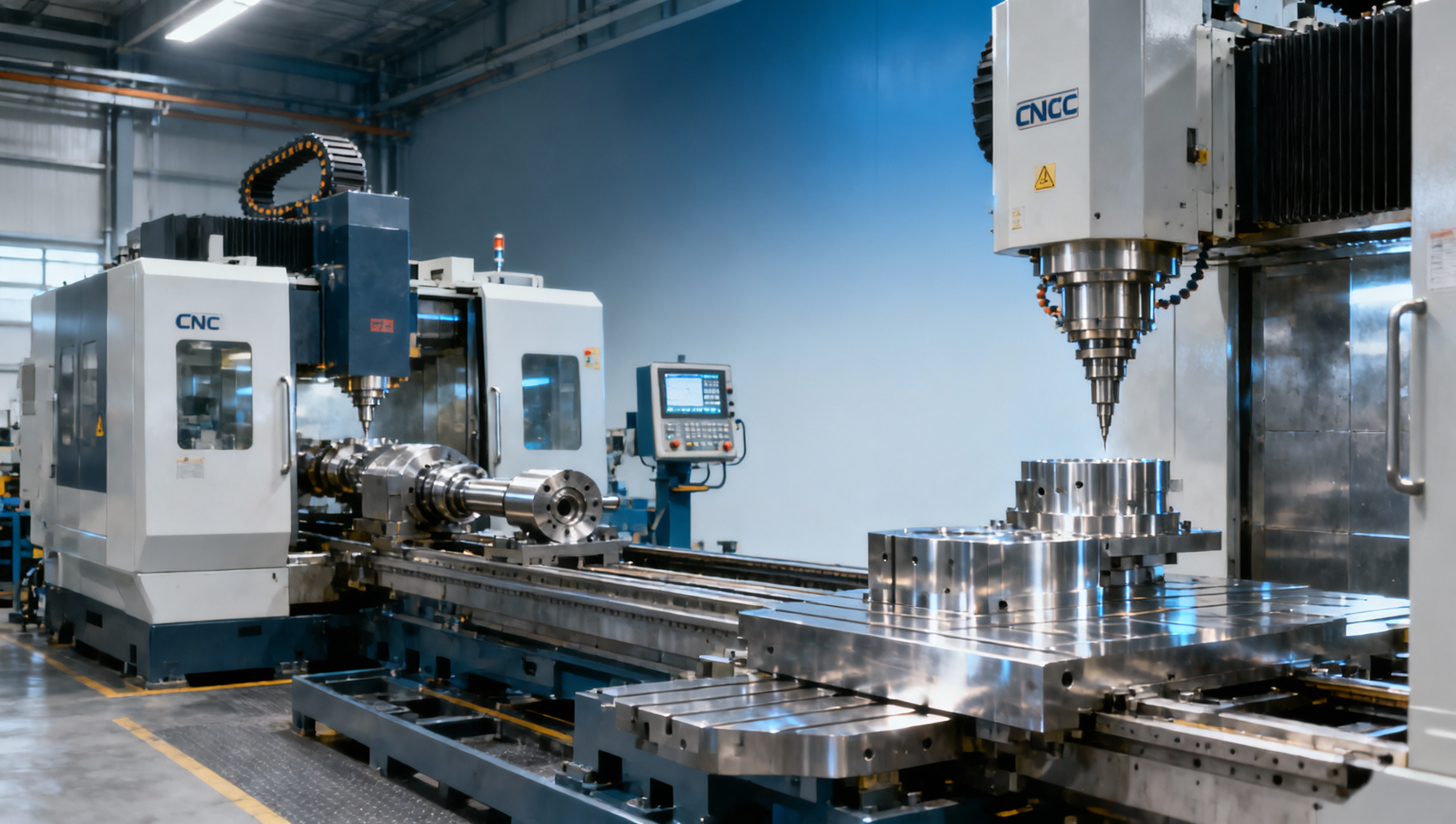
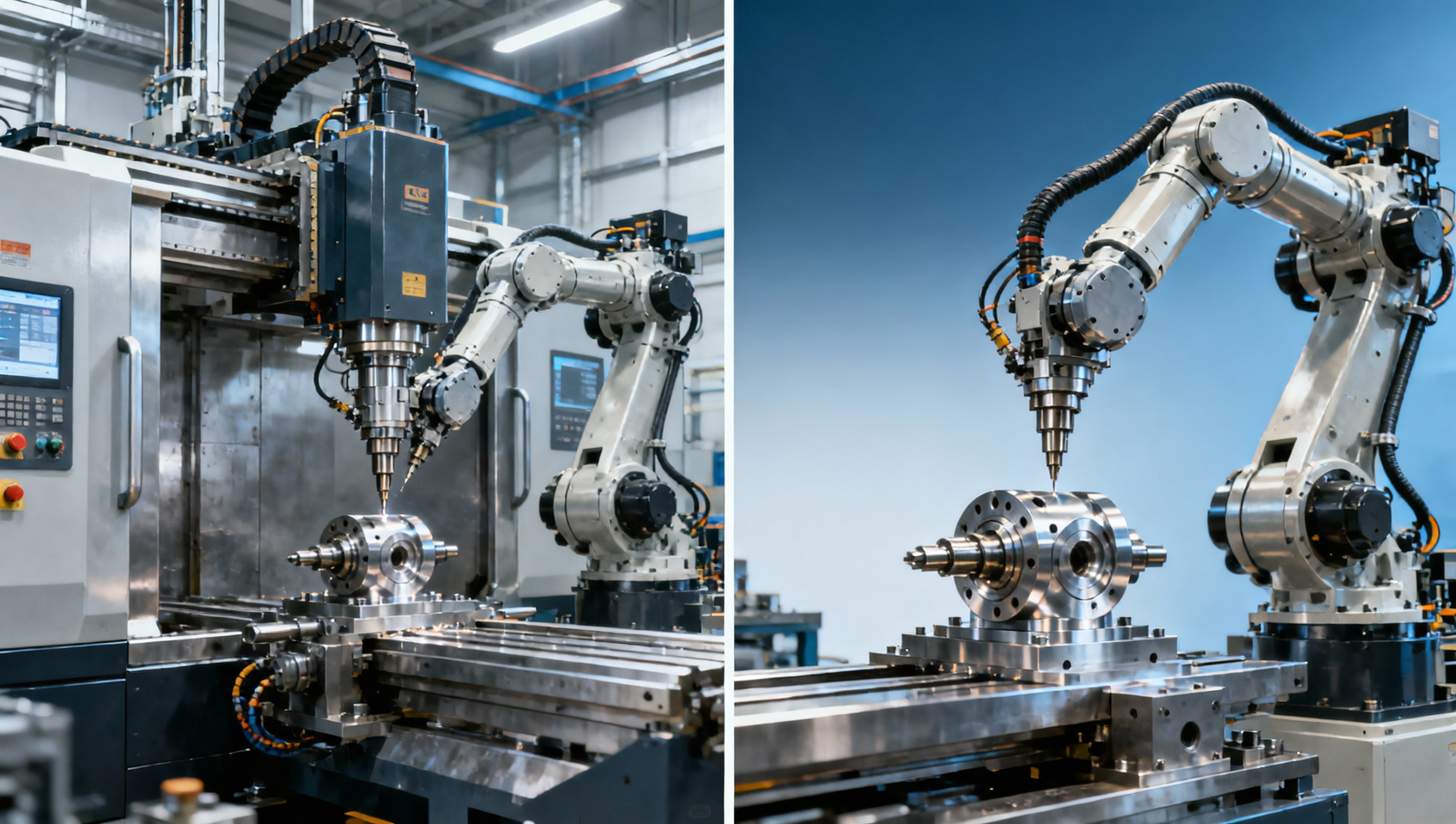
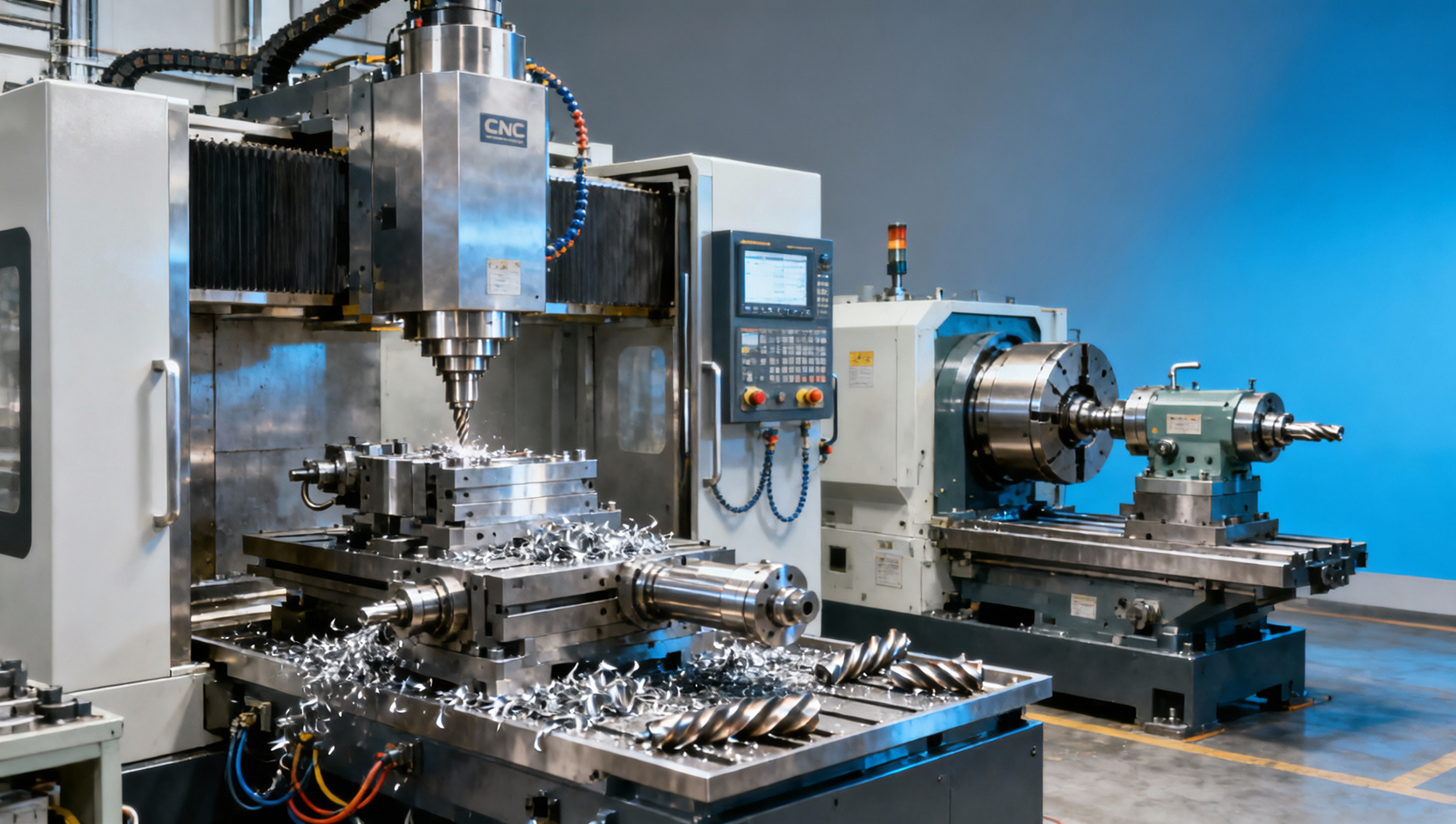
Automated production pays off faster when metal machining operations combine industrial CNC systems, CNC milling, and CNC cutting with a well-planned production process. For manufacturers, buyers, and operators across the Global Manufacturing landscape, the real value lies in higher precision, lower labor dependence, and better output consistency. This article explores how automated lathes, industrial automation, and smarter CNC production improve efficiency and shorten return-on-investment cycles in today’s Manufacturing Industry.
In the CNC machine tool sector, faster payback is rarely the result of one machine alone. It usually comes from the right combination of spindle capacity, tooling strategy, material flow, programming stability, and production planning. When these elements work together, automated production can reduce setup hours, raise machine utilization, and lower scrap rates within the first 6 to 18 months.
This matters to several decision groups at once. Operators want stable machining, simpler handling, and fewer manual interventions per shift. Procurement teams compare capital cost, maintenance intervals, and expected output. Business evaluators focus on throughput, labor structure, and total cost per part. Information researchers often need a practical framework that links technology decisions to commercial outcomes.
Across automotive, aerospace, energy equipment, and electronics production, the same question keeps appearing: what makes automated production pay off faster? The answer lies in choosing automation that matches part mix, order volume, tolerance requirements, and plant readiness instead of pursuing automation only for scale or image.
Why Payback Speed Depends on Production Fit, Not Just Equipment Cost
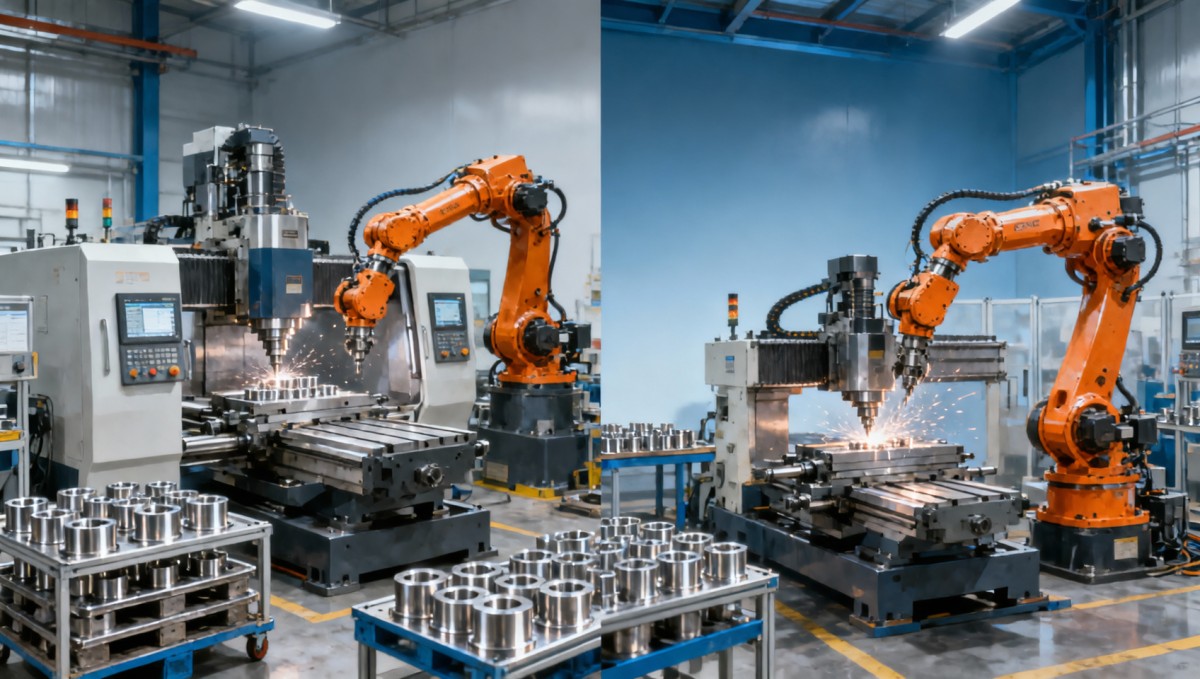
Many factories assume that ROI in CNC automation is driven mainly by purchase price. In practice, payback is more closely linked to production fit. A CNC lathe with bar feeder, robot loading, or in-line inspection delivers faster returns when it runs repeatable parts for 2 shifts or more, keeps changeovers below 20 to 30 minutes, and maintains stable dimensional control over long batches.
For high-mix, low-volume work, the best investment may not be the most complex cell. A machining center with quick-change fixtures, standardized tool libraries, and offline programming can outperform a heavily automated line if product variation is high. In those environments, cutting setup time by 25% often creates faster financial impact than adding one more robotic station.
Another overlooked factor is machine utilization. A plant that lifts spindle-on cutting time from 45% to 65% may see stronger payback than a plant that simply buys a larger machine. Automated production pays off faster when idle time, waiting time, and material transfer delays are removed from the process. This is especially important in precision machining where part tolerance may stay within ±0.01 mm but output still suffers due to poor scheduling.
Labor economics also shape the equation. If one operator can supervise 2 to 4 CNC units instead of running a single manual cycle, labor cost per part drops significantly. The benefit becomes even clearer in regions with labor shortages, night-shift constraints, or high training turnover, where automation supports continuity rather than replacing all human involvement.
Core Conditions That Shorten ROI
- Repeatable part families with similar clamping logic and cutting parameters.
- Cycle times between 2 and 15 minutes, where loading automation can remove frequent manual handling.
- Stable order volume over 6 to 12 months, allowing the cell to run close to planned capacity.
- Tool management systems that reduce breakage, missing tools, and setup errors.
- Program verification and first-piece inspection routines that prevent scrap during unmanned periods.
Typical Payback Drivers in CNC Automation
The most common payback drivers are not abstract. They include 10% to 30% shorter cycle time, 15% to 40% lower direct labor input per batch, and more consistent part quality that avoids rework. In plants machining shafts, discs, housings, or aluminum structural parts, these gains can accumulate quickly when supported by fixture stability and predictable tool life.
Where Automated CNC Production Creates the Fastest Financial Return
Not every application delivers the same speed of return. Automated production usually pays off fastest in parts with repeat geometry, regular order patterns, and measurable bottlenecks in loading, clamping, or inspection. This is why automotive subcomponents, electronic enclosures, hydraulic fittings, motor shafts, and energy equipment parts are frequent targets for CNC automation upgrades.
In turning operations, automated lathes are especially effective when parts are cylindrical, bar-fed, or suitable for robotic loading. If a line runs 3,000 to 20,000 similar parts per month, automation can reduce handling variation and keep the spindle active for more of the shift. In milling operations, pallet changers and fixture standardization often create faster returns than fully customized robotic cells.
The table below shows where different CNC automation setups tend to create value first. These are common operating patterns rather than fixed rules, but they help procurement and operations teams align technical choices with expected business outcomes.
PREVIOUS ARTICLE
NEXT ARTICLE
Recommended for You
 How to Choose the Right Metal Machining ProcessCNC Machining Technology Center
 Metal Machining vs CNC Metalworking: What MattersCNC Machining Technology Center
 What Drives Cost in Industrial CNC ProjectsManufacturing Market Research Center
 Is Industrial CNC Worth Upgrading in 2026Machine Tool Industry Editorial Team
 How CNC Industrial Systems Improve Shop EfficiencyMachine Tool Industry Editorial Team
 CNC Industrial Setup Mistakes to Avoid FirstCNC Machining Technology Center

Aris Katos
Future of Carbide Coatings
15+ years in precision manufacturing systems. Specialized in high-speed milling and aerospace grade alloy processing.
▶
When Does an Automated Lathe Save More LaborMachine Tool Industry Editorial Team▶
What Makes Automated Production Pay Off FasterMachine Tool Industry Editorial Team▶
OPC AI Maintenance Cuts CNC Downtime 42% in SuzhouMachine Tool Industry Editorial Team▶
Industrial Painting Robots: Where Finish Quality Usually DropsMachine Tool Industry Editorial Team▶
What Slows Down an Automation Line in Textile Production?Machine Tool Industry Editorial Team
Mastering 5-Axis Workholding Strategies
Join our technical panel on Nov 15th to learn about reducing vibrations in thin-wall components.

Providing you with integrated sanding solutions
Before-sales and after-sales services
Comprehensive technical support