• Global CNC market projected to reach $128B by 2028 • New EU trade regulations for precision tooling components • Aerospace deman
NYSE: CNC +1.2%LME: STEEL -0.4%

What Automated CNC Manufacturing Changes on the Shop Floor
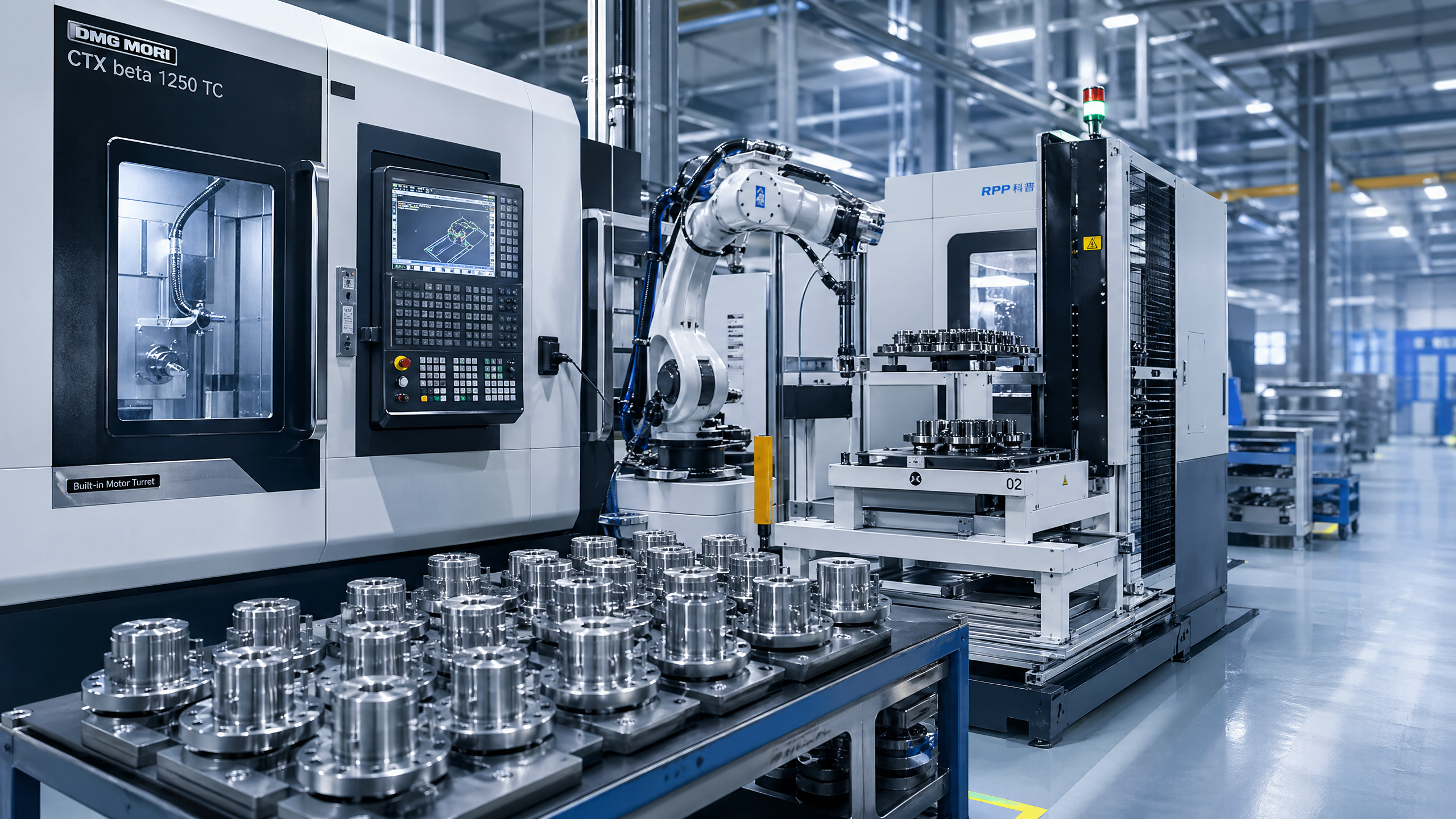
Automated CNC manufacturing changes the shop floor in practical, measurable ways: it reduces manual intervention, improves consistency, shortens setup and changeover time, increases machine utilization, and connects production data to better decisions. For manufacturers, buyers, and operations teams, the real question is not whether automation matters, but where it delivers the most value, what it changes in day-to-day production, and what trade-offs should be evaluated before investment.
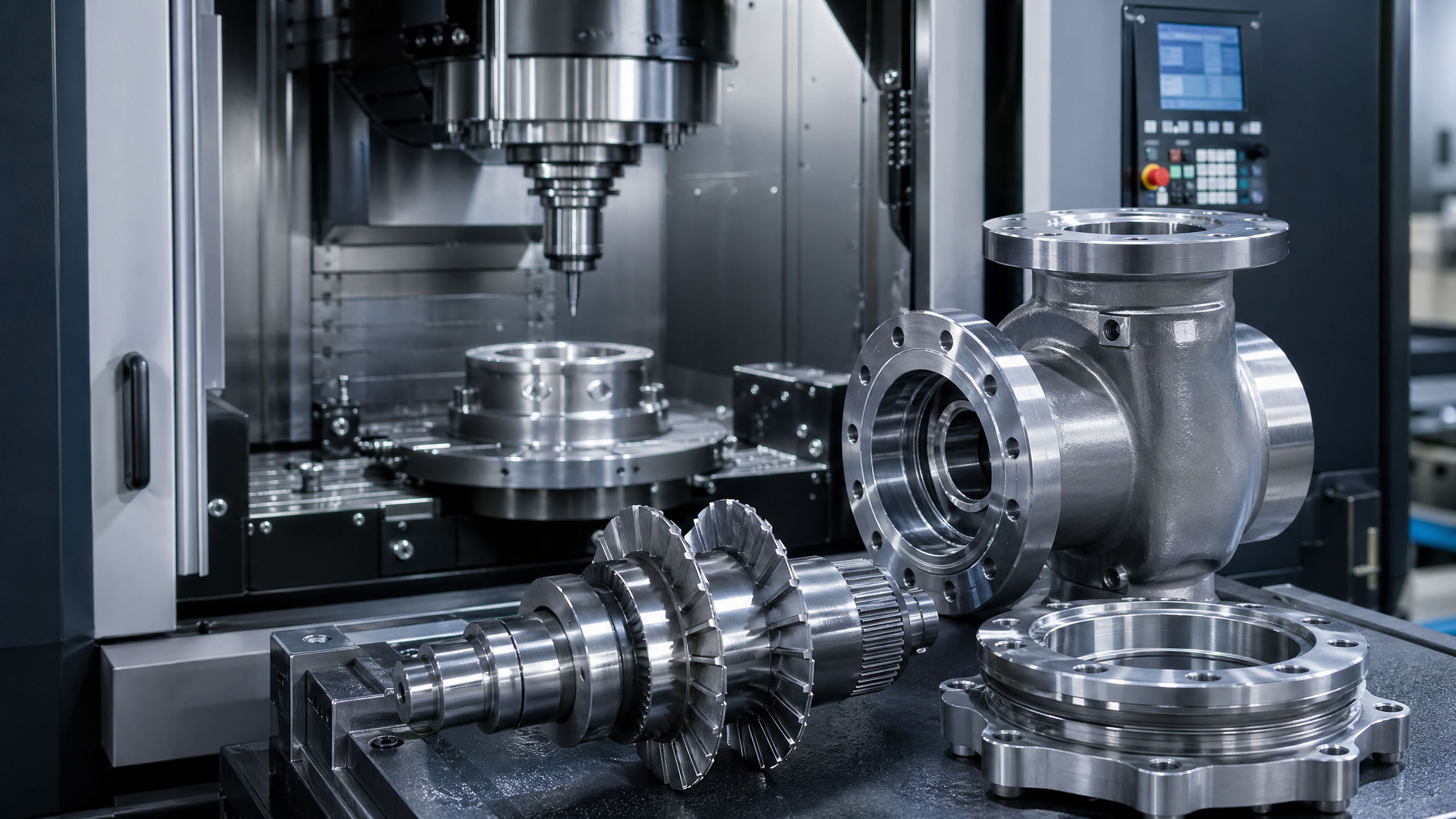
In today’s CNC manufacturing factory, automation is no longer limited to robotic loading or unattended machining. It now includes multi-axis CNC manufacturing, integrated tool management, in-process measurement, pallet systems, digital scheduling, and Digital Manufacturing Technology that links machines, operators, quality control, and production planning. On the shop floor, that means a shift from machine-centered work to system-centered production.
What actually changes on the shop floor when CNC manufacturing becomes automated?
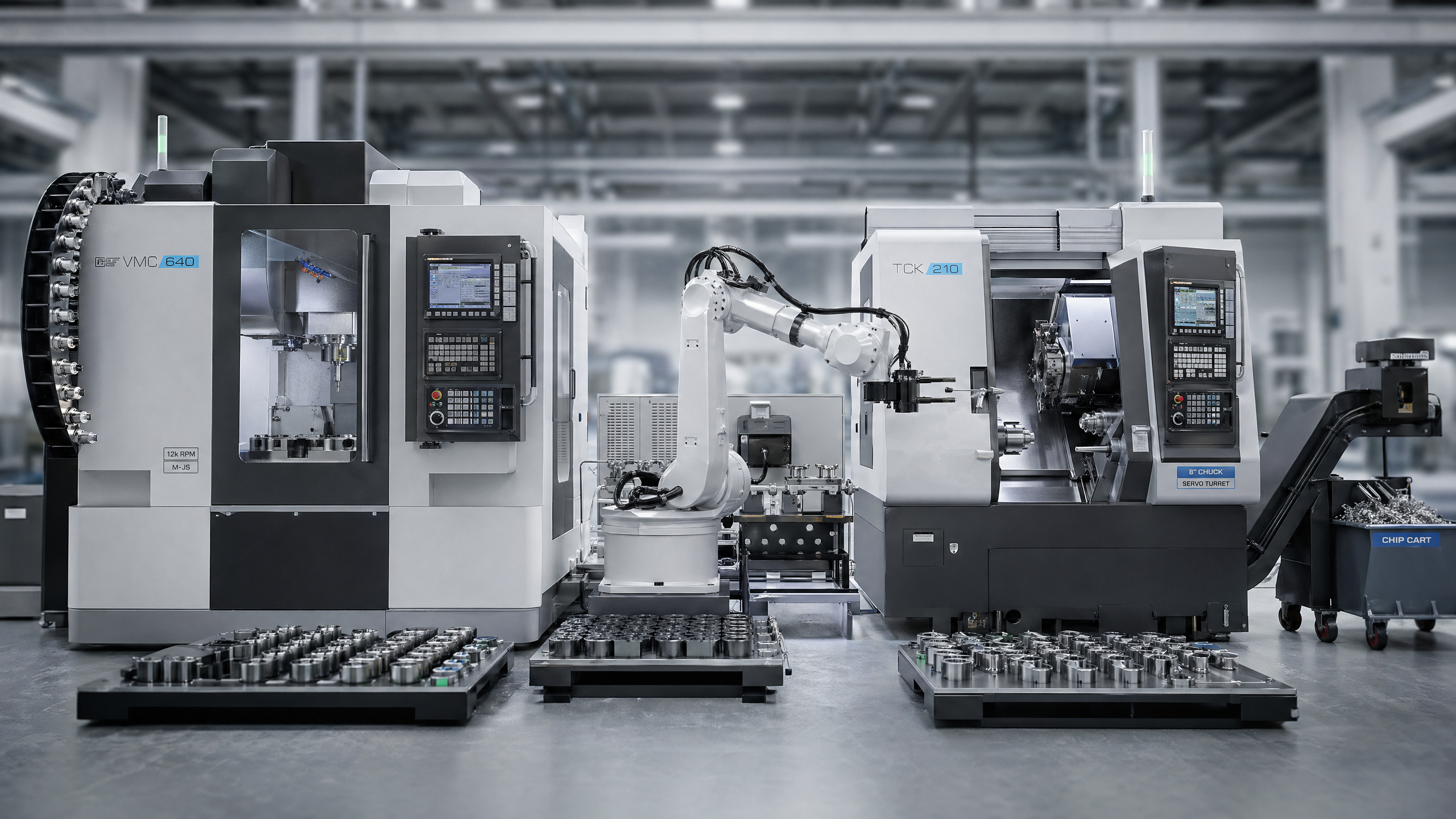
The biggest change is that production stops depending so heavily on constant operator presence for repetitive tasks. In a traditional setup, operators spend significant time loading parts, changing fixtures, checking dimensions manually, adjusting offsets, and moving work between stations. In an automated CNC manufacturing environment, many of these steps are standardized, digitally tracked, or handled by robotic and connected systems.
This creates several immediate effects:
- Less idle machine time: machines spend more time cutting and less time waiting for material loading, setup confirmation, or manual inspection.
- More predictable output: automated routines reduce variability between shifts, operators, and batches.
- Faster changeovers: tooling libraries, preset offsets, fixture repeatability, and program management reduce downtime between jobs.
- Improved traceability: production data, alarms, cycle times, and quality records are captured automatically.
- Safer workflows: operators are moved away from repetitive loading, heavy handling, and close exposure to cutting zones.
For industries such as aerospace, automotive, electronics, and energy equipment, these changes are especially important because the cost of inconsistency is high. Complex parts, tighter tolerances, and larger production volumes make manual control alone too slow and too risky.
Where automation delivers the most value in CNC production
Not every process benefits equally from automation. The strongest value usually appears in operations with repeatable sequences, high part volumes, tight takt requirements, or expensive machine downtime.
Examples include:
- CNC lathes producing shaft parts: bar feeders, robotic unloading, and automated gauging help maintain throughput with less operator intervention.
- Machining centers for structural parts: pallet changers and tool life monitoring reduce non-cutting time and support lights-out production.
- Multi-axis CNC manufacturing: fewer setups mean better geometric consistency and less handling risk for complex parts.
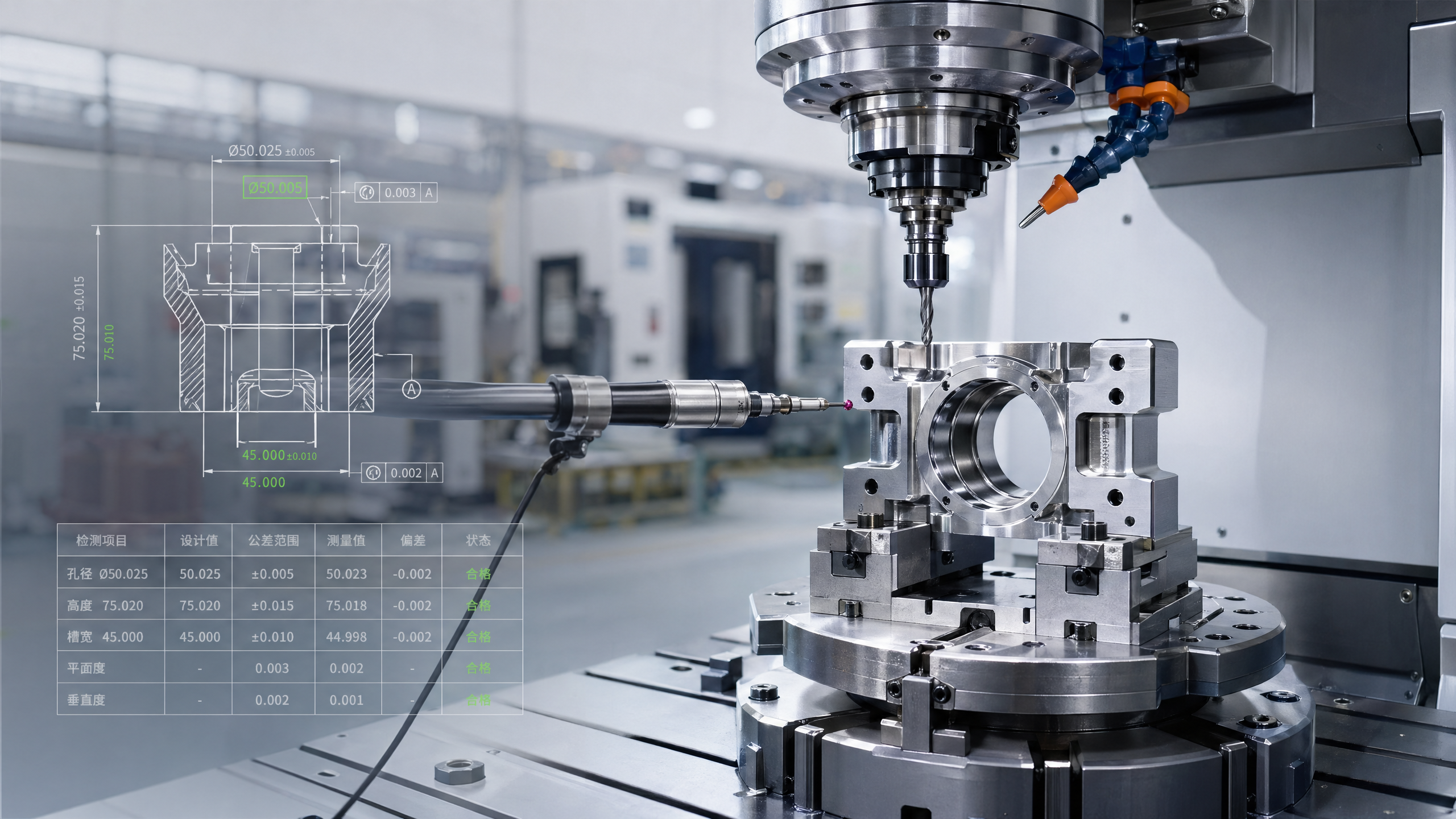
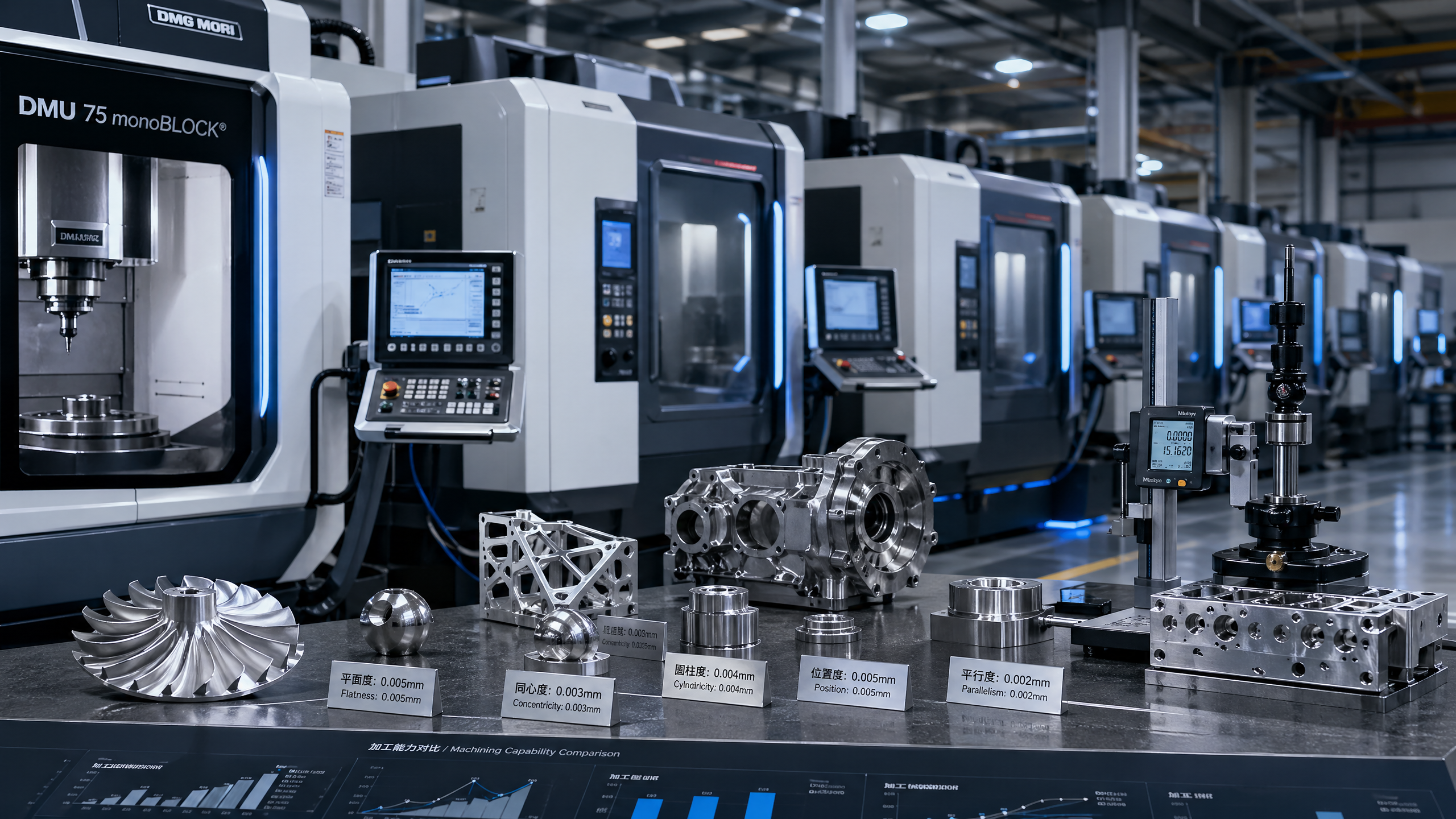
- Precision disc and housing production: integrated inspection and automatic compensation improve dimensional stability.
- Flexible production lines: automated routing and digital job scheduling support mixed-model manufacturing.
For procurement and business evaluation teams, this matters because automation creates value beyond labor savings. In many cases, the larger gains come from capacity release, scrap reduction, delivery reliability, and better use of high precision machine tool assets.
How operator roles change in an automated CNC manufacturing factory
Automation does not eliminate the need for skilled people; it changes where their time is spent. On a modern shop floor, operators are less focused on repetitive handling and more focused on supervision, validation, troubleshooting, process optimization, and quality control.
Typical role changes include:
- From manual loading to cell monitoring and exception handling
- From handwritten setup notes to digital setup verification
- From end-of-process inspection to in-process quality response
- From single-machine operation to multi-machine oversight
- From physical adjustment routines to data-based process improvement
This shift has workforce implications. Companies need training in CNC programming, automation interfaces, tool management, sensor feedback, and production software use. For shop floor teams, success depends not just on installing equipment, but on building operating discipline around standard work, alarm response, maintenance routines, and data interpretation.
How automation improves precision, consistency, and throughput
One of the strongest reasons manufacturers adopt automated CNC manufacturing is that it supports both speed and accuracy at the same time. Manual processes often force a trade-off: pushing for higher output can increase variation, while tighter quality control can slow production. Automation helps reduce that conflict.
Key mechanisms include:
- Stable part positioning: automated fixtures and repeatable clamping reduce setup variation.
- Tool monitoring: systems can track wear, predict replacement timing, and reduce defects caused by degraded tools.
- Automatic offset adjustment: in-process measurement can feed corrections back into the machining cycle.
- Reduced handling steps: fewer transfers lower the risk of damage and cumulative error.
- Process standardization: verified programs and digital work instructions improve repeatability across shifts and sites.
This is particularly valuable in high-mix, high-precision sectors where rework is costly and delivery commitments are strict. In aerospace and energy equipment manufacturing, for example, one defective part may represent significant material cost, machine time, and certification impact.
What buyers and decision-makers should evaluate before investing
For buyers, procurement teams, and business evaluators, the decision should not be based only on machine specifications or automation features. The more important question is whether the automation fits the production reality.
Key evaluation points include:
- Part mix: Is production high-volume and repetitive, or low-volume with frequent engineering changes?
- Changeover frequency: Will automation reduce enough setup time to justify the investment?
- Tolerance requirements: Is improved consistency a major financial advantage?
- Labor constraints: Is the plant facing operator shortages, high turnover, or skill gaps?
- Machine utilization: Are expensive assets sitting idle too often between tasks?
- Digital readiness: Can the factory support data connectivity, scheduling integration, and maintenance response?
- Maintenance capability: Is there internal support for sensors, robots, tooling systems, and software?
A good business case usually combines hard and soft returns. Hard returns include lower scrap, reduced labor hours per part, higher spindle uptime, and faster throughput. Soft returns include more stable planning, easier quality reporting, better customer confidence, and greater resilience under labor pressure.
Common concerns and limitations of shop floor automation
Automation brings clear benefits, but it also introduces new requirements and risks. Many projects underperform not because the technology is weak, but because implementation assumptions are unrealistic.
Common concerns include:
- High upfront cost: machine tools, robotics, software, fixturing, and integration can create a large initial investment.
- Complex integration: connecting CNC machines, automated assembly systems, inspection units, and ERP or MES platforms takes planning.
- Skill transition: teams may need retraining before they can fully use the system.
- Maintenance discipline: unattended or semi-automated production depends on preventive maintenance and fast issue response.
- Over-automation risk: not all low-volume or unstable processes should be heavily automated.
For this reason, many manufacturers start with focused automation steps rather than full transformation. Examples include adding pallet automation to machining centers, robotic loading to CNC lathes, automatic tool monitoring, or digital production dashboards. This phased approach lowers risk and helps teams learn what works in their own environment.
Why Digital Manufacturing Technology is becoming central to shop floor performance
Physical automation alone is no longer enough. The next level of performance comes from Digital Manufacturing Technology that connects production assets and turns machine activity into usable operational insight.
On the shop floor, this can include:
- Real-time machine status monitoring
- Cycle time and downtime tracking
- Tool usage and tool life analysis
- Production scheduling linked to machine availability
- Quality data capture and traceability records
- Alarm history and predictive maintenance support
This digital layer helps managers and operators answer practical questions quickly: Which machine is underutilized? Why are changeovers taking longer on one shift? Which tool causes the most scrap? Which jobs are suitable for lights-out machining? These answers improve not just reporting, but daily decision-making.
For global manufacturers and suppliers, digital integration also supports standardized operations across multiple sites. That is especially relevant as machine tool manufacturing hubs in China, Germany, Japan, and South Korea continue to influence global production standards and supply chain expectations.
Which manufacturers benefit most from automated CNC manufacturing?
Automated CNC manufacturing is most valuable for companies that need precision, repeatability, and scalable output. That includes:
- Automotive suppliers with takt-driven production requirements
- Aerospace manufacturers producing complex, high-value parts
- Electronics and precision equipment producers with demanding tolerances
- Energy equipment manufacturers machining large or critical components
- Contract manufacturers balancing multiple customers and fluctuating volumes
Even so, the right level of automation varies. A company producing stable, high-volume parts may justify dedicated automated cells. A high-mix job shop may gain more from flexible automation, modular fixturing, and stronger digital workflow control than from fully dedicated systems.
Conclusion: automation changes the shop floor by making production more disciplined, connected, and scalable
What automated CNC manufacturing changes on the shop floor is not just the presence of robots or advanced machines. It changes how work is organized, how quality is controlled, how downtime is reduced, and how people interact with equipment. The result is a production environment that is more precise, more data-driven, and better suited to modern manufacturing demands.
For operators, it means less repetitive manual work and greater responsibility for process control. For buyers and evaluators, it means looking beyond equipment features to utilization, fit, and return. For manufacturers, it means building a CNC manufacturing factory that can compete on consistency, speed, and adaptability.
The strongest automation strategies are not the most complex ones. They are the ones that solve real bottlenecks, match production needs, and combine high precision machine tool capability with practical Digital Manufacturing Technology and scalable workflow design.
PREVIOUS ARTICLE
NEXT ARTICLE
Recommended for You
 How to Choose a Space-Saving CNC Manufacturing SetupCNC Machining Technology Center
![]() What to Check Before Using a CNC Manufacturing WholesalerGlobal Machine Tool Trade Research Center
What to Check Before Using a CNC Manufacturing WholesalerGlobal Machine Tool Trade Research Center Why Precision CNC Manufacturing Fails Tolerance GoalsCNC Machining Technology Center
 Is CNC Manufacturing for Energy Equipment Worth the CostManufacturing Market Research Center
![]() How Low Maintenance CNC Manufacturing Cuts DowntimeMachine Tool Industry Editorial Team
How Low Maintenance CNC Manufacturing Cuts DowntimeMachine Tool Industry Editorial Team How to Compare One CNC Manufacturing Factory to AnotherManufacturing Market Research Center


Aris Katos
Future of Carbide Coatings
15+ years in precision manufacturing systems. Specialized in high-speed milling and aerospace grade alloy processing.
▶
What Automated CNC Manufacturing Changes on the Shop FloorMachine Tool Industry Editorial Team▶
How Automated Machine Tools Reduce Operator ErrorsMachine Tool Industry Editorial Team▶
Robotics ToB Scaling Hits Data Bottleneck in AI Visual InspectionMachine Tool Industry Editorial Team▶
When Does an Automated Lathe Save More LaborMachine Tool Industry Editorial Team▶
What Makes Automated Production Pay Off FasterMachine Tool Industry Editorial Team
Mastering 5-Axis Workholding Strategies
Join our technical panel on Nov 15th to learn about reducing vibrations in thin-wall components.

Providing you with integrated sanding solutions
Before-sales and after-sales services
Comprehensive technical support